Home
Health check up checklist for men Prostate Cancer - Prostate cancer is the lesser known killer in men. It is a slow growing cancer, but at times, its symptoms can be aggressive as well. Detecting prostate cancer at its onset can help in treating it effectively. Tests include a digital rectal exam and a blood test for Prostate Specific Antigens (PSA). Testicular Cancer - This uncommon cancer can affect any male between the ages 21 to 55. A physical exam during yearly medical checkups is recommended for all men. Men having a higher risk, with family history, should speak to their doctors regarding additional tests for screening. Self-examination through regular gentle palpation of the testicles to notice any change in shape or size, presence of lumps is also suggested by doctors. Colorectal Cancer - This is the second most common cancer in men. Men over 50 and younger, if they have a familial risk, are suggested to get a screening colonoscopy done to detect this cancer. It usually starts as a polyp that grows and invades the nearby areas to develop into a full-blown cancer. The polyps, if detected early, can be removed and cancer prevented. A CT scan or a double barium enema can also help in detecting polyps. High Blood Pressure - With the kind of lifestyle men lead today, almost every other man is bound to have BP issues. Regularly checking the BP is essential as it helps detect high BP which may lead to a variety of other problems including stroke and heart attacks. The sooner the detection, the sooner the measures for control. Cholesterol Levels - Bad eating habits, sedentary lifestyle, and mental stress can all lead to lots of cholesterol roaming around in your arteries. This will eventually clog the arteries and cause diseases like high blood pressure and atherosclerosis which can be life-threatening. Get your total cholesterol, LDL, VLDL, HDL, and triglyceride levels checked regularly and initiate timely interventions to bring them under control. HIV - This is the most commonly spreading STD among men. Due to its chronic nature, HIV is often detected accidentally when it may be too late. Regular tests for HIV detection are essential if one is physically active with multiple partners. Be safe though and use a condom. Glaucoma - It is extremely common and is one of the leading causes of blindness. Glaucoma has no cure, but it can be controlled well with timely detection. Screening tests should be undertaken by men under 40 years at an interval of 2 to 3 years after 35. A yearly test is recommended for older men.
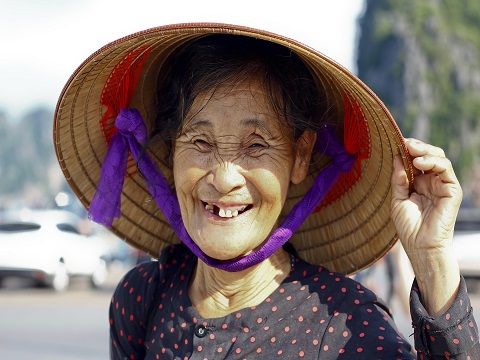
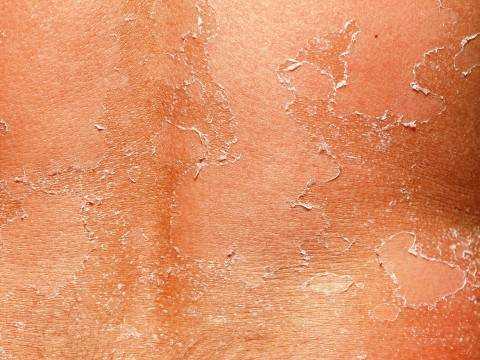
Aging milestonesChanges in old age depends on attitude as much as person to person. In young old age some changes begin to take place in a person’s appearance. Wrinkles, warts, age spots begin to form on the body. Hair begins to thin or becomes grey and even height lessens because the bone density decreases. While in ‘old‘ old age these changes are already permanent. Men might look distinguished if in good health, but women all look grandmotherly. In ‘young’ old age, cells begin to decay and muscle mass declines and immunity is no longer as strong as it used to be. People lose energy as the age progresses.  ‘Old’ old age brings in a lot of physical decline, profound changes in appearance and motor abilities, as also in sensation. Skin gets less elastic and becomes thin and blood vessels can break under the skin. The senses also begin to become dull. Eye lenses get affected and color perception and reading ability becomes very low. Hearing loss may lead to paranoia and ‘old’ old age people begin to think everyone is plotting against them because they can’t hear properly about what others are saying. Sense of smell also declines, but the taste remains almost intact. In ‘young’ old age, reflexes also slow down and so do the motor abilities. By the time they reach ‘old‘ old age most adults find that their response time has become quite reduced. This can be seen most in driving situations where it is difficult for ‘old‘ old aged adults to operate their vehicles as they have poor spontaneous responses. The ‘young’ old adults do not lose as much of their motor abilities as the ‘old‘ old adults, especially when holding small things like needles and pins. Of course, there are changes in sexuality and there may be a decline in the ability to have sex as men may not have an erection and women become dry due to lack of female hormones. Cognitive decline in 40% to 60% of older adults can be arrested with remedial training. Despite all the changes, most people even in their 70s remain comparatively active if they do not suffer any illness. Mental, physical, and social activity is necessary to maintain the quality of life. Old people begin to withdraw from work and other important roles and allow the younger people to take over. They are a lot happier as is also advised in Vedic literature as vridhashram. While activities are important, disengagement is equally important. Memory loss becomes aggravated and other cognitive abilities begin to decline and there are many ‘old‘ old adults who get Alzheimer’s and lose the ability to look after themselves. Old people also dwell on questions of death and sometimes go through a phase of denial and then anger that they have so little time left. Acceptance of death comes, but after a struggle and the idea of losing the family saddens them. Old people require support in their declining years as they begin to lose their faculties.
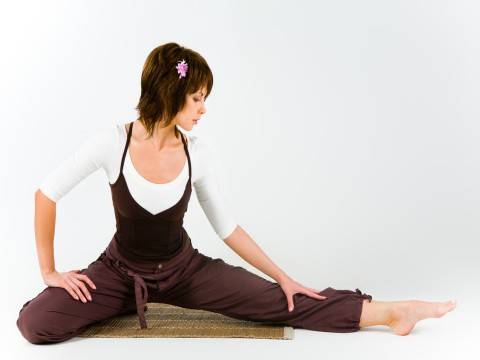
Leg toning exercises for womenFor those women who will leave 'no stone unturned', here are a few great exercises which work superbly on the legs and whole body. For those who have always wanted a great pair of legs, don't change your jeans brand. Just change your brand of exercise. Here are great leg toning exercises that can make your legs attention grabbers. Well-shaped legs are what every woman desires especially as it signifies 'movement', 'mobility' and 'strength'. When we say legs we mainly mean the thighs, the calves and the feet. To get more precise the quadriceps of the thighs the hamstrings and the hip adductors are the prime targets of most exercises. A complete leg work out would also include the 'Tibialis Anteriors' or the shin muscles. Exercising the legs can be quite a frustrating thing especially if the leg muscles don't show any cosmetic improvement. Here is an exercise regimen which will ensure that you will get those attention-grabbing legs along with the strength, flexibility and tone which you have always desired. The stand This is probably the most undermined exercise of them all since it doesn't involve lugging heavy weights around or running for miles or squatting! It is a foundation exercise for the legs.  Choose your favorite spot on the floor and just stand erect with both feet together and toes pointing forward. Hold the hands straight at the elbows and keep the shoulders square. Tuck the chin in and do not bend your knees. Feel the ground under the feet. Now flex your thigh muscles and keep your feet firmly on the ground. Direct your attention towards the back of your thighs and keep your knees taut. Stand firm for about 3-5 minutes initially and gradually extend to five minutes or more. This exercise is simpler than it actually is as it keeps the thighs taut and firm. The entire leg gets a marvelous stretch and any faulty standing or postural habits create unnecessary tension and uneven hip alignment. The standing pose will be your first step towards trim and well-sculpted legs. The One Leg Extension After you perfect the stand, here is another great leg exerciser - The one leg extension Perform a stand as in the previous exercise for about 30 seconds. Once you get your grounding and feel your foundations beneath the feet, take a deep breath. Now flex your thigh muscles and keep the kneecaps taut without feeling any strain. Bend the left leg at the knee and raise it without bending at the right leg. Now catch hold of the big toe with the left hand and hold the pose for a few breaths. You will initially struggle for balance as you have to keep the other leg straight. Now that you have caught the big toe of the flexed leg gradually straighten the leg out without letting go of your grip. This is a challenging pose especially for the hamstrings, the hip flexors and the calves since the leg muscles are going to be a little tight especially around the hips and the hamstrings. With regular practice, the pain will ease and then you can even try and take the toe towards as high as you can with the aid of your left hand. Repeat with other leg following the same sequence. One Legged Squat The one legged squat is a superior exercise to the two legged variety is that it doesn't require many repetitions as it is quite a strenuous exercise even for advanced exercisers. Stand with the back of a chair within easy reach initially. Extend the right leg out first and squat down to your heel with your left. Once you have reached the end of the squat try not to touch extended leg as there comes the difficult part - getting up to standing position without touching the floor with your hands for support. Raise yourself to standing position and repeat with other leg. You can do about 3-4 sets with the same leg or alternate legs using the back of a chair for hand support as you squat deeply. The single legged squat exercises the gluteus, the knees and the entire hip joint and also gives lower back strength. Initially your knees might hurt so don't try this without support of a chair or a partner. Stop in case of intense pain. Step Training If plain jogging doesn't do the trick for shapely legs for you, try using stadium stairs or any gradient which is at 30 degrees and comprises even steps. Your regular apartment stairwell or even a pedestrian over bridge can do the trick. First set only walk up one step at a time. Second set do alternate stairs. For the third set you can sprint up as fast as you can the entire flight of stairs or halt for exactly ten seconds when tired and start again. You have the option of stopping as many times you wish as long as you start again after ten seconds. This can work up quite a sweat and regular step training works out and touches muscle groups that even normal running or squats cannot reach.
Marrying late in lifeConventionally, the marriage age is determined according to the linear formula of happiness that we have constructed and believe to be true. The formula being: getting married by 24 --> having children by 27 --> working (optional) --> becoming a grandparent (that too, real soon!). However, time and again, men and women wandering in their 40s-50s have woken up from the deep disturbed slumber to realize that maybe- just maybe, they had walked into things too fast. They had been unable to know who they are and to become a self-conscious human being before being ready to fuse their lives with another. The prime point of being single and marrying later in life is not to go on some form of egoistic joy-trip but to be able to know oneself and become ready to be the right person for the other. By marrying late, you give yourself time to experience freely what you like and dislike. You get to explore the world at your own terms- travel whenever you want and involve yourself in festivals and activities that manifest who you are. Marrying early doesn't allow for time to explore one's being, as marriage generally immediately follows the time you finish your studies or begin working. One of the most important aspects of adulthood today is travelling. However, every individual has unique wants of travelling and being a single adult will allow you to experience the world fully. You will also get in touch with yourself, exploring how you would like to live. The decision will arise from a ground of experiences which would clearly tell you what repels and what appeals to you. Such experiences are rarely findable once you begin living with another, as you would have to schedule your days and basically, your routine around the other's life as well. Financially, you have reached a point where you know how to take care and manage finances, allowing you to plan your wedding pragmatically. Marrying at a later point in your life allows you to be clear about when you would like to be a parent. Your experiences also ready you to be a considerate and understanding parent who can guide a child. As you grow older, you tend to become more tolerant and the propensity towards differences turning into unnecessary fights is lowered. As our ways of looking at the world change, every person as an individual has the need to learn to see the world as a home. This feeling of being at home is created only through series of experiences one has to go through as a responsible adult. In the face of inexperience, two individuals coming together often find themselves incapable of being happy with one another. Marrying later allows you to have grown into a wiser person yourself before sharing your life with another.
LBW - Babies that don't throw too much weight around!You'll hear this term if your baby weighs less than 2.5 kg (5.5 lb) when born. About six in 100 babies who are born in the UK have a low birth weight. There are a number of reasons for LBW in babies, with premature birth topping the list as far as reasons go. Babies born prematurely could have extremely low birth weight as compared to babies that are born between the natural term of pregnancy, i.e., between 36-40 weeks. So what are the other reasons behind LBW babies? Descent is an important factor that could also determine birth weight. A survey conducted in the UK showed that children born to people from the Indian sub-continent (Indian, Pakistani, or Bangladeshi) or African parents are more likely to be born with LBW as compared to babies born of white Caucasians. In case of twins or triplets, there are chances that one or all offspring might have LBW due to lack of space in the womb. The mother's health would largely determine the healthy weight of the child as well. Emotional problems faced by the mother during pregnancy could have a link with LBW. Same goes for addictions like smoking, alcohol abuse, designer drugs, and at times, health conditions like high blood pressure which cuts off healthy blood supply to the fetus. Even damage to the placenta can cause LBW, as the fetus does not receive vital nutrients, blood, and oxygen which can cause stunted growth or low weight at birth. Any congenital or hereditary conditions can also affect the baby's weight. There is much uncertainty with regard to the future of a baby with low birth weight. There have been instances where LBW babies have developed conditions like obesity, diabetes, or heart disease in later years. It is a common fear that LBW babies develop behavioral or emotional problems in schooling years and they are likely to have low intelligence. Of course, there isn't any concrete evidence. The pivotal factors here would be to find the cause for LBW and what trimester of pregnancy was it detected. Providing a stable family environment and taking special care of a LBW baby can also go a long way in keeping it healthy in subsequent years. Not to forget that the parents' size and genetic predisposition would have a lot to do with the baby's health and even weight. If the parents are small in size or underweight, then the chances are that the baby will be born small or with LBW. Breastfeeding the baby is the best strategy that a mother can adopt to ensure that the baby grows up well. While growing up, the parents will have to ensure that the baby receives a balanced nutritious diet to ensure healthy weight.
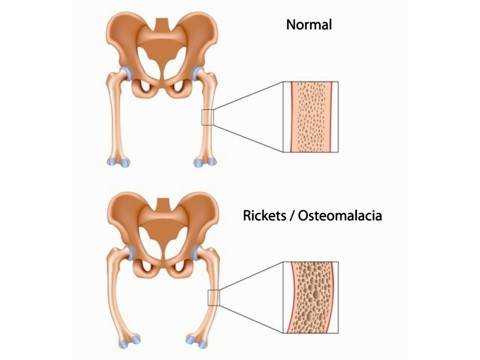
Bow legsCauses: Physiological - As mentioned before, bow legs are normal below 18 months of age. Thereafter as the child continues to grow the bowing begins to improve slowly. By the age of 3 to 4 the deformity usually gets corrected. Blount’s disease - This disease results in bowing of legs due to abnormality of the growth plate of the upper part of shinbone known as tibia. Growth plates are the growing end of the bones. It is diagnosed after the child is 3 to 4 years old. Rickets - Rickets is a group of diseases that occurs due to deficiency of vitamin D. Rickets is characterized by bow legs and other bony deformities. Most commonly rickets occurs in children due to deficient intake of vitamin D. Signs and symptoms: The bony deformity becomes visible when the affected child walks or stands. The uncommon walking pattern of the child is the commonest symptom. Bow legs usually do not cause any pain. However, persistent and severe bow legs cause discomfort to other bony structures like spine and hip. Test and diagnosis: The doctor at first asks questions to the parents regarding the development of the child. This is followed by physical examination of the child. Physical examination often suggests bow legs. If the doctor suspects an underlying disease, necessary laboratory tests are done. The doctor always asks for an x-ray of the affected legs to evaluate the severity and extent of bowing. Treatment: If the bow legs persist after 3 to 4 years or an underlying disease is detected, treatment is undertaken. Medical and non-surgical treatment- In cases of physiological bow legs, no treatment is required. The parents are reassured by the doctor and spontaneous resolution takes place by the age of 2 years. Continuous followup is advised for borderline cases. Children with Blount’s disease need treatment with a brace. Children with rickets need medical management by a specialist doctor. Additionally, they need advice and regular followup by an Orthopedic surgeon. Surgical treatment  - If the bony defects persist in children with bow legs even after medical and nonsurgical treatment, surgery is required to correct the bowing. Two types of surgery is advocated to correct bony deformity of the legs. Guided growth:  Growth of the healthy part of the growth plate is stopped and that of the abnormal part is promoted. This allows straightening of the legs. Tibial osteotomy: The shinbone (tibia) is cut and reshaped to correct the deformity. Then bone is fixed with screws and plate. In both surgeries a cast is applied to promote healing of the bone. Crutches may be required for a few weeks to prevent weight bearing on the limb. Later, physical therapies are advised for complete recovery of range of movements and regular activities. Prevention The parents need to be vigilant about appearance of any bony deformity in legs of their child. The child must be given adequate amount of vitamin D in diet or vitamin D supplementation to prevent development of rickets.
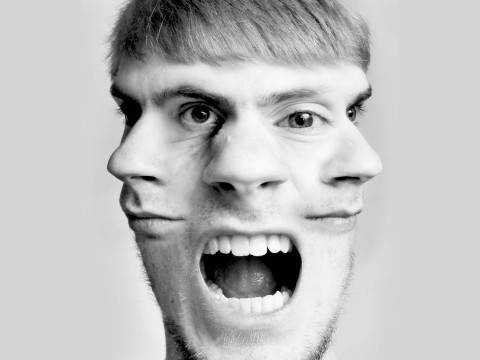
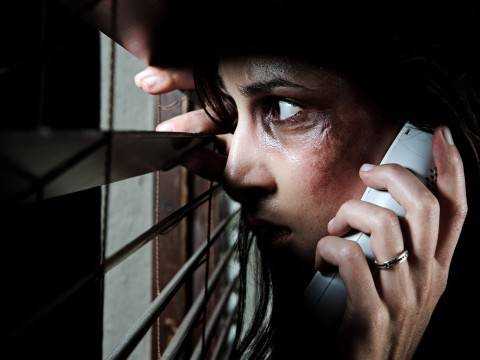
Anxious about anxiety?Anxiety disorder is a term that almost everyone has heard and experienced in some form or the other. It is a generic term used to describe different forms of a mental disorder wherein those afflicted show typical characteristics of great apprehension, fear and trepidation. The symptoms, of course, vary depending on the severity of the affliction. So you can have 'anxious moments' when you narrowly escape an accident while driving - that's temporary and natural, while some others might have chronic anxiety which might need medical aid. Types of anxiety disorders Generalized anxiety disorder: There is no specific reason for the symptoms of anxiety i.e. restlessness, apprehension, worry, and panic. Thus the term general anxiety disorder (GAD) is any irrational worry which is disproportionate to the source of anxiety. GAD is a state of perpetual irrational and persistent fear which absorbs a person's time or can disrupt his normal functioning. The symptoms of GAD are light headedness, sweating, difficulty breathing, nausea, and numbness. Phobias: Phobias are an irrational morbid fear for certain things or objects. The list of phobias is exhausting as it is anything that a human being is capable of being afraid of. Thus you have arachnophobia which is the fear of spiders, homophobia, which is the fear of homosexual people orxenophobia,the fear of foreigners. Phobias can completely paralyze and terrorize a person and is a form of anxiety disorder. Obsessive compulsive disorder: This is the classic loop where a person is afraid of certain situations arising constantly and thus takes precautionary measures to ensure that it won't. Only thing is that this turns in to a compulsive ritual which can throw her in a loop. Thus a person can be said to have OCD if she persistently checks to see if the gas valve is off as she has a fear that she will set fire to her home. It is a particularly distressful anxiety disorder. Post-traumatic stress disorder: This is anxiety arising out of a traumatic incident which the person undergoes. It could be a horrific accident or an extremely brutal incident which the person has witnessed. The trauma is revisited again and again in the mind and manifests as anxiety. This disorder is based on real events that the person has experienced or undergone and can take a long time to heal. Panic disorder: This is characterized by panic attacks or episodes where great terror or discomfort is experienced. It is a very unsettling experience as the patient feels he is about to go unhinged or something dangerous or embarrassing is going to happen to him. Thus the sensation or feelings of panic build up and reach a crescendo resulting in a panic attack. Sometimes in a panic attack, the patient's reality and perceptions are distorted and blurred and can thus put him in danger. According to the National Institute of Mental Health there could be a number of reasons for anxiety disorders. They vary from early childhood environment to lifestyle causes, heredity and even environment.    
How to remember everyone you meet?Now that would be quite a feat, would it not? To be able to recall the name and occupation of every person we ever encountered right down to the minutiae of how, where, and why we were introduced to them to begin with! Sometimes we raise the bar of forgetfulness to the extent of forgetting just who it was who introduced us to "Mr. what's-his-face!" If only there were ways to remember the modest and average people who leave virtually no impression on us, wouldn't that save us great embarrassment? Plus it will help us do away with those sheepish looks when it dawns upon the other person that you haven't the foggiest of notions as to who he is. Stranger: Hi! You remember me? How are you doing, Frankie? Frank: Umm! I am well (this guy's face looks mighty familiar, but for the life of me, I cannot recall ever having cast my eyes on him). Stranger: So, how was your annual bridge completion? Manage to beat the Swiss pairs this time? Frank: Atta boy! Got it! This guy happened to be kibitzing at the weekend bridge club at Aldermere. Whew! Stranger: You gave me quite a start there. You looked right through me and I was quite not pleased at the fact that just last week I happened to congratulate you. Frank: Well Martin, be tough to not remember you, of course I do! Just didn't think of bumping into you here. Martin: Well, I am Walther and I can now see that you don't remember me at all! How many times has the above scenario happened to us? While it is well-nigh impossible to remember every name or face that we come across, it would be  a good habit to at least attempt our 'mental name book' to avoid an occasion for future embarrassment! Now, how in the world does one do that? Simplest way would be to carry a small notebook with a pen to make note of someone that you have just been introduced to, at a meeting or a social do. Our friends often introduce us to people and chances are that if there is no occasion to remember that person, then the brain fades it out of its memory list, as it will only use up space on the brain's 'hard disk.' Human memory might be jogged to remember trivia from 25 years ago in great detail, but ask a simple question - remember what you had for lunch last Tuesday?  - and that would be very difficult to answer, especially if last Tuesday was just an ordinary day with no special reference points around lunchtime to help you remember. Maybe if something momentous had occurred on Tuesday last, like pretty Meg from next door, sharing lunch with you rather unexpectedly, then you can bet your bottom dollar you will remember what you had on the day in question. So create reference points! When you are introduced to someone, first and foremost, reference it with who introduced you and then try and make a reference of at least one unique distinguishing feature in that person. Now you don't really require the eye of a physiognomist, and it would be mighty impolite to stare hard for the "distinguishing feature" coin to drop. So a quick look and you got 'long nose Mary Gomez' all referenced and ready for recall at the next chance meeting. Make the reference phrases funny so that you won't have any problem whatsoever in recalling the name behind the funny phrase when you most require it. Alternatively, try associating a picture with the name if you aren't very good with phrase reminders. These techniques are called mnemonics, which is pronounced ni-mon-nics, and funnily enough the very curious spelling - Mnemonics makes you want to have a picture card memory association for the right pronunciation. A mnemonic for this could be 'knee-moan- knicks". Easy enough, i.e., if you remember the sequence right. You could also try memory exercises with names picked off from the telephone directory at random. Pick an A-lister say - 'Anderson' and then flick through to D and pick 'Dougherty' and so on until you have picked at least 10 names of a different alphabet. Now, try and write down the numbers that you must have undoubtedly memorized until now. You can consider yourself blessed even if you are able to memorize the number of the third person by the time you reach person number 10. This will give you a memory for names and numbers at least. Or, go through any university web sites and look at the photo galleries of past alumni. Give yourself 1 minute to quickly glance at all the names on the page. Then try and recall the name by applying the memory picture association or develop your own technique. With regular practice, you could well be in the employ of the local police to help identify criminals off a line up. If that's too dangerous for you, then at least that will  keep your brain alert and active with this brain gym and help avoid any boo-boos in the future.
10 bedtime beauty essentials! Here are the beauty essentials you need to take into consideration, before you hit the bed: Baby-soft soles :Before you sleep, apply Vaseline on the sole of your feet. This will adequately moisturize your soles and you can wake up to the great opportunity of wearing those heels you have been dying to try out! Healing the puffy eyes : If you are worried about waking up with puffy and tired eyes (even after 6 to 8 hours of sleep), then put on a little eye cream. You can also keep an extra pillow and make sure you sleep on your back. This will allow the fluids around your eyes to drain easily and reduce the puffiness. Trying out wavy hairstyle : Bedtime is the best time to work on your hairstyle. Before you sleep, shower and fashion your hair into the style you want. Apply a styling cream on your hair gradually, after having air-dried it. Now, decide if you would like to put them up in buns or braids. Stylize them into the pattern and wake up to wavy hair! Let your skin breathe : Those who are suffering from dry skin can apply moisturizer. A humidifier is also a great accessory for help in these cases. You can switch on the humidifier before you go to sleep. This will help your skin to retain its moisture through appropriate hydration. Keep aging at bay :Did you know that sleeping on cotton pillowcases can increase the chances of creases and wrinkles on your skin? Prevent wrinkles by using silk or satin bed clothing. This will also reduce hair breaking. Wake up, miss white smiles: If you want to take off the yellows from your teeth, then brush some baking soda and let them stay for about 8 minutes. Afterwards, thoroughly rinse your mouth. Do not perform this beauty tip more than once a week, it will negatively affect the structure of your enamel. Work on your complexion :During the day, sunlight might disable some face creams from working effectively on your complexion. Make the most use of night and apply a face cream containing retinal and vitamin C. Lengthen your lashes : Eye lashes depth and grace to your eyes. You might feel that working on your lashes will require way too much effort. But, much to your surprise, everything your lashes need is contained in a natural ingredient - castor oil. Consisting of Omega-3 fatty acids, which are highly hydrating, they will avoid your lashes from breaking and also strengthen them. Apply castor oil on your lashes before you sleep and watch them grow thick and healthy within a few weeks! Taking care of your hair : Skim leave-in conditioner through your hair in the evening and let them stay on till the morning. This will let them become soft and shiny. You can also use coconut oil as an alternate conditioner. Readying your nails for polish : Depending on the skin type, the nails of certain people become dry. If you are one of them, it would be best to apply a cuticle cream or oil on them before you sleep to wake up to polish-ready nails.
Exercise, a healthy way to deal with hypertensionYou have not exercised for a long time. You took it easy when it came to physical activity. Now that you are diagnosed with high blood pressure, you will do anything to control it. Even exercise! Exercise, weight management, and a healthy diet are important ways to help prevent high blood pressure and lower the blood pressure that is already high. Benefits of exercise for people with hypertension include: Improve blood and oxygen circulation in the body Promotes sound sleep Improves stamina and endurance Keeps heart healthy Reduces stress and promotes mental health Exercise enhances the effectiveness of medication So how much should one exercise? An exercise session of atleast 30 minutes per day is important. Get started Start slowly and increase gradually. Start with 10 to 15 minutes of exercise and increase it, as youget comfortable. Choose exercises you enjoy and will do consistently. Avoid sudden vigorous activities; they can cause injuries and hamper the routine. Warm up Warming up helps the body adjust slowly from rest to exercise. A warm-up will reduce stress on the body muscles, increase heart rate and respiratory rate, and body temperature slowly. It will also decrease soreness of muscles. Best exercises for lowering blood pressure Stretching: It is the best. It relaxes and helps prepare the body and muscles for activity and prevents injury and muscle strain. Stretching regularly will make you flexible and improve motility. Aerobic exercise: This helps to improve circulation to the entire body. It improves heart function. It gives maximum benefits to the heart. They also help to reduce heart rate and blood pressure by improving breathing pattern thus lowering blood pressure. Walking, swimming, jogging, and skipping are all aerobic activities. Do aerobics for at least 30 minutes three times a week. Strengthening exercises: These include exercises that have repeated muscle contractions till the muscles are tired. These include side balance crunch, climbing a rope, and push-ups. Join a gym. Here are some  exercise guidelines for a better exercising routine in the gym:  Schedule a fixed time for exercise. Find a buddy to exercise with you. Select an exercise that you like. Make variations to avoid getting bored. Boredom can make you stop exercising. Start slowly and increase gradually, especially if you do not exercise regularly. You should wait for an hour after eating before you exercise. Ten minutes of warm up and ten minutes of cool down sessions are must Keep a record of daily exercise.
How to communicate with a patient who has a strokeThe first and the most important thing to communicate with the patient, is to give undivided attention. Give attention to his activities, gestures, his facial expressions through which he may try to communicate so his feelings could be understood. Eye contact is also important but the patient having stroke may look at you square in the eyes but he may not respond to your conversation. While communicating with the patient you should always stand in front and tune out all the other sights and sounds in the room. Maintain full silence around the patient in the room, turn down the volume of the television, radio and ask other people in the room to be silent. You may communicate with the patient by making contact by touching the hand, chin, cheek or areas which are not affected by stroke. As the side which is affected by stroke, does not have any sensations. You may communicate with the patient through his family member by telling the family member to communicate with patient by saying, "Look at my face"; through this we can gain the patient's concentration. You should always speak clearly with the patient in a normal soft volume. Express your ideas in simple terms, form simple sentences, do not use complex words. You may repeat the sentences or an important term again. For example to ask if the patient wants tea, repeat the word 'tea'. More complex thoughts can also be similarly conveyed and repeated. You may also use hand gestures with clarification like doing Hello by waving your hand or through your hand action, you may ask questions like, How are you? Are you ok? What do you want? Through this both caregiver and stroke patient can benefit. You may ask your patient to point out whatever he wants or if he needs anything. And gradually he will develop the habit of pointing the daily items like television, newspaper, remote, eyeglasses radio, drapes an uncomfortable foot, the patient can indicate any pain or headache. Through this communication we can make the patient learn, use mechanical lifts to get in and out of the bed, and with the help of the attendant by demonstrating the patient how to use it. Sometimes when the communication does not work, take a break, give it time and try again, do not get frustrated and reassure the patient that yes, he or she can do it. Good communication with the patient is very important as they cannot speak their basic wants and needs clearly. The patients suffered a stroke also have slurred speech. There is a deviation of the angle of mouth. They are mostly bed ridden and could not carry out the routine activities.
A primer on heart attacksIndians around the world have one of the highest rates of heart diseases. Heart attack, also called as myocardial infarction, is mainly caused by a blockage that prevents oxygen-rich blood supply to your heart muscle. In other words, it is the death of the heart muscle. What causes a heart attack? When cholesterol deposition, plaques of calcium and proteins on the walls of your coronary artery cause blockage of the artery, your heart fails to receive sufficient nutrient-rich blood. This leads to the permanent death of heart muscle, and it is unable to pump the blood to your vital organs. Symptoms that signal a heart attack   Chest pain is a symptom of a heart attack.  This pain can feel like tight ache, pressure on the heart as if an elephant is sitting across the chest. However, you may get confused with the symptom chest pain - whether it is a heart attack or an angina pain. Chest pain lasts for a longer time in heart attack whereas the chest pain in angina lasts for few seconds and goes away after rest. The pain experienced during a heart attack sometimes feels like indigestion or heart burn. Other warning signs of heart attack are: Shortness of breath. Lightheadedness or fainting. Upper body discomfort in arm, the back, neck, and jaw. Nausea, vomiting, dizziness. Sleep problems or fatigue. Not every person will have the same symptoms of the heart attack. But if you have any of these warning signs, you have to act fast and get the right treatment.
Are long hours of work bad for your sex life?As researchers in 'Occupational Health' indicate that working more than 8 hours a day could seriously shorten your life span by inviting all sorts of ailments like heart disease, sleep deprivation, chronic fatigue syndrome among others, it could very well mean sounding the death knell on your love life! So how does work affect play? The stress that goes with long work hours could certainly lower sex drive leading to feelings of frustration and inadequacy amongst partners. 'Erectile dysfunction' and lack of sexual desire are now on the increase amongst men with high pressure jobs and fancy designations. This in turn adds more strain on the relationship as partners naturally feel spurned due to the general lack of intimacy and sex. There is also the added danger of extra marital affairs as hours away from home can increase the chances of one night stands or casual sex thereby increasing the risk of STDs and sexual guilt which can only spell doom on the home front. So if you are a busy person this is what you can do to keep your bed from crumbling: Take a break now and again from work to call your spouse or partner. This can indicate that though you are busy he/she is foremost on your mind. Do not sacrifice your weekly offs as this is the time that your body, mind and spirit need all the healing that they could possibly get at the hands of your mate. Try and involve your mate as much as possible on what is happening at the work place. This way your contribution at your work place can be appreciated and can lessen the grouse, somewhat, like you are never available and similar other complaints. Preferably keep time for making love. These moments of intimacy are really what makes life worth living and should be given as much prominence as your promotions and annual appraisal. Do not miss out on your meals and exercise routine that ensure that despite hectic work pressures, you can still summon up enough energy to make love. Try a relationship counsellor to help you fine tune your work schedule to your home life.  
Adrenaline rush - Feel it inside!Imagine yourself at a great height, either scaling a dangerous cliff-hanger of a rock face or on a bungee jumping platform. Some of us who have had the pleasure of doing high adventure sports like racing or indulging in perilous activities like giving out an acceptance speech for the first time are well aware of that strange feeling in the solar plexus, the clammy hands and intensely thudding heart, and the rush of blood to the head just as you are about to take the plunge! The heart beats faster than ever, breathing goes rampant, the senses seem to become supercharged, and the fear, the joy, and the excitement meddles with the mind. That’s adrenaline rush! So what do you want to do? Fight? Or flight? Either ways, adrenaline does it for you. Speaking medically, the two small adrenal glands on top of the pair of kidneys release a magic chemical that gives the animals way towards the fight-or-flight response to counter certain high-intensity situations, called adrenaline or epinephrine. The chemical entity is a hormone, a neurotransmitter as well as a medicine and is too complex to explain its behavior. However, when it works the heart pumps out the blood to the excited muscles and all the juices surge up inside the body. There is more to this topic than just the physiological mumbo-jumbo. The hormone acts every day in the normal course of life, but not regularly to the extent when it produces side effects such as shakiness, palpitation, high anxiety, and profuse sweating! Thats kept for special situations like physical threat, excitement, bright lights, noise, and really high temperature – in good or bad ways. Let us surf through some of the rewarding and a few of the nasty situations where the jolting juice takes charge of our body! The Good ones: Countering Stress: In extreme stress conditions like accidents or fracture, the body needs to react fast and is at its highest awareness. Adrenaline keeps the muscles up and kicking to help the victim fight with the stress. High Energy Requirement: In majority of sports, more specifically in contact sports like Rugby, Boxing, Mixed Martial Arts, etc., the player needs to be in his full sense and topmost concentration level. The adrenaline rush runs in the background to keep them at their extreme self. The Push Mode: Often the daily chores aren enough to excite us and we tend to search for some adventure. In such pursuit of excitement, there are times when the road is a dead end or there is only one way forward – the impossible or most difficult one! The hormone pumps the brain both ways with fear and with the push to conquer the fear and proceed. Adventure Sports often sounds fun, but at times when running ahead of a raging bull, or hanging off a cliff, or rafting down the rough waters of a cascade – feels like the heart shall come out and scream!! It is the rush of adrenaline that keeps one ahead of the fear and explore the high-energy fun of winning over it. Life Saving Moments: In cases of life-threatening emergencies such as drug overdose, cardiac arrest, or pulmonary failure, where the heart and lungs suddenly cease to function and the body gets into a shock –– the epinephrine shots are considered as a life-saving medication to bring the patients back to life (only to be used judiciously by a qualified medical practitioner). The important medical use of adrenaline is in treatment of acute anaphylaxis and allergies under medical supervision. The Bad Ones: Disorders of the Adrenal: Tumors and cancers of the adrenal gland can cause hyperactivity of this high-performance hormone affecting the normal functioning of the heart and the blood vessels by increasing heart rate and creating anarchy in the body systems. Over-Stressed Adrenaline Rush: The demand-supply mismatch in the present world scenario requires one to perform at his/her epitome of mental and physical strengths. In that constant urge of performance, the brain and the body is stressed out so intensely that the adrenaline surge symptoms are experienced by the individual even in the absence of threatening situations. Sudden sweating of palms, shortness of breath, pounding heartbeats, or chest pains without a justifiable reason can be a result of constant stress.

FAQS
T&C FAQS