Home
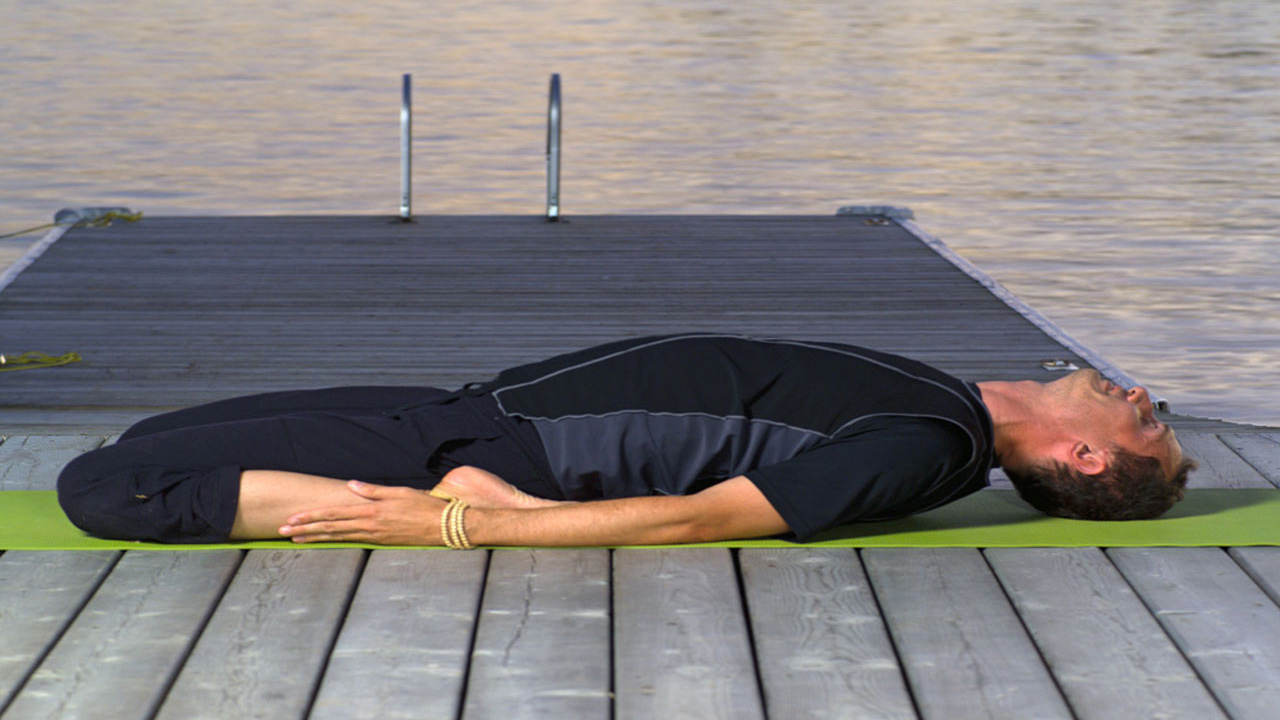
Anger management in menThis isn't a tirade against TV Violence. On the contrary, why blame the movies for spewing out blood, guts and gore, when all they really do is reflect the times we live in. Art imitates life doesn't it? So why blame the rising crime graph and street violence on TV and movies? Why not peep within our own selves and see the sheer ferocity of the anger which we project collectively on box office sell-outs. Examine the angry man within. So well you shrug it off and say "We didn't start the fire, it's been always burning since the world's been turning." You can certainly do your bit to help douse that fire before it turns into a conflagration, spiralling out of control until it consumes you mentally, physically and spiritually. Anger is bad. Period. Inscrutable and mysterious indeed are the ways of anger. It is to do with the pace of one's life in these times which starts it all we suppose. Then comes the classic conflict between nature and nurture further adding 'reddie points' to the anger account which is ticking away somewhere accruing interest. Someday something as silly as a traffic snarl or a bad joke or anything really trivial or big; justifiable or unjustifiable will cause this anger to spew out like molten lava from the fissures of your head. Self control, restraint and tranquillity are then mere concepts which lie in a crumpled heap as the angry young man in you takes over and hits out at everything within sight. Since time immemorial, the male temperament has been programmed to hunt, protect and gather. The caveman in most males has not evolved at all! It now wears a suit and goes hunting gathering in his corporate cave. This is the monster in most of us we have to tame through "Anger Management". We might have taken a dig at the caveman being the corporate type, but he could be anyone with an anger issues - you, me, the petrol pump attendant or even Sean Penn and Charlie Sheen. Celebrities often have the luxury of having anger issues and, as we all know it, many a famous anger tantrum is often overlooked as a creative outburst. For us however it could mean a long term in jail and much worse - our days filled with regret! Anger is an emotion and therefore much as I hate to say it necessary to tell us something is not right. So it is nature's way of helping us perceive through our senses and feel anger as a result of that perception, much like happiness and sadness. However anger has a particular corrosive quality about it which if not expressed or acknowledged can wreck havoc on a man's health. Why do you think men outnumber women right from barroom brawls to health conditions like hypertension, heart attack and migraines? Most men when questioned after socking the living daylights out of someone state that they just had that lightheaded feeling as the serpent raised its ugly hood, the blood pressure shot up and adrenalin coursed through the veins, the ears heard that sickening thud of a pacing heart and then "The other guy was down on the ground and I didn't even feel a thing when I sliced his throat open! Honest! I have issues!" Can you imagine how horrifying it must be to lose our faculties and go berserk? Can you imagine how many innocent people are victims of road rage and unjustified violence? So how do you ditch that anger? First step is to find yourself a relaxation routine and deep breathing exercises can help you be more in control of your temper. Relax your muscles of all that tautness which anger makes it do. Consciously at a regular time do this relaxation routine. Feel your body respond by 'letting go' of old holding patterns. Yoga Postures, especially the 'Shavasana' can help tremendously by relaxing excitable natures and enables them to relax the body at will. Next time you feel angry about something you will find yourself responding appropriately. Remember it is you against anger. Tell yourself that anger is like a serpent it might bite its owner. So find a suitable method of letting out your anger, and know that doesn't include steeping down on the accelerator and running into the back of someone's car. That is anger getting the better of you and that's 'Road Rage' and Murder and suicide. Punch a pillow, get a pair of boxing gloves and wallop the hell out of a punching bag, run a mile, shout your head off in a deserted place if you must, but unclench the jaw and fists and maybe you will start seeing the lighter side of things. There are enough things in this world that truly deserve your anger. Without anger sometimes we cannot enforce change on the negative things in society. Whenever we hear of a rape of a helpless woman on a bus we are bound to feel anger. However letting that anger getting the better of us and going in for instant vigilante justice for perceived crimes is just as wrong. Then what sets us apart from people who rape, loot, plunder or murder? If we all exercise restraint and express anger as and when it registers instead of holding it inside would help a great deal. If you are angry about being given the short end of the stick at work and if for some reason you cannot express it then ensure that you don't implode by keeping it in or explode somewhere it is completely unwarranted. There will be a day when we will hear "TV Violins" instead of watching TV Violence.
Preparing for fatherhoodFrom the time you decide to go for a baby, all the attention is concentrated on the mother-to-be. And this is not without reason, since she is the one that's going to bear the child for the next nine months. But that doesn't mean that the man's role is any less important. It is important for the father-to-be to ready himself for the next phase of his life. Following a healthy lifestyle Fertility is a growing problem. As per statistics more than 45% of infertility issues are related to men. Therefore, eating healthy food, exercising and living the healthy way will boost your chances of getting over these problems. Nutrition has an impact on the sperm production. So scrap the junk food for a while and get on to a healthy lifestyle. Men need to get at least 12 to 15 mg of zinc each day. Even short-term zinc deficiencies can reduce semen volume and testosterone levels, much needed for healthy sperms. Good sources of zinc include baked beans (a one-cup serving has 3.55 mg), nuts, cereals, seafood, and chicken meat (2.38 mg per three ounces). Regular intake of vitamins and calcium is a must to improve male fertility and prevent sperm defects. Natural sources of calcium such as fat-free milk and curd can be consumed. Get atleast 90mg of vitamin C daily. This boosts immunity. More will be needed if you smoke. Folic acid is a fuel for healthy sperms. Dads need 400 micrograms of it and green leafy vegetables are good sources of this nutrient. Dads-to-be can take the liberty to grab the extra cup of mocha. Caffeine may help men by stimulating sperm motility. Quit smoking and drinking The party's over for your partner once you start trying for a baby, but what about you? Same goes for men. Now is the time to stop smoking, and to stop any excessive consumption of alcohol. A man who smokes has a lower sperm count and a misshapen sperm, incapable of creating a child. Heavy or binge drinking can seriously affect ability to produce quality sperm. Exercise Add exercise session to your daily routine if you aren't doing them already. Exercise improves general health, stamina, and sperm quality. Start with walking for 15 minutes and increase it gradually if you have never exercised before. If you are trying for a baby, avoid exercising in tight-fitting briefs. It causes damage to sperms. Frequent sessions in a sauna or hot tub, long bicycle rides, or any such activity that could cause the testicles to become overheated can compromise the health of sperm and should be avoided. Medical examinations It is a good idea for the father-to-be to have a complete check-up to assess if there are any issues that need to be addressed before trying for a baby. Some conditions to watch out for include: Varicocele, a condition of varicose veins on the scrotum, the sac of skin that contains the testicles. It can lead to infertility. The condition is entirely treatable, so talk to your doctor about the options. Conditions like erectile dysfunction, diabetes, and prostatitis can cause infertility. Sexually transmitted infections, which may cause male infertility. Your doctor can help you get tested and treated. Your doctor can refer you to urologist or a male fertility specialist if you need additional testing or treatments. Remember to discuss possible hereditary birth defects with your doctor. Share with her the medical history of yours and your wife's family. Get finances organized Plan a baby budget. You surely want to give the best to your child. Start planning now. Consider expenses like baby food, diapers, toys, doctor visits, clothes, and day care. This will help you in the future. And this is the perfect time as you are just in the planning phase of baby making. Take advantage of this time before the baby arrives to get things in order concerning your job, insurance and budget plan. If you and your spouse discuss and agree on expectations, goals and strategies now, you can avoid arguments on money later. After all, you don't want baby to pick up on any tension. Dump your stress Chilling out can increase your potency. So the 'go for a holiday' advice actually works. Practise regular meditation or any exercise that will help bring down your stress levels. Try reading books on fatherhood or parenting and learn tips and advices well in advance. So gear up and start preparing for the change from being the coolest dude to the coolest dad.It is your responsibility to help your partner in all possible ways and make her feel that you are equally excited and keen for having a baby.
Menopause and mental health!Menopause is the period in a woman's life when her man claims she is going crazy. It is also the time when her period is on the decline and hormones are in complete disarray. Depression, insomnia, irritability, mood swings and lack of concentration are few symptoms that the lady has to battle with. These symptoms may begin as early as 4 years before the actual menopause and may continue for several years after that! For women, menopause is a significant turning point in their lives. The dropping levels of oestrogen and the resultant physical and mental symptoms can be like a cycle of events, only adding to their woes! Depression: Depression affects every middle-aged woman. An estimated 20% of women have depression at some point during menopause. The peak period for depression is during the perimenopausal years, when the woman is approaching menopause. The reason for this, say experts, is the fact that most women dread menopause. Even though for some it means an end to years of menstrual cramps, for most others it signifies an end to their womanhood. The very idea is sufficient enough to bring on lots of negative thoughts and depression. Not only this, the reason for depression during perimenopausal and menopausal age is the fluctuating hormones. Research shows that the levels of reproductive hormones, specifically oestrogen are responsible for the mental changes. Changes in the sleep pattern: Insomnia is seen in 40 to 50% of women in the menopausal transition phase. Women who spend sleepless nights are more likely than others to show irritability, crankiness, stress and depressive symptoms. Sleep disturbances during menopause have been linked to the decreasing oestrogen levels. Indeed this claim can be held true as several women respond positively to exogenous hormone therapy. One study claims that sleep changes are linked to the Luteinizing Hormone levels, which also results in increased body temperature. Sleep apnea too occurs in the menopausal transition age. This is due to decreased progesterone level, as progesterone plays an important role in respiration. The weight gain that happens during menopause has also been shown to cause sleep apnea. Panic disorder: Panic disorder is commonly seen during the perimenopause stage. Existing disorder may worsen or new disorder may arise. Panic disorder is usually manifested in women who show several physical symptoms of menopause. The panic attacks are usually associated with negative life events, pre-existing medical diseases and decreased daily functionality. Obsessive compulsive disorder: New onset of OCD, worsening of the existing condition or change in the pattern of symptoms is seen during menopause. OCD changes are also observed during pregnancy and during the menstrual changes, suggesting the impact of hormones on symptoms of OCD. Bipolar disorder: Women with bipolar disorder experience an exacerbation of symptoms during the perimenopausal stage. These women are also the ones that are highly likely to experience severe depression in the menopausal phase. Schizophrenia: Schizophrenia usually manifests itself in young adulthood. The rate of new cases decreases gradually thereafter, in both men and women. In women, however, there is a second peak in the 45-50 years age group. This peak is not observed in men. This suggests that oestrogen may play a significant role in triggering schizophrenia or worsening the pre-existing condition.
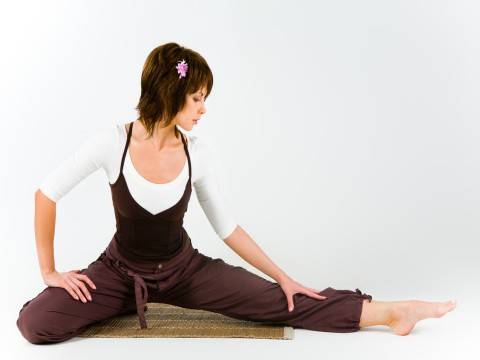
Leg toning exercises for womenFor those women who will leave 'no stone unturned', here are a few great exercises which work superbly on the legs and whole body. For those who have always wanted a great pair of legs, don't change your jeans brand. Just change your brand of exercise. Here are great leg toning exercises that can make your legs attention grabbers. Well-shaped legs are what every woman desires especially as it signifies 'movement', 'mobility' and 'strength'. When we say legs we mainly mean the thighs, the calves and the feet. To get more precise the quadriceps of the thighs the hamstrings and the hip adductors are the prime targets of most exercises. A complete leg work out would also include the 'Tibialis Anteriors' or the shin muscles. Exercising the legs can be quite a frustrating thing especially if the leg muscles don't show any cosmetic improvement. Here is an exercise regimen which will ensure that you will get those attention-grabbing legs along with the strength, flexibility and tone which you have always desired. The stand This is probably the most undermined exercise of them all since it doesn't involve lugging heavy weights around or running for miles or squatting! It is a foundation exercise for the legs.  Choose your favorite spot on the floor and just stand erect with both feet together and toes pointing forward. Hold the hands straight at the elbows and keep the shoulders square. Tuck the chin in and do not bend your knees. Feel the ground under the feet. Now flex your thigh muscles and keep your feet firmly on the ground. Direct your attention towards the back of your thighs and keep your knees taut. Stand firm for about 3-5 minutes initially and gradually extend to five minutes or more. This exercise is simpler than it actually is as it keeps the thighs taut and firm. The entire leg gets a marvelous stretch and any faulty standing or postural habits create unnecessary tension and uneven hip alignment. The standing pose will be your first step towards trim and well-sculpted legs. The One Leg Extension After you perfect the stand, here is another great leg exerciser - The one leg extension Perform a stand as in the previous exercise for about 30 seconds. Once you get your grounding and feel your foundations beneath the feet, take a deep breath. Now flex your thigh muscles and keep the kneecaps taut without feeling any strain. Bend the left leg at the knee and raise it without bending at the right leg. Now catch hold of the big toe with the left hand and hold the pose for a few breaths. You will initially struggle for balance as you have to keep the other leg straight. Now that you have caught the big toe of the flexed leg gradually straighten the leg out without letting go of your grip. This is a challenging pose especially for the hamstrings, the hip flexors and the calves since the leg muscles are going to be a little tight especially around the hips and the hamstrings. With regular practice, the pain will ease and then you can even try and take the toe towards as high as you can with the aid of your left hand. Repeat with other leg following the same sequence. One Legged Squat The one legged squat is a superior exercise to the two legged variety is that it doesn't require many repetitions as it is quite a strenuous exercise even for advanced exercisers. Stand with the back of a chair within easy reach initially. Extend the right leg out first and squat down to your heel with your left. Once you have reached the end of the squat try not to touch extended leg as there comes the difficult part - getting up to standing position without touching the floor with your hands for support. Raise yourself to standing position and repeat with other leg. You can do about 3-4 sets with the same leg or alternate legs using the back of a chair for hand support as you squat deeply. The single legged squat exercises the gluteus, the knees and the entire hip joint and also gives lower back strength. Initially your knees might hurt so don't try this without support of a chair or a partner. Stop in case of intense pain. Step Training If plain jogging doesn't do the trick for shapely legs for you, try using stadium stairs or any gradient which is at 30 degrees and comprises even steps. Your regular apartment stairwell or even a pedestrian over bridge can do the trick. First set only walk up one step at a time. Second set do alternate stairs. For the third set you can sprint up as fast as you can the entire flight of stairs or halt for exactly ten seconds when tired and start again. You have the option of stopping as many times you wish as long as you start again after ten seconds. This can work up quite a sweat and regular step training works out and touches muscle groups that even normal running or squats cannot reach.
Are you there for your teenage children?You must be there for your adolescent children so that they know who to turn to when they are confused. Being there does not necessarily mean your physical presence, but even the rules, boundaries, and standards of behavior you might have set should be able to guide them. When the teenager comes under peer pressure, then these rules may help them make the right choices. Teenagers live in fear They are frightened of their teachers, their friends; they are frightened of being mocked at or not being able to cope. They are dealing with a lot of issues, so when they come home, show them you care. They don't need parents screaming and shouting at them about their conduct or studies. The moment they come in, you should greet them with a smile, no matter what your feelings are otherwise. Don't expect your teenage children to be adults because they are still growing. Family is always important Most people think that teenagers no longer need the love, warmth, and support of the family. Your child might be a teenager,not a child to hold hands and show them the way, but they do need your support. A family works like an anchor that can pull back a teenager from being drifted away. Engage them.Speak to them regarding their likes and dislikes, the pressures they feel at studies, among other things. This could help them from the intense emotional turmoil they may be going through. Equation changes As a child you could cuddle your children, scold them, nurture and guide them, but as teenagers the equation might change. You may not cuddle your teenage child, but a warm hug now and then or a pat on the shoulder is enough to let them know that you love them just the same. Listen to them when they share an opinion. They want to prove themselves so follow their advice if it's reasonable so they feel they are an important part of the family and their opinions do matter. Don't treat your teenage children with suspicion.It will drive them away!! Moody If your teenage child is moody and uncommunicative, it does not mean that they don't need their family. It's just that friends might have taken precedence in their lives. Just the feeling that they have your support may encourage them to take their independent decisions. Information It is important to inform your teenage child regarding alcohol, drugs, and sex. However, you must also know they could experiment. So tell them about the dangers, and if they still make a mistake, then be there and do not abandon them. Help them get through the crisis. Teenage behavior Sometimes teenagers can behave erratically. It could be difficult to know if this is teenage moodiness or something more serious. As a parent you need to watch out for this and find out indirectly about what is troubling them. They might not open up immediately, but if you are around when they feel like chatting, they could let you know what is troubling them.
Activities to help your toddler talkWe understand how eager parents are to talk to their kid. They want to hear their soft voice and babble talks. So start teaching them as soon as possible to help them to speak fast and clear. Here are some activities which will help you to teach your kid to talk. The playful ways: The best way of teaching your kid to speak is to, well,play. Most of the learning is done through playing. Be a child with your child. Act playfully foolish --kids enjoy that a lot. And when the kid is happy and in playful mood, they try to talk. Building vocabulary: Use a word in more than one sentence to make them understand the meaning of the word. For example, 'The color of leaves is green' and 'Your father is wearing a green colored shirt.' If the kids hear a word used often in different sentences, it becomes a permanent part of their vocabulary. Give them practical examples: Teach them the names of the things they see around. Or get actual objects and be descriptive to teach them the name of the object and talk about the object's features. Use a toy phone: You must have seen kids trying to talk over phone to their dads or friends. They try to copy you the way you talk over phone. It can be a great way to teach them to speak. Pretend that you are talking to the kid's dad or grandparents, and pass over the phone to the kid and encourage them to chitchat over the phone. Story telling: Kids listen to the stories very carefully. Show them the pictures in the storybook and describe them with the story. Then repeat the same story the next day. Ask your child if she/he remembers what was there in the story by showing them the picture. Help them if they get stuck. Sing together with the child: Music is another amusing way to teach the child to speak. Listen to a song, sing and dance along. Encourage the child to dance and sing with you. Children are great at learning lyrics of a song. Reward the child on completing a task: When you reward the child with his/her favourite toy or snack, they understand the benefit of performing the task. And they take effort to get the reward. Ask your child to recite a poem for you, or speak a certain word or sentence and entice the child by showing him the reward he will get on completing the task.  
Lost in wonderland? - Absentmindedness!The Daily Telegraph reports that on an average every adult in UK forgets three things per day. Forgetfulness is a human tendency. If this absentmindedness or forgetfulness is limited to forgetting three to five things per day, then it can be left unattended. However, if you or a near one is facing a lot of trouble in your daily life due to this habit or problem, you should immediately have a consultation with your doctor. Mystery behind Absentmindedness According to Maria Jonsdottir, an investigating neuropsychologist from Iceland, absentmindedness is the mental lapses that usually happen in connection with the actions that are routine or well-rehearsed. You can perform these actions without any need to be careful. This includes regular actions such as squeezing out toothpaste or moisturizer from the tube. These action slips are very common and if you observe carefully, you do forget some such regular things every day unknowingly. Psychologists believe that an individual makes such mental lapses around 30 times in every week. On an average, the nervous system of a human brain runs quite efficiently. However, sometimes temporary fault may develop that may make you use incorrect word or slip to your native tongue while conversing. This does not mean however, that something is wrong with your brain. When the team of Jonsdottir surveyed around 200 people, they found out that on an average the slips are 6.4 per week although the number also greatly depends upon the gender, intelligence level, and age. One startling fact that was discovered is that most of the events of forgetfulness occurred before 8 p.m. that means people tend to forget more during the daytime than in the evening. Apart from a momentary lapse in the functioning of brain efficiency, other reasons that can lead to increase in the incidents of forgetfulness are high stress levels, mobile phones, e-mails, and busy lifestyles. Today, people are pressed for time and they have more work at hand than time and that has increased the occurrence of forgetfulness. Types of Absentmindedness A team of neuropsychologists has divided these mental lapses into five categories. The most common are the storage failures in which people cannot recall what they had planned for a particular occasion or they can recall the action, but cannot remember for whom it was meant. Another category is test failures in which people come back home to check whether they have turned the light off and find out that they have already done so. Discrimination failure is another category of absentmindedness wherein you for a moment fail to identify the difference between your things and others'. During the study, a male participant accepted that he picked up the jacket of his female partner thinking it to be his own. Sometimes you put books in the dustbin and the trash on the shelf and laugh at your behavior a moment later when you find out what you have done. This is discrimination failure. Another mix-up includes program assembly failure wherein you put salt in the tea instead of sugar or you just do not keep the right things at the right place. The fifth one is the sub-routine failure wherein you go to the market to buy tea and instead come back home with coffee. The research proves one thing that if you are absentminded, it does not mean that you have a bad memory or can suffer from dementia as is widely publicized in the media. It is perfectly all right to forget or being an absentminded person. Sometimes the incidences of absentmindedness can increase due to fatigue. A good sleep and rest can fix the problem easily.
CryophobiaCold or hot can be a very subjective term as every person's tolerance for either heat or cold can vary. When some of us react in an extreme manner to all things cold, then it could be a case of cryophobia - the fear of catching cold or the fear of cold weather. Derived from the Greek "kryos" + phobos gives us cryophobia, which is a mental aberration where the mind develops a nagging and persistent fear of all things cold - be it cold weather, ice-cream, or maybe even a cold shoulder! Jokes apart, a person suffering from this condition could really experience 'hot weather' in his relationships as he will completely avoid any contact with anything cold. If the weather is a bit nippy then that's a veritable disaster for Mr. 'Avoid De Cold' as he will do everything in his power to stay indoors, for instance - turn on the central heating and wrap himself up until the mercury rises to an agreeable level. Though it is decidedly different from your run-of-the mill phobias, cryophobia could be of various types. There are some who are only afraid of cold in the 'weather' sense and are otherwise cool about touching cold objects or even having an ice-cream. While there are some who would probably break out into, if you will excuse the term, 'cold sweat,' even while watching floating icebergs on a Nat-Geo documentary. So, the sensation of cold is quite subjective, and hence the various strains of cryophobia. Generally, this fear would manifest quite logically for those who have occasioned to be trapped under ice accidently or maybe those who have suffered frost bite from exposure to cold weather during a skiing holiday. Under such circumstances, avoidance, though irrational, could be perfectly logical. If you monitor weather reports constantly and experience discomfort even in moderate climates, then you should get yourself checked for cryophobia, as chances are that soon you will be restricting yourself indoors and cutting yourself off from the rest of the world. Some people might just overcome fear or anxiety by wearing an extra layer of the woolens or turning up the central heating. For deep seated fears, it may require long-term counseling or medication. Some people might just have this morbid fear of developing pneumonia from a common cold and hence may take elaborate measures to avoid going out during cold days. This too can be quite normal since most of us don't want to call a day off from work due to a nasty cold. But despite adequate protection if you are still afraid of venturing out to work or are avoiding social contact just because of an irrational fear of catching cold when the weather outside is made for the beach and you are in the middle of summer! Then the catchphrase is - You have cryophobia!
Have that chocolate without any guiltYou may find this hard to believe, but chocolate is actually good for your health. Hold on, before you faint. Let's first get to the crux of the matter. Chocolate can actually be good for you if you eat it in moderate quantities. So what about all the bad effects of chocolate that people always talk about? Let's fume them all one by one:  Chocolate causes dental caries: Dear mummy, dental caries (cavities) are caused due to poor oral hygiene and consumption of foods rich in fermentable carbohydrates. When these carbohydrates are left in the tooth for a long time, they release an acid. This may damage the tooth enamel and cause tooth decay. In fact, chocolate contains tannin which actually prevents cavities from forming. So next time, dear mommies, let your child enjoy a small piece of chocolate. You can also join them in the treat.  Chocolate is loaded with fats and sugar:Yes, chocolate comprises of both saturated and unsaturated fats, but a majority of themare in the form of oleic acid and stearic acid. Now, oleic acid (present in olives) and stearic acid are good to lower the blood cholesterol levels. Also, the fat that is found in chocolate is added later, after the chocolate has been processed. So the higher content of cocoa in any bar ensures that there is less fat in the chocolate. So, what about the sugar?Sugar is bad, but the darker variety of chocolate has less sugar compared to the regular sweet chocolate. Dark means higher cocoa content and hence no room for other fillers likes cocoa butter, sugar, nuts, etc.  Chocolate contains no nutrients: On the contrary, it is rich in antioxidants.What is the work of an antioxidant? They scavenge the body of free radicals, which roam in body and cause ageing and diseases. Antioxidant flushes these free radicals out of your body. So, if you want to stay young, bite on a piece of chocolate once a week. Secondly, diets rich in antioxidants have been proven to lower the incidences of heart attacks, strokes, cardiovascular diseases, hyperlipidemia, and arthritis. Hence, I stand by the bar full of antioxidants;it's actually good for you.  Chocolate contains caffeine: Caffeine content in chocolatesis low as compared to your tea, coffee, or cola drinks. Now, having counted the amazing health benefits of chocolate, it is important to tell you which chocolate is healthy for you. The one which is in its purest form - thebittersweet one, which is high in cocoa content, is the clue to your healthy bar. So next time you crave a dessert, indulge in a small piece of chocolate to satisfy your sweet tooth and forget that guilt.  
Top 10 tips for weight maintenanceTIP 1: Stay Calm and PlanDon't worry about your weight excessively. This will only result in stress which can be counter-productive to your pursuit. Remember that you have reached the goal you had to and you are strong enough to sustain it. Take one day at a time. Do not think about how you are going to keep it forever. Just focus on the next day. TIP 2: Health JournalKeep a journal where you note down your eating and exercising patterns. Write down what you eat, plan your meals, drink adequate water, and form an exercise regime. Did you know that you can include an activity within your life as a habit by performing it for 21 days? Do these things not because you have to but because they are good for your health. Slowly, they will become a part of who you are. TIP 3: Being Healthy Is A Lifetime DealOne of the greatest mistakes that people do is to think that once they have lost weight, they can return to their early eating habits. Remember that your health is with you for life. Shift your perspective from 'I have to become thin' to 'I have to be healthy.' Once you do this, you will find it easier to stay healthy for the well-being of your body. TIP 4: Be RealisticWhen you are planning your lifestyle, don't take up unrealistic goals. This is one of the reasons why weight-trainers say that the best way to reduce and sustain right weight is to make it 'your life.' Eat right, sleep well, and drink lots of water. These three, if done properly, can help you to have the right body weight. If you have any rules like 'don't eat cake or pastries ever,' 'quit drinking,' then rethink about them. Are you going to be able to never eat sweets? The primary goal is to make a balance, choose the middle path. TIP 5: Get An Idea Of Your Weight-PatternMany people stop weighing their body once they have reached the ideal weight. They think that the scales are only for the fat ones. A person with such a perspective is only looking for slim bodies and not healthy ones. Remember that your weight is not a judgment of your appearance, but a barometer of your health. So do not stop doing the weekly weight checks. Keep a report of your weight every week and check out the causes for any abnormal changes. TIP 6: Accept Your Limitations And Learn From ThemEveryone has their ups and downs. Don't get discouraged and be angry at yourself if you binged on a donut on a cloudy day. Everyone makes mistakes. It is not the end of your weight maintenance. It is simply a blip. Learn from it. Know what the causes are for it and work on making sure you react to the cause differently next time. TIP 7: Thirst And HungerYour body could confuse your thirst for hunger. So, if you are feeling hungry really soon after your previous meal, then start by drinking a glass of water and check if you feel better. If you do not, then it is time for a light healthy snack. TIP 8: Inspire YourselfWeight maintenance is primarily a psychological task. Till the time you were reaching the ideal weight, you learn everything you had to about being healthy. Now, you have to make sure you don't let obstructions stop you from sustaining this healthy lifestyle. So, join other people who are only in the process of maintaining their weight. Become part of the running blub or catch up with a health conscious friend regularly. TIP 9: Mind Over MatterBalance your eating patterns. If you think that you will be going out for lunch, then have a healthy breakfast and cut down on the dinner. You might be craving for a dessert, so you can have salad for the main course and treat your sweet tooth. Talk to yourself about what you are going to eat. Ask yourself if you really want to eat it because you are hungry or are there any other reasons for it. How would you feel about it after you are done eating? TIP 10: Celebrate Your AchievementsLastly, be proud of your weight maintenance program. Celebrate the fact that you worked hard towards making sure you have a healthy body and invite people who were part of your pursuit. Embrace your body and toast to the next year of a healthy lifestyle.
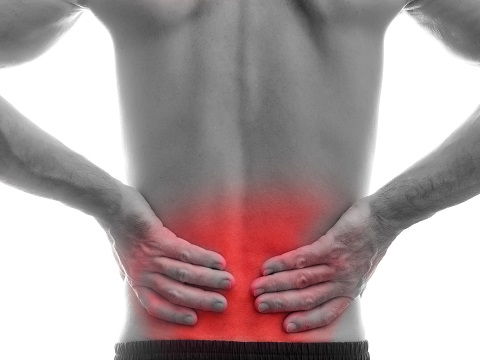
7 Pains you should not ignoreWhen the body cries out in pain, most of the times, you know what is bringing that pain, and you do what will help relieve the pain. For example, a serious workout may cause sore aching muscles, for which you will rest a day or two, or take a painkiller. What does one do to know why a body part is paining? One needs to sit up and take notice! The pain could be anything, from a heart attack, to an aneurysm, and could cost you your life! Pain in the head: Headaches are the most frequent pains that we suffer from. Headache could be due to a migraine, due to staying too long in the sun, due to a cold, or simply due to working too long without a break. However, in case you have a headache, and are not able to pinpoint to an obvious cause, rush to the emergency room. Headaches with no apparent cause may be due to a brain hemorrhage, a tumor in the brain, or an aneurysm in the brain arteries! Get yourself checked as soon as possible, if you keep getting headaches for no apparent reason. Pain in the jaw: This could be due to a caries ridden tooth. But most often it is due to an impending heart attack. The classical left sided chest pain radiating to the left little finger is not always seen in all cases of heart attacks. Pains to the jaw and the back are reported very frequently. Often, people tend to take the pain in the jaw lightly, and brush it off to a tooth problem. This may be potentially life threatening, as you never know the severity of the attack! Tingling, numbness and burning of the feet: Diabetes mellitus is a silent killer. Peripheral neuropathy is often the first complication of diabetes. Tingling numbness, and burning in the feet may be attributed to wearing tight shoes and to keeping your feet suffocated in socks all day long. Dipping your feet in a tub of cold water will give you a good night's sleep. But do not let it go at that. Get your blood sugar levels checked before it is too late! Pain in the calves: Do you get nightly pain in your calves that get better with putting your feet up? This is due to long standing hours at workplace, you may say. True, it is due to that. But, it is not something to be left unattended. Calf pains are due to deep vein thrombosis that occurs when the stagnated blood in the veins starts to form clots. The danger here is that the clot could break off and travel to your lungs causing pulmonary thromboembolism that is fatal! Take a break regularly and put up your feet frequently. Let the blood flow and not stagnate! Pain in the back: Most commonly, back pain is caused due to arthritis, and improper sitting postures. But if you suffer from high blood pressure, and are an alcoholic and smoker too, do not take your back pain lightly. It could be due to a heart attack or an aortic dissection! Pain in the abdomen: You may attribute this pain to gases, over eating or indigestion. While these may be occasional causes, persistent pains need to be checked. It could be anything from a gall stone, to gastric ulcers, to a swollen liver, or maybe even pancreatic cancer! Vague, medically inexplicable pains: When you have a recurrent headache or a stomach ache or a backache and you come out with a 'perfectly healthy' report after visiting all the specialists, it is perhaps time to seek the help of a psychiatrist or a counsellor. Your pains could actually be a symptom of depression. Psychosomatic pains are on the rise. The stresses we face in our lives everyday get pushed to our subconscious, and eventually are pushed up bodily in the form of unexplained aches and pains!

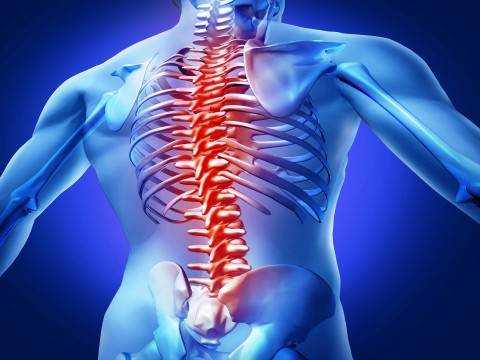
A fine spine - Common disorders of the spineThe spine is made up of small bones called vertebrae that are stacked one upon the other. When viewed from the side, the normal spine has gentle curves to it. Because the spine is a complex structure and happens to be at the center of all our activities, it is subjected to a lot of diseases. A common misconception of low backache is that you should rest. In fact, rest is not recommended at all. Keep up with light non-strenuous activities after the symptoms have subsided. Given here are a few common conditions of the spine: Loss of curvature: The spine, when seen sideways has gentle curves to it. The curves, when lost, can lead to pain and imperfect posture. Kyphosis and Scoliosis are the commonest form of spine curvature abnormalities.Kyphosis is the abnormal and excessive curving of the upper part of the spine. It is commonly called as a hump. It may be present since birth or may develop during the teenage years. The most common symptoms seen are a hump, back pain and muscle stiffness. The pain remains constant and does not worsen over time. If the curvature is too much, then the thoracic cage may get compressed and pressed for space. This may cause cardio-thoracic problems like chest pain, shortness of breath and even death. Compression of spinal nerves may cause loss of bladder and bowel control, loss of sensation and muscle weakness. Kyphosis is treated with physiotherapy, anti-inflammatory drugs and in severe cases, with bracing.Scoliosis is the side-to-side curvature that occurs during growth spurts before puberty. It may also be caused by spinal cord injuries and arthritis. Scoliosis develops gradually. The symptoms seen are usually by people other than the patient, where they may notice a slight slouch while walking. At times it may be seen that clothes that used to fit earlier are now ill-fitting. The pants seem to have shortened on one side. The curvature if mild responds well to physiotherapy. Physiotherapy is also useful as it helps to stretch and strengthen the muscles. This helps in stopping the progression of curvature. Severe cases require bracing and even surgical intervention with rods, hooks, wires and screws to correct the curvature. Sciatica: Sciatica is a condition that arises when the sciatic nerve is pressed upon. This condition arises when a degenerated vertebra presses upon the disc below it, or when there is a disc prolapse.  Abnormally tight piriformis muscle of the buttocks and a tumor in the spine may also cause sciatic pain. The hallmark symptom is the characteristic pain along the leg that starts from the hip and radiates all the way down. The pain is worsened by sitting and tingling numbness also develops. Treatment includes anti-inflammatory medicines and physiotherapy. Spondylolisthesis: When the spine is subjected to the pressures of daily activity, there is a lot of wear and tear that goes on in the vertebrae. This may cause the vertebra to move forward and slide on the vertebra below it. As a result, you may experience a constant backache. Spondylolisthesis can be congenital, it may occur due to trauma to the vertebral column, due to a tumor in the vertebra or due to degenerative changes in the vertebra and cartilage as a result of diseases like arthritis. Low backache is the hallmark of this disease. The pain is typically worse after any exercise that involves the lower back. The motions of low back are restricted and if there is nerve compression then tingling and numbness along the leg may also be seen.Rest and avoiding exertion of back muscles helps reduce the symptoms. Physiotherapy helps in restoring the strength and improving the range of motions. Spinal Stenosis: Degenerative diseases like osteoarthritis cause development of bone spurs in the vertebral column leading to its narrowing. This puts pressure on the nerves and leads to pain and tingling and numbness. Cervical Spondylosis: This condition occurs due to degenerative changes in the vertebrae of the neck region. Commonly seen as neck stiffness with pain that radiates all the way down the arm.  The pain occurs as the nerves get compressed by disc prolapse or bone outgrowths in the vertebra. Treatment includes neck immobilization, cervical traction, medications for pain and physiotherapy. Ways to reduce spine problems and backache are: Quit smoking Adopt a perfect posture Do exercises that will strengthen your core, lower back muscles and abs. Do not ignore or overlook the pains. Consult your doctor at the earliest. Spinal problems are the ones that are frequently overlooked. Ignoring the symptoms may lead to worsening of the problem. See your doctor at the earliest to be safe. The spine is the backbone of our body, in the true sense of the word. It is up to us to keep our spine in good condition as an unhealthy spine will interfere with almost all our body functions.
Psychological impotenceSex is not just physical but just as equally mentally involved. Mental stimulation and response are responsible for arousal and overall enjoyment; and therefore any sort of psychological disturbance or mental issues like stress, tension, or anxiety can lead to psychological impotence. Stress or exhaustion are most possible explanations for psychological impotence. Depression and post-traumatic stress disorder also may result in impotence. A mental trauma of sexual or physical abuse, guilt due to sexual relationship, problems amongst partners contribute too. Confusion over one's sexual identity is also a major cause for impotence. Impotence results from underlying physical disorders, especially if the people choose to stay unaware of it. Absence of knowledge of this disorder leads to anxiety and stress building up over a period of time.  So when determining factors rule out physical causes first and then go for identifying mental causes. Psychological impotence can be sometimes situational or only with a particular partner and the treatment approach differs with the cause. Counseling works wonders in the case of psychological impotence. For example, depression or anxiety may require treatment to improve condition. Post-traumatic stress disorder or abuse needs therapy on coping skills. Sometimes simply explaining underlying cause of physical condition resulting in impotence and comfort and reassurance are sufficient. So don't hold back, share to get your mojo back!!
FAQS
T&C FAQS