Home
Male infertility : An overview of the causesWhy men shy away from infertility tests? However, it is ideal for both the man and woman of a relationship to get infertility tests done. This would not only avoid unnecessary tests and expenditure later and could also result in prompt medical treatment of the problem. Following an appointment with a urologist/andrologist, the patient is instructed to provide a semen sample for analysis of the quantity and quality of the sperms in the semen. An additional semen test might be recommended for confirmation of the initial results. The semen analysis is an effective method of knowing what is going wrong in the reproductive system : No-sperm count (azoospermia) - Absence of production of sperms or the non-appearance of sperms in the semen. Sperm Morphology Issues - Issues related to the structure and form of the sperm. Low-Semen Production (oligospermia) - Production of low amount of sperms. Sperm Motility Problems - Abnormal movement of sperms resulting in incapacity to fertilize egg. Did you know that use of laptops placed on your thighs can result in increase of scrotal temperature? This could lead to abnormality with sperm production. Thus, using laptops is best when they are located on table or desks, away from constant contact with your genital region. There could also be a primary medical condition, the symptom of which could be manifested reproductively. The physician will suggest blood and urine tests, among others, for the same. There can be 10 major causes of male infertility : Semen : Semen refers to the ejaculated fluid containing sperms during sexual intercourse. There could be low or no count of sperm. It is also possible that the mobility of sperm is restricted. Sterilization : The cutting and sealing off the vas deferens (the tubes which carry the sperms from testicles to the semen) ensuring that your semen does not contain sperms is known as vasectomy. Though this process can be reversed, they are mostly not fruitful. Lack of sperms : Even though the testicles are producing quality sperms, it is possible that they do not reach the semen. The lack of sperms in the semen is medically known as obstructive azoospermia. Such a condition could be caused due to the blocking in one of the constitutive tubes of the reproductive system. This could be further resulting from an infection or a previous surgery. Ejaculation issues : Some men might find it challenging to ejaculate normally due to retrograde (ejaculation of semen into bladder) or premature (ejaculation in very short period of sexual activity) ejaculation. Medicine and drugs : Certain medications have been found to catalyze the onset of infertility. These include sulfasalazine, chemotherapy, anabolic steroids, and herbal remedies (for instance, the consumption of root derivates of Tripterygium wilfordii). The quality of semen can also be negatively affected by illegal drugs like cocaine and marijuana. Testicles : The function of production and storage of the semen lies with the testicles. In case of injury to them, the quality of the semen could be negatively affected. Causes of injury to testicles include a congenital defect, testicular infection, physical trauma, testicular surgery or cancer and undescended testicles (case where one or both of the testicles do not descend into the scrotum). Hypogonadism : This refers to the presence of a very low level of testosterone (male sexual hormone) which plays a major role in production of sperms. This could be due to tumors, Klinefelter's syndrome, or consumption of illegal drugs. Sexually transmitted diseases (STDs) : A series of sexually transmitted illnesses can result in male infertility, for example, chlamydia. Alcohol and weight : Consumption of over 3 to 4 units of alcohol per day can result in infertility in men. Both men and women are affected adversely due to obesity. Occupational factors and stress : Contact with certain types of pesticides, solvents, and metals can result in deterioration of sperm quality. Stress has also been associated with the loss of sexual drive resulting in lesser instances of sexual intercourse. Moreover, in case of severe stress, sperm production can be unfavorably affected.
Fairness scream: The new male obsession"Mirror, Mirror on the wall, who's the fairest one of all?" The words at once evoke images of the evil queen as she strikes a vain pose at the looking glass. However, these days one needs to be more accommodating and make way for a preening gent to put forth the above query. All these days, fairness would be a quality an Indian male would look for in his wife. Just see the Fair & Lovely ads to know what we mean. But today, this very obsession has turned on itself. More and more men are being just as exacting about their own skin color, complexion and tone as their female counterparts. Just take a look at all those TV commercials where celebrity endorsements dangle the bait of fairness creams, lotions and body wash specially designed for teenagers and young men seeking to take them to the promised land of social and sexual success. But before you rush to buy that cream, here's what that fairness is all about Fairness is skin cell deep Fair, ruddy, dark or wheatish is all determined primarily by the melanin content in our skin cells. Some races like the Africans have a high melanin content thereby giving them a dark colour while Europeans are of a lighter skin colour due to low melanin content. So whether you use an expensive fairness cream or go in for beauty treatments at luxurious beauty spas, genetics will have a final say on the matter. How fairness creams work...or do they? Fairness creams contain chemicals which block the production of melanin in the skin and thus enable a lighter skin tone and a fairer complexion. Mostly melanin production in men is more than females, which is why women's fairness creams don't have so much of an effect on men. The cosmetic industry recognized this factor and thus developed products designed for the male skin. However, some of these "men's only" fairness brands are glorified sunblock creams which block the harmful ultra violet radiation of the sun which blackens the skin. The dark side of fair Some of the beauty treatments and fairness creams contain chemicals like hydroquinone, mercury, and even steroids, which could do more harm than good. If you are obsessed about fairness, the least you could do is use a branded product (though that is no guarantee of its efficacy!). First sample it to check of it suits your skin. If a rash breaks out, consult a skin specialist immediately. Finally, it is the health of the skin which is more important than colour. So exercise regularly or use natural skin treatments like orange peels, cucumber patches to enhance your skin tone. Don't give in to peer pressure. The obsession for fairness can lead to low self-esteem and needless rivalry. Cosmetologists and marketers of fairness products are the only ones who will laugh their way to the bank at your cost. So, if you have a darker skin colour you don't have to go in for expensive remedies just because men in your age group find it cool. Self-acceptance is much better remedy than any beauty treatment in the world.  
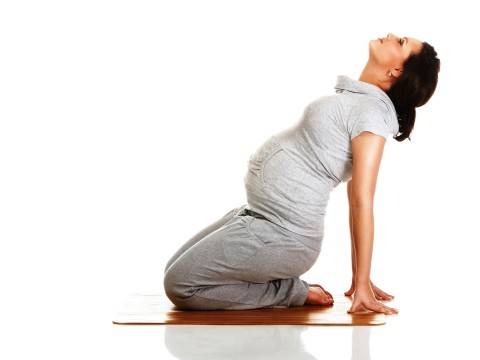
Fitness mantras during pregnancyYou must be wondering how Shilpa Shetty maintained her fitness even after bearing a child. The simple answer is that she never gave up exercising. Exercising during and after pregnancy is the best way to stay in shape and ensure your mental and physical healthiness. It also helps you in preparing for labour pain and delivery, and quick recovery postpartum. However, there are some things you need to keep in mind while exercising during pregnancy: Measure your fitness You need to determine how fit you are. This will help in determining the type and duration of exercising during pregnancy and post pregnancy. Also, before you continue your old exercise routine or begin a new one, you should talk to your doctor about exercising while you're pregnant. Pregnancy is a balancing act After the fourth month of pregnancy, it's likely you will lose balance while you exercise. Though your baby is well protected with amniotic sac, it is better to be safe than sorry. Safe exercises Activities such as swimming, walking, yoga, pilates, and low-impact aerobics are good choices. Pregnancy is not the right time to start any new intensive exercise, but it is safe to continue with most types of exercise if you're used to them. The things you should avoid Avoid exercises where you are likely to lose your balance or could make you fall or slip. Vigorous or extreme activities such as horse riding, skiing, mountain climbing are out of the question. They carry too high a risk of injury to your tummy. Avoid exercises such as: Sit-ups Standing on one leg Separating your legs widely You should also avoid most contact sports, such as football, basketball and so on. Finally, give racket sports a miss if you're not a regular player as they can be tough on your knees and ankles. Check with your doctor Consult the doctor before starting with any new or unusual exercise. Check for any complications or unusual conditions. Also, discuss for any concern such as: Pregnancy-induced high blood pressure Early contractions Vaginal bleeding Premature rupture of your membranes, also known as waters (the fluid in the amniotic sac around the fetus) breaking early The best outfit for exercise Clothes should be comfortable and loose fitting while exercising. Wear a supportive bra which protects the breasts and is also relaxing. If your shoe size has changed because of mild swelling, you may want to buy a new one. Duration of the exercise Exercising three to four times a week is necessary. This reduces stress, fights fatigue, and stabilizes emotions in early pregnancy. Start gradually, may be with only five minutes a day, if you were totally inactive before. Add five minutes each day till you reach 30 minutes. Also keep in mind to avoid exercise on an empty stomach. Eat a snack 30 minutes before exercise. Never over do Listen to your body when it says 'stop'. Over exercising causes overheating. Raising your core temperature too much can affect the baby adversely. Always sip water before, during and after exercising. Listening to your body when something hurts or doesn't feel right - that means stop. Drink a lot of water Try to drink about two glasses of water two hours before you begin exercising. Take a sports bottle of water with you when you exercise and take frequent sips from it. It's important you don't get dehydrated. This may raise your body temperature, which may not be good for you or your baby.  Keeping these points in mind, exercise to stay healthy and fit. We hope you soon give birth to a healthy kid.  

Smell like roses, without the thornsYou bathe regularly and use the best possible deodorants, underarm anti-perspirants, panty perfume but the bad odour just doesn't go away. Pat yourself dry Very often you have a leisurely bath with scented bubbles and what not but when it comes to drying your body thoroughly, well you just pat yourself quickly, for you are in a hurry. The moisture on your body then attracts bacteria with fungi and they cause that embarrassing mouldy kind of stench on your body. So make sure you dab yourself thoroughly dry all over your body. Especially in places like the lower back where it is difficult to reach without some really flexible shoulder joints. Use the archer's swipe (The towel extended between the right hand over the head with  the left hand extended back to form the bottom grip, which looks like an archer reaching for a bow from the quiver). In case you are endowed with love handles and folds of fat then be generous with the patting, as those are the parts most susceptible to host bacteria. Change clothes often If you wear the same set of clothes and lingerie then you are surely going to have an odour which is lingering. So for those ladies who occasionly wear the same set of clothes without washing, the sweat is going to accumulate in there and raise a stink. Remember the Celine Dion song? It's a new day, a new start! Menstruation + Stress = Bad smell There is nothing that you can really do about your periods. Instead, try and be a little more extra careful during those 4 days. You can have an extra jab at the deo bottle or perfume lotion. However stress, nervousness and fear also leave chemical traces which come out along with the sweat. This adds to the bad odour. Humble pie for dessert? What you eat also affects the way you smell. Go easy on the garlic, onion rings and fish for they can make you smell slightly worse than an open sewer. Always rinse your mouth after eating and use a good minty mouthwash if at all you choose to pepper your meal with onion and garlic to ward offthe evil eye. You can add conditions like diabetes to cause a fruity kind of odour. Well in that case make sure you exercise regularly so that the skin sweats out the toxins. In case you are the extra-sweaty types then use medicated soaps or ensure you use steam baths regularly to keep your skin pores open.
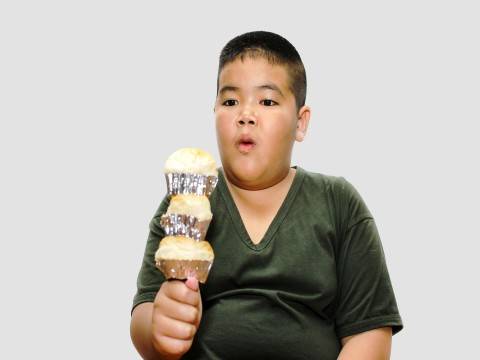
Obesity is not just an adult problemWith fast food chains multiplying in the country faster than you can say Maharaja Mac, there is an urgent need to monitor our diet. While most of the nutritional advice is directed at adults, kids too are exposed to the dangers of empty calories. Childhood obesity is on the rise across the world including India. How does obesity affect children? And what can parents do to ensure this doesn't happen? We will try to answer some of your questions. What are the causes of obesity in children? Lack of physical activity: Nowadays, children spend more time sitting at home - doing their homework, watching TV, and playing games on PC, console tablets or smartphones. Play time on the ground outside has shrunk. As a result, they don't get enough exercise. Unhealthy food choices: Our busy lifestyles leave us with little time to plan for or prepare every meal. The alternative is to go for quick-to-cook food like Maggi. Food ordered from outside too is invariably unhealthy. While having it once in  few days is not a problem, making it a way of life leads to problems. Overweight parents: The eating pattern and lifestyle of parents has a big influence on a child's health and weight. Obesity can be hereditary. Lifestyle and environment: When parents are unable to pay much attention on their children due to their busy schedules. As a result children rely more on ready-to-eat food or junk food. Genetic factors:  For some kids, genetic factors may be the reason behind obesity. A rare genetic disorder called as Prader-Willi syndrome causes severe weight gain in kids. What health problems can obesity cause among children? Type-2 diabetes Eating disorders like bulimia or binge eating (excessive eating or drinking) Problems with foot structure Liver problems Respiratory disorders - breathlessness during exercise Difficulty in breathing while sleeping causing snoring or poor sleep What can parents do to prevent or control obesity in children? Parents must make kids understand the ill-effects of eating junk food. They must limit their snacking on junk foods. Encourage the kids to participate in physical activities and outdoor games. Make exercising a routine for the children. Join them during exercising to make it a fun time for the family. Set an example for your kids by following a healthy diet and eating habits yourself. Limit TV time and playing videogames. Parents must include whole grains, fruits and vegetables in the diet of their children. Limit fats intake to not more than 25%-30% of total calories. Make sure to go through the nutritional label while purchasing any processed food.  
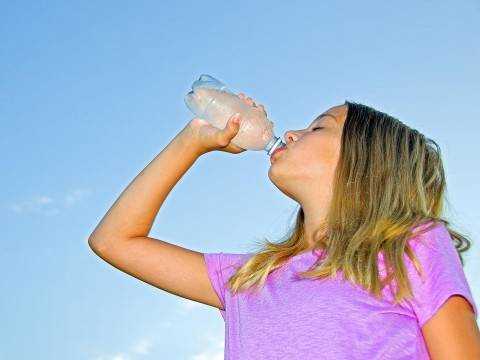
Dehydration: Prevention and curePlaying outside is great for the child's physical as well mental development. But if your child has spent the entire day outside and comes back with fever, diarrhea, or vomiting, and is sweating a lot, then watch out for the signs of dehydration. What is dehydration? Dehydration means abnormal loss of water from the body, especially from illness or physical exertion. Under normal conditions we all lose some body water through sweat, urine, and tears. Kids lose large amount of water and salt from body during fever, diarrhoea, vomiting, or long hours of physical activity or exercise without any water intake. How do I know it is dehydration? If your child has any of the fever, diarrhoea, vomiting or is sweating a lot on hot days then watch for these signs: Sunken eyes Dry or sticky mouth Dark urine or lack of urine output Tiredness, lethargy, irritability or fatigue How can I prevent dehydration? The best way to prevent dehydration is to ensure the child drinks plenty of fluids when they are sick or physically active. Get your kid in the habit of drinking enough water before he/she even feels thirsty.If it is very hot, explain to the kids the benefits of drinking water frequently. If possible, avoid going out in the sun. Give your kids a well-balanced meal to be sure that they are getting all the adequate nutrients. What if my kid gets dehydrated? If the kid is below 1 year, care should be taken to breast feed the baby often. If the dehydration is due to vomiting, feed small amounts frequently for it to absorb in between the vomiting episodes. Give a spoonful of ORS solution every 10 minutes to replace the lost fluids. For kids above 1 year, start with plain water initially when the kid complains of thirst. Later the kids may need drinks containing sugar and electrolytes. Also, the child should be made to rest at home in a cool environment until the lost fluid has been replaced. Once the child is rehydrated, resume to normal routine and diet.
Cleanliness - A clean body, clean mindPhysical Benefits: Killing of Germs: Disinfecting your living area allows negligible scope for breeding and spreading of germs and bacteria. Though not visible to your eyes, many of these can cause severe illnesses. Prevention of Food Contamination: Clean cooking utensils and counter tops allow for low risk for contamination of food. The parts of the utensils which have come in contact with fish, raw meat, or eggs are recommended to be washed with hot water and soap. Make sure you wash your hands to avoid spreading of any bacteria in your house.  Keeps Illnesses and Allergies at Bay: Many allergies could be caused due to dirty mattresses, carpets, sheets, walls, and furniture. In order to keep away mold, dust mites, cobwebs, and mildew, make sure you dust, mop, and vacuum the house on a regular basis. The sheets should be washed at least once a week with hot water and detergent. Floors and walls, wardrobes, and refrigerator should be cleaned using disinfectant sprays up to 2 to 3 times per month. Thoroughly clean your carpet and upholstery at regular intervals. Psychological Benefits: Association of Non-Cleanliness with Moral Lapse: In a review by Current Directions in Psychological Science, it has been found that physical cleanliness does not only physically benefit a being, it also results in weighing the person on a moral radar. When we perceive a physical contamination, we respond in the same way as we would in case of an act of moral disobedience. This response includes repulsion and disgust accompanied by their behavioural components like scowling and frowning. Sense of Accomplishment: Those who clean their house and living space have been found to have a consequent sense of accomplishment that adds to the way one feels about oneself. Clarity and Organization of Thoughts: It has been discovered that those living in a clean and neat environment tend to have a greater capacity to think than those who live in a messy and unclean atmosphere. Proactive Sanitation Teaching for Children: Start with your own home. A child emulates its parents, and if the parents practice cleanliness as part of their lives, children would notice and follow suit. Children tend to connect who they are with their home environment and as they grow up they ensure that such a cleanliness of their world around is maintained.  towards their immediate surroundings, thus ensuring that they do not contribute towards pollution and environmental degradation, at least on an individual level.
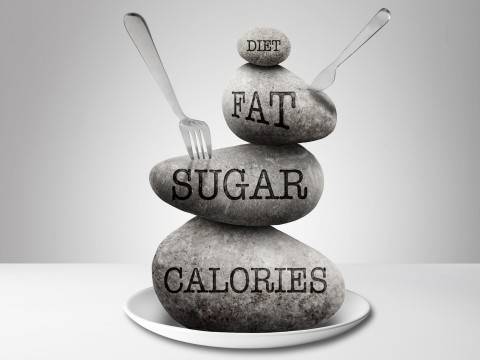
Good and bad calories-How do they affect weight loss?Not all calories are bad calories. Surprisingly very few people are aware that good calories are quintessential for burning fat and can rather help you in losing weight. So, it's very important to know how to differentiate between good calories and the bad ones. What is a Calorie? In scientific terms, one calorie equals to one unit of energy. When the term calorie is being used in relation to nutrition, it means consumption of energy through what you drink and eat and use of energy for carrying physical activity. Many people think that in nutritional terminology, calories are only associated with drink and food; but the truth of the matter is that everything has energy is calories. For example, since coal provides you energy it contains calories. 7,004,684,512 calories are equal to energy produced by 1-ton of coal. Coming back to weight loss, 100 calories of fiber and protein is not similar to 100 calories of a cake. This is because there are good and bad calories and much like us humans all calories are not equal. Calories are the measuring units of energy that are produced by the food once it reaches your body. This energy works on the law of physics and hence less energy intake leads to weight loss and vice versa. Varying types of Calories Different types of food provide varying calories or energy amount to the body. The analysis of a tightly scrutinized weight loss experiment has revealed that when people of two different groups were fed the same measure of calories albeit from varying food sources, the weight loss was almost similar. However, the effects of weight loss were variable; like uncontrolled emotions, cravings, hunger and more. This happened for the same reason that some calories are good and some calories are bad. Good and bad calories Sugar is a powerhouse of energy. But if you keep on eating only sugar all day long it will be suicidal. This is because; the calories present in the sugar are devoid of any nutrients and your body cannot function without the right balance of different minerals, nutrients and vitamins. Most food not only carry calories but they also constitute a complex mixture of additives, fiber and nutrients. These mixtures of varying components directly affect the leptin hormone that controls the hunger trigger in your body. These hormones tell the body to either burn the fat or store it. The process of weight loss is made complicated by the fact that biologically our body is programmed to protect the fat stores so that they can be utilized during starvation. So, the question remain, which calories should you eat to lose weight but still keep on getting the required amount of energy? Eating lean protein, healthy fats and unrefined and unprocessed carbohydrates such as fruits, beans and vegetables are the best for losing weight. Calories with more nutrients are the best The foods that do not store fat and make us eat again and again, are the ones you should eat as good calorie food. Choosing them is simple. These are the same food that humans used to eat before processed food was invented. For example; avoid using the processed whole grains and switch over to brown rice instead of the polished white rice. Also, stone-ground whole wheat, oats or quinoa bread is much better than the white bread. Replace the processed carbohydrates from your platter with whole grains and vegetables to lose weight, control hypertension and blood sugar. Use fats derived from plant sources such as olive oil or nut oil. Eat lean protein more such as chicken and fish.
MigraineA Severely painful persistent headache can put anyone in distress. Migraine symptoms vary from person to person. Some people get intimation before the pain begins. It can be sparkling flashes of light, blind spots, or distortions. Some others experience tingling or "pins-and-needles" sensation in hands or face. This is called an aura. The headache begins within 30 minutes of seeing an aura and may last for 4 to 72 hours. Extreme sensitivity to light, noise, smells, nausea and vomiting, loss of appetite and fatigue, numbness, tingling, or weakness are all-common in migraine. There is no permanent solution to migraines. People suffer for years together and keep on taking painkillers for a long time. Pain killer helps only if taken right at the beginning of the headache. Keep a watch on things that trigger the migraine and try to avoid them. Make some lifestyle changes that can help prevent migraines to some extent. Taking good sleep. Lack of sleep can cause migraine. Appropriate hours of sleep as a routine will help to prevent the attacks. Regular meals at fixed time help to prevent migraines in people who get headaches due to hunger or not eating on time. Regular exercises help to rejuvenate the body and prevent migraines along with many other diseases. Stress is another important cause for migraines. Avoid stress. Learning to manage it will keep migraine at bay. Caffeine triggers migraine in many. Avoid caffeine. Reduce it if quitting is not possible. Limiting alcohol will again be very beneficial as alcohol and hangovers can be the cause. Meditation and relaxation therapies may also help prevent migraine headaches.  
An ounce of prevention is worth a pound of cure!Small mistakes that we keep committing become, over a period of time, serious health problems that are potentially life threatening. Given here is a list of the 10 most common mistakes that we make when it comes to heart health. Ignoring the health check-up: Your last reports said you were fit as a fiddle. So you haven't gone for a check-up since then? Our health becomes the first thing we sideline in today's fast-paced lives. Most of the heart diseases do not show any signs and symptoms in the early stages and when the signs and symptoms come up, too much of damage has already been done. So it becomes very essential to go for regular health check ups. If you are in your twenties it would be advised to get your cholesterol checked every 5 years, blood glucose every 2 years. Beyond 45 years though the frequency of health, check-ups should increase. Body Mass Index is something that you should get checked every time you visit your doctor. Skipping breakfast: Breakfast is the most important part of what you eat the whole day. Most of us tend to skip breakfast due to lack of time, fear of weight gain. But starting your day without breakfast is like driving on reserve fuel. You will start fine, but end up feeling dull and sluggish towards the end of the day. Skipping breakfast has been associated with development of diabetes mellitus and obesity. These two have a strong co-morbidity with cardiovascular diseases. No wonder then it is said, breakfast like a king, lunch like a prince and dinner like a pauper. Too much of sun-blocking: We are people obsessed with fairness and it is understandable that one wouldn't want to get tanned by going out in the sun. Some amount of sunlight exposure is very vital for health. Vitamin D is synthesized by the body from cholesterol with the help of sun rays. Recent studies reveal that people with little or no exposure to sunlight tend to develop arterial plaques that end up in heart attacks, high blood pressure or strokes! Going for the fizz : Aerated drinks are loaded with triglycerides that are a part of the bad cholesterol. They thicken the blood and it becomes difficult for it to flow through the arteries. This leads to several complications. Not watching what you eat: Often we are so caught up in our work that we just grab a quick bite to eat without paying heed to what actually we are eating. Fast foods are extremely unhealthy and wreck havoc onour systems. Missing fruits and fibres: Fibrous food are extremely heart friendly. The fibres help in pushing out the cholesterol out of the body. Beans, oats and barley are all extremely fibre-rich. Fruits are a rich source of vitamins and minerals. They contain potassium that is extremely essential to neutralize the effects of sodium. By doing this they help in regulating the blood pressure. Citrus fruits too have a high amount of potassium in them. Avoiding walking: Walking is the simplest form of exercise the body can get. 10 minutes of brisk walking is extremely helpful for the heart to keep functioning efficiently. Not sleeping well: The body needs 6 to 8 hours of undisturbed sleep for it to reboot and get back its full functioning capacity.  A sound sleep at night reduces the blood pressure and regularizes the heart beats. People compromising on sleep are the ones most prone to suffer from heart attacks and high blood pressure. Not flossing your teeth: Gingivitis is the inflammation of gums. This inflammation hosts large number of germs that leak into the bloodstream and reach the heart causing a number of heart problems. People who floss daily not only have good oral hygiene, they also have a healthy heart. Forgetting the Family: Many heart diseases tend to run in the family. It is very important to know the medical history of your parents and grandparents. The risks of you developing heart diseases are high if someone in your family already has them.
Sex during pregnancy? It's possible!One of the questions that arise when a woman gets pregnant is whether it is safe for the couple to have sex. We'll try to answer the most common questions couples tend to ask. Is sex safe during pregnancy? Sex is considered safe if the pregnancy is normal in all stages. However, even if it is safe, it doesn't mean the woman would want to have it. Desire for sex fluctuates during the various stages of pregnancy and sex becomes plain uncomfortable as the body gets larger. What is not safe? Two types of sexual behaviors are not safe during pregnancy. While having oral sex, the man should not blow air into his partners' vagina. It can lead to air blockage of blood vessels by an air bubble, which is called air embolism, and can be lethal for both mother and baby. The pregnant woman should strictly avoid sex with a partner with unknown sexual history or who may have a Sexually Transmitted Diseases (STD). What are the common risk factors? In case of significant complications with pregnancy, abstinence from sexual intercourse is advised. Common risk factors can be: Threat of miscarriage. One can have pre-term labor or signs indicating the risk of pre-term labor (such as premature contractions). Unexplained vaginal bleeding, discharge, or cramping. Leakage of fluid surrounding the baby, called as amniotic fluid. Placenta previa, a condition in which the placenta (the cord connecting mother to the baby and nourishes the baby) is located low down and covers the opening of the uterus. Cervix incompetency, a condition where cervix is weak and dilates before full term, increasing the risk of miscarriage or premature labor and delivery. Can sex during pregnancy harm the baby? The baby is always protected by the amniotic sac (a bag-like structure that holds the fetus and surrounding fluid) and uterine muscles. A thick mucus plug seals the cervix and protects the baby from infection. The penis does not come into contact with the fetus during sex. So, sex can't harm the baby directly. Can orgasm lead to miscarriage or contractions? The contractions felt by pregnant women during and just after orgasm are totally different from the contractions of labor. Therefore, in cases of normal and low-risk pregnancies, orgasm can't cause contractions and miscarriage, but always check with the doctor and make sure that your pregnancy is in the low-risk category. What are the safe positions for sex during pregnancy? The old standby missionary position for intercourse may not work for you now. Instead, try these options: Spooning: Lie side by side with him behind you. This will not put pressure on your belly, and makes for more shallow penetration. Female on top: There's no pressure on the belly, and the female can control the speed and depth of penetration. Side of the bed: The female lies on the back on the edge of the bed with knees bent and feet on the edge. The male stands facing her. It's like classic missionary, but the male won't be resting his body weight on the pregnant female. However, remember 'normal' is a relative term when it comes to sex during pregnancy. You and your partner need to discuss what feels right for both of you and take advice from the doctor.
Smoking causes impotence!Men who smoke heavily are twice as likely to suffer from impotence or erectile dysfunction. The link between smoking and ED has been established beyond reasonable doubt. Smoking causes a hardening of the arteries or blood vessels. For a penis to grow erect or tumescent there has to be a healthy blood supply. Now imagine the cross-section of a smoker's penis where there are plenty of blockages and hardening of the blood vessels. Can the penis then grow erect with so many hindrances to the blood? There is also an acute loss of sensitivity to the penis which is a direct contribution of smoking! Previously, alcohol was a hot favorite of the medical lobby when it came to 'impotence.' Wish smokers could say the same thing about moderate smoking! Even moderate smoking can make an existing condition of impotence worse. One could make changes to one's lifestyle and diet and curb stress to treat ED (erectile dysfunction), but all these will come to naught unless one really resolves to give up smoking permanently. Just within a few hours of kicking the butt, the body starts to repair itself. Of course, it may take longer for the blood vessels to actually undo the blockages and have a free run for the penis, but it will certainly happen, slowly and surely. Smokers may have an underlying condition of anxiety, which is made worse by nicotine, which in turn causes performance anxiety, not greatly helped by blocked blood arteries. So smoking not just makes you physically impotent, but also mentally impotent too. It is a powerful narcotic which is hateful to the body and spiteful to its salubrity. Please enroll into a 'stop smoking now' campaign with the help of friends or family. Check for any 'nicotine anonymous' programs in your neighborhood or just do it all by yourself. Otherwise, the only thing hard about your penis will be hardened arteries and lots of hard luck!
FAQS
T&C FAQS