Home
Aging milestonesChanges in old age depends on attitude as much as person to person. In young old age some changes begin to take place in a person’s appearance. Wrinkles, warts, age spots begin to form on the body. Hair begins to thin or becomes grey and even height lessens because the bone density decreases. While in ‘old‘ old age these changes are already permanent. Men might look distinguished if in good health, but women all look grandmotherly. In ‘young’ old age, cells begin to decay and muscle mass declines and immunity is no longer as strong as it used to be. People lose energy as the age progresses.  ‘Old’ old age brings in a lot of physical decline, profound changes in appearance and motor abilities, as also in sensation. Skin gets less elastic and becomes thin and blood vessels can break under the skin. The senses also begin to become dull. Eye lenses get affected and color perception and reading ability becomes very low. Hearing loss may lead to paranoia and ‘old’ old age people begin to think everyone is plotting against them because they can’t hear properly about what others are saying. Sense of smell also declines, but the taste remains almost intact. In ‘young’ old age, reflexes also slow down and so do the motor abilities. By the time they reach ‘old‘ old age most adults find that their response time has become quite reduced. This can be seen most in driving situations where it is difficult for ‘old‘ old aged adults to operate their vehicles as they have poor spontaneous responses. The ‘young’ old adults do not lose as much of their motor abilities as the ‘old‘ old adults, especially when holding small things like needles and pins. Of course, there are changes in sexuality and there may be a decline in the ability to have sex as men may not have an erection and women become dry due to lack of female hormones. Cognitive decline in 40% to 60% of older adults can be arrested with remedial training. Despite all the changes, most people even in their 70s remain comparatively active if they do not suffer any illness. Mental, physical, and social activity is necessary to maintain the quality of life. Old people begin to withdraw from work and other important roles and allow the younger people to take over. They are a lot happier as is also advised in Vedic literature as vridhashram. While activities are important, disengagement is equally important. Memory loss becomes aggravated and other cognitive abilities begin to decline and there are many ‘old‘ old adults who get Alzheimer’s and lose the ability to look after themselves. Old people also dwell on questions of death and sometimes go through a phase of denial and then anger that they have so little time left. Acceptance of death comes, but after a struggle and the idea of losing the family saddens them. Old people require support in their declining years as they begin to lose their faculties.
Handling post retirement bluesYou have given the best years of your life to your career, and now it's time to say goodbye and get ready for the retired life. It is a phase laden with expectations of all things you were too busy to do while working - spending more time with family, going on that fishing expedition, or going on leisure trips around the world. However, despite the wonderful things to come, retirement can get unusually trying and mentally taxing. After all, how many of us really have the flexibility of mind to take this period as a challenge and be the master of our destinies? Just because you are retired doesn't mean you have to wither away and wait for death to claim you. So, here's what you can do to beat the retirement blues Catching up: This is really a bewildering time, as you have a lot of catching up to do, with a lot of things. Prioritize the things you want to do and proceed confidently. You may want to spend time with children, spouse, friends, etc. Go easy on yourself, as you may not be able to fit in as many things in your schedule all at the same time. Boost your self-esteem: Retirement is particularly trying for those who have occupied important positions in office. Such people are known to throw tantrums, as they feel less wanted than before. So don't ever make the mistake of treating your family like you treated subordinates at work. That was a role that you played then, and without reducing your importance or self-esteem you can now play a different role with your family as a friend, philosopher and guide. In fact, you can use your contacts and keep the old network alive by involving youth in your field of expertise and help them benefit from you. Catch up on exercise: The more physically fit you are the less likely that retirement will be a painful process. Perfect time for you to catch up on the fun times with your spouse to remind you of all the great times you have had all these years. If your spouse is not in the best of health then just being together is such a wonderful experience in the golden years. Financial health: Your peace of mind and self-esteem largely depend on how independent you are financially. You can take up a part time job or think of innovative ways to let your hobbies and interests generate money for you. This should be an enjoyable process by which your self-esteem can really benefit. Support groups: There are informal or formal associations of retired people that do various activities like travelling. Make yourself available to them. Sometimes retired people withdraw into a shell and that only makes things worse. These support groups give a fresh perspective on all things in life.
Honeymoon cystitisHoneymoon cystitis is a term for urinary tract infections that occur commonly during early marriage. Sexual intercourse is the primary reason for developing this infection. The infection occurs when the E. coli bacteria that are normally present in the bowel are introduced into the urethra. This may happen through sexual intercourse, inserting unclean fingers or objects into the vagina. Women who wash their private parts from the back to front also have an increased chance of developing infection. Symptoms of honeymoon cystitis may include a burning or painful sensation during urination, the urge to urinate frequently, cloudy urine, blood-tinged urine, and/or pain above the pubic bone. Any of these is enough o play a spoilsport and dampen your honeymoon mood! Symptoms of honeymoon cystitis generally emerge within a day or two after bacteria are introduced into the urethra. A physician can confirm the diagnosis of infection through a simple urine test. The treatment usually involves antibiotics and pain-killers. What care should you take to avoid honeymoon cystitis from recurring? Use water based lubricant during sexual intercourse Urinate before and immediately after intercourse to flush out the bacteria from the urethra. Drink plenty of water to keep the urine normal Avoid coffee, tea and aerated drinks See a gynaecologist or a urologist if the problem recurs.  Urinary tract infections are extremely common in women and are the leading cause for visits to the doctor.
The post-delivery bluesA baby being born is cause for celebration. Especially in a country like India, where the family ties tend to be close, there is a festive atmosphere at home. However, sometimes the mothers may not share the same enthusiasm. This wave of negative emotions in the middle of what is clearly a happy occasion can be confusing for the new mother. Interestingly these feelings are not abnormal, as many new moms face postpartum depression, which is also called baby blues. It is an emotional reaction that begins a few days after delivery and lasts not more than 2 weeks. What are the symptoms of postpartum depression? Feelings of anger or irritability. Lack of interest in the baby. Lack of appetite and sleep disturbance. Crying and sadness. Irritability or hypersensitivity. Feelings of guilt, shame or hopelessness. Loss of interest, joy or pleasure in the things you used to enjoy. Possible thoughts of harming the baby or yourself. What are the causes of postpartum depression? Postpartum depression can occur due to a combination of factors. Hormonal changes: Changes in the level of hormones can leave you feeling tired, sluggish and depressed. Changes in your blood volume, blood pressure, immune system and metabolism can contribute to fatigue and mood swings. Emotional factors: Feeling overwhelmed with the new arrival in the family, and taking care of the baby day and night, may leave you sleep deprived, overexerted, and anxious. New mothers also feel that they look less attractive after pregnancy. You may feel that people around you are concerned with the baby more than you, and that you are being neglected. All these emotional factors may lead to postpartum depression. Other factors: Issues like breast feeding, financial strain, and relationship troubles can also contribute to postpartum depression. How does one deal with postpartum depression? Take complete rest and sleep for sufficient hours Spend quality time with your husband Go for healthy diet Take morning or evening walk for fresh air Try to follow yoga or other exercises Share your feelings with your husband or friends Do not overexert Join some groups for new moms Go for individual therapy or counsellors Remember, postpartum depression is not an incurable problem. It is just a temporary state of mind, which can be overcome if you are sufficiently aware of the problem.                
Tips and tricks to deal with my toddler's tantrumsWhen your child is having a tantrum, it may usually be for something that it wants and cannot have. Throwing a tantrum is a child's way of getting what it wants. Conversely, giving in to the child's demands may be the easy way out for the parents too. But always remember that giving in is not right. The child may get habituated to this and it may prove quite a nuisance to you too. Learn to say no, gently but firmly. Giving an acceptable reason for your 'no' and also an option at the same time works wonders. All said and done, children are not that easy to handle. If your child doesn't fall in line and is adamant, let it pass the phase. Screaming out the rage, throwing away things may help the child. When the anger subsides, looking at the destruction and the obvious uselessness of it may help the child realize his efforts were futile. But be careful that the child doesn't get physically hurt in this process. For some kids, a gentle hug helps soothe the anger pent up. Tantrums in public places can be extremely embarrassing. In such situations, do not argue or scold your child or order him to hush up. It will only end up making the child more adamant. Wait till the storm subsides. Take him out to a quieter place and talk gently but firmly. One thing to remember here is to never let the child know of your embarrassment and concern that you are in a public place. Children are very smart and may end up using this to work things in their favour. It is not easy being a toddler and it is definitely not easy being a toddler's parent either. By the time your toddler is old enough to go school he will have overcome this stage.  
Bonding with the babyIt is an immense pleasure to hold a baby in your arms, isn't it? The bonding between amotherand her baby starts within the womb itself. When the baby is born, a few parents bond with the baby within minutes. But for others this may take some time. If the baby is taking time to respond to your affections, don't worry, here are some tips to help you with the bonding. Babies respond to the mother by making sounds, grasping, smiling, or crying. Touching, holding, kissing, cuddling, talking and singing help build a bond with your child. Infants prefer a human face to any other stimuli. So face your child as much as possible. The attention span of a new born baby is quite short. Hang a colorful object on top of the pram, cradle,or cot. Your baby already likes toys of different shapes. Various reflexes develop by the fourth week after birth. These include sucking, grasping, searching for the nipple and blinking. Baby may gaze at you some time. Respond by nodding, smiling, and talking to the baby. Babies are sensitive to their surroundings. They respond to music or the phone ringing by staring at it quietly. They observe toys keenly, spot colours and become happy at times. These are heart warming moments for the parents. Father's care usually builds a protective and secured feeling in a child which he carries for life and prevents building of any unreal fears in him in later life. So dads should care for and make their babies feel secure. You love to touch your bundle of joy, right? Babies love, enjoy, and need it as well. Skin-to-skin touch helps growth and development of the child. Mom's touch soothes the baby when he is irritated. Start reading to your child. It is never too early. It helps the development of reading skills and language. Babies enjoy pictures in the book. Even if baby can't understand words, they love to hear the parents' voices. During the first few months, they understand little of it, but they are thrilled by listening to you. Have a short reading session with your child daily.Dads can try this trick to make the baby sleep. Carry her around while patting her very gently on back.
The male ego: Fragile male self-esteemIn a world where men are constantly competing with one another, adding a woman to this dynamic changes the perception for majority of men. The fact that a woman is doing better than a man can largely affect relationships at a personal and professional level. Simple things like opening a door for men or even pulling a chair for him can make him feel self-insufficient. The whole concept of a woman doing something/anything better than him brings down his self-esteem. In a relationship the roots go deeper and men who are making less money or not doing as well as their partners have a more fragile self-esteem. The mental insecurity that a woman may be a better provider for the family and has more potential than he does, changes the dynamic of his relationship, while for women this does not seem to be the case. Fragile self-esteem alters your everyday determination and persistence. Without being determined, the only way to go is downwards. When self-esteem is affected by women doing things that he can do, men seem to take it in a negative manner and lower their self-esteem. Small examples of this in our day to day life are - driving your own car as compared to having a driver, being physically weaker than a woman, etc. Men are creating rules to ensure that women who are considered lower than them cannot perform or do better than them. Systems and frameworks are made which ensure that situations never come up where a "lower person" does better than a man can, all out of the fear that they can't perform! From the day we are born to the rest of our lives, we are drilled with the fact that men are better, stronger, and smarter than women. So when situations arise where she is doing or has done better than you, the male self-esteem is questioned and, most of the time, drops. Being the person you are meant to be, you would automatically create a system by your choice and influence it to reduce the possibility of any other to be able to achieve what you have, in turn increasing your self-esteem. However, when the other overcomes or surpasses this obstacle, your self-esteem will be hit hard causing a drop in your self-esteem like the stock exchange does on its bad days. Self-esteem is a very personal topic and completely dependent on the situations you have encountered across your life. However, when majority of these are leaning in one direction then there is no question of failure. Consider a world dominated by women, What would happen to your self-esteem? Do you think you would survive in this kind of world, a world in which all your thoughts are limited by restrictions and rules you have to adhere too, to ensure things like your family name is kept out of shame. So let us all do as the women have been doing for centuries, embrace it, and learn to maintain our self-preservation and esteem irrespective of our surroundings. This may sound hard but let us work towards a world where women and men are equal. Don't let your self-esteem be affected by your surroundings, if you know your surroundings are not the best for the future.
Afraid of the dark? understand your fear and cure it!Scotophobia, more commonly known as Nycotophobia, is a psychological illness, where the patient is afraid of the dark. Children are more prone to this fear, though it does affect quite a few adults as well. The dark often represents insecurity and uncertainty to children, and it symbolizes their entrance into an unknown territory. If the children are alone during their first few encounters with darkness, the absence of parents (who exemplify safety), tends to amplify this crippling fear. While most of us do actually possess this fear in relatively small amounts, as we grow up the fear diminishes. However, there are those of us who might carry this fear of the dark into their adulthood and in such cases, the fear is usually accompanied by quite a few intricate issues. People often tend to externalize a set of conflicting feelings about a certain situation, towards something else. For instance, you might be worried about your children; but your mind may externalize this fear, via your inefficiency at work. This process is called externalization. So, when it comes to the root of your fear of darkness, it is possible that at some point in your past, you experienced something untoward, which through externalization, inculcated this fear of darkness, deep into your psyche. Evolutionary Ties to Darkness: Many scientists have pointed out that this phobia might be linked to the process of evolution. Since predators hunt for their prey at night, we might have inherited this fear of darkness from our ancestors, who believed that darkness was a space where they could be attacked by wild animals. However, recent studies have shown that  Scotophobia begins at approximately the age of two in children, and thus, it cannot be said to be innate to us. In a study done by Ryerson University involving over 90 students, it was found that people who are afraid of the dark, are more likely to be poor sleepers, than those who are not afraid of it. More interestingly, it was discovered that any kind of noise made while the people with this phobia were asleep, frightened them the most.. Symptoms of Scotophobia: The first symptoms of this fear are the resistance to visit dark places and the yearning for company when such situations arise. However, many a times adults who are suffering from this fear, do not reveal it due to the added fear of embarrassment and this, sometimes, results in outbursts of rage when they are forced to go out for an event at night, or to confront the dark under any such circumstances. A person battling this fear may experience panic attacks, sweating and trembling prior to, or while staying in the dark. The blood pressure also rises, accompanied by chest pain and lastly, a difficulty in breathing. Diagnosis of Scotophobia: In children, this fear can be easily verified by their behaviour. However, adults might require further assistance, due to their natural resistance to openly admit to such a fear. Scotophobia can be diagnosed through a comprehensive psychiatric evaluation. Following this, your psychologist would be able to give you an idea of the source of your fear as well. Pursue a course of treatment immediately after the discovery of the phobia, which will ensure a faster and more effective recovery. Treatment of Scotophobia: The process of 'desensitization' is most commonly used to help with such a phobia. In this form of treatment, the patient is slowly exposed to the object of fear, in a situation where she/he will not feel vulnerable. This is done by asking the patient to confront the dark along with another individual who symbolizes safety for him/her. This could be a parent or a friend. Night lights can also be installed to gradually reduce the fear. You may try certain breathing exercises, which will reduce the panic attacks that accompany this fear. Hypnosis has also been said to be very effective in dealing with this phobia. If your psychologist sees fit, you might be also prescribed some medicines; antidepressants are given in some cases. Joining a self-help group is also a good option, in addition to your psychological treatment.  
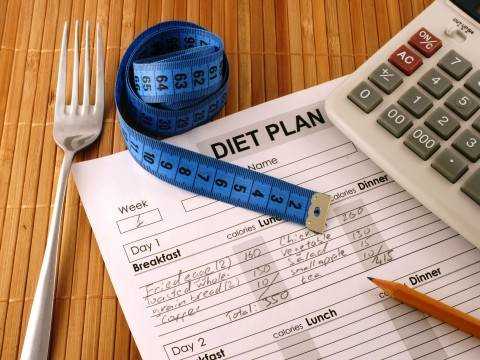
Top 10 tips for weight maintenanceTIP 1: Stay Calm and PlanDon't worry about your weight excessively. This will only result in stress which can be counter-productive to your pursuit. Remember that you have reached the goal you had to and you are strong enough to sustain it. Take one day at a time. Do not think about how you are going to keep it forever. Just focus on the next day. TIP 2: Health JournalKeep a journal where you note down your eating and exercising patterns. Write down what you eat, plan your meals, drink adequate water, and form an exercise regime. Did you know that you can include an activity within your life as a habit by performing it for 21 days? Do these things not because you have to but because they are good for your health. Slowly, they will become a part of who you are. TIP 3: Being Healthy Is A Lifetime DealOne of the greatest mistakes that people do is to think that once they have lost weight, they can return to their early eating habits. Remember that your health is with you for life. Shift your perspective from 'I have to become thin' to 'I have to be healthy.' Once you do this, you will find it easier to stay healthy for the well-being of your body. TIP 4: Be RealisticWhen you are planning your lifestyle, don't take up unrealistic goals. This is one of the reasons why weight-trainers say that the best way to reduce and sustain right weight is to make it 'your life.' Eat right, sleep well, and drink lots of water. These three, if done properly, can help you to have the right body weight. If you have any rules like 'don't eat cake or pastries ever,' 'quit drinking,' then rethink about them. Are you going to be able to never eat sweets? The primary goal is to make a balance, choose the middle path. TIP 5: Get An Idea Of Your Weight-PatternMany people stop weighing their body once they have reached the ideal weight. They think that the scales are only for the fat ones. A person with such a perspective is only looking for slim bodies and not healthy ones. Remember that your weight is not a judgment of your appearance, but a barometer of your health. So do not stop doing the weekly weight checks. Keep a report of your weight every week and check out the causes for any abnormal changes. TIP 6: Accept Your Limitations And Learn From ThemEveryone has their ups and downs. Don't get discouraged and be angry at yourself if you binged on a donut on a cloudy day. Everyone makes mistakes. It is not the end of your weight maintenance. It is simply a blip. Learn from it. Know what the causes are for it and work on making sure you react to the cause differently next time. TIP 7: Thirst And HungerYour body could confuse your thirst for hunger. So, if you are feeling hungry really soon after your previous meal, then start by drinking a glass of water and check if you feel better. If you do not, then it is time for a light healthy snack. TIP 8: Inspire YourselfWeight maintenance is primarily a psychological task. Till the time you were reaching the ideal weight, you learn everything you had to about being healthy. Now, you have to make sure you don't let obstructions stop you from sustaining this healthy lifestyle. So, join other people who are only in the process of maintaining their weight. Become part of the running blub or catch up with a health conscious friend regularly. TIP 9: Mind Over MatterBalance your eating patterns. If you think that you will be going out for lunch, then have a healthy breakfast and cut down on the dinner. You might be craving for a dessert, so you can have salad for the main course and treat your sweet tooth. Talk to yourself about what you are going to eat. Ask yourself if you really want to eat it because you are hungry or are there any other reasons for it. How would you feel about it after you are done eating? TIP 10: Celebrate Your AchievementsLastly, be proud of your weight maintenance program. Celebrate the fact that you worked hard towards making sure you have a healthy body and invite people who were part of your pursuit. Embrace your body and toast to the next year of a healthy lifestyle.
5 tips to reduce your salt intakeSalt is an inevitable part of our food, but added salt has harmful effects on the body. The list of benefits in reducing sodium/salt intake in our diet runs long, ranging from lower blood pressure, in turn leading to reduced risks of heart disease, obesity, and diseases of the kidney. The daily sodium intake of an individual should not exceed 1500-2300 mg per day (a table spoon of salt approximately), and this needs to be maintained in the salt added to our food, including the processed food and drinks we buy. Sodium, an indispensable component of our diet, is consumed in excess by most of us. Follow the tips, as mentioned below, to curb your daily salt intake. Avoid added salt. Do not add salt to already cooked food while eating. Keep a diary and make a list of foods with salt in them that you eat daily. Do not forget to add pickles, spices, papads, salted biscuits, and salted nuts. All of these are highly loaded with salt. Next time you go shopping read the labels. Choose low-salt options-sauces, crackers, khakhra, instead of papad. Make an attempt to eat less canned and processed foods. Choose fresh fruits and vegetables over processed food. Eat less bread. Each bread slice has about 250 mg of sodium. Do not mistake bread to be healthy. Next time, keep this in mind when you go out to eat pizza. Pizza base is like bread. While cooking food, make it a point to add salt only towards the end in the recipe. This way you will need to add lesser salt. Sodium content of some foods Bread (one slice) - 250mg Cheese pizza: 450 - 1200mg Tomato soup: 350 - 1000mg Potato chips: 100 - 150mg
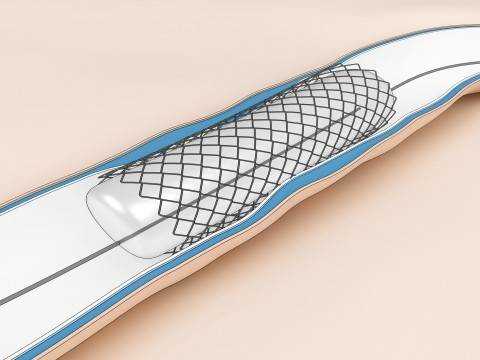
All you need to know about angioplasty!Why would you need coronary angioplasty? The walls of the arteries are being constantly lined with a fatty material called plaque. This plaque increases in certain conditions like atherosclerosis. When the build-up is too high, the artery gets blocked and the subsequent tissue receives very less or no blood, causing it to die. The plaque at times may be dissolved by medicines but if it is too big, medicines prove ineffective. This is manifested outwardly as a heart attack. This is the time when the doctor would recommend the coronary angioplasty as a treatment for you. How is it done? A thin catheter with a deflated tiny balloon at one end is inserted into the affected artery. Once the exact location of plaque build-up is reached, the balloon is inflated causing the plaque to get pushed against the artery wall and creating free space for the blood to flow. A small mesh called a stent may be placed to hold the artery in place. Some stents are coated with medicines that prevent the scar tissue formation following the angioplasty procedure. The procedure may be done as an emergency or it may be planned. If it is a planned procedure: You will have to get hospitalized and stop eating or drinking 6 to 8 hrs before the procedure. Once the procedure is done, the doctor would prefer you staying in the hospital overnight to watch for any adverse events that may happen. What happens after the surgery? The surgery lasts for 1 to 2 hours and you would be allowed to go home the next day. You will be advised not to undergo vigorous and strenuous exercises and to rest adequately. Most people are fit to return to work a week after the surgery.
Dos and don s during heat crampsHeat cramps can affect people who exercise or work in the heat. It could be due to dehydration, so if you are going to be active in the heat then you need to drink a lot of water even if you are not thirsty. Before going out, find out what the temperature is and do not exercise outdoors in the heat. Heat cramps may not be as serious as heat exhaustion or heat stroke, but the condition needs to be treated with the same urgency. People who are on low-sodium diets may be affected more than others. Heat cramps may seem mild, but they can be the first sign of heat exhaustion, so pay attention and stop all activity, and rest. Here is what you can do and what you should avoid if you suffer from heat cramps: Dos : If you have muscle spasms and the muscles are unable to function properly, then immediately stop all activity. Get inside a room or go into the shade and take some rest. Raise the feet to 12 inches above the body. Gently massage and stretch the muscles. Wet a paper towel or handkerchief and drape it around your face, at the back of your neck and underarms. Drink a clear natural juice or a sports drink to get the electrolyte balance back. Do not go out in the sun again even if the spasms have subsided. If the cramps last more than an hour then go to a doctor. If you are on a low-sodium diet then tell the doctor about it. Don s : Don take any painkillers or fever tablets as they could cause harm. Avoid caffeine, alcohol, and sugary soda drinks. Don rub alcohol on the muscles. Don drink ice cold drinks as they can cause stomach cramping. Don take salt tablets unless the doctor has prescribed them. Don do your full quota of exercises if the heat is getting on to you. Don stop drinking water even if you do not feel thirsty. Don resume any strenuous activity for several hours after a heat cramp. Prevention:Prevention is always better, so it’s a good idea to reduce exercise in the summer, especially when it is extremely hot. If people are working outside, like construction workers, then they must take more breaks, keep their heads covered and sip on water after every 10 minutes to prevent heat cramps. Always plan ahead and get acclimatized if you know you have to do a physical activity in the heat that could cause sweating. If you are an athlete, then do take a mix of sports drink, water, and juices to maintain the electrolyte balance. Always carry water with you if you are playing any sport in the heat. All events must be planned at a time when the heat is bearable and not when it is too hot. Keep a close watch on the person if there are signs of vomiting and nausea along with flushed skin. Rush them to the hospital.
What Is slowing down your sex driveBeing sleep deprived can lower the levels of sex hormones in your body. Are you feeling dull lately and wondering what happened to your sex drive? May be, the stressors in your life are also creeping on to your bed. Find out some of causes that could be the reason behind this. Lack of sleep: Hectic work and busy life takes a toll on everybody. The first hit is your sleep - the hours go down, the quality reduces and the effects are insufficient. Sleeping six hours or less can push down the levels of testosterone in the body. Testosterone is the hormone that influences sex drive for both men and women. Though it is primarily a male hormone, it is also present in small quantities in all women and drives their sexual desires. Emotional problems: Stress, tensions, depressions, irritability, anger are negative emotions that lower the sex drive. Try not to bring the work pressures home. Marital problems or relationship issues may be hampering your bond with the spouse. Weight gain: Being overweight makes you lazy, tires you easy and decreases your self-confidence, especially in bed. When someone is not comfortable with his/her body image, it affects their sex drive. The pill: If the wife is on the contraceptive pills. The period of ovulation is the time in a menstrual cycle when there is a surge of testosterone in a woman's body. During this period, she experiences a strong sexual desire. The pills regulate the hormonal activity and reduce the sex drive to some extent. Alcohol: If you are feeling a little tipsy, be prepared to pass out and fall in deep sleep as you hit the bed. No scope for sex drive here. In the long run, increased consumption of alcohol can affect erections and make you generally dull. Diabetes Mellitus: Uncontrolled high blood sugar levels lead to impotence in men and dryness of the vagina in women. It also increases the risk for urinary infections. This results in lowered sex drive. Medicines: Some medicines like the anti-allergic ones and the antidepressants reduce the sex drive. Don't let complications of life affect the intimacy in your relationship.
Work woes - The sexual problems of busy peopleThat one day Mr. X took half a day off and sneaked into his house to surprise his wife, he found her not tending to the garden, but attending to Mr.XXX, the neighbor! Long after the echoes of the shotgun had died down and way after Mr. XXX hopped off, holding on to dear life with trousers around his ankles, Mr. X was found asking himself loudly - why me? Though this story does bring about some amusement, it really isn't amusing to know a whole lot of relationships just going bust all because of the sex word and deed. Couples today are busier than ever, and after the initial euphoria of the relationship wears off; work, career advancements, salary packages get more precedence. Relationships start going off into the realm of a comfort zone where physical touch, intimacy, and sex take a back seat as most people think - "there will be a lot of time for that later." However, time and tide wait for no one- not even bright career enthusiasts, who put their careers over their relationships, only to wake up one day to see their love gone wrong! This is not to say that careers and hefty pay packages and promotions are not important. After all, we can rightly hear one say, "One cannot survive by love and fresh air alone." However, just as it is compulsory to swipe your card at the office door, couples have to ensure that they save some swiping for the bedroom as well. Easier said than done? Perhaps! Here are some of the typical problems that plague the love life of busy people : We have a relationship, why do we need sex? That may be just one partner's opinion! A man who thinks for two and loves for two is going to be in for a nasty surprise at some point. Sure, work pressure will always be there and so will conference calls and decision making. So, if you think your partner is going to live by the memories of your last intimate encounter, you need to get a reality check. Sure, your partner will probably understand that you are busy and maybe the fault is not entirely yours- maybe she is busy too! Sooner or later, you will have to figure out whether you are just flat mates or a real couple. And a real couple does things together- laughs, meets, makes love, fights, makes up, and all that! A good sex life only reinforces the emotional bond between couples and takes the relationship to another level. Going purely by sexual intercourse, then yes, sexual intercourse is, of course, healthy and has a lot of physiological benefits to offer like reduction of pain and feel-good endorphins. Some of us might just take only that bit and have sex with the first available person in sight! The point is sex within the framework of a relationship, can give better results and can foster strong ties, but the guilt from cheating on your partner can also add another reason for stress, which considering your already busy life, could well be the final straw that broke the camel's back. We do have an annual vacation, don't we? Sure! Timeshare holidays and stock options can make the best of vacation places easily accessible. So, the deal is - take your annual vacation abroad and stop groaning! What if you were paid just once a year or were allowed to eat just once a week? Would make you feel really great, right? Relationships need more than your annual vacation. Even a regular walk in the morning together is a better idea than a vacation on a cruise liner. In our material aspirations, we forget that good things in life are completely free. If only you weren't so brand conscious, you would've seen them right away. So, don't save all that sex up for the annual vacation; a weekend getaway will, in fact, add more spunk to your life. Thinking of you! Even the thought that one is in someone's thoughts can be so warm and bring out the best in a person. People who have a partner waving them off when they set off to work are generally happy and more productive at the workplace and have fewer disagreements or upsets. So, imagine the good luck charm being quadrupled by lovemaking! Call it stolen moments of passion. Take a chance... you might just be a little late for work, but then this is important business too! Be spontaneous and watch your partner respond to your sense of urgency. If that's not possible, then at least send a "thinking of you" message, or if you are more creative, you can personalize it with your brand of naughtiness and raunchiness. Rest assured, this will help you actually find the time to make love on a regular basis and your girl might even find a new you and actually miss you when you are gone. Shift workers: Don't shift the blame...shift the time to make love. The tragedy of these times is when both people are out working and both are extremely ambitious and both work different shifts. He is dead tired when she is all up and chirpy. It is night for one, daytime for the other! Wow, what a predicament to be in! One weary soul bone tired and hardly in the mood for love making! Who says you have to go all the way every day. Even touch therapy can be extremely enchanting, healing, invigorating, and can eventually lead to sex. Imagine a hand that caresses your brow as you crib about your boss's bitchiness or the conference that you have been given single handedly to handle? A kiss exchanged at the right time can sometimes do way with the sex part if you are too tired for it. Important thing is to wake up in your lover's arms rather than wake up too late to the fact that you have no love life. This can be a beautiful experience and you can exchange places, giving your partner a sensual body massage when she comes back from her shift. Making love, for sure, is important, but what is more important is keeping the love alive for the making of it!

FAQS
T&C FAQS