Home
Fashion tips for tall menRead on for the few tips which shall help you strike that perfect look always! No more tears for the "trousers" Trousers for tall men that you get in the market are too ill-fitting. They end up making you look "Too big for your pants", or "Too thin for your pants". The easy solution would be to choose a brand for your trousers, after proper research, and stick to it. Your quick checkpoints in this case can be: Your large thigh areas always make you look humongous. Hence, try to get a good and appropriate fit for your thighs. A small amount of flare in your lower legs can give you a good look, but that should go well with the texture and look of the trouser. Last but not the least, avoid loose fitting, or baggy pants. They will just make you look too thin, and tall always. Scare away the " shirt" hassles Have you picked up a T-shirt which lets your waistline be visible, the moment you move your hand a bit? That's a usual problem every tall guy faces. Try a few of these solutions, and see the results: If you are a tall and bulky person, then pick up a long double XL T-shirt, fitting you well. If you are a thin and tall person, then pick up a T-shirt which is long enough for your height, and then get it tailored for the perfect fit. Polo neck T-shirts can make you look too skinny. Try to get a formal shirt which fits you well, and is long enough to be worn tucked in. For tall people, tucking in the shirt helps them flaunt their height pretty well. You can also try and get the formal shirt fitted by a tailor, if you find it too big for your size. Forget the "Jacket" jeopardy Jackets and waist coats are the biggest gifts for all the tall guys out there. But how, and what to wear is the major turning point here as well. Complete your formal look with a waist coat. This shall make you look well built, and compliment your height as well. Blazers can be an option, for both the formal and informal look. Pick up a blazer which fits your broad shoulders well. A jeans, a t-shirt, and a jacket can be a killer combination. Go for earthy colors, as they give you a more masculine look compared to other colors. Tipping the "Tie"& Bolting the "Belts" Try to match the right clothes with the right accessories. Let's start off with the tie. Now, for tall men, getting a tie will be a pain. Always try the tie you are buying, and see if it comes till your waistline. You should also try to pick up a bit broader ties, as they make your chest look broader. When it comes to belts, try to pick up the big, horizontal buckles. Choose simple, horizontal buckles for the formal wear. For the informal look, however, you can experiment with other big buckles available. Watches Tall men with long hands and fingers should try to wear a big dial watch. This gives your fingers and arms a bulky look. Choose colors like gray, and black most of the time, as it makes you look more masculine. So, a few simple steps can make you flaunt your height. As the saying goes: "Wear your style; do not search for it in the stores. Your attitude is what matters the most to complete your look."
Aging milestonesChanges in old age depends on attitude as much as person to person. In young old age some changes begin to take place in a person’s appearance. Wrinkles, warts, age spots begin to form on the body. Hair begins to thin or becomes grey and even height lessens because the bone density decreases. While in ‘old‘ old age these changes are already permanent. Men might look distinguished if in good health, but women all look grandmotherly. In ‘young’ old age, cells begin to decay and muscle mass declines and immunity is no longer as strong as it used to be. People lose energy as the age progresses.  ‘Old’ old age brings in a lot of physical decline, profound changes in appearance and motor abilities, as also in sensation. Skin gets less elastic and becomes thin and blood vessels can break under the skin. The senses also begin to become dull. Eye lenses get affected and color perception and reading ability becomes very low. Hearing loss may lead to paranoia and ‘old’ old age people begin to think everyone is plotting against them because they can’t hear properly about what others are saying. Sense of smell also declines, but the taste remains almost intact. In ‘young’ old age, reflexes also slow down and so do the motor abilities. By the time they reach ‘old‘ old age most adults find that their response time has become quite reduced. This can be seen most in driving situations where it is difficult for ‘old‘ old aged adults to operate their vehicles as they have poor spontaneous responses. The ‘young’ old adults do not lose as much of their motor abilities as the ‘old‘ old adults, especially when holding small things like needles and pins. Of course, there are changes in sexuality and there may be a decline in the ability to have sex as men may not have an erection and women become dry due to lack of female hormones. Cognitive decline in 40% to 60% of older adults can be arrested with remedial training. Despite all the changes, most people even in their 70s remain comparatively active if they do not suffer any illness. Mental, physical, and social activity is necessary to maintain the quality of life. Old people begin to withdraw from work and other important roles and allow the younger people to take over. They are a lot happier as is also advised in Vedic literature as vridhashram. While activities are important, disengagement is equally important. Memory loss becomes aggravated and other cognitive abilities begin to decline and there are many ‘old‘ old adults who get Alzheimer’s and lose the ability to look after themselves. Old people also dwell on questions of death and sometimes go through a phase of denial and then anger that they have so little time left. Acceptance of death comes, but after a struggle and the idea of losing the family saddens them. Old people require support in their declining years as they begin to lose their faculties.
Mother can pass stress patterns to childThe stress patterns in the mother have shown to affect the mental development of children and have been found to play a role in autism and even schizophrenia. "Pressure and stress is the common cold of the psyche." - Andrew Denton There are several studies conducted in this area of research. The results are varied and present a set of multiple issues that children can face if their mothers have been under stress when they were in the womb. In later years, these babies grow into children who have a weak mental state. They cry easily, pick the escape route in conflicts and difficult situations, are anxiety prone and may get easily bullied in social environments. Their social adjustment gets hampered due to emotional weakness. These children are not good at handling weak moments and end up being rubbed off the wrong way, time and again. It pushes them into a vicious cycle. The incapability to tackle socially stressful situations further scares them. They get bullied and become even more vulnerable. What to do? The approach is twofold. Curb the problem in the beginning. Yes, it is natural to be stressed. Pregnancy can be tough, physically as well as mentally. With the modern life, the stressors have increased and there is always so much to do in such little time. Relationships, work, food, health, hormones - there is ample to trouble you. Find a release for the tensions. The one growing inside you needs you to be happy and healthy. Do things that make you happy, keep your happiness at the top priority. Everyone around you needs to understand that. Reader, if you are the husband, parent, sibling or friend of a pregnant lady - support her, understand her and do all you can to make her smile. Do not be the one who reprimands if she is worried, be the one who takes away her worries. Pave way for a baby who is happy and ready to start a new life. Second, do what you can at the given time. The child is already here and is facing emotional adjustment issues - extend your support to him/her. Give the kid the ground to grow strong roots and stand tall, without being disturbed easily by gushes of the wind. While it is difficult to avoid stress, you can always try to handle it better, for the sake of your child.Soon-to-be mothers who go through stressful situations may be passing on the stress patterns to their babies.
Pregnancy and HIVMothers with higher level of viral load have been found to deliver infected babies. However, no amount of viral load can be safe as infections can occur any time during pregnancy. A high level of precaution is necessary during this phase. Mostly infection occurs during delivery but that's not the only way through which it can spread. HIV-infected mothers should not breast-feed, as virus can transmit through breast milk too. Antiretroviral medications are used to reduce chances of transmission of HIV. Keeping delivery time shorter can reduce the risk of transmission. Most of the times babies born to positive mothers are positive for HIV. Babies infected with HIV will have antibodies made in their system and will continue to test positive. But if babies aren't infected, the mother's antibodies in baby's blood will eventually disappear and babies will test negative after about one to one and half year. HIV positive women should consider possible problems with antiretroviral medications for HIV before getting pregnant. Talk to the doctor about choice, indications, and contraindications of these drugs. There's a risk of missing doses due to nausea and vomiting during early pregnancy, hence giving HIV a chance to develop resistance. Some doctors prefer the practice of stopping or modifying medications during pregnancy to lower the risk of birth defects. Short course of treatments can help eliminate or reduce risk of transmitting HIV to a newborn; but, short treatments increase the risk of resistance to the drugs used too. There is a risk of birth defects due to antiretroviral drugs during the first 3 months of pregnancy. Pregnancy does not worsen mother's HIV disease, but any HIV positive woman planning to get pregnant should discuss treatment options thoroughly and all the pros and cons with her doctor.   
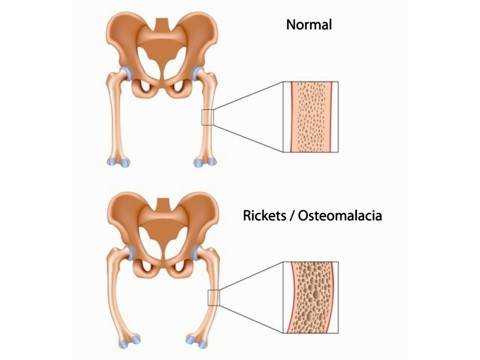
Bow legsCauses: Physiological - As mentioned before, bow legs are normal below 18 months of age. Thereafter as the child continues to grow the bowing begins to improve slowly. By the age of 3 to 4 the deformity usually gets corrected. Blount’s disease - This disease results in bowing of legs due to abnormality of the growth plate of the upper part of shinbone known as tibia. Growth plates are the growing end of the bones. It is diagnosed after the child is 3 to 4 years old. Rickets - Rickets is a group of diseases that occurs due to deficiency of vitamin D. Rickets is characterized by bow legs and other bony deformities. Most commonly rickets occurs in children due to deficient intake of vitamin D. Signs and symptoms: The bony deformity becomes visible when the affected child walks or stands. The uncommon walking pattern of the child is the commonest symptom. Bow legs usually do not cause any pain. However, persistent and severe bow legs cause discomfort to other bony structures like spine and hip. Test and diagnosis: The doctor at first asks questions to the parents regarding the development of the child. This is followed by physical examination of the child. Physical examination often suggests bow legs. If the doctor suspects an underlying disease, necessary laboratory tests are done. The doctor always asks for an x-ray of the affected legs to evaluate the severity and extent of bowing. Treatment: If the bow legs persist after 3 to 4 years or an underlying disease is detected, treatment is undertaken. Medical and non-surgical treatment- In cases of physiological bow legs, no treatment is required. The parents are reassured by the doctor and spontaneous resolution takes place by the age of 2 years. Continuous followup is advised for borderline cases. Children with Blount’s disease need treatment with a brace. Children with rickets need medical management by a specialist doctor. Additionally, they need advice and regular followup by an Orthopedic surgeon. Surgical treatment  - If the bony defects persist in children with bow legs even after medical and nonsurgical treatment, surgery is required to correct the bowing. Two types of surgery is advocated to correct bony deformity of the legs. Guided growth:  Growth of the healthy part of the growth plate is stopped and that of the abnormal part is promoted. This allows straightening of the legs. Tibial osteotomy: The shinbone (tibia) is cut and reshaped to correct the deformity. Then bone is fixed with screws and plate. In both surgeries a cast is applied to promote healing of the bone. Crutches may be required for a few weeks to prevent weight bearing on the limb. Later, physical therapies are advised for complete recovery of range of movements and regular activities. Prevention The parents need to be vigilant about appearance of any bony deformity in legs of their child. The child must be given adequate amount of vitamin D in diet or vitamin D supplementation to prevent development of rickets.
Are you a chocoholic? : Dealing with chocolate addictionSerotonin is a hormone that produces relaxed and happy mental state. This hormone is activated when you consume sweet and high-fat foods. Apart from serotonin, chocolate also contains phenylethylamine which produces feelings of enthusiasm and attraction. The obsession with chocolate is marked by intense craving for it, loss of control over its consumption, and continual consumption despite negative repercussions. Is chocoholism a true addiction? Chocolate is a manifestation of desires and there is also a resistance to it. This cultural phenomenon of mysterious romance and excitement increases the attractiveness of chocolate. Apart from these, advertising and grocery shop displays also connect chocolate with an object of desire, thus triggering its need in times of emotional stress. Though the symptoms shown by those who are addicted to chocolate is much like those who are misusing substance, it is generally not considered an addiction in a true sense, as this is an acquired obsession (through culture and media) than due to bodily changes. Foods like broccoli also contain the mood-altering ingredients, even in higher concentrations. The compulsion with chocolate is considered to be owing to its texture, sweetness, and aroma. Here are a few steps to overcome your chocolate addiction: Step 1- Symptom AcknowledgmentWhile it is not considered a true addiction by many psychologists, most agree that the experience of compulsion towards chocolate is much like the ones towards drugs. It is important to diagnose and check your condition. You need to have a chocolate bite everyday. Generally, a particular time is chosen, like after lunch when your mind is a little discharged and you need that small bit of kick to arouse yourself back to normalcy. If you do not have access to chocolate, you feel anxious and find ways to get hold of a chocolate bar. Step 2- Know The ConsequencesIf you recognize that you are suffering from chocolate addiction, then be aware of the problems which it causes. It will lead to a series of bites where there would be no nutritional value and only fat and sugar induced by the chocolate. You would be needy for the chocolate, and thus, your emotions will be ruled by a bar of sweet. You might get headaches after eating chocolate, but you would still eat it anyway. You might hide and consume chocolate, owing to the disapproval of your companions. Your health will gradually deteriorate with constant burden on your pocket to keep a stash of chocolate around. Step 3- Identify The CauseChocolate is a response to a root problem. For this purpose, you have to carefully observe the nature of your chocolate consumption. Note the triggers to your choco-pangs. Do you eat chocolate to lift your mood when you are sad or upset? Have you been on diet for too long, and because of suppressing the cravings, you see the chocolate bar as 'just one time' deal which is indefinitely extended? Maybe you feel excited and urge to eat chocolate just by thinking about chocolate. Lastly, you might be bored and want to while away your time. In the act of busying yourself, you find yourself munching on multiple bars of chocolate. Did you know that the impact of chocolate on the human psyche is greatly shaped by the idea of chocolate being a representative of romance and desire? Majority of young adults believe that chocolate is a symbol of love and the tendency to get addicted to it is strengthened with the hormones it produces. To avoid chocolate addiction, make sure you work on your eating pattern carefully. Step 4- Empathetic Path to RecoveryOnce you have found the root cause of your addiction, work on your problems gradually and with empathy. Don't push yourself to completely give it up unless you have been medically advised to go off it completely. Step 5- The Emotional EaterIf you consume chocolate when sad, find alternatives to feel better. For instance, some people listen to music or love to play with dogs to feel relaxed. Find your non-chocolaty solution to emotional problems. The best way would be to explore the cause of sadness and communicate with your friend or companion about it. This will nullify the possibility to there being any other dependency shift from chocolate. Step 6- The Boredom EaterIf you find yourself nibbling on chocolate when you are bored, then first become conscious of the act. After having eaten chocolate for boredom for months or years, one has to remind oneself about the act. So, look for other ways to spend your time. Pick up a hobby you like and pursue it. If you are really craving chocolate, then talk to someone who knows about your addiction and can divert your attention. Step 7- Dietary ChangesMake sure you shift to a balanced diet full of whole grain, fresh fruits and vegetables as well as water. You may also include nuts and dry fruits in your diet as well. Step 8- Scheduled Chocolate ConsumptionMake a resolution that you would only have chocolate once in three days (initially) and then slowly taper it off to only special occasions. Step 9- Withdrawal SymptomsWhen you are reducing the amount of chocolate you eat daily, you will undergo withdrawal signs. This will include headache, mood swings, depression, and in severe cases, flu. Be strong and do not give in to the symptoms. Busy yourself with other activities and do not concentrate on chocolate. Step 10- Sleeping, Eating and ExercisingThere are three prime components of healthy living: eating a balanced diet, drinking at least 8 to 10 glasses of water daily, getting adequate sleep (7 to 8 hours), and performing moderate exercise daily for 30 to 45 minutes. Focus on healthy living and build a harmonious relationship with any food item that you consume. Chocolate is a manifestation of desires and there is also a resistance to it. This cultural phenomenon of mysterious romance and excitement increases the attractiveness of chocolate. Apart from these, advertising and grocery displays also connect comfort in modern living with chocolate, thus triggering its need in times of emotional stress.
A guide to resolving commitment phobiaCommitment phobia could impact both men and women. The age-old idea of only men being commitment phobic has fallen to ground and such a fear is shared by both the genders today. The main issue of this psychological condition is that the partner involved is also traumatically affected. The initial stages of the relationship involve making the partner feel secure about the relationship by assurances and verbal confessions about future needs of a long-term companionship. This makes the person involved with the commitment phobic trusting the latter, only to be taken aback and hurt when she/he walks out at the time, to seriously and sincerely declare their relationship. One who is afraid of commitment would often have many failed emotional relationships in the past with the justification of never having found the right person. Even though you might just be the perfect match, it is possible that they would find something wrong with your lifestyle in order to justify his/her fear. There would be consistent contradiction in their declaring of love for you and the actions which might hurt or injure the trust built on basis of the verbal assurances. Cause of Commitment Phobia: The root of the fear is the need to feel in control. A commitment phobic will feel that after a point of time there is a need to withdraw from their lover in order to have an 'upper hand' in the relationship and feel in control. Such a feeling might not be conscious. While the commitment phobic is pursuing their partner, they are also keeping in mind the way to get out of the relationship. Thus, any compliment given is empty flattery, for it presupposes their exit when the time comes. They are also afraid of facing the truth of their emotions. Coming from unstable backgrounds, commitment phobic people are very lonely and afraid of pain. The parents might have had a loveless and emotionally numb relationship. There could also be instances of physical and sexual abuse apart from the mental trauma the patient goes through as a child. Bailing out is their defence against being hurt any time in the future. Thus, the only thing they are doing in the relationship is to make sure they have the power in their hands (via complimenting and making you believe in them) and to make you depend on them. Once you are dependent and look for a solid assurance of their existence in your life, they will walk out.  Due to the fear of getting hurt, no amount of emotional intimacy and efforts seem to be sufficient for them to believe in you. However, remember that it is possible to cure the condition with proper psychological and emotional support. Contrary to popular belief, both men and women suffer from commitment phobia. The root of this fear is sown during the early years of the patient's childhood and a vicious cycle arises in which the patient withholds from forming a full-fledged relationship with anyone, blaming the failures on incapacities of the partner involved. This cycle can end only with the individual effort and support of companions and lover. Treatment of Commitment Phobia: The main aim in treatment of commitment phobia is to change the way the patient thinks about relationships. If you know someone who is a commitment phobic or if you are afraid of commitment, then here are five ways to deal with it: Way 1- Accept YourselfYou are looking for a perfect partner in an ideal context. You want a long-term loving relationship, but you have experienced throughyour life that such relationships are filled with pain and assume that eventually all relationships are only bundles of pain. This is manifested by your tendency to obsessively find something wrong with your partner. You know that your partner is loving and doing everything they can to make the relationship work, even then you find something wrong with them. When you think about commitment, you feel suffocated, bored, or at danger because it would require you to let your guards down to a person, thus becoming open to being in pain again. Accept yourself. Don't distort who you are. Write down all you feel about relationships and accept it. Think about the past relationships you have had and admit that your fear has led to breaking up of many emotional relationships in the past. Way 2- Understanding Your ConditionBecome aware of what is mentally happening when you are running away from commitment. By knowing what is exactly happening when you are walking out of a relationship, you will be able to handle and help yourself well. Way 3- Find The Root of Your FearsExplore the sources for what you feel about relationships and commitment. Discover incidents in childhood which slowly disillusioned the image of loving relationships. Consider your ex-partners and admit their merits as well. By finding the root of your fears, you will be able to become aware of it when you are in the act of bailing out on a great relationship. Way 4- HypnotherapyThrough hypnotherapy, you will get to know the root of your fear. The process also involves creation of an unconscious transformation in the patient in the form of thoughts, feelings, and attitude. Eye Movement Desensitization and Reprocessing (EMDR) and Lifespan Integration are also helpful ways to treat commitment phobia. Way 5- Consciously Think About The Pros As WellThink about the loving relationships you have wanted and understand that relationships are filled with ups and downs. Every person is guarded naturally against pain and you do not have to excessively fortify your emotions. Write down all the good things about your lover. Also note down the things you find faulty about them. Then, ask yourself if your act of complaining is much like the desires your parents or closed ones might have imposed on you. Know that every person has a set of incapacities, and as long as it does not affect their love towards you, you should not be worried by it. Way 6- Imagine The UltimateIf you are not going to work on the commitment phobia, realize that you will never be able to establish the loving relationship you have always wanted. To make sure that you do not end up missing out on the wonderful experience, you have to weigh the relationship wholly. As mentioned earlier, write down both the pros and cons. Weigh your fears and decide what you feel. Way 7- Control Your Urges to Walk OutYou might be urged to leave the moment you find an imperfection in the other. Assure yourself to understand your partner. Take your time, but do not walk out. Learn to stay and work on the issues that the other might have. Way 8- CommunicateOne of the main problems that commitment phobic people have is that they do not talk about their problems, as they believe to open up about their emotions would mean to be vulnerable and to lose their power in the relationship. If your partner loves and cares about you, then open up to him/her. Let him/her know how you feel. This would prepare the other for any tough situations in the future, and you would also learn to judge and trust the other. Way 9- The Time Is NowYou might think about all the bad things in your current relationship and talk it out. However, remember that you might just be missing out on a beautiful experience because of your fear. If you want to work on your commitment issues, the time is now. Learn about your partner more and judge your relationship objectively. Be aware of any fears that arise and their source. Answer the fears rationally and do not suppress them. Slowly, talk to your partner and deal with the phobia. Way 10- Love Yourself And Build Strong RelationshipsThe first step to treating any phobia is to accept oneself and begin the process of being compassionate to oneself. Love yourself. Often, there is a fertile ground of low self-esteem boiling under the over-confidence about demerits of the other. Accept your incapacities as well as merits. Build your relationship with honesty and gradually let open the doors of your love. You do not have to suppress any of your fears. You have to confront and answer them. By communicating with your partner and remembering to receive their love without complaint, you will be able to overcome your fears completely.
High heels can walk you to the hospital bedHigh heels make a fashion statement which makes us look tall, elegant and good but they cause injuries on a regular basis. High heel shoes have been luxury item once upon a time; today high heels have made themselves a part of every girl's life thanks to supermodels and stars. You will not find any health warning on shoes but they ought to, as they seriously put you at a high risk of numerous health problems. How are high heels and low back painrelated? High heels significantly affect your natural posture and your spine. The natural arch of spine becomes acute when walking in high heels. This poses high risk to the spine getting injured. This not only wears  and tears intervertebral cushions called discs but cause injury to the nerves too.  High heels put strain on muscles of lower back causing pain after a long day of wearing high heels. Nerve trapping, nerve pain and radiculopathy can result from wearing high heels for a long period. This is exhibited     as tingling, numbnessand pain. Arthritis, nerve pain, hammer toes, ingrown toenails and bunions are all common problems due to high heels. Calf muscle shortens and tightens after prolonged use. Jogging, playing, running with high-heeled shoes can tear and rupture calf muscles. What can you do to prevent damage? Firstly ensure your body is in top shape before you start. There is a much less chance of developing low back pain if you are strong and fit. So do activities like swimming, pilates, circuit class, box-exercise and whatever else thatmakes you feel good. Focus on activities that make the abdominal area strong includingyour deep core muscles. Secondly a regular regime of stretching will prevent a lot of problems occurring. Either get involved in a yoga class or make sure you do 10-15 minutes of stretching every day. Stretch your back, your calves and hamstrings especially. Thirdly get sports massage at leastonce-a-month. This will loosen the tightened structures, realign the spine and lengthen the hamstrings, calves and Achillestendon
10 best and worst appetizersWhen you are munching on appetizers before your meal, the idea is to eat something that can trigger off the production of your digestive juices in the intestine, so that what you eat next, the food is easily digested. However sometimes, the appetizers are much more complex and heavier on your tummy and can actually reduce the metabolic activity and imbalance the digestion process. Here are some of the best and worst appetizers that are commonly served: Best Appetizers Vegetable Kababs: These highly nutritious and low calorie appetizers are a good alternative to fried items. Grilled vegetables or kababs are prepared by skewering red and green bell peppers, onions, tomatoes, mushrooms and zucchinis. To add to the taste, you may brush over some low-fat herbs and even garlic marinade. Two delicious vegetable kababs, will get you only 75 calories. Crab Cakes: Seafood offers you high nutrition and the best way to include the properties of seafood in your diet, is by choosing crab cakes as appetizers since these offer only 20gms of fat and 300 calories, while providing you with a high level of sodium (960mg). Spinach Salad: The best thing about good appetizers is that they are low calorie foods and provide great flavor and satisfaction while eating. One such fulfilling appetizer, is spinach salad. You can also use other green leafy vegetables to add more nutrition to the recipe. If you eat this appetizer before your meal, chances are, you will eat 10 to 15 percent less of the main course, which is certainly a great way to cut down on the calories. A cupful of fresh salad gives you only 80 calories. Beef Skewers: If you are in the mood to pamper your taste buds, but still want to stick to eating healthy, then beef skewers is the right option for you, in the appetizers section. These are usually served with peanut sauce in restaurants. You can opt for lean beef along with soy, garlic, hoisin, onions and barbeque sauce to make this dish yourself. Quarter to the pound is the recommended serving, which consists of 5 gms of fat, 130 calories and a high sodium content of 803 mg. Stuffed Mushrooms: Potato skins are a common appetizer people go in for, but these add more calories. Instead, you should opt for stuffed mushrooms that are way more delicious. The caps of mushrooms are stuffed with breadcrumbs and the cheese of your choice; and they provide only 50 calories per cup. This means that even if you eat six stuffed mushrooms, you are still within the limit of 300 calories. The worst appetizers are deceptive yet tempting in their looks and taste. But you should always keep a check on the ingredients before gorging on them, for your own benefit. Worst Appetizers Onion Blossom: Fried onions are certainly bad for your waistline. It is always better to eat a starter stuffed with more vegetables, instead of fried things. A restaurant preparation of onion blossom consists of 161 gms of fat, 1,049 calories and around 4100 mg sodium, which is more than double the limit required by an adult, making this appetizer a completely unhealthy choice. Cheese Fries: Cheese fries are one of the worst appetizers; these can be even more overwhelming than your meal itself, which is why health experts advise not to include this appetizer in any type of menu. Sometimes cheese fries actually come with more melted cheese on top, which is obviously worse. Spinach Artichoke Dip: Although this starter starts with the word 'Spinach', it is in no way a healthy appetizer. One dip of spinach contains loads of calories-1600, fat-100 g and 2500 mg sodium. It is certainly not the spinach but the cream base that is rich in saturated fat. Potato Skins: Potato skins have all the high calorie foods such as meats, sour cream and cheese. When you take one pop of these, you will be adding 150 calories, which is quite a big number. Moreover, these appetizers are not filling. A plateful of potato skins adds 1,340 calories, 1,850 mg sodium and 94 gm fat and yet leaves you hungy. Cheeseburger Skins: Although these appetizers look small, there are loads of calories packed in them. One order of Cheeseburger skins can total up to 1270 calories, with an added 2310 mg sodium and 82 gm of fat.

Adrenaline rush - Feel it inside!Imagine yourself at a great height, either scaling a dangerous cliff-hanger of a rock face or on a bungee jumping platform. Some of us who have had the pleasure of doing high adventure sports like racing or indulging in perilous activities like giving out an acceptance speech for the first time are well aware of that strange feeling in the solar plexus, the clammy hands and intensely thudding heart, and the rush of blood to the head just as you are about to take the plunge! The heart beats faster than ever, breathing goes rampant, the senses seem to become supercharged, and the fear, the joy, and the excitement meddles with the mind. That’s adrenaline rush! So what do you want to do? Fight? Or flight? Either ways, adrenaline does it for you. Speaking medically, the two small adrenal glands on top of the pair of kidneys release a magic chemical that gives the animals way towards the fight-or-flight response to counter certain high-intensity situations, called adrenaline or epinephrine. The chemical entity is a hormone, a neurotransmitter as well as a medicine and is too complex to explain its behavior. However, when it works the heart pumps out the blood to the excited muscles and all the juices surge up inside the body. There is more to this topic than just the physiological mumbo-jumbo. The hormone acts every day in the normal course of life, but not regularly to the extent when it produces side effects such as shakiness, palpitation, high anxiety, and profuse sweating! Thats kept for special situations like physical threat, excitement, bright lights, noise, and really high temperature – in good or bad ways. Let us surf through some of the rewarding and a few of the nasty situations where the jolting juice takes charge of our body! The Good ones: Countering Stress: In extreme stress conditions like accidents or fracture, the body needs to react fast and is at its highest awareness. Adrenaline keeps the muscles up and kicking to help the victim fight with the stress. High Energy Requirement: In majority of sports, more specifically in contact sports like Rugby, Boxing, Mixed Martial Arts, etc., the player needs to be in his full sense and topmost concentration level. The adrenaline rush runs in the background to keep them at their extreme self. The Push Mode: Often the daily chores aren enough to excite us and we tend to search for some adventure. In such pursuit of excitement, there are times when the road is a dead end or there is only one way forward – the impossible or most difficult one! The hormone pumps the brain both ways with fear and with the push to conquer the fear and proceed. Adventure Sports often sounds fun, but at times when running ahead of a raging bull, or hanging off a cliff, or rafting down the rough waters of a cascade – feels like the heart shall come out and scream!! It is the rush of adrenaline that keeps one ahead of the fear and explore the high-energy fun of winning over it. Life Saving Moments: In cases of life-threatening emergencies such as drug overdose, cardiac arrest, or pulmonary failure, where the heart and lungs suddenly cease to function and the body gets into a shock –– the epinephrine shots are considered as a life-saving medication to bring the patients back to life (only to be used judiciously by a qualified medical practitioner). The important medical use of adrenaline is in treatment of acute anaphylaxis and allergies under medical supervision. The Bad Ones: Disorders of the Adrenal: Tumors and cancers of the adrenal gland can cause hyperactivity of this high-performance hormone affecting the normal functioning of the heart and the blood vessels by increasing heart rate and creating anarchy in the body systems. Over-Stressed Adrenaline Rush: The demand-supply mismatch in the present world scenario requires one to perform at his/her epitome of mental and physical strengths. In that constant urge of performance, the brain and the body is stressed out so intensely that the adrenaline surge symptoms are experienced by the individual even in the absence of threatening situations. Sudden sweating of palms, shortness of breath, pounding heartbeats, or chest pains without a justifiable reason can be a result of constant stress.
Common causes of allergic reactionsAllergic reactions, most of the times, do not warrant immediate medical attention. But never ignore or take any allergic reaction lightly! Allergic reactions include itching or a puffy face or swollen red blotches all over your body or a fit of sneezing.  If we know what allergies have, we can avoid the triggers. So, here is a list Soaps and detergents: Are your palms are all rough and peeling off in patches and it doesn't seem to go away? Time to do a check on the dish-washing soaps and the detergents you may be using. Most of the brands contain harsh chemicals that burn while you use them. Medically known as Contact Allergic Dermatitis, this is one of the most common allergic reactions. Artificial Jewellery: Even the best looking jewellery can, at times, trigger allergic reactions. Another common type of Contact Allergic Dermatitis, this happens when you wear artificial jewellery. Most of the jewellery of this variety contains Nickel which is the main cause for this type of allergic reaction. Clothes: Clothes can be a cause for allergic reaction. While synthetic fibres like nylon and polyester are common factors, at times, the chemicals used in the dyeing can also be a reason for allergy. Add to it the perspiration and the constant friction between the skin and the clothes, and you have a severe allergic reaction guaranteed! Latex: Latex is also a very common cause for allergy. Commonly found in condoms, gloves and certain medical devices, allergy to latex can range from minor itching and redness, to a serious life-threatening anaphylactic reaction. Milk and milk products: The symptoms for this source of allergy include loose motions and stomach, among other things. Medically called as Lactose intolerance, it occurs in people who do not have the necessary enzymes in their bodies to digest milk and milk products. Food allergies: Peanuts, brinjal, fish etc can also trigger allergic reactions. Food reactions are specific to individuals. One may suffer from an allergic reaction to almost any kind of foodstuff. Beauty products: From shampoos and creams to nail paints and lipsticks, every cosmetic you use is a potential allergic trigger. Molds: These are microscopic fungi found in damp and moist places.. Allergic reactions to molds are pretty common and seasonal. Cockroach: The proteins secreted by the glands and the saliva of the cockroach can be allergic to humans. Sneezing, itchy and watery eyes are common symptoms. Insects: Insect stings can lead to burning and stinging pain with redness and a slight swelling around the bite/sting area. In some people though, insect bite/sting proves to be life threatening. Symptoms as severe as difficult breathing, rapid pulse, severe drop in blood pressure and swelling of face and throat may occur!
Sex during pregnancy? It's possible!One of the questions that arise when a woman gets pregnant is whether it is safe for the couple to have sex. We'll try to answer the most common questions couples tend to ask. Is sex safe during pregnancy? Sex is considered safe if the pregnancy is normal in all stages. However, even if it is safe, it doesn't mean the woman would want to have it. Desire for sex fluctuates during the various stages of pregnancy and sex becomes plain uncomfortable as the body gets larger. What is not safe? Two types of sexual behaviors are not safe during pregnancy. While having oral sex, the man should not blow air into his partners' vagina. It can lead to air blockage of blood vessels by an air bubble, which is called air embolism, and can be lethal for both mother and baby. The pregnant woman should strictly avoid sex with a partner with unknown sexual history or who may have a Sexually Transmitted Diseases (STD). What are the common risk factors? In case of significant complications with pregnancy, abstinence from sexual intercourse is advised. Common risk factors can be: Threat of miscarriage. One can have pre-term labor or signs indicating the risk of pre-term labor (such as premature contractions). Unexplained vaginal bleeding, discharge, or cramping. Leakage of fluid surrounding the baby, called as amniotic fluid. Placenta previa, a condition in which the placenta (the cord connecting mother to the baby and nourishes the baby) is located low down and covers the opening of the uterus. Cervix incompetency, a condition where cervix is weak and dilates before full term, increasing the risk of miscarriage or premature labor and delivery. Can sex during pregnancy harm the baby? The baby is always protected by the amniotic sac (a bag-like structure that holds the fetus and surrounding fluid) and uterine muscles. A thick mucus plug seals the cervix and protects the baby from infection. The penis does not come into contact with the fetus during sex. So, sex can't harm the baby directly. Can orgasm lead to miscarriage or contractions? The contractions felt by pregnant women during and just after orgasm are totally different from the contractions of labor. Therefore, in cases of normal and low-risk pregnancies, orgasm can't cause contractions and miscarriage, but always check with the doctor and make sure that your pregnancy is in the low-risk category. What are the safe positions for sex during pregnancy? The old standby missionary position for intercourse may not work for you now. Instead, try these options: Spooning: Lie side by side with him behind you. This will not put pressure on your belly, and makes for more shallow penetration. Female on top: There's no pressure on the belly, and the female can control the speed and depth of penetration. Side of the bed: The female lies on the back on the edge of the bed with knees bent and feet on the edge. The male stands facing her. It's like classic missionary, but the male won't be resting his body weight on the pregnant female. However, remember 'normal' is a relative term when it comes to sex during pregnancy. You and your partner need to discuss what feels right for both of you and take advice from the doctor.
Psychological impotenceSex is not just physical but just as equally mentally involved. Mental stimulation and response are responsible for arousal and overall enjoyment; and therefore any sort of psychological disturbance or mental issues like stress, tension, or anxiety can lead to psychological impotence. Stress or exhaustion are most possible explanations for psychological impotence. Depression and post-traumatic stress disorder also may result in impotence. A mental trauma of sexual or physical abuse, guilt due to sexual relationship, problems amongst partners contribute too. Confusion over one's sexual identity is also a major cause for impotence. Impotence results from underlying physical disorders, especially if the people choose to stay unaware of it. Absence of knowledge of this disorder leads to anxiety and stress building up over a period of time.  So when determining factors rule out physical causes first and then go for identifying mental causes. Psychological impotence can be sometimes situational or only with a particular partner and the treatment approach differs with the cause. Counseling works wonders in the case of psychological impotence. For example, depression or anxiety may require treatment to improve condition. Post-traumatic stress disorder or abuse needs therapy on coping skills. Sometimes simply explaining underlying cause of physical condition resulting in impotence and comfort and reassurance are sufficient. So don't hold back, share to get your mojo back!!
FAQS
T&C FAQS