Home
Strict parenting: When enough is enoughThe strict or authoritative style of parenting is where the parents hold their children's lives over a tight leash. Strict parents are high in control and low in nurturing qualities. They set high standards for all activities and expect strict obedience to the rules set by them. However, these parents display little or no warmth and affection. They love and affection they offer is also conditional love based on obedience and performance. Children of authoritarian parents turn out to be obedient, but this obedience is based on fear. Such parents very often use shame and guilt to make their children change their behaviour. They don't encourage verbal give-and-take and expect their orders to be obeyed without question. The children brought up in such a way are initially very obedient and polite but later all the suppressed emotions find an outlet. More often than not, such children end up being aggressive and tend to be bullies at school. Research shows that fathers who are extremely strict with their sons end up making their sons violent and aggressive, or indulge in non-physical aggressiveness like name calling. Strictly raised children have difficulty relating to their peer group. They either end up being aggressive or completely timid and submissive. At school teachers rate them as less socially competent, average or poor at studies and extra-curricular activities. They are also less accepted by their friends. The school dropout rates in such children are very high. Studies conducted on such dropouts revealed that they suffered from a huge inferiority complex and low self-esteem. Strict parenting can cause several problems in adolescence too. Children who are dominated by their parents are often found breaking the law. Alcohol and drug abuse rates are high in such children. Psychologically, these children are usually poor decision makers. Having had their parents make decisions for them all their lives, they find it very difficult to take a stand. They end up being indecisive. At the workplace too, they lack the competency to take up initiatives or show the lead. They make better team members than team leaders. Even if presented with an opportunity, they are likely to shy away from responsibility as they feel inferior and lack the requisite courage. Strict parenting can have a negative impact on the child's weight too. Studies show that an overly strict upbringing has a negative impact on weight because the children often fail to learn to eat on the basis of hunger and satiety. In such families parents use food as a reward, insist that children clean their plates, or restrict the kind or amount of food a child can eat. The studies showed that the children of authoritarian mothers were nearly five times as likely to be overweight compared to their counterparts!
Absent father, violent kids!When children are growing up, they undergo a lot of hormonal changes and have varying emotional requirements. If these requirements are not fulfilled by the presence of both parents, they can develop into violent adults. Single parenting for a mother, is extremely difficult; it is simply impossible for her to fill the void left behind by an absent father. When a couple cannot live under the same roof due to major differences, they separate or get divorced. However, the requirements of the children remains the same; they still need the care and love of their mother and the support and guidance of their father, to grow up without any complications or insecurities. Children usually look up to their father as a symbol of strength and security and in his absence, they might not receive the same support and may feel inadequate and insecure. If during their childhood kids do not get the support and security that only a father can provide, they might bottle up the feelings inside; and these feelings usually explode when they grow into violent adults. A Father's Absence is Critical Due to whatever reasons, if the father is not present in the family during the most important growing periods of the kids, they have more chances of turning to crime and drugs, than the children who have a father by their side. According to a research conducted by the Research Institute of the McGill University Health Center located in Quebec, a father's absence, especially during the child's prime growing period, can lead to behavioral problems when they grow into adults. The research was carried out on mice raised only by their mothers and showed that the mice that were brought up in the absence of their fathers, were  abnormal and aggressive in their social interactions. Gabriella Gobbi, who is an author and a senior associate professor at the McGill University - Faculty of Medicine, says that even though the experiment was carried out on mice, the findings are highly relevant to the behavior of humans, under similar circumstances. Role of Fathers and Fatherhood Another research carried out by Dr. David Popenoe, a renowned sociologist, throws light on the role of fatherhood and fathers. According to Popenoe, fathers should not be treated as mere second adults in the family. Fathers, who are more involved in their family, have a certain positive impact on the children, which no other person is capable of. Fatherhood is an important responsibility and the presence of fathers in a family, directly influences the well-being of the growing children. In the absence of fathers, mothers may try their level best to provide their children with the right kind of upbringing and education. However, they might fail to give the kids the support and strength that only a father can provide. Due to this, children fail to face the challenges of life head on and are unable to handle their problems with an open mind. When a lot of emotions get bottled up inside, in most cases, they find their release in the form of violence. Sometimes, children also lack the right kind of guidance in their growing years and mothers fail to handle their changing emotional requirements, due to which these kids become increasingly frustrated and violent as they grow up.  
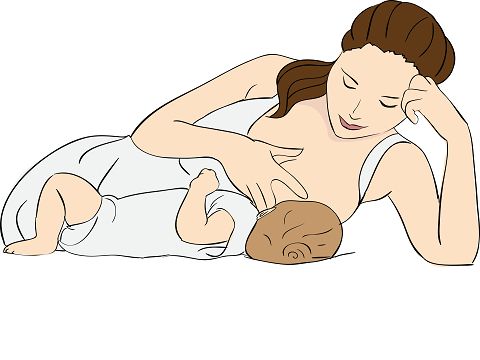
What to eat when you breastfeedAlmost everyone around you will advise you to eat a calorie-rich food that will aid in milk production from your body. But did you know that your body is quite capable of producing enough milk from whatever you eat? Your body has stocked up on all the fats during your pregnancy days itself. You don't really need the extra calorie rich food just to produce milk for your baby. However, how much calories you need cannot be predetermined. Let your body determine your needs. Eat as often as you want, as often as you feel hungry, but remember to eat foods that will give your body the nutrients and not just satiate the hunger. Opt for whole grains, pulses, fresh fruits, legumes, fresh vegetables and nuts. Choose natural drinks like buttermilk, coconut water, and fresh juices. Remember that the foods that you choose must nourish your body with proteins, calcium, and iron other than carbohydrates. Dried fruits and nuts like cashews and almonds and walnuts are the traditional foods given to new moms to enhance breast milk confinement. They are a very rich source of calories and definitely improve the quality and quantity of milk. However, keep a bottle of water or some juice nearby when you breastfeed. The body releases oxytocin when you breastfeed and it makes you thirsty. So, have some refreshing drink before you breastfeed. Most new moms are advised to drink lots of water as it aids in breast milk production. However, breast milk production doesn't really need extra water. It is best to avoid alcohol when you are breastfeeding. The amount of alcohol in blood and breast milk reaches its highest level about 30 minutes after you have a drink and it lowers down only after about four hours. Drinking alcohol is not advised when you breastfeed, however, if you feel like having alcohol, do so after you feed your child. Also, wait for a minimum of four hours before you feed next. Ghee is another item that new moms are encouraged to consume for milk production. However, if you are eating a balanced diet there is no real necessity to eat too much of ghee. Avoid aerated drinks, tea, and coffee while you are breastfeeding. Similarly, junk food and foods that are not cooked at home are best avoided. These types of foods fill you up, but provide no real nourishment. Herbal teas are considered safe drinks during breast feeding. However, consult your doctor before you consume any herbal medicines. Do not forget to take your prescribed supplements of iron, folic acid, and calcium regularly during breastfeeding. Your body also needs more amounts of vitamin C, vitamin B12, zinc, and vitamin A. These, you may obtain by eating foods that are rich in them or your doctor might prescribe supplements. Weight gained during pregnancy may be a concern now and you may want to lose it to regain your pre-pregnancy shape. Remember to lose weight gradually with the help of a balanced diet and moderate exercise. Do not starve yourself. Also heavy exercising may release toxins into the bloodstream and breast milk. Keep in mind that you will gain your original weight back only after your baby has completely weaned off breast milk and has started eating solid foods. Breastfeeding is the best option for your baby. It gives your baby everything that it needs and keeps it free of all diseases. Do not shy away from breast milk, do it the right way! Your body is quite capable of producing breast milk from the well-balanced diet that you eat and there is no real need for a calorie-rich food that new moms are fed.
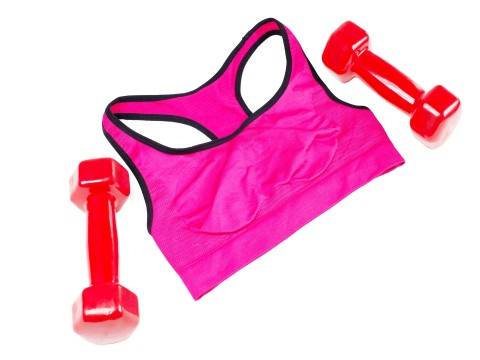
Just how sporty is your sports bra?Very few women in the world really know the right size of their bra and end up using wrong size bra all their life. A study shows that all over the world only 2 women out of 10 wear the right sized bra due to which they can never get the look they want. Since there is lot of difference in sports bra of different brands, you need time and patience to find out the most suitable one for you. You should keep on measuring yourself every year, and especially if you have added weight or lost weight. It is also necessary to check your bra-size after pregnancy.  On an average, the size of sports bra range from A to H and most women find a comfortable fit among either of this size. A good sports bra should always offer three things- support, comfort and breathability to the breasts. Choosing a Bra with a Good Fit Most of the elite bra shops offer good range of different sports bra. But it is important to know which one suits you or is of your size. A well fitting bra gives you the liberty to exercise or move with confidence and comfort. One thing you should keep in mind while purchasing a sports bra is your life style and preferences. Some like it padded, some like it embroidered, while some may like it simple. So apart from correct measurements, your style should be given preference while buying a sports bra. Moreover, you also should take into consideration the dress you are wearing on this bra. Here are some tips that can help you in selecting the right bra when you will go to the lingerie shop. Support   A good bra should offer your breast complete support, irrespective of whether they are small, medium or even big. If you have breasts ranging in between A to C cup, you should choose a compression bra that offers more comfort and support. If you are looking for a bra that also encapsulates and gives proper shape to your breasts then you should choose a bra accordingly. These bras offer more support than the compression bra. For getting both comfort and support, you can choose a compression bra that also encapsulates your breasts properly. Comfort You should feel comfortable when you wear a bra. It should stay in place and should not chafe. If possible, try one of the samples in the changing room and check whether the straps dig into your shoulders or whether the bands provide comfortable support to the breasts. The bra should hold the breasts comfortably without being restrictive. A good bra is one that holds your breasts in place even when you are performing all the jumping, running and swinging acts. Breathability The fabric of the sports bra should be good enough to wick away the sweat from the skin so that it dries quickly and allows the skin to breathe properly. The bra should allow excess heat and perspiration to pass through the fabric keeping you dry and cool during summer &  warm and dry during winter.  
16 myths about baby careA new mother experiences a range of emotions. Chief among these is fear, which is a result of the love and attachment that she feels for the baby. In such situations, mothers often tend to believe myths that make no logical or medical sense. Myth 1: If I don't breastfeed my baby immediately after the birth, I won't be able to bond with him adequately. Fact: Although the first few hours of a baby's life are important for both mother and child, sometimes due to unavoidable circumstances, the baby is kept away from the mother. For instance, in cases of cesarean delivery, the new born babies need immediate medical attention, and hence are kept away from the mothers.  However, the love and care you show the child over the years will more than make up for the loss of attachment with the baby during its first few hours. Myth 2: Pinching the baby's nose will make it pointed. Fact: Pinching the nose will only hurt the baby. It will not make the nose pointed. It is possible for a baby to be born with a flat or tilted nose if it gets pressed during delivery. But this is temporary and the nose becomes normal as the nasal bridge develops completely. Myth 3: Mothers should not use yellow clothes and yellow food while breastfeeding as it causes jaundice in the newborn.  Fact: The color of the mother's clothes can't affect the baby's health. There isn't any evidence to show the relationship between yellow food, clothes and jaundice. Myth 4: Umbilical cord stump should be cleaned with alcohol swab every time after changing diaper.  Fact: Alcohol may delay the healing. It is recommended to keep stump clean and dry till it falls off. Myth 5: Some babies can be allergic to mother's milk.  Fact: No. A baby is never allergic to mother's milk. Myth 6: Baby should be wrapped up tightly. This helps to straighten the hands and feet.  Fact: A child's limbs develop faster when they are free to move and not wrapped. Myth 7: Holding the baby all the time will spoil him. Fact: Babies cry to express pain, anger, irritability, hunger, sleep everything. Holding or picking him up to comfort won't make him a spoiled child. Myth 8: Do not take your newborn baby outside. Always keep him in the house.  Fact: Fresh air is good for the baby too. Just avoid heat, crowds and unhygienic places. Myth 9: Vaccines cause autism. Do not vaccinate the baby.  Fact: It is a rumor. Immunization is very important to protect the baby against a number of diseases. Myth 10: Babies do not spit up if they are breastfed.  Fact: It is normal for the babies to burp, spit up, and drool. Do not worry about it if the baby is gaining weight normally. Myth 11: Sleeping on the head causes flat head.  Fact: It is advised medically that all babies should sleep on the back to prevent sudden infant death syndrome. Alternate the head position daily as flat head can be caused only if baby sleeps in same position daily for long time. It is an occasional occurrence.  Myth 12: Putting few drops of oil in baby's ears will keep it clean.  Fact: Do not put oil in the baby's ears. It can hurt the tiny eardrums leading to pain, soreness, and even hearing loss. Oil can cause ear infection too. Myth 13: Use crib bumpers to protect head of your baby. Fact: They are not advisable. The baby's head can get wedged against a bumper causing strangulation or suffocation. Bumpers are dangerous. Myth 14: Stop mother's milk if baby fed only on breast milk has loose motions.  Fact: Passing 5-6 loose motions is normal in a baby. Continue to breastfeed. Do not stop it. Myth 15: Attention span is very short in babies.  Fact: Babies, in fact, have excellent attention spans and have interest in the all things around them. This is why babies learn things so quickly.  Myth 16: Wrap up the baby in blanket if he has fever. Sweating will bring the fever down.  Fact: The fever will rise if you wrap the baby in a blanket. Try to keep the child cool and sponge him with cold/warm water to bring down the fever with the doctor's advice.    
Get the couch potato out to playKids in the modern day are increasingly getting lazier and unfit. Watching TV, playing games on consoles and smartphones, and spending time on social networks is eating into time which would otherwise be spent playing outdoors.The lack of exercise comes with a host of problems, which can affect kids in childhood or later on in life. Therefore, parents must encourage kids to exercise by being an example. However, do keep in mind that there is nothing that will bore a kid than treadmills or lifting weights. Playing sports is often the better way to go. Give aerobics a try Aerobic exercises can help kids to stay fit and also can be fun at the same time. The common perception is that aerobics involve dancing a set pattern. However, aerobics is any exercise that increases your oxygen intake. Outdoor activities can include basketball, cycling, soccer, swimming, tennis, walking or running Along with aerobics, children should also do stretching exercises, which help in improving flexibility, allowing muscles and joints to bend and move easily through their full range of motion. Getting your kids excited It is important, however, to communicate with your child the need to exercise. You could encourage them to take part in outdoor games at school as well as in the locality where you stay. You should regulate the number of hours your kid can spend in front of the TV or PC. This way she will look for means to play outside the house. You can also play with them yourself. It will be fun for the both of you, as well as helps you bond with your child. Exercising for at least an hour a day is ideal, and it broken down into chunks of 15 minutes at a time.  
Communicate to strengthen the family tiesA family that talks to each other stays together. Sounds easy? But how often does your family sit down together in the week to spend time with each other? How about breakfasts and dinners? Are you all able to match your meal times or are you catching each other by the end of the coats in the fast paced world that has us spinning us on our heels constantly? As the family members run in and out of the house, like in a hotel, engulfed in their daily routines they slowly start drifting away from each other. Somewhere pushed to the depths of the heart are old connections and affections with the family. Ideal conversations during childhood, encouragements received during tough times, sibling squabbles in adolescence and many a wonderful memories tug at the heart keeping the family from disintegrating altogether. On the contrary, improper communication and bottled feelings singe the heart in such circumstances and lead to the tumbling of the family ecosystem. Understanding how to build effective communication within the family is important as it helps build a stronger, inseparable family. Here are some effective practices: Communicate Frequently:With the limited time that you have with your family, make communication a common and frequent activity.  While traveling in the car, during meal times, replace TV time with talking, talk to your young ones at bedtime. Keep designated time for informal family meetings and encourage conversations among the family members. Keep the cell phones and laptops in the other room when the whole family is sitting together. Communicate Clearly and Directly:Develop an environment where the family members feel okay to communicate clearly and directly. Allow them to express their thoughts and feelings without having to mask and filter them. This is important in a parent-child relationship and sibling-sibling relationship. It also helps build confidence, family intimacy and bonding among the family members. On the other hand, veiled, indirect or vague communication is ineffective and harmful as it increases confusion and communication gaps. Active Listening:Open and free communication flows only when it is received well and the other person's perspective is acknowledged and respected. Active listening is the cornerstone of effective communication. Whether listening to your partner or child, it is necessary to pay attention to not just the words but tell-tale signs in the tone of communication and non-verbal messages too. Nodding of the head, or words of acknowledgment like, "I understand" make the other person feel that what they are saying is valued and received. Asking questions and requesting clarifications for the parts of the message you do not understand is a very important part of active listening. Trust and Honesty:Only when the family members feel that they can trust each other, can they communicate honestly. Trust is the key for strong familial relationships. Trust is propagated through openness and honesty. Understanding the Individual:The way each individual of the family feels and communicates is different. The way you communicate with the different family members should vary accordingly. Especially in case of young children, as their maturity levels are different than the young adults and adults in the family. The unspoken messages:Not everything might be said in words. Learning to read non-verbal communication such as expressions and body language are very important in understanding the entire message being conveyed to you or the parts being held back. Stay Positive:Many complications and problems between family members can be avoided or solved by effective communication. When dealing with undesired or negative situations, it is important that the words and tonality of the communication is positive. Avoid engaging in negative communication like criticism, defensiveness or contempt. Such negative communication patterns discourage communication.Communication is essential to successful family functioning. Taking inventory of how well the family is doing and readjusting course and practices will help improve the family environment and build a happy family that shares openly and honestly with each other.
Boost your mood after a long day at workUp before the sun rise, rush to get ready, say hurried goodbyes to the family and crawl like a tortoise through traffic to get to work. Go through a long day of meetings, calls, deadlines, reviews, and then crawl back again through traffic at a snail's pace. Does this sound like a day out of your life? Then surely, weekends go by faster for you than you can say lickety-split, leaving with no time for yourself, your family or your hobbies. Social life is definitely a far cry from possible. This rigorous schedule eventually catches up with the mind and body and lethargy sets in, discouraging any sort of activity that breaks the monotony of day-to-day life. Is there no escape from this? Yes, there is. At the end of the day, when your mind is tired, you do not feel like taking anything more than you already have on your plate. Only the warmth of your bed allures you. However, if you were feeling fresh and enthusiastic, surely, you'd be ready to do a lot more - move mountains or at least drive to meet friends, anyway. An energetic life full of happy times with families without the constant desire of solitude after a long day's work is what you seek, then try these mood boosters to uplift your mood and get your feet tapping right away! The Aroma of Good Mood:Scents play a great role in the way we feel. They have the power to turn the mood around completely. Light a few scented candles or set up an oil diffuse of your favorite oil and you will feel lighter and De-stressed soon enough. You can also mix a few drops of rosemary and bergamot to create an energizing and refreshing infusion. Walk it Off:Most of us work in functional buildings in temperature-controlled environments. The lack of windows makes natural light and ventilation scarce and aids the buildup of gloom and tiredness. A good way to turn the mood around is to walk it off. A short walk around the block or in the building compound can bring you back in touch with nature. If you are lucky to be living in a green community, you have the added benefit of watching the trees and bird life in them. The exercise also helps release hormones in the body that uplift your mood immediately. A Good Deed Begets Good Mood:Giving is the greatest joy! So perform a good deed - if you see someone who needs help on the way back from work, stop for a few moments and help them. Or simply help your spouse, children, parents or neighbor out. And voila! You will find yourself feeling a lot better than how you did when you entered the house. Clear the Clutter:Organizing things and creating neat, clean spaces is a great mood booster. As you clean the clutter, you will find the clutter of thoughts in your head also clearing. Neat, well-kept spaces invite good vibes and energies, which again makes you feel better in turn. Petting a Furry Friend:Petting a dog for even 15 minutes releases the feel good, happy hormones. It does wonders for the stress level too. So the next time your furry friend comes rushing to the door, to welcome you back home, take time to give it some love. The Human Touch:We spend 10-12 hours a day away from our family and familiar touch. The human touch releases uplifting hormones such as serotonin and reduces heart rate and blood pressure making you relaxed. So when you get home, remember; a nice warm hug to your spouse or children will make you both feel better.Remember you work to live and not the other way. So when you get home from a long, tiring day, just boost your mood so you can thoroughly enjoy life with your family!
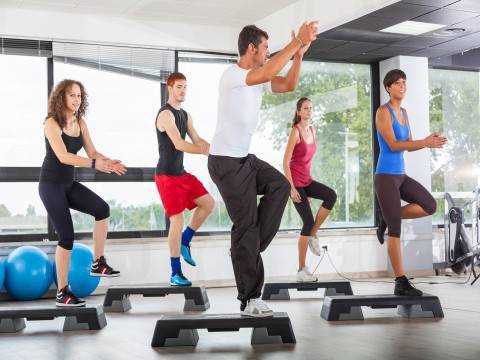
Aerobics: dancing your way to healthAerobic exercise is any comprehensive activity that makes you breathe hard while exercising your large muscle groups at a standard, even pace. The body uses stored carbohydrates and fats for energy. What is aerobics? Aerobic literally means having or providing oxygen or an activity that takes place only in the presence of oxygen. What is aerobic exercise? Aerobic exercise is any comprehensive activity that makes you breathe hard while exercising your large muscle groups at a standard, even pace. The body burns stored carbohydrates and fats for energy. Thus aerobic exercises help the body to utilize oxygen efficiently with increase in respiration and heart rate. What are the best ways to do aerobic exercises? There are number of ways by which you can exercise aerobically. Some easy and best ways are: walking, running, biking, using stationary bike, using stair stepper, elliptical machines or rowing machines, or joining an aerobic exercise class Benefits of aerobic exercises Fat reduction: Aerobics burns calories and body fats directly while using oxygen to produce energy. So this is the healthiest way to get rid of extra fat.  Strong heart: Aerobic exercises not only use your larger muscle groups like hamstrings, but also strengthen the heart muscles. This improves heart function resulting in improvement of blood and oxygen supply to all body parts, which provides healthy nourishment to body cell and removes toxins. Improves breathing: Exercises improve your lung capacity and function,which improves oxygenation, or competence of respiratory system to deliver oxygen to all body parts. It also improves overall health of the respiratory system. Cholesterol control: LDL cholesterol is bad cholesterol mostly responsible for clogging of arteries and HDL is good cholesterol. Aerobic exercises invariable increase the amount of HDL and lower LDL cholesterol thus preventing fat deposition and plaque formation and maintaining optimal blood supply to heart. Other benefits: Aerobics is the best exercise when it comes to prevention of various diseases like hypertension, diabetes, stroke and arthritis and osteoporosis. It helps to keep mood elevated and cures depression and boosts immunity. Make sure to incorporate some form of aerobic exercise in your daily routine.  
4 super foods to keep you healthy this winterWinter is here. It is time for lazy mornings and blanket hideouts. It is also the time when the markets are lined up with a variety of fresh fruits and vegetables, all juicy, healthy and colorful. Discover four such super foods for the cold winter evenings. Citrus fruits: Oranges, sweet lime, lemons; bring them all and have them all. Bright yellow or orange, they are like the bright sunny mornings which you need after a cold night. Rich in vitamin C, antioxidants, flavonoids and several other nutrients, citrus fruits are the perfect measure for your daily dose. Peel it off and chew it up, or slice it off and lick it on, or squeeze it strong and drink it down - choose the way you like. Citrus fruits help in taking care of your cholesterol, as well. Potatoes: Potatoes are the victims of most diet plans. It is loaded with carbohydrates, we should not eat potato, and so on and so forth. Potato is not that bad actually. In fact, its nutritional value may come as a surprise to many. The content of vitamins B6, C and folate is high in potatoes. Potatoes are rich in essential minerals like potassium, zinc and magnesium. The starch content may be significant, but so is the fiber content. They are known to protect against colon cancer. What are you waiting for? Have some potatoes, will you? Make sure there is no guilt. Kidney Beans: Kidney bean is our favorite Indian 'Rajma'. They are a rich source of carbohydrates and proteins, are known to lower the cholesterol levels and reduce the risk of heart disease. They are particularly known for helping to replenish the iron stores of your body. It can be the food of choice even if you have diabetes, as it is almost fat-free and doesn't send a sudden rush of glucose in the blood. When combined with rice, kidney beans make a very healthy meal. So, is it rajma-chawal (kidney beans with rice) for dinner today? Green leaves: Yes, yes, you are bored of reading and listening to the benefits of green leafy vegetables. But, we have to remind you, for the advantages are too many to be ignored. They are the greenest, freshest and leafiest in the winters. Even if you are not a fan, you will feel like picking up a bunch from the grocery store. Spinach (palak), fenugreek (methi), cabbage (gobhi) are the ones that we can commonly find. Others to look for are lettuce, mustard greens, etc. The green leaves are a rich source of a variety of vitamins, mineral, fiber and water content. They are suitable for all ages and can be easily digested. Entertain that potato lying in your kitchen, cook up a dish with the green leafy ones. Alternatively, you could try it in the form of salads, soups, juices, flour fillings, and any other creative ideas that you chefs have.  

MigraineA Severely painful persistent headache can put anyone in distress. Migraine symptoms vary from person to person. Some people get intimation before the pain begins. It can be sparkling flashes of light, blind spots, or distortions. Some others experience tingling or "pins-and-needles" sensation in hands or face. This is called an aura. The headache begins within 30 minutes of seeing an aura and may last for 4 to 72 hours. Extreme sensitivity to light, noise, smells, nausea and vomiting, loss of appetite and fatigue, numbness, tingling, or weakness are all-common in migraine. There is no permanent solution to migraines. People suffer for years together and keep on taking painkillers for a long time. Pain killer helps only if taken right at the beginning of the headache. Keep a watch on things that trigger the migraine and try to avoid them. Make some lifestyle changes that can help prevent migraines to some extent. Taking good sleep. Lack of sleep can cause migraine. Appropriate hours of sleep as a routine will help to prevent the attacks. Regular meals at fixed time help to prevent migraines in people who get headaches due to hunger or not eating on time. Regular exercises help to rejuvenate the body and prevent migraines along with many other diseases. Stress is another important cause for migraines. Avoid stress. Learning to manage it will keep migraine at bay. Caffeine triggers migraine in many. Avoid caffeine. Reduce it if quitting is not possible. Limiting alcohol will again be very beneficial as alcohol and hangovers can be the cause. Meditation and relaxation therapies may also help prevent migraine headaches.  
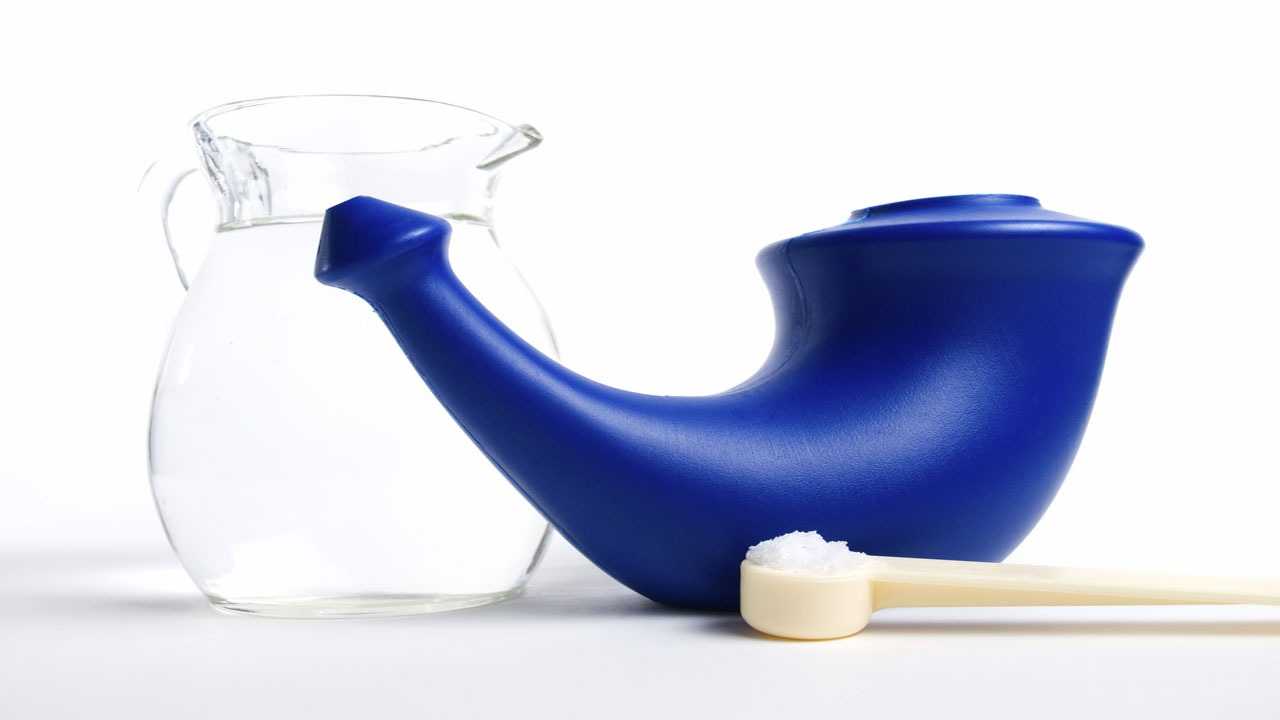
A guide to earwax impactionBiologically, the earwax which builds up over time moves through the ear canal from movement caused by chewing or other jaw motions. It is also extricated through the inside-out motion of the skin of the ear canal - it reaches the outer ear and peels away. The cerumen is produced in the outer regions of the ear and not in the inner recesses. Earwax impaction refers to the condition where the ear wax builds up to such an extent or in such a manner that it causes discomfort to the entire body. In many cases, earwax impaction occurs when patients use cotton swabs or safety pins to clean their ears, only causing the wax to drop deeper into the ears. The main symptoms of earwax impaction include difficulty in hearing, faintness, ache in the ear, foul smell in the ear region, ringing or sound in the ear (also known as tinnitus), a sensation of fullness in the ear, and lastly, discharge from the affected ear. The most vulnerable groups for this condition include those who use hearing aids or ear plugs, elderly people, and those who insert cotton swabs or other items into their ears, as well as those who have an odd ear shape which could negatively affect the discharge of the earwax and those suffering from development incapacities. Did you know that one of the most common methods used by people to clear excessive earwax is ear candling where a candle (in shape of a cone) is placed inside the ear canal and set alight to warm up and remove the wax? This is one of the most dangerous methods causing burns, worsened blocks, and damaged eardrums; this should be clearly avoided. The diagnosis of this condition can be done by an ear specialist using an instrument called otoscope. Earwax impaction is treated in many ways. While at home, you could try to clean the outer region of the ear by wiping with a cloth, the physician could irrigate or syringe the ear to wash out the ear canal with saline. This procedure is generally done once the wax has been softened by the use of cerumenolytic solutions aimed at dissolving the wax like mineral oil, peroxide-based ear drops, and hydrogen peroxide. Physicians also use special instruments to remove the built-up earwax like forceps, cerumen spoon, and suction tool. The best way to prevent cerumen impaction is by not inserting anything into the ears to clean it up. Cotton swabs should only be used in the outer part of the ear. In case you feel that the buildup is regular, then you can fix an annual appointment with your physician for cerumen removal.
Busting misconceptions about homosexualityIn the past few years, homosexuality has become a subject of public discourse in India. Thanks to gay pride marches and the Delhi High Court's historic ruling decriminalizing same-sex intercourse in 2009, more people today are willing to accept homosexuality as normal. However, there are still a large number of people who are still confused about whether homosexuality is normal. Homosexuals are people who get attracted to people of the same gender. Gay is a term used for both male and female homosexuals, but some prefer the term 'lesbian' when it comes to women homosexuals. Some misinformed people consider homosexuality as a purely decadent western phenomenon which is far from the truth. Homosexuality finds its place in recorded history throughout the world. So is homosexuality abnormal? A few decades ago a gay person would have ended up on a psychiatrist's couch where attempts would have been made to re-orient him/her towards the heterosexuality. However, as the American Psychology Association notes, "No, lesbian, gay, and bisexual orientations are not disorders. Research has found no inherent association between any of these sexual orientations and psychopathology. Both heterosexual behavior and homosexual behavior are normal aspects of human sexuality." Some scientists are trying to find a genetic link to homosexuality. Results so far have not established a definite link. A whole lot of factors could play a role in deciding sexual orientation - genetic, hormonal, developmental, social, and cultural. One cannot safely conclude that being "gay" is in one's genes and is therefore, hereditary. Legalizing gay marriages Same-sex marriage is legally recognized in several jurisdictions within the United States. As of April 2013, nine states—Connecticut, Iowa, Maine, Maryland, Massachusetts, New Hampshire, New York, Vermont, and Washington—as well as the District of Columbia and three Native American tribes[1]—have legalized same-sex marriage, representing 15.7% of the US population.
The earlier yearsSexual concerns experienced during the drastic body changes and feelings of adolescence are often carried into adulthood. Sexual desires are powerful and frequently go beyond the earlier popular forms of sexual expression - kissing, hugging and petting without being aware of the consequences. Anxiety the commonest case of erectile dysfunction is compounded by the present life style - get-togethers, parties, with alcohol and drugs, visits to sex workers or massage parlours which offer other sexual services leading to unplanned, unprotected sex. Consequently seen are unwanted pregnancy, abortions, drug addiction, sexually transmitted diseases, anxiety and depression leading sometimes to suicide. Males seem to have more concerns then females. A common concern is nocturnal emission (night fall, Swapana Dosh) of semen and length of penis. Nocturnal emission of spermatic fluid is falsely believed to weaken a person. Really all that's happening is that excess of sperms is being thrown out to make place for the new ones. The length of the penis troubles many. Young people fall prey to advertisements that claim to lengthen it. The fact of the matter is that a penis an erection of 2.5 wide (10cms) is enough for a sexual intercourse for a person who knows the art to satisfy a partner. Ignorance about masturbation is widely prevalent among males of all ages leading to guilt, anxiety, depression and at times to suicide. Older men erroneously think their cause of erectile dysfunction or premature ejaculation is masturbation. Masturbation is a highly pleasurable act in males. It does not harm the body or exhaust the sperms. In fact it is a safe way to satisfy. Females also masturbate but the percentage to men is much less. They also seem more comfortable with the activity. Masturbation has gone through years of superstition fear of ill effects, considered as a unhealthy practice and considered sin by some religions. Fifty or more years ago doctors and activities thought it caused harm to the body. It is said that corn flakes, the popular breakfast cereal was specifically formulated by Mr. Keleog to help a person not to masturbate. Today thinking has changed. It is now thought that it is an activity that does not cause any harm to the body. It does not finish all the vital sperms over the years so that it will not hinder having children in future. Its wide misuse is common. Persons use it indiscriminatingly when they cannot sleep, when they are tense for e.g. before an examination, some do it more than four to six times a day, which only indicates their immaturity. When done to satisfy a natural sexual urge it is a healthy activity. It keeps the person safe from infection and is said to teach the person skill for sexual intercourse. Technology has helped in many ways but sometimes it creates problems. A person hooked on to porno sites to arouse his desire is found to cause a loss of self confidence conflict with the partner sexual intimacy and intercourse. Before marriage or a partnership both male and female have concerns. Females if they have a previous partner but are getting married to another worry about the husband finding out of their loss of virginity, others worry about the size of their breasts, excessive hair on body or excessive fear of pain at intercourse. Men worry about whether their penis is long enough whether their long standing masturbation will hinder intercourse or prevent them of being a father. The absent hymen a false notion for virginity can be congenitally absent, split by exercise like swimming, cycling etc. or most commonly by masturbation. The hymen therefore is no proof of virginity. Learning to do with what they have making full use of their points and feeling comfortable and proud of their bodies help a lot to overcome the concern. Adopting a safe sex policy is best achieved by masturbation; avoiding sex with an unknown person and multiple partners; during intercourse with sex workers not using condoms every time and being careful of oral sex. Satisfying each other by caressing, hugging, kissing etc. with clothes on is safe; without clothes extra vaginal sex by mutual masturbation is safe with a trusted partner and finally not so safe is vaginal intercourse unless done with a condom correctly worn.
FAQS
T&C FAQS