Home
Is male menopause a reality?As opposed to the sudden drop in ovulation and hormonal levels in women, menopause in men is a gradual process. The consequences in men aren't that clear. The health risks, though, are significant and it is important to recognize the symptoms of male menopause early on. Read along to know more. A testosterone level of 300-1200 ng/dL is considered normal in a healthy male. As one ages, the testosterone levels too drop gradually. After 30 years of age, the levels drop by 1% per year. By the time a man crosses 50 years of age, he is in menopause. Look out for the following signs to know if your testosterone levels are dropping : Low Libido : A low sex drive or decrease in inclination to have sex is the first sign of decreasing testosterone levels. Erectile Dysfunction : Testosterone is responsible for releasing nitric oxide that leads to erection. As the levels of testosterone decrease with age, getting an erection and maintaining it for longer periods of time may become difficult. Low Semen Level : The normal amount of semen ejaculated each time varies between 0.1 and 10 mL. This normal level is due to the efficient functioning of the testes, seminal vesicles, and prostate, all of which work under the influence of testosterone. As you age, the testosterone levels drop and the amount of semen ejaculated also drops. Orgasm Troubles : As you age, having an orgasm every time may be a bit difficult due to the dropping testosterone levels. Mood Swings : This happens in men as much as in women! The interesting thing here is that the man who suffers from it is the last one to note it and acknowledge. So, if you find yourself snapping and getting irritated at the smallest of things, get your testosterone levels checked. Depression : When you feel dull and demotivated at all times, and even doing the slightest of activity seems like a chore, it means that your testosterone levels have dropped to a significantly low level. Abdominal Fat : This is again an early sign of decreasing testosterone level. Belly fat is a sign of advancing age. Low testosterone levels are a sign of advancing age. Not all men who have low testosterone levels may show symptoms. In such cases, there is no need for any kind of treatment. Low testosterone may also be due to some other conditions like thyroid disease, excessive alcohol use, sleep apnea, etc. After 30 years of age, the levels of testosterone drop by 1% per year. By the time a man crosses 50 years of age he is in menopause. Identifying and eliminating these causes will restore the testosterone levels to normal. However, if no cause can be attributed to the low testosterone levels, it is a clear indication of normal aging and 'menopause.' As with women, men too have the option of hormone replacement therapy. However, this treatment is controversial. In some men, the testosterone replacement may relive several symptoms, but the risks far outweigh the benefits. An increased chance of heart attack, prostate cancer, and other health problems are associated with testosterone replacement therapy. Herbal supplements for problems associated with decreasing testosterone levels are generally considered safe, but they too have no proven health benefits and are known to increase the risks for prostate cancer. Male menopause isn't as dramatic and abrupt as the menopause in women, but it is a reality. It happens gradually over a period of several years.
Broad chest, weak lungs - Are men more prone to respiratory diseases?The long-standing, chronic afflictionof the respiratory disease is called as COPD, i.e., Chronic Obstructive Pulmonary Disease. COPD is the obstruction within the lung tissue, causing improper circulation and entrapment of air. This limits the space for air to move in and out, directly affecting the quality of inhalation. A small reminder here may be necessary - breathing is synonymous with life, why? Because that's how we get oxygen, which is vital for the functioning of each and every cell within the body. With COPD, the ability to take in oxygen gets compromised increasingly. Continued cough, sputum, and shortness of breath are the main symptoms. COPD is more common in men. Does it have to do anything with being a male? Not necessarily. No specific link has been established to say that COPD risk is higher for you solely because you are a man. Then, what could it be? A study conducted in 2011 in USA showed that the number of men who smoke is 5% more than the women who do. To understand the reason behind this, let us see the primary causes of this disease. Air pollution, some genetic predispositions, frequent acute infections, exposure to harmful chemicals for a long time (usually occupational) - are some of the main causes, and the number one cause is smoking, owing to almost 80-90% of the cases. Park this thought. Next piece of information is simply revisiting some facts you may already know: #The gender classification ofsmokers - Men are known to smoke more than women all over the world, not only in numbers, but also in quantity. Whether it is a developing country or a developed one, 2011 studies say there are more male smokers everywhere than female smokers. Not only there are more men who smoke, they smoke for longer periods and more number of cigarettes than female smokers. This may vary from country to country, like India has much less women smokers than USA does, but the difference between the two genders holds true everywhere, only the ratios differ. #Occupational exposure to harmful chemicals and gases - These are industries of mining, textile, chemical engineering, welding, etc. The number of men working in such industries is way higher than women. #Air pollution - Men are more exposed to air pollution since they are outdoors more than women. This may not apply to all countries and societies, but is generally true. Now, we can put the pieces together and understand why COPD is more common in men? Yes, they are at a higher risk because of higher exposure to smoking, pollutants and irritants. Cigarette smoking is the leading cause of lung diseases and male smokers outnumber women across the world. You can figure out the math here!
Even women can kick up a storm - Martial arts and the modern womanMartial arts! Yup you have seen enough of Bruce Lee, Jackie Chan and Jet-Li films on the telly to know there is a lot of hard work involved. All that glass breaking, torso-twisting, nun chucks, whirling to kicking ten opponents at once. Is that all for real? Can a dainty woman go about hurling armed robbers off their shoulders? Or does that happen only in Kung Fu films with real weird names like 'Shaolin Temple Monks down ....' or something equally corny. That apart! Won't you need to learn a bit of Chinese or Japanese to even imitate those shrieks that women in those films emit? Worse still! Imagine they will need sub-titles to even know that you mean business! Jokes apart and no offense to the masters of Muay Thai, Akido and Tae Kwon Do! Martial arts is way beyond just fighting and is in fact a great way of disciplining the body, mind and soul. As a woman too martial arts can have a tremendous impact on your self confidence and awareness about dynamics of the mind. True what they show in martial arts film is all about smashing bones and tables but martial arts goes way beyond that. Through different movements, kicks and punches and holds one may learn to overpower an opponent using his own weight, but martial arts is ALL ABOUT CONQUERING THE SELF AND DESTROYING THE ENEMY WITHIN! So if you are intent on learning martial arts be ready for some action-packed exercise routines that Promote flexibility Increase strength, stamina and endurance Help you gain better control over yourself Help you deal with any problem that life may throw your way Help you be competitive and assertive There are different types of martial arts which have evolved over several centuries. The main forms are Kung-Fu, Karate, Akaido, Judo, Tae Kwon Do, Kalayraipatu amongst others. There is also centuries of philosophies behind the exercises recommended by these disciplines. Some martial arts concentrate only on unarmed combat while there are others which blend both armed combat with weapons like swords, sticks and nun chucks. Martial arts can indeed go a long way today in equipping women with the art of warfare so that they can defend themselves against any assailant armed or unarmed. It will go a long way in shaping societies and culture if the womenfolk are empowered both physically and mentally too. These days it is not uncommon to see martial arts blended with aerobics dance steps. It may not exactly be pure martial arts but that too isn't a bad idea at all. It will only go a long way in developing interest in these ancient art forms and help in their promotion. Just as much as any martial arts movie can. Or maybe even more!
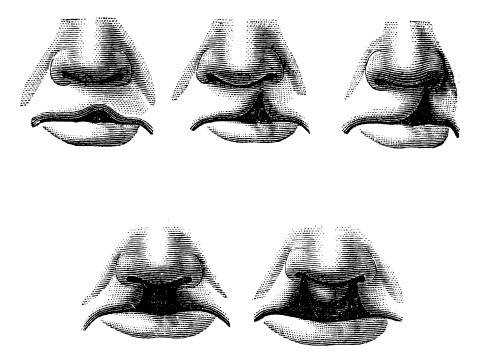
A correctable disfigurement of face: Cleft lip and palateThe Times of India reports that "With an incidence of 7 per 1000 children, cleft lip and palate deformity is one of the most common deformities among Indian children." The number of infants born every year with cleft lip and cleft palate in India is 28,600. This means 78 affected infants are born every day or 3 infants with clefts are born every hour. Cleft lip and palate develop early in pregnancy where lack of adequate amounts of tissues lead to two parts of the face failing to join adequately at the middle. A cleft lip or hare lip (as it is commonly called) refers to separation of the two sides of the upper lip. There appears a narrow opening or gap over the skin of the upper lip. This separation may sometimes extend beyond the base of the nose and may involve the upper gum and/or the bones of the upper jaw. A cleft palate refers to the gap between the two edges of the roof of the mouth, causing it to remain open at birth. The bony front portion of the roof of the mouth or the hard palate may be involved alone, or along with the soft palate or the soft back portion of the roof of the mouth. Since lip and the palate develop separately, it is possible to have a cleft lip without a cleft palate or vice versa. Causes of developing cleft lip and cleft palate: The exact cause of cleft lip and palate is unknown. Some research, however, suggests that these clefts are caused by a combination of genetic and environmental factors. The risk of such clefts thus can be reduced by adopting a healthy lifestyle during pregnancy. This includes avoidance of smoking, alcohol and having a healthy diet to avoid excessive weight gain during pregnancy. Cleft lip and palate can occur alone with no other problems or defects. This is called non-syndromic clefts. They may also occur as part of other birth defects and then may be called part of a syndrome. Cleft lip and palate may occur on one side (unilateral) or may occur on both sides (bilateral). Unilateral cleft lip and palate is more common than bilateral cleft lip and palate. Left-sided cleft lip and palate is twice as common as right-sided cleft lip and palate. The reason for this is unclear. A cleft lip or combined cleft lip and palate are seen more commonly in male babies. Cleft palate alone is more common in female babies. The face of the baby usually develops around 5th and 9th weeks of pregnancy thus this defect may arise early in pregnancy. Treatment of cleft lip and palate: Cleft lip and palate is usually corrected using cosmetic or plastic surgery. Results are usually very good. After treatment, most children have a normal appearance. To prevent and correct associated speech problems and dental problems, treatment is also sought from speech and language therapists, as well as dental surgeons (orthodontic specialists). Excellent results may be seen if the specialists work in tandem.
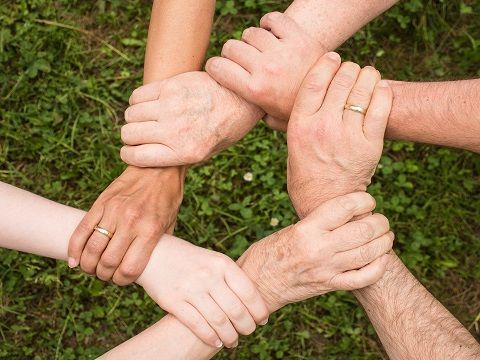
Communicate to strengthen the family tiesA family that talks to each other stays together. Sounds easy? But how often does your family sit down together in the week to spend time with each other? How about breakfasts and dinners? Are you all able to match your meal times or are you catching each other by the end of the coats in the fast paced world that has us spinning us on our heels constantly? As the family members run in and out of the house, like in a hotel, engulfed in their daily routines they slowly start drifting away from each other. Somewhere pushed to the depths of the heart are old connections and affections with the family. Ideal conversations during childhood, encouragements received during tough times, sibling squabbles in adolescence and many a wonderful memories tug at the heart keeping the family from disintegrating altogether. On the contrary, improper communication and bottled feelings singe the heart in such circumstances and lead to the tumbling of the family ecosystem. Understanding how to build effective communication within the family is important as it helps build a stronger, inseparable family. Here are some effective practices: Communicate Frequently:With the limited time that you have with your family, make communication a common and frequent activity.  While traveling in the car, during meal times, replace TV time with talking, talk to your young ones at bedtime. Keep designated time for informal family meetings and encourage conversations among the family members. Keep the cell phones and laptops in the other room when the whole family is sitting together. Communicate Clearly and Directly:Develop an environment where the family members feel okay to communicate clearly and directly. Allow them to express their thoughts and feelings without having to mask and filter them. This is important in a parent-child relationship and sibling-sibling relationship. It also helps build confidence, family intimacy and bonding among the family members. On the other hand, veiled, indirect or vague communication is ineffective and harmful as it increases confusion and communication gaps. Active Listening:Open and free communication flows only when it is received well and the other person's perspective is acknowledged and respected. Active listening is the cornerstone of effective communication. Whether listening to your partner or child, it is necessary to pay attention to not just the words but tell-tale signs in the tone of communication and non-verbal messages too. Nodding of the head, or words of acknowledgment like, "I understand" make the other person feel that what they are saying is valued and received. Asking questions and requesting clarifications for the parts of the message you do not understand is a very important part of active listening. Trust and Honesty:Only when the family members feel that they can trust each other, can they communicate honestly. Trust is the key for strong familial relationships. Trust is propagated through openness and honesty. Understanding the Individual:The way each individual of the family feels and communicates is different. The way you communicate with the different family members should vary accordingly. Especially in case of young children, as their maturity levels are different than the young adults and adults in the family. The unspoken messages:Not everything might be said in words. Learning to read non-verbal communication such as expressions and body language are very important in understanding the entire message being conveyed to you or the parts being held back. Stay Positive:Many complications and problems between family members can be avoided or solved by effective communication. When dealing with undesired or negative situations, it is important that the words and tonality of the communication is positive. Avoid engaging in negative communication like criticism, defensiveness or contempt. Such negative communication patterns discourage communication.Communication is essential to successful family functioning. Taking inventory of how well the family is doing and readjusting course and practices will help improve the family environment and build a happy family that shares openly and honestly with each other.
Healing yourself after a broken relationshipThere is no singular formula to get over a relationship. Moreover, you cannot 'get over' a relationship like you get over a broken phone. Every relationship is like a grown tree. When it breaks, you have to let it molder into the Earth - the time period between the breaking of the relationship and your comeback as 'you' is the time for transformation - this is your time to understand yourself, your relationship with others, and reach out to the world. Did you know the over 50% of people undergoing breakup tend to resort to emotional eating to rescue themselves from sadness and rush in the comfort hormones? Keep an eye on what you eat to trace the emotional signs you are disguising. Keep a tab on your diet and pamper your body with care. Here are seven basic stages through which you can consciously walk to recover through your broken relationship. Such a process is not linear and you could be undergoing various stages at the same time or in a different order. However, make sure you go through each stage. Missing any stage could result in residual and subconscious anger or denial. Stage 1: Let it outDon't be afraid to accept that you are heartbroken, that you feel like a mess and just wish that your ex-partner was around again. Accepting your emotional state is the first step to being able to unravel yourself out of it. Stage 2: Pondering over the causeThe initial stage post-breakup is primarily spent trying to distract oneself from the absence of the ex-partner by busying oneself with other activities. However, the nagging question 'why did our relationship not work? why did it have to be this way?' lingers, ready to barge in at the very instance you have your moment of peace. The first thing to understand during a breakup is that there is a distinction between analysing and understanding on one hand and obsessing on the other. Try to go through the stages in your relationship which you intuitively trace as being of significance to the break-up. However, remember not to be biased towards yourself and to weigh your responsibility towards the breakup as much as you do your ex-partner's. Stage 3: Taking a hard look at the relationship and learningYou might have had other relationships before where you did not feel the kind of intimacy you felt with this particular person. However, if you feel that you are up to a large part responsible for the break up, then look for the pattern of behavior or thinking which was causing such a breakup. Taking a hard look at your relationship will help you to recognize your mistakes and learn readying yourself to become a more sensitive person with greater understanding of human emotions. Stage 4: Reaching out to the WorldWhile you are working yourself through reasons for breakup and your role in it, don't step back from reaching out to people. Communication is the basic balm that will heal the wound of a broken relationship. Your inner communication with yourself is one dimension of it while talking things out with your friends and close ones is another important dimension. During a conversation about the breakup, don't simply blame your ex-partner completely to blind yourself towards healing. Be honest to yourself and attempt to talk to those friends who can help you through the hard time with care. If you love animals and nature, then reach out to the wild. Take time off from your usual routine and follow your interests. Stage 5: The Bigger Picture of the Break-up Having pondered over the reasons particular to your past relationship, understand that the fundamental reason for any relationship to break up is that the two people involved in it have different ways of looking at the world. Remember that differences do not imply a hierarchy. Differences are essential to human nature. This will help you to forgive your ex-partner, catalysing your redemption from the land of anger and despair. The world is a beautiful place full of diverse kinds of people. Do not let your breakup make you give up on humanity. Stage 6: Letting yourself freeNow is the time to have a relationship with yourself. Explore your interests and dip yourself in them. It is not a crime to be happy with yourself. However, do not use these activities to escape the pain. Let your activities be your company in pain - slowly the pain will fade and you will reconcile with the reality of your broken relationship. Join hobbies which will help you have some time for yourself: pottery, nature watching, animal care, voluntary work. Remember that your identity does not depend on the opinion of your ex-partner: you create who you are. Most importantly, take care of your body - we tend to mess up our body cycles during a breakup. Stage 7: Giving yourself time to become complete before starting off with another relationshipDo not rush into a relationship before you have completely healed from the past relationship. There is a high tendency to try to fill the gap of the absence by moving onto the next most intimate person you know. Give yourself time to recover and answer the following questions before entering into a relationship again: What kind of relationship do you want to have? How would you like to spend your day with her/him? (Remember that a whole day is a series of small activities that you will share with your love - don't focus just on the big stuff like finance, house, and others, emphasis on shared interests). What future do you expect from a relationship? These are the three basic questions. Be free to add on the relevant questions according to your needs and answer them honestly before writing a new chapter into your life. Having pondered over the reasons particular to your past relationship, understand that the fundamental reason for any relationship to break up is that the two people involved in it have different ways of looking at the world. Remember that differences do not imply a hierarchy. Differences are essential to human nature. This will help you to forgive your ex-partner, catalyzing your redemption from the land of anger and despair.
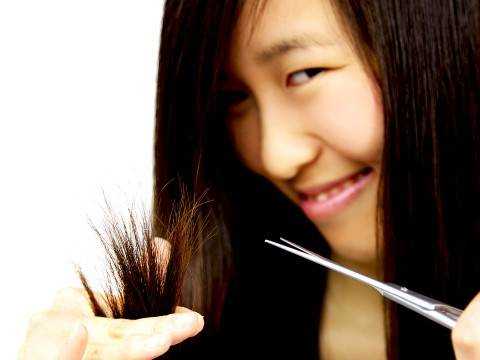
How to say 'Bye' to split ends? Check out these 10 tips!One of the main reasons for split ends is the use of curling irons and other heat-induced styling treatments. When you go for hair products like hair colors or perms, the shield over your hair's shaft that protects it can get stripped off, thus making your hair liable to split ends. You could also be mechanically stressing your hair by pulling them too much while combing or combing repeatedly. Remember that rubbing your hair up towards the direction of the scalp does not lead to split ends. While there is no remedy to treat split ends, there are ways in which you can keep them away. Did you know that a medical research showed that the only way to keep split ends away is to put a stop on the excessive use of chemical on it? Hairdresser, Holly Kensen, says that split ends are the results of pushing out the natural process and pulling in too many chemicals. It is best to stay away from the styling products and embrace your natural hair! TIP 1 : Get hold of a piece of rosemary (fresh ones are the best!) and immerse them in a cup of hot water for 30 minutes. Once the temperature of the water is back to normal, whisk an egg into it. Mix this blend onto your hair. Rinse after 15 minutes using a light shampoo. TIP 2 : Bring home a ripe papaya and cut it into halves. Choose the part which you believe will be sufficient for your hair. Take off the skin and seeds. Mash it until it becomes a paste. Then, drop a cup of yogurt and stir them into a smooth paste. Apply it on your hair and let it hold for about 30 minutes. Use cold water to rinse it off. TIP 3 : Condition your hair with castor oil. Mix equal amounts of castor, almond, and olive oil and apply it on your hair generously. Wrap your hair in a towel and let it stay for 30 minutes. Then, shampoo your hair. TIP 4 : After you have shampooed your hair, apply a mix of cream and milk on them for about 20 minutes. Focus especially on the ends. Rinse your hair with cold water. TIP 5 :If you decide to trim your hair on your own, then don't use the paper scissors! They are called 'paper' scissors for a reason. Get hold of hair shears which will not leave your ends damaged. TIP 6 : Trim your hair every six to eight weeks at least up to ¼ to 1 inch. Due to our environment, it is natural for the hair to get damaged in a few weeks. It is important to remove the split ends and let them grow healthy. TIP 7 : Do not trust products which say that they can 'cure' your split ends. Split ends are not curable. They are preventable. The only thing that these products do is to seal up the splits which only makes your hair unhealthy. TIP 8 : Try to stay away from chemicals as much as you can. Chemicals only tamper with your natural hair and ruin their texture. If you really have to use it then make sure you condition them regularly. TIP 9 : Use coconut oil to fix your split ends. Buy an extra-virgin and organic coconut oil. Before washing your hair, apply about 2 spoons of the oil on your dry hair. Emphasize on the hair ends. If you want, you can steam your hair for some time (about 20 minutes). Then, wash your hair with a light shampoo and condition them. TIP 10 :This is one of the best ways to help your split ends stay away: Get hold of chamomile tea and brew it on a pot. Then pre-rinse your hair with it. After you have rinsed them, wash and condition your hair normally.
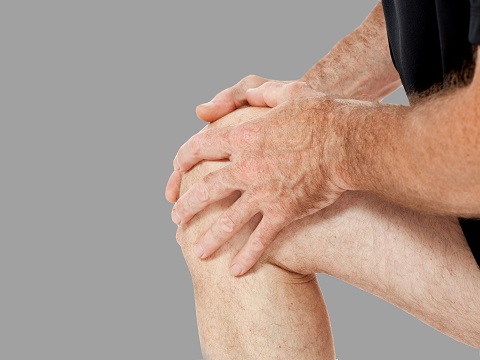
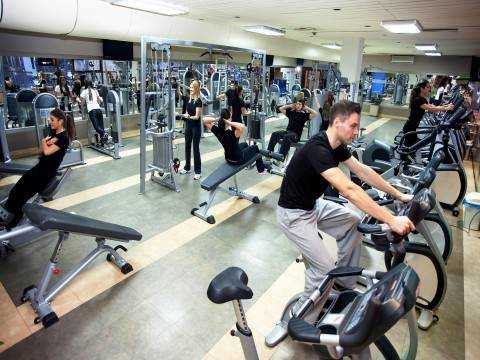
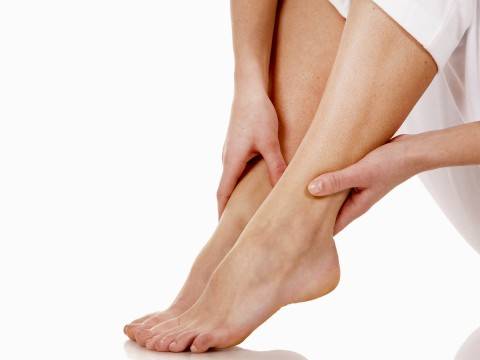
Arthritis friendly workoutsRheumatoid arthritis is more common in women over 60, and is the inflammatory type of arthritis where the synovial fluid functioning is disrupted. The synovial fluid maintains the health of joints, bones, and cartilages. Osteoarthritis is the most commonly occurring type in both men and women, and in this type there is gradual wearing away of the bone cartilages, which, in turn, causes stiffness, and pain in the muscles, joints and tendons. There is a classic catch 22 situation in arthritic patients and that is they avoid exercise or are advised extreme caution while exercising. The pain and soreness which comes from exercising can be extremely discouraging, so some shun exercise altogether. Now, the lack of exercise is going to precipitate the condition further, and could even increase the soreness, and lead to deformity. This is what challenges most arthritic patients. Should someone with arthritis be allowed to exercise? And if yes, then what type of exercise will prove to be most beneficial? Main question is: Are there any arthritis friendly workouts? Doctors now recommend that exercising could actually work wonders for arthritis patients. The right method and type of exercise can help ease the inflammation and soreness of the joints, and build overall health, strength and flexibility of the bones, and joints as well. What would be a good exercise routine? The arthritis foundation recommends routines which exercise the flexibility of the joints, and build muscle mass, for better shock absorption, coupled with physical endurance should be specially designed for arthritics. Regular walking: Walking is a great exercise for arthritics. Walking at a steady pace for about 30 minutes, thrice a week, can help keep the limbs active, and could reduce the swelling at the knees, and hip joints. Warm up is absolutely essential in any work out, and here it is of paramount importance that you go through a warm up routine before you begin your walk. Simple leg raises, hand to toe stretches, and light back bends can be done to warm up the muscles and joints for your walking activity. That will also reduce the possibilities of strain or sprains of the ankles along the way. Choose your exercise route to ensure that you don't walk up a gradient, and put unnecessary pressure on your knees and ligaments. Aquatic Exercises: Exercising in water is perhaps the best possible alternative, as water is absolutely low impact. This is great for arthritic patients to reap the benefits of a swimming pool workout. The easiest for chronic arthritis patients would be to simply walk, or wade in water for about 20-30 minutes. This can help greatly with building strength, and endurance in the extremities. For enhancing co-ordination you can even try walking backwards in water, or simply float and relax the body. Avoid water which is too cold, as that might adversely affect your condition. Stretching and Yoga: All easy stretches for the limbs and joints will be helpful to facilitate ease in movements, and dealing with joint pain. Standing leg raises, shoulder raises, wrist rolls are exercises which can be done quite easily, and can help keep the body supple. Though yoga also enhances flexibility, it goes way beyond just that, and actually aims at harmonizing the life force in the internal and external organs as well. No matter what type of exercise suits you, always remember: Proper warm up exercises are a must for the arthritic patient, as that can help reduce, and eliminate the possibility of injuries while working out. Do not force your body into an exercise regimen, if you are experiencing pain. It is quite ok to take a day off if the joints are sore. Get into an exercise routine slowly as your body might take a little longer to recover from it. Always seek the advice of an expert or a doctor before making any alterations to your regimen.

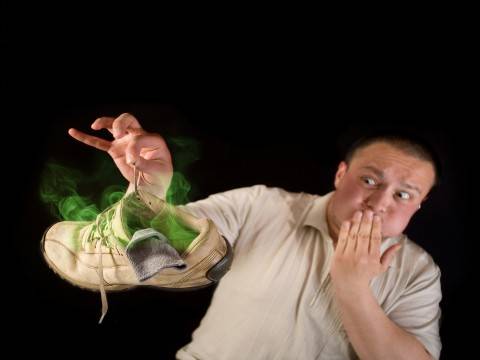
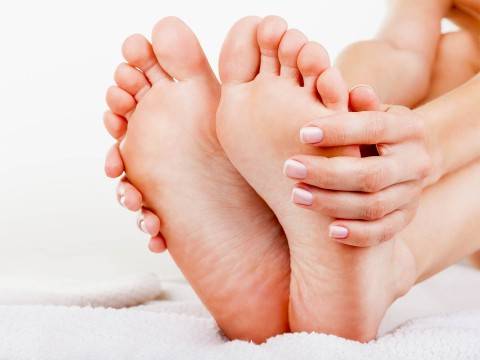
Stinky feet? Learn why!Most of us have experienced a bad smelly foot at least once in our lives. We all have that one friend or relative who has such smelly feet that he can clear off a room as soon as he kicks off his shoes! With more than 250,000 sweat glands in each foot, the feet are the most highly sweating parts of the body. What causes this bad smell? The feet contain thousands of sweat glands. During warm days or when you wear socks and tight shoes, the sweating increases in due proportion. The resulting sweat does not find an outlet and starts accumulating in the spaces available and this warm and moist area breeds bacteria. The bacteria start feasting on your sweat and dead skin. They digest their food and release the waste products. These waste products are toxic organic acids that cause the feet to smell so bad. About 10 to 15% of people suffer from this horribly bad smell. Why? This is because their feet are extra sweaty and become a home ground for certain bacteria called as Micrococcus sedantarius. Along with stinky organic acids, the bacteria produce volatile sulphur compounds. Sulphur compounds are powerful and extremely awful smelling almost like a dirty rotten egg. Teenage years also see extra amounts of sweating on the feet. Medical conditions like Hyperhidrosis can also make your feet sweat more. If you are suffering from a fungal infection of the foot, then rest assured that your feet will smell horrible. Smelly feet can be an embarrassing problem. It puts everyone in a spot. Hence, foot hygiene is important to avoid smelly feet. Always wash and dry your feet well every morning. Dab some antiperspirant powder on your feet and between the toes to soak the perspiration. Never wear the same shoes for more than 2 days in a row. Wear a fresh pair of socks daily. Keep your feet exposed to fresh air. Avoid tight-fitting shoes. Use an antibacterial soap to wash your feet if you have smelly feet. Visit your doctor if simple home measures do not prove very effective. Excessive sweating is often considered the cause for foot odor. This is not true. Sweating in itself is harmless; it is the bacteria that grow there that are responsible for the awful odor.
Winter - When your heart feels the cold too!As per a study in America, 193.6 people of every 10000 people die of a heart disease every year. 53% of the heart attacks occur in the winter months. Heart diseases have a seasonal trend as found by medical research recently. A team of medical researchers recently conducted a survey which saw 10,000 participants between the ages 35 to 80 from around seven European countries. The study was conducted to see if there is any seasonal variation in the presentation of heart diseases. The participants were measured on the parameters of blood pressure, waist circumference, body mass index, blood glucose levels and blood lipid levels. The parameters were later adjusted for sex, age and smoking. The results revealed that the incidence of heart disease shows an upward trend in the winter month [Jan to Feb] as compared to the summer months [June-Aug]. The researchers accept that there is no logical explanation to these findings. A plausible cause being the fact that the eating habits change in winter. One tends to eat more which in turn increases the cholesterol levels leading to heart diseases. Several other theories are being put forth. According to one, during the winter months the body undergoes hormonal imbalance. The day and night variation in the hormone levels, especially that of cortisol varies. This results in a lower threshold for heart attacks. Yet another theory says that the cold temperature tends to constrict the arteries narrowing the blood flow to the heart tissue and this result in a heart attack. On the basis of this study, scientists advise that more attention is to be paid to heart health during the winters.
Sex at 50 for womenAs you age, your reflexes slow down. The passion to love and to be loved is never dying and just because you have grown in age, you should not stop enjoying sex. The body, especially in case of women also undergoes many changes after the menopausal period. Although it may take you more time to become aroused but the desire to have sex is always there. Moreover, with no children and no worry of getting pregnant you can enjoy sex uninterrupted without any tension. Women who continue to remain sexually active after their menopause retain their ability for enjoying normal orgasms. But this does not mean that there is no difference in the enjoyment factor. Several factors can be detrimental in continuing sex activity. However, there are solutions that can help the couple in their fifties still enjoy sex. Better sex can be possible even during the fifties but for this, you should be ready to take some extra efforts and make your body more comfortable for sex. Using lubrication After the menopause, the body of a woman starts producing less female hormone-estrogen. Lower estrogen level leads to physical changes such as less elasticity of vagina, dryness in vagina and so on. Your vagina may also take more time to swell and lubricate; in turn making intercourse painful or uncomfortable. Instead of getting discouraged by such occurrence, you should try to find out a remedy for it. For overcoming the dryness of vagina, you can use different sexual lubricants that are specifically prepared for the older women. You get them in suppositories or gel forms, which you apply liberally to the vaginal area before having sex. There are certain vaginal moisturizers also available in the market that makes vaginal penetration easier by maintaining elasticity and lubrication. Increase the frequency The more often you have sex, the easier it is for you to maintain elasticity and lubrication. So, go for it more often to enjoy it more now. Hormonal therapy treatment If you are suffering from distressing menopausal symptoms like hot flushes, you can opt for hormonal therapy treatment. This will help to relieve the vaginal dryness. Some doctors also suggest local intra-vaginal therapy to avoid discomfort and dryness during penetration. Application of local estrogen into the vagina enhances the blood flow to this area and ensures more sensation and lubrication. Intra-vaginal estrogen treatment This treatment is carried out in three different ways: A small ring of silastic is inserted high inside the vagina and is kept there for three months. This ring release estrogen in right amount to promote optimum vaginal health. A small tablet of estrogen is inserted inside the vagina twice in a week. Conjugated estrogen cream is applied with small applicator twice in a week. So, there are different methods for increasing responsiveness, vaginal lubrication and elasticity that help you enjoy sex better even in your fifties. Overcome awareness about your body The body of women in fifties is saggy and wrinkled. However, if you have a young heart and passion for sex, you should not let the body image spoil your enjoyment. It is your response towards your partner that matters the most as both of you are going to age slowly and get more wrinkles as the age progresses. Like someone said, it's the imperfections and not the perfections that we fall in love with.
Smoking causes impotence!Men who smoke heavily are twice as likely to suffer from impotence or erectile dysfunction. The link between smoking and ED has been established beyond reasonable doubt. Smoking causes a hardening of the arteries or blood vessels. For a penis to grow erect or tumescent there has to be a healthy blood supply. Now imagine the cross-section of a smoker's penis where there are plenty of blockages and hardening of the blood vessels. Can the penis then grow erect with so many hindrances to the blood? There is also an acute loss of sensitivity to the penis which is a direct contribution of smoking! Previously, alcohol was a hot favorite of the medical lobby when it came to 'impotence.' Wish smokers could say the same thing about moderate smoking! Even moderate smoking can make an existing condition of impotence worse. One could make changes to one's lifestyle and diet and curb stress to treat ED (erectile dysfunction), but all these will come to naught unless one really resolves to give up smoking permanently. Just within a few hours of kicking the butt, the body starts to repair itself. Of course, it may take longer for the blood vessels to actually undo the blockages and have a free run for the penis, but it will certainly happen, slowly and surely. Smokers may have an underlying condition of anxiety, which is made worse by nicotine, which in turn causes performance anxiety, not greatly helped by blocked blood arteries. So smoking not just makes you physically impotent, but also mentally impotent too. It is a powerful narcotic which is hateful to the body and spiteful to its salubrity. Please enroll into a 'stop smoking now' campaign with the help of friends or family. Check for any 'nicotine anonymous' programs in your neighborhood or just do it all by yourself. Otherwise, the only thing hard about your penis will be hardened arteries and lots of hard luck!
FAQS
T&C FAQS