Home
Aging milestonesChanges in old age depends on attitude as much as person to person. In young old age some changes begin to take place in a person’s appearance. Wrinkles, warts, age spots begin to form on the body. Hair begins to thin or becomes grey and even height lessens because the bone density decreases. While in ‘old‘ old age these changes are already permanent. Men might look distinguished if in good health, but women all look grandmotherly. In ‘young’ old age, cells begin to decay and muscle mass declines and immunity is no longer as strong as it used to be. People lose energy as the age progresses.  ‘Old’ old age brings in a lot of physical decline, profound changes in appearance and motor abilities, as also in sensation. Skin gets less elastic and becomes thin and blood vessels can break under the skin. The senses also begin to become dull. Eye lenses get affected and color perception and reading ability becomes very low. Hearing loss may lead to paranoia and ‘old’ old age people begin to think everyone is plotting against them because they can’t hear properly about what others are saying. Sense of smell also declines, but the taste remains almost intact. In ‘young’ old age, reflexes also slow down and so do the motor abilities. By the time they reach ‘old‘ old age most adults find that their response time has become quite reduced. This can be seen most in driving situations where it is difficult for ‘old‘ old aged adults to operate their vehicles as they have poor spontaneous responses. The ‘young’ old adults do not lose as much of their motor abilities as the ‘old‘ old adults, especially when holding small things like needles and pins. Of course, there are changes in sexuality and there may be a decline in the ability to have sex as men may not have an erection and women become dry due to lack of female hormones. Cognitive decline in 40% to 60% of older adults can be arrested with remedial training. Despite all the changes, most people even in their 70s remain comparatively active if they do not suffer any illness. Mental, physical, and social activity is necessary to maintain the quality of life. Old people begin to withdraw from work and other important roles and allow the younger people to take over. They are a lot happier as is also advised in Vedic literature as vridhashram. While activities are important, disengagement is equally important. Memory loss becomes aggravated and other cognitive abilities begin to decline and there are many ‘old‘ old adults who get Alzheimer’s and lose the ability to look after themselves. Old people also dwell on questions of death and sometimes go through a phase of denial and then anger that they have so little time left. Acceptance of death comes, but after a struggle and the idea of losing the family saddens them. Old people require support in their declining years as they begin to lose their faculties.
Anger management in menThis isn't a tirade against TV Violence. On the contrary, why blame the movies for spewing out blood, guts and gore, when all they really do is reflect the times we live in. Art imitates life doesn't it? So why blame the rising crime graph and street violence on TV and movies? Why not peep within our own selves and see the sheer ferocity of the anger which we project collectively on box office sell-outs. Examine the angry man within. So well you shrug it off and say "We didn't start the fire, it's been always burning since the world's been turning." You can certainly do your bit to help douse that fire before it turns into a conflagration, spiralling out of control until it consumes you mentally, physically and spiritually. Anger is bad. Period. Inscrutable and mysterious indeed are the ways of anger. It is to do with the pace of one's life in these times which starts it all we suppose. Then comes the classic conflict between nature and nurture further adding 'reddie points' to the anger account which is ticking away somewhere accruing interest. Someday something as silly as a traffic snarl or a bad joke or anything really trivial or big; justifiable or unjustifiable will cause this anger to spew out like molten lava from the fissures of your head. Self control, restraint and tranquillity are then mere concepts which lie in a crumpled heap as the angry young man in you takes over and hits out at everything within sight. Since time immemorial, the male temperament has been programmed to hunt, protect and gather. The caveman in most males has not evolved at all! It now wears a suit and goes hunting gathering in his corporate cave. This is the monster in most of us we have to tame through "Anger Management". We might have taken a dig at the caveman being the corporate type, but he could be anyone with an anger issues - you, me, the petrol pump attendant or even Sean Penn and Charlie Sheen. Celebrities often have the luxury of having anger issues and, as we all know it, many a famous anger tantrum is often overlooked as a creative outburst. For us however it could mean a long term in jail and much worse - our days filled with regret! Anger is an emotion and therefore much as I hate to say it necessary to tell us something is not right. So it is nature's way of helping us perceive through our senses and feel anger as a result of that perception, much like happiness and sadness. However anger has a particular corrosive quality about it which if not expressed or acknowledged can wreck havoc on a man's health. Why do you think men outnumber women right from barroom brawls to health conditions like hypertension, heart attack and migraines? Most men when questioned after socking the living daylights out of someone state that they just had that lightheaded feeling as the serpent raised its ugly hood, the blood pressure shot up and adrenalin coursed through the veins, the ears heard that sickening thud of a pacing heart and then "The other guy was down on the ground and I didn't even feel a thing when I sliced his throat open! Honest! I have issues!" Can you imagine how horrifying it must be to lose our faculties and go berserk? Can you imagine how many innocent people are victims of road rage and unjustified violence? So how do you ditch that anger? First step is to find yourself a relaxation routine and deep breathing exercises can help you be more in control of your temper. Relax your muscles of all that tautness which anger makes it do. Consciously at a regular time do this relaxation routine. Feel your body respond by 'letting go' of old holding patterns. Yoga Postures, especially the 'Shavasana' can help tremendously by relaxing excitable natures and enables them to relax the body at will. Next time you feel angry about something you will find yourself responding appropriately. Remember it is you against anger. Tell yourself that anger is like a serpent it might bite its owner. So find a suitable method of letting out your anger, and know that doesn't include steeping down on the accelerator and running into the back of someone's car. That is anger getting the better of you and that's 'Road Rage' and Murder and suicide. Punch a pillow, get a pair of boxing gloves and wallop the hell out of a punching bag, run a mile, shout your head off in a deserted place if you must, but unclench the jaw and fists and maybe you will start seeing the lighter side of things. There are enough things in this world that truly deserve your anger. Without anger sometimes we cannot enforce change on the negative things in society. Whenever we hear of a rape of a helpless woman on a bus we are bound to feel anger. However letting that anger getting the better of us and going in for instant vigilante justice for perceived crimes is just as wrong. Then what sets us apart from people who rape, loot, plunder or murder? If we all exercise restraint and express anger as and when it registers instead of holding it inside would help a great deal. If you are angry about being given the short end of the stick at work and if for some reason you cannot express it then ensure that you don't implode by keeping it in or explode somewhere it is completely unwarranted. There will be a day when we will hear "TV Violins" instead of watching TV Violence.
Hair straightening do's and don'tsWhat's in a hair? Well when someone thought of this quote, he or she certainly did not foresee the future because in today's world hair is everything. For a woman and a caterpillar at least! Let's just talk about women! Hair not only covers your scalp, but also protects it.  Hair is known to be something that enhances the beauty of a woman, as there is nothing like the feel of smooth and silky hair caressing the shoulders. Women all over the world dream to have beautiful, strong, silky, and preferably, long straight hair. Why straight hair? Let's find out, women are born with all kinds of hair, curly, wavy, long, and short but according to some women there is nothing that beats having a straight hair and there are women in this world who could go to any length achieving that straight hair they always desired. One of those ways is straightening, a styling technique used since the 1980's, which involves the flattening as well as straightening of hair, to give it a smooth, streamlined, and a sleek look. Straightening can be of two types, temporary or permanent. Temporary straightening can be achieved by a straightening iron or relaxers and generally lasts up to the first wash. Permanent hair straightening generally requires the use of Lye and other chemicals (more commonly known as creamy crack) with the help of a hot comb, hot iron, and relaxers. Permanent straightening, with proper care, can easily last up to a year. According to documentary "Good Hair" by actor Chris Brown, African American women are known for their profound use of "creamy crack" to get that perfect straight hair they long for. They are also the women who make the cosmetic companies rich, thanks to their profound use of hair straightening and hair care related products. African American women also account for the highest amount of money spent on hair care and hair care related products. Coming in a close second are the women from Central and South East Asia. These women are also known to go to extremes to get that perfect straight hair look, which is generally shown in TV Commercials endorsed by celebrities. Now that we are aware of the statistics, it is time that we look into the do's and don'ts of hair straightening. Straightening your hair once in a while may sound like a good idea, but it is extremely essential that we understand that extreme care is required here. Hence it is always better to know the do's and don'ts before we decide to break the bank (straightening ain't cheap) for straightening treatments. Do's : Make sure your diets consist of plenty of healthy foods, water. Also doing regular exercise is advised. Always use a shampoo and conditioner that best suits you. Remember to ask your stylist about the kind of products that suit you. Always go for hair spa treatment once a month since your hair needs that extra nourishing. Don'ts : Do not wet your hair at least for three days after the treatment. Do not tuck your hair behind your ear. Avoid twisting your wet hair with a towel. Avoid extreme scrubbing of your hair while shampooing. Straightening even once can cause excessive damage, hence do not do it repeatedly. Straightening your hair once in a while is okay, but doing it continually is ill advised as it can have a lot of negative consequences. Straightening also comes with certain side effects such as heavy chemical reaction, dizziness, permanent hair damage, dryness, skin irritation, itchiness, and severe chemical burns. Hence, it's always better to have a professional do it at a salon rather than doing it yourself. Hair straightening, though done by the same method all around the world, requires different types of hair care products as the hair type is mostly related to your race and ethnicity and your geographical location.

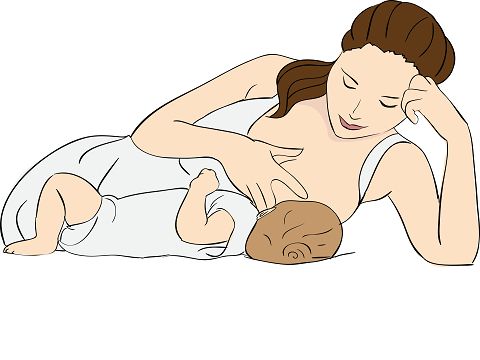
What to eat when you breastfeedAlmost everyone around you will advise you to eat a calorie-rich food that will aid in milk production from your body. But did you know that your body is quite capable of producing enough milk from whatever you eat? Your body has stocked up on all the fats during your pregnancy days itself. You don't really need the extra calorie rich food just to produce milk for your baby. However, how much calories you need cannot be predetermined. Let your body determine your needs. Eat as often as you want, as often as you feel hungry, but remember to eat foods that will give your body the nutrients and not just satiate the hunger. Opt for whole grains, pulses, fresh fruits, legumes, fresh vegetables and nuts. Choose natural drinks like buttermilk, coconut water, and fresh juices. Remember that the foods that you choose must nourish your body with proteins, calcium, and iron other than carbohydrates. Dried fruits and nuts like cashews and almonds and walnuts are the traditional foods given to new moms to enhance breast milk confinement. They are a very rich source of calories and definitely improve the quality and quantity of milk. However, keep a bottle of water or some juice nearby when you breastfeed. The body releases oxytocin when you breastfeed and it makes you thirsty. So, have some refreshing drink before you breastfeed. Most new moms are advised to drink lots of water as it aids in breast milk production. However, breast milk production doesn't really need extra water. It is best to avoid alcohol when you are breastfeeding. The amount of alcohol in blood and breast milk reaches its highest level about 30 minutes after you have a drink and it lowers down only after about four hours. Drinking alcohol is not advised when you breastfeed, however, if you feel like having alcohol, do so after you feed your child. Also, wait for a minimum of four hours before you feed next. Ghee is another item that new moms are encouraged to consume for milk production. However, if you are eating a balanced diet there is no real necessity to eat too much of ghee. Avoid aerated drinks, tea, and coffee while you are breastfeeding. Similarly, junk food and foods that are not cooked at home are best avoided. These types of foods fill you up, but provide no real nourishment. Herbal teas are considered safe drinks during breast feeding. However, consult your doctor before you consume any herbal medicines. Do not forget to take your prescribed supplements of iron, folic acid, and calcium regularly during breastfeeding. Your body also needs more amounts of vitamin C, vitamin B12, zinc, and vitamin A. These, you may obtain by eating foods that are rich in them or your doctor might prescribe supplements. Weight gained during pregnancy may be a concern now and you may want to lose it to regain your pre-pregnancy shape. Remember to lose weight gradually with the help of a balanced diet and moderate exercise. Do not starve yourself. Also heavy exercising may release toxins into the bloodstream and breast milk. Keep in mind that you will gain your original weight back only after your baby has completely weaned off breast milk and has started eating solid foods. Breastfeeding is the best option for your baby. It gives your baby everything that it needs and keeps it free of all diseases. Do not shy away from breast milk, do it the right way! Your body is quite capable of producing breast milk from the well-balanced diet that you eat and there is no real need for a calorie-rich food that new moms are fed.
Academic pressure in children and young peopleUnderstandably, parents, educators and politicians consider this topic a high priority. Exam preparatory businesses are found in every street and parents are willing to invest huge amounts of money to further their child's education. Another result, though, is childhood and teenage stress and anxiety. Signs of anxiety from too much pressure to succeed at school may show itself in sleep disturbances, erratic/poor eating, low mood, excessive worrying, low confidence levels and fear of failure - all eventually heading towards premature burnout. Younger children may experience nightmares, show bad behaviors or refuse to go to school. Teens may engage in destructive behaviors like drinking or drugs. They may struggle to concentrate or lose interest in their day-to-day activities and hobbies. They may gradually withdraw and isolate themselves. Anxiety and stress maybe linked to queasy tummies, headaches, and flaring up of skin conditions like rashes and eczema. The school and college admissions process has become more difficult than ever before. Competition is fierce. Many apply to a handful of good institutions hoping to get a much-wanted place. The stress does not stop after the exams - the wait for a decision is excruciating. Only a small proportion of eligible candidates succeed. Rejection can feel devastating. Highly capable and hardworking young people who spend many hours studying and preparing for assignments and exams, find the whole experience undermining and frustrating. Increasing external pressure from competitive peers, higher thresholds of parental expectations in a fast-paced world and the increasingly selective, goal-based focus of educational institutions will not feel supportive to a fragile child. Education should lead us from darkness to light. However, high and unrealistic expectations from parents and schools can affect a child's overall development. Whilst there is evidence that the parent's role supports or facilitates the child's achievements, there have also been concerns that a parent with unrealistic expectations can create unnecessary pressure - this worsens stress and fosters performance anxiety in children. Schools may put pressure on parents and the child to ensure that the child is meeting school targets and is not deficient in any area, rather than understanding that every child has a different potential and ability to manage stress. Children may perform better at school and feel more confident about themselves if they are told that failure is a normal part of learning, rather than being pressured to succeed at all costs, according to new research published by the American Psychological Association (2012). Recognizing this key concept and intervening early is vital. Parents and teachers need to communicate better with each other and the child. Understanding the child's strengths and interests but accepting the child's limitations at the same time is important. Supporting the child's efforts and self-esteem is the surest way to motivate them in a healthy manner. A simple conversation at the end of the day about how things are going on and giving positive feedback on the child's efforts go a long way. Where degrees and educational attainments are seen as the passport to financial success, are we losing sight of educating minds and supporting children's emotional, psychological, social and spiritual growth potential?
Dealing with obsessive thinking and worriesAn old adage goes - 'Worry is like a rocking chair. It gives you something to do but it doesn't get you anywhere'. This is absolutely true for many of us who have developed the habit of worrying unnecessarily over outcomes and circumstances. Thinking about things and over our course of action is a good thing because you should always think twice before acting. What about obsessive thinking? Is it good for you? Anything in extremity is a bad thing, whether it is your favorite food or your thoughts. Worrying incessantly is a part of obsessive thinking where you cannot let go of negative thoughts and they circulate in your mind continuously. Obsessive thinking is a negative infinite loop, a broken record that is stuck without having anyone to click the stop button. So how should you deal with this obsessive thinking that is sure to spell your doom in the long run? Though psychologists have devised various scientific methods of overcoming obsessive thoughts and worries, here we have listed down some easy to follow rituals that will help you deal with such worries and thoughts. Meditation - Yoga swears by the art of meditation as it is thought to release all negative energy from the mind and soul. Concentrating on your breathing and also absorbing a positive source of energy is the essence of meditation. So whenever you are obsessed about something, sit down, calm your nerves and meditate. Physical activity - Exercising always helps. Engage in physical activity which increases the body's metabolism and requires effort. Indulge in those dance lessons or swimming or maybe cycling and you will divert your mind from those negative thoughts. Indulge in your hobbies - So you thought you don't have time for your hobbies, but your hobbies relax your mind and body. Moreover, a hobby also takes out the creative side in you. So, whether you like to collect coins or stamps, or lean towards arts and crafts, a hobby is sure to occupy your mind and take you away from worries. Socialize - Friends and relatives are your lifeline as they help you in those tough situations. Even if you are mentally not at peace, making social calls on your friends and relatives will take the edge off.  Try to meet people who can empathize with you and help you move out of it. Socializing will give you that much needed break from the vicious cycle of your thoughts. Though a short-term relief, going out for movies or taking a weekend getaway with your near and dear ones or even indulging your wife in shopping, can be helpful. Confide - Talking to someone close who understands you helps you in expressing your troubles. Thinking obsessively, you usually tend to ignore your feelings and emotions. Your mind remains trapped in the net of those obsessive thoughts and your emotional well-being takes a backseat. When you talk to another person, he or she will hear you out and help you relieve the stress that is on your mind. They would understand your state of well-being and support you emotionally. Be mindful - You may find it easy to go back into the same negative thought process. Don't let your mind chatter. Stop your mind by standing up for yourself. Stand in front of the mirror and say, "I am not a victim. I have the power and strength to move ahead" Do this whenever you become aware that you are going back into the same thought process.  This will give you the mental strength needed to come out of it.  Be mindful and aware but don't be too harsh on yourself. Be responsible -Your mind can make you or break you. If you understand this truth you will find it easier to manage your thoughts. Take responsibility of your thoughts good or bad.  The mind can create thoughts to project blame or judgments about others.  When you own your thoughts, you will find it easier to shape them the way you want. Create a higher vision of your life - When you keep a higher vision in your life, you can move ahead easily.  By developing a higher vision, you are asking yourself, who am I?and finally working towards it. You take positive actions and thus there would be more gratitude for what you have and less resentment for things that do not work.   This stops your mind from working unnecessarily. Obsessive worrying is a psychological disorder which in extreme cases has to be dealt with pathologically. Do not let your condition to reach the extreme end of the spectrum. Follow the above mentioned suggestions and try to deal with those thoughts yourself. It may take some time but rest assure, it will be effective in the long run.
Algophobia: The fear of painAlgophobia is the fear of pain:  an abnormal and consistent feeling that is far beyond what would be considered normal. The term is derived from the Greek words, Algos meaning pain and Phobos meaning fear. Our bodies are designed in a way that when there is a painful stimulus it reacts. How the body reacts to the pain is an individualistic phenomenon. Some people have a very low threshold for pain, and even the slightest pain evokes a huge response in them. Where as others can withstand a good amount of physical pain before their bodies give in. Some people dread even the tiniest amount of pain. They foresee situations that will cause pain in them. The way they react to even the smallest amount of pain is far more than the normal level of acceptance. Such people are said to be suffering from Algophobia. Algophobia is a learned behaviour, say behavioral psychologists. For example you may have heard from several people how hitting your shin on the furniture in the dark is the worst possible pain ever. So you tend to keep a watch and if it is dark, you move around extra-carefully to avoid bumping into the furniture and getting hurt. This would be considered normal, cautious behaviour. But if the same thought keeps buzzing in your head continuously and you go to extreme lengths to avoid that pain, you could be algophobic. Old people are the ones who have excessive fear. The age factor along with fear of death plays a vital role in old people developing this fear. For example an old lady may hear about all the ailments and pains that afflict old age people and may become apprehensive about it. She may develop irrational fears that more often than not, are also imaginary. She may start experiencing the pains even before anything actually happens to her. It may seem unrealistic to a normal person, but for algophobics pain can be a severely dreaded thing. Therefore they will go to great lengths to avoid pain at all levels, including day-to-day activities. They will not go into the dark, handle tools, avoid lifting heavy objects or even avoid playing any type of contact sports. If a task has a scope for injury and pain, they will avoid it! Frequently a pathological complaint of Hyperalgesia occurs along with algophobia. Hyperalgesia is a condition of increased sensitivity to pain due to damage to the peripheral nerves and pain receptors. Pain in such cases may be directly in the damaged tissues or in the surrounding areas. An interesting fact is that hyperalgesia can occur due to long term use of painkillers especially strong ones like opium and its derivatives. Algophobia is treated with behavioural therapy, psychotherapy and anti-anxiety medications. Hypnotherapy also has shown beneficial effects.  
When the grey matters!Greying of hair happens to all of us at some point in life. Some may get it early and other fortunate ones may get it when they are 50. Premature greying and hair fall is a common problem faced by 70% of females in India these days. What are the causes of greying of hair and what can be done if your hair starts to go grey early? What are the probable causes of grey hair and hair fall? Deficiency of nutrients in diet. Excessive stress. Dandruff. Diseases like thyroid disorders, anemia, and vitiligo. Side effects of certain medication. Hair problems are seen more in women who smoke or drink. Childbirth and menopause are the periods of life when most of the women invariably have hair loss. Hereditary pattern of premature greying. Today's beauty procedures like coloring, bleaching, dyeing, perming, and straightening cause hair problems at a young age. Environmental pollution. Treatment and prevention Have a balanced diet. Ensure proper nutrients reach your body in every meal. If you are anemic, treat it with proper medication. This can be an underlying cause. Have a good sleep. Avoid tension and stress. Apply oil regularly and massage. Drink lots of water. Avoid exposure to chemicals. What can be done to hide the grey hair? Apply amla oil to your hair to make it healthy. Apply henna, lemon juice, fenugreek seeds paste, made in an iron container, on your hair to give them a color and reduce greying. Boil gooseberry pieces in coconut oil. When they turn black apply it on the hair. If you have 45-50% grey hair then you can use a permanent hair color.
Top 10 tips for weight maintenanceTIP 1: Stay Calm and PlanDon't worry about your weight excessively. This will only result in stress which can be counter-productive to your pursuit. Remember that you have reached the goal you had to and you are strong enough to sustain it. Take one day at a time. Do not think about how you are going to keep it forever. Just focus on the next day. TIP 2: Health JournalKeep a journal where you note down your eating and exercising patterns. Write down what you eat, plan your meals, drink adequate water, and form an exercise regime. Did you know that you can include an activity within your life as a habit by performing it for 21 days? Do these things not because you have to but because they are good for your health. Slowly, they will become a part of who you are. TIP 3: Being Healthy Is A Lifetime DealOne of the greatest mistakes that people do is to think that once they have lost weight, they can return to their early eating habits. Remember that your health is with you for life. Shift your perspective from 'I have to become thin' to 'I have to be healthy.' Once you do this, you will find it easier to stay healthy for the well-being of your body. TIP 4: Be RealisticWhen you are planning your lifestyle, don't take up unrealistic goals. This is one of the reasons why weight-trainers say that the best way to reduce and sustain right weight is to make it 'your life.' Eat right, sleep well, and drink lots of water. These three, if done properly, can help you to have the right body weight. If you have any rules like 'don't eat cake or pastries ever,' 'quit drinking,' then rethink about them. Are you going to be able to never eat sweets? The primary goal is to make a balance, choose the middle path. TIP 5: Get An Idea Of Your Weight-PatternMany people stop weighing their body once they have reached the ideal weight. They think that the scales are only for the fat ones. A person with such a perspective is only looking for slim bodies and not healthy ones. Remember that your weight is not a judgment of your appearance, but a barometer of your health. So do not stop doing the weekly weight checks. Keep a report of your weight every week and check out the causes for any abnormal changes. TIP 6: Accept Your Limitations And Learn From ThemEveryone has their ups and downs. Don't get discouraged and be angry at yourself if you binged on a donut on a cloudy day. Everyone makes mistakes. It is not the end of your weight maintenance. It is simply a blip. Learn from it. Know what the causes are for it and work on making sure you react to the cause differently next time. TIP 7: Thirst And HungerYour body could confuse your thirst for hunger. So, if you are feeling hungry really soon after your previous meal, then start by drinking a glass of water and check if you feel better. If you do not, then it is time for a light healthy snack. TIP 8: Inspire YourselfWeight maintenance is primarily a psychological task. Till the time you were reaching the ideal weight, you learn everything you had to about being healthy. Now, you have to make sure you don't let obstructions stop you from sustaining this healthy lifestyle. So, join other people who are only in the process of maintaining their weight. Become part of the running blub or catch up with a health conscious friend regularly. TIP 9: Mind Over MatterBalance your eating patterns. If you think that you will be going out for lunch, then have a healthy breakfast and cut down on the dinner. You might be craving for a dessert, so you can have salad for the main course and treat your sweet tooth. Talk to yourself about what you are going to eat. Ask yourself if you really want to eat it because you are hungry or are there any other reasons for it. How would you feel about it after you are done eating? TIP 10: Celebrate Your AchievementsLastly, be proud of your weight maintenance program. Celebrate the fact that you worked hard towards making sure you have a healthy body and invite people who were part of your pursuit. Embrace your body and toast to the next year of a healthy lifestyle.
Dos and don s during heat crampsHeat cramps can affect people who exercise or work in the heat. It could be due to dehydration, so if you are going to be active in the heat then you need to drink a lot of water even if you are not thirsty. Before going out, find out what the temperature is and do not exercise outdoors in the heat. Heat cramps may not be as serious as heat exhaustion or heat stroke, but the condition needs to be treated with the same urgency. People who are on low-sodium diets may be affected more than others. Heat cramps may seem mild, but they can be the first sign of heat exhaustion, so pay attention and stop all activity, and rest. Here is what you can do and what you should avoid if you suffer from heat cramps: Dos : If you have muscle spasms and the muscles are unable to function properly, then immediately stop all activity. Get inside a room or go into the shade and take some rest. Raise the feet to 12 inches above the body. Gently massage and stretch the muscles. Wet a paper towel or handkerchief and drape it around your face, at the back of your neck and underarms. Drink a clear natural juice or a sports drink to get the electrolyte balance back. Do not go out in the sun again even if the spasms have subsided. If the cramps last more than an hour then go to a doctor. If you are on a low-sodium diet then tell the doctor about it. Don s : Don take any painkillers or fever tablets as they could cause harm. Avoid caffeine, alcohol, and sugary soda drinks. Don rub alcohol on the muscles. Don drink ice cold drinks as they can cause stomach cramping. Don take salt tablets unless the doctor has prescribed them. Don do your full quota of exercises if the heat is getting on to you. Don stop drinking water even if you do not feel thirsty. Don resume any strenuous activity for several hours after a heat cramp. Prevention:Prevention is always better, so it’s a good idea to reduce exercise in the summer, especially when it is extremely hot. If people are working outside, like construction workers, then they must take more breaks, keep their heads covered and sip on water after every 10 minutes to prevent heat cramps. Always plan ahead and get acclimatized if you know you have to do a physical activity in the heat that could cause sweating. If you are an athlete, then do take a mix of sports drink, water, and juices to maintain the electrolyte balance. Always carry water with you if you are playing any sport in the heat. All events must be planned at a time when the heat is bearable and not when it is too hot. Keep a close watch on the person if there are signs of vomiting and nausea along with flushed skin. Rush them to the hospital.
Stay healthy, keep flu at bayKeep the influenza virus away from you by following these simple routines : Wash your hands!Hands are a germ factory. Innumerable things are touched by us through the course of a day and that lends the germs a perfect breeding ground. Hence, it becomes imperative that we clean our hands thoroughly, especially before eating. Always keep a sanitizer handy in case you don have access to water and soap. Even while you wash your hands with soap and water, do not rush with the process. Wash thoroughly at least for 20 seconds. Clean the surfaces!Computer keyboards, tables, pens and pencils, shared stationary are all great places to find the flu virus. Regularly clean these surfaces with an alcohol-based disinfectant that will kill these germs. Exercise!Nothing can be as good as regular physical exercise for maintaining good health. Regular exercising boosts the immunity. This makes you fall ill less often. It also gives you greater resistance against viruses so you will not be affected by them no matter how strong the exposure. Top up on vitamin C!Vitamin C is known to boost your immunity levels. It also increases the resistance against viruses. Eat a lot of citrus fruits like oranges and tomatoes. Amla, that is a rich source of vitamin C, can also be consumed in the form of juice or eaten raw! Chicken soup for the ill-soul!Chicken soup is known to be the most effective against the flu virus. So if you feel you are coming down with a flu fever, rush to the kitchen and fix up some nourishing chicken soup for yourself. Nothing works as effectively as this does. Try poking yourself!The ancient Chinese system of medicine, acupuncture, has been known to treat everything from headaches to nausea to arthritis. Acupuncture experts may prick at particular pressure points with hair like needles to keep flu at bay and to reduce the severity if already infected. Though there is no significant scientific evidence against it, there is absolutely no harm in trying it, if you can tolerate the pain from the needles!. OTC drugs!Over-the-counter medications are available in plenty for flu symptoms. The achy feeling all over the body, the sore throat, and the muscle pain are the worst symptoms of flu. Doctors suggest that you do not over-medicate yourself. Instead of going for multi-drug combinations, doctors advise you go for generic medicines like acetaminophen for fever and a cough suppressant. Garlic pods!These smelly things can be of great use when it comes to prevent a lot of diseases, the flu included. Studies show that people who ate two or three pods of garlic daily had better resistance against the flu virus and fell ill less often. Proactive Probiotics!The strength of your immune system lies in your gut, called gut-associated lymphoid tissue or GALT. Almost 80% of the immunity comes from your gut. To keep the gut healthy, eat a lot of probiotic, pro-GALT foods like yoghurt. Sleep well!Sleep is the most essential component of staying healthy. A well-relaxed body is fitter and stronger and will have better immunity against diseases! Prevention is always the better form of cure. Stay protected and stay healthy.
Pulling out - Is it an effective option for contraception?What is the 'Pulling out' method? 'Pulling out', 'Withdrawal' and 'Coitus Interruptus' are all the different names for probably one of the safest methods of contraception. It involves the male partner withdrawing or pulling out his penis just before ejaculation. This ensures that no semen has been ejaculated into the vagina or vulva of the female partner. Since there are no sperms travelling inside, the result is - No Pregnancy! Is this method really effective? Like all methods of contraception, the effectiveness of the pulling out method also depends on how correctly it is done. This method requires a lot of mutual understanding between the partners. The male partner must also exercise great self-control and accuracy in knowing when he will reach the highest point of sexual excitement so he can pull out at the right moment. Statistics have the following things to say Of women whose partners use withdrawal, 4% become pregnant each year if they always do it correctly, and 27% become pregnant each year if they don't always do it correctly. Ejaculating close to the vagina or vulva would mean that the sperms still have a way to travel inside the vagina. At times the pre-ejaculate fluid may also contain a few sperms from the previous ejaculation that may end up causing pregnancy. As a precaution against this, experts suggest the male partner pass urine before the sexual act. Withdrawal method of contraception is the best option for members of religious groups in which using contraceptive devices like pills, condoms or IUDs are a form of sin. Withdrawal method does not protect you from HIV/AIDS and other STDs. What are the advantages and disadvantages of this method? Advantages It is simple, safe and convenient. It is the best method when no other contraceptive method is available. It has no side-effects It does not require a medical prescription. It does not alter the menstrual cycle. It does not affect future fertility. Disadvantages Requires great self-control, experience and trust. Not suitable for men who suffer from premature ejaculation Not suitable for teenagers and sexually inexperienced people. Does not ensure protection from sexually transmitted diseases and HIV/AIDS. Less effective than other methods of birth control. May interfere with sexual pleasure due to nervousness and anticipation of pulling out at the right time. The pull out method is thus one of the safest methods of contraception, provided one has a thorough understanding of one's body, trust in the partner and a huge amount of self-control.
FAQS
T&C FAQS