Home
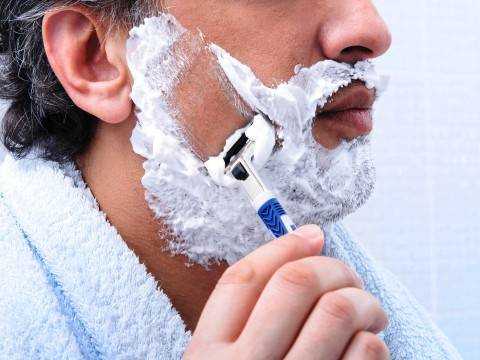
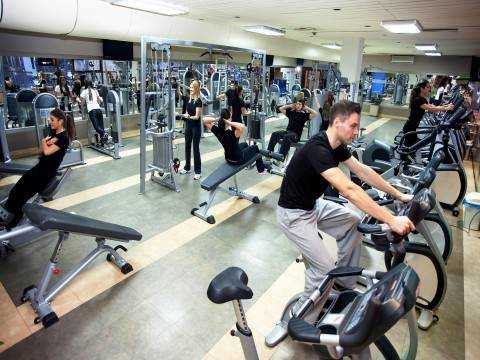
Self grooming tips for men Get rid of unnecessary body hair:Hair on your ears, back, underarms, or uni-brows does not appeal at all. If you have them, then try and get a hair removing gel or wax away gently. Nose hairs can be trimmed from time to time, so that it's not visible. Hair in the underarms can either be waxed, or removed by using a razor. Hair on the back can also be removed through proper waxing. Shave properly:Keep a beard if it suits you, but do trim it regularly. If you do not want a beard, but just a moustache, then that requires customary trims as well. Try and keep yourself clean shaven, if you can't easily manage the styles mentioned above. Avoid bad breath:Bad breath can really get you into trouble, especially during office presentations, client meetings, or even at a date with your girlfriend. Use mouth washes to avoid this problem, and floss after every meal. Mouth fresheners can also come handy, so maintain a regular stock at all times. Brush regularly:Maintain a brush and floss routine twice a day to avoid awkward situations. Cut and clean your nails:Long nails look great on girls, but they are a big turn off in guys. Men need to keep their nails small and trimmed always. Use nail clippers to cut them properly, and cleaners to keep them clean. Take care of your skin:Buy a good sun care and moisturising lotion, and use it always, after a face wash and shower. This shall give you a nice glowing skin. Exercise regularly:A good body can attract everybody's attention. Eat healthy food and exercise regularly to be active and healthy. Get rid of body odour:Instead of colognes, try using deodorants and talcum powders to get rid of body odour. For underarms, always keep a roll-on with you, and apply it regularly. If the issue persists, then consult a doctor for help. Wear well fitting clothes:Wearing unfit or loose clothes will make you look older than you are. Hence, wear clothes which fit you the best. Correct your posture:While standing, walking, and even sitting, keep a straight back. This shall give u a better posture. You will look more pleasing and charming. Grooming is not just a thing for women. It is all about looking after yourself. So, read on to know some self grooming tips for men These were a few tips which can help you look after yourself better, and also give you that much needed edge over others. So, try them out right away!
Sunshine for busy executivesMost people working in corporate offices, spend long hours within the confines of concrete buildings. Some business sectors like IT and manufacturing even have their employees working in night shifts. What we don't realize is that, in such a setup, our bodies do not get adequate dosage of sunlight. Lack of exposure to sunlight is responsible for a range of diseases and health conditions. The body requires sunlight just as much it requires food for its nourishment. Long hours of work in glazed business buildings under artificial lighting, deprive the body of this most basic need, thereby creating a deficiency of the vitamin D group. This deficiency then goes on to create several imbalances in the body, and contributes to diseases. Besides these, Vitamin D deficiency can also cause general muscle weakness, muscle and bone aches and pains and osteoporosis, due to the inability to utilize calcium. The best source of Vitamin D is natural sunshine, and that's why it is called the sunshine vitamin. Vitamin D can be had in the supplement form too, but it is still no match for natural sunlight. In a paper titled 'Vitamin D Deficiency' published in The New England Journal, M F Holick writes that, arms and legs should get exposure to sun for 10-15 minutes every day. "The amount of vitamin D produced depends on the intensity of the UVB in the sun and many other factors. Darker-skinned individuals may need 5-10 times more exposure than a fair-skinned person, in order to make the same amount of vitamin D." Tap that sunlight Early morning is the best time to get out in the sun. There's no better time to get that walk, than in the morning. Park your car a little away from the office building if possible, and walk to your office in the sun. When you take a tea break in the evening, head outside, instead of going to the in-house cafeteria.
The post-delivery bluesA baby being born is cause for celebration. Especially in a country like India, where the family ties tend to be close, there is a festive atmosphere at home. However, sometimes the mothers may not share the same enthusiasm. This wave of negative emotions in the middle of what is clearly a happy occasion can be confusing for the new mother. Interestingly these feelings are not abnormal, as many new moms face postpartum depression, which is also called baby blues. It is an emotional reaction that begins a few days after delivery and lasts not more than 2 weeks. What are the symptoms of postpartum depression? Feelings of anger or irritability. Lack of interest in the baby. Lack of appetite and sleep disturbance. Crying and sadness. Irritability or hypersensitivity. Feelings of guilt, shame or hopelessness. Loss of interest, joy or pleasure in the things you used to enjoy. Possible thoughts of harming the baby or yourself. What are the causes of postpartum depression? Postpartum depression can occur due to a combination of factors. Hormonal changes: Changes in the level of hormones can leave you feeling tired, sluggish and depressed. Changes in your blood volume, blood pressure, immune system and metabolism can contribute to fatigue and mood swings. Emotional factors: Feeling overwhelmed with the new arrival in the family, and taking care of the baby day and night, may leave you sleep deprived, overexerted, and anxious. New mothers also feel that they look less attractive after pregnancy. You may feel that people around you are concerned with the baby more than you, and that you are being neglected. All these emotional factors may lead to postpartum depression. Other factors: Issues like breast feeding, financial strain, and relationship troubles can also contribute to postpartum depression. How does one deal with postpartum depression? Take complete rest and sleep for sufficient hours Spend quality time with your husband Go for healthy diet Take morning or evening walk for fresh air Try to follow yoga or other exercises Share your feelings with your husband or friends Do not overexert Join some groups for new moms Go for individual therapy or counsellors Remember, postpartum depression is not an incurable problem. It is just a temporary state of mind, which can be overcome if you are sufficiently aware of the problem.                
Woman, look below your face too!Skin problems are not restricted to the face alone. There are several places where there could be problems. You don't have to grimace and bear it always! Moles: A mole is formed when the skin grows out in a crop or cluster. Moles can be quite harmless. At times, moles are also precursors to serious melanomas. If your mole suddenly grows big or changes colour or starts to bleed, see your dermatologist right away. He will advice a biopsy to rule out anything serious. It is always safe to be in the clear! Rosacea: This is an irritating skin condition that is brought on by specific triggers. It is usually manifested as red spots on the face, flushing or small red eruptions on the face. This condition has multiple triggers, the most common one being the sun. With no cure being available for rosacea, avoiding the triggers like sun, alcohol and extreme temperatures is the only solution. For moderate to severe cases, topical or oral antibiotics are prescribed. Depending on the severity, laser treatments that zap the blood vessels that cause the flushing can also be opted for. Ingrown hair: Too much of waxing and shaving results in the hair growing haphazardly. It results in hair curling up and growing up backwards. It can be a painful condition, especially if it gets infected. Wipe the skin with a cloth dipped in warm water to soften the skin so that it can grow freely. If the pus has already found its place, dab a bit of benzyl peroxide on it. Stretch marks: When your skin stretches with rapid weight gain, as in pregnancy, the result is unsightly stretch marks. Stretch marks, though a proud and happy achievement, can be an embarrassingly reality too! Treatment for them is possible when they are still fresh and pink. Applying a vitamin A or retinoid based cream regularly helps reduce the visibility of the stretch marks by making the skin more pliable. White spots: White spots can be anything from PMLE to Vitiligo. Polymorphous Light Eruptions are the typical whitish spots that come up on the exposed parts when you are out in the sun too much. It occurs due to the damage to the melanocytes by the harsh rays of the sun. In some cases, there are antibodies that the body produces against the melanocytes that go around killing the melanocytes in random places. This causes large white spots at random locations on the body which typically spread. So use a sunblock every time you step out into the sun. If you find the spot growing in size, consult your dermatologist. He may determine whether it is vitiligo. Vitiligo has no cure, there are oral medications available, which along with the sunrays help restoring some color to the skin. Birthmarks: These are pigment cells that are overgrown. Most birthmarks fade over time. However, if yours starts growing and changes to a dark brown color, get yourself checked by a skin specialist. Chances are that it could be a melanoma. Birthmarks are usually harmless and do not require removal except for cosmetic reasons. However certain medical conditions like melanoma also warrant their removal. Varicose veins: When blood in the legs isn't unable to pump up against gravity or if the valves of the leg veins are faulty, the blood starts stagnating in the leg. This causes the legs to swell and the veins to look prominent. This painful condition occurs in obese people, at times in pregnancy and in people with jobs that requires them to stand all day. Resting with the feet above chest level is a solution for mild to moderate cases. In severe cases, the solution is laser treatment. Scars: As a child, you burnt your leg by accidentally placing it on the hot silencer of daddy's bike? You may still have a scar to remind you of that incident! Scars happen after an injury to the skin's collagen and elastin. If scarred, you may have to live with it. However, there is no reason why the new injuries have to have reminders for life. Skin discolorations, keloids or pockmarks from acne attacks, whatever the scar, there are multiple creams and laser options available to treat them. Age spots: Also called Liver spots, they have nothing to with either your age or liver. They are caused when your skin produces extra melanin to cope with your sun exposure. Alternate application of a bleaching cream like hydroquinone and an exfoliating cream like a retinoid based cream can help lighten the spots. Do this under your dermatologist's guidance only. Other options include chemical peels and microdermablasion. Lasers are last option treatments for stubborn old spots. Eczema: This is a long-term skin disease, also known as atopic dermatitis. Most common symptoms include dry and itchy skin, rashes on the face, inside the elbows, behind the knees, and on the hands and feet. Currently, there is no single test to diagnose eczema, so doctors rely on information about you and your family. Treatment options do not include cure, only immediate relief from the inflammation and itching can be obtained. Hives: Hives are the red and sometimes itchy bumps on your skin. They usually appear as an allergic reaction to certain foods or drugs. People who have some form of other allergy are more likely to get hives than people who don't have any allergy at all. Other causes include infections and stress. Hives usually go away on their own, but if you have a serious case, you might need medical help. Skin is the largest organ of our body. It is the protective barrier between our body and the outer harmful world full of bacteria, viruses and other dangerous microbes. Hence, it becomes extremely essential that caring for our skin should find top spot on our health care list.

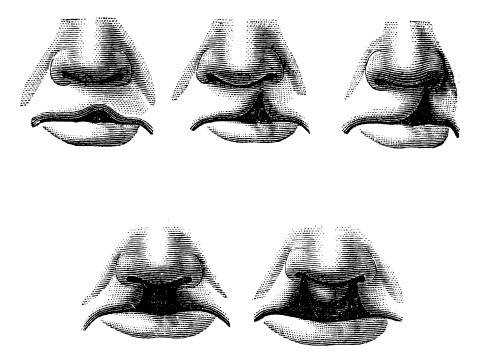
A correctable disfigurement of face: Cleft lip and palateThe Times of India reports that "With an incidence of 7 per 1000 children, cleft lip and palate deformity is one of the most common deformities among Indian children." The number of infants born every year with cleft lip and cleft palate in India is 28,600. This means 78 affected infants are born every day or 3 infants with clefts are born every hour. Cleft lip and palate develop early in pregnancy where lack of adequate amounts of tissues lead to two parts of the face failing to join adequately at the middle. A cleft lip or hare lip (as it is commonly called) refers to separation of the two sides of the upper lip. There appears a narrow opening or gap over the skin of the upper lip. This separation may sometimes extend beyond the base of the nose and may involve the upper gum and/or the bones of the upper jaw. A cleft palate refers to the gap between the two edges of the roof of the mouth, causing it to remain open at birth. The bony front portion of the roof of the mouth or the hard palate may be involved alone, or along with the soft palate or the soft back portion of the roof of the mouth. Since lip and the palate develop separately, it is possible to have a cleft lip without a cleft palate or vice versa. Causes of developing cleft lip and cleft palate: The exact cause of cleft lip and palate is unknown. Some research, however, suggests that these clefts are caused by a combination of genetic and environmental factors. The risk of such clefts thus can be reduced by adopting a healthy lifestyle during pregnancy. This includes avoidance of smoking, alcohol and having a healthy diet to avoid excessive weight gain during pregnancy. Cleft lip and palate can occur alone with no other problems or defects. This is called non-syndromic clefts. They may also occur as part of other birth defects and then may be called part of a syndrome. Cleft lip and palate may occur on one side (unilateral) or may occur on both sides (bilateral). Unilateral cleft lip and palate is more common than bilateral cleft lip and palate. Left-sided cleft lip and palate is twice as common as right-sided cleft lip and palate. The reason for this is unclear. A cleft lip or combined cleft lip and palate are seen more commonly in male babies. Cleft palate alone is more common in female babies. The face of the baby usually develops around 5th and 9th weeks of pregnancy thus this defect may arise early in pregnancy. Treatment of cleft lip and palate: Cleft lip and palate is usually corrected using cosmetic or plastic surgery. Results are usually very good. After treatment, most children have a normal appearance. To prevent and correct associated speech problems and dental problems, treatment is also sought from speech and language therapists, as well as dental surgeons (orthodontic specialists). Excellent results may be seen if the specialists work in tandem.
10 unhealthy habits in kidsNowadays, parents are too engrossed with their professional lives, and hence are unable to pay enough attention to their kids. Kids may develop unhealthy habits as a result of this neglect. Parents need to take conscious efforts to inculcate good habits in their children. Here is a list of unhealthy habits in kids, which you need to break immediately. Not drinking enough water It is very important for kids to keep their body hydrated in order to keep their skin supple and cool down the body's temperature when it's hot. Water also allows muscles and joints to work better and helps cleaning out toxins from the body through the kidney. Staying hydrated helps keep the memory sharp and the mood stable. Encourage your child to drink water before he/she even feels thirsty. Snacking on junk food Kids relish junk food. Unfortunately, there are endless options when it comes to junk food. This can cause childhood obesity and lowers the energy levels. Junk food cannot meet up the body's requirement for nutrition and vitamins. Hence, children must be encouraged to snack on healthy and tasty food like fruits, whole grain breads, or fruit breads. Missing breakfast School going kids often skip their breakfast in order to reach school in time. Skipping breakfast increases the risk of being overweight. It also leads to a loss of concentration and making bad food choices later in the day. Parents must wake their kids early, so that they have time for a healthy breakfast. Spending too much time sitting Technology has been a boon in some ways. At the same time, it has made us lazy. Watching TV and playing video games seem far more attractive to kids than outdoor games. Kids become less active which leads to various health problems, such as getting obese, becoming lazy, lacking of stamina, losing concentration and good eyesight. Parents should encourage their kids to participate in sports at their school or play various outdoor games with other kids. Not having proper sleep Falling short of sleep should be a big no to kids. Lack of sleep affects the immune system, and also causes loss of concentration, headaches and heart-related problems. Get your kids to sleep around 7-8 hours every night. Overdosing on sugar Kids have particular preference for sweet foods. But added sugar in various desserts and snacks provides a lot of calories and lacks nutritional values. Limit the sweet intake of your child, but don't force them to completely give up on it. Refusing to eat green vegetables Children generally don't like to eat green vegetables. They prefer to have chapati with jam or cheese. But that doesn't fulfill the body's requirement for vitamins and minerals. Try to cook green vegetables in different forms and make it look and taste yummy. Give them various choices of green vegetables cooked in different styles. Nail biting Though nail biting doesn't cause severe health problems, it could result in milder diseases such as diarrhea, cold, viral infections, pin worms, and food poisoning. Keep the nails of your kid clean and try to control their nail biting by explaining to them the ill-effects of nail biting. Not playing outdoor games Not playing outdoors impairs a child's social skills, as well as hampers the development of healthy body. It also causes deficiency of vitamin D. Try to encourage and accompany the kids for playing outdoor games. Eating without washing hands Kids play outside and touch various objects and surfaces, which may have lots of bacteria and germs. When they eat something with the same dirty hands, the bacteria and germs enters their body and may cause food poisoning, viral infections, and stomach aches. Keep a hand sanitizer or good hand wash at home and encourage your child to wash his/her hands before eating anything.
What is megalomania?Bertrand Russell's quote on megalomania perfectly describes the condition:"The megalomaniac differs from the narcissist by the fact that he wishes to be powerful rather than charming, and seeks to be feared rather than loved. To this type belong many lunatics and most of the great men of history." Megalomania is a delusional bipolar disorder. The sufferer believes he is an all-powerful person and that he is superior to all other people. Megalomania comes from the Greek words megalo which means large or great and mania which means madness. It is a psychopathological disorder that has delusional fantasies of power, exaggerated self esteem and a sense of omnipotence. The sufferer may believe he is God or some famous athlete. Although megalomania is a term used for power hungry people, it is clinically described under the mental disorder of narcissism. Narcissism is self-love. Though self-love is a healthy concept, narcissism is a pathological state where one loves oneself to the extent that he starts despising others. Megalomania is caused by certain phobias and mental conditions associated with emotions and personality. In everyday life, megalomania can be a person's mental way of reacting to frustration, abandonment or some serious loss. In the social world, the term megalomaniac is often synonymous with control freaks, power-drunk army generals, executives and politicians. The treatment of megalomania includes medications. The challenge here is that the person may not believe he has anything wrong with him. He, in fact, believes that he is so great that no harm can come to him, so talking him into getting himself treated is very difficult. Adolf Hitler, the German dictator, was a power-hungry control freak. He believed that he was the supreme commander and that his race was the only race suited to inhabit earth. All other races, especially Jews, were inferior and had to be wiped off the face of the earth. Adolf Hitler was megalomaniac.
How to remember everyone you meet?Now that would be quite a feat, would it not? To be able to recall the name and occupation of every person we ever encountered right down to the minutiae of how, where, and why we were introduced to them to begin with! Sometimes we raise the bar of forgetfulness to the extent of forgetting just who it was who introduced us to "Mr. what's-his-face!" If only there were ways to remember the modest and average people who leave virtually no impression on us, wouldn't that save us great embarrassment? Plus it will help us do away with those sheepish looks when it dawns upon the other person that you haven't the foggiest of notions as to who he is. Stranger: Hi! You remember me? How are you doing, Frankie? Frank: Umm! I am well (this guy's face looks mighty familiar, but for the life of me, I cannot recall ever having cast my eyes on him). Stranger: So, how was your annual bridge completion? Manage to beat the Swiss pairs this time? Frank: Atta boy! Got it! This guy happened to be kibitzing at the weekend bridge club at Aldermere. Whew! Stranger: You gave me quite a start there. You looked right through me and I was quite not pleased at the fact that just last week I happened to congratulate you. Frank: Well Martin, be tough to not remember you, of course I do! Just didn't think of bumping into you here. Martin: Well, I am Walther and I can now see that you don't remember me at all! How many times has the above scenario happened to us? While it is well-nigh impossible to remember every name or face that we come across, it would be  a good habit to at least attempt our 'mental name book' to avoid an occasion for future embarrassment! Now, how in the world does one do that? Simplest way would be to carry a small notebook with a pen to make note of someone that you have just been introduced to, at a meeting or a social do. Our friends often introduce us to people and chances are that if there is no occasion to remember that person, then the brain fades it out of its memory list, as it will only use up space on the brain's 'hard disk.' Human memory might be jogged to remember trivia from 25 years ago in great detail, but ask a simple question - remember what you had for lunch last Tuesday?  - and that would be very difficult to answer, especially if last Tuesday was just an ordinary day with no special reference points around lunchtime to help you remember. Maybe if something momentous had occurred on Tuesday last, like pretty Meg from next door, sharing lunch with you rather unexpectedly, then you can bet your bottom dollar you will remember what you had on the day in question. So create reference points! When you are introduced to someone, first and foremost, reference it with who introduced you and then try and make a reference of at least one unique distinguishing feature in that person. Now you don't really require the eye of a physiognomist, and it would be mighty impolite to stare hard for the "distinguishing feature" coin to drop. So a quick look and you got 'long nose Mary Gomez' all referenced and ready for recall at the next chance meeting. Make the reference phrases funny so that you won't have any problem whatsoever in recalling the name behind the funny phrase when you most require it. Alternatively, try associating a picture with the name if you aren't very good with phrase reminders. These techniques are called mnemonics, which is pronounced ni-mon-nics, and funnily enough the very curious spelling - Mnemonics makes you want to have a picture card memory association for the right pronunciation. A mnemonic for this could be 'knee-moan- knicks". Easy enough, i.e., if you remember the sequence right. You could also try memory exercises with names picked off from the telephone directory at random. Pick an A-lister say - 'Anderson' and then flick through to D and pick 'Dougherty' and so on until you have picked at least 10 names of a different alphabet. Now, try and write down the numbers that you must have undoubtedly memorized until now. You can consider yourself blessed even if you are able to memorize the number of the third person by the time you reach person number 10. This will give you a memory for names and numbers at least. Or, go through any university web sites and look at the photo galleries of past alumni. Give yourself 1 minute to quickly glance at all the names on the page. Then try and recall the name by applying the memory picture association or develop your own technique. With regular practice, you could well be in the employ of the local police to help identify criminals off a line up. If that's too dangerous for you, then at least that will  keep your brain alert and active with this brain gym and help avoid any boo-boos in the future.
5 Mistakes yoga beginners makeYoga is a science that has been developed by the ancient Indian sages after a lot of research and study. That is why yoga is difficult to master immediately and one needs a lot of practice to achieve every posture or asana in the perfect manner. So, it is very important to learn the yogic techniques from an expert and one must avoid performing yoga on your own, at least in the initial stages to ensure that you do not suffer from any physical injuries by wrongly straining or stretching your muscles during practice. Yoga can benefit you only if you perform the asanas according to right techniques. Hence, you should try to avoid mistakes right from the beginning. Here are the five most common mistakes people make while performing yoga as beginners: Learning How to Breath Inhalation and exhalation, some say is the most important process that you need to control while performing yoga. While trying to achieve certain asanas, you have to hold your breath for a while and because of this, your muscle fibers are deprived of oxygen for that time. And one needs to do this while holding one's body in that particular posture. With less strength in your muscles, there are chances that you may fall down or get injured. Hence, as a beginner, when you do not have proper control over your breath, it is best to inhale in short breaths, instead of going for the full belly breaths. Just as you slowly inhale, remember to exhale slowly as well, so that the rhythm of the yogic posture is not disturbed. Do not push Yourself Too Hard Most of the contemporary exercises are based on the principle of 'more pain, more gain'. These exercises tell you to stretch more and push harder to get the best results from your workout routine. However, in the case of yoga, the opposite holds true. If you push yourself beyond your limits to attain a particular posture in yoga, you might actually end up straining and injuring your muscles instead. . So, when you are doing yoga come what may, do not push yourself beyond your natural limits. Do Not Compare Some people are naturally gifted with super-flexibility, while the rest of us may not achieve it despite practicing yoga for years together. Each of us has a different type of body and hence, you should not try to compete with those who are highly flexible, especially, if you are trying yoga for the first time or after a long time. You must give your body some time to loosen up its rigidness and become flexible enough. Trying to compare your body's abilities with others and forcefully pushing yourself to perform postures, just to match up, will hurt you eventually. Where to Place the Mat? The best place to put the mat is at the back of your yoga class, especially if you are new to yoga. If you keep your mat at the front, you will become more conscious and will never be able to concentrate on the asana. Instead, if you are at the back, you will always have the front row to follow, just in case you miss the instructions by the instructor. Go easy on the Food! Yoga postures can be intense and if you go into class with a full belly, you will, most definitely find it difficult and uncomfortable to perform the asanas. The key is to eat about an hour before and almost half the size of your usual portion; so that you can perform the asanas comfortably and get the exact fuel necessary for performing them.
Top 10 tips for weight maintenanceTIP 1: Stay Calm and PlanDon't worry about your weight excessively. This will only result in stress which can be counter-productive to your pursuit. Remember that you have reached the goal you had to and you are strong enough to sustain it. Take one day at a time. Do not think about how you are going to keep it forever. Just focus on the next day. TIP 2: Health JournalKeep a journal where you note down your eating and exercising patterns. Write down what you eat, plan your meals, drink adequate water, and form an exercise regime. Did you know that you can include an activity within your life as a habit by performing it for 21 days? Do these things not because you have to but because they are good for your health. Slowly, they will become a part of who you are. TIP 3: Being Healthy Is A Lifetime DealOne of the greatest mistakes that people do is to think that once they have lost weight, they can return to their early eating habits. Remember that your health is with you for life. Shift your perspective from 'I have to become thin' to 'I have to be healthy.' Once you do this, you will find it easier to stay healthy for the well-being of your body. TIP 4: Be RealisticWhen you are planning your lifestyle, don't take up unrealistic goals. This is one of the reasons why weight-trainers say that the best way to reduce and sustain right weight is to make it 'your life.' Eat right, sleep well, and drink lots of water. These three, if done properly, can help you to have the right body weight. If you have any rules like 'don't eat cake or pastries ever,' 'quit drinking,' then rethink about them. Are you going to be able to never eat sweets? The primary goal is to make a balance, choose the middle path. TIP 5: Get An Idea Of Your Weight-PatternMany people stop weighing their body once they have reached the ideal weight. They think that the scales are only for the fat ones. A person with such a perspective is only looking for slim bodies and not healthy ones. Remember that your weight is not a judgment of your appearance, but a barometer of your health. So do not stop doing the weekly weight checks. Keep a report of your weight every week and check out the causes for any abnormal changes. TIP 6: Accept Your Limitations And Learn From ThemEveryone has their ups and downs. Don't get discouraged and be angry at yourself if you binged on a donut on a cloudy day. Everyone makes mistakes. It is not the end of your weight maintenance. It is simply a blip. Learn from it. Know what the causes are for it and work on making sure you react to the cause differently next time. TIP 7: Thirst And HungerYour body could confuse your thirst for hunger. So, if you are feeling hungry really soon after your previous meal, then start by drinking a glass of water and check if you feel better. If you do not, then it is time for a light healthy snack. TIP 8: Inspire YourselfWeight maintenance is primarily a psychological task. Till the time you were reaching the ideal weight, you learn everything you had to about being healthy. Now, you have to make sure you don't let obstructions stop you from sustaining this healthy lifestyle. So, join other people who are only in the process of maintaining their weight. Become part of the running blub or catch up with a health conscious friend regularly. TIP 9: Mind Over MatterBalance your eating patterns. If you think that you will be going out for lunch, then have a healthy breakfast and cut down on the dinner. You might be craving for a dessert, so you can have salad for the main course and treat your sweet tooth. Talk to yourself about what you are going to eat. Ask yourself if you really want to eat it because you are hungry or are there any other reasons for it. How would you feel about it after you are done eating? TIP 10: Celebrate Your AchievementsLastly, be proud of your weight maintenance program. Celebrate the fact that you worked hard towards making sure you have a healthy body and invite people who were part of your pursuit. Embrace your body and toast to the next year of a healthy lifestyle.
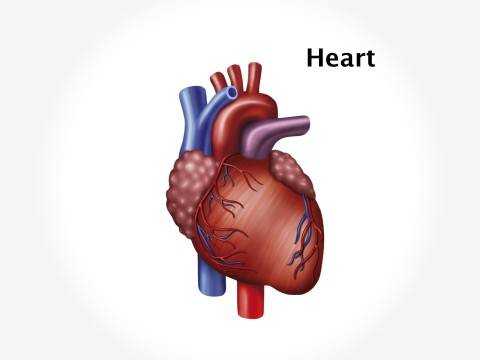
An ounce of prevention is worth a pound of cure!Small mistakes that we keep committing become, over a period of time, serious health problems that are potentially life threatening. Given here is a list of the 10 most common mistakes that we make when it comes to heart health. Ignoring the health check-up: Your last reports said you were fit as a fiddle. So you haven't gone for a check-up since then? Our health becomes the first thing we sideline in today's fast-paced lives. Most of the heart diseases do not show any signs and symptoms in the early stages and when the signs and symptoms come up, too much of damage has already been done. So it becomes very essential to go for regular health check ups. If you are in your twenties it would be advised to get your cholesterol checked every 5 years, blood glucose every 2 years. Beyond 45 years though the frequency of health, check-ups should increase. Body Mass Index is something that you should get checked every time you visit your doctor. Skipping breakfast: Breakfast is the most important part of what you eat the whole day. Most of us tend to skip breakfast due to lack of time, fear of weight gain. But starting your day without breakfast is like driving on reserve fuel. You will start fine, but end up feeling dull and sluggish towards the end of the day. Skipping breakfast has been associated with development of diabetes mellitus and obesity. These two have a strong co-morbidity with cardiovascular diseases. No wonder then it is said, breakfast like a king, lunch like a prince and dinner like a pauper. Too much of sun-blocking: We are people obsessed with fairness and it is understandable that one wouldn't want to get tanned by going out in the sun. Some amount of sunlight exposure is very vital for health. Vitamin D is synthesized by the body from cholesterol with the help of sun rays. Recent studies reveal that people with little or no exposure to sunlight tend to develop arterial plaques that end up in heart attacks, high blood pressure or strokes! Going for the fizz : Aerated drinks are loaded with triglycerides that are a part of the bad cholesterol. They thicken the blood and it becomes difficult for it to flow through the arteries. This leads to several complications. Not watching what you eat: Often we are so caught up in our work that we just grab a quick bite to eat without paying heed to what actually we are eating. Fast foods are extremely unhealthy and wreck havoc onour systems. Missing fruits and fibres: Fibrous food are extremely heart friendly. The fibres help in pushing out the cholesterol out of the body. Beans, oats and barley are all extremely fibre-rich. Fruits are a rich source of vitamins and minerals. They contain potassium that is extremely essential to neutralize the effects of sodium. By doing this they help in regulating the blood pressure. Citrus fruits too have a high amount of potassium in them. Avoiding walking: Walking is the simplest form of exercise the body can get. 10 minutes of brisk walking is extremely helpful for the heart to keep functioning efficiently. Not sleeping well: The body needs 6 to 8 hours of undisturbed sleep for it to reboot and get back its full functioning capacity.  A sound sleep at night reduces the blood pressure and regularizes the heart beats. People compromising on sleep are the ones most prone to suffer from heart attacks and high blood pressure. Not flossing your teeth: Gingivitis is the inflammation of gums. This inflammation hosts large number of germs that leak into the bloodstream and reach the heart causing a number of heart problems. People who floss daily not only have good oral hygiene, they also have a healthy heart. Forgetting the Family: Many heart diseases tend to run in the family. It is very important to know the medical history of your parents and grandparents. The risks of you developing heart diseases are high if someone in your family already has them.
MigraineA Severely painful persistent headache can put anyone in distress. Migraine symptoms vary from person to person. Some people get intimation before the pain begins. It can be sparkling flashes of light, blind spots, or distortions. Some others experience tingling or "pins-and-needles" sensation in hands or face. This is called an aura. The headache begins within 30 minutes of seeing an aura and may last for 4 to 72 hours. Extreme sensitivity to light, noise, smells, nausea and vomiting, loss of appetite and fatigue, numbness, tingling, or weakness are all-common in migraine. There is no permanent solution to migraines. People suffer for years together and keep on taking painkillers for a long time. Pain killer helps only if taken right at the beginning of the headache. Keep a watch on things that trigger the migraine and try to avoid them. Make some lifestyle changes that can help prevent migraines to some extent. Taking good sleep. Lack of sleep can cause migraine. Appropriate hours of sleep as a routine will help to prevent the attacks. Regular meals at fixed time help to prevent migraines in people who get headaches due to hunger or not eating on time. Regular exercises help to rejuvenate the body and prevent migraines along with many other diseases. Stress is another important cause for migraines. Avoid stress. Learning to manage it will keep migraine at bay. Caffeine triggers migraine in many. Avoid caffeine. Reduce it if quitting is not possible. Limiting alcohol will again be very beneficial as alcohol and hangovers can be the cause. Meditation and relaxation therapies may also help prevent migraine headaches.  
Sex at 50 for womenAs you age, your reflexes slow down. The passion to love and to be loved is never dying and just because you have grown in age, you should not stop enjoying sex. The body, especially in case of women also undergoes many changes after the menopausal period. Although it may take you more time to become aroused but the desire to have sex is always there. Moreover, with no children and no worry of getting pregnant you can enjoy sex uninterrupted without any tension. Women who continue to remain sexually active after their menopause retain their ability for enjoying normal orgasms. But this does not mean that there is no difference in the enjoyment factor. Several factors can be detrimental in continuing sex activity. However, there are solutions that can help the couple in their fifties still enjoy sex. Better sex can be possible even during the fifties but for this, you should be ready to take some extra efforts and make your body more comfortable for sex. Using lubrication After the menopause, the body of a woman starts producing less female hormone-estrogen. Lower estrogen level leads to physical changes such as less elasticity of vagina, dryness in vagina and so on. Your vagina may also take more time to swell and lubricate; in turn making intercourse painful or uncomfortable. Instead of getting discouraged by such occurrence, you should try to find out a remedy for it. For overcoming the dryness of vagina, you can use different sexual lubricants that are specifically prepared for the older women. You get them in suppositories or gel forms, which you apply liberally to the vaginal area before having sex. There are certain vaginal moisturizers also available in the market that makes vaginal penetration easier by maintaining elasticity and lubrication. Increase the frequency The more often you have sex, the easier it is for you to maintain elasticity and lubrication. So, go for it more often to enjoy it more now. Hormonal therapy treatment If you are suffering from distressing menopausal symptoms like hot flushes, you can opt for hormonal therapy treatment. This will help to relieve the vaginal dryness. Some doctors also suggest local intra-vaginal therapy to avoid discomfort and dryness during penetration. Application of local estrogen into the vagina enhances the blood flow to this area and ensures more sensation and lubrication. Intra-vaginal estrogen treatment This treatment is carried out in three different ways: A small ring of silastic is inserted high inside the vagina and is kept there for three months. This ring release estrogen in right amount to promote optimum vaginal health. A small tablet of estrogen is inserted inside the vagina twice in a week. Conjugated estrogen cream is applied with small applicator twice in a week. So, there are different methods for increasing responsiveness, vaginal lubrication and elasticity that help you enjoy sex better even in your fifties. Overcome awareness about your body The body of women in fifties is saggy and wrinkled. However, if you have a young heart and passion for sex, you should not let the body image spoil your enjoyment. It is your response towards your partner that matters the most as both of you are going to age slowly and get more wrinkles as the age progresses. Like someone said, it's the imperfections and not the perfections that we fall in love with.
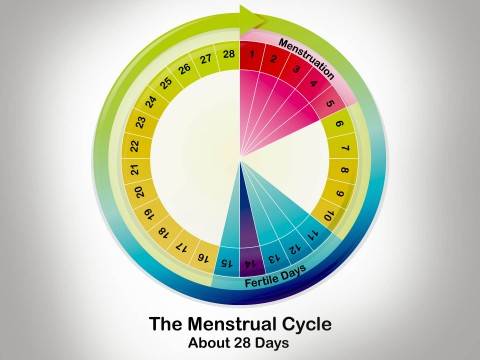
Know your safe period for low-risk sexNot every act of sexual intercourse will result in pregnancy. There are days when your chances of conception are very high and days when the chances are almost nil. Know these days to help you enjoy a rocking sex life! The menstrual cycle starts from the day the bleeding starts and ends about 28 days after that, on an average ovulation occurs around 14th day of the menstrual cycle. The 14th day is the ideal day theoretically. Since every woman's menstrual cycle differs, the day of the ovulation also differs. Hence doctors calculate the fertile period as the 12th day to the 18th day of the menstrual cycle. This is the period when the chances of ovulating and hence getting pregnant are very high. The 1st to the 7th day and the 19th day to the start of the next cycle are the days when the ovulation chances are very less. This means if you make love during these days, there are very less chances of getting pregnant. This is the case with women who have regular period cycles. In case the cycles are irregular, then you would need to do a bit of math for calculating the safe period. For example, if your shortest cycle is of 26 days and the longest cycle has been of 31 days, then- 26-18= 8 and 31-10=21 The 8th day to the 21st day are the fertile days; 1st day to the 7th day and then the 21st day until the day the next cycle starts are the days that are safe to enjoy sex without fear of getting pregnant. Opting to have sex during the 'safe period' isn't fool-proof though. A lot of women have irregular cycles and the cycle length can vary from women to women. That's why the so-called 'safe period' is, in truth, not that safe! And it's better to use condoms or other contraceptive methods like the oral pill to prevent unwanted pregnancies.
FAQS
T&C FAQS