Home
Sunshine for busy executivesMost people working in corporate offices, spend long hours within the confines of concrete buildings. Some business sectors like IT and manufacturing even have their employees working in night shifts. What we don't realize is that, in such a setup, our bodies do not get adequate dosage of sunlight. Lack of exposure to sunlight is responsible for a range of diseases and health conditions. The body requires sunlight just as much it requires food for its nourishment. Long hours of work in glazed business buildings under artificial lighting, deprive the body of this most basic need, thereby creating a deficiency of the vitamin D group. This deficiency then goes on to create several imbalances in the body, and contributes to diseases. Besides these, Vitamin D deficiency can also cause general muscle weakness, muscle and bone aches and pains and osteoporosis, due to the inability to utilize calcium. The best source of Vitamin D is natural sunshine, and that's why it is called the sunshine vitamin. Vitamin D can be had in the supplement form too, but it is still no match for natural sunlight. In a paper titled 'Vitamin D Deficiency' published in The New England Journal, M F Holick writes that, arms and legs should get exposure to sun for 10-15 minutes every day. "The amount of vitamin D produced depends on the intensity of the UVB in the sun and many other factors. Darker-skinned individuals may need 5-10 times more exposure than a fair-skinned person, in order to make the same amount of vitamin D." Tap that sunlight Early morning is the best time to get out in the sun. There's no better time to get that walk, than in the morning. Park your car a little away from the office building if possible, and walk to your office in the sun. When you take a tea break in the evening, head outside, instead of going to the in-house cafeteria.
Tips for the new fatherWhen a baby is born, all the attention is on the mother and the baby. And rightfully so, since the two need all the care in the world. However, the role of the father is very important even at this stage. The new dad has lot of responsibilities on his hand - he has to take care of both mom and the baby without getting annoyed or irritated. Here's how to do your best as husband and dad: Playing an active role in your child's life is vital for his emotional, physical, and cognitive development. Hold your baby as often as possible. By directly caring for your infant, you will learn about the baby's needs, how he communicates, and what comforts him best. Be prepared to feel left out at times. Your wife utilizes most of her energy and attention on the new baby. Be extra supportive and patient. Delivering a baby can be traumatic. Hormones ebb and flow. If there is ever a time to understand and care for your wife, this is it. Dads need to be more supportive and helpful. Share tasks like changing diapers, help around in the house by doing some household work like laundry. Talk to other new fathers about your experience and theirs. Most new parents experience a loss of sexual intimacy. Abstinence during pregnancy, pain, perineal tear, and breastfeeding can inhibit a woman's desire to have sex. Men can feel betrayed if rejected physically and mentally. It is important to talk about your feelings. Choose ways like cuddling, kissing, and holding hands to be physically intimate. One of main roles of a father is that of a protector. There are many ways you need to do this. Safety is one: child-proof your home. Dads now need to take care of driving, diet, and risk taking. Your baby needs you for a long time. Being healthy and happy dad is one of the greatest gifts you can give your kid. Dads need to provide financial protection to the new child. So get a life insurance, car insurance, an emergency fund, and a will. Try your best to spend as much time as possible with your new baby. While work may be your passion, it won't be long before children grown and no longer want to spend time with you. Take advantage of these years. Give the tiny tot gentle hugs. Dads shouldn't be afraid to show affection. Babies need physical contact, and not just from their moms. Snuggle with them, hug them, and kiss them. Read a baby-book to your child. Babies do understand. Sing him a gentle song or play a very soft music. Find out what makes your baby happy. Be good to the mom. Dads should be good and loving to mother of their new baby. Give her some time alone and babysit while she goes out, show affection to her, and give her little surprises. Because when the mom is happy, the baby is happy and the dad will be happy too.  
Pamper the newborn without forgetting yourselfIf you are a new mom, chances are you are busy 24/7. The baby's complete dependence on you helps you bond with him/her and makes you aware of the responsibility that is now on you. But, your own health is an equally important responsibility. So, you need to give yourself permission to take care, or even pamper yourself from time to time. Here are simple ways for you to look out for yourself. Eat your favorite breakfast: As your day starts, you need fuel to keep your energy levels high. So, grab your hands on healthy and tasty breakfast options like whole grain cereal, skim milk and sliced strawberries or a banana. The combination of lean protein, whole-grain foods, and nutrient-rich fruit allows the brain to form more feel-good chemicals. Don't let stress come near you: We know that a lot of changes in your life have transpired, due to the entry of a baby in your world. The difficulty to cope with the changes may cause stress and depression. Try to avoid stress by asking for your husband's and relatives' support. Take a walk with your baby: Walking with your baby in nearby parks will give you fresh air and it is an excellent form of exercise. Don't be sleep deprived: Having a baby doesn't mean that you have to always sacrifice your sleep. Never miss an opportunity to sleep or take rest. This will keep your energy levels high for the day. Sleep when your baby sleeps. Delegate baby care: Parenting is not your sole responsibility. Ask your husband to lend a hand in taking care of the baby for some time. Not just the husband, if you live in a joint family, you can ask other relatives for help as well. Don't be a multi-tasking person: We know a woman has so many roles to play. But, it doesn't always have to be that way. Being a new mom, you must focus on one activity at a time. You can prioritize your tasks, if you have a lot of things to do. Exercise regularly: Add exercise to your daily routine. Choose the exercise which you love and enjoy, like walking, cycling, yoga, swimming or aerobic dance. Consult a doctor before starting any exercise program.    
Fitness mantras during pregnancyYou must be wondering how Shilpa Shetty maintained her fitness even after bearing a child. The simple answer is that she never gave up exercising. Exercising during and after pregnancy is the best way to stay in shape and ensure your mental and physical healthiness. It also helps you in preparing for labour pain and delivery, and quick recovery postpartum. However, there are some things you need to keep in mind while exercising during pregnancy: Measure your fitness You need to determine how fit you are. This will help in determining the type and duration of exercising during pregnancy and post pregnancy. Also, before you continue your old exercise routine or begin a new one, you should talk to your doctor about exercising while you're pregnant. Pregnancy is a balancing act After the fourth month of pregnancy, it's likely you will lose balance while you exercise. Though your baby is well protected with amniotic sac, it is better to be safe than sorry. Safe exercises Activities such as swimming, walking, yoga, pilates, and low-impact aerobics are good choices. Pregnancy is not the right time to start any new intensive exercise, but it is safe to continue with most types of exercise if you're used to them. The things you should avoid Avoid exercises where you are likely to lose your balance or could make you fall or slip. Vigorous or extreme activities such as horse riding, skiing, mountain climbing are out of the question. They carry too high a risk of injury to your tummy. Avoid exercises such as: Sit-ups Standing on one leg Separating your legs widely You should also avoid most contact sports, such as football, basketball and so on. Finally, give racket sports a miss if you're not a regular player as they can be tough on your knees and ankles. Check with your doctor Consult the doctor before starting with any new or unusual exercise. Check for any complications or unusual conditions. Also, discuss for any concern such as: Pregnancy-induced high blood pressure Early contractions Vaginal bleeding Premature rupture of your membranes, also known as waters (the fluid in the amniotic sac around the fetus) breaking early The best outfit for exercise Clothes should be comfortable and loose fitting while exercising. Wear a supportive bra which protects the breasts and is also relaxing. If your shoe size has changed because of mild swelling, you may want to buy a new one. Duration of the exercise Exercising three to four times a week is necessary. This reduces stress, fights fatigue, and stabilizes emotions in early pregnancy. Start gradually, may be with only five minutes a day, if you were totally inactive before. Add five minutes each day till you reach 30 minutes. Also keep in mind to avoid exercise on an empty stomach. Eat a snack 30 minutes before exercise. Never over do Listen to your body when it says 'stop'. Over exercising causes overheating. Raising your core temperature too much can affect the baby adversely. Always sip water before, during and after exercising. Listening to your body when something hurts or doesn't feel right - that means stop. Drink a lot of water Try to drink about two glasses of water two hours before you begin exercising. Take a sports bottle of water with you when you exercise and take frequent sips from it. It's important you don't get dehydrated. This may raise your body temperature, which may not be good for you or your baby.  Keeping these points in mind, exercise to stay healthy and fit. We hope you soon give birth to a healthy kid.  
Is circumcision a healthy ritual?Religious rituals and practices have been carried out since ancient times. Circumcision is a religious ritual that involves surgical removal of the prepuce of the human penis. Prepuce is the foreskin of the penis and during the procedure; the person performing the ritual opens, inspects and separates it from the glans. The process is painful and hence local or topical anesthesia is used to reduce physiological stress and pain. Circumcision is performed for religious as well as personal reasons and many times recommended medically for prophylactic or therapeutic reasons as well. Today's medical science makes use of this treatment for treating chronic urinary tract infections, refractory balanoposthitis and pathological phimosis. Circumcision is performed as ritual in many parts of the world. However, it is also recommended medically as protection against HIV infection. Circumcision-Is it Legal and Ethical? In the world over, the ritual or practice of circumcision is carried out on all types of people from neonatal stage to adulthood. While no significant risks have been noticed due to the practice of this ritual, rather some modest health benefits have come to the fore. The World Health Organization has recommended circumcision for male infants in parts of Africa where the children are more vulnerable to urinary tract infections. However, no other medical organization in the world has supported or banned the procedure. Over past few years, legal and ethical questions have been making rounds and many believe that consent should be taken before carrying out neonatal circumcision. HIV and Circumcision Benefits A Cochrane meta-analysis conducted in 2009 on sexually active African men have revealed that the ritual of circumcision reduces the risk rate of HIV infection by 38 to 66 percent among heterosexual men in a period of 24 months. That is why WHO has recommended circumcision in sub-Saharan African areas having high rates of HIV infection as a part of the comprehensive HIV program. Moreover, this process is more cost-effective as compared to other treatments and preventive measures recommended for HIV. Circumcision reduces the risk rate of HSV-2 infections and oncogenic HPV prevalence along with the risk of penile cancer and UTIs. Until now, there have been no concluding reports on the protective effects circumcision offers against other types of sexually transmitted infections. Circumcision is also recommended medically to children suffering from pathological phimosis and refractory balanoposthitis. Contraindications The literature worldwide review conducted in 2010 reveals that around 1.5 percent of the newborns face median complication when the process of circumcision is performed by trained medical providers. Only 6 percent children face severe complications with the common complications being infection, bleeding or removal of too little or too much of foreskin. However, the process does not cause any negative impact on the sexual functioning of an individual. Contraindications due to circumcision are also cited in infants having genital structure abnormalities right from the birth such as misplaced urethral opening, ambiguous genitalia or chordae. In such cases, the foreskin may require reconstruction through surgery.  It is contraindicated in premature babies and clinically unstable infants and it should also be avoided in children with family history of hemophilia (bleeding disorders). In such patients, it is important that the blood should be checked for its coagulation properties before attempting the procedure.
Pediatric diet formula food vs traditional foodAccording to the World Health Organisation, it is unnecessary to give your baby rice cereals at the age of four months as breast milk can provide all the nourishment a baby needs in the first year. No other solid food is required. Breast milk has all the nutrients like fats, protein, cholesterol, carbohydrates, vitamins and minerals which are required in the first year of life. According to most studies,formula foods are not the healthiest option to begin solid foods on. Doctors prefer that babies be given boiled vegetables and mashed fruits like bananas and not formula cereals that contain simple carbohydrates. It is not a good idea to give babies processed and refined foods that are found in all formula foods. Formula foods do have nutrients, but they are not as easy to absorb as nutrients from foods prepared at home. You can also ensure quality in food that is prepared at home. Formula foods cannot imitate the natural taste of foods. Babies like to choose foods according to taste just like the adults and you can give them a wide variety of choices like offering them different fruits and vegetables rather than the similar tasting formula. You will be surprised to know that mother's milk has the taste of the foods she eats and so babies develop taste for a variety and may like the insipid taste of formula. Another reason why formula foods may not work that well is that they contain cereals. However, the enzymes that are required to digest carbohydrates are not fully developed in babies until they are more almost three years old. Cereals and breads are very difficult for babies to digest. Undigested grains can throw off the balance of bacteria in the gut and this is the reason for a lot of digestive issues once they are grown up. Solids should not be introduced until six months of age, as studies now reveal that if solid foods are given early on then it increases the likelihood of allergies, especially of those foods introduced. Babies produce only few enzymes and digestive juices that are mainly required to digest protein and fats. This is because mother's milk has 50 to 60% healthy fat which is a must for the babies' mental and physical growth. Most baby infant nutritionists feel that formula feed is not a complete food. Babies will get deficiency,such as iron, as it is difficult to absorb them from formula foods. The debate continues as many feel that the marketing gimmicks are what selling these foods and not the nutritional value they provide to babies. A note of caution, excessive amount of juices are harmful for babies as these can lead to obesity.
A guide to resolving commitment phobiaCommitment phobia could impact both men and women. The age-old idea of only men being commitment phobic has fallen to ground and such a fear is shared by both the genders today. The main issue of this psychological condition is that the partner involved is also traumatically affected. The initial stages of the relationship involve making the partner feel secure about the relationship by assurances and verbal confessions about future needs of a long-term companionship. This makes the person involved with the commitment phobic trusting the latter, only to be taken aback and hurt when she/he walks out at the time, to seriously and sincerely declare their relationship. One who is afraid of commitment would often have many failed emotional relationships in the past with the justification of never having found the right person. Even though you might just be the perfect match, it is possible that they would find something wrong with your lifestyle in order to justify his/her fear. There would be consistent contradiction in their declaring of love for you and the actions which might hurt or injure the trust built on basis of the verbal assurances. Cause of Commitment Phobia: The root of the fear is the need to feel in control. A commitment phobic will feel that after a point of time there is a need to withdraw from their lover in order to have an 'upper hand' in the relationship and feel in control. Such a feeling might not be conscious. While the commitment phobic is pursuing their partner, they are also keeping in mind the way to get out of the relationship. Thus, any compliment given is empty flattery, for it presupposes their exit when the time comes. They are also afraid of facing the truth of their emotions. Coming from unstable backgrounds, commitment phobic people are very lonely and afraid of pain. The parents might have had a loveless and emotionally numb relationship. There could also be instances of physical and sexual abuse apart from the mental trauma the patient goes through as a child. Bailing out is their defence against being hurt any time in the future. Thus, the only thing they are doing in the relationship is to make sure they have the power in their hands (via complimenting and making you believe in them) and to make you depend on them. Once you are dependent and look for a solid assurance of their existence in your life, they will walk out.  Due to the fear of getting hurt, no amount of emotional intimacy and efforts seem to be sufficient for them to believe in you. However, remember that it is possible to cure the condition with proper psychological and emotional support. Contrary to popular belief, both men and women suffer from commitment phobia. The root of this fear is sown during the early years of the patient's childhood and a vicious cycle arises in which the patient withholds from forming a full-fledged relationship with anyone, blaming the failures on incapacities of the partner involved. This cycle can end only with the individual effort and support of companions and lover. Treatment of Commitment Phobia: The main aim in treatment of commitment phobia is to change the way the patient thinks about relationships. If you know someone who is a commitment phobic or if you are afraid of commitment, then here are five ways to deal with it: Way 1- Accept YourselfYou are looking for a perfect partner in an ideal context. You want a long-term loving relationship, but you have experienced throughyour life that such relationships are filled with pain and assume that eventually all relationships are only bundles of pain. This is manifested by your tendency to obsessively find something wrong with your partner. You know that your partner is loving and doing everything they can to make the relationship work, even then you find something wrong with them. When you think about commitment, you feel suffocated, bored, or at danger because it would require you to let your guards down to a person, thus becoming open to being in pain again. Accept yourself. Don't distort who you are. Write down all you feel about relationships and accept it. Think about the past relationships you have had and admit that your fear has led to breaking up of many emotional relationships in the past. Way 2- Understanding Your ConditionBecome aware of what is mentally happening when you are running away from commitment. By knowing what is exactly happening when you are walking out of a relationship, you will be able to handle and help yourself well. Way 3- Find The Root of Your FearsExplore the sources for what you feel about relationships and commitment. Discover incidents in childhood which slowly disillusioned the image of loving relationships. Consider your ex-partners and admit their merits as well. By finding the root of your fears, you will be able to become aware of it when you are in the act of bailing out on a great relationship. Way 4- HypnotherapyThrough hypnotherapy, you will get to know the root of your fear. The process also involves creation of an unconscious transformation in the patient in the form of thoughts, feelings, and attitude. Eye Movement Desensitization and Reprocessing (EMDR) and Lifespan Integration are also helpful ways to treat commitment phobia. Way 5- Consciously Think About The Pros As WellThink about the loving relationships you have wanted and understand that relationships are filled with ups and downs. Every person is guarded naturally against pain and you do not have to excessively fortify your emotions. Write down all the good things about your lover. Also note down the things you find faulty about them. Then, ask yourself if your act of complaining is much like the desires your parents or closed ones might have imposed on you. Know that every person has a set of incapacities, and as long as it does not affect their love towards you, you should not be worried by it. Way 6- Imagine The UltimateIf you are not going to work on the commitment phobia, realize that you will never be able to establish the loving relationship you have always wanted. To make sure that you do not end up missing out on the wonderful experience, you have to weigh the relationship wholly. As mentioned earlier, write down both the pros and cons. Weigh your fears and decide what you feel. Way 7- Control Your Urges to Walk OutYou might be urged to leave the moment you find an imperfection in the other. Assure yourself to understand your partner. Take your time, but do not walk out. Learn to stay and work on the issues that the other might have. Way 8- CommunicateOne of the main problems that commitment phobic people have is that they do not talk about their problems, as they believe to open up about their emotions would mean to be vulnerable and to lose their power in the relationship. If your partner loves and cares about you, then open up to him/her. Let him/her know how you feel. This would prepare the other for any tough situations in the future, and you would also learn to judge and trust the other. Way 9- The Time Is NowYou might think about all the bad things in your current relationship and talk it out. However, remember that you might just be missing out on a beautiful experience because of your fear. If you want to work on your commitment issues, the time is now. Learn about your partner more and judge your relationship objectively. Be aware of any fears that arise and their source. Answer the fears rationally and do not suppress them. Slowly, talk to your partner and deal with the phobia. Way 10- Love Yourself And Build Strong RelationshipsThe first step to treating any phobia is to accept oneself and begin the process of being compassionate to oneself. Love yourself. Often, there is a fertile ground of low self-esteem boiling under the over-confidence about demerits of the other. Accept your incapacities as well as merits. Build your relationship with honesty and gradually let open the doors of your love. You do not have to suppress any of your fears. You have to confront and answer them. By communicating with your partner and remembering to receive their love without complaint, you will be able to overcome your fears completely.
Boost your self-esteemSimply believe in yourself. Life need to be made lighter. Pulling yourself down over trivial mistakes and not reaching certain standard definitely does not help.  Your self-esteem affects the way you interpret messages from others. It affects relationships, academic achievement, and living life to the fullest. Thus, recognize your true potential in life and work towards it. Those who have a high self-esteem always have an “I think I can” or “I will” attitude! This makes life much happier for them. Ups and downs in life are inevitable, but this should not bring down your self-esteem. One should work towards maintaining a high self-esteem at all times.  You need to have the power to control your self-esteem. It should not suffer from negative messages from others; in fact, negative messages should be viewed as constructive criticism. There are many ways in which self-esteem can be given a boost. Accept yourself and increase your inner stability so that you will not need validation or attention from other people. Meet new people. Follow examples of successful people. Don’t worry about how others might judge you. Don’t be afraid to try something new. Failures may come your way, but they are the best teachers in life. Make a list of your strengths and weaknesses. Make the most with what you are best at, and strengthen your weaknesses. Focus on the positives and practice positive self-talk for encouragement. Avoid doing things just to “go along with the crowd.” Gather courage to express yourselves and ‘stand out’ from the crowd, as every new encounter is a learning experience. Develop a support system of friends. They will give due emotional back-up. Put into place good healthy habits; ensure the right kind of diet. Controlling the mind is essential for a healthy body. A stress-free mind is healthy and calm, which will incorporate positive thoughts. Give credit where the credit is due. Praise others and accept compliments in good spirit. This builds confidence. Keep criticism to a minimum, as it brings about negativity. Appreciate life. Look your best to feel your best. It is important to be well groomed. Improve your personal living space. Perfect your skills and practice your talents. Reward yourself often. It’s nice to pamper yourself once in a while. Stop comparing yourself to others; this will increase your stress levels unnecessarily. Your self-worth should not be based upon what others think of you, but how you feel about yourself. Communicate with others, colleagues, neighbors, family, and friends. Be social. Do something for someone else – a random act of kindness! They fill up the void and bring about a different level of happiness. It is beneficial to spend some time alone by yourself. Review your mistakes and analyze the experiences in your life. This should be carried out as a self-therapy, and not as a habit. Do not become a loner. Everyone is a unique. No one else is like you in the whole wide world. This makes you special already! Everything starts with you and ends with you. Remember, nobody can insult you without your permission!! A low self-esteem gives rise to health problems like depression, loss of interest in life, and stress. It is not difficult to correct this stage which comes in everyone’s life. Learn to rise above these shortcomings and improve your outlook about yourself. Confidence comes from not always being right, but learning to be wrong. - Peter T. McIntyre.
10 best and worst appetizersWhen you are munching on appetizers before your meal, the idea is to eat something that can trigger off the production of your digestive juices in the intestine, so that what you eat next, the food is easily digested. However sometimes, the appetizers are much more complex and heavier on your tummy and can actually reduce the metabolic activity and imbalance the digestion process. Here are some of the best and worst appetizers that are commonly served: Best Appetizers Vegetable Kababs: These highly nutritious and low calorie appetizers are a good alternative to fried items. Grilled vegetables or kababs are prepared by skewering red and green bell peppers, onions, tomatoes, mushrooms and zucchinis. To add to the taste, you may brush over some low-fat herbs and even garlic marinade. Two delicious vegetable kababs, will get you only 75 calories. Crab Cakes: Seafood offers you high nutrition and the best way to include the properties of seafood in your diet, is by choosing crab cakes as appetizers since these offer only 20gms of fat and 300 calories, while providing you with a high level of sodium (960mg). Spinach Salad: The best thing about good appetizers is that they are low calorie foods and provide great flavor and satisfaction while eating. One such fulfilling appetizer, is spinach salad. You can also use other green leafy vegetables to add more nutrition to the recipe. If you eat this appetizer before your meal, chances are, you will eat 10 to 15 percent less of the main course, which is certainly a great way to cut down on the calories. A cupful of fresh salad gives you only 80 calories. Beef Skewers: If you are in the mood to pamper your taste buds, but still want to stick to eating healthy, then beef skewers is the right option for you, in the appetizers section. These are usually served with peanut sauce in restaurants. You can opt for lean beef along with soy, garlic, hoisin, onions and barbeque sauce to make this dish yourself. Quarter to the pound is the recommended serving, which consists of 5 gms of fat, 130 calories and a high sodium content of 803 mg. Stuffed Mushrooms: Potato skins are a common appetizer people go in for, but these add more calories. Instead, you should opt for stuffed mushrooms that are way more delicious. The caps of mushrooms are stuffed with breadcrumbs and the cheese of your choice; and they provide only 50 calories per cup. This means that even if you eat six stuffed mushrooms, you are still within the limit of 300 calories. The worst appetizers are deceptive yet tempting in their looks and taste. But you should always keep a check on the ingredients before gorging on them, for your own benefit. Worst Appetizers Onion Blossom: Fried onions are certainly bad for your waistline. It is always better to eat a starter stuffed with more vegetables, instead of fried things. A restaurant preparation of onion blossom consists of 161 gms of fat, 1,049 calories and around 4100 mg sodium, which is more than double the limit required by an adult, making this appetizer a completely unhealthy choice. Cheese Fries: Cheese fries are one of the worst appetizers; these can be even more overwhelming than your meal itself, which is why health experts advise not to include this appetizer in any type of menu. Sometimes cheese fries actually come with more melted cheese on top, which is obviously worse. Spinach Artichoke Dip: Although this starter starts with the word 'Spinach', it is in no way a healthy appetizer. One dip of spinach contains loads of calories-1600, fat-100 g and 2500 mg sodium. It is certainly not the spinach but the cream base that is rich in saturated fat. Potato Skins: Potato skins have all the high calorie foods such as meats, sour cream and cheese. When you take one pop of these, you will be adding 150 calories, which is quite a big number. Moreover, these appetizers are not filling. A plateful of potato skins adds 1,340 calories, 1,850 mg sodium and 94 gm fat and yet leaves you hungy. Cheeseburger Skins: Although these appetizers look small, there are loads of calories packed in them. One order of Cheeseburger skins can total up to 1270 calories, with an added 2310 mg sodium and 82 gm of fat.

High fiber foods and their benefitsFiber has many health benefits and that is why it is important to include fiber in your diet. However, if you are not used to fiber in your diet then introduce it slowly or it could cause indigestion and gas. Fibers are good for overall health and help to boost the immune system and help prevent a number of diseases. The digestive health benefits of fiber : If bowel movements are regular, then fibers will prevent both constipation and diarrhea. Regular movements flush out excessive cholesterol as well as harmful toxins from the intestines which could also be carcinogenic. Fiber helps to reduce inflammation of the intestines, could bring relief from irritable bowel syndrome and prevent piles, ulcers, and acidity. The benefits to the heart Soluble fiber is good for the heart. Fiber reduces the bad cholesterol levels (LDL). It helps to lower blood pressure, improves the levels of good cholesterol (HDL). Fibers reduce the risk of stroke also. These factors are good for heart heath. Weight Loss Fiber can help you to lose weight as it makes you feel fuller for longer which means you will eat less. High-fiber fruits and vegetables have lower calories, so by adding these to your diet cuts calories which could aid in weight loss. Eat 21 to 38 grams of fiber per day depending on your age and gender. Diabetes If you already suffer from type II diabetes then you should have soluble fiber as it slows down the absorption of sugar and can help to maintain blood sugar levels. Regulating blood sugar can also reduce the risk of kidney and gallbladder stones. Cancer prevention Though research is still ongoing, but the general conclusion is that eating fiber foods keeps the colon in a better condition and this could prevent colon cancer. However, it does prevent digestive tract cancer. The more fiber you eat the more fluids you should drink as that helps to absorb fiber better. Good for the skin Eating fiber is good for the skin as they help to flush out toxins from your body which otherwise cause acne. Besides eating a lot of fruits and vegetables produce antioxidants that are good for your skin. Some tips Start your day with fiber as it keeps you full and sugar levels just right to keep you energetic. Try to replace white rice, bread, and pasta with brown rice and whole grain products. Eat seeds, nuts, and flaxseeds either whole or ground and sprinkle some on fruit, yoghurt, or cereal. Add beans and legumes to your diet as often as possible. Eat whole fruits instead of juice. Insoluble fiber can be found in foods like whole grains, wheat, cereals, and vegetables such as carrots, celery, and tomatoes. Whereas soluble fibers are found in barley, oatmeal, beans, nuts, and fruits such as apples, berries, citrus fruits, and pears. Foods like meat, dairy, and sugar have no fiber and some foods like white rice, white bread, and pastries have no fiber either because it has got removed because of refining.
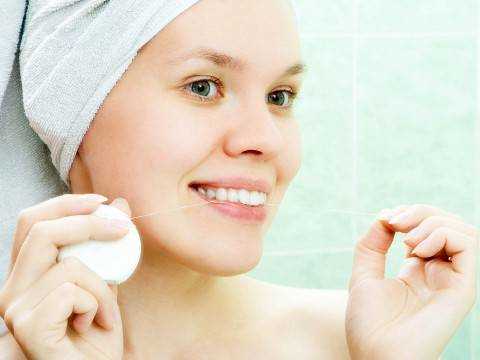
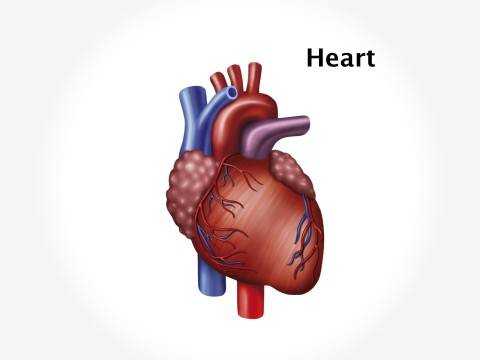
An ounce of prevention is worth a pound of cure!Small mistakes that we keep committing become, over a period of time, serious health problems that are potentially life threatening. Given here is a list of the 10 most common mistakes that we make when it comes to heart health. Ignoring the health check-up: Your last reports said you were fit as a fiddle. So you haven't gone for a check-up since then? Our health becomes the first thing we sideline in today's fast-paced lives. Most of the heart diseases do not show any signs and symptoms in the early stages and when the signs and symptoms come up, too much of damage has already been done. So it becomes very essential to go for regular health check ups. If you are in your twenties it would be advised to get your cholesterol checked every 5 years, blood glucose every 2 years. Beyond 45 years though the frequency of health, check-ups should increase. Body Mass Index is something that you should get checked every time you visit your doctor. Skipping breakfast: Breakfast is the most important part of what you eat the whole day. Most of us tend to skip breakfast due to lack of time, fear of weight gain. But starting your day without breakfast is like driving on reserve fuel. You will start fine, but end up feeling dull and sluggish towards the end of the day. Skipping breakfast has been associated with development of diabetes mellitus and obesity. These two have a strong co-morbidity with cardiovascular diseases. No wonder then it is said, breakfast like a king, lunch like a prince and dinner like a pauper. Too much of sun-blocking: We are people obsessed with fairness and it is understandable that one wouldn't want to get tanned by going out in the sun. Some amount of sunlight exposure is very vital for health. Vitamin D is synthesized by the body from cholesterol with the help of sun rays. Recent studies reveal that people with little or no exposure to sunlight tend to develop arterial plaques that end up in heart attacks, high blood pressure or strokes! Going for the fizz : Aerated drinks are loaded with triglycerides that are a part of the bad cholesterol. They thicken the blood and it becomes difficult for it to flow through the arteries. This leads to several complications. Not watching what you eat: Often we are so caught up in our work that we just grab a quick bite to eat without paying heed to what actually we are eating. Fast foods are extremely unhealthy and wreck havoc onour systems. Missing fruits and fibres: Fibrous food are extremely heart friendly. The fibres help in pushing out the cholesterol out of the body. Beans, oats and barley are all extremely fibre-rich. Fruits are a rich source of vitamins and minerals. They contain potassium that is extremely essential to neutralize the effects of sodium. By doing this they help in regulating the blood pressure. Citrus fruits too have a high amount of potassium in them. Avoiding walking: Walking is the simplest form of exercise the body can get. 10 minutes of brisk walking is extremely helpful for the heart to keep functioning efficiently. Not sleeping well: The body needs 6 to 8 hours of undisturbed sleep for it to reboot and get back its full functioning capacity.  A sound sleep at night reduces the blood pressure and regularizes the heart beats. People compromising on sleep are the ones most prone to suffer from heart attacks and high blood pressure. Not flossing your teeth: Gingivitis is the inflammation of gums. This inflammation hosts large number of germs that leak into the bloodstream and reach the heart causing a number of heart problems. People who floss daily not only have good oral hygiene, they also have a healthy heart. Forgetting the Family: Many heart diseases tend to run in the family. It is very important to know the medical history of your parents and grandparents. The risks of you developing heart diseases are high if someone in your family already has them.
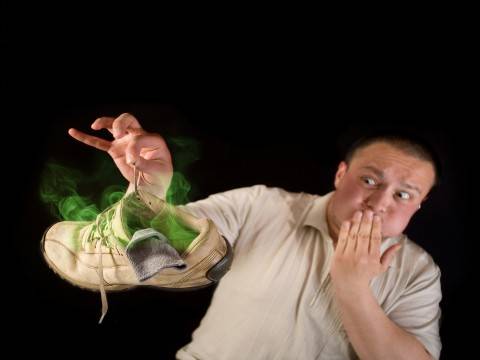
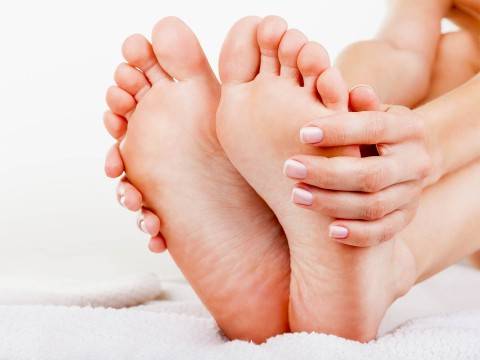
Stinky feet? Learn why!Most of us have experienced a bad smelly foot at least once in our lives. We all have that one friend or relative who has such smelly feet that he can clear off a room as soon as he kicks off his shoes! With more than 250,000 sweat glands in each foot, the feet are the most highly sweating parts of the body. What causes this bad smell? The feet contain thousands of sweat glands. During warm days or when you wear socks and tight shoes, the sweating increases in due proportion. The resulting sweat does not find an outlet and starts accumulating in the spaces available and this warm and moist area breeds bacteria. The bacteria start feasting on your sweat and dead skin. They digest their food and release the waste products. These waste products are toxic organic acids that cause the feet to smell so bad. About 10 to 15% of people suffer from this horribly bad smell. Why? This is because their feet are extra sweaty and become a home ground for certain bacteria called as Micrococcus sedantarius. Along with stinky organic acids, the bacteria produce volatile sulphur compounds. Sulphur compounds are powerful and extremely awful smelling almost like a dirty rotten egg. Teenage years also see extra amounts of sweating on the feet. Medical conditions like Hyperhidrosis can also make your feet sweat more. If you are suffering from a fungal infection of the foot, then rest assured that your feet will smell horrible. Smelly feet can be an embarrassing problem. It puts everyone in a spot. Hence, foot hygiene is important to avoid smelly feet. Always wash and dry your feet well every morning. Dab some antiperspirant powder on your feet and between the toes to soak the perspiration. Never wear the same shoes for more than 2 days in a row. Wear a fresh pair of socks daily. Keep your feet exposed to fresh air. Avoid tight-fitting shoes. Use an antibacterial soap to wash your feet if you have smelly feet. Visit your doctor if simple home measures do not prove very effective. Excessive sweating is often considered the cause for foot odor. This is not true. Sweating in itself is harmless; it is the bacteria that grow there that are responsible for the awful odor.
Sex at 50 for womenAs you age, your reflexes slow down. The passion to love and to be loved is never dying and just because you have grown in age, you should not stop enjoying sex. The body, especially in case of women also undergoes many changes after the menopausal period. Although it may take you more time to become aroused but the desire to have sex is always there. Moreover, with no children and no worry of getting pregnant you can enjoy sex uninterrupted without any tension. Women who continue to remain sexually active after their menopause retain their ability for enjoying normal orgasms. But this does not mean that there is no difference in the enjoyment factor. Several factors can be detrimental in continuing sex activity. However, there are solutions that can help the couple in their fifties still enjoy sex. Better sex can be possible even during the fifties but for this, you should be ready to take some extra efforts and make your body more comfortable for sex. Using lubrication After the menopause, the body of a woman starts producing less female hormone-estrogen. Lower estrogen level leads to physical changes such as less elasticity of vagina, dryness in vagina and so on. Your vagina may also take more time to swell and lubricate; in turn making intercourse painful or uncomfortable. Instead of getting discouraged by such occurrence, you should try to find out a remedy for it. For overcoming the dryness of vagina, you can use different sexual lubricants that are specifically prepared for the older women. You get them in suppositories or gel forms, which you apply liberally to the vaginal area before having sex. There are certain vaginal moisturizers also available in the market that makes vaginal penetration easier by maintaining elasticity and lubrication. Increase the frequency The more often you have sex, the easier it is for you to maintain elasticity and lubrication. So, go for it more often to enjoy it more now. Hormonal therapy treatment If you are suffering from distressing menopausal symptoms like hot flushes, you can opt for hormonal therapy treatment. This will help to relieve the vaginal dryness. Some doctors also suggest local intra-vaginal therapy to avoid discomfort and dryness during penetration. Application of local estrogen into the vagina enhances the blood flow to this area and ensures more sensation and lubrication. Intra-vaginal estrogen treatment This treatment is carried out in three different ways: A small ring of silastic is inserted high inside the vagina and is kept there for three months. This ring release estrogen in right amount to promote optimum vaginal health. A small tablet of estrogen is inserted inside the vagina twice in a week. Conjugated estrogen cream is applied with small applicator twice in a week. So, there are different methods for increasing responsiveness, vaginal lubrication and elasticity that help you enjoy sex better even in your fifties. Overcome awareness about your body The body of women in fifties is saggy and wrinkled. However, if you have a young heart and passion for sex, you should not let the body image spoil your enjoyment. It is your response towards your partner that matters the most as both of you are going to age slowly and get more wrinkles as the age progresses. Like someone said, it's the imperfections and not the perfections that we fall in love with.
FAQS
T&C FAQS