Home
Is male menopause a reality?As opposed to the sudden drop in ovulation and hormonal levels in women, menopause in men is a gradual process. The consequences in men aren't that clear. The health risks, though, are significant and it is important to recognize the symptoms of male menopause early on. Read along to know more. A testosterone level of 300-1200 ng/dL is considered normal in a healthy male. As one ages, the testosterone levels too drop gradually. After 30 years of age, the levels drop by 1% per year. By the time a man crosses 50 years of age, he is in menopause. Look out for the following signs to know if your testosterone levels are dropping : Low Libido : A low sex drive or decrease in inclination to have sex is the first sign of decreasing testosterone levels. Erectile Dysfunction : Testosterone is responsible for releasing nitric oxide that leads to erection. As the levels of testosterone decrease with age, getting an erection and maintaining it for longer periods of time may become difficult. Low Semen Level : The normal amount of semen ejaculated each time varies between 0.1 and 10 mL. This normal level is due to the efficient functioning of the testes, seminal vesicles, and prostate, all of which work under the influence of testosterone. As you age, the testosterone levels drop and the amount of semen ejaculated also drops. Orgasm Troubles : As you age, having an orgasm every time may be a bit difficult due to the dropping testosterone levels. Mood Swings : This happens in men as much as in women! The interesting thing here is that the man who suffers from it is the last one to note it and acknowledge. So, if you find yourself snapping and getting irritated at the smallest of things, get your testosterone levels checked. Depression : When you feel dull and demotivated at all times, and even doing the slightest of activity seems like a chore, it means that your testosterone levels have dropped to a significantly low level. Abdominal Fat : This is again an early sign of decreasing testosterone level. Belly fat is a sign of advancing age. Low testosterone levels are a sign of advancing age. Not all men who have low testosterone levels may show symptoms. In such cases, there is no need for any kind of treatment. Low testosterone may also be due to some other conditions like thyroid disease, excessive alcohol use, sleep apnea, etc. After 30 years of age, the levels of testosterone drop by 1% per year. By the time a man crosses 50 years of age he is in menopause. Identifying and eliminating these causes will restore the testosterone levels to normal. However, if no cause can be attributed to the low testosterone levels, it is a clear indication of normal aging and 'menopause.' As with women, men too have the option of hormone replacement therapy. However, this treatment is controversial. In some men, the testosterone replacement may relive several symptoms, but the risks far outweigh the benefits. An increased chance of heart attack, prostate cancer, and other health problems are associated with testosterone replacement therapy. Herbal supplements for problems associated with decreasing testosterone levels are generally considered safe, but they too have no proven health benefits and are known to increase the risks for prostate cancer. Male menopause isn't as dramatic and abrupt as the menopause in women, but it is a reality. It happens gradually over a period of several years.
Preparing for fatherhoodFrom the time you decide to go for a baby, all the attention is concentrated on the mother-to-be. And this is not without reason, since she is the one that's going to bear the child for the next nine months. But that doesn't mean that the man's role is any less important. It is important for the father-to-be to ready himself for the next phase of his life. Following a healthy lifestyle Fertility is a growing problem. As per statistics more than 45% of infertility issues are related to men. Therefore, eating healthy food, exercising and living the healthy way will boost your chances of getting over these problems. Nutrition has an impact on the sperm production. So scrap the junk food for a while and get on to a healthy lifestyle. Men need to get at least 12 to 15 mg of zinc each day. Even short-term zinc deficiencies can reduce semen volume and testosterone levels, much needed for healthy sperms. Good sources of zinc include baked beans (a one-cup serving has 3.55 mg), nuts, cereals, seafood, and chicken meat (2.38 mg per three ounces). Regular intake of vitamins and calcium is a must to improve male fertility and prevent sperm defects. Natural sources of calcium such as fat-free milk and curd can be consumed. Get atleast 90mg of vitamin C daily. This boosts immunity. More will be needed if you smoke. Folic acid is a fuel for healthy sperms. Dads need 400 micrograms of it and green leafy vegetables are good sources of this nutrient. Dads-to-be can take the liberty to grab the extra cup of mocha. Caffeine may help men by stimulating sperm motility. Quit smoking and drinking The party's over for your partner once you start trying for a baby, but what about you? Same goes for men. Now is the time to stop smoking, and to stop any excessive consumption of alcohol. A man who smokes has a lower sperm count and a misshapen sperm, incapable of creating a child. Heavy or binge drinking can seriously affect ability to produce quality sperm. Exercise Add exercise session to your daily routine if you aren't doing them already. Exercise improves general health, stamina, and sperm quality. Start with walking for 15 minutes and increase it gradually if you have never exercised before. If you are trying for a baby, avoid exercising in tight-fitting briefs. It causes damage to sperms. Frequent sessions in a sauna or hot tub, long bicycle rides, or any such activity that could cause the testicles to become overheated can compromise the health of sperm and should be avoided. Medical examinations It is a good idea for the father-to-be to have a complete check-up to assess if there are any issues that need to be addressed before trying for a baby. Some conditions to watch out for include: Varicocele, a condition of varicose veins on the scrotum, the sac of skin that contains the testicles. It can lead to infertility. The condition is entirely treatable, so talk to your doctor about the options. Conditions like erectile dysfunction, diabetes, and prostatitis can cause infertility. Sexually transmitted infections, which may cause male infertility. Your doctor can help you get tested and treated. Your doctor can refer you to urologist or a male fertility specialist if you need additional testing or treatments. Remember to discuss possible hereditary birth defects with your doctor. Share with her the medical history of yours and your wife's family. Get finances organized Plan a baby budget. You surely want to give the best to your child. Start planning now. Consider expenses like baby food, diapers, toys, doctor visits, clothes, and day care. This will help you in the future. And this is the perfect time as you are just in the planning phase of baby making. Take advantage of this time before the baby arrives to get things in order concerning your job, insurance and budget plan. If you and your spouse discuss and agree on expectations, goals and strategies now, you can avoid arguments on money later. After all, you don't want baby to pick up on any tension. Dump your stress Chilling out can increase your potency. So the 'go for a holiday' advice actually works. Practise regular meditation or any exercise that will help bring down your stress levels. Try reading books on fatherhood or parenting and learn tips and advices well in advance. So gear up and start preparing for the change from being the coolest dude to the coolest dad.It is your responsibility to help your partner in all possible ways and make her feel that you are equally excited and keen for having a baby.
Perfect partners in crime - Midlife crisis and dementiaThe responses we have to common stressful events in our daily lives have a lasting impact on our brain structure. The effects of a stressful event last a very long time, though apparently we seem to have recovered from it. Researchers say that the stress hormones keep circulating in our body long after the stress has passed. According to a recent Swedish research study, our response to common life events may trigger long-lasting physiological changes in the brain. These interestingly shocking findings come from the Prospective Population Study of Women in Gothenburg, a long term study on 800 women that lasted for almost forty years. The women who were a part of this study were all born before 1930, and underwent regular neuropsychiatric tests. The study started in 1968 assessed women for any baseline stressors like workplace problems, widowhood, alcoholism and illness in the family. Women who had serious issues at the start of the study had a 21% higher risk of developing Alzheimer's Disease and 15% higher risk of developing dementia later on in life. Interestingly, having to take care of a mentally ill family member like a sibling or mother, was found to be a major cause for development of dementia later on in life. The findings of this study show that accumulated stress from common life events has severe physiological and psychological consequences. These physiological consequences include adverse effects on the central nervous, cardiovascular and endocrine and immune systems. There have been several studies that state that the effects of stressful events like earthquakes, cyclones and floods can have a lasting impact on life and often shape the person's personality. What makes this study interesting is its finding that daily stressors accumulated over a period of time and often left unresolved, have a lasting impact that shows up in later stages of life!
Hair straightening do's and don'tsWhat's in a hair? Well when someone thought of this quote, he or she certainly did not foresee the future because in today's world hair is everything. For a woman and a caterpillar at least! Let's just talk about women! Hair not only covers your scalp, but also protects it.  Hair is known to be something that enhances the beauty of a woman, as there is nothing like the feel of smooth and silky hair caressing the shoulders. Women all over the world dream to have beautiful, strong, silky, and preferably, long straight hair. Why straight hair? Let's find out, women are born with all kinds of hair, curly, wavy, long, and short but according to some women there is nothing that beats having a straight hair and there are women in this world who could go to any length achieving that straight hair they always desired. One of those ways is straightening, a styling technique used since the 1980's, which involves the flattening as well as straightening of hair, to give it a smooth, streamlined, and a sleek look. Straightening can be of two types, temporary or permanent. Temporary straightening can be achieved by a straightening iron or relaxers and generally lasts up to the first wash. Permanent hair straightening generally requires the use of Lye and other chemicals (more commonly known as creamy crack) with the help of a hot comb, hot iron, and relaxers. Permanent straightening, with proper care, can easily last up to a year. According to documentary "Good Hair" by actor Chris Brown, African American women are known for their profound use of "creamy crack" to get that perfect straight hair they long for. They are also the women who make the cosmetic companies rich, thanks to their profound use of hair straightening and hair care related products. African American women also account for the highest amount of money spent on hair care and hair care related products. Coming in a close second are the women from Central and South East Asia. These women are also known to go to extremes to get that perfect straight hair look, which is generally shown in TV Commercials endorsed by celebrities. Now that we are aware of the statistics, it is time that we look into the do's and don'ts of hair straightening. Straightening your hair once in a while may sound like a good idea, but it is extremely essential that we understand that extreme care is required here. Hence it is always better to know the do's and don'ts before we decide to break the bank (straightening ain't cheap) for straightening treatments. Do's : Make sure your diets consist of plenty of healthy foods, water. Also doing regular exercise is advised. Always use a shampoo and conditioner that best suits you. Remember to ask your stylist about the kind of products that suit you. Always go for hair spa treatment once a month since your hair needs that extra nourishing. Don'ts : Do not wet your hair at least for three days after the treatment. Do not tuck your hair behind your ear. Avoid twisting your wet hair with a towel. Avoid extreme scrubbing of your hair while shampooing. Straightening even once can cause excessive damage, hence do not do it repeatedly. Straightening your hair once in a while is okay, but doing it continually is ill advised as it can have a lot of negative consequences. Straightening also comes with certain side effects such as heavy chemical reaction, dizziness, permanent hair damage, dryness, skin irritation, itchiness, and severe chemical burns. Hence, it's always better to have a professional do it at a salon rather than doing it yourself. Hair straightening, though done by the same method all around the world, requires different types of hair care products as the hair type is mostly related to your race and ethnicity and your geographical location.
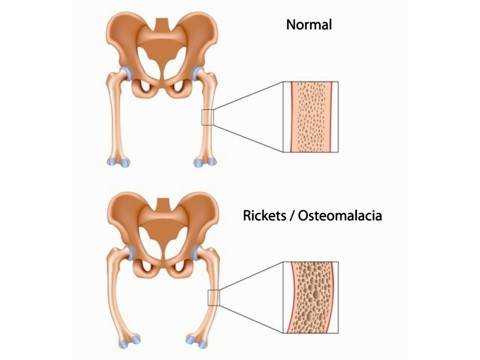
Bow legsCauses: Physiological - As mentioned before, bow legs are normal below 18 months of age. Thereafter as the child continues to grow the bowing begins to improve slowly. By the age of 3 to 4 the deformity usually gets corrected. Blount’s disease - This disease results in bowing of legs due to abnormality of the growth plate of the upper part of shinbone known as tibia. Growth plates are the growing end of the bones. It is diagnosed after the child is 3 to 4 years old. Rickets - Rickets is a group of diseases that occurs due to deficiency of vitamin D. Rickets is characterized by bow legs and other bony deformities. Most commonly rickets occurs in children due to deficient intake of vitamin D. Signs and symptoms: The bony deformity becomes visible when the affected child walks or stands. The uncommon walking pattern of the child is the commonest symptom. Bow legs usually do not cause any pain. However, persistent and severe bow legs cause discomfort to other bony structures like spine and hip. Test and diagnosis: The doctor at first asks questions to the parents regarding the development of the child. This is followed by physical examination of the child. Physical examination often suggests bow legs. If the doctor suspects an underlying disease, necessary laboratory tests are done. The doctor always asks for an x-ray of the affected legs to evaluate the severity and extent of bowing. Treatment: If the bow legs persist after 3 to 4 years or an underlying disease is detected, treatment is undertaken. Medical and non-surgical treatment- In cases of physiological bow legs, no treatment is required. The parents are reassured by the doctor and spontaneous resolution takes place by the age of 2 years. Continuous followup is advised for borderline cases. Children with Blount’s disease need treatment with a brace. Children with rickets need medical management by a specialist doctor. Additionally, they need advice and regular followup by an Orthopedic surgeon. Surgical treatment  - If the bony defects persist in children with bow legs even after medical and nonsurgical treatment, surgery is required to correct the bowing. Two types of surgery is advocated to correct bony deformity of the legs. Guided growth:  Growth of the healthy part of the growth plate is stopped and that of the abnormal part is promoted. This allows straightening of the legs. Tibial osteotomy: The shinbone (tibia) is cut and reshaped to correct the deformity. Then bone is fixed with screws and plate. In both surgeries a cast is applied to promote healing of the bone. Crutches may be required for a few weeks to prevent weight bearing on the limb. Later, physical therapies are advised for complete recovery of range of movements and regular activities. Prevention The parents need to be vigilant about appearance of any bony deformity in legs of their child. The child must be given adequate amount of vitamin D in diet or vitamin D supplementation to prevent development of rickets.
Building self confidence by improving body languageSo what have they told you? That only physically attractive people have the right to self-confidence? That you either have it in you or you don't? Let's face it, confidence is the key to anything and everything. Right from driving a car to handling work to dating, confidence is what separates the proverbial wheat from the chaff. What you need to remember is that the mind speaks the body language. Conversely if you change your body language, then it has an impact on the mind as well. Mr.Hunched Over This guy is the classic example of a person who just doesn't like himself. The world is a mighty dangerous place for him. Just look at the way he walks. Shoulders all hunched over, head down as he shuffles rather than walk. Mr. Hunched Over generally finds it difficult to look people in the eye as he speaks and he last is handshake is as limp as his mind. He crosses his arms tightly, touches his nose all the time to see if it has grown since he lied through it. Mr. Walk the Walk and Talk the Talk This chap is diametrically the opposite of the first kind. He exudes an air of confidence in his walk, manner and speech. He has a confident stride which is helped by the fact that he stands to his height with his head held high, chin tucked in and shoulders squared back. This is what gives him the confidence as this posture is designed for efficiency. Mind you, he isn't ram rod straight, just straight enough so that his ears are in line with his shoulders and hips. The chest is also out since the shoulders are drawn back towards the hip. This facilitates deep, even and diaphragmatic breathing which prevents anxiety. His hand shake is firm. As he offers his hand, he exerts just the right pressure on the other person's hand to indicate a strong grip. This is no wrestling bout, so the confident man always exerts just the right kind of pressure in a hand shake.  He maintains eye contact with the person he is talking to; not a staring about, but normal eye contact, one which won't make the other person conscious of being stared at. He looks away from time to time to give his eyeballs a rest. This is why he comes across as genuine and not shift eyed and restless. To be Mr.-Or- Ms. Walk the Walk Always square your shoulders and keep your head held high when you walk. You might seem imperious or high handed at first, but then it will work wonders on your self-esteem and you will begin to feel differently about yourself. You needn't even be a tall person to come across as cool and confident-just stand up to your own height and see the miracle. Breathe slowly steadily and deeply. Use your abdominal muscles to draw in your breath rather than engaging your neck muscles which end up making you a shallow breather and plus you also tend to hunch easily if you don't feel your rib cage and stomach expand as you breathe in. Practice standing and speaking in front of the mirror. It will show you exactly how you appear to others. Practice your walk in front of a video camera and keep a record of your metamorphosis.
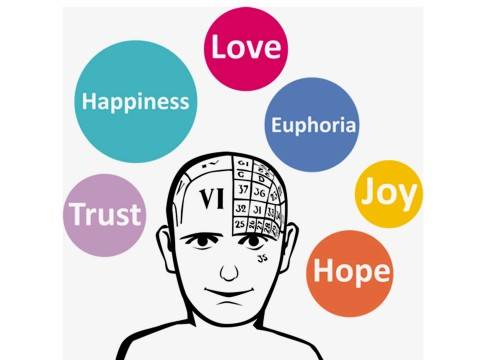
Where does your happiness lie? - Importance of emotional well-beingAn emotionally well person is characterized by ability to handle and adapt to changes, to efficiently deal with stress, has a positive self-image and can take decisions independently to cater to his needs. Striving forward with a sense of purpose, an emotionally strong person has the capacity to build and sustain fruitful relationships without over-dependence. Being emotionally well does not imply that you do not experience pain and suffering. Pain and suffering is an essential part of every person's life. The strength of your emotional well-being is determined by how you look at and react to them. Those who are emotionally well can treat their adversities as opportunities to change and move ahead with greater strength. Signs of an emotionally ill person include stress, frustration, discomfort with changes, negativity in thoughts, and unreasonable paranoia about the intention of other's actions, discontent, and depression. There is also the feeling of guilt over inability to hold relationships and of not being able to keep others happy. You may also find yourself unworthy and feel that you do not deserve to be happy. Such sensation of low self-worth fuels the need to look for other ways to feel relaxed - thus, resulting in substance dependence. In cases of severe emotional ill-being, one could experience sleeplessness, hopelessness, suicidal, and uncontrollable negative thoughts. Relation between emotional and physical well-being: Emotional well-being is closely related to your physical body. They share a symbiotic relation with one another.By taking care of your body, you allow balanced production of hormones and smooth functioning of the other body parts - allowing them to respond efficiently during tough situations and also assisting the body to cope with physically challenging conditions. By being emotionally strong, you will also contribute towards faster and effective treatment of your body from illnesses. Your emotional well-being is determined by the following factors: family background, companionships, past history of relationships, sensitivity to nature and genetic dispositions. Those who come from troubled family background find it harder to associate in a healthy way with others during their adulthood. In many cases genetically, a person has greater propensity towards being emotionally weak - though this can be controlled and molded into strength by one's own actions. Depending on the type of educational institutions you attended, your companionships could be those which built your self-image positively or which hindered your capacity to take care of yourself (due to instances of bullying and teasing). Past romantic relationships also determine how you deal with your emotions in the present. Those who are sensitive to nature have been found to have greater consideration for human beings as well as non-human beings around them. Every factor is a condition which can be shaped by the efforts of the individual. Emotional well-being is primarily built on the belief that you can create your own reality by choosing your actions. How to promote your emotional well-being? Be optimistic :  Emotional and mental well-being is majorly decided by how you look at your life. Even though you have many sufferings, are you able to accept them and find ways to get through them, knowing that the good is yet to come? Flip through the inspiring stories of people around you to motivate optimism. Find your beauty : Listen to the needs of your body and do not impose your mental ideas of beauty on it. Beauty of each person is determined by their unique characteristics. Do not let the conventional standards of beauty pull you down. Know that you are unique and beauty is not necessarily an external but an inner state of mind. Stay with those who care for you : You might see the need to sacrifice your happiness for others in some instances. However, if you find yourself doing that 8 out of 10 times in any relationship, it is time to seriously reconsider how you wish to live. Is your happiness being taken for granted? Are you running this relationship because you are afraid of being alone, knowing that it is going nowhere in the future? Those who care for you will show it through their actions. The best way to love yourself is by being able to see yourself through their eyes. Take care of your body :  Get adequate sleep daily and make sure your body gets lots of nutritious food. Don't let the advertisements decide the needs of your body. Try out different cuisines and let your body tell you which one it feels is most suitable. Exercise moderately everyday by taking a walk in a green area with your loved one (Remember that the point of exercising is not only to lose weight, but to sweat away your stress daily in fun ways!) Follow your heart : Do what you love. There is nothing that could harm your emotional well-being more than doing something which you know is not right and which you do not want to do. Confucius has dropped us a fortune cookie of happiness when he said that in choosing a job you love, you will never have to work a single day of your life. Get a pet companion :  Adopt an animal and take care of it. In taking care of the pet, you will realize and gradually get in touch with yourself, becoming aware of who you are as a human being. This could be the starting point of discovering your true potentials. Volunteer at social services : Let your creativity and emotions flow by connecting to those around you. Depending on your interests, choose a type of social service - old age home, orphanage, animal shelter, being with terminally ill people, and so on. Such activities will help to positively channelize your emotions.
21 foods for a healthy heartFollowing is a list of heart-healthy food substances: Garlic: Did you ever think that the commonly available garlic in your kitchen can be heart healthy? It may be smelly for some, but for the heart it is a soothing substance. Garlic is known to control blood pressure, serum triglyceride level & cholesterol level. Carrot: Carrots, though taste sweet, have the ability to control blood sugar levels because of high level of antioxidants in them. So include carrots in your diet, especially in salads. Orange: This juicy fruit has cholesterol-lowering ability because of fibre pectin in it and also helps control blood pressure. Almonds: Though all nuts are believed to be nutritious, almonds are considered to be heart healthy. Almonds are rich in vitamin E, calcium, plant sterols, fibre and antioxidants. Almonds help in lowering LDL cholesterol and reducing risk of diabetes. Walnuts: Walnuts are rich in omega 3 fatty acids, monounsaturated fats which help in lowering cholesterol levels.  Oatmeal: Oats are very healthy & help in lowering the bad LDL cholesterol. You can have one bowl of oatmeal mixed in milk along with nuts as breakfast. Flaxseed: This honey coloured shiny seeds contain substances which are heart healthy, such as lignans, ALA and omega 3 fatty acids. It helps in lowering cholesterol level and controlling diabetes. Tofu: It is a type of soybean protein which can be replaced with paneer. Tofu is rich in fibre and polyunsaturated fats which prevent clogging of arteries.  Barley: The fibre in barley is believed to lower cholesterol and blood glucose levels.  Tuna fish: Tuna fish is rich in omega 3 fatty acids which helps in lowering cholesterol levels.  Salmon: It is very good for heart as it is rich in omega 3, EPA and DHA. It lowers and reduces the risk of inflammation in arteries. It is also believed to maintain the ratio of good cholesterol to bad cholesterol. Red wine: Red wine contains catechins and resveratrol, good for heart health.  Black beans: They are a rich source of magnesium which helps in lowering blood pressure. It also contains folate, antioxidants and fibre which is helpful in controlling blood sugar and cholesterol levels. Fresh herbs: If you are hypertensive and want to control your salt intake then try using fresh herbs as a substitute for salt. It also contains antioxidants which are good for heart. Herbs include rosemary, sage, oregano and thyme. Extra virgin olive oil: This is rich in heart-healthy polyphenols & monounsaturated fats. As it's very costly you can use it as a topping for bread or salad. Sweet potatoes: White potatoes are believed to increase glycemic index so you can replace them with sweet potatoes. It is heart healthy as it has low glycemic index and also contains fibre, vitamin A and lycopene. Low fat yoghurt: You can include this in your breakfast safely as it contains calcium & potassium which helps in lowering blood pressure. Dried cherries: They are rich in anthocyanins and antioxidants which help in neutralizing the action of enzymes which cause plaque formation. In winter you should opt for strawberries, blueberries for a healthy heart. Cayenne chili pepper: Your blood sugar normally increases post a meal. By sprinkling cayenne chili pepper over your food can help preventing insulin level spike post meals. Hot cocoa: Coffee helps in patients with type 2 diabetes. Hot cocoa contains antioxidants helpful for heart. Kosher salt:  This is very beneficial for heart patients as it contains half the amount of sodium as compared to table salt and thus helps in controlling high blood pressure.
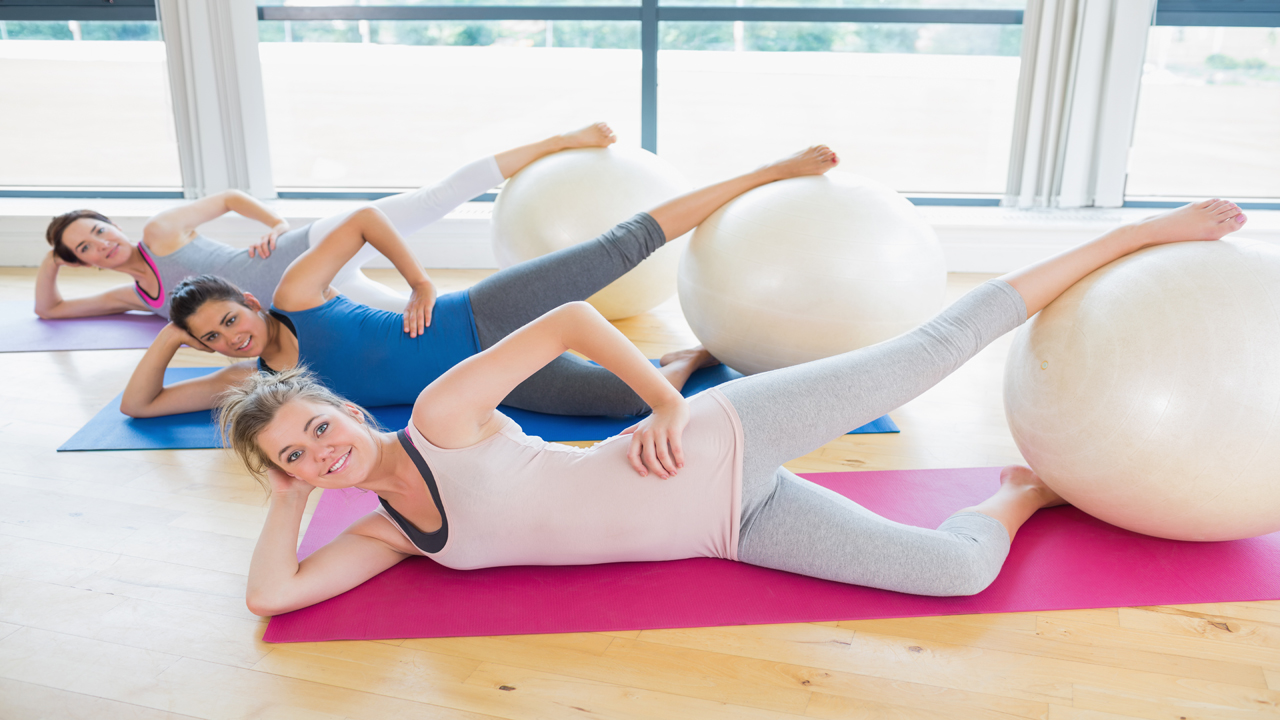
Arthritis friendly workoutsRheumatoid arthritis is more common in women over 60, and is the inflammatory type of arthritis where the synovial fluid functioning is disrupted. The synovial fluid maintains the health of joints, bones, and cartilages. Osteoarthritis is the most commonly occurring type in both men and women, and in this type there is gradual wearing away of the bone cartilages, which, in turn, causes stiffness, and pain in the muscles, joints and tendons. There is a classic catch 22 situation in arthritic patients and that is they avoid exercise or are advised extreme caution while exercising. The pain and soreness which comes from exercising can be extremely discouraging, so some shun exercise altogether. Now, the lack of exercise is going to precipitate the condition further, and could even increase the soreness, and lead to deformity. This is what challenges most arthritic patients. Should someone with arthritis be allowed to exercise? And if yes, then what type of exercise will prove to be most beneficial? Main question is: Are there any arthritis friendly workouts? Doctors now recommend that exercising could actually work wonders for arthritis patients. The right method and type of exercise can help ease the inflammation and soreness of the joints, and build overall health, strength and flexibility of the bones, and joints as well. What would be a good exercise routine? The arthritis foundation recommends routines which exercise the flexibility of the joints, and build muscle mass, for better shock absorption, coupled with physical endurance should be specially designed for arthritics. Regular walking: Walking is a great exercise for arthritics. Walking at a steady pace for about 30 minutes, thrice a week, can help keep the limbs active, and could reduce the swelling at the knees, and hip joints. Warm up is absolutely essential in any work out, and here it is of paramount importance that you go through a warm up routine before you begin your walk. Simple leg raises, hand to toe stretches, and light back bends can be done to warm up the muscles and joints for your walking activity. That will also reduce the possibilities of strain or sprains of the ankles along the way. Choose your exercise route to ensure that you don't walk up a gradient, and put unnecessary pressure on your knees and ligaments. Aquatic Exercises: Exercising in water is perhaps the best possible alternative, as water is absolutely low impact. This is great for arthritic patients to reap the benefits of a swimming pool workout. The easiest for chronic arthritis patients would be to simply walk, or wade in water for about 20-30 minutes. This can help greatly with building strength, and endurance in the extremities. For enhancing co-ordination you can even try walking backwards in water, or simply float and relax the body. Avoid water which is too cold, as that might adversely affect your condition. Stretching and Yoga: All easy stretches for the limbs and joints will be helpful to facilitate ease in movements, and dealing with joint pain. Standing leg raises, shoulder raises, wrist rolls are exercises which can be done quite easily, and can help keep the body supple. Though yoga also enhances flexibility, it goes way beyond just that, and actually aims at harmonizing the life force in the internal and external organs as well. No matter what type of exercise suits you, always remember: Proper warm up exercises are a must for the arthritic patient, as that can help reduce, and eliminate the possibility of injuries while working out. Do not force your body into an exercise regimen, if you are experiencing pain. It is quite ok to take a day off if the joints are sore. Get into an exercise routine slowly as your body might take a little longer to recover from it. Always seek the advice of an expert or a doctor before making any alterations to your regimen.
12 Surprising pain triggersPain, one word that can send shivers down one's spine and can make one go weak in the knees. Such is the effect of pain, you utter the 1st alphabet of this word everyone dreads and you see how the room full of people will stare at you in horror. Now, pain can be of different types, good pains (No! I am not crazy, there is such a thing as good pain, don't get the gist of it, well the good pain is none other than labor pain) and then there is bad pain. Now, bad pain can be caused by a number of things, say you dropping a paper weight on your foot or eating something super cold (that hurts the teeth so much, you can barely talk) worse, pain from an accidental fall. Now, pains are common with both men as well as women, they both have abdominal pains, headaches, muscle pains, and back pains, but there are some forms of pains which are pretty common with the men folks rather than the women. Let's have a look at what those surprising pain triggers are: Wallet: Yes! You heard that right, according to Dr. Mehmet Oz, wallet is known to be one of the major surprising pain triggers. Having your wallet in your back pocket while driving, can cause chronic back pains, pain in the hips as well as shoulders. Since the wallet is in your back pocket, you sit unevenly, with one butt cheek being lower and one higher due to the wallet. So the solution to this problem is to keep your wallet in the glove box of your car or your bag. Phone: Phone, or any kind of technology gadget, is known to be the other surprising pain trigger. Want to know the pain these little gadgets can inflict? Well, it starts from the neck down. Since you are constantly bending down and hovering over your gadget, it can cause back pain, muscle pain, and headaches. Solution: Use a stand to hold these gadgets, so you wouldn't have to bend down or hover over your gadgets. Another cost effective solution happens to be taking frequent breaks and relieving yourself of the pain. Extra weight: Yes, the other evil, this is the one thing that can cause physical as well as mental anguish. Gaining a few extra kilos or pounds especially in the abdominal section, can cause massive stress to your spine and also cause realignment of your body structure. The only solution to get rid of this pain is to lead an active lifestyle, eat healthy food, and exercise to shed those extra kilos or pounds. Work schedule: If you have a hectic work schedule, chances are you aren't getting any rest, due to which the stress increases. The only way to get rid of this problem is to find a way out of your crazy schedule and have some time to relax and do activities that you like and enjoy, so that the stress that is mounting up on you can be relieved. Perfume: Shocked, aren't you? Well, this is another one of the pain triggers that can wreak havoc on you. Perfumes are known to contain certain fragrances and chemicals that can cause headaches. The only solution is to stop using perfumes that have those chemicals and use a fan at work, so that lingering smell of perfume won't give you a headache. Bad weather: This is another one that causes more pain or mental anguish. Bad weather can cause mood swings and terrible headache. The solution to this problem is taking a painkiller on the day of the bad weather to save you further from the throbbing headache. Bright lights: These can often cause a bad eye soar, not only that, they are also responsible for migraines. The solution is use sunglasses whenever out on the sun. Exercise: This might make you men folks go crazy, but the truth is too much of an exercise can also cause pain. Where, you might ask? Well, how about the muscles or headaches or even back pains for that reason. The solution to this problem is to stop exercising, well not totally, but, you should only exercise for the amount of time prescribed by your trainer or doctor. You don't need to go overboard. Cuts of meats: Yeah, these cuts or cold cuts as they are known, are one of the major reasons of causing headaches and stomach aches. The solution to this problem is to avoid eating raw or frozen foods as much as possible. Skipping Meals: You don't need to be an "Einstein" to figure this one out. Skipping meals, whatsoever the reason maybe, causes the blood sugar levels to drop down to a considerably low level which can cause migraines or severe headaches. The solution to this problem is to eat at regular intervals; this way you won't have headaches and your calories will also remain in check. Smoking: Don't be surprised, smoking has a slew of risks attached to it. Well, to begin with it causes asthma, it causes cancer (ranging from the esophagus to the lung), but it also causes frequent headaches. The only solution to help you get rid of these ailments and pains is to stop smoking. Caffeine: The pain related to caffeine is more mental or psychological than anything else. If you are a person who is addicted to caffeine, chances are you can't live without it. The solution to this problem is slowly and steadily cutting down the amount of caffeine you have. Shocked are you at the kind of things that can cause pain? Well, no need to be! Our body can shock us in ways we can't imagine. So don't be surprised the next time you have any sudden outbursts of pains.

Female circumcision - Health EffectsThe procedure is carried out by either snipping off a piece of the clitoris or removal of all external genitalia for non-medical reasons. The procedure is carried out outside hospitals and the environment may not be effectively clean and could lead to infection. The painful procedure causes a lot of fear and distress. Some countries have begun to use healthcare personnel to cut the genitals, which reduces pain, bleeding and infection but it does not mean that it is acceptable by the United Nations. Even though the United Nation has termed female circumcision as a violation of human rights, there are millions of girls suffer because it is a requirement for girls so that they remain pure. It is supposed to lower female libido so that they do not indulge in any kind of sexual activity before marriage. Immediate complicationsGirls are likely to suffer severe pain besides the fear that accompanies such a procedure. It can cause them more pain when they try to urinate. If there is severe bleeding, it can lead to haemorrhage. The tissues that form the genitals are severely damaged and healing may not take place immediately and sores can form leading to more pain. Girls can retain urine for fear of the pain. There is always a chance of contracting tetanus or other bacterial infections like sepsis which lead to formation of pus. Besides cutting, procedures can include pricking, piercing, incising, scraping, and cauterizing the genital area. Long term health problemsBesides the immediate problems, female circumcision can lead to long term effects including infertility. The girls can be subjected to urinary tract infections and bladder infections that can recur again and again. Sometimes cysts may also form. There are chances that there could be increased risk of problems during childbirth which could in extreme cases result in the death of the newborn baby. According to UN estimates more than 125 million girls and women are living with female circumcision. Women may be subjected to continuous surgeries especially in those cases where the vagina has been stitched to make it narrow as part of the circumcision process. Once the girls are married, the vagina is unstitched to have sexual intercourse. During childbirth, the vagina may need to be cut again to deliver the child and then stitched up again. This is a continuous problem and women should be spared from this pain and trauma.
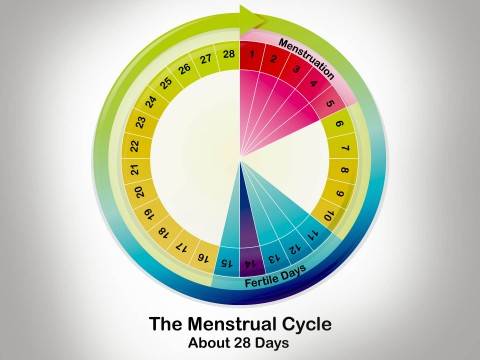
Know your safe period for low-risk sexNot every act of sexual intercourse will result in pregnancy. There are days when your chances of conception are very high and days when the chances are almost nil. Know these days to help you enjoy a rocking sex life! The menstrual cycle starts from the day the bleeding starts and ends about 28 days after that, on an average ovulation occurs around 14th day of the menstrual cycle. The 14th day is the ideal day theoretically. Since every woman's menstrual cycle differs, the day of the ovulation also differs. Hence doctors calculate the fertile period as the 12th day to the 18th day of the menstrual cycle. This is the period when the chances of ovulating and hence getting pregnant are very high. The 1st to the 7th day and the 19th day to the start of the next cycle are the days when the ovulation chances are very less. This means if you make love during these days, there are very less chances of getting pregnant. This is the case with women who have regular period cycles. In case the cycles are irregular, then you would need to do a bit of math for calculating the safe period. For example, if your shortest cycle is of 26 days and the longest cycle has been of 31 days, then- 26-18= 8 and 31-10=21 The 8th day to the 21st day are the fertile days; 1st day to the 7th day and then the 21st day until the day the next cycle starts are the days that are safe to enjoy sex without fear of getting pregnant. Opting to have sex during the 'safe period' isn't fool-proof though. A lot of women have irregular cycles and the cycle length can vary from women to women. That's why the so-called 'safe period' is, in truth, not that safe! And it's better to use condoms or other contraceptive methods like the oral pill to prevent unwanted pregnancies.
FAQS
T&C FAQS