Home
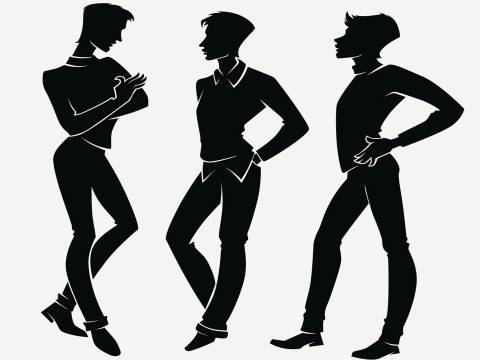
Fashion tips for tall menRead on for the few tips which shall help you strike that perfect look always! No more tears for the "trousers" Trousers for tall men that you get in the market are too ill-fitting. They end up making you look "Too big for your pants", or "Too thin for your pants". The easy solution would be to choose a brand for your trousers, after proper research, and stick to it. Your quick checkpoints in this case can be: Your large thigh areas always make you look humongous. Hence, try to get a good and appropriate fit for your thighs. A small amount of flare in your lower legs can give you a good look, but that should go well with the texture and look of the trouser. Last but not the least, avoid loose fitting, or baggy pants. They will just make you look too thin, and tall always. Scare away the " shirt" hassles Have you picked up a T-shirt which lets your waistline be visible, the moment you move your hand a bit? That's a usual problem every tall guy faces. Try a few of these solutions, and see the results: If you are a tall and bulky person, then pick up a long double XL T-shirt, fitting you well. If you are a thin and tall person, then pick up a T-shirt which is long enough for your height, and then get it tailored for the perfect fit. Polo neck T-shirts can make you look too skinny. Try to get a formal shirt which fits you well, and is long enough to be worn tucked in. For tall people, tucking in the shirt helps them flaunt their height pretty well. You can also try and get the formal shirt fitted by a tailor, if you find it too big for your size. Forget the "Jacket" jeopardy Jackets and waist coats are the biggest gifts for all the tall guys out there. But how, and what to wear is the major turning point here as well. Complete your formal look with a waist coat. This shall make you look well built, and compliment your height as well. Blazers can be an option, for both the formal and informal look. Pick up a blazer which fits your broad shoulders well. A jeans, a t-shirt, and a jacket can be a killer combination. Go for earthy colors, as they give you a more masculine look compared to other colors. Tipping the "Tie"& Bolting the "Belts" Try to match the right clothes with the right accessories. Let's start off with the tie. Now, for tall men, getting a tie will be a pain. Always try the tie you are buying, and see if it comes till your waistline. You should also try to pick up a bit broader ties, as they make your chest look broader. When it comes to belts, try to pick up the big, horizontal buckles. Choose simple, horizontal buckles for the formal wear. For the informal look, however, you can experiment with other big buckles available. Watches Tall men with long hands and fingers should try to wear a big dial watch. This gives your fingers and arms a bulky look. Choose colors like gray, and black most of the time, as it makes you look more masculine. So, a few simple steps can make you flaunt your height. As the saying goes: "Wear your style; do not search for it in the stores. Your attitude is what matters the most to complete your look."
Preparing for fatherhoodFrom the time you decide to go for a baby, all the attention is concentrated on the mother-to-be. And this is not without reason, since she is the one that's going to bear the child for the next nine months. But that doesn't mean that the man's role is any less important. It is important for the father-to-be to ready himself for the next phase of his life. Following a healthy lifestyle Fertility is a growing problem. As per statistics more than 45% of infertility issues are related to men. Therefore, eating healthy food, exercising and living the healthy way will boost your chances of getting over these problems. Nutrition has an impact on the sperm production. So scrap the junk food for a while and get on to a healthy lifestyle. Men need to get at least 12 to 15 mg of zinc each day. Even short-term zinc deficiencies can reduce semen volume and testosterone levels, much needed for healthy sperms. Good sources of zinc include baked beans (a one-cup serving has 3.55 mg), nuts, cereals, seafood, and chicken meat (2.38 mg per three ounces). Regular intake of vitamins and calcium is a must to improve male fertility and prevent sperm defects. Natural sources of calcium such as fat-free milk and curd can be consumed. Get atleast 90mg of vitamin C daily. This boosts immunity. More will be needed if you smoke. Folic acid is a fuel for healthy sperms. Dads need 400 micrograms of it and green leafy vegetables are good sources of this nutrient. Dads-to-be can take the liberty to grab the extra cup of mocha. Caffeine may help men by stimulating sperm motility. Quit smoking and drinking The party's over for your partner once you start trying for a baby, but what about you? Same goes for men. Now is the time to stop smoking, and to stop any excessive consumption of alcohol. A man who smokes has a lower sperm count and a misshapen sperm, incapable of creating a child. Heavy or binge drinking can seriously affect ability to produce quality sperm. Exercise Add exercise session to your daily routine if you aren't doing them already. Exercise improves general health, stamina, and sperm quality. Start with walking for 15 minutes and increase it gradually if you have never exercised before. If you are trying for a baby, avoid exercising in tight-fitting briefs. It causes damage to sperms. Frequent sessions in a sauna or hot tub, long bicycle rides, or any such activity that could cause the testicles to become overheated can compromise the health of sperm and should be avoided. Medical examinations It is a good idea for the father-to-be to have a complete check-up to assess if there are any issues that need to be addressed before trying for a baby. Some conditions to watch out for include: Varicocele, a condition of varicose veins on the scrotum, the sac of skin that contains the testicles. It can lead to infertility. The condition is entirely treatable, so talk to your doctor about the options. Conditions like erectile dysfunction, diabetes, and prostatitis can cause infertility. Sexually transmitted infections, which may cause male infertility. Your doctor can help you get tested and treated. Your doctor can refer you to urologist or a male fertility specialist if you need additional testing or treatments. Remember to discuss possible hereditary birth defects with your doctor. Share with her the medical history of yours and your wife's family. Get finances organized Plan a baby budget. You surely want to give the best to your child. Start planning now. Consider expenses like baby food, diapers, toys, doctor visits, clothes, and day care. This will help you in the future. And this is the perfect time as you are just in the planning phase of baby making. Take advantage of this time before the baby arrives to get things in order concerning your job, insurance and budget plan. If you and your spouse discuss and agree on expectations, goals and strategies now, you can avoid arguments on money later. After all, you don't want baby to pick up on any tension. Dump your stress Chilling out can increase your potency. So the 'go for a holiday' advice actually works. Practise regular meditation or any exercise that will help bring down your stress levels. Try reading books on fatherhood or parenting and learn tips and advices well in advance. So gear up and start preparing for the change from being the coolest dude to the coolest dad.It is your responsibility to help your partner in all possible ways and make her feel that you are equally excited and keen for having a baby.
Pamper the newborn without forgetting yourselfIf you are a new mom, chances are you are busy 24/7. The baby's complete dependence on you helps you bond with him/her and makes you aware of the responsibility that is now on you. But, your own health is an equally important responsibility. So, you need to give yourself permission to take care, or even pamper yourself from time to time. Here are simple ways for you to look out for yourself. Eat your favorite breakfast: As your day starts, you need fuel to keep your energy levels high. So, grab your hands on healthy and tasty breakfast options like whole grain cereal, skim milk and sliced strawberries or a banana. The combination of lean protein, whole-grain foods, and nutrient-rich fruit allows the brain to form more feel-good chemicals. Don't let stress come near you: We know that a lot of changes in your life have transpired, due to the entry of a baby in your world. The difficulty to cope with the changes may cause stress and depression. Try to avoid stress by asking for your husband's and relatives' support. Take a walk with your baby: Walking with your baby in nearby parks will give you fresh air and it is an excellent form of exercise. Don't be sleep deprived: Having a baby doesn't mean that you have to always sacrifice your sleep. Never miss an opportunity to sleep or take rest. This will keep your energy levels high for the day. Sleep when your baby sleeps. Delegate baby care: Parenting is not your sole responsibility. Ask your husband to lend a hand in taking care of the baby for some time. Not just the husband, if you live in a joint family, you can ask other relatives for help as well. Don't be a multi-tasking person: We know a woman has so many roles to play. But, it doesn't always have to be that way. Being a new mom, you must focus on one activity at a time. You can prioritize your tasks, if you have a lot of things to do. Exercise regularly: Add exercise to your daily routine. Choose the exercise which you love and enjoy, like walking, cycling, yoga, swimming or aerobic dance. Consult a doctor before starting any exercise program.    
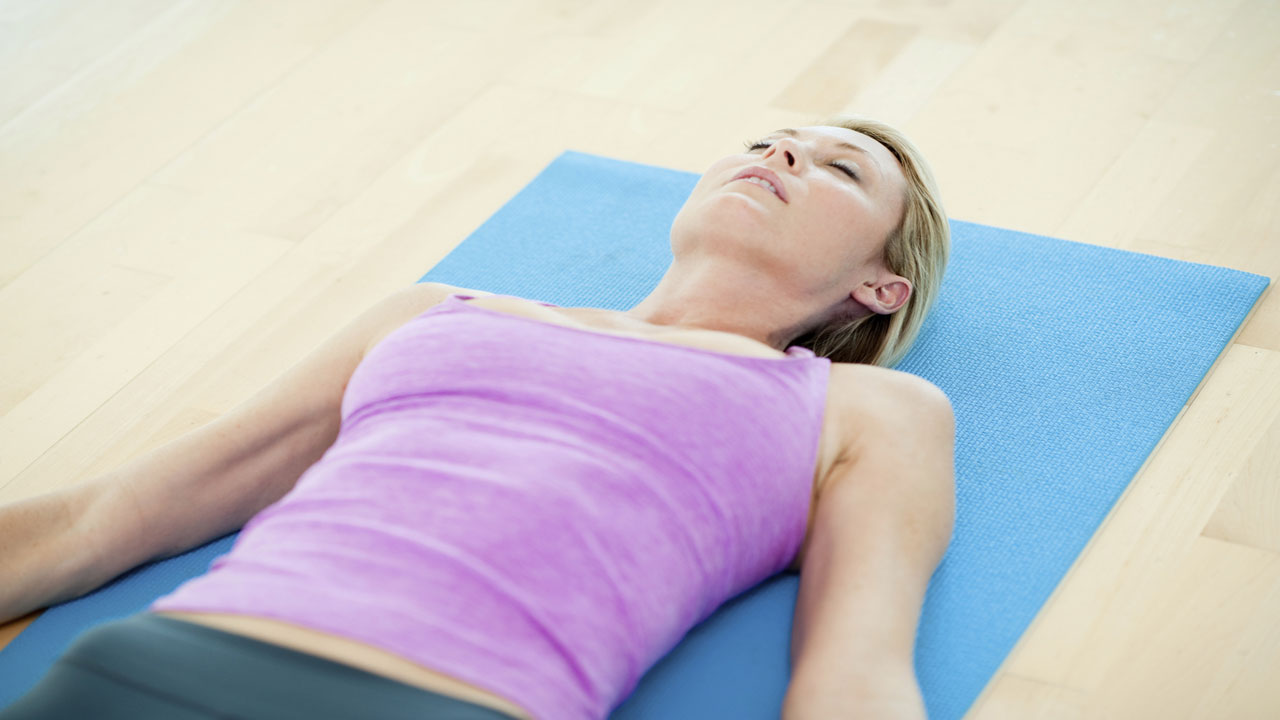
Yoga to strengthen women's lifeEveryone expects from a women for all their necessities. The husband needs to go to office and she has to prepare for this, the son or daughter needs to go to school, tiffin needs to be packed, and the in-laws need her attention for the morning tea and breakfast. Along with this she has to rush to office on time. Then while returning, she has buy vegetables and other things for household, then go home and cook, and sleep late after all the chores are done. For such a multi-tasking working-women, the time available is very less to replenish the energy she uses to do such work. Multitasking leads to stress and tension and causes headaches, stiff neck, tight shoulders, poor posture, shortness of breath, clenched teeth and fatigue. What is the solution for this? The only solution is YOGA.  We all know that yoga has many positive effects on ones well-being; it brings about both physiological and psychological benefits. It is beneficial for body, mind, and spirit. It needs only 10 minutes. Yoga helps to relieve your stress and tension. Yoga in Sanskrit means 'YOG' that is to join or unite. It is the union of mind, body, spirit, and breath with our surroundings and our universe. One should start yoga gradually with a comfortable speed and limits. Breathing exercises are excellent way to reduce stress and tension. It can be done along with asanas. For this you have to sit comfortably with relaxed shoulders and with your chin level at the floor. Inhale through the nose expanding your abdomen, rib cage, then expand your chest, then begin to exhale by contracting your abdomen, ribs and then lastly relax your chest. Now continue to breath in this fashion, this improves the quality and quantity of oxygen that enters our body and helps to relieve the shortness of breath and relieves the tension. The yoga mudra is helpful to relieve the stress, for this sit down crossed legged on the mat and keep the back straight, then take the arms behind your back and hold the left wrist with the right hand. Then by exhaling, bend forward to touch your left knee, while doing this focus on the feeling of surrendering to God, which protects you all the time, then while inhaling come back to the normal position and repeat this on the right side. Then finally, complete this pose by touching the forehead to the ground in front in the centre, while doing this exhale, then when you feel like inhaling come back to the normal position. This posture increases the energy and stimulates your respiration, improves your digestion calms your nerves. But this should be avoided by pregnant women, hernia patients, and patients with retinal disorder. The shavasana also helps you to relax your body before you get to work. In this you have to lie down on your back on the mat. Keep your arms a foot away from your body and your feet separated two feet apart.  Then close your eyes and focus on your breathing and feel free of thoughts and tension. Breathe normally and focus on your body parts, toes, legs, abdomen, head and finally the scalp and try to relax each muscle group. It improves your breathing, concentration, gives inner peace. You should avoid this if you are suffering from low blood pressure.  
Teach your kid to stand up to bulliesAlmost everyone has heard of the beach bully who goes around kicking sand in the face of the skinny lad. That's the quintessential imagery associated with bullies and it has stayed with us for over 3 decades since the first ads came out. The ads generally endorsed body building products using the classic 'Before' and 'After' construct, i.e. before you got your face sandblasted by the beach bully and after you took that protein shake or muscle builder to get even. Bullying is a phenomenon where a person or group wilfully targets someone with the intention of troubling them over a specific thing. (Bullies generally pick on someone they perceive as physically, mentally, financially, socially or racially inferior.) There is no age-limit for bullies as the bully could be a school going kid with an attitude problem or a fully grown adult, who could indulge in it from sheer force of habit or due to a mental problem. Again there is no age limit for the victim as well. Anybody could really be a target for the bully menace, right from school children, teenagers, disabled or even old people. Well bullying has changed considerably in these times and you also have the e-bully version where insecure bullies go about harassing people, especially teenagers over the internet. Bullies resort to tactics like causing public humiliation or embarrassment to hapless victims or resort to threats or other control-based abusive behaviour. Ok so everyone has undergone bullying from time to time but the question is should you allow it to happen to your teenaged son or daughter? Mind you, here it isn't simply a question of some leg pulling by friends or teachers but some serious malice that could well destroy your teenager's confidence and cause permanent scars on his self-esteem. Yes, if your teenager is being subjected to bullying then teach him how to kick the sand right back in the bully's face. Before we learn how to do that let's see the types of bullying that your kid could be subjected to: Verbal bullying This includes teasing or making caustic remarks directed at someone on a regular basis. The school bully does that, doesn't he? As you would probably remember from your own school days that fat lout who made you quiver with fright as he snatched your lunch box away to feed the dogs. Yes, the very same guy who pulled your sister's pig-tails and called you names which made you go red in the face. You could do nothing but pray he wouldn't notice you somehow. Well so something similar could be happening with your teenager. Verbal bullying need not be done by a school friend. Even a responsible teacher could target someone for deprecatory remarks causing much embarrassment, ridicule andfeelings of inadequacy to a teenager. Sometimes kids look up to their teachers for encouragement and support and those very people could actually damage a child's self-esteem by unjustified criticism and bullying behaviour.Teenage girls could suffer taunts and remarks about certain physical traits and since they are at a delicate age where their bodies are undergoing changes, such verbal abuse can indeed cause long-term depression or personality issues. Physical bullying Physical bullying is where your teenager could be subjected to physical harassment at the hands of the bully. Whether it is a simple case of holding your teenager's hand or unprovoked physical assault, the end result is the same-injuries to the body and mind. The bully may not go as far as inflict any visible scars on the teenager's body but the episodes could certainly cause great fear and trauma to him. Even teenage girls are not spared physical abuse at the hands of bullies. In certain cases, teens suffering from long-term bullying actually took some extreme measures by committing suicide or breaking down completely. Internet bullying Internet bullying is where your teenager is probably most vulnerable. At least school bullying is restricted to school, but here your teenager is at the mercy of just about everyone - from the school bully to the earnest paedophile! Causing embarrassment on public forums, threats of physical or sexual harm is the most common and as a parent you have to take every step possible to not just protect your child but also help him take care of himself or herself. The bully menace The school bully is comparatively easier to deal with than the internet lout! Well, one can't be too sure of that statement either since these days,school kids are known to blow up their own classmates or participate in a heist with adult precision. Always watch out for the classic signs of bullying. If your child appears withdrawn or disturbed after school hours then gently probe and encourage your child to tell it all. If you feel there is enough reason to think your child is being subject to bullying then bring it to the notice of the school immediately as others could have similar complaints. Do not admonish your child or scold him as it could cause him to withdraw in to the shell that the bully provided him in the first place. Parents and elder siblings can be bullies too so remember that. Teach your child to stand up to bullies. The bully is generally an insecure person who uses brute force to feel good about himself, at the cost of others. The school bully generally has his way and is not used to being challenged. Teach your child to look the bully in the eye and register protest. This will go a long way in teaching your child how to fight back and not take any nonsense from others.If the situation worsens, then always keep a track of your teenager's whereabouts especially if it is a girl. Once the bully realizes that he is being tracked he generally lies low or picks on someone else. Internet bullying requires different measures. You can monitor your child's online activities and teach them to never ever share any personal information or photographs online or on forums which are off-limits for children and adolescents. You can complain to the authorities if things get out of hand. If someone repeatedly issues threats to your teenager, either online or in real life, is a cause for real concern and one must take them seriously. If your child does not learn to cope with bullies it could affect him well in to adulthood, where he will feel helpless and easily scared by imposing people or even develop a hatred for authority figures. Bullying can fuel an already weak personality in to gaining an inferiority complex; the flip side is that kids who have been subjected to bullying can repeat the same patterns on their younger siblings or at school. So a bully creates another bully if continued unchecked. Mental problems in children are on the rise, so bullying is also no longer an innocent joke but could be a serious crime. Bullies whether children or grown-ups, suffer from some personality disorder or a serious inferiority complex which makes them compulsive trouble makers and their victims are generally people who cannot hit back or are vulnerable. Take Hitler for instance. Wasn't he just a bully who was unhappy in his own life? Look what he did to millions of innocent people. Wasn't that a bully gone berserk?  
Causes and treatment of sleep talkingIt is usually believed that sleep talking is associated with dreaming, but there is no scientific evidence available to support this hypothesis. In few cases, it may be associated with sleep disorders or any other diseases. Sleep terrors and REM sleep behavior disorder (RBD) are two sleep disorders associated with sleep talking. Sleep terrors are associated with frightening scream, kicking, and thrashing. It is commonly seen in children. Awakening becomes difficult during sleep terror. Patients with RBD utter a sudden loud cry, grunt, shout, or act out their dreams, usually violently. Other causative factors of sleep walking are emotional stress, mental health illnesses, substance abuse, fever, and certain medications. Treatment: Evaluation of the patient Patients with sleep talking should be evaluated by a specialist doctor especially if it is seen in adults or associated with violent actions, screaming, or intense fear. If children with sleep talking have disturbed sleep pattern, they should be evaluated by the pediatrician. The doctor asks questions to the parents, roommates, and bed partners about the nature and the extent of sleep talking. There is no definitive treatment available for sleep talking, although the doctor may test to record the sleep pattern of the patient to identify any sleep disorder. This test is known as polysomnogram. Management Sleep talking usually does not require treatment. Avoidance of stress and plenty of sleep at night may help to decrease sleep talking. However if any sleep disorder is identified by polysomnogram, it is treated accordingly by the doctor. If underlying causes like mental illnesses, substance abuse, or medications are identified, they are also managed accordingly. Mental illnesses like depression should be treated with proper counseling and medications. The patients should refrain from alcohol, heavy meals, fatty meals, etc. The patients are advised to follow regular sleep schedule, get adequate amount of sleep, and practice proper sleep hygiene so that severity and frequency of sleep talking is decreased.
Healing yourself after a broken relationshipThere is no singular formula to get over a relationship. Moreover, you cannot 'get over' a relationship like you get over a broken phone. Every relationship is like a grown tree. When it breaks, you have to let it molder into the Earth - the time period between the breaking of the relationship and your comeback as 'you' is the time for transformation - this is your time to understand yourself, your relationship with others, and reach out to the world. Did you know the over 50% of people undergoing breakup tend to resort to emotional eating to rescue themselves from sadness and rush in the comfort hormones? Keep an eye on what you eat to trace the emotional signs you are disguising. Keep a tab on your diet and pamper your body with care. Here are seven basic stages through which you can consciously walk to recover through your broken relationship. Such a process is not linear and you could be undergoing various stages at the same time or in a different order. However, make sure you go through each stage. Missing any stage could result in residual and subconscious anger or denial. Stage 1: Let it outDon't be afraid to accept that you are heartbroken, that you feel like a mess and just wish that your ex-partner was around again. Accepting your emotional state is the first step to being able to unravel yourself out of it. Stage 2: Pondering over the causeThe initial stage post-breakup is primarily spent trying to distract oneself from the absence of the ex-partner by busying oneself with other activities. However, the nagging question 'why did our relationship not work? why did it have to be this way?' lingers, ready to barge in at the very instance you have your moment of peace. The first thing to understand during a breakup is that there is a distinction between analysing and understanding on one hand and obsessing on the other. Try to go through the stages in your relationship which you intuitively trace as being of significance to the break-up. However, remember not to be biased towards yourself and to weigh your responsibility towards the breakup as much as you do your ex-partner's. Stage 3: Taking a hard look at the relationship and learningYou might have had other relationships before where you did not feel the kind of intimacy you felt with this particular person. However, if you feel that you are up to a large part responsible for the break up, then look for the pattern of behavior or thinking which was causing such a breakup. Taking a hard look at your relationship will help you to recognize your mistakes and learn readying yourself to become a more sensitive person with greater understanding of human emotions. Stage 4: Reaching out to the WorldWhile you are working yourself through reasons for breakup and your role in it, don't step back from reaching out to people. Communication is the basic balm that will heal the wound of a broken relationship. Your inner communication with yourself is one dimension of it while talking things out with your friends and close ones is another important dimension. During a conversation about the breakup, don't simply blame your ex-partner completely to blind yourself towards healing. Be honest to yourself and attempt to talk to those friends who can help you through the hard time with care. If you love animals and nature, then reach out to the wild. Take time off from your usual routine and follow your interests. Stage 5: The Bigger Picture of the Break-up Having pondered over the reasons particular to your past relationship, understand that the fundamental reason for any relationship to break up is that the two people involved in it have different ways of looking at the world. Remember that differences do not imply a hierarchy. Differences are essential to human nature. This will help you to forgive your ex-partner, catalysing your redemption from the land of anger and despair. The world is a beautiful place full of diverse kinds of people. Do not let your breakup make you give up on humanity. Stage 6: Letting yourself freeNow is the time to have a relationship with yourself. Explore your interests and dip yourself in them. It is not a crime to be happy with yourself. However, do not use these activities to escape the pain. Let your activities be your company in pain - slowly the pain will fade and you will reconcile with the reality of your broken relationship. Join hobbies which will help you have some time for yourself: pottery, nature watching, animal care, voluntary work. Remember that your identity does not depend on the opinion of your ex-partner: you create who you are. Most importantly, take care of your body - we tend to mess up our body cycles during a breakup. Stage 7: Giving yourself time to become complete before starting off with another relationshipDo not rush into a relationship before you have completely healed from the past relationship. There is a high tendency to try to fill the gap of the absence by moving onto the next most intimate person you know. Give yourself time to recover and answer the following questions before entering into a relationship again: What kind of relationship do you want to have? How would you like to spend your day with her/him? (Remember that a whole day is a series of small activities that you will share with your love - don't focus just on the big stuff like finance, house, and others, emphasis on shared interests). What future do you expect from a relationship? These are the three basic questions. Be free to add on the relevant questions according to your needs and answer them honestly before writing a new chapter into your life. Having pondered over the reasons particular to your past relationship, understand that the fundamental reason for any relationship to break up is that the two people involved in it have different ways of looking at the world. Remember that differences do not imply a hierarchy. Differences are essential to human nature. This will help you to forgive your ex-partner, catalyzing your redemption from the land of anger and despair.
The age of nutritionAdvantages of Healthy Eating: Increased mental acuteness Resistance to illness and disease Higher energy levels More strong immune system Faster recuperation times Better management of chronic health problems Eating Obstacles for Seniors:  Lifestyle changes: Lifestyle changes can be an eating obstacle. For example single seniors may not know how to cook or may not like eating alone. Activity level: Seniors often cut back on activity for physical and medical reasons. Weight gain can result from the decrease in calories burned. Metabolism: Every year over the age of forty, our metabolism slows down. This means that even if you continue to eat the same amount and kinds of food as when you were younger, you're likely to gain weight because you're burning fewer calories. In addition, you may be less physically active now. Taste and appetite: The senses of taste and smell diminish, so one may be inclined to season one's food more heavily than before even though seniors need less salt than younger people. One may struggle with loss of appetite due to lifestyle, loneliness or a medical condition. Health Issues: Physical ailments and prescription medications, become a daily exercise, and ends up often negatively influencing appetite. Digestion:Due to changes in your digestive system, you generate less saliva and stomach acid as you get older, making it more difficult for your body to process certain vitamins and minerals, such as B12, B6 and folic acid, which are necessary to maintain mental alertness, a keen memory and good circulation. Emotional Factors: Emotional factors such as loneliness and depression can affect your diet. For some, feeling down leads to not eating and in others it may trigger overeating. Specific Nutritional Recommendations for Seniors: Some important guidelines for seniors include Reduce sodium (salt) to prevent high blood pressure, Monitor fat intake in order to maintain healthy cholesterol levels Consume more calcium and vitamin D for bone health Eat more fibre-rich foods to prevent constipation Cut back on sugar and on dry foods Ensure getting recommended amount of important vitamins and minerals Increase water intake, and Perform regular physical activity Eating well as you age is easier than you think: Focus on good carbohydrates. Opt for whole grain nutrition (brown rice, whole wheat bread, rolled oats, barley, and millet), not refined "white" products, such as white bread, white rice, or products made with white flour. To manage weight and maintain optimum health, focus on eating efficiently. This means choosing foods that maximize nutritional value, not calories. Whole, natural, fresh foods such as fruits and vegetables, whole grains, nuts, legumes, healthy sources of protein (poultry, fish, eggs, and tofu) and dairy products that contain calcium constitute efficient eating. Highly processed and refined foods usually contain more calories and fewer nutrients. Raw equals roughage! Aim to eat at least one daily serving of your fruits and vegetables raw. This not only preserves their nutritional value, it's an easy way to eliminate constipation. Steaming is the best way to cook vegetables; it preserves nutrients. Light sauting is next. Bone up on calcium. All dairy products are not created equal. Milk, cheese and yogurt retain their calcium content; cream cheese, cream and butter do not. As part of a healthy senior diet, choose fat-free or low fat dairy products. Choose first-rate fats. Get your "good" fats from oils such as olive oil and sunflower oil, avocados and avocado oil, nuts and seeds. Keep it moist. In addition to drinking enough water each day, aim to consume foods with high water content. Staying properly hydrated flushes toxins from your body, relieves constipation, helps keep your joints flexible and your mind clear. High water content foods include melons, grapes, cucumbers, onions, apples, cabbage, and, of course, soup.

High fiber foods and their benefitsFiber has many health benefits and that is why it is important to include fiber in your diet. However, if you are not used to fiber in your diet then introduce it slowly or it could cause indigestion and gas. Fibers are good for overall health and help to boost the immune system and help prevent a number of diseases. The digestive health benefits of fiber : If bowel movements are regular, then fibers will prevent both constipation and diarrhea. Regular movements flush out excessive cholesterol as well as harmful toxins from the intestines which could also be carcinogenic. Fiber helps to reduce inflammation of the intestines, could bring relief from irritable bowel syndrome and prevent piles, ulcers, and acidity. The benefits to the heart Soluble fiber is good for the heart. Fiber reduces the bad cholesterol levels (LDL). It helps to lower blood pressure, improves the levels of good cholesterol (HDL). Fibers reduce the risk of stroke also. These factors are good for heart heath. Weight Loss Fiber can help you to lose weight as it makes you feel fuller for longer which means you will eat less. High-fiber fruits and vegetables have lower calories, so by adding these to your diet cuts calories which could aid in weight loss. Eat 21 to 38 grams of fiber per day depending on your age and gender. Diabetes If you already suffer from type II diabetes then you should have soluble fiber as it slows down the absorption of sugar and can help to maintain blood sugar levels. Regulating blood sugar can also reduce the risk of kidney and gallbladder stones. Cancer prevention Though research is still ongoing, but the general conclusion is that eating fiber foods keeps the colon in a better condition and this could prevent colon cancer. However, it does prevent digestive tract cancer. The more fiber you eat the more fluids you should drink as that helps to absorb fiber better. Good for the skin Eating fiber is good for the skin as they help to flush out toxins from your body which otherwise cause acne. Besides eating a lot of fruits and vegetables produce antioxidants that are good for your skin. Some tips Start your day with fiber as it keeps you full and sugar levels just right to keep you energetic. Try to replace white rice, bread, and pasta with brown rice and whole grain products. Eat seeds, nuts, and flaxseeds either whole or ground and sprinkle some on fruit, yoghurt, or cereal. Add beans and legumes to your diet as often as possible. Eat whole fruits instead of juice. Insoluble fiber can be found in foods like whole grains, wheat, cereals, and vegetables such as carrots, celery, and tomatoes. Whereas soluble fibers are found in barley, oatmeal, beans, nuts, and fruits such as apples, berries, citrus fruits, and pears. Foods like meat, dairy, and sugar have no fiber and some foods like white rice, white bread, and pastries have no fiber either because it has got removed because of refining.
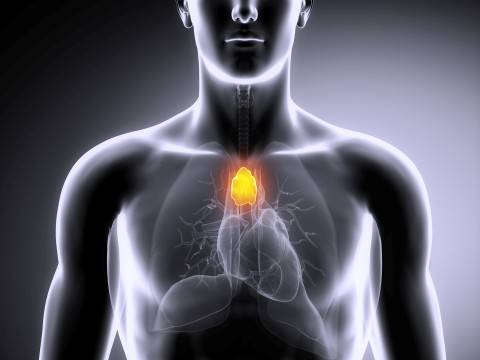
Thyroid may make your heart flutter!Thyroid is a small gland situated in the area of neck. In Greek, thyroid means the shape of a shield. Yes, thyroid gland is vital to a variety of important body functions and does act as a shield. But what happens when the shield is disturbed and goes weak? Thyroid dysfunction is recorded in approximately one to four people out of hundred Thyroid link to heart A research study was conducted in 2009 by Weill Cornell Medical College researchers. It was done to investigate and analyze the genetic link behind rhythm control of heartbeat. They found that the genes that are responsible for synchrony and rhythm in the functioning of heart are also closely connected to the thyroid hormone synthesis and could cause dysfunction of the thyroid. Thyroid activity directly influences the metabolism, blood flow and electrical activity of the heart. When there isn't enough thyroid hormone (low levels), the patients complain of low energy levels, fatigue and reduced heart rate. On the other hand, with increased thyroid hormone levels in the blood, patients report symptoms of hyperactivity of systems. There is diarrhea, palpitations, increased heartbeats and advanced cases show arrhythmias of heart, where normal beating rhythm of heart is disturbed and becomes irregular. Thyroid hyperactivity can be appropriately controlled with regular medication. Understanding arrhythmias When the rhythm of the heart is disturbed, it becomes irregular - this is called cardiac arrhythmia. There are various types of loss of rhythm - heartbeat is too slow (that is, the cycles are taking too long to complete), too fast (the cycles are repeating too quickly), too early (that is, before a cycle is even completed, another starts), too irregular (this is called fibrillation, where no specific pattern may emerge). The patients who have arrhythmia will often come with complaints of dizziness, shortness of breath, suddenly feeling weak or lightheaded, fainting and feeling of a flutter in chest (flutter can be understood as light but quick flapping of wings by a bird). Arrhythmias are usually harmless and most people would continue to live a healthy life for years with arrhythmias. But that does not mean it can be ignored. There is a battery of tests available to diagnose and indicate the seriousness of arrhythmias and let your doctor take a call on the line of treatment. If you have a thyroid dysfunction, get your heart checked immediately. And if you have faced arrhythmias, get your thyroid checked immediately. Both the conditions are controllable and treatable; there is no cause to worry over what could go wrong. Just be vigilant and informed.
A primer on heart attacksIndians around the world have one of the highest rates of heart diseases. Heart attack, also called as myocardial infarction, is mainly caused by a blockage that prevents oxygen-rich blood supply to your heart muscle. In other words, it is the death of the heart muscle. What causes a heart attack? When cholesterol deposition, plaques of calcium and proteins on the walls of your coronary artery cause blockage of the artery, your heart fails to receive sufficient nutrient-rich blood. This leads to the permanent death of heart muscle, and it is unable to pump the blood to your vital organs. Symptoms that signal a heart attack   Chest pain is a symptom of a heart attack.  This pain can feel like tight ache, pressure on the heart as if an elephant is sitting across the chest. However, you may get confused with the symptom chest pain - whether it is a heart attack or an angina pain. Chest pain lasts for a longer time in heart attack whereas the chest pain in angina lasts for few seconds and goes away after rest. The pain experienced during a heart attack sometimes feels like indigestion or heart burn. Other warning signs of heart attack are: Shortness of breath. Lightheadedness or fainting. Upper body discomfort in arm, the back, neck, and jaw. Nausea, vomiting, dizziness. Sleep problems or fatigue. Not every person will have the same symptoms of the heart attack. But if you have any of these warning signs, you have to act fast and get the right treatment.
Adrenaline rush - Feel it inside!Imagine yourself at a great height, either scaling a dangerous cliff-hanger of a rock face or on a bungee jumping platform. Some of us who have had the pleasure of doing high adventure sports like racing or indulging in perilous activities like giving out an acceptance speech for the first time are well aware of that strange feeling in the solar plexus, the clammy hands and intensely thudding heart, and the rush of blood to the head just as you are about to take the plunge! The heart beats faster than ever, breathing goes rampant, the senses seem to become supercharged, and the fear, the joy, and the excitement meddles with the mind. That’s adrenaline rush! So what do you want to do? Fight? Or flight? Either ways, adrenaline does it for you. Speaking medically, the two small adrenal glands on top of the pair of kidneys release a magic chemical that gives the animals way towards the fight-or-flight response to counter certain high-intensity situations, called adrenaline or epinephrine. The chemical entity is a hormone, a neurotransmitter as well as a medicine and is too complex to explain its behavior. However, when it works the heart pumps out the blood to the excited muscles and all the juices surge up inside the body. There is more to this topic than just the physiological mumbo-jumbo. The hormone acts every day in the normal course of life, but not regularly to the extent when it produces side effects such as shakiness, palpitation, high anxiety, and profuse sweating! Thats kept for special situations like physical threat, excitement, bright lights, noise, and really high temperature – in good or bad ways. Let us surf through some of the rewarding and a few of the nasty situations where the jolting juice takes charge of our body! The Good ones: Countering Stress: In extreme stress conditions like accidents or fracture, the body needs to react fast and is at its highest awareness. Adrenaline keeps the muscles up and kicking to help the victim fight with the stress. High Energy Requirement: In majority of sports, more specifically in contact sports like Rugby, Boxing, Mixed Martial Arts, etc., the player needs to be in his full sense and topmost concentration level. The adrenaline rush runs in the background to keep them at their extreme self. The Push Mode: Often the daily chores aren enough to excite us and we tend to search for some adventure. In such pursuit of excitement, there are times when the road is a dead end or there is only one way forward – the impossible or most difficult one! The hormone pumps the brain both ways with fear and with the push to conquer the fear and proceed. Adventure Sports often sounds fun, but at times when running ahead of a raging bull, or hanging off a cliff, or rafting down the rough waters of a cascade – feels like the heart shall come out and scream!! It is the rush of adrenaline that keeps one ahead of the fear and explore the high-energy fun of winning over it. Life Saving Moments: In cases of life-threatening emergencies such as drug overdose, cardiac arrest, or pulmonary failure, where the heart and lungs suddenly cease to function and the body gets into a shock –– the epinephrine shots are considered as a life-saving medication to bring the patients back to life (only to be used judiciously by a qualified medical practitioner). The important medical use of adrenaline is in treatment of acute anaphylaxis and allergies under medical supervision. The Bad Ones: Disorders of the Adrenal: Tumors and cancers of the adrenal gland can cause hyperactivity of this high-performance hormone affecting the normal functioning of the heart and the blood vessels by increasing heart rate and creating anarchy in the body systems. Over-Stressed Adrenaline Rush: The demand-supply mismatch in the present world scenario requires one to perform at his/her epitome of mental and physical strengths. In that constant urge of performance, the brain and the body is stressed out so intensely that the adrenaline surge symptoms are experienced by the individual even in the absence of threatening situations. Sudden sweating of palms, shortness of breath, pounding heartbeats, or chest pains without a justifiable reason can be a result of constant stress.
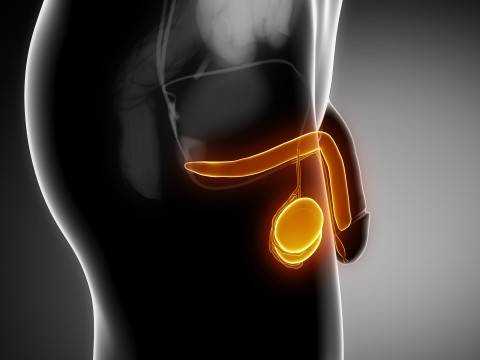
What, how, and why of the sex muscle answeredWhat the Penis is made up of? The penis is made up of several parts. The head: This is also called as the 'glans'. The glans is coated with soft pinkish tissue called the mucosa. The protective covering of the glans is called the foreskin. The foreskin is retractable. In circumcised men, it is the foreskin that is removed. The shaft: The shaft or the body of the penis has two surfaces. The dorsal part i.e. the upper part of an erect penis and the ventral part i.e. the lower part that faces backwards in a flaccid penis. The root: This is the attached part of the penis. Corpus cavernosum: This is the tissue that lines the shaft on two sides on the dorsal side. During sexual excitement, this corpus cavernosum fills with blood that results in the stiff erect penis. Corpus spongiosum: This is the tissue layer running in between the two layers of corpus cavernosum on the ventral side of the shaft. The urethra: This is a narrow tube that runs through the corpus spongiosum. The urethra's main function is to excrete the urine out of the body. How the Penis does what it is supposed to do? Urination: The process of expelling urine is a coordinated act involving the bladder muscles, the central and the somatic nervous systems. The urethra present in the penis serves as a tube for the urine to pass out. Erection: A erect penis is required for the successful insertion into the vagina. During the height of sexual excitement, there occurs dilatation or enlargement of the blood vessels in the corpus cavernosum causing a rush of blood into it. This elongates the penis and makes it hard and stiff. Erection angles: The way a normal penis points when erect is called the erection angle. The penis is either pointing straight to the front or it may be facing up or down to the feet. An upward angle is most common. A study published in 'Journal of Sex and Marital Therapy', shows the erectile angles in standing males from 20 to 69 age groups in the following table In the table, zero degrees is pointing straight up against the abdomen, 90 degrees is horizontal and pointing straight forward, while 180 degrees would be pointing straight down to the feet. Angles from vertically upwards: 0-3 - 5% of male 30-60 - 30% of males 60-85 - 31% of males 85-95 - 10% of males 95-125 - 20% of males 120-180 - 5% of males Ejaculation: Ejaculation is when the semen is pushed out of the penis. During the sexual act, the process of ejaculation forms the culmination with the male achieving an orgasm immediately after. At times, there is ejaculation of semen spontaneously during sleep, called Wet Dreams. Normal Variations- When you have what others don't (and it is completely normal to have them)! Curvatures: While most penises are straight, it is not abnormal to have a curved penis. Curvatures up to 30 degrees are considered normal and no medical attention is advised. Over 45 degrees may need you to get yourself checked for certain diseases, though. Phimosis: This is the inability to retract the fore-skin fully. It is harmless and occurs in about 8% of boys. The British Medical Association suggests that no medical treatment may be required till 19years of age. Pearly Penile Papules: These are small pale bumps that are found around the tip of the penis. They are very common in men aged 20 to 40 years and may be mistaken for warts. Unlike warts though, they are completely harmless and require no treatment. The human penis has one of the most advanced designs through eons of natural selection for high sperm competition. Disorders of the Penis: When you have what others don't (and it is not normal to have them)! Paraphimosis: This is the inability to retract the foreskin. It may be extremely painful when retracted. This condition occurs when there is leftover fluid accumulated n the foreskin due to some previous surgery. Peyronie's Disease: This is a condition where the penis is extremely curved. It is caused due to a scar tissue running through the shaft of the penis. There is an option of surgical correction. Herpetic Eruptions: This can happen when there is unprotected intercourse with an infected partner. It shows as painful ulcers and eruptions on the head and shaft of the penis. Absence of sensations and erection: This is a condition where one is not able to feel any kind of sensation in the penis and a total lack of erection. This occurs secondary to diabetes mellitus and also as an after-effect of past falls on the back or injuries to the groin area. Erectile Dysfunction: This is a condition that happens due to psychological stress, performance anxiety, natural ageing and diabetes mellitus. It is expressed as an inability to get aroused or inability to maintain the erection for a time enough for proper sexual activity. Priapism: This is a serious condition requiring immediate medical attention. Here the erect penis fails to return to its flaccid state and as a result may lead to potentially serious conditions like a thrombosis or gangrenous state. Severe cases may require amputation too. The causative mechanisms are not well-known but involve complex neurological and vascular factors. The condition is associated with drugs like sildenafil, commonly known as Viagra. Pudendal Nerve Entrapment: Too tight pants and underwear, arrow hard bicycle seats, accidents can lead to this condition. The symptoms include loss of sensation and ability to achieve orgasm along with pain in the penis during sitting. Infections: Common infections of the penis include balanitis, urethritis, syphilis and gonorrhea. Theya re characterized by burning, itching and foul discharge. Lasting longer in bed is every man's desire. How do you go about it is very important. Follow the right diet and exercises along with lifestyle changes to achieve the desired effect in bed. Stay away from medications that claim to make you last long. Ref: Sparling J (1997). "Penile erections: shape, angle, and length". Journal of Sex & Marital Therapy 23 (3): 195-207
FAQS
T&C FAQS