Home
Make no bones about this - Men have osteoporosis tooOsteoporosis is a condition in which the bones of the body lose their strength gradually and become thin and brittle. This is most commonly seen in women who have attained menopause. The reason being the decrease in the hormonal levels, particularly estrogen. Studies reveal that 20% of sufferers are men. Falling levels of testosterone are one of the causes for men developing brittle bones. Men's bodies convert some amount of testosterone into estrogen, which is very essential in maintaining the bone mass. Genetic deficiency of the enzyme that helps the conversion of testosterone to estrogen also is a major factor for men developing osteoporosis. Calcium and vitamin D play an important role in developing the bone mass and in helping the bone grow. Exercising helps too. When you exercise, the muscle gets pulled and the bone responds by growing. Too much of indoors and sedentary work may make men get the less of all three and it eventually leads to weak bones and osteoporosis. Studies reveal that 20% of sufferers of osteoporosis are men. Certain medications like anti-seizure drugs, drugs for prostate cancer and steroids have side-effects that make it impossible for the body to use vitamin D. Using them for a long time reduces the bone mass density and leaves the bones brittle making them easily prone to fractures. Smoking is a vice that has to be quit for more reasons than one. An analysis of several major studies on the effects of smoking shows that smokers have a 55% higher risk of hip fractures and low bone mineral density than non-smokers. Nicotine has also shown to have a direct effect on bone cells. A long list of medical conditions like diabetes, rheumatoid arthritis, and digestive and blood disorders can take a toll on your bones. Long term medications for the same also have side-effects on the bones. How to prevent osteoporosis? Exercise- As young boys, men have usually been exposed to a lot of bone building exercises through sports. This helps in building up on the bone strength and comes in handy in the later years. A brisk walk for 30 minutes 5 times a week and moderate impact exercises help in maintain the bone mass and reduce the thinning of bones. Calcium intake- The daily calcium needs for men is the same as women. Hence, the dietary recommendations remain the same too. 1,000 mg of calcium a day from ages 19 to 50 and 1200 mg of calcium a day if you're over 50.Along with this, make sure you get the required dose of vitamin D too, so that the calcium you eat is absorbed properly. The standard recommended dietary allowance is 400 IU. Some doctors advise to increase the intake to 800 IU. Regular medical checkups will help you to know beforehand about the risk factors and the necessary precautions you will need to take.Osteoporosis in men is as much a reality as in women. However, there are ways to avoid it too. Awareness about the condition and about the ways to prevent it can help keep osteoporosis at bay. Bone mass matters. It could mean the difference between a hip fracture later in life - or keeping an active, high-energy lifestyle.
Self grooming tips for men Get rid of unnecessary body hair:Hair on your ears, back, underarms, or uni-brows does not appeal at all. If you have them, then try and get a hair removing gel or wax away gently. Nose hairs can be trimmed from time to time, so that it's not visible. Hair in the underarms can either be waxed, or removed by using a razor. Hair on the back can also be removed through proper waxing. Shave properly:Keep a beard if it suits you, but do trim it regularly. If you do not want a beard, but just a moustache, then that requires customary trims as well. Try and keep yourself clean shaven, if you can't easily manage the styles mentioned above. Avoid bad breath:Bad breath can really get you into trouble, especially during office presentations, client meetings, or even at a date with your girlfriend. Use mouth washes to avoid this problem, and floss after every meal. Mouth fresheners can also come handy, so maintain a regular stock at all times. Brush regularly:Maintain a brush and floss routine twice a day to avoid awkward situations. Cut and clean your nails:Long nails look great on girls, but they are a big turn off in guys. Men need to keep their nails small and trimmed always. Use nail clippers to cut them properly, and cleaners to keep them clean. Take care of your skin:Buy a good sun care and moisturising lotion, and use it always, after a face wash and shower. This shall give you a nice glowing skin. Exercise regularly:A good body can attract everybody's attention. Eat healthy food and exercise regularly to be active and healthy. Get rid of body odour:Instead of colognes, try using deodorants and talcum powders to get rid of body odour. For underarms, always keep a roll-on with you, and apply it regularly. If the issue persists, then consult a doctor for help. Wear well fitting clothes:Wearing unfit or loose clothes will make you look older than you are. Hence, wear clothes which fit you the best. Correct your posture:While standing, walking, and even sitting, keep a straight back. This shall give u a better posture. You will look more pleasing and charming. Grooming is not just a thing for women. It is all about looking after yourself. So, read on to know some self grooming tips for men These were a few tips which can help you look after yourself better, and also give you that much needed edge over others. So, try them out right away!
Smell like roses, without the thornsYou bathe regularly and use the best possible deodorants, underarm anti-perspirants, panty perfume but the bad odour just doesn't go away. Pat yourself dry Very often you have a leisurely bath with scented bubbles and what not but when it comes to drying your body thoroughly, well you just pat yourself quickly, for you are in a hurry. The moisture on your body then attracts bacteria with fungi and they cause that embarrassing mouldy kind of stench on your body. So make sure you dab yourself thoroughly dry all over your body. Especially in places like the lower back where it is difficult to reach without some really flexible shoulder joints. Use the archer's swipe (The towel extended between the right hand over the head with  the left hand extended back to form the bottom grip, which looks like an archer reaching for a bow from the quiver). In case you are endowed with love handles and folds of fat then be generous with the patting, as those are the parts most susceptible to host bacteria. Change clothes often If you wear the same set of clothes and lingerie then you are surely going to have an odour which is lingering. So for those ladies who occasionly wear the same set of clothes without washing, the sweat is going to accumulate in there and raise a stink. Remember the Celine Dion song? It's a new day, a new start! Menstruation + Stress = Bad smell There is nothing that you can really do about your periods. Instead, try and be a little more extra careful during those 4 days. You can have an extra jab at the deo bottle or perfume lotion. However stress, nervousness and fear also leave chemical traces which come out along with the sweat. This adds to the bad odour. Humble pie for dessert? What you eat also affects the way you smell. Go easy on the garlic, onion rings and fish for they can make you smell slightly worse than an open sewer. Always rinse your mouth after eating and use a good minty mouthwash if at all you choose to pepper your meal with onion and garlic to ward offthe evil eye. You can add conditions like diabetes to cause a fruity kind of odour. Well in that case make sure you exercise regularly so that the skin sweats out the toxins. In case you are the extra-sweaty types then use medicated soaps or ensure you use steam baths regularly to keep your skin pores open.
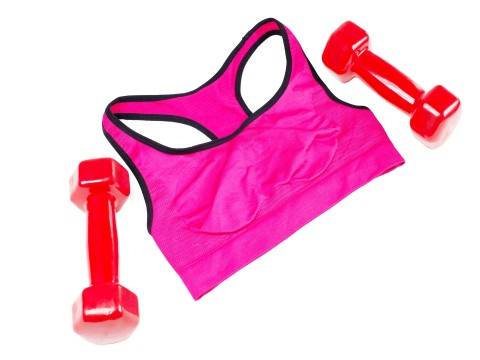
Just how sporty is your sports bra?Very few women in the world really know the right size of their bra and end up using wrong size bra all their life. A study shows that all over the world only 2 women out of 10 wear the right sized bra due to which they can never get the look they want. Since there is lot of difference in sports bra of different brands, you need time and patience to find out the most suitable one for you. You should keep on measuring yourself every year, and especially if you have added weight or lost weight. It is also necessary to check your bra-size after pregnancy.  On an average, the size of sports bra range from A to H and most women find a comfortable fit among either of this size. A good sports bra should always offer three things- support, comfort and breathability to the breasts. Choosing a Bra with a Good Fit Most of the elite bra shops offer good range of different sports bra. But it is important to know which one suits you or is of your size. A well fitting bra gives you the liberty to exercise or move with confidence and comfort. One thing you should keep in mind while purchasing a sports bra is your life style and preferences. Some like it padded, some like it embroidered, while some may like it simple. So apart from correct measurements, your style should be given preference while buying a sports bra. Moreover, you also should take into consideration the dress you are wearing on this bra. Here are some tips that can help you in selecting the right bra when you will go to the lingerie shop. Support   A good bra should offer your breast complete support, irrespective of whether they are small, medium or even big. If you have breasts ranging in between A to C cup, you should choose a compression bra that offers more comfort and support. If you are looking for a bra that also encapsulates and gives proper shape to your breasts then you should choose a bra accordingly. These bras offer more support than the compression bra. For getting both comfort and support, you can choose a compression bra that also encapsulates your breasts properly. Comfort You should feel comfortable when you wear a bra. It should stay in place and should not chafe. If possible, try one of the samples in the changing room and check whether the straps dig into your shoulders or whether the bands provide comfortable support to the breasts. The bra should hold the breasts comfortably without being restrictive. A good bra is one that holds your breasts in place even when you are performing all the jumping, running and swinging acts. Breathability The fabric of the sports bra should be good enough to wick away the sweat from the skin so that it dries quickly and allows the skin to breathe properly. The bra should allow excess heat and perspiration to pass through the fabric keeping you dry and cool during summer &  warm and dry during winter.  
Exercise to fight off depression in school kidsBefore concluding on the effects of different forms of exercise on children, it is important to note the distinction between fitness and exercise. Fitness encompasses most importantly a healthy lifestyle of which exercise forms a part. For this reason, when researchers examined the impact of fitness on emotional being of a child, most of them covered three main determining factors, namely the body mass index, the child's feeling about fitness, and a shuttle-run test. Depression is characterized by recurrent feelings of despair and hopelessness. The main symptoms of depression include sensations of unworthiness, dysfunctional thinking, lack of concentration, low level of sleep, anger, social isolation, crying, physical grievances like headaches which do not react to treatments, reduced interest in social activities, and thoughts on suicide. It is not necessary that every child will undergo all the symptoms. If most of the symptoms recur continuously, then it is a warning sign. The propensity towards chronic depression is higher in those who suffer from depression during childhood. A healthy lifestyle is accompanied by a range of psychological benefits. When you exercise, your body produces endorphins which stimulate positive sensations about the self. Produced by the brain, they also reduce the sensation of pain. A healthy lifestyle boosts the sleep cycle and helps in coping better with tough situations. A medical study conducted by University of Texas revealed the positive effects of physical activity on middle-school graders. It was found that there is a robust link between depression and fitness in girls. Even though boys show association, it is not explicit.  Conclusively, it was pronounced that exercise helps in reducing the chances of depression in school-going children. The best way to help your child is by introducing activities that she or he finds interesting. Initially, you might face resistance. The most important task is to communicate with your child. In the face of such resistance, you can attempt to find a hybrid therapy to reach out to your child. Apart from scheduling appointment with a child psychologist, you can also meet up with a physical health advisor. Emphasize on activities which will also help your child to meet new people. According to the Center for Disease Control and Prevention, one of the main benefits of physical activity is betterment of academic achievement and conduct in children.
Teach your kid to stand up to bulliesAlmost everyone has heard of the beach bully who goes around kicking sand in the face of the skinny lad. That's the quintessential imagery associated with bullies and it has stayed with us for over 3 decades since the first ads came out. The ads generally endorsed body building products using the classic 'Before' and 'After' construct, i.e. before you got your face sandblasted by the beach bully and after you took that protein shake or muscle builder to get even. Bullying is a phenomenon where a person or group wilfully targets someone with the intention of troubling them over a specific thing. (Bullies generally pick on someone they perceive as physically, mentally, financially, socially or racially inferior.) There is no age-limit for bullies as the bully could be a school going kid with an attitude problem or a fully grown adult, who could indulge in it from sheer force of habit or due to a mental problem. Again there is no age limit for the victim as well. Anybody could really be a target for the bully menace, right from school children, teenagers, disabled or even old people. Well bullying has changed considerably in these times and you also have the e-bully version where insecure bullies go about harassing people, especially teenagers over the internet. Bullies resort to tactics like causing public humiliation or embarrassment to hapless victims or resort to threats or other control-based abusive behaviour. Ok so everyone has undergone bullying from time to time but the question is should you allow it to happen to your teenaged son or daughter? Mind you, here it isn't simply a question of some leg pulling by friends or teachers but some serious malice that could well destroy your teenager's confidence and cause permanent scars on his self-esteem. Yes, if your teenager is being subjected to bullying then teach him how to kick the sand right back in the bully's face. Before we learn how to do that let's see the types of bullying that your kid could be subjected to: Verbal bullying This includes teasing or making caustic remarks directed at someone on a regular basis. The school bully does that, doesn't he? As you would probably remember from your own school days that fat lout who made you quiver with fright as he snatched your lunch box away to feed the dogs. Yes, the very same guy who pulled your sister's pig-tails and called you names which made you go red in the face. You could do nothing but pray he wouldn't notice you somehow. Well so something similar could be happening with your teenager. Verbal bullying need not be done by a school friend. Even a responsible teacher could target someone for deprecatory remarks causing much embarrassment, ridicule andfeelings of inadequacy to a teenager. Sometimes kids look up to their teachers for encouragement and support and those very people could actually damage a child's self-esteem by unjustified criticism and bullying behaviour.Teenage girls could suffer taunts and remarks about certain physical traits and since they are at a delicate age where their bodies are undergoing changes, such verbal abuse can indeed cause long-term depression or personality issues. Physical bullying Physical bullying is where your teenager could be subjected to physical harassment at the hands of the bully. Whether it is a simple case of holding your teenager's hand or unprovoked physical assault, the end result is the same-injuries to the body and mind. The bully may not go as far as inflict any visible scars on the teenager's body but the episodes could certainly cause great fear and trauma to him. Even teenage girls are not spared physical abuse at the hands of bullies. In certain cases, teens suffering from long-term bullying actually took some extreme measures by committing suicide or breaking down completely. Internet bullying Internet bullying is where your teenager is probably most vulnerable. At least school bullying is restricted to school, but here your teenager is at the mercy of just about everyone - from the school bully to the earnest paedophile! Causing embarrassment on public forums, threats of physical or sexual harm is the most common and as a parent you have to take every step possible to not just protect your child but also help him take care of himself or herself. The bully menace The school bully is comparatively easier to deal with than the internet lout! Well, one can't be too sure of that statement either since these days,school kids are known to blow up their own classmates or participate in a heist with adult precision. Always watch out for the classic signs of bullying. If your child appears withdrawn or disturbed after school hours then gently probe and encourage your child to tell it all. If you feel there is enough reason to think your child is being subject to bullying then bring it to the notice of the school immediately as others could have similar complaints. Do not admonish your child or scold him as it could cause him to withdraw in to the shell that the bully provided him in the first place. Parents and elder siblings can be bullies too so remember that. Teach your child to stand up to bullies. The bully is generally an insecure person who uses brute force to feel good about himself, at the cost of others. The school bully generally has his way and is not used to being challenged. Teach your child to look the bully in the eye and register protest. This will go a long way in teaching your child how to fight back and not take any nonsense from others.If the situation worsens, then always keep a track of your teenager's whereabouts especially if it is a girl. Once the bully realizes that he is being tracked he generally lies low or picks on someone else. Internet bullying requires different measures. You can monitor your child's online activities and teach them to never ever share any personal information or photographs online or on forums which are off-limits for children and adolescents. You can complain to the authorities if things get out of hand. If someone repeatedly issues threats to your teenager, either online or in real life, is a cause for real concern and one must take them seriously. If your child does not learn to cope with bullies it could affect him well in to adulthood, where he will feel helpless and easily scared by imposing people or even develop a hatred for authority figures. Bullying can fuel an already weak personality in to gaining an inferiority complex; the flip side is that kids who have been subjected to bullying can repeat the same patterns on their younger siblings or at school. So a bully creates another bully if continued unchecked. Mental problems in children are on the rise, so bullying is also no longer an innocent joke but could be a serious crime. Bullies whether children or grown-ups, suffer from some personality disorder or a serious inferiority complex which makes them compulsive trouble makers and their victims are generally people who cannot hit back or are vulnerable. Take Hitler for instance. Wasn't he just a bully who was unhappy in his own life? Look what he did to millions of innocent people. Wasn't that a bully gone berserk?  
Algophobia: The fear of painAlgophobia is the fear of pain:  an abnormal and consistent feeling that is far beyond what would be considered normal. The term is derived from the Greek words, Algos meaning pain and Phobos meaning fear. Our bodies are designed in a way that when there is a painful stimulus it reacts. How the body reacts to the pain is an individualistic phenomenon. Some people have a very low threshold for pain, and even the slightest pain evokes a huge response in them. Where as others can withstand a good amount of physical pain before their bodies give in. Some people dread even the tiniest amount of pain. They foresee situations that will cause pain in them. The way they react to even the smallest amount of pain is far more than the normal level of acceptance. Such people are said to be suffering from Algophobia. Algophobia is a learned behaviour, say behavioral psychologists. For example you may have heard from several people how hitting your shin on the furniture in the dark is the worst possible pain ever. So you tend to keep a watch and if it is dark, you move around extra-carefully to avoid bumping into the furniture and getting hurt. This would be considered normal, cautious behaviour. But if the same thought keeps buzzing in your head continuously and you go to extreme lengths to avoid that pain, you could be algophobic. Old people are the ones who have excessive fear. The age factor along with fear of death plays a vital role in old people developing this fear. For example an old lady may hear about all the ailments and pains that afflict old age people and may become apprehensive about it. She may develop irrational fears that more often than not, are also imaginary. She may start experiencing the pains even before anything actually happens to her. It may seem unrealistic to a normal person, but for algophobics pain can be a severely dreaded thing. Therefore they will go to great lengths to avoid pain at all levels, including day-to-day activities. They will not go into the dark, handle tools, avoid lifting heavy objects or even avoid playing any type of contact sports. If a task has a scope for injury and pain, they will avoid it! Frequently a pathological complaint of Hyperalgesia occurs along with algophobia. Hyperalgesia is a condition of increased sensitivity to pain due to damage to the peripheral nerves and pain receptors. Pain in such cases may be directly in the damaged tissues or in the surrounding areas. An interesting fact is that hyperalgesia can occur due to long term use of painkillers especially strong ones like opium and its derivatives. Algophobia is treated with behavioural therapy, psychotherapy and anti-anxiety medications. Hypnotherapy also has shown beneficial effects.  
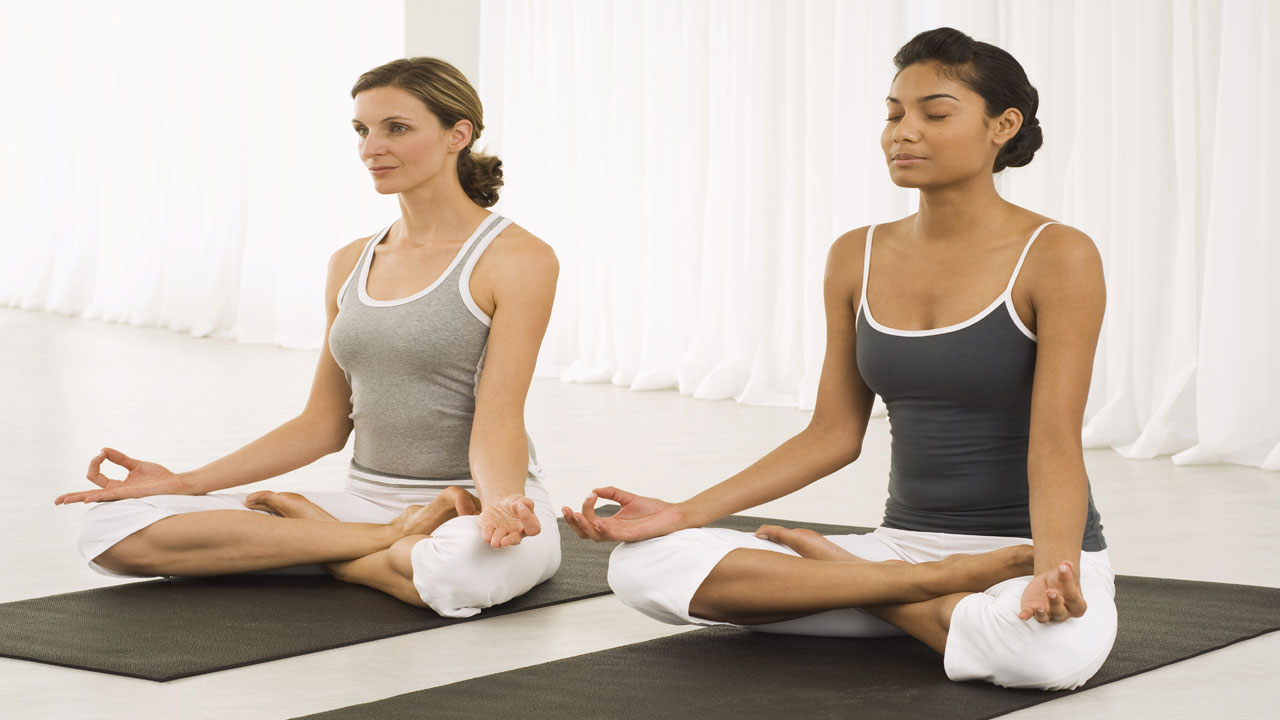
Dealing with obsessive thinking and worriesAn old adage goes - 'Worry is like a rocking chair. It gives you something to do but it doesn't get you anywhere'. This is absolutely true for many of us who have developed the habit of worrying unnecessarily over outcomes and circumstances. Thinking about things and over our course of action is a good thing because you should always think twice before acting. What about obsessive thinking? Is it good for you? Anything in extremity is a bad thing, whether it is your favorite food or your thoughts. Worrying incessantly is a part of obsessive thinking where you cannot let go of negative thoughts and they circulate in your mind continuously. Obsessive thinking is a negative infinite loop, a broken record that is stuck without having anyone to click the stop button. So how should you deal with this obsessive thinking that is sure to spell your doom in the long run? Though psychologists have devised various scientific methods of overcoming obsessive thoughts and worries, here we have listed down some easy to follow rituals that will help you deal with such worries and thoughts. Meditation - Yoga swears by the art of meditation as it is thought to release all negative energy from the mind and soul. Concentrating on your breathing and also absorbing a positive source of energy is the essence of meditation. So whenever you are obsessed about something, sit down, calm your nerves and meditate. Physical activity - Exercising always helps. Engage in physical activity which increases the body's metabolism and requires effort. Indulge in those dance lessons or swimming or maybe cycling and you will divert your mind from those negative thoughts. Indulge in your hobbies - So you thought you don't have time for your hobbies, but your hobbies relax your mind and body. Moreover, a hobby also takes out the creative side in you. So, whether you like to collect coins or stamps, or lean towards arts and crafts, a hobby is sure to occupy your mind and take you away from worries. Socialize - Friends and relatives are your lifeline as they help you in those tough situations. Even if you are mentally not at peace, making social calls on your friends and relatives will take the edge off.  Try to meet people who can empathize with you and help you move out of it. Socializing will give you that much needed break from the vicious cycle of your thoughts. Though a short-term relief, going out for movies or taking a weekend getaway with your near and dear ones or even indulging your wife in shopping, can be helpful. Confide - Talking to someone close who understands you helps you in expressing your troubles. Thinking obsessively, you usually tend to ignore your feelings and emotions. Your mind remains trapped in the net of those obsessive thoughts and your emotional well-being takes a backseat. When you talk to another person, he or she will hear you out and help you relieve the stress that is on your mind. They would understand your state of well-being and support you emotionally. Be mindful - You may find it easy to go back into the same negative thought process. Don't let your mind chatter. Stop your mind by standing up for yourself. Stand in front of the mirror and say, "I am not a victim. I have the power and strength to move ahead" Do this whenever you become aware that you are going back into the same thought process.  This will give you the mental strength needed to come out of it.  Be mindful and aware but don't be too harsh on yourself. Be responsible -Your mind can make you or break you. If you understand this truth you will find it easier to manage your thoughts. Take responsibility of your thoughts good or bad.  The mind can create thoughts to project blame or judgments about others.  When you own your thoughts, you will find it easier to shape them the way you want. Create a higher vision of your life - When you keep a higher vision in your life, you can move ahead easily.  By developing a higher vision, you are asking yourself, who am I?and finally working towards it. You take positive actions and thus there would be more gratitude for what you have and less resentment for things that do not work.   This stops your mind from working unnecessarily. Obsessive worrying is a psychological disorder which in extreme cases has to be dealt with pathologically. Do not let your condition to reach the extreme end of the spectrum. Follow the above mentioned suggestions and try to deal with those thoughts yourself. It may take some time but rest assure, it will be effective in the long run.
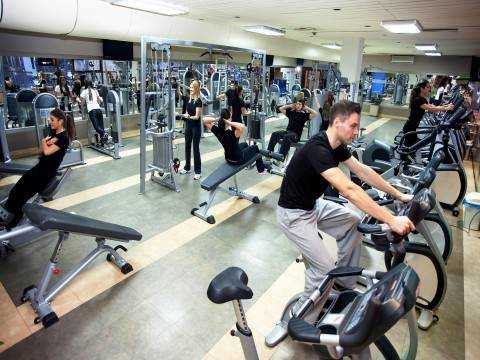
Exercise, a healthy way to deal with hypertensionYou have not exercised for a long time. You took it easy when it came to physical activity. Now that you are diagnosed with high blood pressure, you will do anything to control it. Even exercise! Exercise, weight management, and a healthy diet are important ways to help prevent high blood pressure and lower the blood pressure that is already high. Benefits of exercise for people with hypertension include: Improve blood and oxygen circulation in the body Promotes sound sleep Improves stamina and endurance Keeps heart healthy Reduces stress and promotes mental health Exercise enhances the effectiveness of medication So how much should one exercise? An exercise session of atleast 30 minutes per day is important. Get started Start slowly and increase gradually. Start with 10 to 15 minutes of exercise and increase it, as youget comfortable. Choose exercises you enjoy and will do consistently. Avoid sudden vigorous activities; they can cause injuries and hamper the routine. Warm up Warming up helps the body adjust slowly from rest to exercise. A warm-up will reduce stress on the body muscles, increase heart rate and respiratory rate, and body temperature slowly. It will also decrease soreness of muscles. Best exercises for lowering blood pressure Stretching: It is the best. It relaxes and helps prepare the body and muscles for activity and prevents injury and muscle strain. Stretching regularly will make you flexible and improve motility. Aerobic exercise: This helps to improve circulation to the entire body. It improves heart function. It gives maximum benefits to the heart. They also help to reduce heart rate and blood pressure by improving breathing pattern thus lowering blood pressure. Walking, swimming, jogging, and skipping are all aerobic activities. Do aerobics for at least 30 minutes three times a week. Strengthening exercises: These include exercises that have repeated muscle contractions till the muscles are tired. These include side balance crunch, climbing a rope, and push-ups. Join a gym. Here are some  exercise guidelines for a better exercising routine in the gym:  Schedule a fixed time for exercise. Find a buddy to exercise with you. Select an exercise that you like. Make variations to avoid getting bored. Boredom can make you stop exercising. Start slowly and increase gradually, especially if you do not exercise regularly. You should wait for an hour after eating before you exercise. Ten minutes of warm up and ten minutes of cool down sessions are must Keep a record of daily exercise.
High fiber foods and their benefitsFiber has many health benefits and that is why it is important to include fiber in your diet. However, if you are not used to fiber in your diet then introduce it slowly or it could cause indigestion and gas. Fibers are good for overall health and help to boost the immune system and help prevent a number of diseases. The digestive health benefits of fiber : If bowel movements are regular, then fibers will prevent both constipation and diarrhea. Regular movements flush out excessive cholesterol as well as harmful toxins from the intestines which could also be carcinogenic. Fiber helps to reduce inflammation of the intestines, could bring relief from irritable bowel syndrome and prevent piles, ulcers, and acidity. The benefits to the heart Soluble fiber is good for the heart. Fiber reduces the bad cholesterol levels (LDL). It helps to lower blood pressure, improves the levels of good cholesterol (HDL). Fibers reduce the risk of stroke also. These factors are good for heart heath. Weight Loss Fiber can help you to lose weight as it makes you feel fuller for longer which means you will eat less. High-fiber fruits and vegetables have lower calories, so by adding these to your diet cuts calories which could aid in weight loss. Eat 21 to 38 grams of fiber per day depending on your age and gender. Diabetes If you already suffer from type II diabetes then you should have soluble fiber as it slows down the absorption of sugar and can help to maintain blood sugar levels. Regulating blood sugar can also reduce the risk of kidney and gallbladder stones. Cancer prevention Though research is still ongoing, but the general conclusion is that eating fiber foods keeps the colon in a better condition and this could prevent colon cancer. However, it does prevent digestive tract cancer. The more fiber you eat the more fluids you should drink as that helps to absorb fiber better. Good for the skin Eating fiber is good for the skin as they help to flush out toxins from your body which otherwise cause acne. Besides eating a lot of fruits and vegetables produce antioxidants that are good for your skin. Some tips Start your day with fiber as it keeps you full and sugar levels just right to keep you energetic. Try to replace white rice, bread, and pasta with brown rice and whole grain products. Eat seeds, nuts, and flaxseeds either whole or ground and sprinkle some on fruit, yoghurt, or cereal. Add beans and legumes to your diet as often as possible. Eat whole fruits instead of juice. Insoluble fiber can be found in foods like whole grains, wheat, cereals, and vegetables such as carrots, celery, and tomatoes. Whereas soluble fibers are found in barley, oatmeal, beans, nuts, and fruits such as apples, berries, citrus fruits, and pears. Foods like meat, dairy, and sugar have no fiber and some foods like white rice, white bread, and pastries have no fiber either because it has got removed because of refining.

Aids defining cancersIn fact the presence of such aids defining cancers is an indication of advanced AIDS having developed in these patients. However, the reasons for these cancers are unclear. It is possible that since people with AIDS have low immunity, they become more susceptible to these cancers. The double attack of these already complex diseases complicates treatment plans too. Thus, it needs care under experienced doctors who specialize in these diseases. The cancers that define AIDS are: Kaposi's Sarcoma:This is a type of skin cancer. It was usually found usually in people who have received organ transplants. Nowadays it is also most prevalent in homosexual men with HIV/AIDS and is also called epidemic Kaposi's Sarcoma.  It causes lesions to show up in multiple points in the body such as skin, lymph nodes, liver, lungs, spleen and digestive tract. Non-Hodgkin Lymphoma:This is the second most commonly associated cancer with HIV/AIDS. The various sub types of NHL are primary central nervous system lymphoma and primary effusion lymphoma. Approximately 4-10% people with HIV/AIDS develop NHL. Other kinds of cancers are anal cancer, liver cancer, mouth cancer, Hodgkin's lymphoma, testicular cancer, melanoma, throat cancer, colorectal cancer and multiple skin cancers.  Treating Cancer in HIV people: Till anti-HIV medication were not discovered the future for infected people was bleak. They were already sick and their bodies weak even before their cancer treatment were started. Presently the cancer treatment is mixed with anti-HIV drugs. However, depending upon the extent of cancer and the need of AIDS care, variations are made between chemotherapy and other HIV related drugs needed. Treating Kaposi's Sarcoma: Often anti-HIV drugs are enough to treat this cancer. The lesions, which are viral, shrink, as the immune system gets better. Sometimes chemotherapy and radiation may also be needed if the lesions are internal. Treating Non-Hodgkin Lymphoma: AIDS related NHL is fast growing and needs intense chemotherapy treatment. Introduction of highly active anti-retroviral therapy and use of drugs that help the infected body make new blood cells has relieved a major concern for HIV patients where previously due to their low blood cell count, chemotherapy could not be administered to them. But with these advances, acutely monitored chemotherapy treatments can be administered now. Treating Cervical Cancer: In case of women who have a good immune system and invasive cervical cancer can still be treated similarly as non-HIV women. They can even do well in surgeries and other conventional treatments. Discovering Cancer Early: Screening helps discover presence of cancer when no symptoms are evident. However AIDS defining cancers cannot be detected through screening. Thus, close monitoring, regular checkups and a keen lookout for symptoms of these cancers can help discover the ailment if present. Pap tests help discover cervical cancer in women. However, in case of HIV women, these should be undertaken more often. Even as often as 2 tests a year, 6 months apart in the first year of HIV detection. If the tests are clear, they should get Pap tests done regularly once a year henceforth. For other AIDS related cancers, the screening tests are still being devised. Lowering Cancer Risk: HIV ruins the body's immune system making it susceptible to a variety of diseases. Good health practices are a must for those detected with HIV in order to ward off cancer. They should surely not smoke or consume alcohol. Injection drugs and unsafe sexual practices also pose increased threat of cancer. Maintaining balanced diets, physical activity and proper body weight are extremely important and helpful too.
Treating sore throatTest and diagnosisPatients with sore throat are examined by ENT specialists. At first, the doctor performs a local examination of throat. Clinical examination usually guides the doctor towards diagnosis. Although in order to confirm the diagnosis, the doctor may ask for culture and sensitivity test of the throat swab. Treatment Home remedies: Mild cases of sore throat are usually cured by home remedies. Following remedial measures can be adopted at home: Warm saline gargle – Gargle with warm saline water helps to relieve the discomfort and irritation of the throat. Half to one teaspoonful of salt is added to one full glass of warm water and the patient is advised to gargle. This process may be repeated 3 to 4 times a day to have a soothing effect on throat. Additionally, smoking and use of other tobacco products must be avoided. The patient must drink adequate amount of fluids. Warm liquid and semi-solid food must be consumed to provide a soothing effect on the throat. Cough lozenges to help relieve irritation and pain in the throat. Seeking advice of the doctor: If the signs and symptoms persist and are not adequately controlled by home remedies, the patient must seek advice of a specialist doctor. Viral infections usually do not require treatment. They are usually cured in 5 to 7 days. Bacterial infections require treatment as per the advice of a specialist doctor. Bacterial infections may require treatment by antibiotics. The treating doctor selects an antibiotic which is suitable for the patient depending on factors such as the age of the patient, report of the culture and sensitivity of throat swab, previous drug history of the patient, etc. Antibiotics usually effective in bacterial infection with sore throat are from the group of penicillins, cephalosporins, and macrolides. PreventionViral and bacterial infections are contagious. Good hygienic lifestyle and habits help prevent infections. Following things to be noted are: Frequent and thorough hand washes before consumption of food, after using toilet, and after sneezing and coughing. Use of a hand sanitizer during consumption of food outside home. Avoid sharing food and drinks from same glasses and utensils. Use a tissue paper or handkerchief while sneezing and coughing. Avoid close contact with patients with sore throat. If sore throat develops, few home remedies may prove to be curative. If sore throat persists, advice of a specialist doctor must be sought.
Challenges faced by homosexual parentsThe major challenge in front of gay parents is to face society and protect their children from social prejudice and discrimination. Gay people can never have their own children, and hence, often opt for adoption. But, how can a couple, who is discriminated against by society, provide a healthy upbringing to a child? However, in some cases, gay parents are known to have capably given their child, all the love and care and the basic amenities that they need, for a wholesome and proper development. Sexual Orientation and Parenting In the American society, same sex parenting is more common than in other parts of the world. Even then, children of gay parents have to face many more challenges than the children with heterosexual parents. The U.S. Census report of 2000 has reported that around 22 percent gay couples and 33 percent lesbian couples have around 18 children living with them. The trend of adoption amongst gay people has been increasing over the years, despite the overwhelming challenges. According to a report published in June 2012 by the American Psychological Association, no scientific evidence has proven that sexual orientation can affect parenting effectiveness. This means that both lesbian as well as gay parents can indeed provide a healthy and supportive environment for raising their children. Major Challenges The major difference lies in the treatment that the children of gay parents get in society. They have to face discrimination and prejudice from schools, their peers and even within their own families. Gay or lesbian parents on the other hand, face the dilemma of how to explain to their children why they have two mothers, or two fathers. Many people in society, even those with strong educational backgrounds, are of the opinion that being gay or lesbian, is an illness due to which, they are incapable of being adequate parents. There is also a misconception that lesbian women tend to be less motherly than heterosexual women. But no scientific basis has been found to support these beliefs. Although the medical community does not consider homosexuality as a psychological disorder, society continues to have a biased outlook towards gay parents. Are Gay Parents Better than Heterosexual Parents? As of today, nothing can prove that gay partners are not as good parents as their heterosexual counterparts. Moreover, it has been found that people of the same sex divide their workload of raising the child, and hence, the childcare process is more smooth and satisfying. Some studies have even noted that lesbian or gay parents have superior parenting skills. But, again no scientific evidence has proven these observations, yet.
FAQS
T&C FAQS