Home
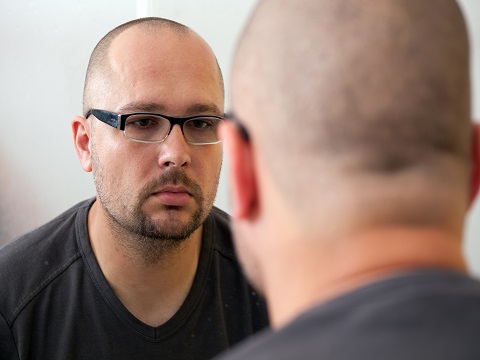
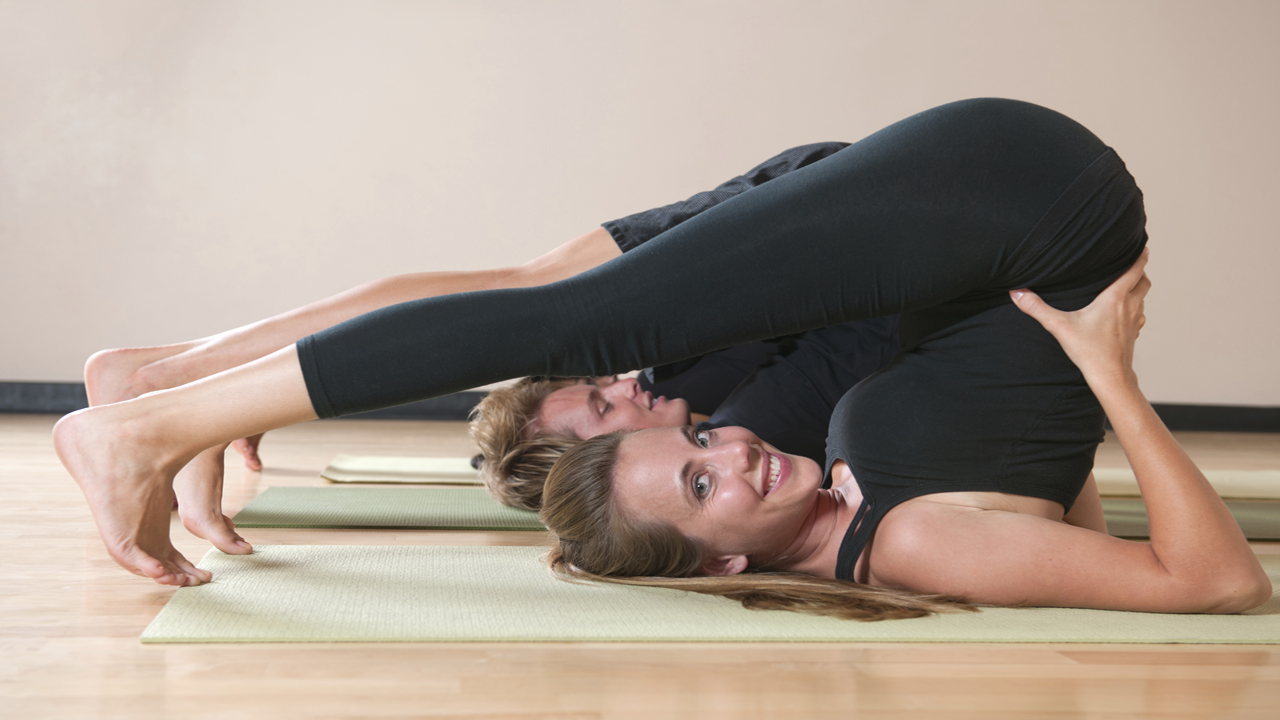
What causes male balding?They say there are 3 types of men: the ones that go bald at the top are thinkers, the ones who go bald at the back are lovers, and the ones who grow bald at both places... only think they are lovers. If pregnancy and menstruation are a female's burden, then baldness is a great inconvenience to men. Some men lose their hair in their youth and thus lose their confidence along with their hair. So what is with baldness and men? Men start having a receding hairline by the time they hit 30, though it could begin in their 20s as well. The most common type of baldness is the mid-frontal type resembling a horseshoe. Earlier it was thought that baldness is caused only by genetic factors, but apparently emotions, lifestyle and diseases also contribute largely to hair loss and baldness. This hair loss can be temporary or permanent. Some medications like anticoagulants, antidepressants, antifungal medicines, chemotherapy etc can cause baldness. Certain diseases like thyroid disease, Crohn's disease, lupus can cause hair loss and baldness. Poor nutrition is an important factor in hair loss. Vitamin and mineral deficiencies along with poor nutrition can pave the path sooner than most other things. Then there are some conditions like Alopecia Areata which cause baldness in patches -- on the head or beard. It is temporary and the hair grow back in about 6 months to 1 year. Corticosteroid injections are used to treat the condition. Air and water pollutants, environmental toxins, conventional styling products have the potential to build up on the scalp. These affect hair cuticle, cause dryness, and weaken the hair causing them to easily break off before their natural lifecycle has ended. If you notice your hairline receding more than usual, then check if you are getting enough nutrition. Exercises like the headstand and handstand send the blood rushing to the scalp and can help with hair growth. Massaging the head with warm oil helps to increase blood circulation as well. Use a shampoo that suits your hair along with a conditioner. Oil your hair overnight at least thrice a week. Keep yourself well hydrated and try vitamin C which can help arrest hair fall. Use a clean comb and ensure that you sun your scalp, as vitamin D is an essential tonic for skin, bones, teeth and even hair.    
Preparing for fatherhoodFrom the time you decide to go for a baby, all the attention is concentrated on the mother-to-be. And this is not without reason, since she is the one that's going to bear the child for the next nine months. But that doesn't mean that the man's role is any less important. It is important for the father-to-be to ready himself for the next phase of his life. Following a healthy lifestyle Fertility is a growing problem. As per statistics more than 45% of infertility issues are related to men. Therefore, eating healthy food, exercising and living the healthy way will boost your chances of getting over these problems. Nutrition has an impact on the sperm production. So scrap the junk food for a while and get on to a healthy lifestyle. Men need to get at least 12 to 15 mg of zinc each day. Even short-term zinc deficiencies can reduce semen volume and testosterone levels, much needed for healthy sperms. Good sources of zinc include baked beans (a one-cup serving has 3.55 mg), nuts, cereals, seafood, and chicken meat (2.38 mg per three ounces). Regular intake of vitamins and calcium is a must to improve male fertility and prevent sperm defects. Natural sources of calcium such as fat-free milk and curd can be consumed. Get atleast 90mg of vitamin C daily. This boosts immunity. More will be needed if you smoke. Folic acid is a fuel for healthy sperms. Dads need 400 micrograms of it and green leafy vegetables are good sources of this nutrient. Dads-to-be can take the liberty to grab the extra cup of mocha. Caffeine may help men by stimulating sperm motility. Quit smoking and drinking The party's over for your partner once you start trying for a baby, but what about you? Same goes for men. Now is the time to stop smoking, and to stop any excessive consumption of alcohol. A man who smokes has a lower sperm count and a misshapen sperm, incapable of creating a child. Heavy or binge drinking can seriously affect ability to produce quality sperm. Exercise Add exercise session to your daily routine if you aren't doing them already. Exercise improves general health, stamina, and sperm quality. Start with walking for 15 minutes and increase it gradually if you have never exercised before. If you are trying for a baby, avoid exercising in tight-fitting briefs. It causes damage to sperms. Frequent sessions in a sauna or hot tub, long bicycle rides, or any such activity that could cause the testicles to become overheated can compromise the health of sperm and should be avoided. Medical examinations It is a good idea for the father-to-be to have a complete check-up to assess if there are any issues that need to be addressed before trying for a baby. Some conditions to watch out for include: Varicocele, a condition of varicose veins on the scrotum, the sac of skin that contains the testicles. It can lead to infertility. The condition is entirely treatable, so talk to your doctor about the options. Conditions like erectile dysfunction, diabetes, and prostatitis can cause infertility. Sexually transmitted infections, which may cause male infertility. Your doctor can help you get tested and treated. Your doctor can refer you to urologist or a male fertility specialist if you need additional testing or treatments. Remember to discuss possible hereditary birth defects with your doctor. Share with her the medical history of yours and your wife's family. Get finances organized Plan a baby budget. You surely want to give the best to your child. Start planning now. Consider expenses like baby food, diapers, toys, doctor visits, clothes, and day care. This will help you in the future. And this is the perfect time as you are just in the planning phase of baby making. Take advantage of this time before the baby arrives to get things in order concerning your job, insurance and budget plan. If you and your spouse discuss and agree on expectations, goals and strategies now, you can avoid arguments on money later. After all, you don't want baby to pick up on any tension. Dump your stress Chilling out can increase your potency. So the 'go for a holiday' advice actually works. Practise regular meditation or any exercise that will help bring down your stress levels. Try reading books on fatherhood or parenting and learn tips and advices well in advance. So gear up and start preparing for the change from being the coolest dude to the coolest dad.It is your responsibility to help your partner in all possible ways and make her feel that you are equally excited and keen for having a baby.
Woman, look below your face too!Skin problems are not restricted to the face alone. There are several places where there could be problems. You don't have to grimace and bear it always! Moles: A mole is formed when the skin grows out in a crop or cluster. Moles can be quite harmless. At times, moles are also precursors to serious melanomas. If your mole suddenly grows big or changes colour or starts to bleed, see your dermatologist right away. He will advice a biopsy to rule out anything serious. It is always safe to be in the clear! Rosacea: This is an irritating skin condition that is brought on by specific triggers. It is usually manifested as red spots on the face, flushing or small red eruptions on the face. This condition has multiple triggers, the most common one being the sun. With no cure being available for rosacea, avoiding the triggers like sun, alcohol and extreme temperatures is the only solution. For moderate to severe cases, topical or oral antibiotics are prescribed. Depending on the severity, laser treatments that zap the blood vessels that cause the flushing can also be opted for. Ingrown hair: Too much of waxing and shaving results in the hair growing haphazardly. It results in hair curling up and growing up backwards. It can be a painful condition, especially if it gets infected. Wipe the skin with a cloth dipped in warm water to soften the skin so that it can grow freely. If the pus has already found its place, dab a bit of benzyl peroxide on it. Stretch marks: When your skin stretches with rapid weight gain, as in pregnancy, the result is unsightly stretch marks. Stretch marks, though a proud and happy achievement, can be an embarrassingly reality too! Treatment for them is possible when they are still fresh and pink. Applying a vitamin A or retinoid based cream regularly helps reduce the visibility of the stretch marks by making the skin more pliable. White spots: White spots can be anything from PMLE to Vitiligo. Polymorphous Light Eruptions are the typical whitish spots that come up on the exposed parts when you are out in the sun too much. It occurs due to the damage to the melanocytes by the harsh rays of the sun. In some cases, there are antibodies that the body produces against the melanocytes that go around killing the melanocytes in random places. This causes large white spots at random locations on the body which typically spread. So use a sunblock every time you step out into the sun. If you find the spot growing in size, consult your dermatologist. He may determine whether it is vitiligo. Vitiligo has no cure, there are oral medications available, which along with the sunrays help restoring some color to the skin. Birthmarks: These are pigment cells that are overgrown. Most birthmarks fade over time. However, if yours starts growing and changes to a dark brown color, get yourself checked by a skin specialist. Chances are that it could be a melanoma. Birthmarks are usually harmless and do not require removal except for cosmetic reasons. However certain medical conditions like melanoma also warrant their removal. Varicose veins: When blood in the legs isn't unable to pump up against gravity or if the valves of the leg veins are faulty, the blood starts stagnating in the leg. This causes the legs to swell and the veins to look prominent. This painful condition occurs in obese people, at times in pregnancy and in people with jobs that requires them to stand all day. Resting with the feet above chest level is a solution for mild to moderate cases. In severe cases, the solution is laser treatment. Scars: As a child, you burnt your leg by accidentally placing it on the hot silencer of daddy's bike? You may still have a scar to remind you of that incident! Scars happen after an injury to the skin's collagen and elastin. If scarred, you may have to live with it. However, there is no reason why the new injuries have to have reminders for life. Skin discolorations, keloids or pockmarks from acne attacks, whatever the scar, there are multiple creams and laser options available to treat them. Age spots: Also called Liver spots, they have nothing to with either your age or liver. They are caused when your skin produces extra melanin to cope with your sun exposure. Alternate application of a bleaching cream like hydroquinone and an exfoliating cream like a retinoid based cream can help lighten the spots. Do this under your dermatologist's guidance only. Other options include chemical peels and microdermablasion. Lasers are last option treatments for stubborn old spots. Eczema: This is a long-term skin disease, also known as atopic dermatitis. Most common symptoms include dry and itchy skin, rashes on the face, inside the elbows, behind the knees, and on the hands and feet. Currently, there is no single test to diagnose eczema, so doctors rely on information about you and your family. Treatment options do not include cure, only immediate relief from the inflammation and itching can be obtained. Hives: Hives are the red and sometimes itchy bumps on your skin. They usually appear as an allergic reaction to certain foods or drugs. People who have some form of other allergy are more likely to get hives than people who don't have any allergy at all. Other causes include infections and stress. Hives usually go away on their own, but if you have a serious case, you might need medical help. Skin is the largest organ of our body. It is the protective barrier between our body and the outer harmful world full of bacteria, viruses and other dangerous microbes. Hence, it becomes extremely essential that caring for our skin should find top spot on our health care list.

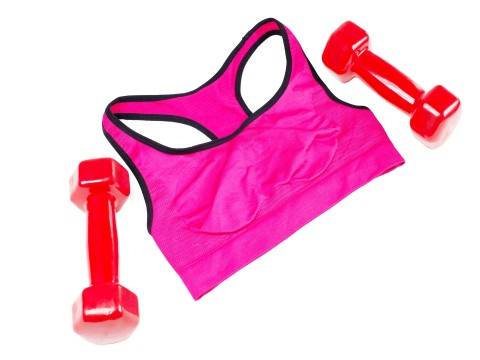
Just how sporty is your sports bra?Very few women in the world really know the right size of their bra and end up using wrong size bra all their life. A study shows that all over the world only 2 women out of 10 wear the right sized bra due to which they can never get the look they want. Since there is lot of difference in sports bra of different brands, you need time and patience to find out the most suitable one for you. You should keep on measuring yourself every year, and especially if you have added weight or lost weight. It is also necessary to check your bra-size after pregnancy.  On an average, the size of sports bra range from A to H and most women find a comfortable fit among either of this size. A good sports bra should always offer three things- support, comfort and breathability to the breasts. Choosing a Bra with a Good Fit Most of the elite bra shops offer good range of different sports bra. But it is important to know which one suits you or is of your size. A well fitting bra gives you the liberty to exercise or move with confidence and comfort. One thing you should keep in mind while purchasing a sports bra is your life style and preferences. Some like it padded, some like it embroidered, while some may like it simple. So apart from correct measurements, your style should be given preference while buying a sports bra. Moreover, you also should take into consideration the dress you are wearing on this bra. Here are some tips that can help you in selecting the right bra when you will go to the lingerie shop. Support   A good bra should offer your breast complete support, irrespective of whether they are small, medium or even big. If you have breasts ranging in between A to C cup, you should choose a compression bra that offers more comfort and support. If you are looking for a bra that also encapsulates and gives proper shape to your breasts then you should choose a bra accordingly. These bras offer more support than the compression bra. For getting both comfort and support, you can choose a compression bra that also encapsulates your breasts properly. Comfort You should feel comfortable when you wear a bra. It should stay in place and should not chafe. If possible, try one of the samples in the changing room and check whether the straps dig into your shoulders or whether the bands provide comfortable support to the breasts. The bra should hold the breasts comfortably without being restrictive. A good bra is one that holds your breasts in place even when you are performing all the jumping, running and swinging acts. Breathability The fabric of the sports bra should be good enough to wick away the sweat from the skin so that it dries quickly and allows the skin to breathe properly. The bra should allow excess heat and perspiration to pass through the fabric keeping you dry and cool during summer &  warm and dry during winter.  
Bonding with the babyIt is an immense pleasure to hold a baby in your arms, isn't it? The bonding between amotherand her baby starts within the womb itself. When the baby is born, a few parents bond with the baby within minutes. But for others this may take some time. If the baby is taking time to respond to your affections, don't worry, here are some tips to help you with the bonding. Babies respond to the mother by making sounds, grasping, smiling, or crying. Touching, holding, kissing, cuddling, talking and singing help build a bond with your child. Infants prefer a human face to any other stimuli. So face your child as much as possible. The attention span of a new born baby is quite short. Hang a colorful object on top of the pram, cradle,or cot. Your baby already likes toys of different shapes. Various reflexes develop by the fourth week after birth. These include sucking, grasping, searching for the nipple and blinking. Baby may gaze at you some time. Respond by nodding, smiling, and talking to the baby. Babies are sensitive to their surroundings. They respond to music or the phone ringing by staring at it quietly. They observe toys keenly, spot colours and become happy at times. These are heart warming moments for the parents. Father's care usually builds a protective and secured feeling in a child which he carries for life and prevents building of any unreal fears in him in later life. So dads should care for and make their babies feel secure. You love to touch your bundle of joy, right? Babies love, enjoy, and need it as well. Skin-to-skin touch helps growth and development of the child. Mom's touch soothes the baby when he is irritated. Start reading to your child. It is never too early. It helps the development of reading skills and language. Babies enjoy pictures in the book. Even if baby can't understand words, they love to hear the parents' voices. During the first few months, they understand little of it, but they are thrilled by listening to you. Have a short reading session with your child daily.Dads can try this trick to make the baby sleep. Carry her around while patting her very gently on back.
Activities to help your toddler talkWe understand how eager parents are to talk to their kid. They want to hear their soft voice and babble talks. So start teaching them as soon as possible to help them to speak fast and clear. Here are some activities which will help you to teach your kid to talk. The playful ways: The best way of teaching your kid to speak is to, well,play. Most of the learning is done through playing. Be a child with your child. Act playfully foolish --kids enjoy that a lot. And when the kid is happy and in playful mood, they try to talk. Building vocabulary: Use a word in more than one sentence to make them understand the meaning of the word. For example, 'The color of leaves is green' and 'Your father is wearing a green colored shirt.' If the kids hear a word used often in different sentences, it becomes a permanent part of their vocabulary. Give them practical examples: Teach them the names of the things they see around. Or get actual objects and be descriptive to teach them the name of the object and talk about the object's features. Use a toy phone: You must have seen kids trying to talk over phone to their dads or friends. They try to copy you the way you talk over phone. It can be a great way to teach them to speak. Pretend that you are talking to the kid's dad or grandparents, and pass over the phone to the kid and encourage them to chitchat over the phone. Story telling: Kids listen to the stories very carefully. Show them the pictures in the storybook and describe them with the story. Then repeat the same story the next day. Ask your child if she/he remembers what was there in the story by showing them the picture. Help them if they get stuck. Sing together with the child: Music is another amusing way to teach the child to speak. Listen to a song, sing and dance along. Encourage the child to dance and sing with you. Children are great at learning lyrics of a song. Reward the child on completing a task: When you reward the child with his/her favourite toy or snack, they understand the benefit of performing the task. And they take effort to get the reward. Ask your child to recite a poem for you, or speak a certain word or sentence and entice the child by showing him the reward he will get on completing the task.  
What is megalomania?Bertrand Russell's quote on megalomania perfectly describes the condition:"The megalomaniac differs from the narcissist by the fact that he wishes to be powerful rather than charming, and seeks to be feared rather than loved. To this type belong many lunatics and most of the great men of history." Megalomania is a delusional bipolar disorder. The sufferer believes he is an all-powerful person and that he is superior to all other people. Megalomania comes from the Greek words megalo which means large or great and mania which means madness. It is a psychopathological disorder that has delusional fantasies of power, exaggerated self esteem and a sense of omnipotence. The sufferer may believe he is God or some famous athlete. Although megalomania is a term used for power hungry people, it is clinically described under the mental disorder of narcissism. Narcissism is self-love. Though self-love is a healthy concept, narcissism is a pathological state where one loves oneself to the extent that he starts despising others. Megalomania is caused by certain phobias and mental conditions associated with emotions and personality. In everyday life, megalomania can be a person's mental way of reacting to frustration, abandonment or some serious loss. In the social world, the term megalomaniac is often synonymous with control freaks, power-drunk army generals, executives and politicians. The treatment of megalomania includes medications. The challenge here is that the person may not believe he has anything wrong with him. He, in fact, believes that he is so great that no harm can come to him, so talking him into getting himself treated is very difficult. Adolf Hitler, the German dictator, was a power-hungry control freak. He believed that he was the supreme commander and that his race was the only race suited to inhabit earth. All other races, especially Jews, were inferior and had to be wiped off the face of the earth. Adolf Hitler was megalomaniac.
Communicate to strengthen the family tiesA family that talks to each other stays together. Sounds easy? But how often does your family sit down together in the week to spend time with each other? How about breakfasts and dinners? Are you all able to match your meal times or are you catching each other by the end of the coats in the fast paced world that has us spinning us on our heels constantly? As the family members run in and out of the house, like in a hotel, engulfed in their daily routines they slowly start drifting away from each other. Somewhere pushed to the depths of the heart are old connections and affections with the family. Ideal conversations during childhood, encouragements received during tough times, sibling squabbles in adolescence and many a wonderful memories tug at the heart keeping the family from disintegrating altogether. On the contrary, improper communication and bottled feelings singe the heart in such circumstances and lead to the tumbling of the family ecosystem. Understanding how to build effective communication within the family is important as it helps build a stronger, inseparable family. Here are some effective practices: Communicate Frequently:With the limited time that you have with your family, make communication a common and frequent activity.  While traveling in the car, during meal times, replace TV time with talking, talk to your young ones at bedtime. Keep designated time for informal family meetings and encourage conversations among the family members. Keep the cell phones and laptops in the other room when the whole family is sitting together. Communicate Clearly and Directly:Develop an environment where the family members feel okay to communicate clearly and directly. Allow them to express their thoughts and feelings without having to mask and filter them. This is important in a parent-child relationship and sibling-sibling relationship. It also helps build confidence, family intimacy and bonding among the family members. On the other hand, veiled, indirect or vague communication is ineffective and harmful as it increases confusion and communication gaps. Active Listening:Open and free communication flows only when it is received well and the other person's perspective is acknowledged and respected. Active listening is the cornerstone of effective communication. Whether listening to your partner or child, it is necessary to pay attention to not just the words but tell-tale signs in the tone of communication and non-verbal messages too. Nodding of the head, or words of acknowledgment like, "I understand" make the other person feel that what they are saying is valued and received. Asking questions and requesting clarifications for the parts of the message you do not understand is a very important part of active listening. Trust and Honesty:Only when the family members feel that they can trust each other, can they communicate honestly. Trust is the key for strong familial relationships. Trust is propagated through openness and honesty. Understanding the Individual:The way each individual of the family feels and communicates is different. The way you communicate with the different family members should vary accordingly. Especially in case of young children, as their maturity levels are different than the young adults and adults in the family. The unspoken messages:Not everything might be said in words. Learning to read non-verbal communication such as expressions and body language are very important in understanding the entire message being conveyed to you or the parts being held back. Stay Positive:Many complications and problems between family members can be avoided or solved by effective communication. When dealing with undesired or negative situations, it is important that the words and tonality of the communication is positive. Avoid engaging in negative communication like criticism, defensiveness or contempt. Such negative communication patterns discourage communication.Communication is essential to successful family functioning. Taking inventory of how well the family is doing and readjusting course and practices will help improve the family environment and build a happy family that shares openly and honestly with each other.
High fiber foods and their benefitsFiber has many health benefits and that is why it is important to include fiber in your diet. However, if you are not used to fiber in your diet then introduce it slowly or it could cause indigestion and gas. Fibers are good for overall health and help to boost the immune system and help prevent a number of diseases. The digestive health benefits of fiber : If bowel movements are regular, then fibers will prevent both constipation and diarrhea. Regular movements flush out excessive cholesterol as well as harmful toxins from the intestines which could also be carcinogenic. Fiber helps to reduce inflammation of the intestines, could bring relief from irritable bowel syndrome and prevent piles, ulcers, and acidity. The benefits to the heart Soluble fiber is good for the heart. Fiber reduces the bad cholesterol levels (LDL). It helps to lower blood pressure, improves the levels of good cholesterol (HDL). Fibers reduce the risk of stroke also. These factors are good for heart heath. Weight Loss Fiber can help you to lose weight as it makes you feel fuller for longer which means you will eat less. High-fiber fruits and vegetables have lower calories, so by adding these to your diet cuts calories which could aid in weight loss. Eat 21 to 38 grams of fiber per day depending on your age and gender. Diabetes If you already suffer from type II diabetes then you should have soluble fiber as it slows down the absorption of sugar and can help to maintain blood sugar levels. Regulating blood sugar can also reduce the risk of kidney and gallbladder stones. Cancer prevention Though research is still ongoing, but the general conclusion is that eating fiber foods keeps the colon in a better condition and this could prevent colon cancer. However, it does prevent digestive tract cancer. The more fiber you eat the more fluids you should drink as that helps to absorb fiber better. Good for the skin Eating fiber is good for the skin as they help to flush out toxins from your body which otherwise cause acne. Besides eating a lot of fruits and vegetables produce antioxidants that are good for your skin. Some tips Start your day with fiber as it keeps you full and sugar levels just right to keep you energetic. Try to replace white rice, bread, and pasta with brown rice and whole grain products. Eat seeds, nuts, and flaxseeds either whole or ground and sprinkle some on fruit, yoghurt, or cereal. Add beans and legumes to your diet as often as possible. Eat whole fruits instead of juice. Insoluble fiber can be found in foods like whole grains, wheat, cereals, and vegetables such as carrots, celery, and tomatoes. Whereas soluble fibers are found in barley, oatmeal, beans, nuts, and fruits such as apples, berries, citrus fruits, and pears. Foods like meat, dairy, and sugar have no fiber and some foods like white rice, white bread, and pastries have no fiber either because it has got removed because of refining.
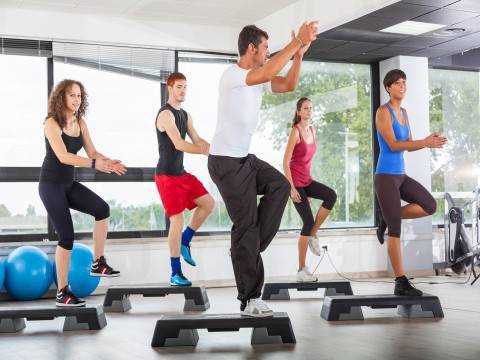
Aerobics: dancing your way to healthAerobic exercise is any comprehensive activity that makes you breathe hard while exercising your large muscle groups at a standard, even pace. The body uses stored carbohydrates and fats for energy. What is aerobics? Aerobic literally means having or providing oxygen or an activity that takes place only in the presence of oxygen. What is aerobic exercise? Aerobic exercise is any comprehensive activity that makes you breathe hard while exercising your large muscle groups at a standard, even pace. The body burns stored carbohydrates and fats for energy. Thus aerobic exercises help the body to utilize oxygen efficiently with increase in respiration and heart rate. What are the best ways to do aerobic exercises? There are number of ways by which you can exercise aerobically. Some easy and best ways are: walking, running, biking, using stationary bike, using stair stepper, elliptical machines or rowing machines, or joining an aerobic exercise class Benefits of aerobic exercises Fat reduction: Aerobics burns calories and body fats directly while using oxygen to produce energy. So this is the healthiest way to get rid of extra fat.  Strong heart: Aerobic exercises not only use your larger muscle groups like hamstrings, but also strengthen the heart muscles. This improves heart function resulting in improvement of blood and oxygen supply to all body parts, which provides healthy nourishment to body cell and removes toxins. Improves breathing: Exercises improve your lung capacity and function,which improves oxygenation, or competence of respiratory system to deliver oxygen to all body parts. It also improves overall health of the respiratory system. Cholesterol control: LDL cholesterol is bad cholesterol mostly responsible for clogging of arteries and HDL is good cholesterol. Aerobic exercises invariable increase the amount of HDL and lower LDL cholesterol thus preventing fat deposition and plaque formation and maintaining optimal blood supply to heart. Other benefits: Aerobics is the best exercise when it comes to prevention of various diseases like hypertension, diabetes, stroke and arthritis and osteoporosis. It helps to keep mood elevated and cures depression and boosts immunity. Make sure to incorporate some form of aerobic exercise in your daily routine.  
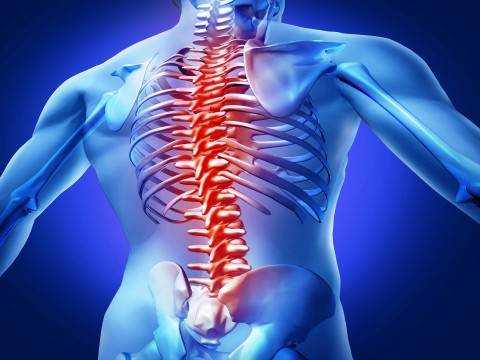
A fine spine - Common disorders of the spineThe spine is made up of small bones called vertebrae that are stacked one upon the other. When viewed from the side, the normal spine has gentle curves to it. Because the spine is a complex structure and happens to be at the center of all our activities, it is subjected to a lot of diseases. A common misconception of low backache is that you should rest. In fact, rest is not recommended at all. Keep up with light non-strenuous activities after the symptoms have subsided. Given here are a few common conditions of the spine: Loss of curvature: The spine, when seen sideways has gentle curves to it. The curves, when lost, can lead to pain and imperfect posture. Kyphosis and Scoliosis are the commonest form of spine curvature abnormalities.Kyphosis is the abnormal and excessive curving of the upper part of the spine. It is commonly called as a hump. It may be present since birth or may develop during the teenage years. The most common symptoms seen are a hump, back pain and muscle stiffness. The pain remains constant and does not worsen over time. If the curvature is too much, then the thoracic cage may get compressed and pressed for space. This may cause cardio-thoracic problems like chest pain, shortness of breath and even death. Compression of spinal nerves may cause loss of bladder and bowel control, loss of sensation and muscle weakness. Kyphosis is treated with physiotherapy, anti-inflammatory drugs and in severe cases, with bracing.Scoliosis is the side-to-side curvature that occurs during growth spurts before puberty. It may also be caused by spinal cord injuries and arthritis. Scoliosis develops gradually. The symptoms seen are usually by people other than the patient, where they may notice a slight slouch while walking. At times it may be seen that clothes that used to fit earlier are now ill-fitting. The pants seem to have shortened on one side. The curvature if mild responds well to physiotherapy. Physiotherapy is also useful as it helps to stretch and strengthen the muscles. This helps in stopping the progression of curvature. Severe cases require bracing and even surgical intervention with rods, hooks, wires and screws to correct the curvature. Sciatica: Sciatica is a condition that arises when the sciatic nerve is pressed upon. This condition arises when a degenerated vertebra presses upon the disc below it, or when there is a disc prolapse.  Abnormally tight piriformis muscle of the buttocks and a tumor in the spine may also cause sciatic pain. The hallmark symptom is the characteristic pain along the leg that starts from the hip and radiates all the way down. The pain is worsened by sitting and tingling numbness also develops. Treatment includes anti-inflammatory medicines and physiotherapy. Spondylolisthesis: When the spine is subjected to the pressures of daily activity, there is a lot of wear and tear that goes on in the vertebrae. This may cause the vertebra to move forward and slide on the vertebra below it. As a result, you may experience a constant backache. Spondylolisthesis can be congenital, it may occur due to trauma to the vertebral column, due to a tumor in the vertebra or due to degenerative changes in the vertebra and cartilage as a result of diseases like arthritis. Low backache is the hallmark of this disease. The pain is typically worse after any exercise that involves the lower back. The motions of low back are restricted and if there is nerve compression then tingling and numbness along the leg may also be seen.Rest and avoiding exertion of back muscles helps reduce the symptoms. Physiotherapy helps in restoring the strength and improving the range of motions. Spinal Stenosis: Degenerative diseases like osteoarthritis cause development of bone spurs in the vertebral column leading to its narrowing. This puts pressure on the nerves and leads to pain and tingling and numbness. Cervical Spondylosis: This condition occurs due to degenerative changes in the vertebrae of the neck region. Commonly seen as neck stiffness with pain that radiates all the way down the arm.  The pain occurs as the nerves get compressed by disc prolapse or bone outgrowths in the vertebra. Treatment includes neck immobilization, cervical traction, medications for pain and physiotherapy. Ways to reduce spine problems and backache are: Quit smoking Adopt a perfect posture Do exercises that will strengthen your core, lower back muscles and abs. Do not ignore or overlook the pains. Consult your doctor at the earliest. Spinal problems are the ones that are frequently overlooked. Ignoring the symptoms may lead to worsening of the problem. See your doctor at the earliest to be safe. The spine is the backbone of our body, in the true sense of the word. It is up to us to keep our spine in good condition as an unhealthy spine will interfere with almost all our body functions.
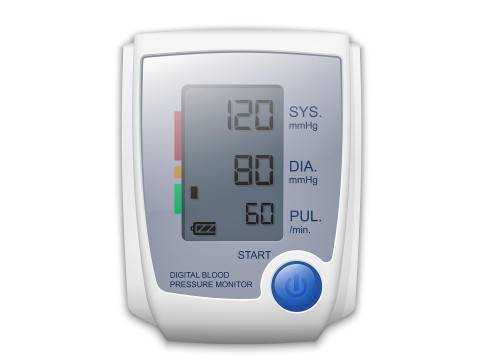
Advantage of the average - Automated continuous blood pressure monitoring technologyAlthough mercury sphygmomanometers (though a deadline is set for them to be phased out due to environmental concerns) are still considered the gold standards, the Aneroid and Digital counterparts represent the future of blood pressure monitoring. The need of long-term blood pressure monitoring arises with disorders and health conditions that demand more attention from the medical teams. Experts say that the fluctuations in BP in conditions like cardiovascular diseases, pregnancy, etc., if tracked at regular intervals, can reduce 22% of risks due to delay and no treatment. This necessity pushed the invention of invasive arterial blood pressure to be used during surgical procedures and further a continuous noninvasive arterial pressure measurement (CNAP) system. There have been multiple researches to overcome some of the roadblocks in measuring the arterial blood pressure in the noninvasive and external approach. Among these developments, the need for measurement of mean blood pressure was felt and the 24-hour BP variation in the patient was taken into account. The 24-hour model eliminates the errors in readings taken during clinic visits due to factors such as fluctuations as a result of white coat fear or after-effects of some stress or exertion. Trendsetting New-age Technology : In 2004, the medical world received the BpTRU non-invasive automatic blood pressure monitoring device. BpTRU devices proved to be a superior and more precise alternative when compared to other manual BP assessment techniques and even other 24-hour ABPM alternatives. The automated oscillometric devices precision and accuracy of assessed BP and heart rate is earmarked with a unique automatic technique - the device records 6 consecutive BP readings of the patient, discards the earliest, and the rest of the five values are put to average function and instantly the resultant mean BP reading flashes on the screen. Compatible with guidelines of American National Standard/Association for the Advancement of Medical Instrumentation (ANSI/AAMI EC13:2002) this is a time-saving, portable, and user-friendly device. A compact and automatic wrist cuff BP monitor, the smart blood pressure monitor that can be synchronized with with Apple’s iOS devices and a Bluetooth connectable and Android compatible blood pressure monitor marks the revolution of CNAP in modern times.
Adrenaline rush - Feel it inside!Imagine yourself at a great height, either scaling a dangerous cliff-hanger of a rock face or on a bungee jumping platform. Some of us who have had the pleasure of doing high adventure sports like racing or indulging in perilous activities like giving out an acceptance speech for the first time are well aware of that strange feeling in the solar plexus, the clammy hands and intensely thudding heart, and the rush of blood to the head just as you are about to take the plunge! The heart beats faster than ever, breathing goes rampant, the senses seem to become supercharged, and the fear, the joy, and the excitement meddles with the mind. That’s adrenaline rush! So what do you want to do? Fight? Or flight? Either ways, adrenaline does it for you. Speaking medically, the two small adrenal glands on top of the pair of kidneys release a magic chemical that gives the animals way towards the fight-or-flight response to counter certain high-intensity situations, called adrenaline or epinephrine. The chemical entity is a hormone, a neurotransmitter as well as a medicine and is too complex to explain its behavior. However, when it works the heart pumps out the blood to the excited muscles and all the juices surge up inside the body. There is more to this topic than just the physiological mumbo-jumbo. The hormone acts every day in the normal course of life, but not regularly to the extent when it produces side effects such as shakiness, palpitation, high anxiety, and profuse sweating! Thats kept for special situations like physical threat, excitement, bright lights, noise, and really high temperature – in good or bad ways. Let us surf through some of the rewarding and a few of the nasty situations where the jolting juice takes charge of our body! The Good ones: Countering Stress: In extreme stress conditions like accidents or fracture, the body needs to react fast and is at its highest awareness. Adrenaline keeps the muscles up and kicking to help the victim fight with the stress. High Energy Requirement: In majority of sports, more specifically in contact sports like Rugby, Boxing, Mixed Martial Arts, etc., the player needs to be in his full sense and topmost concentration level. The adrenaline rush runs in the background to keep them at their extreme self. The Push Mode: Often the daily chores aren enough to excite us and we tend to search for some adventure. In such pursuit of excitement, there are times when the road is a dead end or there is only one way forward – the impossible or most difficult one! The hormone pumps the brain both ways with fear and with the push to conquer the fear and proceed. Adventure Sports often sounds fun, but at times when running ahead of a raging bull, or hanging off a cliff, or rafting down the rough waters of a cascade – feels like the heart shall come out and scream!! It is the rush of adrenaline that keeps one ahead of the fear and explore the high-energy fun of winning over it. Life Saving Moments: In cases of life-threatening emergencies such as drug overdose, cardiac arrest, or pulmonary failure, where the heart and lungs suddenly cease to function and the body gets into a shock –– the epinephrine shots are considered as a life-saving medication to bring the patients back to life (only to be used judiciously by a qualified medical practitioner). The important medical use of adrenaline is in treatment of acute anaphylaxis and allergies under medical supervision. The Bad Ones: Disorders of the Adrenal: Tumors and cancers of the adrenal gland can cause hyperactivity of this high-performance hormone affecting the normal functioning of the heart and the blood vessels by increasing heart rate and creating anarchy in the body systems. Over-Stressed Adrenaline Rush: The demand-supply mismatch in the present world scenario requires one to perform at his/her epitome of mental and physical strengths. In that constant urge of performance, the brain and the body is stressed out so intensely that the adrenaline surge symptoms are experienced by the individual even in the absence of threatening situations. Sudden sweating of palms, shortness of breath, pounding heartbeats, or chest pains without a justifiable reason can be a result of constant stress.
How to talk about STDsThese are dangerous times that we live in. Just the sheer number of people affected by sex related problems, diseases and conditions all over the world is simply terrifying. AIDS, venereal infections like syphilis and gonorrhea, herpes, HPV etc. are rampant and it calls for some responsible sexual behavior. However, that's a utopian world where humans will be monogamous and will behave responsibly. Even single people might get exposed to these diseases through indulging in risky sexual contact. Imagine doling out $750,000, as a woman in the US got from her husband because he gave her herpes. Even if you are not held legally accountable, what about moral responsibility to own up and discuss a possible STD infection with your partner! Take the case of Jack a happily married man for ten years who had casual sex when out of town on an official trip. He showed no obvious symptoms of any infection but in a month, his wife showed signs of herpes and his marriage crumbled as his wife struggled to come to terms with her husband's obvious infidelity and his callous manner in exposing her to a serious sexual infection. Call it ignorance but sometimes a person might engage in sexual intercourse and contract a disease which he might even not be aware of until the symptoms start appearing. (Refer article on Syphilis on www.topdoctorsonline.com) By then, he might have, in all probability, passed it on to his regular sexual partner or spouse. Or perhaps, there is another possibility that the person knows that he has contracted a sexual infection but doesn't know how to break the news to his partner.  If a person is aware of his infection, yet exposes another person knowingly, it is akin to premeditated murder. Yes, it is going to be a difficult thing to tell your partner which might even signal the end of the relationship or cause severe strain on it. So, if you are caught in a situation like this, what would you do? The option would be to visit a sex therapist and confide in him and then take an appointment for both and let the professional break it to the partner. That is of course if you are in a stable relationship. For those who both party to casual sex, the infected person generally won't be that open about his infection and may even choose not to care particularly if the other person is a complete stranger. A report in MedlinePlus news reveals some more shocking statistics: Many people said they occasionally, rarely or never got tested before having sex with casual partners (50 percent) or long-term partners (39 percent). Of the people who did discuss STD testing, very few discussed concurrent sexual partners or when partners' testing occurred in relation to their last sex act. Only half explained what types of STDs their partner had been tested for. These issues are important components of assessing STD risk, the researchers said. About one-third of participants reported telling a partner they didn't have an STD even though they hadn't been tested since their last sexual partner. One U.S. woman was awarded $750,000 in court from her ex-husband because he gave her herpes, and the legal trend is to make people accountable. (http://www.dummies.com/how-to/content/how-to-talk-to-a-partner-about-stds.html) Remember even wearing a condom is not a 100% guarantee that the infection won't pass on to the other person but that's the least that you can do if you don't have the courage to spill the beans about your condition. If you feel that your partner may be indulging in sexual activity with multiple partners and if you feel he might be infected, then you are well within your rights to decline to have sex with him until he/she gets tested. If you notice sores around the genitals do not indulge in oral or anal sex or any kind of sex and insist on a condom always; it could save your life.
FAQS
T&C FAQS