Home
Broad chest, weak lungs - Are men more prone to respiratory diseases?The long-standing, chronic afflictionof the respiratory disease is called as COPD, i.e., Chronic Obstructive Pulmonary Disease. COPD is the obstruction within the lung tissue, causing improper circulation and entrapment of air. This limits the space for air to move in and out, directly affecting the quality of inhalation. A small reminder here may be necessary - breathing is synonymous with life, why? Because that's how we get oxygen, which is vital for the functioning of each and every cell within the body. With COPD, the ability to take in oxygen gets compromised increasingly. Continued cough, sputum, and shortness of breath are the main symptoms. COPD is more common in men. Does it have to do anything with being a male? Not necessarily. No specific link has been established to say that COPD risk is higher for you solely because you are a man. Then, what could it be? A study conducted in 2011 in USA showed that the number of men who smoke is 5% more than the women who do. To understand the reason behind this, let us see the primary causes of this disease. Air pollution, some genetic predispositions, frequent acute infections, exposure to harmful chemicals for a long time (usually occupational) - are some of the main causes, and the number one cause is smoking, owing to almost 80-90% of the cases. Park this thought. Next piece of information is simply revisiting some facts you may already know: #The gender classification ofsmokers - Men are known to smoke more than women all over the world, not only in numbers, but also in quantity. Whether it is a developing country or a developed one, 2011 studies say there are more male smokers everywhere than female smokers. Not only there are more men who smoke, they smoke for longer periods and more number of cigarettes than female smokers. This may vary from country to country, like India has much less women smokers than USA does, but the difference between the two genders holds true everywhere, only the ratios differ. #Occupational exposure to harmful chemicals and gases - These are industries of mining, textile, chemical engineering, welding, etc. The number of men working in such industries is way higher than women. #Air pollution - Men are more exposed to air pollution since they are outdoors more than women. This may not apply to all countries and societies, but is generally true. Now, we can put the pieces together and understand why COPD is more common in men? Yes, they are at a higher risk because of higher exposure to smoking, pollutants and irritants. Cigarette smoking is the leading cause of lung diseases and male smokers outnumber women across the world. You can figure out the math here!
Woman, look below your face too!Skin problems are not restricted to the face alone. There are several places where there could be problems. You don't have to grimace and bear it always! Moles: A mole is formed when the skin grows out in a crop or cluster. Moles can be quite harmless. At times, moles are also precursors to serious melanomas. If your mole suddenly grows big or changes colour or starts to bleed, see your dermatologist right away. He will advice a biopsy to rule out anything serious. It is always safe to be in the clear! Rosacea: This is an irritating skin condition that is brought on by specific triggers. It is usually manifested as red spots on the face, flushing or small red eruptions on the face. This condition has multiple triggers, the most common one being the sun. With no cure being available for rosacea, avoiding the triggers like sun, alcohol and extreme temperatures is the only solution. For moderate to severe cases, topical or oral antibiotics are prescribed. Depending on the severity, laser treatments that zap the blood vessels that cause the flushing can also be opted for. Ingrown hair: Too much of waxing and shaving results in the hair growing haphazardly. It results in hair curling up and growing up backwards. It can be a painful condition, especially if it gets infected. Wipe the skin with a cloth dipped in warm water to soften the skin so that it can grow freely. If the pus has already found its place, dab a bit of benzyl peroxide on it. Stretch marks: When your skin stretches with rapid weight gain, as in pregnancy, the result is unsightly stretch marks. Stretch marks, though a proud and happy achievement, can be an embarrassingly reality too! Treatment for them is possible when they are still fresh and pink. Applying a vitamin A or retinoid based cream regularly helps reduce the visibility of the stretch marks by making the skin more pliable. White spots: White spots can be anything from PMLE to Vitiligo. Polymorphous Light Eruptions are the typical whitish spots that come up on the exposed parts when you are out in the sun too much. It occurs due to the damage to the melanocytes by the harsh rays of the sun. In some cases, there are antibodies that the body produces against the melanocytes that go around killing the melanocytes in random places. This causes large white spots at random locations on the body which typically spread. So use a sunblock every time you step out into the sun. If you find the spot growing in size, consult your dermatologist. He may determine whether it is vitiligo. Vitiligo has no cure, there are oral medications available, which along with the sunrays help restoring some color to the skin. Birthmarks: These are pigment cells that are overgrown. Most birthmarks fade over time. However, if yours starts growing and changes to a dark brown color, get yourself checked by a skin specialist. Chances are that it could be a melanoma. Birthmarks are usually harmless and do not require removal except for cosmetic reasons. However certain medical conditions like melanoma also warrant their removal. Varicose veins: When blood in the legs isn't unable to pump up against gravity or if the valves of the leg veins are faulty, the blood starts stagnating in the leg. This causes the legs to swell and the veins to look prominent. This painful condition occurs in obese people, at times in pregnancy and in people with jobs that requires them to stand all day. Resting with the feet above chest level is a solution for mild to moderate cases. In severe cases, the solution is laser treatment. Scars: As a child, you burnt your leg by accidentally placing it on the hot silencer of daddy's bike? You may still have a scar to remind you of that incident! Scars happen after an injury to the skin's collagen and elastin. If scarred, you may have to live with it. However, there is no reason why the new injuries have to have reminders for life. Skin discolorations, keloids or pockmarks from acne attacks, whatever the scar, there are multiple creams and laser options available to treat them. Age spots: Also called Liver spots, they have nothing to with either your age or liver. They are caused when your skin produces extra melanin to cope with your sun exposure. Alternate application of a bleaching cream like hydroquinone and an exfoliating cream like a retinoid based cream can help lighten the spots. Do this under your dermatologist's guidance only. Other options include chemical peels and microdermablasion. Lasers are last option treatments for stubborn old spots. Eczema: This is a long-term skin disease, also known as atopic dermatitis. Most common symptoms include dry and itchy skin, rashes on the face, inside the elbows, behind the knees, and on the hands and feet. Currently, there is no single test to diagnose eczema, so doctors rely on information about you and your family. Treatment options do not include cure, only immediate relief from the inflammation and itching can be obtained. Hives: Hives are the red and sometimes itchy bumps on your skin. They usually appear as an allergic reaction to certain foods or drugs. People who have some form of other allergy are more likely to get hives than people who don't have any allergy at all. Other causes include infections and stress. Hives usually go away on their own, but if you have a serious case, you might need medical help. Skin is the largest organ of our body. It is the protective barrier between our body and the outer harmful world full of bacteria, viruses and other dangerous microbes. Hence, it becomes extremely essential that caring for our skin should find top spot on our health care list.

What to eat when you breastfeedAlmost everyone around you will advise you to eat a calorie-rich food that will aid in milk production from your body. But did you know that your body is quite capable of producing enough milk from whatever you eat? Your body has stocked up on all the fats during your pregnancy days itself. You don't really need the extra calorie rich food just to produce milk for your baby. However, how much calories you need cannot be predetermined. Let your body determine your needs. Eat as often as you want, as often as you feel hungry, but remember to eat foods that will give your body the nutrients and not just satiate the hunger. Opt for whole grains, pulses, fresh fruits, legumes, fresh vegetables and nuts. Choose natural drinks like buttermilk, coconut water, and fresh juices. Remember that the foods that you choose must nourish your body with proteins, calcium, and iron other than carbohydrates. Dried fruits and nuts like cashews and almonds and walnuts are the traditional foods given to new moms to enhance breast milk confinement. They are a very rich source of calories and definitely improve the quality and quantity of milk. However, keep a bottle of water or some juice nearby when you breastfeed. The body releases oxytocin when you breastfeed and it makes you thirsty. So, have some refreshing drink before you breastfeed. Most new moms are advised to drink lots of water as it aids in breast milk production. However, breast milk production doesn't really need extra water. It is best to avoid alcohol when you are breastfeeding. The amount of alcohol in blood and breast milk reaches its highest level about 30 minutes after you have a drink and it lowers down only after about four hours. Drinking alcohol is not advised when you breastfeed, however, if you feel like having alcohol, do so after you feed your child. Also, wait for a minimum of four hours before you feed next. Ghee is another item that new moms are encouraged to consume for milk production. However, if you are eating a balanced diet there is no real necessity to eat too much of ghee. Avoid aerated drinks, tea, and coffee while you are breastfeeding. Similarly, junk food and foods that are not cooked at home are best avoided. These types of foods fill you up, but provide no real nourishment. Herbal teas are considered safe drinks during breast feeding. However, consult your doctor before you consume any herbal medicines. Do not forget to take your prescribed supplements of iron, folic acid, and calcium regularly during breastfeeding. Your body also needs more amounts of vitamin C, vitamin B12, zinc, and vitamin A. These, you may obtain by eating foods that are rich in them or your doctor might prescribe supplements. Weight gained during pregnancy may be a concern now and you may want to lose it to regain your pre-pregnancy shape. Remember to lose weight gradually with the help of a balanced diet and moderate exercise. Do not starve yourself. Also heavy exercising may release toxins into the bloodstream and breast milk. Keep in mind that you will gain your original weight back only after your baby has completely weaned off breast milk and has started eating solid foods. Breastfeeding is the best option for your baby. It gives your baby everything that it needs and keeps it free of all diseases. Do not shy away from breast milk, do it the right way! Your body is quite capable of producing breast milk from the well-balanced diet that you eat and there is no real need for a calorie-rich food that new moms are fed.
A baby - proofed guide to childcareCaring for kids is an important task. Everyone wishes to nourish kids in a loving and caring yet protective atmosphere. Initial stages of development call for more care and attention. Health, hygiene and safety at home and outside are important when it comes to kids. Here are a few helpful tips to all the parents: Nurture your infants with massage. Learn a right way or get it done from a professional. It is a great therapy to make muscles strong and bond with the baby. Prolonged crying bothers parents a lot. Usually continuous crying for long hours is suggestive of colic or stomach ache. It is the most common problem in kids, the reason being immature gastric system. Do not panic. Keep medicines at hand and give them as per instructions by your kid's doctor. Toddlers often insist on being carried even when they know how to walk well. Make sure to hold them comfortably. Diapering a baby is a skill that must be mastered especially when the baby is fidgety. Holding baby in right position flat on the back simplifies the task. Parents adapt to doing the job effortlessly with practice. Transition period of swapping from breastfeed to bottle known as weaning is a tough task for most of the babies. Consider gentle weaning strategies advised by the doctors. Do not be abrupt. Go slow! Some Safety Tips: Cap and lock the medicines, detergents, chemicals etc. in containers keeping them far away from the children. Bathingwater should be always checked before bathing the baby. Do not leave kids alone near water tub or any water source alone. Avoid leaving baby in a highchair to prevent injuries such asbaby climbing out, falling, or sliding. Lock up all the knives, matches, and plastic bags away from children to prevent poisonings, bleeding injuries, burns and suffocation.
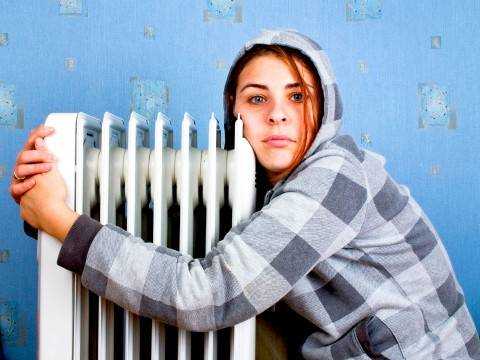
CryophobiaCold or hot can be a very subjective term as every person's tolerance for either heat or cold can vary. When some of us react in an extreme manner to all things cold, then it could be a case of cryophobia - the fear of catching cold or the fear of cold weather. Derived from the Greek "kryos" + phobos gives us cryophobia, which is a mental aberration where the mind develops a nagging and persistent fear of all things cold - be it cold weather, ice-cream, or maybe even a cold shoulder! Jokes apart, a person suffering from this condition could really experience 'hot weather' in his relationships as he will completely avoid any contact with anything cold. If the weather is a bit nippy then that's a veritable disaster for Mr. 'Avoid De Cold' as he will do everything in his power to stay indoors, for instance - turn on the central heating and wrap himself up until the mercury rises to an agreeable level. Though it is decidedly different from your run-of-the mill phobias, cryophobia could be of various types. There are some who are only afraid of cold in the 'weather' sense and are otherwise cool about touching cold objects or even having an ice-cream. While there are some who would probably break out into, if you will excuse the term, 'cold sweat,' even while watching floating icebergs on a Nat-Geo documentary. So, the sensation of cold is quite subjective, and hence the various strains of cryophobia. Generally, this fear would manifest quite logically for those who have occasioned to be trapped under ice accidently or maybe those who have suffered frost bite from exposure to cold weather during a skiing holiday. Under such circumstances, avoidance, though irrational, could be perfectly logical. If you monitor weather reports constantly and experience discomfort even in moderate climates, then you should get yourself checked for cryophobia, as chances are that soon you will be restricting yourself indoors and cutting yourself off from the rest of the world. Some people might just overcome fear or anxiety by wearing an extra layer of the woolens or turning up the central heating. For deep seated fears, it may require long-term counseling or medication. Some people might just have this morbid fear of developing pneumonia from a common cold and hence may take elaborate measures to avoid going out during cold days. This too can be quite normal since most of us don't want to call a day off from work due to a nasty cold. But despite adequate protection if you are still afraid of venturing out to work or are avoiding social contact just because of an irrational fear of catching cold when the weather outside is made for the beach and you are in the middle of summer! Then the catchphrase is - You have cryophobia!
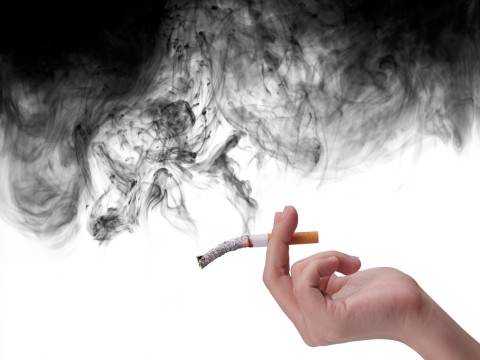
Crossing the smoke screenWhy should someone quit smoking? Smoking is probably the worst sedentary lifestyle habit that we pick up. Quitting smoking changes everything right from the way you feel, taste and smell, your breath smells better and even your cough goes away. Quitting smoking cuts down the risk of cancer, stroke, neuropathy, heart disease and breathing disorders like bronchitis, pneumonia, and emphysema. Not just that, quitting saves money too... just one of the many financial rewards of quitting. Quit Smoking Tips Write down the reasons you want to quit for, and how it will benefit you: for e.g. live longer, feel better, family safety, save money, smell better, find a soul mate easily, etc. You know what's bad about smoking and you know what you'll get by quitting. Read the list daily. Ask for help from your family and friends. Help and support of family and friends without being judgmental helps a lot. You need their support when you become irritable and even irrational while you withdraw from your smoking habit. Set a Deadline. Set a quit date when you will extinguish forever. Prepare a plan. Talk with doctor and take his support and guidance. Exercise. Exercise helps relieve stress and recovers body from damage caused due to cigarettes. Start slow and increase up to 30 to 40 minutes. Begin to breathe. Daily deep breathing for 5-15 minutes will help cleanse the respiratory system and provide more oxygen repairing the damage caused to respiratory system and help cope with withdrawal symptoms. Do not quit abruptly. Cut down on cigarettes gradually. Plan everything about number of cigarettes you will smoke each day till the quit date, reduce the number each day. Buy single cigarette at a time. This helps a great deal to limit smoking. Change brands. This way you won't enjoy smoking as much. Undertake social commitment. Keep your packet of cigarettes with someone else, so that you have to ask for them each time you want to smoke. This way you'll feel guilty about asking and hence smoking; hence lowering the number of times you smoke. Find a mate who is trying to quit. This will boost the morale and keep up the positivity. Try finding a quitting chat room. Learn what triggers desire to smoke - like stress, the end of a meal, arrival at work, entering a bar, etc. Avoid these triggers or if that's impossible, plan alternative ways to deal with the triggers. Now, after you have read this, sit down and write your own list suitable to your personality and way of doing things and create your own plan for quitting.  
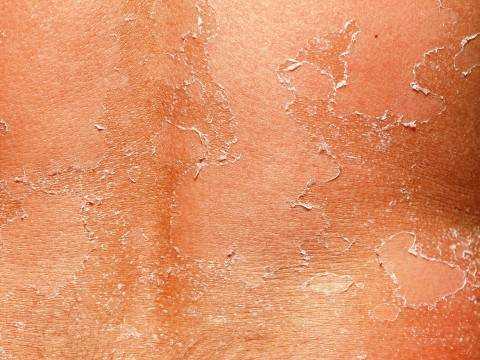
Sunburn: Overview and treatmentSunburns could also be accompanied by allergic responses to medicines, exposure to sun and sunscreen products, sight-related issues like reduced or complete loss of vision, as well as heatstroke. Over a long period of time, frequent cases of sunburn can result in cold sores, cataracts, skin cancer, and lupus.  The factors which will decide the vulnerability to sunburns are: Type of skin - The type of skin determines the vulnerability and intensity of the sunburn. The most vulnerable groups are those with freckled and fair skin as well with blonde or red hair. Regardless of the color of the skin, all skin types are vulnerable to skin cancer and proper sun protection must be used during times of sun exposure. Season - Summer days carry with them a higher probability of burning the skin. UV Index - This refers to the forecast of the strength of UV light on a particular day. This will let you know the cautionary measures you need to take in order to avoid skin damage. This is put forward on a scale of 0 to 11+ with 0 being the lowest exposure. Latitude - As you move to locations closer to the equator, the sunlight directly passes through the atmosphere to a greater extent. Age - Those who are younger than 6 years of age and those over 60 years are at a greater risk of getting sunburns. Altitude - As you climb higher and higher, the chances of sunburn are also greater since the amount of Earth's atmosphere to keep away the sunlight reduces. Every elevation of approximately 1000 feet, the UV exposure is amplified by about 4%. Location - If you are close to reflective surfaces like snow, water, ice, concrete and white sand, rays of the sun which get reflected off these might harm you. Time of the day - The rays of the sun are strongest between 10 in the morning and 4 in the evening. Though, the probability of getting sunburn are lower on cloudy days, it is possible for the UV rays of the sun to pass through the clouds and negatively affect your skin health. Here are the precautionary steps you can take to avoid getting sunburn: Avoid staying in the sun for a long period of time. Make use of sunscreen and choose clothing which cover your skin. In case you are suffering from sunburn, here are ways to treat it: An over-the-counter pain reliever: In order to lower the inflammation and relieve pain, use ibuprofen or aspirin. Anti-inflammatory condiment: Cortisone cream and aloe vera are two primary ways of reducing the inflammation. Cool bath: Take bath for about 10-20 minutes in water of cool temperature (make sure the water is not too cold). This will cut back the pain and irritation in affected area.  Do not use any bath oil, soap or detergent as this might increase the chances of allergic reactions and irritation to the injury. When drying yourself after the bath, do not rub with towel. Cold compressions: Try application of cold and wet compressions on the concerned region for about 20-30 minutes. Adequate hydration: Make sure you drink at least 8-12 glasses of water to help your skin to recover from the sun damage. Moisturizer: Once your skin begins to heal, use a gentle moisturizer without any scent. Blister treatment: In case you have blisters, do not try to pop them. This will lead to infection and marks.However, if you have large blisters which require to be drained, then pop them using a sterilized needle. Follow this by cleaning the area dry with gauze. After applying ointment to the area (Aloe vera or antibiotic ones like bacitracin and polymyxin B), wrap the area loosely using a gauze bandage. Make sure you do not tie it tightly and change the gauze daily to avoid infection. Medical attention: In case you feel nauseous along with fever, rashes and chills, then make a visit to the doctor. The following symptoms also require you to seek medical attention immediately: Pain in eyes with sensitivity to light, dizziness, high thirst without proper urination, painful blisters, and pale/cool skin.
5 cardinal sins for the skinWhile cigarettes may not constitute food in the strictest sense, it does have a profound effect on skin complexion, health, color and tone. We eat that we may live, but sometimes we eat way too much and consume stuff that may be extremely hazardous to our health. Since we are talking about skin, here are 5 most hazardous foods for your skin: Grease adds to the crease Since healthy skin is all about healthy blood circulation, any food which is likely to clog up the blood vessels internally is deemed bad for skin tone. Packaged snacks like potato chips may have edible oil written in bold but this contributes significantly to the slowing down of 'collagen and elastin syntheses' which in turn causes the skin to appear aged and all wrinkly. The french fries that we consume as a TV snack can also cause an acne outbreak on the skin and face. Gluten Glutton Gluten is a substance found in wheat and other food grains. We may not even be aware that some of the food grains have gluten as a main constituent. Gluten intolerance can also cause inflammations on the skin in the form of rashes or acne. Bad news is that the pizzas, pastas, cakes and bread that we get off the rack may be heavy in gluten (Surprised that they don't say that on the pack) and that may be the reason for you to lose precious skin tone. So seek gluten free foods, though that might not be the easiest of tasks, but for your skin, it certainly will be worth it. Caffeine - the skin coffin If you are one of those coffee addicts then you may as well write an obituary column lamenting the loss of your skin tone and complexion. It's not without reason that health freaks love bashing coffee beans and caffeine rich beverages, as they are truly hazardous. How? Studies have proven that just 2-3 cups stimulate pituitary-adrenocortical response. Yes, but what does that have to do with your skin? Well this leads to the hormone cortisol to increase in our bodies. Cortisol is known as the stress hormone! So now here's what it does to your skin -it accelerates the ageing process which means wrinkled skin and causes dehydration causing the skin to show an unusual pallor. So before you turn the coffee faucet on think twice. Fad to Black How fad diets are not skin friendly? Some people go on a high protein, low-carb diet which could sound the death knell as far as complexion goes. Dieting depletes calcium levels, which means your bones are going to suffer and what's the point of having skin on bad bone density? Besides low-carb diets can utterly wreck the complexion as the delicate PH balance in the skin is ruined. Some of the meat, poultry and dairy products too can have artificial chemicals injected in them which cause a hormonal imbalance in our bodies leading to skin disasters. Fruits and vegetables have chemicals injected too sometimes! Beware! Cereal Killers Cereal killers are those people who ignore the need of a proper diet for skin health. So anybody who indulges in too much sugar, caffeine and greasy food stuffs is a 'Cereal Killer' A lack of cereals in the diet can literally kill your skin. Cereal foods have high fiber and antioxidants for moisturizing the skin and protecting it from skin damage. For great skin other than cereals which are simply fabulous for keeping skin hydrated and breathing easily, one can eat fruits, olive oil, healthy fats, almonds, tofu, grains, nuts and the good old vitamin B rich products. Ceramides in raw food diets, organic foods, wheat germ and brown rice protect the epidermis of the skin and make it impervious to external attacks and pollutants while maintaining their tone and beauty.
7 Pains you should not ignoreWhen the body cries out in pain, most of the times, you know what is bringing that pain, and you do what will help relieve the pain. For example, a serious workout may cause sore aching muscles, for which you will rest a day or two, or take a painkiller. What does one do to know why a body part is paining? One needs to sit up and take notice! The pain could be anything, from a heart attack, to an aneurysm, and could cost you your life! Pain in the head: Headaches are the most frequent pains that we suffer from. Headache could be due to a migraine, due to staying too long in the sun, due to a cold, or simply due to working too long without a break. However, in case you have a headache, and are not able to pinpoint to an obvious cause, rush to the emergency room. Headaches with no apparent cause may be due to a brain hemorrhage, a tumor in the brain, or an aneurysm in the brain arteries! Get yourself checked as soon as possible, if you keep getting headaches for no apparent reason. Pain in the jaw: This could be due to a caries ridden tooth. But most often it is due to an impending heart attack. The classical left sided chest pain radiating to the left little finger is not always seen in all cases of heart attacks. Pains to the jaw and the back are reported very frequently. Often, people tend to take the pain in the jaw lightly, and brush it off to a tooth problem. This may be potentially life threatening, as you never know the severity of the attack! Tingling, numbness and burning of the feet: Diabetes mellitus is a silent killer. Peripheral neuropathy is often the first complication of diabetes. Tingling numbness, and burning in the feet may be attributed to wearing tight shoes and to keeping your feet suffocated in socks all day long. Dipping your feet in a tub of cold water will give you a good night's sleep. But do not let it go at that. Get your blood sugar levels checked before it is too late! Pain in the calves: Do you get nightly pain in your calves that get better with putting your feet up? This is due to long standing hours at workplace, you may say. True, it is due to that. But, it is not something to be left unattended. Calf pains are due to deep vein thrombosis that occurs when the stagnated blood in the veins starts to form clots. The danger here is that the clot could break off and travel to your lungs causing pulmonary thromboembolism that is fatal! Take a break regularly and put up your feet frequently. Let the blood flow and not stagnate! Pain in the back: Most commonly, back pain is caused due to arthritis, and improper sitting postures. But if you suffer from high blood pressure, and are an alcoholic and smoker too, do not take your back pain lightly. It could be due to a heart attack or an aortic dissection! Pain in the abdomen: You may attribute this pain to gases, over eating or indigestion. While these may be occasional causes, persistent pains need to be checked. It could be anything from a gall stone, to gastric ulcers, to a swollen liver, or maybe even pancreatic cancer! Vague, medically inexplicable pains: When you have a recurrent headache or a stomach ache or a backache and you come out with a 'perfectly healthy' report after visiting all the specialists, it is perhaps time to seek the help of a psychiatrist or a counsellor. Your pains could actually be a symptom of depression. Psychosomatic pains are on the rise. The stresses we face in our lives everyday get pushed to our subconscious, and eventually are pushed up bodily in the form of unexplained aches and pains!
Stress-free sex: Know your safe period!Having sex is a pleasurable thing; and the nicest way to enjoy it, is to give in without being bogged down by the fears of getting pregnant. Not every act of sexual intercourse will result in pregnancy. There are days when your chances of conception are very high, just like there are days when the chances of getting pregnant are almost nil. Identifying these days will help you enjoy a better and a more stressfree sex life! A woman's menstrual cycle starts from the first day of  bleeding and ends about 28 days after that, on an average. Ovulation occurs on the 14 day of the menstrual cycle. The 14th day is the ideal day, theoretically. Since every woman's menstrual cycle differs, the day of the ovulation also differs. Hence doctors calculate the fertile period from the 12th to the 18th day of the menstrual cycle. This is the period when the chances of ovulating and hence getting pregnant, are optimal. The 1st to the 7th day and the 19th day to the start of the next cycle, are the days when the ovulation chances are very low. This means if you make love during these days, there are very little chances of you getting pregnant. This is the case with women who have regular period cycles. In case your cycles are not regular, then you would need to do a bit of math to calculate your safe period. For example, if your shortest cycle is of 26 days and the longest cycle has been of 31 days, then: 26-18= 8 and 31-10=21, which means the 8th to the 21st day of your cycle, are the most fertile days. The 1st to the 7th day and then the 21st day to the start of your next cycle, are the days that are safe for you to enjoy sex, without fear of getting pregnant. Opting to have sex during the 'safe period', isn't always fool-proof though. A lot of women have irregular cycles and the cycle length can vary from woman to woman; which is why the so-called 'safe period', is in truth, not 100% safe. It is always better to use condoms or other contraceptive methods like the oral pill to prevent unwanted pregnancies.
Women and impotence- The facts on sexual dysfunction in womenTraditionally when one hears the word 'impotence', one tends to associate it with the male partner. Female impotence is also a reality. Sexual dysfunction in women might infact be more common in women than in men. Read on to know more The sexual response cycle has four stages- excitement, plateau, orgasm and resolution. A problem arising in any of these phases is called Sexual Dysfunction. It hampers with the pleasures of sexual activity. All in all, a healthy lifestyle is the key to getting rid of several of the causes that may cause sexual dysfunction. Be frank and express your fears to your partner. Talking and establishing a mutual respect and comfort zone helps like nothing else can! Sexual dysfunction affects females as much as it affects men. The causes can be classified as below: Physical causes: Several diseases like diabetes, heart diseases, kidney disorders, liver disorders, neurological disorders, hormonal imbalance, menopause, excessive alcoholism or drug abuse can cause sexual dysfunction. In addition to it, inability to perform or initiate or enjoy sexual activity may happen due to side-effects of certain medications. Past pelvic surgeries are also a cause for sexual dysfunction in women. Psychological causes: The mind has got a definitive effect on the body. Sexual dysfunction is the apt example to explain this. Too much of stress, work pressure, depression are factors that do not allow an individual to perform well in bed. Past sexually traumatic events may also be a cause for sexual dysfunction. Sexual causes: This is the most frequently encountered cause for sexual dysfunction in women. Vaginusmus is the leading cause here. Vaginusmus is a pain that the woman experiences due to the fear of penetration. This causes involuntary contraction of the muscles making it impossible for her to relax. The origins of this fear are due to past painful and traumatic experiences. Dyspareunia is another cause for sexual dysfunction. It is a burning pain that lasts long after the act is over. The severity of the pain is of such a nature that the woman prefers not giving in to the pleasures of sex rather than experiencing pain. Sexual dysfunction is not something to be embarrassed of and certainly not something to be looked upon derogatorily. Sexual dysfunction often leads to frustration and can affect your relations. Speak out and seek help before it is too late. And for the men reading this, be supportive of your partner. She is going through a difficult phase and she needs your love and support along with the right treatment, not your scorn and displeasure. Treatment Options: Sexual dysfunction in women is treatable once the exact cause for the condition is known. Various natural remedies, holistic approaches and psychotherapy have been used with a good measure of success. Additionally, oral medication, hormonal therapy and surgical procedures are also used to treat impotency.
FAQS
T&C FAQS