Home
Aging milestonesChanges in old age depends on attitude as much as person to person. In young old age some changes begin to take place in a person’s appearance. Wrinkles, warts, age spots begin to form on the body. Hair begins to thin or becomes grey and even height lessens because the bone density decreases. While in ‘old‘ old age these changes are already permanent. Men might look distinguished if in good health, but women all look grandmotherly. In ‘young’ old age, cells begin to decay and muscle mass declines and immunity is no longer as strong as it used to be. People lose energy as the age progresses.  ‘Old’ old age brings in a lot of physical decline, profound changes in appearance and motor abilities, as also in sensation. Skin gets less elastic and becomes thin and blood vessels can break under the skin. The senses also begin to become dull. Eye lenses get affected and color perception and reading ability becomes very low. Hearing loss may lead to paranoia and ‘old’ old age people begin to think everyone is plotting against them because they can’t hear properly about what others are saying. Sense of smell also declines, but the taste remains almost intact. In ‘young’ old age, reflexes also slow down and so do the motor abilities. By the time they reach ‘old‘ old age most adults find that their response time has become quite reduced. This can be seen most in driving situations where it is difficult for ‘old‘ old aged adults to operate their vehicles as they have poor spontaneous responses. The ‘young’ old adults do not lose as much of their motor abilities as the ‘old‘ old adults, especially when holding small things like needles and pins. Of course, there are changes in sexuality and there may be a decline in the ability to have sex as men may not have an erection and women become dry due to lack of female hormones. Cognitive decline in 40% to 60% of older adults can be arrested with remedial training. Despite all the changes, most people even in their 70s remain comparatively active if they do not suffer any illness. Mental, physical, and social activity is necessary to maintain the quality of life. Old people begin to withdraw from work and other important roles and allow the younger people to take over. They are a lot happier as is also advised in Vedic literature as vridhashram. While activities are important, disengagement is equally important. Memory loss becomes aggravated and other cognitive abilities begin to decline and there are many ‘old‘ old adults who get Alzheimer’s and lose the ability to look after themselves. Old people also dwell on questions of death and sometimes go through a phase of denial and then anger that they have so little time left. Acceptance of death comes, but after a struggle and the idea of losing the family saddens them. Old people require support in their declining years as they begin to lose their faculties.
Broad chest, weak lungs - Are men more prone to respiratory diseases?The long-standing, chronic afflictionof the respiratory disease is called as COPD, i.e., Chronic Obstructive Pulmonary Disease. COPD is the obstruction within the lung tissue, causing improper circulation and entrapment of air. This limits the space for air to move in and out, directly affecting the quality of inhalation. A small reminder here may be necessary - breathing is synonymous with life, why? Because that's how we get oxygen, which is vital for the functioning of each and every cell within the body. With COPD, the ability to take in oxygen gets compromised increasingly. Continued cough, sputum, and shortness of breath are the main symptoms. COPD is more common in men. Does it have to do anything with being a male? Not necessarily. No specific link has been established to say that COPD risk is higher for you solely because you are a man. Then, what could it be? A study conducted in 2011 in USA showed that the number of men who smoke is 5% more than the women who do. To understand the reason behind this, let us see the primary causes of this disease. Air pollution, some genetic predispositions, frequent acute infections, exposure to harmful chemicals for a long time (usually occupational) - are some of the main causes, and the number one cause is smoking, owing to almost 80-90% of the cases. Park this thought. Next piece of information is simply revisiting some facts you may already know: #The gender classification ofsmokers - Men are known to smoke more than women all over the world, not only in numbers, but also in quantity. Whether it is a developing country or a developed one, 2011 studies say there are more male smokers everywhere than female smokers. Not only there are more men who smoke, they smoke for longer periods and more number of cigarettes than female smokers. This may vary from country to country, like India has much less women smokers than USA does, but the difference between the two genders holds true everywhere, only the ratios differ. #Occupational exposure to harmful chemicals and gases - These are industries of mining, textile, chemical engineering, welding, etc. The number of men working in such industries is way higher than women. #Air pollution - Men are more exposed to air pollution since they are outdoors more than women. This may not apply to all countries and societies, but is generally true. Now, we can put the pieces together and understand why COPD is more common in men? Yes, they are at a higher risk because of higher exposure to smoking, pollutants and irritants. Cigarette smoking is the leading cause of lung diseases and male smokers outnumber women across the world. You can figure out the math here!
Pregnancy myths bustedChances of getting pregnant each month gets increased by 50% in the women of the age of early 20's: This not right, for a women to get pregnant is not easy. When a woman is below 25 the chances of hitting baby bingo are only 20 to 25 %, while the women above 35 years of age the chances are 15%.   The baby's gender could be understood by the shape and size of the belly. It is believed that woman carrying a girl has high belly: False again. The shape of belly depends on original shape of the abdomen, amount and the distribution of the fat, strength of the abdominal muscles, the number of babies conceived and the position of the baby... but in no way possible can the shape or size of a belly give away the sex of the baby inside.   The best fertility lubricant to be used for conceiving is saliva: This is totally wrong, actually saliva is the sperm killer, most of the lubricants and massage oil are also not good for fertility, so it is better to go without using any lubricant.   Sperm production is impaired by laptops: This is true. Heat is not good for male fertility when laptops are used on laps they may generate heat and affect the fertility. So it is good to use the laptops as desktops.   The conceiving period of most of the couples is 3 months: This is not right, most of the couples take about 6 - 12 months of active efforts to conceive if they are not having any fertility problems.   There are more chances of conceiving, if you do more sex on the fertile days: This is true, the man having normal sperm count to have sex during her partners fertile days is good for conception. Having everyday sex was suggested in earlier days but anything which is done in excess is always more.   The egg can be fertilized within two days after it is released: This not true, an egg has the shelf life of only 12 to 24 hour, and the sperm have to meet with egg within that time, though it has the shelf life of 3 days or more.   Position during conception matters: This is not true, the sperms which are healthy are good swimmers, they can make you pregnant in any condition.   Eating oysters is good for getting pregnant: This is true, oysters are the good source of zinc, which is the most fertile mineral, it is also a good booster for libido, it can be used by both sexes.   Having cough medicine is good for getting pregnant: This is true, cough expectorants loosens up the cervical mucus as it does with the mucus in the chest, and the looser cervical mucus gives the sperm an easier and faster way to get pregnant. But some cough medicines contains an antihistamine that dries up all the mucus, which makes for a difficult swim for the sperms.   The sex of the baby is known by the glow on the face of the mother: This is not true, as the morning sickness of the mother is stopped, she starts eating well, the blood circulation also improves and in general the mother feels good, which gives the glow on the face. There is no relation between the glow on face and delivery of a baby.   The baby having lots of hair causes heartburn to their mother: Completely false, heartburn is the common complaint of the mother during pregnancy, this is due to reflux in oesophagus, in this the food particles come up through the food pipe and due to its acidic nature it causes heart burn. There is no relation between baby having lots of hair and heartburn.   The food intake of the pregnant woman should be doubled, for baby and the mother: This is not true, the pregnant woman, should take a balanced nutritious diets containing ample of proteins, vitamins, and minerals, small meals should eaten for every two hours rather than eating only 3 times the bulky meals.   Labor can be induced having sex during pregnancy: Not true, if the woman is physically fit during pregnancy can have sex as advised by the doctor only the position during sex should be taken care of, it should not cause discomfort to the woman.   Regular breastfeeding is a barrier for getting pregnant: Again a myth, the women can get pregnant even in the lactational ammenorrhea before the first menstrual cycle. You should always use contraception to avoid pregnancy.   Using computer during pregnancy can harm baby: This is not true, there may be backache if you continuously work for a long time on computer, but there is no direct effect of computer on the baby.   Source: What to Expect Before You're Expecting
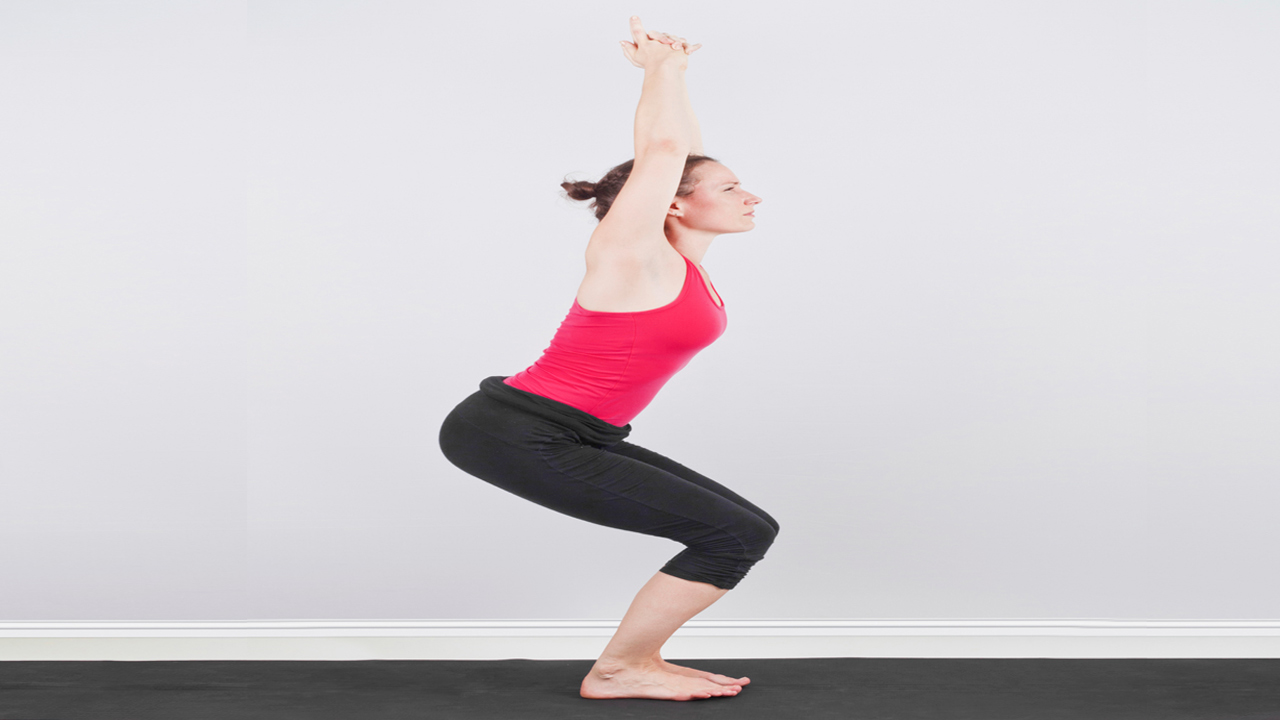
Leg toning exercises for womenFor those women who will leave 'no stone unturned', here are a few great exercises which work superbly on the legs and whole body. For those who have always wanted a great pair of legs, don't change your jeans brand. Just change your brand of exercise. Here are great leg toning exercises that can make your legs attention grabbers. Well-shaped legs are what every woman desires especially as it signifies 'movement', 'mobility' and 'strength'. When we say legs we mainly mean the thighs, the calves and the feet. To get more precise the quadriceps of the thighs the hamstrings and the hip adductors are the prime targets of most exercises. A complete leg work out would also include the 'Tibialis Anteriors' or the shin muscles. Exercising the legs can be quite a frustrating thing especially if the leg muscles don't show any cosmetic improvement. Here is an exercise regimen which will ensure that you will get those attention-grabbing legs along with the strength, flexibility and tone which you have always desired. The stand This is probably the most undermined exercise of them all since it doesn't involve lugging heavy weights around or running for miles or squatting! It is a foundation exercise for the legs.  Choose your favorite spot on the floor and just stand erect with both feet together and toes pointing forward. Hold the hands straight at the elbows and keep the shoulders square. Tuck the chin in and do not bend your knees. Feel the ground under the feet. Now flex your thigh muscles and keep your feet firmly on the ground. Direct your attention towards the back of your thighs and keep your knees taut. Stand firm for about 3-5 minutes initially and gradually extend to five minutes or more. This exercise is simpler than it actually is as it keeps the thighs taut and firm. The entire leg gets a marvelous stretch and any faulty standing or postural habits create unnecessary tension and uneven hip alignment. The standing pose will be your first step towards trim and well-sculpted legs. The One Leg Extension After you perfect the stand, here is another great leg exerciser - The one leg extension Perform a stand as in the previous exercise for about 30 seconds. Once you get your grounding and feel your foundations beneath the feet, take a deep breath. Now flex your thigh muscles and keep the kneecaps taut without feeling any strain. Bend the left leg at the knee and raise it without bending at the right leg. Now catch hold of the big toe with the left hand and hold the pose for a few breaths. You will initially struggle for balance as you have to keep the other leg straight. Now that you have caught the big toe of the flexed leg gradually straighten the leg out without letting go of your grip. This is a challenging pose especially for the hamstrings, the hip flexors and the calves since the leg muscles are going to be a little tight especially around the hips and the hamstrings. With regular practice, the pain will ease and then you can even try and take the toe towards as high as you can with the aid of your left hand. Repeat with other leg following the same sequence. One Legged Squat The one legged squat is a superior exercise to the two legged variety is that it doesn't require many repetitions as it is quite a strenuous exercise even for advanced exercisers. Stand with the back of a chair within easy reach initially. Extend the right leg out first and squat down to your heel with your left. Once you have reached the end of the squat try not to touch extended leg as there comes the difficult part - getting up to standing position without touching the floor with your hands for support. Raise yourself to standing position and repeat with other leg. You can do about 3-4 sets with the same leg or alternate legs using the back of a chair for hand support as you squat deeply. The single legged squat exercises the gluteus, the knees and the entire hip joint and also gives lower back strength. Initially your knees might hurt so don't try this without support of a chair or a partner. Stop in case of intense pain. Step Training If plain jogging doesn't do the trick for shapely legs for you, try using stadium stairs or any gradient which is at 30 degrees and comprises even steps. Your regular apartment stairwell or even a pedestrian over bridge can do the trick. First set only walk up one step at a time. Second set do alternate stairs. For the third set you can sprint up as fast as you can the entire flight of stairs or halt for exactly ten seconds when tired and start again. You have the option of stopping as many times you wish as long as you start again after ten seconds. This can work up quite a sweat and regular step training works out and touches muscle groups that even normal running or squats cannot reach.
Pediatric diet formula food vs traditional foodAccording to the World Health Organisation, it is unnecessary to give your baby rice cereals at the age of four months as breast milk can provide all the nourishment a baby needs in the first year. No other solid food is required. Breast milk has all the nutrients like fats, protein, cholesterol, carbohydrates, vitamins and minerals which are required in the first year of life. According to most studies,formula foods are not the healthiest option to begin solid foods on. Doctors prefer that babies be given boiled vegetables and mashed fruits like bananas and not formula cereals that contain simple carbohydrates. It is not a good idea to give babies processed and refined foods that are found in all formula foods. Formula foods do have nutrients, but they are not as easy to absorb as nutrients from foods prepared at home. You can also ensure quality in food that is prepared at home. Formula foods cannot imitate the natural taste of foods. Babies like to choose foods according to taste just like the adults and you can give them a wide variety of choices like offering them different fruits and vegetables rather than the similar tasting formula. You will be surprised to know that mother's milk has the taste of the foods she eats and so babies develop taste for a variety and may like the insipid taste of formula. Another reason why formula foods may not work that well is that they contain cereals. However, the enzymes that are required to digest carbohydrates are not fully developed in babies until they are more almost three years old. Cereals and breads are very difficult for babies to digest. Undigested grains can throw off the balance of bacteria in the gut and this is the reason for a lot of digestive issues once they are grown up. Solids should not be introduced until six months of age, as studies now reveal that if solid foods are given early on then it increases the likelihood of allergies, especially of those foods introduced. Babies produce only few enzymes and digestive juices that are mainly required to digest protein and fats. This is because mother's milk has 50 to 60% healthy fat which is a must for the babies' mental and physical growth. Most baby infant nutritionists feel that formula feed is not a complete food. Babies will get deficiency,such as iron, as it is difficult to absorb them from formula foods. The debate continues as many feel that the marketing gimmicks are what selling these foods and not the nutritional value they provide to babies. A note of caution, excessive amount of juices are harmful for babies as these can lead to obesity.
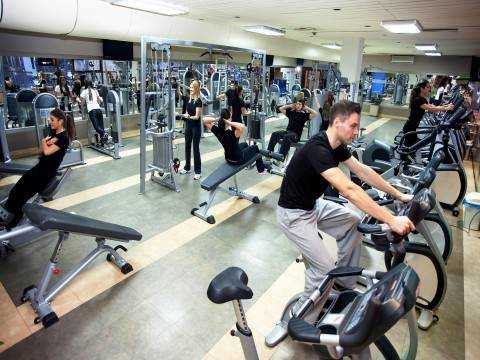
Get the couch potato out to playKids in the modern day are increasingly getting lazier and unfit. Watching TV, playing games on consoles and smartphones, and spending time on social networks is eating into time which would otherwise be spent playing outdoors.The lack of exercise comes with a host of problems, which can affect kids in childhood or later on in life. Therefore, parents must encourage kids to exercise by being an example. However, do keep in mind that there is nothing that will bore a kid than treadmills or lifting weights. Playing sports is often the better way to go. Give aerobics a try Aerobic exercises can help kids to stay fit and also can be fun at the same time. The common perception is that aerobics involve dancing a set pattern. However, aerobics is any exercise that increases your oxygen intake. Outdoor activities can include basketball, cycling, soccer, swimming, tennis, walking or running Along with aerobics, children should also do stretching exercises, which help in improving flexibility, allowing muscles and joints to bend and move easily through their full range of motion. Getting your kids excited It is important, however, to communicate with your child the need to exercise. You could encourage them to take part in outdoor games at school as well as in the locality where you stay. You should regulate the number of hours your kid can spend in front of the TV or PC. This way she will look for means to play outside the house. You can also play with them yourself. It will be fun for the both of you, as well as helps you bond with your child. Exercising for at least an hour a day is ideal, and it broken down into chunks of 15 minutes at a time.  
Sweetie, I am addicted to you!Research shows sugar can be more addictive than heroin. What was the last thing you ate or drank before reading this? Bread? Banana? Chocolate? Cake? Fries? Wafers? Doughnut? Biscuits? Soda? Juice? Wine? Vodka? Coffee? Tea? They are all sugars ultimately. Some taste sweet, some don't. The first thing we taste as babies is milk. It is naturally sweet. From that young age, we learn that sugar is what we like and what we want. You may be a sugar addict, if: You need 'something sweet' after every meal. You cannot have tea or coffee without that second pinch of sugar. Dessert is a must every time you eat out. You go hunting to the refrigerator looking for cake leftovers. A little bite of that chocolate bar is all you need to be happy. You are the one who finishes off the last piece of laddu in the house. You want ketchup with everything - fries, noodles, pizza, burger, samosa, kachori. You want all the above listed items because you just read their names. When out in the hot sun, water is not sufficient for you, you want flavored sweetened chilled drinks. A mocktail or a soda drink makes your dinner complete. And many more such things. So, you see, almost all of us are sugar addicts. Studies show every person in countries like, USA, UK and Australia, may be a sugar addict. The reasons behind the sugar addiction are manifold. First, beyond doubt sugar tastes awesome. Taste factor cannot be debated with. But do you know, the taste is conditioned? Cravings are not always and entirely natural. They are a result of what you give the body and teach your taste buds. Second, businesses heavily exploit this weakness for sugar. Wherever you go there is unimaginable variety of sugar products. A café, a restaurant, a general store, a superstore, a street cart - they all have several options for you to indulge in. How much can one resist and how much can on filter the menu! Third, sugar creates instant gratification. That does work for it and that does add to our trouble. A sad day at work and some chocolate perks you up. Feeling dull and bored, let's go out for an ice cream. This happens too often. Why sugar isn't that sweet? We feel what harm can little sweet do, being happy is more important. However, sugar is worse than many other food vices. As an experiment, check the contents of everything in your kitchen and count how many of them have sugar, in any amounts. Try skipping everything that has sugar in it for the next three days. You will be shocked. The options to eat cut down to several degrees if you skip sugar. The problem with sugar is it makes you want more. A bit does not satisfy you. Sugar increases the desire for sugar - immediate and long term, likewise. The moment you have a bite of something sweet, you cannot stop there, you need to eat another bite, and another, and another. In the long run, your taste buds are getting deeply conditioned for sugar cravings. Your body learns that every time the mind is feeling low, it should ask for sugar. That is how it has been taught to feel better. You are entering a vicious cycle when you entertain these cravings. Sugar is often defamed as a white poison. It is not an exaggeration. Sugar has no nutritive value, apart from generating energy in the body. It simply increases the risk of numerous health complications. Sugar is a known culprit for diabetes mellitus, obesity, heart disease, hormonal imbalance, sexual dysfunctions, and others. Sugar addiction is the most common addiction of all. It is difficult to leave sugar completely out, but one can always cut the portions. How to beat that addiction? Time for some action? All this information must be making you want to cut down on your sugar intake. Hold on. Alcohol, smoking, drugs - they are understood and accepted as addictions. So, there are support groups, people around us will motivate and help us to de-addict. Getting rid of our sugar addiction is even tougher. It will require tremendous amount of will power and determination. Are you ready for the challenge? Let us see some simple ways to de-addict from sugars: Drink less Cut down on all the artificially sweetened drinks - colas, orange, iced teas, flavored canned drinks, sodas. They have zero health benefit. The only reason why you have them is because of the taste factor. Remember the taste is momentary. Once inside the body, these drinks are creating havoc for your system. One spoon less - Tea or coffee? What do you need to start your day? Whatever it is, try reducing the sugar portions. If you take two spoons, try one. If you take one spoon, try half. It will be difficult in the beginning but eventually you will get used to it and you will even like it. Have whole fruits instead of juices. Anything drinkable in the cans contains sugar. Say no to cans. Eat less Give the ketchup bottles some rest. Decide your weekly chocolate quota. Don't let the moods overpower your decision. Bakery items are loaded with sugar, forget they exist. Turn a blind eye to that shelf when you go grocery shopping. A fan of breakfast cereal? Check the packets for sugar content. The ones that are flavoured have more sugar. Pick the plain ones. You can add your own choice of fruit and dry fruits for nutrition. Desserts should be a onetime thing, only when the occasion calls for it. You don't need them daily. Let the sweetness be in your words, not on your plate.

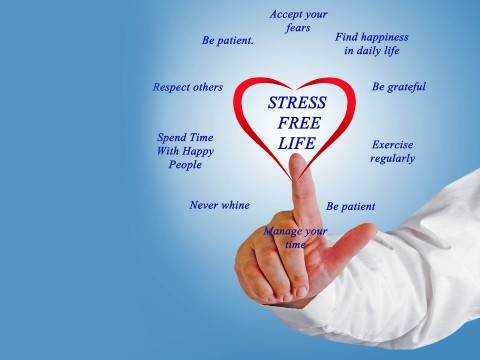
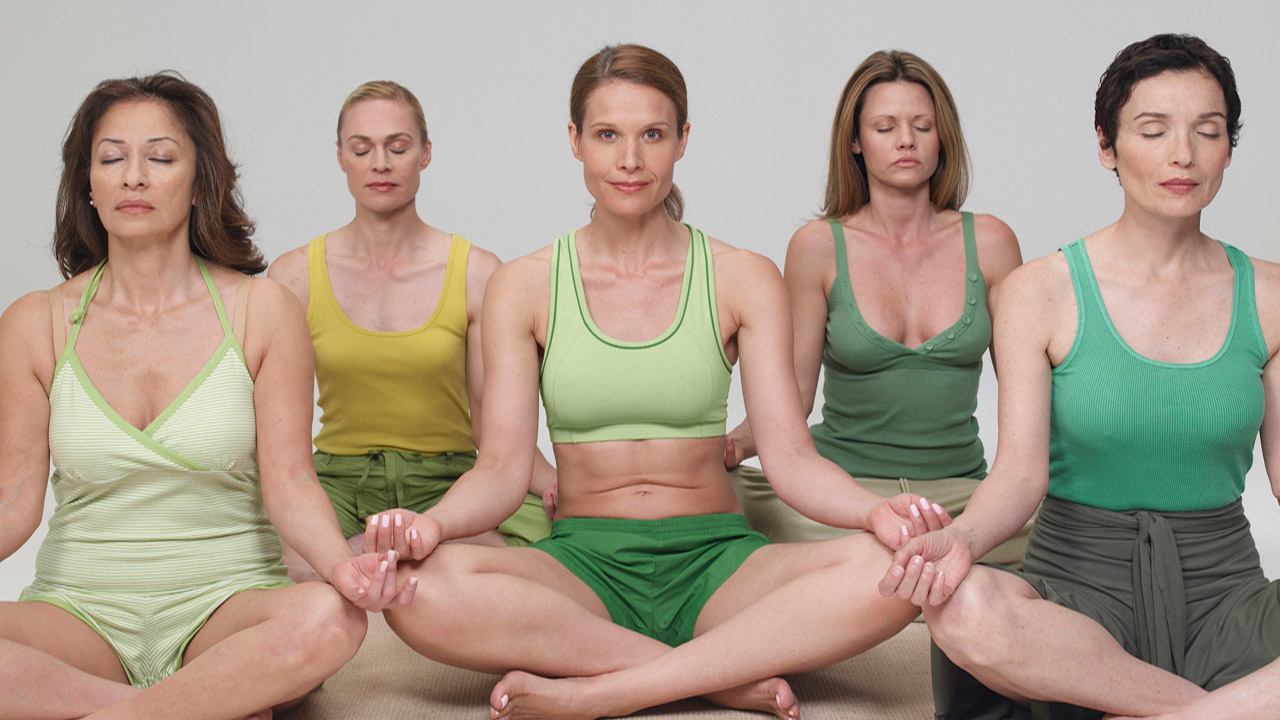
Dealing with obsessive thinking and worriesAn old adage goes - 'Worry is like a rocking chair. It gives you something to do but it doesn't get you anywhere'. This is absolutely true for many of us who have developed the habit of worrying unnecessarily over outcomes and circumstances. Thinking about things and over our course of action is a good thing because you should always think twice before acting. What about obsessive thinking? Is it good for you? Anything in extremity is a bad thing, whether it is your favorite food or your thoughts. Worrying incessantly is a part of obsessive thinking where you cannot let go of negative thoughts and they circulate in your mind continuously. Obsessive thinking is a negative infinite loop, a broken record that is stuck without having anyone to click the stop button. So how should you deal with this obsessive thinking that is sure to spell your doom in the long run? Though psychologists have devised various scientific methods of overcoming obsessive thoughts and worries, here we have listed down some easy to follow rituals that will help you deal with such worries and thoughts. Meditation - Yoga swears by the art of meditation as it is thought to release all negative energy from the mind and soul. Concentrating on your breathing and also absorbing a positive source of energy is the essence of meditation. So whenever you are obsessed about something, sit down, calm your nerves and meditate. Physical activity - Exercising always helps. Engage in physical activity which increases the body's metabolism and requires effort. Indulge in those dance lessons or swimming or maybe cycling and you will divert your mind from those negative thoughts. Indulge in your hobbies - So you thought you don't have time for your hobbies, but your hobbies relax your mind and body. Moreover, a hobby also takes out the creative side in you. So, whether you like to collect coins or stamps, or lean towards arts and crafts, a hobby is sure to occupy your mind and take you away from worries. Socialize - Friends and relatives are your lifeline as they help you in those tough situations. Even if you are mentally not at peace, making social calls on your friends and relatives will take the edge off.  Try to meet people who can empathize with you and help you move out of it. Socializing will give you that much needed break from the vicious cycle of your thoughts. Though a short-term relief, going out for movies or taking a weekend getaway with your near and dear ones or even indulging your wife in shopping, can be helpful. Confide - Talking to someone close who understands you helps you in expressing your troubles. Thinking obsessively, you usually tend to ignore your feelings and emotions. Your mind remains trapped in the net of those obsessive thoughts and your emotional well-being takes a backseat. When you talk to another person, he or she will hear you out and help you relieve the stress that is on your mind. They would understand your state of well-being and support you emotionally. Be mindful - You may find it easy to go back into the same negative thought process. Don't let your mind chatter. Stop your mind by standing up for yourself. Stand in front of the mirror and say, "I am not a victim. I have the power and strength to move ahead" Do this whenever you become aware that you are going back into the same thought process.  This will give you the mental strength needed to come out of it.  Be mindful and aware but don't be too harsh on yourself. Be responsible -Your mind can make you or break you. If you understand this truth you will find it easier to manage your thoughts. Take responsibility of your thoughts good or bad.  The mind can create thoughts to project blame or judgments about others.  When you own your thoughts, you will find it easier to shape them the way you want. Create a higher vision of your life - When you keep a higher vision in your life, you can move ahead easily.  By developing a higher vision, you are asking yourself, who am I?and finally working towards it. You take positive actions and thus there would be more gratitude for what you have and less resentment for things that do not work.   This stops your mind from working unnecessarily. Obsessive worrying is a psychological disorder which in extreme cases has to be dealt with pathologically. Do not let your condition to reach the extreme end of the spectrum. Follow the above mentioned suggestions and try to deal with those thoughts yourself. It may take some time but rest assure, it will be effective in the long run.
Sunburn: Overview and treatmentSunburns could also be accompanied by allergic responses to medicines, exposure to sun and sunscreen products, sight-related issues like reduced or complete loss of vision, as well as heatstroke. Over a long period of time, frequent cases of sunburn can result in cold sores, cataracts, skin cancer, and lupus.  The factors which will decide the vulnerability to sunburns are: Type of skin - The type of skin determines the vulnerability and intensity of the sunburn. The most vulnerable groups are those with freckled and fair skin as well with blonde or red hair. Regardless of the color of the skin, all skin types are vulnerable to skin cancer and proper sun protection must be used during times of sun exposure. Season - Summer days carry with them a higher probability of burning the skin. UV Index - This refers to the forecast of the strength of UV light on a particular day. This will let you know the cautionary measures you need to take in order to avoid skin damage. This is put forward on a scale of 0 to 11+ with 0 being the lowest exposure. Latitude - As you move to locations closer to the equator, the sunlight directly passes through the atmosphere to a greater extent. Age - Those who are younger than 6 years of age and those over 60 years are at a greater risk of getting sunburns. Altitude - As you climb higher and higher, the chances of sunburn are also greater since the amount of Earth's atmosphere to keep away the sunlight reduces. Every elevation of approximately 1000 feet, the UV exposure is amplified by about 4%. Location - If you are close to reflective surfaces like snow, water, ice, concrete and white sand, rays of the sun which get reflected off these might harm you. Time of the day - The rays of the sun are strongest between 10 in the morning and 4 in the evening. Though, the probability of getting sunburn are lower on cloudy days, it is possible for the UV rays of the sun to pass through the clouds and negatively affect your skin health. Here are the precautionary steps you can take to avoid getting sunburn: Avoid staying in the sun for a long period of time. Make use of sunscreen and choose clothing which cover your skin. In case you are suffering from sunburn, here are ways to treat it: An over-the-counter pain reliever: In order to lower the inflammation and relieve pain, use ibuprofen or aspirin. Anti-inflammatory condiment: Cortisone cream and aloe vera are two primary ways of reducing the inflammation. Cool bath: Take bath for about 10-20 minutes in water of cool temperature (make sure the water is not too cold). This will cut back the pain and irritation in affected area.  Do not use any bath oil, soap or detergent as this might increase the chances of allergic reactions and irritation to the injury. When drying yourself after the bath, do not rub with towel. Cold compressions: Try application of cold and wet compressions on the concerned region for about 20-30 minutes. Adequate hydration: Make sure you drink at least 8-12 glasses of water to help your skin to recover from the sun damage. Moisturizer: Once your skin begins to heal, use a gentle moisturizer without any scent. Blister treatment: In case you have blisters, do not try to pop them. This will lead to infection and marks.However, if you have large blisters which require to be drained, then pop them using a sterilized needle. Follow this by cleaning the area dry with gauze. After applying ointment to the area (Aloe vera or antibiotic ones like bacitracin and polymyxin B), wrap the area loosely using a gauze bandage. Make sure you do not tie it tightly and change the gauze daily to avoid infection. Medical attention: In case you feel nauseous along with fever, rashes and chills, then make a visit to the doctor. The following symptoms also require you to seek medical attention immediately: Pain in eyes with sensitivity to light, dizziness, high thirst without proper urination, painful blisters, and pale/cool skin.
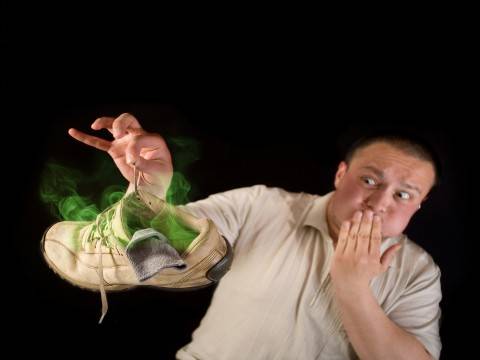
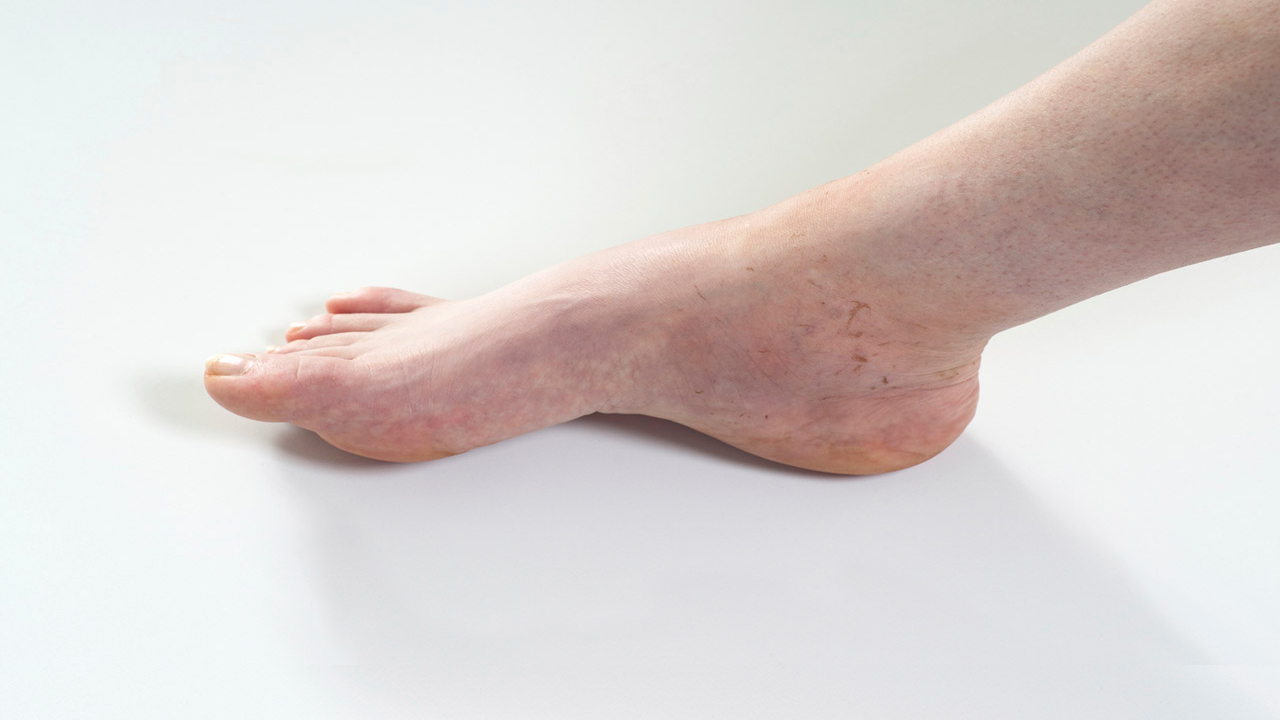
Stinky feet? Learn why!Most of us have experienced a bad smelly foot at least once in our lives. We all have that one friend or relative who has such smelly feet that he can clear off a room as soon as he kicks off his shoes! With more than 250,000 sweat glands in each foot, the feet are the most highly sweating parts of the body. What causes this bad smell? The feet contain thousands of sweat glands. During warm days or when you wear socks and tight shoes, the sweating increases in due proportion. The resulting sweat does not find an outlet and starts accumulating in the spaces available and this warm and moist area breeds bacteria. The bacteria start feasting on your sweat and dead skin. They digest their food and release the waste products. These waste products are toxic organic acids that cause the feet to smell so bad. About 10 to 15% of people suffer from this horribly bad smell. Why? This is because their feet are extra sweaty and become a home ground for certain bacteria called as Micrococcus sedantarius. Along with stinky organic acids, the bacteria produce volatile sulphur compounds. Sulphur compounds are powerful and extremely awful smelling almost like a dirty rotten egg. Teenage years also see extra amounts of sweating on the feet. Medical conditions like Hyperhidrosis can also make your feet sweat more. If you are suffering from a fungal infection of the foot, then rest assured that your feet will smell horrible. Smelly feet can be an embarrassing problem. It puts everyone in a spot. Hence, foot hygiene is important to avoid smelly feet. Always wash and dry your feet well every morning. Dab some antiperspirant powder on your feet and between the toes to soak the perspiration. Never wear the same shoes for more than 2 days in a row. Wear a fresh pair of socks daily. Keep your feet exposed to fresh air. Avoid tight-fitting shoes. Use an antibacterial soap to wash your feet if you have smelly feet. Visit your doctor if simple home measures do not prove very effective. Excessive sweating is often considered the cause for foot odor. This is not true. Sweating in itself is harmless; it is the bacteria that grow there that are responsible for the awful odor.
Diabetes paves the way to cancer!Diabetes mellitus is common across the world. So common, that people don't take it seriously. It appears relatively benign on a day-to-day basis. It is just a sugar level that you notice on the outward. Controlling diabetes means a change in the lifestyle. It is easy to pop in some pills to battle a disease. The difficulty lies in making long-term changes in our daily routine. We tend to get lazy and make excuses for not being able to follow a discipline in lifestyle. This happens more so with diabetes because we do not see an apparent damage that is being done by the high blood sugar. Unless the levels go really high or drop very low, there are no major symptoms that affect our activities from morning to evening. What we are unaware of is that the disease is making some serious damage insidiously. It affects multiple organs and processes. These effects cannot be directly noticed but are continuously ongoing. By the time we wake up, a lot of injury has already occurred. Here is some more bad news. A large number of scientists in all countries are working day and night to study the course of diabetes and bring new facts to light.  Recent researches have established a new link - cancer. Yes, diabetes increases the risk for breast cancer and colon (intestinal) cancer. A woman who has diabetes, is at 20 times more risk for developing breast cancer. Breast cancer A peculiar association of diabetes and breast cancer has come in the picture in the last few years. Factors contributing to these are many - sedentary lifestyle, overweight, rich food, etc. Another important contributor is hormonal imbalance due to diabetes. As a result of high sugar and high insulin in the body, twofold changes occur in the hormonal cycles which ultimately lead to excess estrogen circulation in blood. This, in turn, may act as a trigger for breast cancer. Breast cancer is relatively easy to diagnose. When detected in early stages, treatment has shown remarkable affects. Colon cancer Cancer of the intestine is one of the most common cancers worldwide. Scientists are still working on finding the exact cause but a clear relationship between diabetes and colon cancer has been proven. Patients suffering from high blood sugar have a higher risk of developing intestinal cancer than those with normal blood sugar. Colon cancer is often seen to be fatal and rate of recurrence is quite high. Worldwide several researches have shown a strong connection between diabetes mellitus and occurrence of breast and colon cancer. Suggestions If you have normal blood sugar levels, please put in your best effort to maintain the same. If you are at risk for diabetes because of significant medical history, take extra care and precaution to prevent or delay the onset of the disease. This can be done by regular and adequate exercise, along with the balanced food options. If you have been diagnosed with diabetes, work on your lifestyle to keep the sugar levels in control. Regular check-ups and frequent monitoring of blood sugar levels are a must. If you are a diabetic, please go for periodical screening of related health conditions. Specific to the topic at hand, please get regular breast examinations. Physician recommended and supervised mammograms and colonoscopies would be extremely helpful. Eyes wide open? Now, will you pay attention to all the restrictions advised by your doctor? Please do. Get that lifestyle which is recommended. Compromise on your work and cravings; focus on exercise and eating healthy. Diabetes is not a killer if managed effectively. Don't let cancer get a hold on you.
Challenges faced by homosexual parentsThe major challenge in front of gay parents is to face society and protect their children from social prejudice and discrimination. Gay people can never have their own children, and hence, often opt for adoption. But, how can a couple, who is discriminated against by society, provide a healthy upbringing to a child? However, in some cases, gay parents are known to have capably given their child, all the love and care and the basic amenities that they need, for a wholesome and proper development. Sexual Orientation and Parenting In the American society, same sex parenting is more common than in other parts of the world. Even then, children of gay parents have to face many more challenges than the children with heterosexual parents. The U.S. Census report of 2000 has reported that around 22 percent gay couples and 33 percent lesbian couples have around 18 children living with them. The trend of adoption amongst gay people has been increasing over the years, despite the overwhelming challenges. According to a report published in June 2012 by the American Psychological Association, no scientific evidence has proven that sexual orientation can affect parenting effectiveness. This means that both lesbian as well as gay parents can indeed provide a healthy and supportive environment for raising their children. Major Challenges The major difference lies in the treatment that the children of gay parents get in society. They have to face discrimination and prejudice from schools, their peers and even within their own families. Gay or lesbian parents on the other hand, face the dilemma of how to explain to their children why they have two mothers, or two fathers. Many people in society, even those with strong educational backgrounds, are of the opinion that being gay or lesbian, is an illness due to which, they are incapable of being adequate parents. There is also a misconception that lesbian women tend to be less motherly than heterosexual women. But no scientific basis has been found to support these beliefs. Although the medical community does not consider homosexuality as a psychological disorder, society continues to have a biased outlook towards gay parents. Are Gay Parents Better than Heterosexual Parents? As of today, nothing can prove that gay partners are not as good parents as their heterosexual counterparts. Moreover, it has been found that people of the same sex divide their workload of raising the child, and hence, the childcare process is more smooth and satisfying. Some studies have even noted that lesbian or gay parents have superior parenting skills. But, again no scientific evidence has proven these observations, yet.
Painful intercourseSome of the causes affecting women can be: Going too fast, penetrating from an awkward position. Do not hesitate to tell your partner that it hurts and he needs to slow down or change position in order to make you comfortable and prevent pain. Dry vagina or lack of natural lubrication in the vagina. This dry vagina is caused due to some medications, changes at the menopause. Sometimes just increasing the time of foreplay can help vaginal lubrication. Use water-based lubricant to reduce pain. Failure to fire off. Sometimes failure of the vagina and uterus to respond to sexual arousal can lead to irritation and tenderness. The vagina may be too tight for the intercourse sometimes or the uterus may not be raised so that the penis comes in contact with the cervix during penetration. Using other penetration methods can be helpful to explore the level of arousal before engaging in intercourse. Vaginismus can be the cause of discomfort. Muscles surrounding vagina are sometimes very tight and lead to pain and intercourse to be painful. Woman can examine herself with her fingers to see if vaginal walls are tighter than normal. It can be vaginismus. Normal cause is nervousness or anxiety. It is reversible. Good foreplay before intercourse will help to relax the muscles and help lubricate. Just relaxing before the act can be helpful. Vaginal infection and inflammation due to yeast, herpes, etc. can make intercourse uncomfortable. Fabrics, creams, perfumes may cause irritation in area in some women. Avoid these. First-time sex can be a little painful. Rupture of the hymen can cause discomfort during penetration. Start slowly or begin with forms of penetration other than intercourse. Psychological pain. Sexually traumatic experiences or feelings of guilt associated with sex can make the act painful. Consult a sex therapist or psychiatrist. Discomfort during intercourse is experienced by men too, various causes affecting this outcome for men are: Tight foreskin. During first attempt at intercourse, tight foreskin will make retraction painful. After sometime, the foreskin will become loose and make intercourse comfortable. Any lesion on the penis skin can make intercourse painful. These may result from non-lubricated masturbation or rapid intercourse or STDs. The blisters due to herpes infection can make intercourse extremely painful.
FAQS
T&C FAQS