Home
Strict parenting: When enough is enoughThe strict or authoritative style of parenting is where the parents hold their children's lives over a tight leash. Strict parents are high in control and low in nurturing qualities. They set high standards for all activities and expect strict obedience to the rules set by them. However, these parents display little or no warmth and affection. They love and affection they offer is also conditional love based on obedience and performance. Children of authoritarian parents turn out to be obedient, but this obedience is based on fear. Such parents very often use shame and guilt to make their children change their behaviour. They don't encourage verbal give-and-take and expect their orders to be obeyed without question. The children brought up in such a way are initially very obedient and polite but later all the suppressed emotions find an outlet. More often than not, such children end up being aggressive and tend to be bullies at school. Research shows that fathers who are extremely strict with their sons end up making their sons violent and aggressive, or indulge in non-physical aggressiveness like name calling. Strictly raised children have difficulty relating to their peer group. They either end up being aggressive or completely timid and submissive. At school teachers rate them as less socially competent, average or poor at studies and extra-curricular activities. They are also less accepted by their friends. The school dropout rates in such children are very high. Studies conducted on such dropouts revealed that they suffered from a huge inferiority complex and low self-esteem. Strict parenting can cause several problems in adolescence too. Children who are dominated by their parents are often found breaking the law. Alcohol and drug abuse rates are high in such children. Psychologically, these children are usually poor decision makers. Having had their parents make decisions for them all their lives, they find it very difficult to take a stand. They end up being indecisive. At the workplace too, they lack the competency to take up initiatives or show the lead. They make better team members than team leaders. Even if presented with an opportunity, they are likely to shy away from responsibility as they feel inferior and lack the requisite courage. Strict parenting can have a negative impact on the child's weight too. Studies show that an overly strict upbringing has a negative impact on weight because the children often fail to learn to eat on the basis of hunger and satiety. In such families parents use food as a reward, insist that children clean their plates, or restrict the kind or amount of food a child can eat. The studies showed that the children of authoritarian mothers were nearly five times as likely to be overweight compared to their counterparts!
Health check up checklist for men Prostate Cancer - Prostate cancer is the lesser known killer in men. It is a slow growing cancer, but at times, its symptoms can be aggressive as well. Detecting prostate cancer at its onset can help in treating it effectively. Tests include a digital rectal exam and a blood test for Prostate Specific Antigens (PSA). Testicular Cancer - This uncommon cancer can affect any male between the ages 21 to 55. A physical exam during yearly medical checkups is recommended for all men. Men having a higher risk, with family history, should speak to their doctors regarding additional tests for screening. Self-examination through regular gentle palpation of the testicles to notice any change in shape or size, presence of lumps is also suggested by doctors. Colorectal Cancer - This is the second most common cancer in men. Men over 50 and younger, if they have a familial risk, are suggested to get a screening colonoscopy done to detect this cancer. It usually starts as a polyp that grows and invades the nearby areas to develop into a full-blown cancer. The polyps, if detected early, can be removed and cancer prevented. A CT scan or a double barium enema can also help in detecting polyps. High Blood Pressure - With the kind of lifestyle men lead today, almost every other man is bound to have BP issues. Regularly checking the BP is essential as it helps detect high BP which may lead to a variety of other problems including stroke and heart attacks. The sooner the detection, the sooner the measures for control. Cholesterol Levels - Bad eating habits, sedentary lifestyle, and mental stress can all lead to lots of cholesterol roaming around in your arteries. This will eventually clog the arteries and cause diseases like high blood pressure and atherosclerosis which can be life-threatening. Get your total cholesterol, LDL, VLDL, HDL, and triglyceride levels checked regularly and initiate timely interventions to bring them under control. HIV - This is the most commonly spreading STD among men. Due to its chronic nature, HIV is often detected accidentally when it may be too late. Regular tests for HIV detection are essential if one is physically active with multiple partners. Be safe though and use a condom. Glaucoma - It is extremely common and is one of the leading causes of blindness. Glaucoma has no cure, but it can be controlled well with timely detection. Screening tests should be undertaken by men under 40 years at an interval of 2 to 3 years after 35. A yearly test is recommended for older men.
Menopause and mental health!Menopause is the period in a woman's life when her man claims she is going crazy. It is also the time when her period is on the decline and hormones are in complete disarray. Depression, insomnia, irritability, mood swings and lack of concentration are few symptoms that the lady has to battle with. These symptoms may begin as early as 4 years before the actual menopause and may continue for several years after that! For women, menopause is a significant turning point in their lives. The dropping levels of oestrogen and the resultant physical and mental symptoms can be like a cycle of events, only adding to their woes! Depression: Depression affects every middle-aged woman. An estimated 20% of women have depression at some point during menopause. The peak period for depression is during the perimenopausal years, when the woman is approaching menopause. The reason for this, say experts, is the fact that most women dread menopause. Even though for some it means an end to years of menstrual cramps, for most others it signifies an end to their womanhood. The very idea is sufficient enough to bring on lots of negative thoughts and depression. Not only this, the reason for depression during perimenopausal and menopausal age is the fluctuating hormones. Research shows that the levels of reproductive hormones, specifically oestrogen are responsible for the mental changes. Changes in the sleep pattern: Insomnia is seen in 40 to 50% of women in the menopausal transition phase. Women who spend sleepless nights are more likely than others to show irritability, crankiness, stress and depressive symptoms. Sleep disturbances during menopause have been linked to the decreasing oestrogen levels. Indeed this claim can be held true as several women respond positively to exogenous hormone therapy. One study claims that sleep changes are linked to the Luteinizing Hormone levels, which also results in increased body temperature. Sleep apnea too occurs in the menopausal transition age. This is due to decreased progesterone level, as progesterone plays an important role in respiration. The weight gain that happens during menopause has also been shown to cause sleep apnea. Panic disorder: Panic disorder is commonly seen during the perimenopause stage. Existing disorder may worsen or new disorder may arise. Panic disorder is usually manifested in women who show several physical symptoms of menopause. The panic attacks are usually associated with negative life events, pre-existing medical diseases and decreased daily functionality. Obsessive compulsive disorder: New onset of OCD, worsening of the existing condition or change in the pattern of symptoms is seen during menopause. OCD changes are also observed during pregnancy and during the menstrual changes, suggesting the impact of hormones on symptoms of OCD. Bipolar disorder: Women with bipolar disorder experience an exacerbation of symptoms during the perimenopausal stage. These women are also the ones that are highly likely to experience severe depression in the menopausal phase. Schizophrenia: Schizophrenia usually manifests itself in young adulthood. The rate of new cases decreases gradually thereafter, in both men and women. In women, however, there is a second peak in the 45-50 years age group. This peak is not observed in men. This suggests that oestrogen may play a significant role in triggering schizophrenia or worsening the pre-existing condition.
Woman, look below your face too!Skin problems are not restricted to the face alone. There are several places where there could be problems. You don't have to grimace and bear it always! Moles: A mole is formed when the skin grows out in a crop or cluster. Moles can be quite harmless. At times, moles are also precursors to serious melanomas. If your mole suddenly grows big or changes colour or starts to bleed, see your dermatologist right away. He will advice a biopsy to rule out anything serious. It is always safe to be in the clear! Rosacea: This is an irritating skin condition that is brought on by specific triggers. It is usually manifested as red spots on the face, flushing or small red eruptions on the face. This condition has multiple triggers, the most common one being the sun. With no cure being available for rosacea, avoiding the triggers like sun, alcohol and extreme temperatures is the only solution. For moderate to severe cases, topical or oral antibiotics are prescribed. Depending on the severity, laser treatments that zap the blood vessels that cause the flushing can also be opted for. Ingrown hair: Too much of waxing and shaving results in the hair growing haphazardly. It results in hair curling up and growing up backwards. It can be a painful condition, especially if it gets infected. Wipe the skin with a cloth dipped in warm water to soften the skin so that it can grow freely. If the pus has already found its place, dab a bit of benzyl peroxide on it. Stretch marks: When your skin stretches with rapid weight gain, as in pregnancy, the result is unsightly stretch marks. Stretch marks, though a proud and happy achievement, can be an embarrassingly reality too! Treatment for them is possible when they are still fresh and pink. Applying a vitamin A or retinoid based cream regularly helps reduce the visibility of the stretch marks by making the skin more pliable. White spots: White spots can be anything from PMLE to Vitiligo. Polymorphous Light Eruptions are the typical whitish spots that come up on the exposed parts when you are out in the sun too much. It occurs due to the damage to the melanocytes by the harsh rays of the sun. In some cases, there are antibodies that the body produces against the melanocytes that go around killing the melanocytes in random places. This causes large white spots at random locations on the body which typically spread. So use a sunblock every time you step out into the sun. If you find the spot growing in size, consult your dermatologist. He may determine whether it is vitiligo. Vitiligo has no cure, there are oral medications available, which along with the sunrays help restoring some color to the skin. Birthmarks: These are pigment cells that are overgrown. Most birthmarks fade over time. However, if yours starts growing and changes to a dark brown color, get yourself checked by a skin specialist. Chances are that it could be a melanoma. Birthmarks are usually harmless and do not require removal except for cosmetic reasons. However certain medical conditions like melanoma also warrant their removal. Varicose veins: When blood in the legs isn't unable to pump up against gravity or if the valves of the leg veins are faulty, the blood starts stagnating in the leg. This causes the legs to swell and the veins to look prominent. This painful condition occurs in obese people, at times in pregnancy and in people with jobs that requires them to stand all day. Resting with the feet above chest level is a solution for mild to moderate cases. In severe cases, the solution is laser treatment. Scars: As a child, you burnt your leg by accidentally placing it on the hot silencer of daddy's bike? You may still have a scar to remind you of that incident! Scars happen after an injury to the skin's collagen and elastin. If scarred, you may have to live with it. However, there is no reason why the new injuries have to have reminders for life. Skin discolorations, keloids or pockmarks from acne attacks, whatever the scar, there are multiple creams and laser options available to treat them. Age spots: Also called Liver spots, they have nothing to with either your age or liver. They are caused when your skin produces extra melanin to cope with your sun exposure. Alternate application of a bleaching cream like hydroquinone and an exfoliating cream like a retinoid based cream can help lighten the spots. Do this under your dermatologist's guidance only. Other options include chemical peels and microdermablasion. Lasers are last option treatments for stubborn old spots. Eczema: This is a long-term skin disease, also known as atopic dermatitis. Most common symptoms include dry and itchy skin, rashes on the face, inside the elbows, behind the knees, and on the hands and feet. Currently, there is no single test to diagnose eczema, so doctors rely on information about you and your family. Treatment options do not include cure, only immediate relief from the inflammation and itching can be obtained. Hives: Hives are the red and sometimes itchy bumps on your skin. They usually appear as an allergic reaction to certain foods or drugs. People who have some form of other allergy are more likely to get hives than people who don't have any allergy at all. Other causes include infections and stress. Hives usually go away on their own, but if you have a serious case, you might need medical help. Skin is the largest organ of our body. It is the protective barrier between our body and the outer harmful world full of bacteria, viruses and other dangerous microbes. Hence, it becomes extremely essential that caring for our skin should find top spot on our health care list.

Exercise to fight off depression in school kidsBefore concluding on the effects of different forms of exercise on children, it is important to note the distinction between fitness and exercise. Fitness encompasses most importantly a healthy lifestyle of which exercise forms a part. For this reason, when researchers examined the impact of fitness on emotional being of a child, most of them covered three main determining factors, namely the body mass index, the child's feeling about fitness, and a shuttle-run test. Depression is characterized by recurrent feelings of despair and hopelessness. The main symptoms of depression include sensations of unworthiness, dysfunctional thinking, lack of concentration, low level of sleep, anger, social isolation, crying, physical grievances like headaches which do not react to treatments, reduced interest in social activities, and thoughts on suicide. It is not necessary that every child will undergo all the symptoms. If most of the symptoms recur continuously, then it is a warning sign. The propensity towards chronic depression is higher in those who suffer from depression during childhood. A healthy lifestyle is accompanied by a range of psychological benefits. When you exercise, your body produces endorphins which stimulate positive sensations about the self. Produced by the brain, they also reduce the sensation of pain. A healthy lifestyle boosts the sleep cycle and helps in coping better with tough situations. A medical study conducted by University of Texas revealed the positive effects of physical activity on middle-school graders. It was found that there is a robust link between depression and fitness in girls. Even though boys show association, it is not explicit.  Conclusively, it was pronounced that exercise helps in reducing the chances of depression in school-going children. The best way to help your child is by introducing activities that she or he finds interesting. Initially, you might face resistance. The most important task is to communicate with your child. In the face of such resistance, you can attempt to find a hybrid therapy to reach out to your child. Apart from scheduling appointment with a child psychologist, you can also meet up with a physical health advisor. Emphasize on activities which will also help your child to meet new people. According to the Center for Disease Control and Prevention, one of the main benefits of physical activity is betterment of academic achievement and conduct in children.
The male ego: Fragile male self-esteemIn a world where men are constantly competing with one another, adding a woman to this dynamic changes the perception for majority of men. The fact that a woman is doing better than a man can largely affect relationships at a personal and professional level. Simple things like opening a door for men or even pulling a chair for him can make him feel self-insufficient. The whole concept of a woman doing something/anything better than him brings down his self-esteem. In a relationship the roots go deeper and men who are making less money or not doing as well as their partners have a more fragile self-esteem. The mental insecurity that a woman may be a better provider for the family and has more potential than he does, changes the dynamic of his relationship, while for women this does not seem to be the case. Fragile self-esteem alters your everyday determination and persistence. Without being determined, the only way to go is downwards. When self-esteem is affected by women doing things that he can do, men seem to take it in a negative manner and lower their self-esteem. Small examples of this in our day to day life are - driving your own car as compared to having a driver, being physically weaker than a woman, etc. Men are creating rules to ensure that women who are considered lower than them cannot perform or do better than them. Systems and frameworks are made which ensure that situations never come up where a "lower person" does better than a man can, all out of the fear that they can't perform! From the day we are born to the rest of our lives, we are drilled with the fact that men are better, stronger, and smarter than women. So when situations arise where she is doing or has done better than you, the male self-esteem is questioned and, most of the time, drops. Being the person you are meant to be, you would automatically create a system by your choice and influence it to reduce the possibility of any other to be able to achieve what you have, in turn increasing your self-esteem. However, when the other overcomes or surpasses this obstacle, your self-esteem will be hit hard causing a drop in your self-esteem like the stock exchange does on its bad days. Self-esteem is a very personal topic and completely dependent on the situations you have encountered across your life. However, when majority of these are leaning in one direction then there is no question of failure. Consider a world dominated by women, What would happen to your self-esteem? Do you think you would survive in this kind of world, a world in which all your thoughts are limited by restrictions and rules you have to adhere too, to ensure things like your family name is kept out of shame. So let us all do as the women have been doing for centuries, embrace it, and learn to maintain our self-preservation and esteem irrespective of our surroundings. This may sound hard but let us work towards a world where women and men are equal. Don't let your self-esteem be affected by your surroundings, if you know your surroundings are not the best for the future.
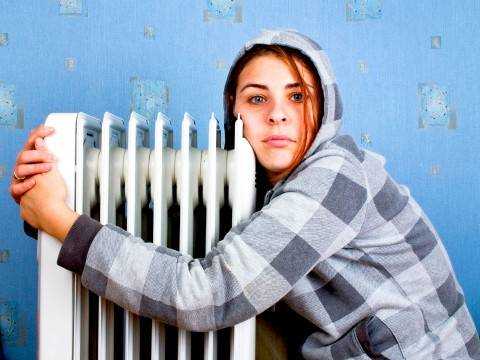
CryophobiaCold or hot can be a very subjective term as every person's tolerance for either heat or cold can vary. When some of us react in an extreme manner to all things cold, then it could be a case of cryophobia - the fear of catching cold or the fear of cold weather. Derived from the Greek "kryos" + phobos gives us cryophobia, which is a mental aberration where the mind develops a nagging and persistent fear of all things cold - be it cold weather, ice-cream, or maybe even a cold shoulder! Jokes apart, a person suffering from this condition could really experience 'hot weather' in his relationships as he will completely avoid any contact with anything cold. If the weather is a bit nippy then that's a veritable disaster for Mr. 'Avoid De Cold' as he will do everything in his power to stay indoors, for instance - turn on the central heating and wrap himself up until the mercury rises to an agreeable level. Though it is decidedly different from your run-of-the mill phobias, cryophobia could be of various types. There are some who are only afraid of cold in the 'weather' sense and are otherwise cool about touching cold objects or even having an ice-cream. While there are some who would probably break out into, if you will excuse the term, 'cold sweat,' even while watching floating icebergs on a Nat-Geo documentary. So, the sensation of cold is quite subjective, and hence the various strains of cryophobia. Generally, this fear would manifest quite logically for those who have occasioned to be trapped under ice accidently or maybe those who have suffered frost bite from exposure to cold weather during a skiing holiday. Under such circumstances, avoidance, though irrational, could be perfectly logical. If you monitor weather reports constantly and experience discomfort even in moderate climates, then you should get yourself checked for cryophobia, as chances are that soon you will be restricting yourself indoors and cutting yourself off from the rest of the world. Some people might just overcome fear or anxiety by wearing an extra layer of the woolens or turning up the central heating. For deep seated fears, it may require long-term counseling or medication. Some people might just have this morbid fear of developing pneumonia from a common cold and hence may take elaborate measures to avoid going out during cold days. This too can be quite normal since most of us don't want to call a day off from work due to a nasty cold. But despite adequate protection if you are still afraid of venturing out to work or are avoiding social contact just because of an irrational fear of catching cold when the weather outside is made for the beach and you are in the middle of summer! Then the catchphrase is - You have cryophobia!
Top 10 tips for weight maintenanceTIP 1: Stay Calm and PlanDon't worry about your weight excessively. This will only result in stress which can be counter-productive to your pursuit. Remember that you have reached the goal you had to and you are strong enough to sustain it. Take one day at a time. Do not think about how you are going to keep it forever. Just focus on the next day. TIP 2: Health JournalKeep a journal where you note down your eating and exercising patterns. Write down what you eat, plan your meals, drink adequate water, and form an exercise regime. Did you know that you can include an activity within your life as a habit by performing it for 21 days? Do these things not because you have to but because they are good for your health. Slowly, they will become a part of who you are. TIP 3: Being Healthy Is A Lifetime DealOne of the greatest mistakes that people do is to think that once they have lost weight, they can return to their early eating habits. Remember that your health is with you for life. Shift your perspective from 'I have to become thin' to 'I have to be healthy.' Once you do this, you will find it easier to stay healthy for the well-being of your body. TIP 4: Be RealisticWhen you are planning your lifestyle, don't take up unrealistic goals. This is one of the reasons why weight-trainers say that the best way to reduce and sustain right weight is to make it 'your life.' Eat right, sleep well, and drink lots of water. These three, if done properly, can help you to have the right body weight. If you have any rules like 'don't eat cake or pastries ever,' 'quit drinking,' then rethink about them. Are you going to be able to never eat sweets? The primary goal is to make a balance, choose the middle path. TIP 5: Get An Idea Of Your Weight-PatternMany people stop weighing their body once they have reached the ideal weight. They think that the scales are only for the fat ones. A person with such a perspective is only looking for slim bodies and not healthy ones. Remember that your weight is not a judgment of your appearance, but a barometer of your health. So do not stop doing the weekly weight checks. Keep a report of your weight every week and check out the causes for any abnormal changes. TIP 6: Accept Your Limitations And Learn From ThemEveryone has their ups and downs. Don't get discouraged and be angry at yourself if you binged on a donut on a cloudy day. Everyone makes mistakes. It is not the end of your weight maintenance. It is simply a blip. Learn from it. Know what the causes are for it and work on making sure you react to the cause differently next time. TIP 7: Thirst And HungerYour body could confuse your thirst for hunger. So, if you are feeling hungry really soon after your previous meal, then start by drinking a glass of water and check if you feel better. If you do not, then it is time for a light healthy snack. TIP 8: Inspire YourselfWeight maintenance is primarily a psychological task. Till the time you were reaching the ideal weight, you learn everything you had to about being healthy. Now, you have to make sure you don't let obstructions stop you from sustaining this healthy lifestyle. So, join other people who are only in the process of maintaining their weight. Become part of the running blub or catch up with a health conscious friend regularly. TIP 9: Mind Over MatterBalance your eating patterns. If you think that you will be going out for lunch, then have a healthy breakfast and cut down on the dinner. You might be craving for a dessert, so you can have salad for the main course and treat your sweet tooth. Talk to yourself about what you are going to eat. Ask yourself if you really want to eat it because you are hungry or are there any other reasons for it. How would you feel about it after you are done eating? TIP 10: Celebrate Your AchievementsLastly, be proud of your weight maintenance program. Celebrate the fact that you worked hard towards making sure you have a healthy body and invite people who were part of your pursuit. Embrace your body and toast to the next year of a healthy lifestyle.
Fruit diet can be dangerousFruits are healthy and provide lots of nutrition, vitamins, antioxidants, carbohydrates, fibre and bioflavanoids to the body.These things together protect your body from different health conditions and heart disease. However if you only eat fruit, you miss many other essential nutrients such as fats and protein. This can upset your stomach and lead to indigestion. Hence it is very important to take a well-balanced diet to remain healthy. Check out why you should not rely solely on fruits for living. Fruits do not provide protein Protein is highly important for your growth and development. By eating only fruits, you are restricting your intake of proteins that can stop your overall development process. Your body requires calories and energy on a regular basis. Each cell of your body contains protein. To keep your body cells in top working condition it is important that you include protein-rich foods such as lentils, soy products,  nuts and beans in your regular diet. You can also consume low-fat dairy, lean meat, fish and skinless poultry to provide required amount of protein to your body. Fruits do not provide fat Although excess of fat is not good for health, it is essential that your body requires on daily basis to ensure smooth functioning of your immune system and also to help your body absorb various minerals and vitamins provided by other foods like fruit. If you continue being a fruitarian for long duration, the chances of stroke due to brain haemorrhage increases. According to health experts, you should get around 20 to 35 percent of your daily calories from fat. To provide your body with good fats you should include soybean, sunflower, olive or canola oil in your diet. Fish and poultry also provide good amount of healthy fats to the body. Too much of fruits can lead to digestive problems Fruits provide fibres to the body in large amounts. Although your body needs fibre as it is one of the essential nutrients, getting too much of fibre can lead to side effects. Fibre works as broom to clear of your abdomen and aid in the digestion process. However, too much of fibre leads to stomach problems and cause symptoms such as gas, cramps and bloating. Sometimes it may also lead to chronic diarrhoea, dehydration and loose stools. On a regular basis, a woman requires only 22 to 28 gm of fiber per day and a man needs 34 to 38 gm. Apart from fruits, seeds, vegetables and whole grains also provide fibre to the body. Other considerations If you limit your intake to fruits, you may not get enough calories required for producing the required amount of energy. Consuming calories less than 1100 per day can lead to lot of side-effects such as intolerance to cold, gallstones, hair loss and fatigue. So although fruits taste wonderful and are very tempting, being a fruitarian is not the best thing for your health. Your body needs all the nutrients for carrying out its different activities and hence you should include variety of foods in your diet.  
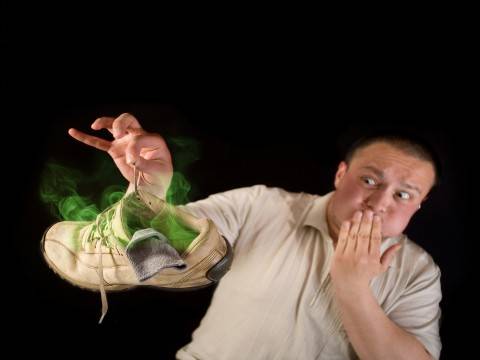
Stinky feet? Learn why!Most of us have experienced a bad smelly foot at least once in our lives. We all have that one friend or relative who has such smelly feet that he can clear off a room as soon as he kicks off his shoes! With more than 250,000 sweat glands in each foot, the feet are the most highly sweating parts of the body. What causes this bad smell? The feet contain thousands of sweat glands. During warm days or when you wear socks and tight shoes, the sweating increases in due proportion. The resulting sweat does not find an outlet and starts accumulating in the spaces available and this warm and moist area breeds bacteria. The bacteria start feasting on your sweat and dead skin. They digest their food and release the waste products. These waste products are toxic organic acids that cause the feet to smell so bad. About 10 to 15% of people suffer from this horribly bad smell. Why? This is because their feet are extra sweaty and become a home ground for certain bacteria called as Micrococcus sedantarius. Along with stinky organic acids, the bacteria produce volatile sulphur compounds. Sulphur compounds are powerful and extremely awful smelling almost like a dirty rotten egg. Teenage years also see extra amounts of sweating on the feet. Medical conditions like Hyperhidrosis can also make your feet sweat more. If you are suffering from a fungal infection of the foot, then rest assured that your feet will smell horrible. Smelly feet can be an embarrassing problem. It puts everyone in a spot. Hence, foot hygiene is important to avoid smelly feet. Always wash and dry your feet well every morning. Dab some antiperspirant powder on your feet and between the toes to soak the perspiration. Never wear the same shoes for more than 2 days in a row. Wear a fresh pair of socks daily. Keep your feet exposed to fresh air. Avoid tight-fitting shoes. Use an antibacterial soap to wash your feet if you have smelly feet. Visit your doctor if simple home measures do not prove very effective. Excessive sweating is often considered the cause for foot odor. This is not true. Sweating in itself is harmless; it is the bacteria that grow there that are responsible for the awful odor.
10 simple ways to get rid of hiccupsHiccups are simply a sudden involuntary contraction of the diaphragm. Diaphragm is the muscle on which the lungs rest and it is above the stomach. The contractions happen several times within a minute and goes on for several minutes. Every contraction is followed by the sound 'hic'. And hence the name - hiccups. Sometimes hiccups can occur in the most awkward situations - just before an important interview, just as you lie down on the bed to sleep, or even during a meeting. Hiccups in difficult situation can be a big problem. Some simple tricks could help you get rid of them. It helps to know different techniques you can use to stop hiccups, for only one may not always work. Hold your breath: Inhale deep and long, and then hold on to the breath. This may help the diaphragm to relax and hiccups will stop. Drink warm water: Take about ten or more big gulps of water, with quick swallowing. This will help the irritation of diaphragm to go away. Close your ears: Use a thick small roll of cotton or use your fingers to plug your ears and close it. Do this for about 30 seconds. Alternatively, you can also firmly press upon the soft tissue of the ears from behind, next to the ear lobes. This helps to relax a nerve which then relaxes the diaphragm. Take your tongue out: Pull out your tongue, as out as you can and keep it that way for a few seconds. This helps in better breathing, relaxing any spasms that may be causing the hiccups. Breathe with mouth covered: Press both your palms over your mouth to close it and continue breathing only through the nose. This intends to create a discomfort that will cause some distraction for the nerves and the hiccups will stop. Breathe in a paper bag: Breathe deeply into a paper bag. Do not cover your whole face with the paper bag, just the nose and mouth. Hug yourself: Pull your knees up, close to the chest and wrap your arms around. Hug yourself tight for a couple of minutes. The pressure also helps to relax the diaphragm. Have some sugar: Have a spoonful of plain grainy sugar and keep it in the mouth. Swallow slowly. Lemon at your service: Pick a piece of lemon, put it in your mouth, and let it be there. Do not chew; just suck it slowly for a few minutes. This will also help the hiccups go away. Just wait:  Nine out of ten times, the hiccups will go away on their own, after giving you a little trouble, of course. If you are not too uncomfortable with hiccups, be patient and give them a few minutes. Most likely, they will pass off as spontaneously as they had come. "I think hiccup cures were really invented for the amusement of the patient's friends." - Bill Watterson
Busting misconceptions about homosexualityIn the past few years, homosexuality has become a subject of public discourse in India. Thanks to gay pride marches and the Delhi High Court's historic ruling decriminalizing same-sex intercourse in 2009, more people today are willing to accept homosexuality as normal. However, there are still a large number of people who are still confused about whether homosexuality is normal. Homosexuals are people who get attracted to people of the same gender. Gay is a term used for both male and female homosexuals, but some prefer the term 'lesbian' when it comes to women homosexuals. Some misinformed people consider homosexuality as a purely decadent western phenomenon which is far from the truth. Homosexuality finds its place in recorded history throughout the world. So is homosexuality abnormal? A few decades ago a gay person would have ended up on a psychiatrist's couch where attempts would have been made to re-orient him/her towards the heterosexuality. However, as the American Psychology Association notes, "No, lesbian, gay, and bisexual orientations are not disorders. Research has found no inherent association between any of these sexual orientations and psychopathology. Both heterosexual behavior and homosexual behavior are normal aspects of human sexuality." Some scientists are trying to find a genetic link to homosexuality. Results so far have not established a definite link. A whole lot of factors could play a role in deciding sexual orientation - genetic, hormonal, developmental, social, and cultural. One cannot safely conclude that being "gay" is in one's genes and is therefore, hereditary. Legalizing gay marriages Same-sex marriage is legally recognized in several jurisdictions within the United States. As of April 2013, nine states—Connecticut, Iowa, Maine, Maryland, Massachusetts, New Hampshire, New York, Vermont, and Washington—as well as the District of Columbia and three Native American tribes[1]—have legalized same-sex marriage, representing 15.7% of the US population.
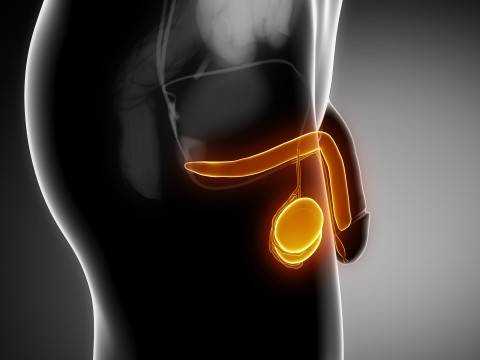
What, how, and why of the sex muscle answeredWhat the Penis is made up of? The penis is made up of several parts. The head: This is also called as the 'glans'. The glans is coated with soft pinkish tissue called the mucosa. The protective covering of the glans is called the foreskin. The foreskin is retractable. In circumcised men, it is the foreskin that is removed. The shaft: The shaft or the body of the penis has two surfaces. The dorsal part i.e. the upper part of an erect penis and the ventral part i.e. the lower part that faces backwards in a flaccid penis. The root: This is the attached part of the penis. Corpus cavernosum: This is the tissue that lines the shaft on two sides on the dorsal side. During sexual excitement, this corpus cavernosum fills with blood that results in the stiff erect penis. Corpus spongiosum: This is the tissue layer running in between the two layers of corpus cavernosum on the ventral side of the shaft. The urethra: This is a narrow tube that runs through the corpus spongiosum. The urethra's main function is to excrete the urine out of the body. How the Penis does what it is supposed to do? Urination: The process of expelling urine is a coordinated act involving the bladder muscles, the central and the somatic nervous systems. The urethra present in the penis serves as a tube for the urine to pass out. Erection: A erect penis is required for the successful insertion into the vagina. During the height of sexual excitement, there occurs dilatation or enlargement of the blood vessels in the corpus cavernosum causing a rush of blood into it. This elongates the penis and makes it hard and stiff. Erection angles: The way a normal penis points when erect is called the erection angle. The penis is either pointing straight to the front or it may be facing up or down to the feet. An upward angle is most common. A study published in 'Journal of Sex and Marital Therapy', shows the erectile angles in standing males from 20 to 69 age groups in the following table In the table, zero degrees is pointing straight up against the abdomen, 90 degrees is horizontal and pointing straight forward, while 180 degrees would be pointing straight down to the feet. Angles from vertically upwards: 0-3 - 5% of male 30-60 - 30% of males 60-85 - 31% of males 85-95 - 10% of males 95-125 - 20% of males 120-180 - 5% of males Ejaculation: Ejaculation is when the semen is pushed out of the penis. During the sexual act, the process of ejaculation forms the culmination with the male achieving an orgasm immediately after. At times, there is ejaculation of semen spontaneously during sleep, called Wet Dreams. Normal Variations- When you have what others don't (and it is completely normal to have them)! Curvatures: While most penises are straight, it is not abnormal to have a curved penis. Curvatures up to 30 degrees are considered normal and no medical attention is advised. Over 45 degrees may need you to get yourself checked for certain diseases, though. Phimosis: This is the inability to retract the fore-skin fully. It is harmless and occurs in about 8% of boys. The British Medical Association suggests that no medical treatment may be required till 19years of age. Pearly Penile Papules: These are small pale bumps that are found around the tip of the penis. They are very common in men aged 20 to 40 years and may be mistaken for warts. Unlike warts though, they are completely harmless and require no treatment. The human penis has one of the most advanced designs through eons of natural selection for high sperm competition. Disorders of the Penis: When you have what others don't (and it is not normal to have them)! Paraphimosis: This is the inability to retract the foreskin. It may be extremely painful when retracted. This condition occurs when there is leftover fluid accumulated n the foreskin due to some previous surgery. Peyronie's Disease: This is a condition where the penis is extremely curved. It is caused due to a scar tissue running through the shaft of the penis. There is an option of surgical correction. Herpetic Eruptions: This can happen when there is unprotected intercourse with an infected partner. It shows as painful ulcers and eruptions on the head and shaft of the penis. Absence of sensations and erection: This is a condition where one is not able to feel any kind of sensation in the penis and a total lack of erection. This occurs secondary to diabetes mellitus and also as an after-effect of past falls on the back or injuries to the groin area. Erectile Dysfunction: This is a condition that happens due to psychological stress, performance anxiety, natural ageing and diabetes mellitus. It is expressed as an inability to get aroused or inability to maintain the erection for a time enough for proper sexual activity. Priapism: This is a serious condition requiring immediate medical attention. Here the erect penis fails to return to its flaccid state and as a result may lead to potentially serious conditions like a thrombosis or gangrenous state. Severe cases may require amputation too. The causative mechanisms are not well-known but involve complex neurological and vascular factors. The condition is associated with drugs like sildenafil, commonly known as Viagra. Pudendal Nerve Entrapment: Too tight pants and underwear, arrow hard bicycle seats, accidents can lead to this condition. The symptoms include loss of sensation and ability to achieve orgasm along with pain in the penis during sitting. Infections: Common infections of the penis include balanitis, urethritis, syphilis and gonorrhea. Theya re characterized by burning, itching and foul discharge. Lasting longer in bed is every man's desire. How do you go about it is very important. Follow the right diet and exercises along with lifestyle changes to achieve the desired effect in bed. Stay away from medications that claim to make you last long. Ref: Sparling J (1997). "Penile erections: shape, angle, and length". Journal of Sex & Marital Therapy 23 (3): 195-207
FAQS
T&C FAQS