Home
Career advice for menGetting a job these days is extremely difficult. What is even more difficult is sticking around long enough at the job. No one is indispensable, and if you don't perform well, there are hundreds more waiting to get the job! Being the bread winner, men have to face this pressure more. Here are some tips that would do you good, if followed: Cracking The Interview: The golden rule here is to be honest. The interviewers do not want to hear what will please them; So, do not try to butter them up. They are also put off by boasting . Therefore, be honest about your views and opinions. Age:wise Attitude- When you are young, and have just entered the company, it is highly advisable to observe and learn as much as you can. Find yourself a professional mentor who can guide you. Try and build on your professional presence. Be active, spend more time with your boss, be helpful to your juniors. The golden advice for all, irrespective of seniority, is to stay clear of office gossip and politics. Keep a check on the attitude: There is no need to be arrogant, and a know-it-all. Be friendly, confident, and genuine. Learn to say no: You need to have a pleasing personality. But, avoid trying to please all. Try and learn the art of saying no firmly. Too much of 'yes' will make people take you for granted, and you will find yourself overloaded with a lot of work. Do not under price yourself: If you feel that you deserve a raise, go ahead and ask for it. Do not be afraid to ask for your worth. Often at interviews, employers cancel out candidates who under price themselves, as it shows that they will probably not perform to the expected levels. Blow your trumpet: With all humility make sure you take what is rightfully yours. If you don't take credit for the work, no one will give it to you. Worse, someone else may take it! Create boundaries: Keep your work at office. Do not bring work home. Often at the outset, to please bosses, one ends up working overtime or worse, working at home. It is important to keep both the parts of your lives separate. Keep fit too: Don't let your job take a toll on your health. Working late, sitting at the same place for hours, can be harmful for the heart. Learn to unwind periodically. Setting goals is easy. What is needed is the determination to follow the rules you have set for yourself. The way to success at work is taking the ladder, one step at a time. There is no elevator here.
Aging milestonesChanges in old age depends on attitude as much as person to person. In young old age some changes begin to take place in a person’s appearance. Wrinkles, warts, age spots begin to form on the body. Hair begins to thin or becomes grey and even height lessens because the bone density decreases. While in ‘old‘ old age these changes are already permanent. Men might look distinguished if in good health, but women all look grandmotherly. In ‘young’ old age, cells begin to decay and muscle mass declines and immunity is no longer as strong as it used to be. People lose energy as the age progresses.  ‘Old’ old age brings in a lot of physical decline, profound changes in appearance and motor abilities, as also in sensation. Skin gets less elastic and becomes thin and blood vessels can break under the skin. The senses also begin to become dull. Eye lenses get affected and color perception and reading ability becomes very low. Hearing loss may lead to paranoia and ‘old’ old age people begin to think everyone is plotting against them because they can’t hear properly about what others are saying. Sense of smell also declines, but the taste remains almost intact. In ‘young’ old age, reflexes also slow down and so do the motor abilities. By the time they reach ‘old‘ old age most adults find that their response time has become quite reduced. This can be seen most in driving situations where it is difficult for ‘old‘ old aged adults to operate their vehicles as they have poor spontaneous responses. The ‘young’ old adults do not lose as much of their motor abilities as the ‘old‘ old adults, especially when holding small things like needles and pins. Of course, there are changes in sexuality and there may be a decline in the ability to have sex as men may not have an erection and women become dry due to lack of female hormones. Cognitive decline in 40% to 60% of older adults can be arrested with remedial training. Despite all the changes, most people even in their 70s remain comparatively active if they do not suffer any illness. Mental, physical, and social activity is necessary to maintain the quality of life. Old people begin to withdraw from work and other important roles and allow the younger people to take over. They are a lot happier as is also advised in Vedic literature as vridhashram. While activities are important, disengagement is equally important. Memory loss becomes aggravated and other cognitive abilities begin to decline and there are many ‘old‘ old adults who get Alzheimer’s and lose the ability to look after themselves. Old people also dwell on questions of death and sometimes go through a phase of denial and then anger that they have so little time left. Acceptance of death comes, but after a struggle and the idea of losing the family saddens them. Old people require support in their declining years as they begin to lose their faculties.
10 pregnancy risk factors that every pregnant woman should be aware ofFollowing are the possible risk factors for pregnant women: Hypertension: Blood pressure rises during pregnancy due to changes in osmotic level. Persistent high blood pressure leads to a condition called as pre-eclampsia. It retards the growth of the baby in the womb and can even result into death of foetus. It can lead to convulsions in mother. Exposure to medicines and drugs: Self medication is a strict NO NO during pregnancy. Certain drugs have harmful effect on the growth and development of baby. Take gynaecologist's opinion and ask a doctor before taking any medication.  Smoking: Smoking retards the growth of foetus (baby in womb). Moms who indulge in smoking give birth to babies with a very low birth weight. It also increases chances of miscarriage. Mother's weight: It is important to make sure that there is a steady weight gain during pregnancy. A weight gain of 11 kilograms is expected over a period of 9 months. Watch for a steady weight gain for a healthy pregnancy sake. Anaemia: There is an increase in blood volume during pregnancy. This can cause the iron levels to drop down resulting in anaemia. Haemorrhoids add further to the iron loss. Iron and folic acid are therefore prescribed. Haemorrhoids: Haemorrhoids are common during pregnancy and after pregnancy due to constipation which is because of hormone induced reduced motility of intestine. The pressure of gravid uterus on intestine may also cause it. Increased consumption of green leafy vegetables and laxative would relieve it. Alcohol: Drinking can cause a harmful effect on the growth and nourishment of child. Child may be born with a serious medical problem. Sexual intercourse: It's strictly not advised during last trimester. Radiation exposure: Exposure to radiotherapy or chemicals in the surrounding should be avoided. Bleeding per vagina: Consult your gynaecologist soon, if you have problem of bleeding per vagina. It could be a sign of abortion.  
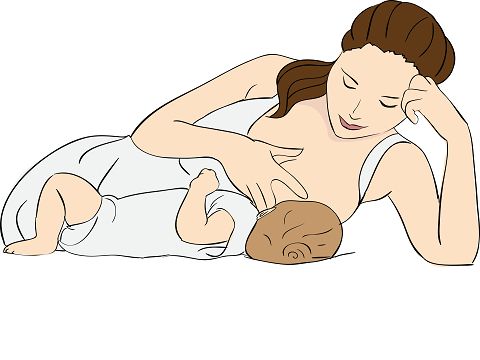
What to eat when you breastfeedAlmost everyone around you will advise you to eat a calorie-rich food that will aid in milk production from your body. But did you know that your body is quite capable of producing enough milk from whatever you eat? Your body has stocked up on all the fats during your pregnancy days itself. You don't really need the extra calorie rich food just to produce milk for your baby. However, how much calories you need cannot be predetermined. Let your body determine your needs. Eat as often as you want, as often as you feel hungry, but remember to eat foods that will give your body the nutrients and not just satiate the hunger. Opt for whole grains, pulses, fresh fruits, legumes, fresh vegetables and nuts. Choose natural drinks like buttermilk, coconut water, and fresh juices. Remember that the foods that you choose must nourish your body with proteins, calcium, and iron other than carbohydrates. Dried fruits and nuts like cashews and almonds and walnuts are the traditional foods given to new moms to enhance breast milk confinement. They are a very rich source of calories and definitely improve the quality and quantity of milk. However, keep a bottle of water or some juice nearby when you breastfeed. The body releases oxytocin when you breastfeed and it makes you thirsty. So, have some refreshing drink before you breastfeed. Most new moms are advised to drink lots of water as it aids in breast milk production. However, breast milk production doesn't really need extra water. It is best to avoid alcohol when you are breastfeeding. The amount of alcohol in blood and breast milk reaches its highest level about 30 minutes after you have a drink and it lowers down only after about four hours. Drinking alcohol is not advised when you breastfeed, however, if you feel like having alcohol, do so after you feed your child. Also, wait for a minimum of four hours before you feed next. Ghee is another item that new moms are encouraged to consume for milk production. However, if you are eating a balanced diet there is no real necessity to eat too much of ghee. Avoid aerated drinks, tea, and coffee while you are breastfeeding. Similarly, junk food and foods that are not cooked at home are best avoided. These types of foods fill you up, but provide no real nourishment. Herbal teas are considered safe drinks during breast feeding. However, consult your doctor before you consume any herbal medicines. Do not forget to take your prescribed supplements of iron, folic acid, and calcium regularly during breastfeeding. Your body also needs more amounts of vitamin C, vitamin B12, zinc, and vitamin A. These, you may obtain by eating foods that are rich in them or your doctor might prescribe supplements. Weight gained during pregnancy may be a concern now and you may want to lose it to regain your pre-pregnancy shape. Remember to lose weight gradually with the help of a balanced diet and moderate exercise. Do not starve yourself. Also heavy exercising may release toxins into the bloodstream and breast milk. Keep in mind that you will gain your original weight back only after your baby has completely weaned off breast milk and has started eating solid foods. Breastfeeding is the best option for your baby. It gives your baby everything that it needs and keeps it free of all diseases. Do not shy away from breast milk, do it the right way! Your body is quite capable of producing breast milk from the well-balanced diet that you eat and there is no real need for a calorie-rich food that new moms are fed.
Dehydration: Prevention and curePlaying outside is great for the child's physical as well mental development. But if your child has spent the entire day outside and comes back with fever, diarrhea, or vomiting, and is sweating a lot, then watch out for the signs of dehydration. What is dehydration? Dehydration means abnormal loss of water from the body, especially from illness or physical exertion. Under normal conditions we all lose some body water through sweat, urine, and tears. Kids lose large amount of water and salt from body during fever, diarrhoea, vomiting, or long hours of physical activity or exercise without any water intake. How do I know it is dehydration? If your child has any of the fever, diarrhoea, vomiting or is sweating a lot on hot days then watch for these signs: Sunken eyes Dry or sticky mouth Dark urine or lack of urine output Tiredness, lethargy, irritability or fatigue How can I prevent dehydration? The best way to prevent dehydration is to ensure the child drinks plenty of fluids when they are sick or physically active. Get your kid in the habit of drinking enough water before he/she even feels thirsty.If it is very hot, explain to the kids the benefits of drinking water frequently. If possible, avoid going out in the sun. Give your kids a well-balanced meal to be sure that they are getting all the adequate nutrients. What if my kid gets dehydrated? If the kid is below 1 year, care should be taken to breast feed the baby often. If the dehydration is due to vomiting, feed small amounts frequently for it to absorb in between the vomiting episodes. Give a spoonful of ORS solution every 10 minutes to replace the lost fluids. For kids above 1 year, start with plain water initially when the kid complains of thirst. Later the kids may need drinks containing sugar and electrolytes. Also, the child should be made to rest at home in a cool environment until the lost fluid has been replaced. Once the child is rehydrated, resume to normal routine and diet.
Cranky kids in a diner? dealing with them made a bit easy!This has happened to many a parent. They make a reservation at a fine dining restaurant, perhaps with friends and relatives. But their kid screams, and cries,disturbing the entire restaurant, and spoiling the general mood. For this reason, many parents avoid going out altogether, especially to fancy places. But there are ways in which you can handle the toddler when you are at a restaurant. We will show you how. Carry toys Restaurant may be boring at times for toddlers. That's why they turn peevish and may start playing with forks, spoons or knife. So carry some toys, crayons, notebooks, or even a story book, which will keep them busy and you can have a good time. Order something yummy and healthy for the kid A hungry kid is an angry kid. So, order something which is your kid's favorite and also healthy at the same time. Or you can carry something along with you like fruits breads, cherries or other nutritious treats. Keep responding to what kid says The best way to keep childrenwell behavedis to talk to them and respond whenever the child speaks. Don't avoid them or get too engrossed with other people. They get cranky when they don't get a response from you. Take a round with your kid When the kid becomes difficult to handle, just pick him in your arms and take a mini tour of the restaurant or walk outside. This will distract him and relieve his boredom. Don't tolerate any bad behavior If the bad behavior of the kids is intolerable, then firmly tell them that they need to adopt good manners if they want to visit restaurants again. Disturbing other diners is not acceptable. But it doesn't mean that you punish them.You just have to remove them to a place where they don't bother anyone. Make your outing relaxed and enjoyable Above all, don't forget to have fun and make it an enjoyable evening. Don't get too carried away disciplining the kid. You can afford to be a bit silly and enjoy the time with your child.
Healing yourself after a broken relationshipThere is no singular formula to get over a relationship. Moreover, you cannot 'get over' a relationship like you get over a broken phone. Every relationship is like a grown tree. When it breaks, you have to let it molder into the Earth - the time period between the breaking of the relationship and your comeback as 'you' is the time for transformation - this is your time to understand yourself, your relationship with others, and reach out to the world. Did you know the over 50% of people undergoing breakup tend to resort to emotional eating to rescue themselves from sadness and rush in the comfort hormones? Keep an eye on what you eat to trace the emotional signs you are disguising. Keep a tab on your diet and pamper your body with care. Here are seven basic stages through which you can consciously walk to recover through your broken relationship. Such a process is not linear and you could be undergoing various stages at the same time or in a different order. However, make sure you go through each stage. Missing any stage could result in residual and subconscious anger or denial. Stage 1: Let it outDon't be afraid to accept that you are heartbroken, that you feel like a mess and just wish that your ex-partner was around again. Accepting your emotional state is the first step to being able to unravel yourself out of it. Stage 2: Pondering over the causeThe initial stage post-breakup is primarily spent trying to distract oneself from the absence of the ex-partner by busying oneself with other activities. However, the nagging question 'why did our relationship not work? why did it have to be this way?' lingers, ready to barge in at the very instance you have your moment of peace. The first thing to understand during a breakup is that there is a distinction between analysing and understanding on one hand and obsessing on the other. Try to go through the stages in your relationship which you intuitively trace as being of significance to the break-up. However, remember not to be biased towards yourself and to weigh your responsibility towards the breakup as much as you do your ex-partner's. Stage 3: Taking a hard look at the relationship and learningYou might have had other relationships before where you did not feel the kind of intimacy you felt with this particular person. However, if you feel that you are up to a large part responsible for the break up, then look for the pattern of behavior or thinking which was causing such a breakup. Taking a hard look at your relationship will help you to recognize your mistakes and learn readying yourself to become a more sensitive person with greater understanding of human emotions. Stage 4: Reaching out to the WorldWhile you are working yourself through reasons for breakup and your role in it, don't step back from reaching out to people. Communication is the basic balm that will heal the wound of a broken relationship. Your inner communication with yourself is one dimension of it while talking things out with your friends and close ones is another important dimension. During a conversation about the breakup, don't simply blame your ex-partner completely to blind yourself towards healing. Be honest to yourself and attempt to talk to those friends who can help you through the hard time with care. If you love animals and nature, then reach out to the wild. Take time off from your usual routine and follow your interests. Stage 5: The Bigger Picture of the Break-up Having pondered over the reasons particular to your past relationship, understand that the fundamental reason for any relationship to break up is that the two people involved in it have different ways of looking at the world. Remember that differences do not imply a hierarchy. Differences are essential to human nature. This will help you to forgive your ex-partner, catalysing your redemption from the land of anger and despair. The world is a beautiful place full of diverse kinds of people. Do not let your breakup make you give up on humanity. Stage 6: Letting yourself freeNow is the time to have a relationship with yourself. Explore your interests and dip yourself in them. It is not a crime to be happy with yourself. However, do not use these activities to escape the pain. Let your activities be your company in pain - slowly the pain will fade and you will reconcile with the reality of your broken relationship. Join hobbies which will help you have some time for yourself: pottery, nature watching, animal care, voluntary work. Remember that your identity does not depend on the opinion of your ex-partner: you create who you are. Most importantly, take care of your body - we tend to mess up our body cycles during a breakup. Stage 7: Giving yourself time to become complete before starting off with another relationshipDo not rush into a relationship before you have completely healed from the past relationship. There is a high tendency to try to fill the gap of the absence by moving onto the next most intimate person you know. Give yourself time to recover and answer the following questions before entering into a relationship again: What kind of relationship do you want to have? How would you like to spend your day with her/him? (Remember that a whole day is a series of small activities that you will share with your love - don't focus just on the big stuff like finance, house, and others, emphasis on shared interests). What future do you expect from a relationship? These are the three basic questions. Be free to add on the relevant questions according to your needs and answer them honestly before writing a new chapter into your life. Having pondered over the reasons particular to your past relationship, understand that the fundamental reason for any relationship to break up is that the two people involved in it have different ways of looking at the world. Remember that differences do not imply a hierarchy. Differences are essential to human nature. This will help you to forgive your ex-partner, catalyzing your redemption from the land of anger and despair.
CryophobiaCold or hot can be a very subjective term as every person's tolerance for either heat or cold can vary. When some of us react in an extreme manner to all things cold, then it could be a case of cryophobia - the fear of catching cold or the fear of cold weather. Derived from the Greek "kryos" + phobos gives us cryophobia, which is a mental aberration where the mind develops a nagging and persistent fear of all things cold - be it cold weather, ice-cream, or maybe even a cold shoulder! Jokes apart, a person suffering from this condition could really experience 'hot weather' in his relationships as he will completely avoid any contact with anything cold. If the weather is a bit nippy then that's a veritable disaster for Mr. 'Avoid De Cold' as he will do everything in his power to stay indoors, for instance - turn on the central heating and wrap himself up until the mercury rises to an agreeable level. Though it is decidedly different from your run-of-the mill phobias, cryophobia could be of various types. There are some who are only afraid of cold in the 'weather' sense and are otherwise cool about touching cold objects or even having an ice-cream. While there are some who would probably break out into, if you will excuse the term, 'cold sweat,' even while watching floating icebergs on a Nat-Geo documentary. So, the sensation of cold is quite subjective, and hence the various strains of cryophobia. Generally, this fear would manifest quite logically for those who have occasioned to be trapped under ice accidently or maybe those who have suffered frost bite from exposure to cold weather during a skiing holiday. Under such circumstances, avoidance, though irrational, could be perfectly logical. If you monitor weather reports constantly and experience discomfort even in moderate climates, then you should get yourself checked for cryophobia, as chances are that soon you will be restricting yourself indoors and cutting yourself off from the rest of the world. Some people might just overcome fear or anxiety by wearing an extra layer of the woolens or turning up the central heating. For deep seated fears, it may require long-term counseling or medication. Some people might just have this morbid fear of developing pneumonia from a common cold and hence may take elaborate measures to avoid going out during cold days. This too can be quite normal since most of us don't want to call a day off from work due to a nasty cold. But despite adequate protection if you are still afraid of venturing out to work or are avoiding social contact just because of an irrational fear of catching cold when the weather outside is made for the beach and you are in the middle of summer! Then the catchphrase is - You have cryophobia!
Top 10 tips for weight maintenanceTIP 1: Stay Calm and PlanDon't worry about your weight excessively. This will only result in stress which can be counter-productive to your pursuit. Remember that you have reached the goal you had to and you are strong enough to sustain it. Take one day at a time. Do not think about how you are going to keep it forever. Just focus on the next day. TIP 2: Health JournalKeep a journal where you note down your eating and exercising patterns. Write down what you eat, plan your meals, drink adequate water, and form an exercise regime. Did you know that you can include an activity within your life as a habit by performing it for 21 days? Do these things not because you have to but because they are good for your health. Slowly, they will become a part of who you are. TIP 3: Being Healthy Is A Lifetime DealOne of the greatest mistakes that people do is to think that once they have lost weight, they can return to their early eating habits. Remember that your health is with you for life. Shift your perspective from 'I have to become thin' to 'I have to be healthy.' Once you do this, you will find it easier to stay healthy for the well-being of your body. TIP 4: Be RealisticWhen you are planning your lifestyle, don't take up unrealistic goals. This is one of the reasons why weight-trainers say that the best way to reduce and sustain right weight is to make it 'your life.' Eat right, sleep well, and drink lots of water. These three, if done properly, can help you to have the right body weight. If you have any rules like 'don't eat cake or pastries ever,' 'quit drinking,' then rethink about them. Are you going to be able to never eat sweets? The primary goal is to make a balance, choose the middle path. TIP 5: Get An Idea Of Your Weight-PatternMany people stop weighing their body once they have reached the ideal weight. They think that the scales are only for the fat ones. A person with such a perspective is only looking for slim bodies and not healthy ones. Remember that your weight is not a judgment of your appearance, but a barometer of your health. So do not stop doing the weekly weight checks. Keep a report of your weight every week and check out the causes for any abnormal changes. TIP 6: Accept Your Limitations And Learn From ThemEveryone has their ups and downs. Don't get discouraged and be angry at yourself if you binged on a donut on a cloudy day. Everyone makes mistakes. It is not the end of your weight maintenance. It is simply a blip. Learn from it. Know what the causes are for it and work on making sure you react to the cause differently next time. TIP 7: Thirst And HungerYour body could confuse your thirst for hunger. So, if you are feeling hungry really soon after your previous meal, then start by drinking a glass of water and check if you feel better. If you do not, then it is time for a light healthy snack. TIP 8: Inspire YourselfWeight maintenance is primarily a psychological task. Till the time you were reaching the ideal weight, you learn everything you had to about being healthy. Now, you have to make sure you don't let obstructions stop you from sustaining this healthy lifestyle. So, join other people who are only in the process of maintaining their weight. Become part of the running blub or catch up with a health conscious friend regularly. TIP 9: Mind Over MatterBalance your eating patterns. If you think that you will be going out for lunch, then have a healthy breakfast and cut down on the dinner. You might be craving for a dessert, so you can have salad for the main course and treat your sweet tooth. Talk to yourself about what you are going to eat. Ask yourself if you really want to eat it because you are hungry or are there any other reasons for it. How would you feel about it after you are done eating? TIP 10: Celebrate Your AchievementsLastly, be proud of your weight maintenance program. Celebrate the fact that you worked hard towards making sure you have a healthy body and invite people who were part of your pursuit. Embrace your body and toast to the next year of a healthy lifestyle.
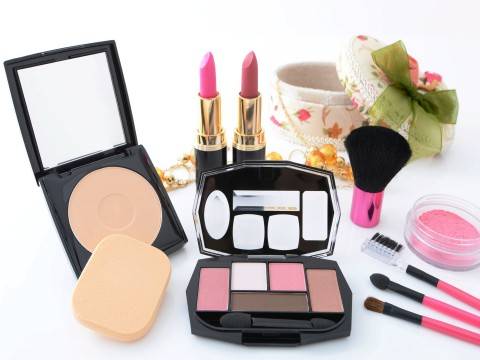
10 Makeup myths bustedMyth 1: You do not need Primers if you have evenly applied foundation and moisturized your skin well. Fact: Primers are basically used to fill your fine lines, reduce the visibility of your pores and keep your foundation looking fresh and radiant, for longer. With age, your skin develops its natural flaws and the use of primers becomes mandatory. For best results, use your primer after moisturizing your facial skin and before applying your foundation. Myth 2: Red Lipstick does not look good on everyone. Fact: Generally, red can look good on everyone. The trick is to find the right shade of red that suits  your particular skin tone. However, to play it safe you may start using red lip colors with blue undertones, as they look good almost on everyone. But remember, learning to apply lipstick the right way, is just as important for the right effect. With just a little patience and practice, you can surely achieve those red hot lips, you've always dreamt of. Myth 3: Foundation should match your cheek, hand, neck or forehead. Fact: Getting the perfect shade of foundation is one of the toughest tasks, while choosing your makeup products. Your facial skin is much lighter than your hands; yet at the same time, it's a tad bit darker on the sides and forehead. Hence, the best way to select a foundation is to check the stripes on your jawline. But, always remember to step out into the natural light while making this crucial decision. Myth 4: You can change the lip-size using lip plumper. Fact: Ok Ladies, a lip plumper will definitely not change the size of your lips. The way they work is that they give your lips a swollen appearance, by stimulating the blood flow and irritating the lips. The main ingredients in a lip plumper are hot pepper, menthol, caffeine and cinnamon which results in the temporary pronounced pout, which soon wears off. Myth 5: Pumping the Mascara eliminates Clumps. Fact: If you pump your mascara tube, you're actually pumping in more air, due to which the mascara solution dries out quickly and allows germs to breed in your mascara. The best way to eliminate clumps is to rotate the brush inside the mascara tube and then wipe it down with a tissue, before application. Myth 6: Never wear an eye shadow matching the color of your eyes. Fact: It is true that if you use contrasting colors, your eyes will pop and look bolder. However, this does not mean that if you have brown eyes, you avoid your favorite brown eye shadow. Myth 7: Choose a concealer that is lighter than the foundation. Fact: Every woman has a different skin tone and depending upon your skin tone, you might need more or less, foundation coverage. So, it is always better to choose a concealer that comes closest to the shade of your foundation. Myth 8: Always choose a foundation that is lighter in color compared to your skin tone. Fact: If you choose a shade of foundation lighter than your skin tone, after a while your face will start showing two different skin shades. Always, test the foundation on your jaw line and if it blends in seamlessly with your skin tone, that's definitely the right shade for you. Myth 9:  Makeup leads to acne. Fact: No research, until date, has conclusively proved that makeup causes acne. Poor hygiene, sleeping with your makeup on, not cleaning your makeup brushes regularly, and using the products beyond their date of expiry is what leads to breakouts on the skin. New products may also cause skin irritation; which is why, it is better to test them on your elbow, before using them directly on your facial skin. Myth 10: Tingling makeup products are perfectly fine. Fact: Makeup products that make your skin tingle are sure to damage your skin and cause injury. It may also lead to bacterial infections and pimples, so you should certainly avoid such products. You should never compromise on the quality of makeup products, or else your skin may have to suffer the side effects.

How to communicate with a patient who has a strokeThe first and the most important thing to communicate with the patient, is to give undivided attention. Give attention to his activities, gestures, his facial expressions through which he may try to communicate so his feelings could be understood. Eye contact is also important but the patient having stroke may look at you square in the eyes but he may not respond to your conversation. While communicating with the patient you should always stand in front and tune out all the other sights and sounds in the room. Maintain full silence around the patient in the room, turn down the volume of the television, radio and ask other people in the room to be silent. You may communicate with the patient by making contact by touching the hand, chin, cheek or areas which are not affected by stroke. As the side which is affected by stroke, does not have any sensations. You may communicate with the patient through his family member by telling the family member to communicate with patient by saying, "Look at my face"; through this we can gain the patient's concentration. You should always speak clearly with the patient in a normal soft volume. Express your ideas in simple terms, form simple sentences, do not use complex words. You may repeat the sentences or an important term again. For example to ask if the patient wants tea, repeat the word 'tea'. More complex thoughts can also be similarly conveyed and repeated. You may also use hand gestures with clarification like doing Hello by waving your hand or through your hand action, you may ask questions like, How are you? Are you ok? What do you want? Through this both caregiver and stroke patient can benefit. You may ask your patient to point out whatever he wants or if he needs anything. And gradually he will develop the habit of pointing the daily items like television, newspaper, remote, eyeglasses radio, drapes an uncomfortable foot, the patient can indicate any pain or headache. Through this communication we can make the patient learn, use mechanical lifts to get in and out of the bed, and with the help of the attendant by demonstrating the patient how to use it. Sometimes when the communication does not work, take a break, give it time and try again, do not get frustrated and reassure the patient that yes, he or she can do it. Good communication with the patient is very important as they cannot speak their basic wants and needs clearly. The patients suffered a stroke also have slurred speech. There is a deviation of the angle of mouth. They are mostly bed ridden and could not carry out the routine activities.
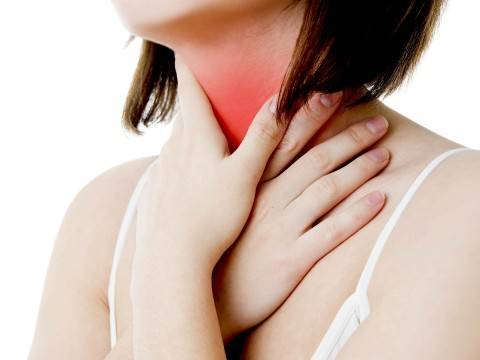
Treating sore throatTest and diagnosisPatients with sore throat are examined by ENT specialists. At first, the doctor performs a local examination of throat. Clinical examination usually guides the doctor towards diagnosis. Although in order to confirm the diagnosis, the doctor may ask for culture and sensitivity test of the throat swab. Treatment Home remedies: Mild cases of sore throat are usually cured by home remedies. Following remedial measures can be adopted at home: Warm saline gargle – Gargle with warm saline water helps to relieve the discomfort and irritation of the throat. Half to one teaspoonful of salt is added to one full glass of warm water and the patient is advised to gargle. This process may be repeated 3 to 4 times a day to have a soothing effect on throat. Additionally, smoking and use of other tobacco products must be avoided. The patient must drink adequate amount of fluids. Warm liquid and semi-solid food must be consumed to provide a soothing effect on the throat. Cough lozenges to help relieve irritation and pain in the throat. Seeking advice of the doctor: If the signs and symptoms persist and are not adequately controlled by home remedies, the patient must seek advice of a specialist doctor. Viral infections usually do not require treatment. They are usually cured in 5 to 7 days. Bacterial infections require treatment as per the advice of a specialist doctor. Bacterial infections may require treatment by antibiotics. The treating doctor selects an antibiotic which is suitable for the patient depending on factors such as the age of the patient, report of the culture and sensitivity of throat swab, previous drug history of the patient, etc. Antibiotics usually effective in bacterial infection with sore throat are from the group of penicillins, cephalosporins, and macrolides. PreventionViral and bacterial infections are contagious. Good hygienic lifestyle and habits help prevent infections. Following things to be noted are: Frequent and thorough hand washes before consumption of food, after using toilet, and after sneezing and coughing. Use of a hand sanitizer during consumption of food outside home. Avoid sharing food and drinks from same glasses and utensils. Use a tissue paper or handkerchief while sneezing and coughing. Avoid close contact with patients with sore throat. If sore throat develops, few home remedies may prove to be curative. If sore throat persists, advice of a specialist doctor must be sought.
Painful intercourseSome of the causes affecting women can be: Going too fast, penetrating from an awkward position. Do not hesitate to tell your partner that it hurts and he needs to slow down or change position in order to make you comfortable and prevent pain. Dry vagina or lack of natural lubrication in the vagina. This dry vagina is caused due to some medications, changes at the menopause. Sometimes just increasing the time of foreplay can help vaginal lubrication. Use water-based lubricant to reduce pain. Failure to fire off. Sometimes failure of the vagina and uterus to respond to sexual arousal can lead to irritation and tenderness. The vagina may be too tight for the intercourse sometimes or the uterus may not be raised so that the penis comes in contact with the cervix during penetration. Using other penetration methods can be helpful to explore the level of arousal before engaging in intercourse. Vaginismus can be the cause of discomfort. Muscles surrounding vagina are sometimes very tight and lead to pain and intercourse to be painful. Woman can examine herself with her fingers to see if vaginal walls are tighter than normal. It can be vaginismus. Normal cause is nervousness or anxiety. It is reversible. Good foreplay before intercourse will help to relax the muscles and help lubricate. Just relaxing before the act can be helpful. Vaginal infection and inflammation due to yeast, herpes, etc. can make intercourse uncomfortable. Fabrics, creams, perfumes may cause irritation in area in some women. Avoid these. First-time sex can be a little painful. Rupture of the hymen can cause discomfort during penetration. Start slowly or begin with forms of penetration other than intercourse. Psychological pain. Sexually traumatic experiences or feelings of guilt associated with sex can make the act painful. Consult a sex therapist or psychiatrist. Discomfort during intercourse is experienced by men too, various causes affecting this outcome for men are: Tight foreskin. During first attempt at intercourse, tight foreskin will make retraction painful. After sometime, the foreskin will become loose and make intercourse comfortable. Any lesion on the penis skin can make intercourse painful. These may result from non-lubricated masturbation or rapid intercourse or STDs. The blisters due to herpes infection can make intercourse extremely painful.
The earlier yearsSexual concerns experienced during the drastic body changes and feelings of adolescence are often carried into adulthood. Sexual desires are powerful and frequently go beyond the earlier popular forms of sexual expression - kissing, hugging and petting without being aware of the consequences. Anxiety the commonest case of erectile dysfunction is compounded by the present life style - get-togethers, parties, with alcohol and drugs, visits to sex workers or massage parlours which offer other sexual services leading to unplanned, unprotected sex. Consequently seen are unwanted pregnancy, abortions, drug addiction, sexually transmitted diseases, anxiety and depression leading sometimes to suicide. Males seem to have more concerns then females. A common concern is nocturnal emission (night fall, Swapana Dosh) of semen and length of penis. Nocturnal emission of spermatic fluid is falsely believed to weaken a person. Really all that's happening is that excess of sperms is being thrown out to make place for the new ones. The length of the penis troubles many. Young people fall prey to advertisements that claim to lengthen it. The fact of the matter is that a penis an erection of 2.5 wide (10cms) is enough for a sexual intercourse for a person who knows the art to satisfy a partner. Ignorance about masturbation is widely prevalent among males of all ages leading to guilt, anxiety, depression and at times to suicide. Older men erroneously think their cause of erectile dysfunction or premature ejaculation is masturbation. Masturbation is a highly pleasurable act in males. It does not harm the body or exhaust the sperms. In fact it is a safe way to satisfy. Females also masturbate but the percentage to men is much less. They also seem more comfortable with the activity. Masturbation has gone through years of superstition fear of ill effects, considered as a unhealthy practice and considered sin by some religions. Fifty or more years ago doctors and activities thought it caused harm to the body. It is said that corn flakes, the popular breakfast cereal was specifically formulated by Mr. Keleog to help a person not to masturbate. Today thinking has changed. It is now thought that it is an activity that does not cause any harm to the body. It does not finish all the vital sperms over the years so that it will not hinder having children in future. Its wide misuse is common. Persons use it indiscriminatingly when they cannot sleep, when they are tense for e.g. before an examination, some do it more than four to six times a day, which only indicates their immaturity. When done to satisfy a natural sexual urge it is a healthy activity. It keeps the person safe from infection and is said to teach the person skill for sexual intercourse. Technology has helped in many ways but sometimes it creates problems. A person hooked on to porno sites to arouse his desire is found to cause a loss of self confidence conflict with the partner sexual intimacy and intercourse. Before marriage or a partnership both male and female have concerns. Females if they have a previous partner but are getting married to another worry about the husband finding out of their loss of virginity, others worry about the size of their breasts, excessive hair on body or excessive fear of pain at intercourse. Men worry about whether their penis is long enough whether their long standing masturbation will hinder intercourse or prevent them of being a father. The absent hymen a false notion for virginity can be congenitally absent, split by exercise like swimming, cycling etc. or most commonly by masturbation. The hymen therefore is no proof of virginity. Learning to do with what they have making full use of their points and feeling comfortable and proud of their bodies help a lot to overcome the concern. Adopting a safe sex policy is best achieved by masturbation; avoiding sex with an unknown person and multiple partners; during intercourse with sex workers not using condoms every time and being careful of oral sex. Satisfying each other by caressing, hugging, kissing etc. with clothes on is safe; without clothes extra vaginal sex by mutual masturbation is safe with a trusted partner and finally not so safe is vaginal intercourse unless done with a condom correctly worn.
FAQS
T&C FAQS