Home
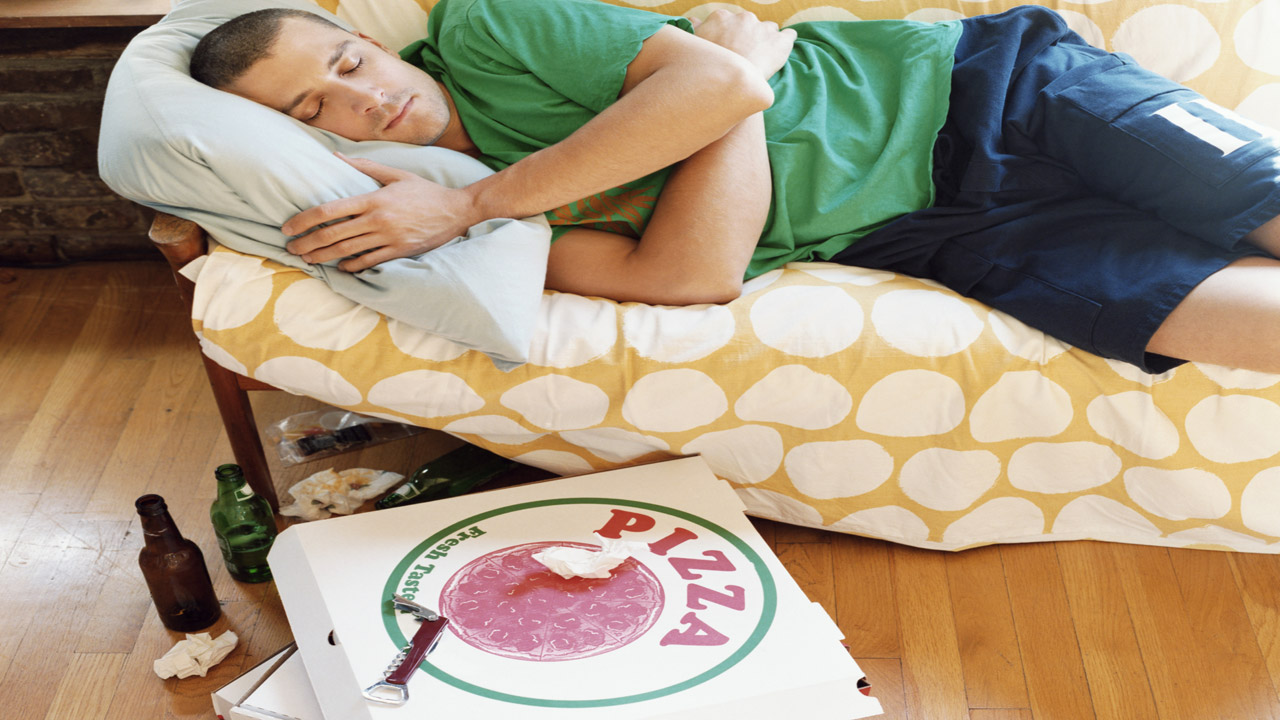
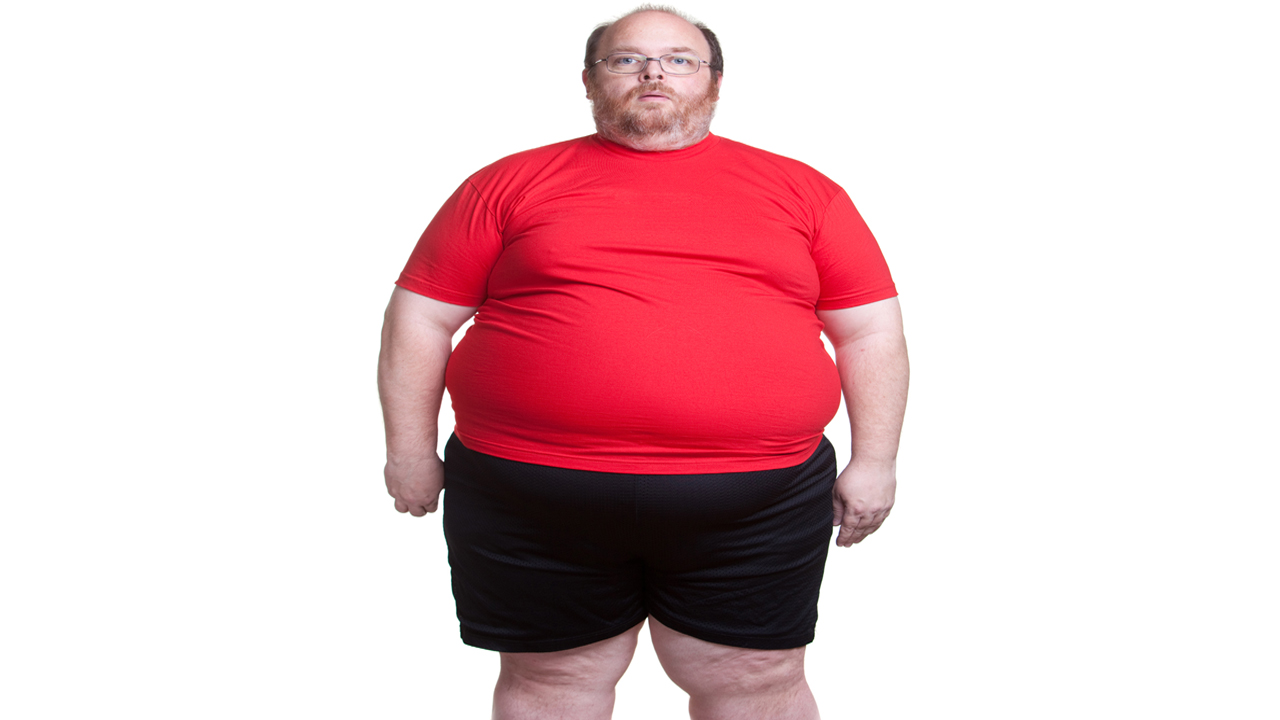
Too much of these can be detrimental to healthModeration is the mantra for everything in life. There are a lot of things in our daily life that we do. Excess of these can be detrimental for your health. Let's see how: Television, Laptop, Mobile: That screen is torture for your eyes. Looking at the TV/ laptop/ mobile screen for too long can cause dryness of the eyes. It also makes the mind dull and inactive. Even though you have not done anything much, you feel tired. It is also unhealthy for your social and personal life. Gadgets are meant to add convenience to your life, and not alienate you from real people. These also lead to sedentary lifestyle which further triggers obesity, hypertension, diabetes and other chronic ailments. Travelling: Many of us travel for work, for education. Frequent meetings are a part of work life. Some like to holiday a lot. But too much traveling upsets routine for the body. It changes schedules too often, adds new stressors to an ordinary day. Food options also get limited and sleeping patterns are influenced. If your job demands excessive travel, make sure you consciously put an effort to choose a healthy lifestyle when away from home. Worrying: Worry is unavoidable. Think of a day you did not worry about anything, isn't it difficult? Normal stress is a part of life, but if you are worrying too much, you are weakening your immune system in more ways than one. It makes you weak, susceptible to infections, prone to lifestyle diseases, and also affects your social life and relationships. Vitamin supplements: Supplements are not your daily diet. Have them in moderation and with due consultation from a doctor. Some vitamins get stored in the body when taken in excess quantities. This can result in condition called as hypervitaminosis and various health problems. Exercise: Body is not a mechanical machine that can keep functioning at the click of a switch. Even a machine needs oiling and repairs. If you love to exercise, that's great. But don't do it all day. Too much physical exercise is strain on the body. It can lead to muscle exhaustion, weakness, breakdown and may even damage the kidneys. Sleeping: Sleeping is the rest the body needs but too much of rest means rusting. Oversleeping makes you dull and may even trigger your migraines. It annoys the body clock and may create metabolic disturbances Social Networking: This is not good for your mental health. Those two hundred friends who like and comment are not your world; the one whom you call when you want to cry is your friend. Posting images and sharing updates on social media is fine, but it is more important to talk to those who live with you, who are physically around. Many peer pressures and image issues also arise from excessive social networking and people may tend to live in a 'make believe' world.
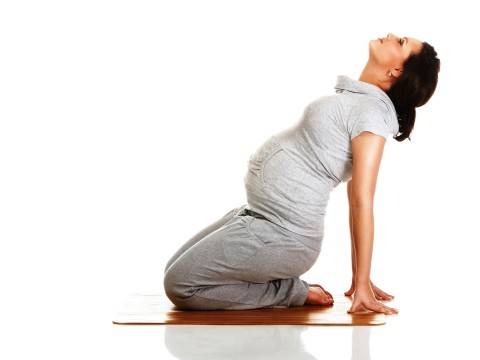
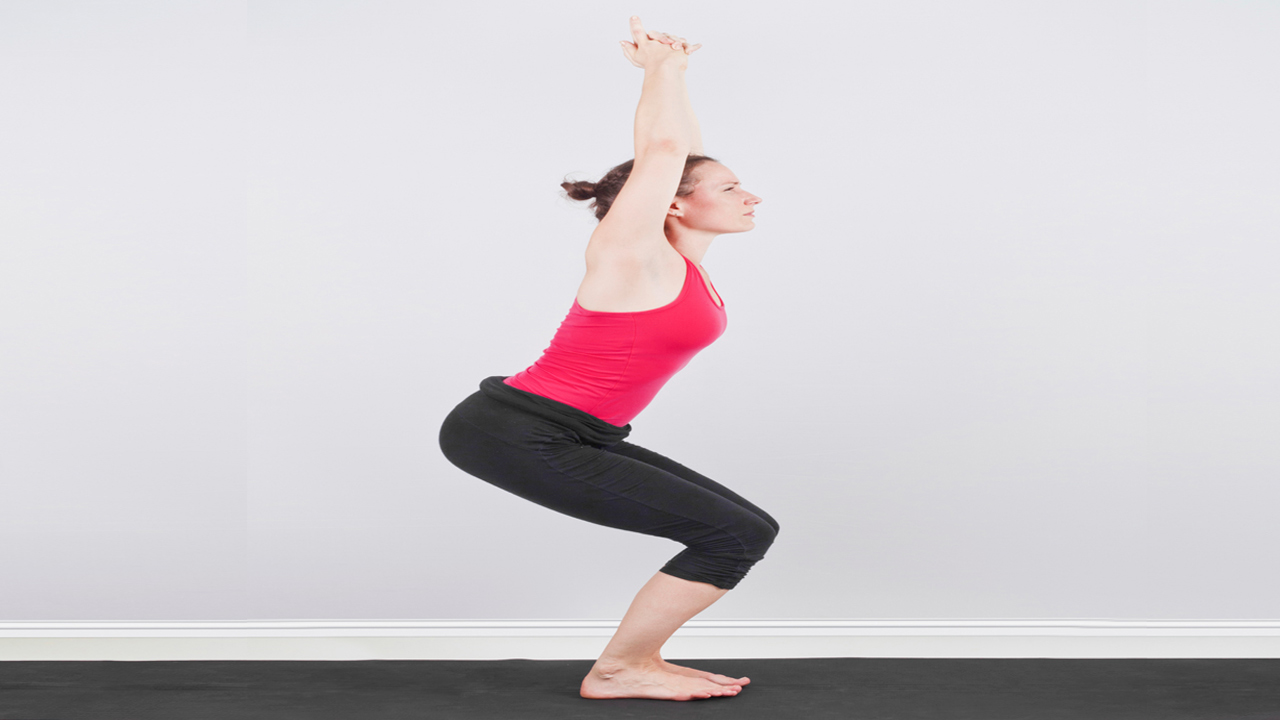
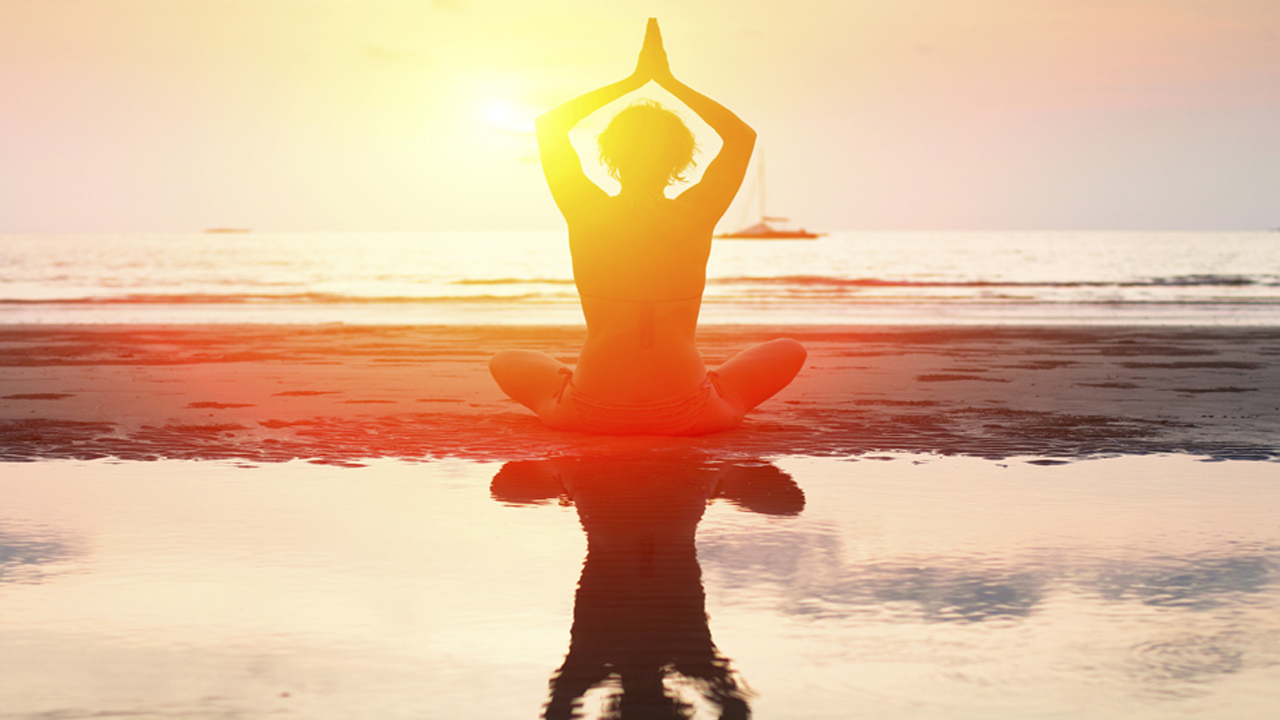
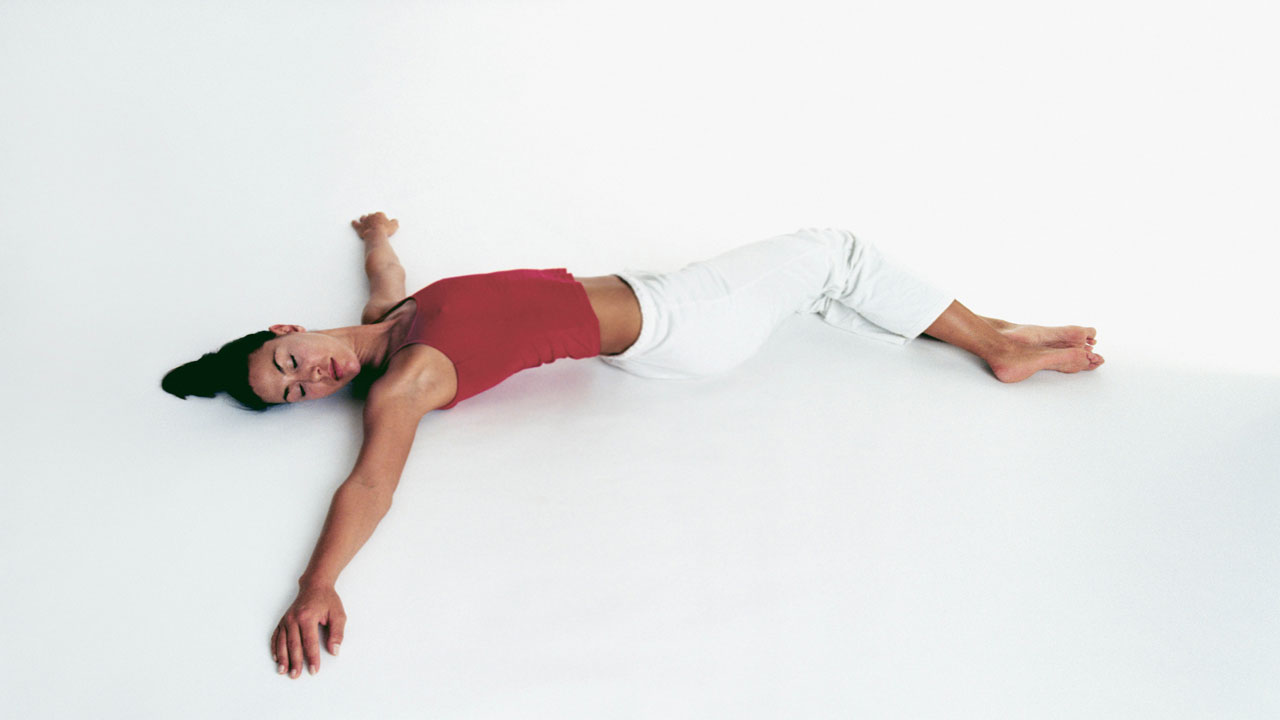
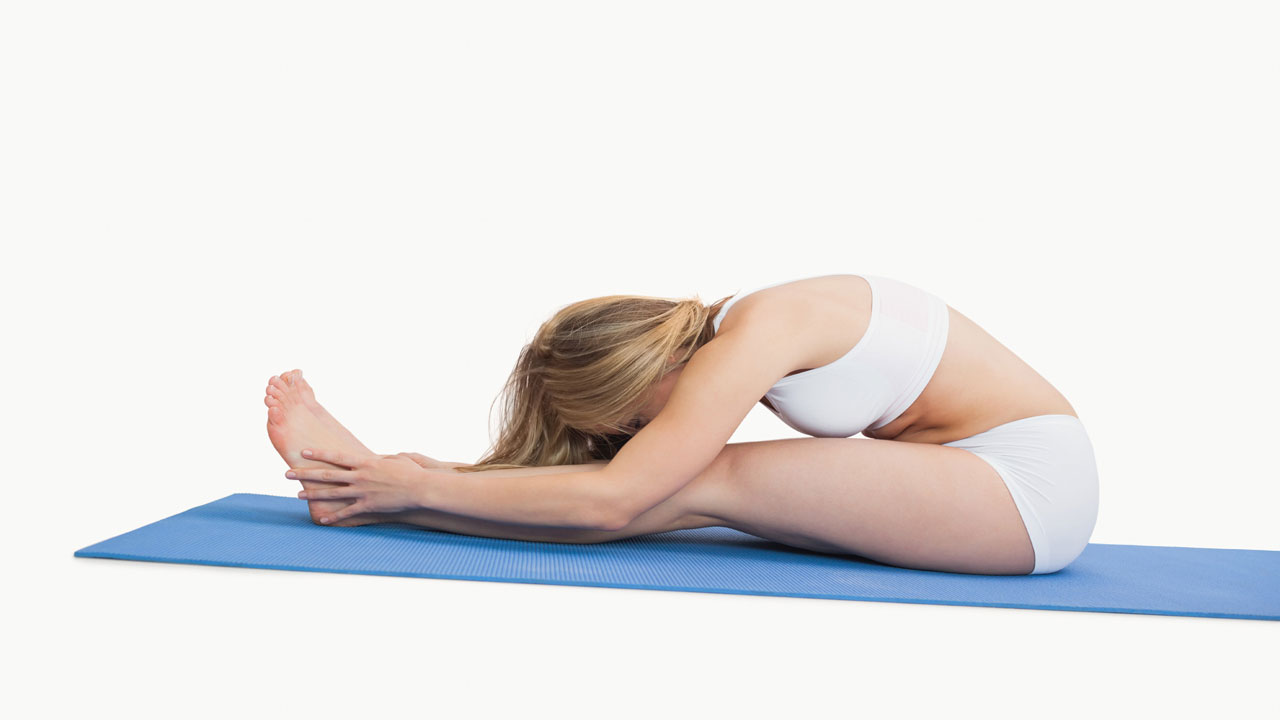
Yoga to strengthen women's lifeEveryone expects from a women for all their necessities. The husband needs to go to office and she has to prepare for this, the son or daughter needs to go to school, tiffin needs to be packed, and the in-laws need her attention for the morning tea and breakfast. Along with this she has to rush to office on time. Then while returning, she has buy vegetables and other things for household, then go home and cook, and sleep late after all the chores are done. For such a multi-tasking working-women, the time available is very less to replenish the energy she uses to do such work. Multitasking leads to stress and tension and causes headaches, stiff neck, tight shoulders, poor posture, shortness of breath, clenched teeth and fatigue. What is the solution for this? The only solution is YOGA.  We all know that yoga has many positive effects on ones well-being; it brings about both physiological and psychological benefits. It is beneficial for body, mind, and spirit. It needs only 10 minutes. Yoga helps to relieve your stress and tension. Yoga in Sanskrit means 'YOG' that is to join or unite. It is the union of mind, body, spirit, and breath with our surroundings and our universe. One should start yoga gradually with a comfortable speed and limits. Breathing exercises are excellent way to reduce stress and tension. It can be done along with asanas. For this you have to sit comfortably with relaxed shoulders and with your chin level at the floor. Inhale through the nose expanding your abdomen, rib cage, then expand your chest, then begin to exhale by contracting your abdomen, ribs and then lastly relax your chest. Now continue to breath in this fashion, this improves the quality and quantity of oxygen that enters our body and helps to relieve the shortness of breath and relieves the tension. The yoga mudra is helpful to relieve the stress, for this sit down crossed legged on the mat and keep the back straight, then take the arms behind your back and hold the left wrist with the right hand. Then by exhaling, bend forward to touch your left knee, while doing this focus on the feeling of surrendering to God, which protects you all the time, then while inhaling come back to the normal position and repeat this on the right side. Then finally, complete this pose by touching the forehead to the ground in front in the centre, while doing this exhale, then when you feel like inhaling come back to the normal position. This posture increases the energy and stimulates your respiration, improves your digestion calms your nerves. But this should be avoided by pregnant women, hernia patients, and patients with retinal disorder. The shavasana also helps you to relax your body before you get to work. In this you have to lie down on your back on the mat. Keep your arms a foot away from your body and your feet separated two feet apart.  Then close your eyes and focus on your breathing and feel free of thoughts and tension. Breathe normally and focus on your body parts, toes, legs, abdomen, head and finally the scalp and try to relax each muscle group. It improves your breathing, concentration, gives inner peace. You should avoid this if you are suffering from low blood pressure.  
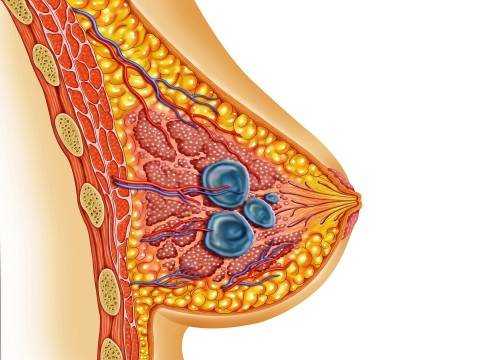
Breast lumps- myths busted!The rise in the occurrence of breast cancer in women, since past decade or so, has made women, especially in the urban areas, very cautious about lumps in their breasts. Whenever there is a small lump in the breast, the first thought that comes to mind, is may be this is cancerous. However, instead of taxing your brain with worries, it is better to take action and consult your caregiver. Here are some of the myths that are regularly associated with breast lumps and the real facts related to the same. Myth: If there is a breast lump, it must be cancerous Statistics reveal that out of 10 cases of breast lumps in women, only 2 are cancerous. More often, these lumps are due to fibroadenoma or cysts. In many women, lumps are formed during the menstrual cycle and they go away after it ends. It is not simply possible to tell exactly what kind of lump it is, just by feeling through hands. However, it is important to detect the composition of the lump and to do so at the initial stages, so that if it is detected cancerous, early diagnosis and treatment can save your life. Myth: If your mammogram is normal, you are safe and the lumps are not cancerous This is not particularly true. To detect the presence of cancerous cells, you need to get more tests done; an ultrasound, an MRI and also a follow up mammogram, to get a second view of the lump. Doctors also suggest a biopsy to be 100 percent sure of the diagnosis. If the lumps persist but there is no detection, your doctor may ask you to keep doing the tests at frequent intervals, to assess the development. Myth: Malignant breast lumps do not cause any pain Although breast cancer patients do not suffer from much pain, this does not mean that if you do not have pain, the lump is non-cancerous. There are different types of breast cancers; and in some types such as the inflammatory breast cancer, the patient can suffer from warmth, tenderness, redness and swelling, followed by pain in the lumps. Myth: If you get a lump while breastfeeding, it is not cancerous It is true that breastfeeding reduces the chances of development of cancerous cells. But there is still a possibility and hence you should not ignore the formation of lumps. It is advisable to immediately get an ultrasound to confirm the condition of the lump. Myth: Lump in young women cannot be cancerous Women can develop breast cancer at any age. Hence, if you have a breast lump at a young age, or even if your teenage daughter has developed a suspicious lump in her breast, you should always get it checked, at the earliest. Most often, cancer develops in the breast when women are past their menopause period. But this, in no way means, that they cannot get it at younger age. Myth: Only a larger lump can be cancerous, not a smaller one Lumps in the breasts can be of all sizes; and the size, does not determine the presence of cancerous cells. According to breast-imaging specialist at New York's Manhattan Diagnostic Radiology, Melissa Scheer MD, you must immediately see a doctor, whenever you feel the presence of even a tiny lump, because, a small lump too may turn out to be aggressively cancerous. Most often, the lump in the breast is non-cancerous; however, it is advisable to consult your caregiver immediately, once you discover the lump for the first time.
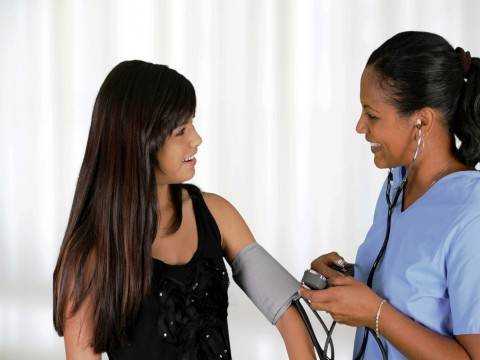
High blood pressure in the little onesIf you are asked to paint a picture of a patient of hypertension, how would it look? Leave the details aside, would you paint an old person, a young person or a child? Most likely, you will paint an old person or may be a middle-aged person. But a child, who would think of a child to have high blood pressure! It may be difficult to believe for most but not only is it possible, its incidence is also increasing gradually. In fact, hypertension in kids is becoming quite common. Studies in USA show that up to 5% children and adolescents have hypertension. What is it? High blood pressure in children and adolescents is also called as pediatric hypertension. Pediatric hypertension is defined by the blood pressure recorded on the mercury, in comparison to the given standard range. As a child grows, there is rapid development in all the milestones. For children, there are percentiles defined for all parameters for various age groups. In children, when the blood pressure is above the 90th percentile but below the 95th, it is called prehypertension. When it is above 95th percentile, it is diagnosed as hypertension. There are no distinguishing symptoms of pediatric hypertension, so it may easily be missed. Please make it a practice to get your child's blood pressure checked on routine visits for medical examination. Why does it happen? High blood pressure in children under ten years of age is usually secondary to some other health condition. It could be due to an underlying heart disease, kidney disease, hormonal disorders or genetic abnormalities. This demands treatment of the main problem. Primary hypertension is noted in older children, over 6-10 years of age and adolescents. There is no specific cause identified for this, other than lifestyle, obesity, rich foods and family history. How bad could it get? Children may show a disordered sleep pattern when they have hypertension. They may suffer from sleep apnea, reflected by snoring or abnormal breathing. Besides sleep, the other effects of hypertension are the known ones. In the long run, it could lead to heart disease, stroke or kidney disease. What to do? It is very important to control the blood pressure from a young age. Regular check-ups and monitoring of the BP is needed. Thorough examination is a must to identify whether the hypertension is primary or secondary. Treatment by medicines is recommended in secondary hypertension, where the underlying condition is to be tackled along with the management of blood pressure. In cases of primary hypertension, medication is suggested only in extreme cases. Otherwise, lifestyle management is the key. It is not a healthy option to start anti-hypertensives this early in life. Give your child healthy food, help him/her maintain the ideal body weight and make sure he/she gets enough exercise physically. The sooner we identify the problem, the better are the results with a disciplined lifestyle. The unhealthy lifestyle is creating chaos in all our lives. How long the kids would have escaped? Our lifestyle reflects on our kids. Follow a healthy routine and keep the family healthy!
A baby - proofed guide to childcareCaring for kids is an important task. Everyone wishes to nourish kids in a loving and caring yet protective atmosphere. Initial stages of development call for more care and attention. Health, hygiene and safety at home and outside are important when it comes to kids. Here are a few helpful tips to all the parents: Nurture your infants with massage. Learn a right way or get it done from a professional. It is a great therapy to make muscles strong and bond with the baby. Prolonged crying bothers parents a lot. Usually continuous crying for long hours is suggestive of colic or stomach ache. It is the most common problem in kids, the reason being immature gastric system. Do not panic. Keep medicines at hand and give them as per instructions by your kid's doctor. Toddlers often insist on being carried even when they know how to walk well. Make sure to hold them comfortably. Diapering a baby is a skill that must be mastered especially when the baby is fidgety. Holding baby in right position flat on the back simplifies the task. Parents adapt to doing the job effortlessly with practice. Transition period of swapping from breastfeed to bottle known as weaning is a tough task for most of the babies. Consider gentle weaning strategies advised by the doctors. Do not be abrupt. Go slow! Some Safety Tips: Cap and lock the medicines, detergents, chemicals etc. in containers keeping them far away from the children. Bathingwater should be always checked before bathing the baby. Do not leave kids alone near water tub or any water source alone. Avoid leaving baby in a highchair to prevent injuries such asbaby climbing out, falling, or sliding. Lock up all the knives, matches, and plastic bags away from children to prevent poisonings, bleeding injuries, burns and suffocation.
Not very chummy! Menophobia - The fear of periodsMenstruation or periods begin as female reaches puberty. This is the time when there are hormonal changes which occur in the body as nature takes the girl and makes her ready for womanhood. The onset of periods can be distressful with lots of mood swings accompanied by abdominal cramps, bloated feet as the menstrual blood flows. This is also a time when the girl needs to be comforted and educated the most, as it can be truly a terrifying experience. Normally mothers or elder women in the family ensure that they take complete care of the girl in this transition phase. For some women, their initial experience with periods may not have been particularly pleasant, causing them to actually dread those 4 days and this fear can then take the shape of a full blown phobia -Menophobia! The reason could vary. For some the pain factor could be the reason for menophobia, while for others, it could be the memory of embarrassing red stains on the clothes which could set it off. In menophobia, just before the onset of the periods, the person starts getting anticipatory anxiety and the pain which could be normal period pain, is then imagined to be ten times worse. This brings on panic attacks and feeling of utter dread which while is entirely psychological can be utterly distressful and downright crippling. Counseling can help greatly along with pain medication to manage the pain and the fear of this natural phenomenon called periods. In therapy, this is what is iterated. That menstruation is a completely natural process and if there is a fear of menstrual blood then gradually, the woman is encouraged to accept it as a natural body function which plays a major part of her being a woman.
Algophobia: The fear of painAlgophobia is the fear of pain:  an abnormal and consistent feeling that is far beyond what would be considered normal. The term is derived from the Greek words, Algos meaning pain and Phobos meaning fear. Our bodies are designed in a way that when there is a painful stimulus it reacts. How the body reacts to the pain is an individualistic phenomenon. Some people have a very low threshold for pain, and even the slightest pain evokes a huge response in them. Where as others can withstand a good amount of physical pain before their bodies give in. Some people dread even the tiniest amount of pain. They foresee situations that will cause pain in them. The way they react to even the smallest amount of pain is far more than the normal level of acceptance. Such people are said to be suffering from Algophobia. Algophobia is a learned behaviour, say behavioral psychologists. For example you may have heard from several people how hitting your shin on the furniture in the dark is the worst possible pain ever. So you tend to keep a watch and if it is dark, you move around extra-carefully to avoid bumping into the furniture and getting hurt. This would be considered normal, cautious behaviour. But if the same thought keeps buzzing in your head continuously and you go to extreme lengths to avoid that pain, you could be algophobic. Old people are the ones who have excessive fear. The age factor along with fear of death plays a vital role in old people developing this fear. For example an old lady may hear about all the ailments and pains that afflict old age people and may become apprehensive about it. She may develop irrational fears that more often than not, are also imaginary. She may start experiencing the pains even before anything actually happens to her. It may seem unrealistic to a normal person, but for algophobics pain can be a severely dreaded thing. Therefore they will go to great lengths to avoid pain at all levels, including day-to-day activities. They will not go into the dark, handle tools, avoid lifting heavy objects or even avoid playing any type of contact sports. If a task has a scope for injury and pain, they will avoid it! Frequently a pathological complaint of Hyperalgesia occurs along with algophobia. Hyperalgesia is a condition of increased sensitivity to pain due to damage to the peripheral nerves and pain receptors. Pain in such cases may be directly in the damaged tissues or in the surrounding areas. An interesting fact is that hyperalgesia can occur due to long term use of painkillers especially strong ones like opium and its derivatives. Algophobia is treated with behavioural therapy, psychotherapy and anti-anxiety medications. Hypnotherapy also has shown beneficial effects.  
The age of nutritionAdvantages of Healthy Eating: Increased mental acuteness Resistance to illness and disease Higher energy levels More strong immune system Faster recuperation times Better management of chronic health problems Eating Obstacles for Seniors:  Lifestyle changes: Lifestyle changes can be an eating obstacle. For example single seniors may not know how to cook or may not like eating alone. Activity level: Seniors often cut back on activity for physical and medical reasons. Weight gain can result from the decrease in calories burned. Metabolism: Every year over the age of forty, our metabolism slows down. This means that even if you continue to eat the same amount and kinds of food as when you were younger, you're likely to gain weight because you're burning fewer calories. In addition, you may be less physically active now. Taste and appetite: The senses of taste and smell diminish, so one may be inclined to season one's food more heavily than before even though seniors need less salt than younger people. One may struggle with loss of appetite due to lifestyle, loneliness or a medical condition. Health Issues: Physical ailments and prescription medications, become a daily exercise, and ends up often negatively influencing appetite. Digestion:Due to changes in your digestive system, you generate less saliva and stomach acid as you get older, making it more difficult for your body to process certain vitamins and minerals, such as B12, B6 and folic acid, which are necessary to maintain mental alertness, a keen memory and good circulation. Emotional Factors: Emotional factors such as loneliness and depression can affect your diet. For some, feeling down leads to not eating and in others it may trigger overeating. Specific Nutritional Recommendations for Seniors: Some important guidelines for seniors include Reduce sodium (salt) to prevent high blood pressure, Monitor fat intake in order to maintain healthy cholesterol levels Consume more calcium and vitamin D for bone health Eat more fibre-rich foods to prevent constipation Cut back on sugar and on dry foods Ensure getting recommended amount of important vitamins and minerals Increase water intake, and Perform regular physical activity Eating well as you age is easier than you think: Focus on good carbohydrates. Opt for whole grain nutrition (brown rice, whole wheat bread, rolled oats, barley, and millet), not refined "white" products, such as white bread, white rice, or products made with white flour. To manage weight and maintain optimum health, focus on eating efficiently. This means choosing foods that maximize nutritional value, not calories. Whole, natural, fresh foods such as fruits and vegetables, whole grains, nuts, legumes, healthy sources of protein (poultry, fish, eggs, and tofu) and dairy products that contain calcium constitute efficient eating. Highly processed and refined foods usually contain more calories and fewer nutrients. Raw equals roughage! Aim to eat at least one daily serving of your fruits and vegetables raw. This not only preserves their nutritional value, it's an easy way to eliminate constipation. Steaming is the best way to cook vegetables; it preserves nutrients. Light sauting is next. Bone up on calcium. All dairy products are not created equal. Milk, cheese and yogurt retain their calcium content; cream cheese, cream and butter do not. As part of a healthy senior diet, choose fat-free or low fat dairy products. Choose first-rate fats. Get your "good" fats from oils such as olive oil and sunflower oil, avocados and avocado oil, nuts and seeds. Keep it moist. In addition to drinking enough water each day, aim to consume foods with high water content. Staying properly hydrated flushes toxins from your body, relieves constipation, helps keep your joints flexible and your mind clear. High water content foods include melons, grapes, cucumbers, onions, apples, cabbage, and, of course, soup.

Sunburn: Overview and treatmentSunburns could also be accompanied by allergic responses to medicines, exposure to sun and sunscreen products, sight-related issues like reduced or complete loss of vision, as well as heatstroke. Over a long period of time, frequent cases of sunburn can result in cold sores, cataracts, skin cancer, and lupus.  The factors which will decide the vulnerability to sunburns are: Type of skin - The type of skin determines the vulnerability and intensity of the sunburn. The most vulnerable groups are those with freckled and fair skin as well with blonde or red hair. Regardless of the color of the skin, all skin types are vulnerable to skin cancer and proper sun protection must be used during times of sun exposure. Season - Summer days carry with them a higher probability of burning the skin. UV Index - This refers to the forecast of the strength of UV light on a particular day. This will let you know the cautionary measures you need to take in order to avoid skin damage. This is put forward on a scale of 0 to 11+ with 0 being the lowest exposure. Latitude - As you move to locations closer to the equator, the sunlight directly passes through the atmosphere to a greater extent. Age - Those who are younger than 6 years of age and those over 60 years are at a greater risk of getting sunburns. Altitude - As you climb higher and higher, the chances of sunburn are also greater since the amount of Earth's atmosphere to keep away the sunlight reduces. Every elevation of approximately 1000 feet, the UV exposure is amplified by about 4%. Location - If you are close to reflective surfaces like snow, water, ice, concrete and white sand, rays of the sun which get reflected off these might harm you. Time of the day - The rays of the sun are strongest between 10 in the morning and 4 in the evening. Though, the probability of getting sunburn are lower on cloudy days, it is possible for the UV rays of the sun to pass through the clouds and negatively affect your skin health. Here are the precautionary steps you can take to avoid getting sunburn: Avoid staying in the sun for a long period of time. Make use of sunscreen and choose clothing which cover your skin. In case you are suffering from sunburn, here are ways to treat it: An over-the-counter pain reliever: In order to lower the inflammation and relieve pain, use ibuprofen or aspirin. Anti-inflammatory condiment: Cortisone cream and aloe vera are two primary ways of reducing the inflammation. Cool bath: Take bath for about 10-20 minutes in water of cool temperature (make sure the water is not too cold). This will cut back the pain and irritation in affected area.  Do not use any bath oil, soap or detergent as this might increase the chances of allergic reactions and irritation to the injury. When drying yourself after the bath, do not rub with towel. Cold compressions: Try application of cold and wet compressions on the concerned region for about 20-30 minutes. Adequate hydration: Make sure you drink at least 8-12 glasses of water to help your skin to recover from the sun damage. Moisturizer: Once your skin begins to heal, use a gentle moisturizer without any scent. Blister treatment: In case you have blisters, do not try to pop them. This will lead to infection and marks.However, if you have large blisters which require to be drained, then pop them using a sterilized needle. Follow this by cleaning the area dry with gauze. After applying ointment to the area (Aloe vera or antibiotic ones like bacitracin and polymyxin B), wrap the area loosely using a gauze bandage. Make sure you do not tie it tightly and change the gauze daily to avoid infection. Medical attention: In case you feel nauseous along with fever, rashes and chills, then make a visit to the doctor. The following symptoms also require you to seek medical attention immediately: Pain in eyes with sensitivity to light, dizziness, high thirst without proper urination, painful blisters, and pale/cool skin.
Some tips to prevent night blindnessHere are some foods and eating tips, which will help improve vision and prevent night blindness: Eat dark green leafy vegetables like spinach and collards. These contain high amount of lutein and zeaxanthin, the nutrients for healthy eyes. Do not smoke. A glass of red wine daily is fine but drinking is not. Stay away from hydrogenated oils, refined carbohydrates and sugars in excess. Always wear sunglasses while going out in bright light to avoid potential sun damage to eyes.  Amber and grey-coloured lenses are effective against ultraviolet rays. See an eye specialist and get prescription glasses for driving at night, if required. Do not ride in dim light at night and see if you can postpone the work until next day. Even good lighting conditions at night even in a big city, can be troublesome to someone with night blindness. Vitamin A rich foods like spinach, carrot, papaya, broccoli, and mangoes should be added to your daily diet. Fish oil is a great source of vitamin A. Cod-liver oil is used as medicine too. Some wild plants are said to be rich in vitamin Abut they are seasonal, available in small quantities and there isn't much known about them. Beans are another fairly common source of vitamin A. These are consumed especially during autumn. Eggs are a good source of vitamin A. Eat eggs daily. People with high cholesterol should, however, limit their egg intake. Hot pepper is contains vitamin A too, but the preservation method, sun-drying, decreases the vitamin A content. Carrots are another good source. They are high in vitamin A and arenot expensive as well.
Easy tips for fresh breathBrushing your teeth twice daily is not enough for fresh breath. How well you brush, and how long you brush are equally important, as are flossing regularly and eating right. 19 year-old Rita suffers from bad breath. It is a huge drawback for her. No one at college wants to be her friend. Her doctor suggested that she brushes twice daily, and also prescribed a good mouth wash for her. Following this advice has not helped her much. There must be millions of us who identify with Rita's problem. Halitosis, or bad breath, is a huge embarrassment not only for the person who has it, but also for the person who has to bear it. It can be a cause of social isolation, as seen in Rita's case. A fresh smelling breath is a sign of good hygiene. A fresh breath makes you more confident of yourself, and you feel ready to face any challenge that life throws your way. So, what do you do to keep your breath minty fresh all day? Brush twice a day, and use a good mouthwash regularly, would be your reply. But is this enough? Let us start by busting a few myths here! Mouthwash will give you fresh breath all day long. It won't. It will only make your breath fresh temporarily. As long as you brush your teeth regularly, you need not worry about bad breath! Brushing your teeth is necessary. The key here is how long and how well you brush. Most of us brush for 35 to 40 seconds, which is just not enough. One needs to brush properly over all the surfaces of the teeth to clean them well. This should take you not less than two minutes! And you thought brushing twice daily was enough! Here are a few tips to keep your breath fresh: Bad breath is the result of bacterial activity in your mouth. One of the reasons for bacteria to grow is due to dryness. So, never let your mouth go dry. Keep your mouth well hydrated. Drink loads of water. One of the other reasons for bacterial activity in the mouth is the food particles that get accumulated in the cracks between your teeth. Be sure to rinse your mouth well every time you finish eating something. Flossing is an activity you should never ignore. Flossing does what regular brushing cannot do; It removes the food stuck between your teeth. Avoid foods that cause bad breath-like coffee, tea, sugary drinks, garlic, onions, or broccoli. Sugarfree gums are a good way to keep your mouth hydrated, as they increase the flow of saliva. Gel based toothpastes may give you a fresh breath, but the effects are temporary. Go for fluoride toothpaste that is good in the long run. Yoga poses like the Kapal Bhati Pranayam, Sheetali Pranayam, Sheetkari Pranayam, Yoga Mudra, Simha Asana are effective in combating bad breath. Visit your dentist regularly, and get your teeth cleaned professionally. Avoid junk food, and foods that are rich in sugar and fats. Instead, go for fresh fruits and vegetables. Quit smoking and alcohol consumption. Simple things like brushing daily, flossing daily, rinsing your mouth after every meal, and eating right can help you keep your breath smelling fresh all day long.
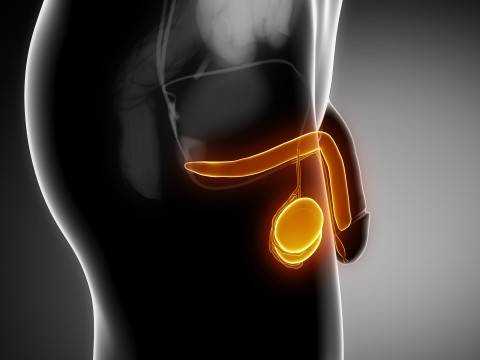
What, how, and why of the sex muscle answeredWhat the Penis is made up of? The penis is made up of several parts. The head: This is also called as the 'glans'. The glans is coated with soft pinkish tissue called the mucosa. The protective covering of the glans is called the foreskin. The foreskin is retractable. In circumcised men, it is the foreskin that is removed. The shaft: The shaft or the body of the penis has two surfaces. The dorsal part i.e. the upper part of an erect penis and the ventral part i.e. the lower part that faces backwards in a flaccid penis. The root: This is the attached part of the penis. Corpus cavernosum: This is the tissue that lines the shaft on two sides on the dorsal side. During sexual excitement, this corpus cavernosum fills with blood that results in the stiff erect penis. Corpus spongiosum: This is the tissue layer running in between the two layers of corpus cavernosum on the ventral side of the shaft. The urethra: This is a narrow tube that runs through the corpus spongiosum. The urethra's main function is to excrete the urine out of the body. How the Penis does what it is supposed to do? Urination: The process of expelling urine is a coordinated act involving the bladder muscles, the central and the somatic nervous systems. The urethra present in the penis serves as a tube for the urine to pass out. Erection: A erect penis is required for the successful insertion into the vagina. During the height of sexual excitement, there occurs dilatation or enlargement of the blood vessels in the corpus cavernosum causing a rush of blood into it. This elongates the penis and makes it hard and stiff. Erection angles: The way a normal penis points when erect is called the erection angle. The penis is either pointing straight to the front or it may be facing up or down to the feet. An upward angle is most common. A study published in 'Journal of Sex and Marital Therapy', shows the erectile angles in standing males from 20 to 69 age groups in the following table In the table, zero degrees is pointing straight up against the abdomen, 90 degrees is horizontal and pointing straight forward, while 180 degrees would be pointing straight down to the feet. Angles from vertically upwards: 0-3 - 5% of male 30-60 - 30% of males 60-85 - 31% of males 85-95 - 10% of males 95-125 - 20% of males 120-180 - 5% of males Ejaculation: Ejaculation is when the semen is pushed out of the penis. During the sexual act, the process of ejaculation forms the culmination with the male achieving an orgasm immediately after. At times, there is ejaculation of semen spontaneously during sleep, called Wet Dreams. Normal Variations- When you have what others don't (and it is completely normal to have them)! Curvatures: While most penises are straight, it is not abnormal to have a curved penis. Curvatures up to 30 degrees are considered normal and no medical attention is advised. Over 45 degrees may need you to get yourself checked for certain diseases, though. Phimosis: This is the inability to retract the fore-skin fully. It is harmless and occurs in about 8% of boys. The British Medical Association suggests that no medical treatment may be required till 19years of age. Pearly Penile Papules: These are small pale bumps that are found around the tip of the penis. They are very common in men aged 20 to 40 years and may be mistaken for warts. Unlike warts though, they are completely harmless and require no treatment. The human penis has one of the most advanced designs through eons of natural selection for high sperm competition. Disorders of the Penis: When you have what others don't (and it is not normal to have them)! Paraphimosis: This is the inability to retract the foreskin. It may be extremely painful when retracted. This condition occurs when there is leftover fluid accumulated n the foreskin due to some previous surgery. Peyronie's Disease: This is a condition where the penis is extremely curved. It is caused due to a scar tissue running through the shaft of the penis. There is an option of surgical correction. Herpetic Eruptions: This can happen when there is unprotected intercourse with an infected partner. It shows as painful ulcers and eruptions on the head and shaft of the penis. Absence of sensations and erection: This is a condition where one is not able to feel any kind of sensation in the penis and a total lack of erection. This occurs secondary to diabetes mellitus and also as an after-effect of past falls on the back or injuries to the groin area. Erectile Dysfunction: This is a condition that happens due to psychological stress, performance anxiety, natural ageing and diabetes mellitus. It is expressed as an inability to get aroused or inability to maintain the erection for a time enough for proper sexual activity. Priapism: This is a serious condition requiring immediate medical attention. Here the erect penis fails to return to its flaccid state and as a result may lead to potentially serious conditions like a thrombosis or gangrenous state. Severe cases may require amputation too. The causative mechanisms are not well-known but involve complex neurological and vascular factors. The condition is associated with drugs like sildenafil, commonly known as Viagra. Pudendal Nerve Entrapment: Too tight pants and underwear, arrow hard bicycle seats, accidents can lead to this condition. The symptoms include loss of sensation and ability to achieve orgasm along with pain in the penis during sitting. Infections: Common infections of the penis include balanitis, urethritis, syphilis and gonorrhea. Theya re characterized by burning, itching and foul discharge. Lasting longer in bed is every man's desire. How do you go about it is very important. Follow the right diet and exercises along with lifestyle changes to achieve the desired effect in bed. Stay away from medications that claim to make you last long. Ref: Sparling J (1997). "Penile erections: shape, angle, and length". Journal of Sex & Marital Therapy 23 (3): 195-207
Sex after 40Sexual changes in normal aging after 40: Erection takes longer time Require manual stimulation, particularly by partner Erection may subside during foreplay or coitus Decreased frequency of nocturnal erection Pre-ejaculatory fluid decrease or absent Ejaculation less forceful Seminal fluid volume decreases or absent Frequency of desire for sexual release decreases with age. Aged couples learn to cope with their own sexuality. Some are happy with foreplay and self masturbation, others insist on more usually it is the male. Frequency of sexual intercourse between 20-95 years : Sexual intercourse decreases with age as the study shows. Decreased during 5year interval after 34 years Weekly frequency: 30 - 34 years 2.2%; 60 - 64 years 0.7%; 65  - 74 years 0.4%; 75 - 79 years 0.3% Do we need to change this pattern with Viagra? I would say yes - sex can be  joyful till the last days. Nobody needs to be impotent now. Home devices like rubber bands, ribbons are also used to hold the blood back in the penis when the erection is not adequate. Vacuum pump to draw blood into penis with an application of a ring after erection is also found suitable by some. Active intervention by drugs (both allopathy, ayurvedic and unani) have been successfully developed. They may be applied topically (minidoxil), inhaled (amyl nitrate) inserted into the urethral passage, injected into the corpus cavernosa or taken orally (Sildenafil, Tadalafil, etc.). Finally if all fails silastic rods can be implanted in the penis to give permanent erection. The joy of living lasts a life time.
FAQS
T&C FAQS