Home
Strict parenting: When enough is enoughThe strict or authoritative style of parenting is where the parents hold their children's lives over a tight leash. Strict parents are high in control and low in nurturing qualities. They set high standards for all activities and expect strict obedience to the rules set by them. However, these parents display little or no warmth and affection. They love and affection they offer is also conditional love based on obedience and performance. Children of authoritarian parents turn out to be obedient, but this obedience is based on fear. Such parents very often use shame and guilt to make their children change their behaviour. They don't encourage verbal give-and-take and expect their orders to be obeyed without question. The children brought up in such a way are initially very obedient and polite but later all the suppressed emotions find an outlet. More often than not, such children end up being aggressive and tend to be bullies at school. Research shows that fathers who are extremely strict with their sons end up making their sons violent and aggressive, or indulge in non-physical aggressiveness like name calling. Strictly raised children have difficulty relating to their peer group. They either end up being aggressive or completely timid and submissive. At school teachers rate them as less socially competent, average or poor at studies and extra-curricular activities. They are also less accepted by their friends. The school dropout rates in such children are very high. Studies conducted on such dropouts revealed that they suffered from a huge inferiority complex and low self-esteem. Strict parenting can cause several problems in adolescence too. Children who are dominated by their parents are often found breaking the law. Alcohol and drug abuse rates are high in such children. Psychologically, these children are usually poor decision makers. Having had their parents make decisions for them all their lives, they find it very difficult to take a stand. They end up being indecisive. At the workplace too, they lack the competency to take up initiatives or show the lead. They make better team members than team leaders. Even if presented with an opportunity, they are likely to shy away from responsibility as they feel inferior and lack the requisite courage. Strict parenting can have a negative impact on the child's weight too. Studies show that an overly strict upbringing has a negative impact on weight because the children often fail to learn to eat on the basis of hunger and satiety. In such families parents use food as a reward, insist that children clean their plates, or restrict the kind or amount of food a child can eat. The studies showed that the children of authoritarian mothers were nearly five times as likely to be overweight compared to their counterparts!
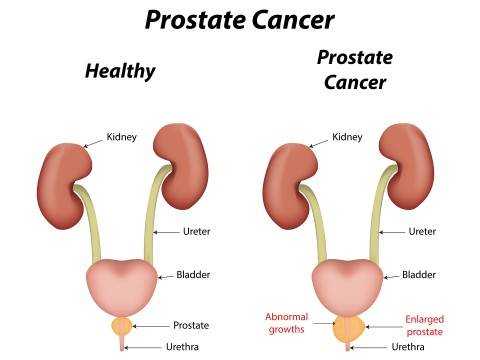
Weight gain and prostate cancerOne of the hormone therapies involves increasing the production of LH-RH. Luteinizing Hormone-Releasing Hormone (LH-RH) is a hormone which is produced by your body. This lessens the production of testosterone. The drug given induces the generation of this hormone. One of the side effects of this therapy is weight gain. Along with this, breast pain, hot flashes, nausea, and growth of male breast tissue might occur. Apart from hormone therapy side effects, the presence of fatigue can also stop a patient from regularly exercising, thus, resulting in gaining weight. However, it is important that this weight gain is averted as the chance of cancer returning is a possibility. You can keep your weight in check by following these tips: Ask your doctor if your hormone therapy can lead to weight gain. If you receive an affirmative answer, then ask for a diet chart to be followed. You can also keep a food and activity journal to get an idea of how your body is reacting to the treatment. Inculcate physical activity in your schedule. This will not only help to reduce fatigue, but also keep at bay the chances of becoming constipated or feeling nauseous. Medical studies have shown that cancer patients must have at least 2-1/2 hours of moderate physical exercise per week. Have about 2.5 cups of fruits and vegetables every day. Also, shift to whole grain food items. You should also consume at least a cup of legumes, for example, beans, to keep up your protein levels. It is best to opt for lean protein snacks like yogurt and chicken. You must stay adequately hydrated during your treatment. Drink about 10 to 12 glasses of water everyday. Do not consume excessive amount of sweetened beverages like coffee and cola. Have a small portion of nut and nut seeds. If you feel distressed due to the therapy, go for a massage. These have been proved to reduce anxiety and stress caused during the treatment of cancer. Most importantly, keep up with your appointments with the doctor and convey the bodily changes that you may notice. Have an optimistic outlook towards the treatment and do not repress any emotional disturbance. Weight gain in men who had been previously healthy often leads to depression regarding weight issues. Being proactive and focusing on keeping your weight under check is the key here. You could also approach a psychologist if you have been feeling low. The LH-RH therapy is also known as Androgen Deprivation Therapy (ADT). This therapy leads to a weight gain of around 9 pounds within a year of starting treatment. You can make sure that your weight is controlled by altering your lifestyle and getting adequate physical exercise everyday.
Marrying late in lifeConventionally, the marriage age is determined according to the linear formula of happiness that we have constructed and believe to be true. The formula being: getting married by 24 --> having children by 27 --> working (optional) --> becoming a grandparent (that too, real soon!). However, time and again, men and women wandering in their 40s-50s have woken up from the deep disturbed slumber to realize that maybe- just maybe, they had walked into things too fast. They had been unable to know who they are and to become a self-conscious human being before being ready to fuse their lives with another. The prime point of being single and marrying later in life is not to go on some form of egoistic joy-trip but to be able to know oneself and become ready to be the right person for the other. By marrying late, you give yourself time to experience freely what you like and dislike. You get to explore the world at your own terms- travel whenever you want and involve yourself in festivals and activities that manifest who you are. Marrying early doesn't allow for time to explore one's being, as marriage generally immediately follows the time you finish your studies or begin working. One of the most important aspects of adulthood today is travelling. However, every individual has unique wants of travelling and being a single adult will allow you to experience the world fully. You will also get in touch with yourself, exploring how you would like to live. The decision will arise from a ground of experiences which would clearly tell you what repels and what appeals to you. Such experiences are rarely findable once you begin living with another, as you would have to schedule your days and basically, your routine around the other's life as well. Financially, you have reached a point where you know how to take care and manage finances, allowing you to plan your wedding pragmatically. Marrying at a later point in your life allows you to be clear about when you would like to be a parent. Your experiences also ready you to be a considerate and understanding parent who can guide a child. As you grow older, you tend to become more tolerant and the propensity towards differences turning into unnecessary fights is lowered. As our ways of looking at the world change, every person as an individual has the need to learn to see the world as a home. This feeling of being at home is created only through series of experiences one has to go through as a responsible adult. In the face of inexperience, two individuals coming together often find themselves incapable of being happy with one another. Marrying later allows you to have grown into a wiser person yourself before sharing your life with another.
Menopause and mental health!Menopause is the period in a woman's life when her man claims she is going crazy. It is also the time when her period is on the decline and hormones are in complete disarray. Depression, insomnia, irritability, mood swings and lack of concentration are few symptoms that the lady has to battle with. These symptoms may begin as early as 4 years before the actual menopause and may continue for several years after that! For women, menopause is a significant turning point in their lives. The dropping levels of oestrogen and the resultant physical and mental symptoms can be like a cycle of events, only adding to their woes! Depression: Depression affects every middle-aged woman. An estimated 20% of women have depression at some point during menopause. The peak period for depression is during the perimenopausal years, when the woman is approaching menopause. The reason for this, say experts, is the fact that most women dread menopause. Even though for some it means an end to years of menstrual cramps, for most others it signifies an end to their womanhood. The very idea is sufficient enough to bring on lots of negative thoughts and depression. Not only this, the reason for depression during perimenopausal and menopausal age is the fluctuating hormones. Research shows that the levels of reproductive hormones, specifically oestrogen are responsible for the mental changes. Changes in the sleep pattern: Insomnia is seen in 40 to 50% of women in the menopausal transition phase. Women who spend sleepless nights are more likely than others to show irritability, crankiness, stress and depressive symptoms. Sleep disturbances during menopause have been linked to the decreasing oestrogen levels. Indeed this claim can be held true as several women respond positively to exogenous hormone therapy. One study claims that sleep changes are linked to the Luteinizing Hormone levels, which also results in increased body temperature. Sleep apnea too occurs in the menopausal transition age. This is due to decreased progesterone level, as progesterone plays an important role in respiration. The weight gain that happens during menopause has also been shown to cause sleep apnea. Panic disorder: Panic disorder is commonly seen during the perimenopause stage. Existing disorder may worsen or new disorder may arise. Panic disorder is usually manifested in women who show several physical symptoms of menopause. The panic attacks are usually associated with negative life events, pre-existing medical diseases and decreased daily functionality. Obsessive compulsive disorder: New onset of OCD, worsening of the existing condition or change in the pattern of symptoms is seen during menopause. OCD changes are also observed during pregnancy and during the menstrual changes, suggesting the impact of hormones on symptoms of OCD. Bipolar disorder: Women with bipolar disorder experience an exacerbation of symptoms during the perimenopausal stage. These women are also the ones that are highly likely to experience severe depression in the menopausal phase. Schizophrenia: Schizophrenia usually manifests itself in young adulthood. The rate of new cases decreases gradually thereafter, in both men and women. In women, however, there is a second peak in the 45-50 years age group. This peak is not observed in men. This suggests that oestrogen may play a significant role in triggering schizophrenia or worsening the pre-existing condition.
10 unhealthy habits in kidsNowadays, parents are too engrossed with their professional lives, and hence are unable to pay enough attention to their kids. Kids may develop unhealthy habits as a result of this neglect. Parents need to take conscious efforts to inculcate good habits in their children. Here is a list of unhealthy habits in kids, which you need to break immediately. Not drinking enough water It is very important for kids to keep their body hydrated in order to keep their skin supple and cool down the body's temperature when it's hot. Water also allows muscles and joints to work better and helps cleaning out toxins from the body through the kidney. Staying hydrated helps keep the memory sharp and the mood stable. Encourage your child to drink water before he/she even feels thirsty. Snacking on junk food Kids relish junk food. Unfortunately, there are endless options when it comes to junk food. This can cause childhood obesity and lowers the energy levels. Junk food cannot meet up the body's requirement for nutrition and vitamins. Hence, children must be encouraged to snack on healthy and tasty food like fruits, whole grain breads, or fruit breads. Missing breakfast School going kids often skip their breakfast in order to reach school in time. Skipping breakfast increases the risk of being overweight. It also leads to a loss of concentration and making bad food choices later in the day. Parents must wake their kids early, so that they have time for a healthy breakfast. Spending too much time sitting Technology has been a boon in some ways. At the same time, it has made us lazy. Watching TV and playing video games seem far more attractive to kids than outdoor games. Kids become less active which leads to various health problems, such as getting obese, becoming lazy, lacking of stamina, losing concentration and good eyesight. Parents should encourage their kids to participate in sports at their school or play various outdoor games with other kids. Not having proper sleep Falling short of sleep should be a big no to kids. Lack of sleep affects the immune system, and also causes loss of concentration, headaches and heart-related problems. Get your kids to sleep around 7-8 hours every night. Overdosing on sugar Kids have particular preference for sweet foods. But added sugar in various desserts and snacks provides a lot of calories and lacks nutritional values. Limit the sweet intake of your child, but don't force them to completely give up on it. Refusing to eat green vegetables Children generally don't like to eat green vegetables. They prefer to have chapati with jam or cheese. But that doesn't fulfill the body's requirement for vitamins and minerals. Try to cook green vegetables in different forms and make it look and taste yummy. Give them various choices of green vegetables cooked in different styles. Nail biting Though nail biting doesn't cause severe health problems, it could result in milder diseases such as diarrhea, cold, viral infections, pin worms, and food poisoning. Keep the nails of your kid clean and try to control their nail biting by explaining to them the ill-effects of nail biting. Not playing outdoor games Not playing outdoors impairs a child's social skills, as well as hampers the development of healthy body. It also causes deficiency of vitamin D. Try to encourage and accompany the kids for playing outdoor games. Eating without washing hands Kids play outside and touch various objects and surfaces, which may have lots of bacteria and germs. When they eat something with the same dirty hands, the bacteria and germs enters their body and may cause food poisoning, viral infections, and stomach aches. Keep a hand sanitizer or good hand wash at home and encourage your child to wash his/her hands before eating anything.
Building self confidence by improving body languageSo what have they told you? That only physically attractive people have the right to self-confidence? That you either have it in you or you don't? Let's face it, confidence is the key to anything and everything. Right from driving a car to handling work to dating, confidence is what separates the proverbial wheat from the chaff. What you need to remember is that the mind speaks the body language. Conversely if you change your body language, then it has an impact on the mind as well. Mr.Hunched Over This guy is the classic example of a person who just doesn't like himself. The world is a mighty dangerous place for him. Just look at the way he walks. Shoulders all hunched over, head down as he shuffles rather than walk. Mr. Hunched Over generally finds it difficult to look people in the eye as he speaks and he last is handshake is as limp as his mind. He crosses his arms tightly, touches his nose all the time to see if it has grown since he lied through it. Mr. Walk the Walk and Talk the Talk This chap is diametrically the opposite of the first kind. He exudes an air of confidence in his walk, manner and speech. He has a confident stride which is helped by the fact that he stands to his height with his head held high, chin tucked in and shoulders squared back. This is what gives him the confidence as this posture is designed for efficiency. Mind you, he isn't ram rod straight, just straight enough so that his ears are in line with his shoulders and hips. The chest is also out since the shoulders are drawn back towards the hip. This facilitates deep, even and diaphragmatic breathing which prevents anxiety. His hand shake is firm. As he offers his hand, he exerts just the right pressure on the other person's hand to indicate a strong grip. This is no wrestling bout, so the confident man always exerts just the right kind of pressure in a hand shake.  He maintains eye contact with the person he is talking to; not a staring about, but normal eye contact, one which won't make the other person conscious of being stared at. He looks away from time to time to give his eyeballs a rest. This is why he comes across as genuine and not shift eyed and restless. To be Mr.-Or- Ms. Walk the Walk Always square your shoulders and keep your head held high when you walk. You might seem imperious or high handed at first, but then it will work wonders on your self-esteem and you will begin to feel differently about yourself. You needn't even be a tall person to come across as cool and confident-just stand up to your own height and see the miracle. Breathe slowly steadily and deeply. Use your abdominal muscles to draw in your breath rather than engaging your neck muscles which end up making you a shallow breather and plus you also tend to hunch easily if you don't feel your rib cage and stomach expand as you breathe in. Practice standing and speaking in front of the mirror. It will show you exactly how you appear to others. Practice your walk in front of a video camera and keep a record of your metamorphosis.
Boost your mood after a long day at workUp before the sun rise, rush to get ready, say hurried goodbyes to the family and crawl like a tortoise through traffic to get to work. Go through a long day of meetings, calls, deadlines, reviews, and then crawl back again through traffic at a snail's pace. Does this sound like a day out of your life? Then surely, weekends go by faster for you than you can say lickety-split, leaving with no time for yourself, your family or your hobbies. Social life is definitely a far cry from possible. This rigorous schedule eventually catches up with the mind and body and lethargy sets in, discouraging any sort of activity that breaks the monotony of day-to-day life. Is there no escape from this? Yes, there is. At the end of the day, when your mind is tired, you do not feel like taking anything more than you already have on your plate. Only the warmth of your bed allures you. However, if you were feeling fresh and enthusiastic, surely, you'd be ready to do a lot more - move mountains or at least drive to meet friends, anyway. An energetic life full of happy times with families without the constant desire of solitude after a long day's work is what you seek, then try these mood boosters to uplift your mood and get your feet tapping right away! The Aroma of Good Mood:Scents play a great role in the way we feel. They have the power to turn the mood around completely. Light a few scented candles or set up an oil diffuse of your favorite oil and you will feel lighter and De-stressed soon enough. You can also mix a few drops of rosemary and bergamot to create an energizing and refreshing infusion. Walk it Off:Most of us work in functional buildings in temperature-controlled environments. The lack of windows makes natural light and ventilation scarce and aids the buildup of gloom and tiredness. A good way to turn the mood around is to walk it off. A short walk around the block or in the building compound can bring you back in touch with nature. If you are lucky to be living in a green community, you have the added benefit of watching the trees and bird life in them. The exercise also helps release hormones in the body that uplift your mood immediately. A Good Deed Begets Good Mood:Giving is the greatest joy! So perform a good deed - if you see someone who needs help on the way back from work, stop for a few moments and help them. Or simply help your spouse, children, parents or neighbor out. And voila! You will find yourself feeling a lot better than how you did when you entered the house. Clear the Clutter:Organizing things and creating neat, clean spaces is a great mood booster. As you clean the clutter, you will find the clutter of thoughts in your head also clearing. Neat, well-kept spaces invite good vibes and energies, which again makes you feel better in turn. Petting a Furry Friend:Petting a dog for even 15 minutes releases the feel good, happy hormones. It does wonders for the stress level too. So the next time your furry friend comes rushing to the door, to welcome you back home, take time to give it some love. The Human Touch:We spend 10-12 hours a day away from our family and familiar touch. The human touch releases uplifting hormones such as serotonin and reduces heart rate and blood pressure making you relaxed. So when you get home, remember; a nice warm hug to your spouse or children will make you both feel better.Remember you work to live and not the other way. So when you get home from a long, tiring day, just boost your mood so you can thoroughly enjoy life with your family!

21 foods for a healthy heartFollowing is a list of heart-healthy food substances: Garlic: Did you ever think that the commonly available garlic in your kitchen can be heart healthy? It may be smelly for some, but for the heart it is a soothing substance. Garlic is known to control blood pressure, serum triglyceride level & cholesterol level. Carrot: Carrots, though taste sweet, have the ability to control blood sugar levels because of high level of antioxidants in them. So include carrots in your diet, especially in salads. Orange: This juicy fruit has cholesterol-lowering ability because of fibre pectin in it and also helps control blood pressure. Almonds: Though all nuts are believed to be nutritious, almonds are considered to be heart healthy. Almonds are rich in vitamin E, calcium, plant sterols, fibre and antioxidants. Almonds help in lowering LDL cholesterol and reducing risk of diabetes. Walnuts: Walnuts are rich in omega 3 fatty acids, monounsaturated fats which help in lowering cholesterol levels.  Oatmeal: Oats are very healthy & help in lowering the bad LDL cholesterol. You can have one bowl of oatmeal mixed in milk along with nuts as breakfast. Flaxseed: This honey coloured shiny seeds contain substances which are heart healthy, such as lignans, ALA and omega 3 fatty acids. It helps in lowering cholesterol level and controlling diabetes. Tofu: It is a type of soybean protein which can be replaced with paneer. Tofu is rich in fibre and polyunsaturated fats which prevent clogging of arteries.  Barley: The fibre in barley is believed to lower cholesterol and blood glucose levels.  Tuna fish: Tuna fish is rich in omega 3 fatty acids which helps in lowering cholesterol levels.  Salmon: It is very good for heart as it is rich in omega 3, EPA and DHA. It lowers and reduces the risk of inflammation in arteries. It is also believed to maintain the ratio of good cholesterol to bad cholesterol. Red wine: Red wine contains catechins and resveratrol, good for heart health.  Black beans: They are a rich source of magnesium which helps in lowering blood pressure. It also contains folate, antioxidants and fibre which is helpful in controlling blood sugar and cholesterol levels. Fresh herbs: If you are hypertensive and want to control your salt intake then try using fresh herbs as a substitute for salt. It also contains antioxidants which are good for heart. Herbs include rosemary, sage, oregano and thyme. Extra virgin olive oil: This is rich in heart-healthy polyphenols & monounsaturated fats. As it's very costly you can use it as a topping for bread or salad. Sweet potatoes: White potatoes are believed to increase glycemic index so you can replace them with sweet potatoes. It is heart healthy as it has low glycemic index and also contains fibre, vitamin A and lycopene. Low fat yoghurt: You can include this in your breakfast safely as it contains calcium & potassium which helps in lowering blood pressure. Dried cherries: They are rich in anthocyanins and antioxidants which help in neutralizing the action of enzymes which cause plaque formation. In winter you should opt for strawberries, blueberries for a healthy heart. Cayenne chili pepper: Your blood sugar normally increases post a meal. By sprinkling cayenne chili pepper over your food can help preventing insulin level spike post meals. Hot cocoa: Coffee helps in patients with type 2 diabetes. Hot cocoa contains antioxidants helpful for heart. Kosher salt:  This is very beneficial for heart patients as it contains half the amount of sodium as compared to table salt and thus helps in controlling high blood pressure.
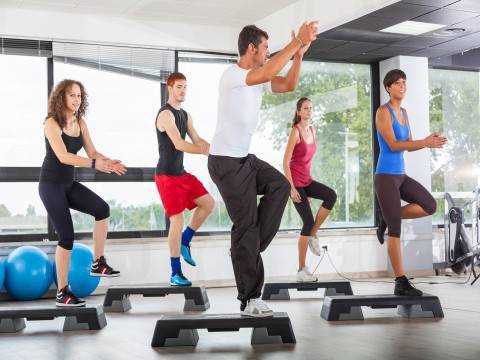
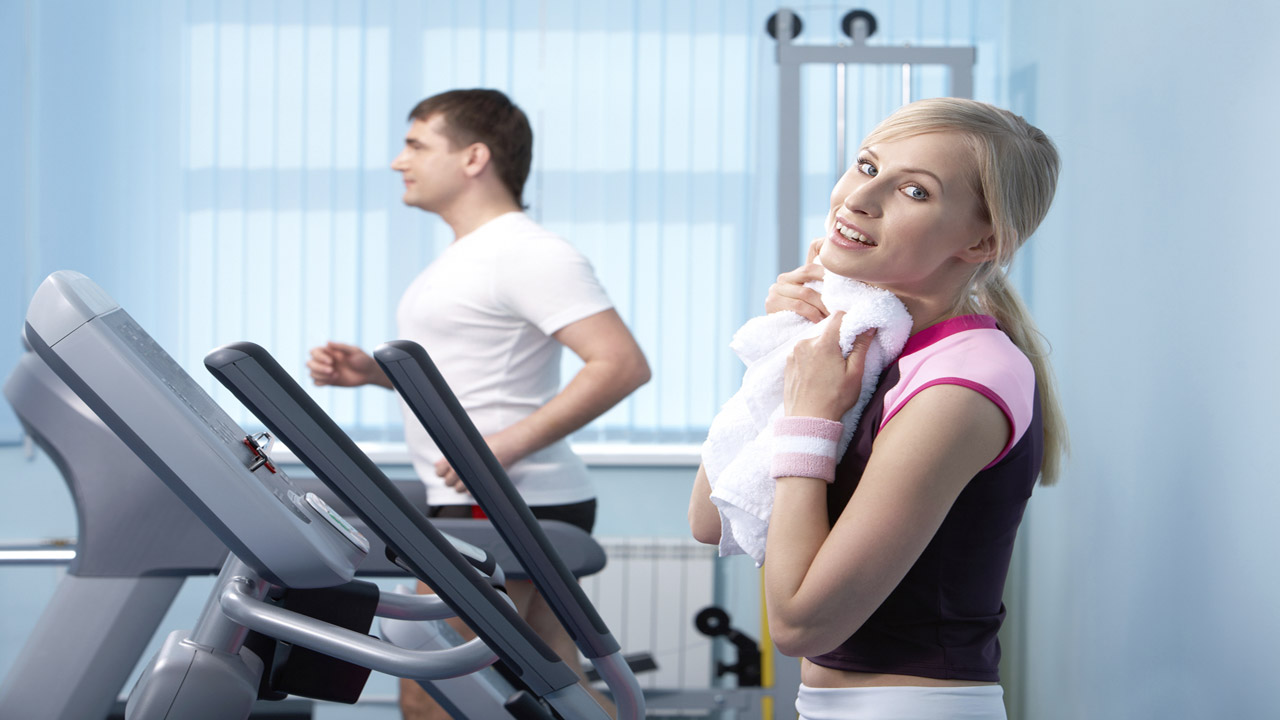
Aerobics: dancing your way to healthAerobic exercise is any comprehensive activity that makes you breathe hard while exercising your large muscle groups at a standard, even pace. The body uses stored carbohydrates and fats for energy. What is aerobics? Aerobic literally means having or providing oxygen or an activity that takes place only in the presence of oxygen. What is aerobic exercise? Aerobic exercise is any comprehensive activity that makes you breathe hard while exercising your large muscle groups at a standard, even pace. The body burns stored carbohydrates and fats for energy. Thus aerobic exercises help the body to utilize oxygen efficiently with increase in respiration and heart rate. What are the best ways to do aerobic exercises? There are number of ways by which you can exercise aerobically. Some easy and best ways are: walking, running, biking, using stationary bike, using stair stepper, elliptical machines or rowing machines, or joining an aerobic exercise class Benefits of aerobic exercises Fat reduction: Aerobics burns calories and body fats directly while using oxygen to produce energy. So this is the healthiest way to get rid of extra fat.  Strong heart: Aerobic exercises not only use your larger muscle groups like hamstrings, but also strengthen the heart muscles. This improves heart function resulting in improvement of blood and oxygen supply to all body parts, which provides healthy nourishment to body cell and removes toxins. Improves breathing: Exercises improve your lung capacity and function,which improves oxygenation, or competence of respiratory system to deliver oxygen to all body parts. It also improves overall health of the respiratory system. Cholesterol control: LDL cholesterol is bad cholesterol mostly responsible for clogging of arteries and HDL is good cholesterol. Aerobic exercises invariable increase the amount of HDL and lower LDL cholesterol thus preventing fat deposition and plaque formation and maintaining optimal blood supply to heart. Other benefits: Aerobics is the best exercise when it comes to prevention of various diseases like hypertension, diabetes, stroke and arthritis and osteoporosis. It helps to keep mood elevated and cures depression and boosts immunity. Make sure to incorporate some form of aerobic exercise in your daily routine.  
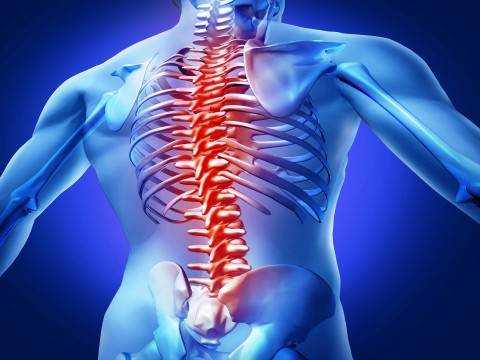
A fine spine - Common disorders of the spineThe spine is made up of small bones called vertebrae that are stacked one upon the other. When viewed from the side, the normal spine has gentle curves to it. Because the spine is a complex structure and happens to be at the center of all our activities, it is subjected to a lot of diseases. A common misconception of low backache is that you should rest. In fact, rest is not recommended at all. Keep up with light non-strenuous activities after the symptoms have subsided. Given here are a few common conditions of the spine: Loss of curvature: The spine, when seen sideways has gentle curves to it. The curves, when lost, can lead to pain and imperfect posture. Kyphosis and Scoliosis are the commonest form of spine curvature abnormalities.Kyphosis is the abnormal and excessive curving of the upper part of the spine. It is commonly called as a hump. It may be present since birth or may develop during the teenage years. The most common symptoms seen are a hump, back pain and muscle stiffness. The pain remains constant and does not worsen over time. If the curvature is too much, then the thoracic cage may get compressed and pressed for space. This may cause cardio-thoracic problems like chest pain, shortness of breath and even death. Compression of spinal nerves may cause loss of bladder and bowel control, loss of sensation and muscle weakness. Kyphosis is treated with physiotherapy, anti-inflammatory drugs and in severe cases, with bracing.Scoliosis is the side-to-side curvature that occurs during growth spurts before puberty. It may also be caused by spinal cord injuries and arthritis. Scoliosis develops gradually. The symptoms seen are usually by people other than the patient, where they may notice a slight slouch while walking. At times it may be seen that clothes that used to fit earlier are now ill-fitting. The pants seem to have shortened on one side. The curvature if mild responds well to physiotherapy. Physiotherapy is also useful as it helps to stretch and strengthen the muscles. This helps in stopping the progression of curvature. Severe cases require bracing and even surgical intervention with rods, hooks, wires and screws to correct the curvature. Sciatica: Sciatica is a condition that arises when the sciatic nerve is pressed upon. This condition arises when a degenerated vertebra presses upon the disc below it, or when there is a disc prolapse.  Abnormally tight piriformis muscle of the buttocks and a tumor in the spine may also cause sciatic pain. The hallmark symptom is the characteristic pain along the leg that starts from the hip and radiates all the way down. The pain is worsened by sitting and tingling numbness also develops. Treatment includes anti-inflammatory medicines and physiotherapy. Spondylolisthesis: When the spine is subjected to the pressures of daily activity, there is a lot of wear and tear that goes on in the vertebrae. This may cause the vertebra to move forward and slide on the vertebra below it. As a result, you may experience a constant backache. Spondylolisthesis can be congenital, it may occur due to trauma to the vertebral column, due to a tumor in the vertebra or due to degenerative changes in the vertebra and cartilage as a result of diseases like arthritis. Low backache is the hallmark of this disease. The pain is typically worse after any exercise that involves the lower back. The motions of low back are restricted and if there is nerve compression then tingling and numbness along the leg may also be seen.Rest and avoiding exertion of back muscles helps reduce the symptoms. Physiotherapy helps in restoring the strength and improving the range of motions. Spinal Stenosis: Degenerative diseases like osteoarthritis cause development of bone spurs in the vertebral column leading to its narrowing. This puts pressure on the nerves and leads to pain and tingling and numbness. Cervical Spondylosis: This condition occurs due to degenerative changes in the vertebrae of the neck region. Commonly seen as neck stiffness with pain that radiates all the way down the arm.  The pain occurs as the nerves get compressed by disc prolapse or bone outgrowths in the vertebra. Treatment includes neck immobilization, cervical traction, medications for pain and physiotherapy. Ways to reduce spine problems and backache are: Quit smoking Adopt a perfect posture Do exercises that will strengthen your core, lower back muscles and abs. Do not ignore or overlook the pains. Consult your doctor at the earliest. Spinal problems are the ones that are frequently overlooked. Ignoring the symptoms may lead to worsening of the problem. See your doctor at the earliest to be safe. The spine is the backbone of our body, in the true sense of the word. It is up to us to keep our spine in good condition as an unhealthy spine will interfere with almost all our body functions.
Some tips to prevent night blindnessHere are some foods and eating tips, which will help improve vision and prevent night blindness: Eat dark green leafy vegetables like spinach and collards. These contain high amount of lutein and zeaxanthin, the nutrients for healthy eyes. Do not smoke. A glass of red wine daily is fine but drinking is not. Stay away from hydrogenated oils, refined carbohydrates and sugars in excess. Always wear sunglasses while going out in bright light to avoid potential sun damage to eyes.  Amber and grey-coloured lenses are effective against ultraviolet rays. See an eye specialist and get prescription glasses for driving at night, if required. Do not ride in dim light at night and see if you can postpone the work until next day. Even good lighting conditions at night even in a big city, can be troublesome to someone with night blindness. Vitamin A rich foods like spinach, carrot, papaya, broccoli, and mangoes should be added to your daily diet. Fish oil is a great source of vitamin A. Cod-liver oil is used as medicine too. Some wild plants are said to be rich in vitamin Abut they are seasonal, available in small quantities and there isn't much known about them. Beans are another fairly common source of vitamin A. These are consumed especially during autumn. Eggs are a good source of vitamin A. Eat eggs daily. People with high cholesterol should, however, limit their egg intake. Hot pepper is contains vitamin A too, but the preservation method, sun-drying, decreases the vitamin A content. Carrots are another good source. They are high in vitamin A and arenot expensive as well.
Penis healthHere's a quick one on how to go about doing the good work The function of penis is primarily passing urine and intercourse. So from the hygiene point of view it becomes imperative that the penis, testicles and scrotum should be washed regularly with mild soap and toweled dry to keep out any odor causing bacteria. The foreskin should pull back to expose the glans or it can cause bleeding while having sexual intercourse. The foreskin is that protective sheath around the glans. It appears a simple task to pull the foreskin back about a quarter of an inch. But it is difficult. So for those men whose foreskin isn't exactly the 'spirit of co-operation'. Soap and lubrication can ease the way down. Try it slowly and gently over a few days and then ease down with practice. It is important to slide the foreskin back while bathing to wash off the 'smegma', sticky substance that tends to accumulate there. Don't wear underwear which is too tight or it may restrict the blood flow to the penis. Besides that is not very good from the point of view of the quality of sperm generated by the testicles. 'It's really surprising how many men don't clean underneath their foreskin', says Patrick French, sexual health expert. A penis, for once, isn't a muscle and you could do some serious damage in trying to bend it. Secondly, it is meant to have erections so there is nothing abnormal about that. The penis has no bones in them but don't ever try to apply strength and/or fold your penis away. It is like a tube with blood vessels which fill up and give an erection. If you were to rough handle the penis by twisting it violently it can actually cause the vessels to rupture and cause a swelling which can be painful. Do not ignore any swellings, lacerations or spots on the penis as they could be symptoms of sexual disease or infection. Even circumcised men should wash under the glans regularly.
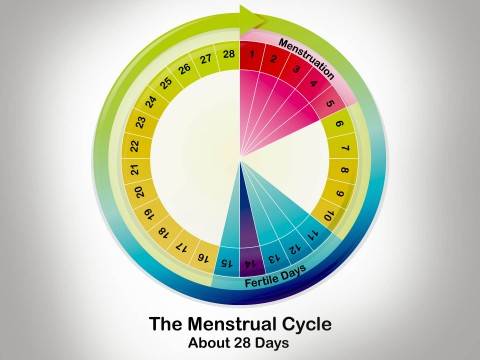
Know your safe period for low-risk sexNot every act of sexual intercourse will result in pregnancy. There are days when your chances of conception are very high and days when the chances are almost nil. Know these days to help you enjoy a rocking sex life! The menstrual cycle starts from the day the bleeding starts and ends about 28 days after that, on an average ovulation occurs around 14th day of the menstrual cycle. The 14th day is the ideal day theoretically. Since every woman's menstrual cycle differs, the day of the ovulation also differs. Hence doctors calculate the fertile period as the 12th day to the 18th day of the menstrual cycle. This is the period when the chances of ovulating and hence getting pregnant are very high. The 1st to the 7th day and the 19th day to the start of the next cycle are the days when the ovulation chances are very less. This means if you make love during these days, there are very less chances of getting pregnant. This is the case with women who have regular period cycles. In case the cycles are irregular, then you would need to do a bit of math for calculating the safe period. For example, if your shortest cycle is of 26 days and the longest cycle has been of 31 days, then- 26-18= 8 and 31-10=21 The 8th day to the 21st day are the fertile days; 1st day to the 7th day and then the 21st day until the day the next cycle starts are the days that are safe to enjoy sex without fear of getting pregnant. Opting to have sex during the 'safe period' isn't fool-proof though. A lot of women have irregular cycles and the cycle length can vary from women to women. That's why the so-called 'safe period' is, in truth, not that safe! And it's better to use condoms or other contraceptive methods like the oral pill to prevent unwanted pregnancies.
FAQS
T&C FAQS