Home
Urinary tract infections in menUrinary tract infections are most commonly seen in the bladder in men. The symptoms include: Pain or burning during urination The urge to urinate often Pain in the lower abdomen Urine that is cloudy or foul-smelling Fever with chills and vomiting If the infection has spread to the kidneys, there may be pain in the back in the region of the kidney along with high grade fever, nausea and vomiting. UTI occurs very commonly and is not a medical emergency, but it is advisable to see the doctor immediately to avoid further complications. Elderly people and people suffering from diabetes should report instantly as they are at a higher risk for complications. The main risk is of the infection spreading up and affecting the kidneys. This could result in severe damage to the kidney and in people already suffering from any kidney disease, it could mean even kidney failure. There is also a small chance of the bacteria entering the blood stream and reaching other organs. Risk Factors for developing UTI: Not drinking enough water Holding in urine for long Kidney stones Taking frequent baths These factors may increase your chances of developing UTI A urine test is the only way to diagnose UTI. It not only checks for bacteria in the urine but also for abnormal cells like pus cells and red blood cells. Dipsticks are accurate. Home test kits are also available but they do not boast of 100% accuracy. Stealth or Asymptomatic UTI is the same as UTI, except that the symptoms are not seen. The bacterial infection is revealed in a routine urine test. This is serious and since it affects elderly people and immune-compromised people, needs immediate treatment. UTI is treated symptomatically. Specific antibiotics are prescribed for killing the bacteria. Symptomatic treatment is offered for the fever and pain if present. Along with this you will be recommended to drink plenty of water and fluids and regularly empty your bladder. Men with diabetes need to take special care due to several reasons. Since their immune system is weak, they are prone to infection easily. The high amount of sugar in the blood and urine may encourage the bacteria to flourish. Also, the diabetic neuropathy affects the nerves of the bladder and there may be no proper signals for emptying the bladder fully. All these add up as potential risk factors for UTI. Urinary Tract Infections are easily preventable. Here's how: Drink Plenty of water Empty your bladder at regular intervals Take showers instead of baths Visit the toilet before and after sex Avoid strong smelling soaps and washes to wash the genitals Wash from front to back.
Career advice for menGetting a job these days is extremely difficult. What is even more difficult is sticking around long enough at the job. No one is indispensable, and if you don't perform well, there are hundreds more waiting to get the job! Being the bread winner, men have to face this pressure more. Here are some tips that would do you good, if followed: Cracking The Interview: The golden rule here is to be honest. The interviewers do not want to hear what will please them; So, do not try to butter them up. They are also put off by boasting . Therefore, be honest about your views and opinions. Age:wise Attitude- When you are young, and have just entered the company, it is highly advisable to observe and learn as much as you can. Find yourself a professional mentor who can guide you. Try and build on your professional presence. Be active, spend more time with your boss, be helpful to your juniors. The golden advice for all, irrespective of seniority, is to stay clear of office gossip and politics. Keep a check on the attitude: There is no need to be arrogant, and a know-it-all. Be friendly, confident, and genuine. Learn to say no: You need to have a pleasing personality. But, avoid trying to please all. Try and learn the art of saying no firmly. Too much of 'yes' will make people take you for granted, and you will find yourself overloaded with a lot of work. Do not under price yourself: If you feel that you deserve a raise, go ahead and ask for it. Do not be afraid to ask for your worth. Often at interviews, employers cancel out candidates who under price themselves, as it shows that they will probably not perform to the expected levels. Blow your trumpet: With all humility make sure you take what is rightfully yours. If you don't take credit for the work, no one will give it to you. Worse, someone else may take it! Create boundaries: Keep your work at office. Do not bring work home. Often at the outset, to please bosses, one ends up working overtime or worse, working at home. It is important to keep both the parts of your lives separate. Keep fit too: Don't let your job take a toll on your health. Working late, sitting at the same place for hours, can be harmful for the heart. Learn to unwind periodically. Setting goals is easy. What is needed is the determination to follow the rules you have set for yourself. The way to success at work is taking the ladder, one step at a time. There is no elevator here.
Yoga to strengthen women's lifeEveryone expects from a women for all their necessities. The husband needs to go to office and she has to prepare for this, the son or daughter needs to go to school, tiffin needs to be packed, and the in-laws need her attention for the morning tea and breakfast. Along with this she has to rush to office on time. Then while returning, she has buy vegetables and other things for household, then go home and cook, and sleep late after all the chores are done. For such a multi-tasking working-women, the time available is very less to replenish the energy she uses to do such work. Multitasking leads to stress and tension and causes headaches, stiff neck, tight shoulders, poor posture, shortness of breath, clenched teeth and fatigue. What is the solution for this? The only solution is YOGA.  We all know that yoga has many positive effects on ones well-being; it brings about both physiological and psychological benefits. It is beneficial for body, mind, and spirit. It needs only 10 minutes. Yoga helps to relieve your stress and tension. Yoga in Sanskrit means 'YOG' that is to join or unite. It is the union of mind, body, spirit, and breath with our surroundings and our universe. One should start yoga gradually with a comfortable speed and limits. Breathing exercises are excellent way to reduce stress and tension. It can be done along with asanas. For this you have to sit comfortably with relaxed shoulders and with your chin level at the floor. Inhale through the nose expanding your abdomen, rib cage, then expand your chest, then begin to exhale by contracting your abdomen, ribs and then lastly relax your chest. Now continue to breath in this fashion, this improves the quality and quantity of oxygen that enters our body and helps to relieve the shortness of breath and relieves the tension. The yoga mudra is helpful to relieve the stress, for this sit down crossed legged on the mat and keep the back straight, then take the arms behind your back and hold the left wrist with the right hand. Then by exhaling, bend forward to touch your left knee, while doing this focus on the feeling of surrendering to God, which protects you all the time, then while inhaling come back to the normal position and repeat this on the right side. Then finally, complete this pose by touching the forehead to the ground in front in the centre, while doing this exhale, then when you feel like inhaling come back to the normal position. This posture increases the energy and stimulates your respiration, improves your digestion calms your nerves. But this should be avoided by pregnant women, hernia patients, and patients with retinal disorder. The shavasana also helps you to relax your body before you get to work. In this you have to lie down on your back on the mat. Keep your arms a foot away from your body and your feet separated two feet apart.  Then close your eyes and focus on your breathing and feel free of thoughts and tension. Breathe normally and focus on your body parts, toes, legs, abdomen, head and finally the scalp and try to relax each muscle group. It improves your breathing, concentration, gives inner peace. You should avoid this if you are suffering from low blood pressure.  
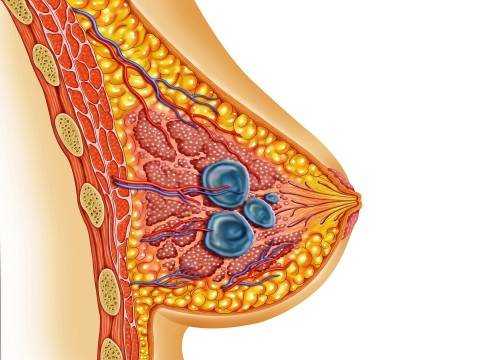
Breast lumps- myths busted!The rise in the occurrence of breast cancer in women, since past decade or so, has made women, especially in the urban areas, very cautious about lumps in their breasts. Whenever there is a small lump in the breast, the first thought that comes to mind, is may be this is cancerous. However, instead of taxing your brain with worries, it is better to take action and consult your caregiver. Here are some of the myths that are regularly associated with breast lumps and the real facts related to the same. Myth: If there is a breast lump, it must be cancerous Statistics reveal that out of 10 cases of breast lumps in women, only 2 are cancerous. More often, these lumps are due to fibroadenoma or cysts. In many women, lumps are formed during the menstrual cycle and they go away after it ends. It is not simply possible to tell exactly what kind of lump it is, just by feeling through hands. However, it is important to detect the composition of the lump and to do so at the initial stages, so that if it is detected cancerous, early diagnosis and treatment can save your life. Myth: If your mammogram is normal, you are safe and the lumps are not cancerous This is not particularly true. To detect the presence of cancerous cells, you need to get more tests done; an ultrasound, an MRI and also a follow up mammogram, to get a second view of the lump. Doctors also suggest a biopsy to be 100 percent sure of the diagnosis. If the lumps persist but there is no detection, your doctor may ask you to keep doing the tests at frequent intervals, to assess the development. Myth: Malignant breast lumps do not cause any pain Although breast cancer patients do not suffer from much pain, this does not mean that if you do not have pain, the lump is non-cancerous. There are different types of breast cancers; and in some types such as the inflammatory breast cancer, the patient can suffer from warmth, tenderness, redness and swelling, followed by pain in the lumps. Myth: If you get a lump while breastfeeding, it is not cancerous It is true that breastfeeding reduces the chances of development of cancerous cells. But there is still a possibility and hence you should not ignore the formation of lumps. It is advisable to immediately get an ultrasound to confirm the condition of the lump. Myth: Lump in young women cannot be cancerous Women can develop breast cancer at any age. Hence, if you have a breast lump at a young age, or even if your teenage daughter has developed a suspicious lump in her breast, you should always get it checked, at the earliest. Most often, cancer develops in the breast when women are past their menopause period. But this, in no way means, that they cannot get it at younger age. Myth: Only a larger lump can be cancerous, not a smaller one Lumps in the breasts can be of all sizes; and the size, does not determine the presence of cancerous cells. According to breast-imaging specialist at New York's Manhattan Diagnostic Radiology, Melissa Scheer MD, you must immediately see a doctor, whenever you feel the presence of even a tiny lump, because, a small lump too may turn out to be aggressively cancerous. Most often, the lump in the breast is non-cancerous; however, it is advisable to consult your caregiver immediately, once you discover the lump for the first time.

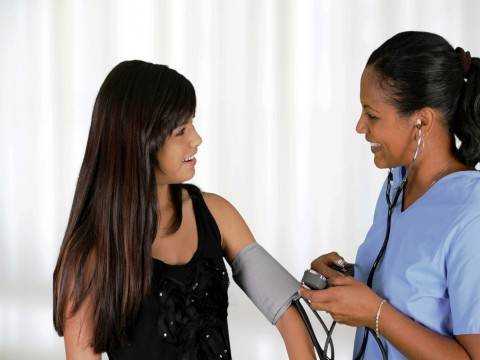
High blood pressure in the little onesIf you are asked to paint a picture of a patient of hypertension, how would it look? Leave the details aside, would you paint an old person, a young person or a child? Most likely, you will paint an old person or may be a middle-aged person. But a child, who would think of a child to have high blood pressure! It may be difficult to believe for most but not only is it possible, its incidence is also increasing gradually. In fact, hypertension in kids is becoming quite common. Studies in USA show that up to 5% children and adolescents have hypertension. What is it? High blood pressure in children and adolescents is also called as pediatric hypertension. Pediatric hypertension is defined by the blood pressure recorded on the mercury, in comparison to the given standard range. As a child grows, there is rapid development in all the milestones. For children, there are percentiles defined for all parameters for various age groups. In children, when the blood pressure is above the 90th percentile but below the 95th, it is called prehypertension. When it is above 95th percentile, it is diagnosed as hypertension. There are no distinguishing symptoms of pediatric hypertension, so it may easily be missed. Please make it a practice to get your child's blood pressure checked on routine visits for medical examination. Why does it happen? High blood pressure in children under ten years of age is usually secondary to some other health condition. It could be due to an underlying heart disease, kidney disease, hormonal disorders or genetic abnormalities. This demands treatment of the main problem. Primary hypertension is noted in older children, over 6-10 years of age and adolescents. There is no specific cause identified for this, other than lifestyle, obesity, rich foods and family history. How bad could it get? Children may show a disordered sleep pattern when they have hypertension. They may suffer from sleep apnea, reflected by snoring or abnormal breathing. Besides sleep, the other effects of hypertension are the known ones. In the long run, it could lead to heart disease, stroke or kidney disease. What to do? It is very important to control the blood pressure from a young age. Regular check-ups and monitoring of the BP is needed. Thorough examination is a must to identify whether the hypertension is primary or secondary. Treatment by medicines is recommended in secondary hypertension, where the underlying condition is to be tackled along with the management of blood pressure. In cases of primary hypertension, medication is suggested only in extreme cases. Otherwise, lifestyle management is the key. It is not a healthy option to start anti-hypertensives this early in life. Give your child healthy food, help him/her maintain the ideal body weight and make sure he/she gets enough exercise physically. The sooner we identify the problem, the better are the results with a disciplined lifestyle. The unhealthy lifestyle is creating chaos in all our lives. How long the kids would have escaped? Our lifestyle reflects on our kids. Follow a healthy routine and keep the family healthy!
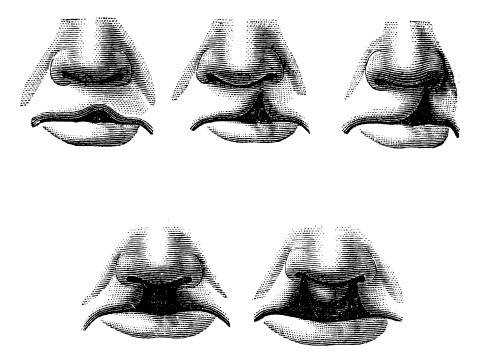
A correctable disfigurement of face: Cleft lip and palateThe Times of India reports that "With an incidence of 7 per 1000 children, cleft lip and palate deformity is one of the most common deformities among Indian children." The number of infants born every year with cleft lip and cleft palate in India is 28,600. This means 78 affected infants are born every day or 3 infants with clefts are born every hour. Cleft lip and palate develop early in pregnancy where lack of adequate amounts of tissues lead to two parts of the face failing to join adequately at the middle. A cleft lip or hare lip (as it is commonly called) refers to separation of the two sides of the upper lip. There appears a narrow opening or gap over the skin of the upper lip. This separation may sometimes extend beyond the base of the nose and may involve the upper gum and/or the bones of the upper jaw. A cleft palate refers to the gap between the two edges of the roof of the mouth, causing it to remain open at birth. The bony front portion of the roof of the mouth or the hard palate may be involved alone, or along with the soft palate or the soft back portion of the roof of the mouth. Since lip and the palate develop separately, it is possible to have a cleft lip without a cleft palate or vice versa. Causes of developing cleft lip and cleft palate: The exact cause of cleft lip and palate is unknown. Some research, however, suggests that these clefts are caused by a combination of genetic and environmental factors. The risk of such clefts thus can be reduced by adopting a healthy lifestyle during pregnancy. This includes avoidance of smoking, alcohol and having a healthy diet to avoid excessive weight gain during pregnancy. Cleft lip and palate can occur alone with no other problems or defects. This is called non-syndromic clefts. They may also occur as part of other birth defects and then may be called part of a syndrome. Cleft lip and palate may occur on one side (unilateral) or may occur on both sides (bilateral). Unilateral cleft lip and palate is more common than bilateral cleft lip and palate. Left-sided cleft lip and palate is twice as common as right-sided cleft lip and palate. The reason for this is unclear. A cleft lip or combined cleft lip and palate are seen more commonly in male babies. Cleft palate alone is more common in female babies. The face of the baby usually develops around 5th and 9th weeks of pregnancy thus this defect may arise early in pregnancy. Treatment of cleft lip and palate: Cleft lip and palate is usually corrected using cosmetic or plastic surgery. Results are usually very good. After treatment, most children have a normal appearance. To prevent and correct associated speech problems and dental problems, treatment is also sought from speech and language therapists, as well as dental surgeons (orthodontic specialists). Excellent results may be seen if the specialists work in tandem.
Not very chummy! Menophobia - The fear of periodsMenstruation or periods begin as female reaches puberty. This is the time when there are hormonal changes which occur in the body as nature takes the girl and makes her ready for womanhood. The onset of periods can be distressful with lots of mood swings accompanied by abdominal cramps, bloated feet as the menstrual blood flows. This is also a time when the girl needs to be comforted and educated the most, as it can be truly a terrifying experience. Normally mothers or elder women in the family ensure that they take complete care of the girl in this transition phase. For some women, their initial experience with periods may not have been particularly pleasant, causing them to actually dread those 4 days and this fear can then take the shape of a full blown phobia -Menophobia! The reason could vary. For some the pain factor could be the reason for menophobia, while for others, it could be the memory of embarrassing red stains on the clothes which could set it off. In menophobia, just before the onset of the periods, the person starts getting anticipatory anxiety and the pain which could be normal period pain, is then imagined to be ten times worse. This brings on panic attacks and feeling of utter dread which while is entirely psychological can be utterly distressful and downright crippling. Counseling can help greatly along with pain medication to manage the pain and the fear of this natural phenomenon called periods. In therapy, this is what is iterated. That menstruation is a completely natural process and if there is a fear of menstrual blood then gradually, the woman is encouraged to accept it as a natural body function which plays a major part of her being a woman.
Healing yourself after a broken relationshipThere is no singular formula to get over a relationship. Moreover, you cannot 'get over' a relationship like you get over a broken phone. Every relationship is like a grown tree. When it breaks, you have to let it molder into the Earth - the time period between the breaking of the relationship and your comeback as 'you' is the time for transformation - this is your time to understand yourself, your relationship with others, and reach out to the world. Did you know the over 50% of people undergoing breakup tend to resort to emotional eating to rescue themselves from sadness and rush in the comfort hormones? Keep an eye on what you eat to trace the emotional signs you are disguising. Keep a tab on your diet and pamper your body with care. Here are seven basic stages through which you can consciously walk to recover through your broken relationship. Such a process is not linear and you could be undergoing various stages at the same time or in a different order. However, make sure you go through each stage. Missing any stage could result in residual and subconscious anger or denial. Stage 1: Let it outDon't be afraid to accept that you are heartbroken, that you feel like a mess and just wish that your ex-partner was around again. Accepting your emotional state is the first step to being able to unravel yourself out of it. Stage 2: Pondering over the causeThe initial stage post-breakup is primarily spent trying to distract oneself from the absence of the ex-partner by busying oneself with other activities. However, the nagging question 'why did our relationship not work? why did it have to be this way?' lingers, ready to barge in at the very instance you have your moment of peace. The first thing to understand during a breakup is that there is a distinction between analysing and understanding on one hand and obsessing on the other. Try to go through the stages in your relationship which you intuitively trace as being of significance to the break-up. However, remember not to be biased towards yourself and to weigh your responsibility towards the breakup as much as you do your ex-partner's. Stage 3: Taking a hard look at the relationship and learningYou might have had other relationships before where you did not feel the kind of intimacy you felt with this particular person. However, if you feel that you are up to a large part responsible for the break up, then look for the pattern of behavior or thinking which was causing such a breakup. Taking a hard look at your relationship will help you to recognize your mistakes and learn readying yourself to become a more sensitive person with greater understanding of human emotions. Stage 4: Reaching out to the WorldWhile you are working yourself through reasons for breakup and your role in it, don't step back from reaching out to people. Communication is the basic balm that will heal the wound of a broken relationship. Your inner communication with yourself is one dimension of it while talking things out with your friends and close ones is another important dimension. During a conversation about the breakup, don't simply blame your ex-partner completely to blind yourself towards healing. Be honest to yourself and attempt to talk to those friends who can help you through the hard time with care. If you love animals and nature, then reach out to the wild. Take time off from your usual routine and follow your interests. Stage 5: The Bigger Picture of the Break-up Having pondered over the reasons particular to your past relationship, understand that the fundamental reason for any relationship to break up is that the two people involved in it have different ways of looking at the world. Remember that differences do not imply a hierarchy. Differences are essential to human nature. This will help you to forgive your ex-partner, catalysing your redemption from the land of anger and despair. The world is a beautiful place full of diverse kinds of people. Do not let your breakup make you give up on humanity. Stage 6: Letting yourself freeNow is the time to have a relationship with yourself. Explore your interests and dip yourself in them. It is not a crime to be happy with yourself. However, do not use these activities to escape the pain. Let your activities be your company in pain - slowly the pain will fade and you will reconcile with the reality of your broken relationship. Join hobbies which will help you have some time for yourself: pottery, nature watching, animal care, voluntary work. Remember that your identity does not depend on the opinion of your ex-partner: you create who you are. Most importantly, take care of your body - we tend to mess up our body cycles during a breakup. Stage 7: Giving yourself time to become complete before starting off with another relationshipDo not rush into a relationship before you have completely healed from the past relationship. There is a high tendency to try to fill the gap of the absence by moving onto the next most intimate person you know. Give yourself time to recover and answer the following questions before entering into a relationship again: What kind of relationship do you want to have? How would you like to spend your day with her/him? (Remember that a whole day is a series of small activities that you will share with your love - don't focus just on the big stuff like finance, house, and others, emphasis on shared interests). What future do you expect from a relationship? These are the three basic questions. Be free to add on the relevant questions according to your needs and answer them honestly before writing a new chapter into your life. Having pondered over the reasons particular to your past relationship, understand that the fundamental reason for any relationship to break up is that the two people involved in it have different ways of looking at the world. Remember that differences do not imply a hierarchy. Differences are essential to human nature. This will help you to forgive your ex-partner, catalyzing your redemption from the land of anger and despair.
10 best and worst appetizersWhen you are munching on appetizers before your meal, the idea is to eat something that can trigger off the production of your digestive juices in the intestine, so that what you eat next, the food is easily digested. However sometimes, the appetizers are much more complex and heavier on your tummy and can actually reduce the metabolic activity and imbalance the digestion process. Here are some of the best and worst appetizers that are commonly served: Best Appetizers Vegetable Kababs: These highly nutritious and low calorie appetizers are a good alternative to fried items. Grilled vegetables or kababs are prepared by skewering red and green bell peppers, onions, tomatoes, mushrooms and zucchinis. To add to the taste, you may brush over some low-fat herbs and even garlic marinade. Two delicious vegetable kababs, will get you only 75 calories. Crab Cakes: Seafood offers you high nutrition and the best way to include the properties of seafood in your diet, is by choosing crab cakes as appetizers since these offer only 20gms of fat and 300 calories, while providing you with a high level of sodium (960mg). Spinach Salad: The best thing about good appetizers is that they are low calorie foods and provide great flavor and satisfaction while eating. One such fulfilling appetizer, is spinach salad. You can also use other green leafy vegetables to add more nutrition to the recipe. If you eat this appetizer before your meal, chances are, you will eat 10 to 15 percent less of the main course, which is certainly a great way to cut down on the calories. A cupful of fresh salad gives you only 80 calories. Beef Skewers: If you are in the mood to pamper your taste buds, but still want to stick to eating healthy, then beef skewers is the right option for you, in the appetizers section. These are usually served with peanut sauce in restaurants. You can opt for lean beef along with soy, garlic, hoisin, onions and barbeque sauce to make this dish yourself. Quarter to the pound is the recommended serving, which consists of 5 gms of fat, 130 calories and a high sodium content of 803 mg. Stuffed Mushrooms: Potato skins are a common appetizer people go in for, but these add more calories. Instead, you should opt for stuffed mushrooms that are way more delicious. The caps of mushrooms are stuffed with breadcrumbs and the cheese of your choice; and they provide only 50 calories per cup. This means that even if you eat six stuffed mushrooms, you are still within the limit of 300 calories. The worst appetizers are deceptive yet tempting in their looks and taste. But you should always keep a check on the ingredients before gorging on them, for your own benefit. Worst Appetizers Onion Blossom: Fried onions are certainly bad for your waistline. It is always better to eat a starter stuffed with more vegetables, instead of fried things. A restaurant preparation of onion blossom consists of 161 gms of fat, 1,049 calories and around 4100 mg sodium, which is more than double the limit required by an adult, making this appetizer a completely unhealthy choice. Cheese Fries: Cheese fries are one of the worst appetizers; these can be even more overwhelming than your meal itself, which is why health experts advise not to include this appetizer in any type of menu. Sometimes cheese fries actually come with more melted cheese on top, which is obviously worse. Spinach Artichoke Dip: Although this starter starts with the word 'Spinach', it is in no way a healthy appetizer. One dip of spinach contains loads of calories-1600, fat-100 g and 2500 mg sodium. It is certainly not the spinach but the cream base that is rich in saturated fat. Potato Skins: Potato skins have all the high calorie foods such as meats, sour cream and cheese. When you take one pop of these, you will be adding 150 calories, which is quite a big number. Moreover, these appetizers are not filling. A plateful of potato skins adds 1,340 calories, 1,850 mg sodium and 94 gm fat and yet leaves you hungy. Cheeseburger Skins: Although these appetizers look small, there are loads of calories packed in them. One order of Cheeseburger skins can total up to 1270 calories, with an added 2310 mg sodium and 82 gm of fat.
5 cardinal sins for the skinWhile cigarettes may not constitute food in the strictest sense, it does have a profound effect on skin complexion, health, color and tone. We eat that we may live, but sometimes we eat way too much and consume stuff that may be extremely hazardous to our health. Since we are talking about skin, here are 5 most hazardous foods for your skin: Grease adds to the crease Since healthy skin is all about healthy blood circulation, any food which is likely to clog up the blood vessels internally is deemed bad for skin tone. Packaged snacks like potato chips may have edible oil written in bold but this contributes significantly to the slowing down of 'collagen and elastin syntheses' which in turn causes the skin to appear aged and all wrinkly. The french fries that we consume as a TV snack can also cause an acne outbreak on the skin and face. Gluten Glutton Gluten is a substance found in wheat and other food grains. We may not even be aware that some of the food grains have gluten as a main constituent. Gluten intolerance can also cause inflammations on the skin in the form of rashes or acne. Bad news is that the pizzas, pastas, cakes and bread that we get off the rack may be heavy in gluten (Surprised that they don't say that on the pack) and that may be the reason for you to lose precious skin tone. So seek gluten free foods, though that might not be the easiest of tasks, but for your skin, it certainly will be worth it. Caffeine - the skin coffin If you are one of those coffee addicts then you may as well write an obituary column lamenting the loss of your skin tone and complexion. It's not without reason that health freaks love bashing coffee beans and caffeine rich beverages, as they are truly hazardous. How? Studies have proven that just 2-3 cups stimulate pituitary-adrenocortical response. Yes, but what does that have to do with your skin? Well this leads to the hormone cortisol to increase in our bodies. Cortisol is known as the stress hormone! So now here's what it does to your skin -it accelerates the ageing process which means wrinkled skin and causes dehydration causing the skin to show an unusual pallor. So before you turn the coffee faucet on think twice. Fad to Black How fad diets are not skin friendly? Some people go on a high protein, low-carb diet which could sound the death knell as far as complexion goes. Dieting depletes calcium levels, which means your bones are going to suffer and what's the point of having skin on bad bone density? Besides low-carb diets can utterly wreck the complexion as the delicate PH balance in the skin is ruined. Some of the meat, poultry and dairy products too can have artificial chemicals injected in them which cause a hormonal imbalance in our bodies leading to skin disasters. Fruits and vegetables have chemicals injected too sometimes! Beware! Cereal Killers Cereal killers are those people who ignore the need of a proper diet for skin health. So anybody who indulges in too much sugar, caffeine and greasy food stuffs is a 'Cereal Killer' A lack of cereals in the diet can literally kill your skin. Cereal foods have high fiber and antioxidants for moisturizing the skin and protecting it from skin damage. For great skin other than cereals which are simply fabulous for keeping skin hydrated and breathing easily, one can eat fruits, olive oil, healthy fats, almonds, tofu, grains, nuts and the good old vitamin B rich products. Ceramides in raw food diets, organic foods, wheat germ and brown rice protect the epidermis of the skin and make it impervious to external attacks and pollutants while maintaining their tone and beauty.
7 Pains you should not ignoreWhen the body cries out in pain, most of the times, you know what is bringing that pain, and you do what will help relieve the pain. For example, a serious workout may cause sore aching muscles, for which you will rest a day or two, or take a painkiller. What does one do to know why a body part is paining? One needs to sit up and take notice! The pain could be anything, from a heart attack, to an aneurysm, and could cost you your life! Pain in the head: Headaches are the most frequent pains that we suffer from. Headache could be due to a migraine, due to staying too long in the sun, due to a cold, or simply due to working too long without a break. However, in case you have a headache, and are not able to pinpoint to an obvious cause, rush to the emergency room. Headaches with no apparent cause may be due to a brain hemorrhage, a tumor in the brain, or an aneurysm in the brain arteries! Get yourself checked as soon as possible, if you keep getting headaches for no apparent reason. Pain in the jaw: This could be due to a caries ridden tooth. But most often it is due to an impending heart attack. The classical left sided chest pain radiating to the left little finger is not always seen in all cases of heart attacks. Pains to the jaw and the back are reported very frequently. Often, people tend to take the pain in the jaw lightly, and brush it off to a tooth problem. This may be potentially life threatening, as you never know the severity of the attack! Tingling, numbness and burning of the feet: Diabetes mellitus is a silent killer. Peripheral neuropathy is often the first complication of diabetes. Tingling numbness, and burning in the feet may be attributed to wearing tight shoes and to keeping your feet suffocated in socks all day long. Dipping your feet in a tub of cold water will give you a good night's sleep. But do not let it go at that. Get your blood sugar levels checked before it is too late! Pain in the calves: Do you get nightly pain in your calves that get better with putting your feet up? This is due to long standing hours at workplace, you may say. True, it is due to that. But, it is not something to be left unattended. Calf pains are due to deep vein thrombosis that occurs when the stagnated blood in the veins starts to form clots. The danger here is that the clot could break off and travel to your lungs causing pulmonary thromboembolism that is fatal! Take a break regularly and put up your feet frequently. Let the blood flow and not stagnate! Pain in the back: Most commonly, back pain is caused due to arthritis, and improper sitting postures. But if you suffer from high blood pressure, and are an alcoholic and smoker too, do not take your back pain lightly. It could be due to a heart attack or an aortic dissection! Pain in the abdomen: You may attribute this pain to gases, over eating or indigestion. While these may be occasional causes, persistent pains need to be checked. It could be anything from a gall stone, to gastric ulcers, to a swollen liver, or maybe even pancreatic cancer! Vague, medically inexplicable pains: When you have a recurrent headache or a stomach ache or a backache and you come out with a 'perfectly healthy' report after visiting all the specialists, it is perhaps time to seek the help of a psychiatrist or a counsellor. Your pains could actually be a symptom of depression. Psychosomatic pains are on the rise. The stresses we face in our lives everyday get pushed to our subconscious, and eventually are pushed up bodily in the form of unexplained aches and pains!
Female circumcision - Health EffectsThe procedure is carried out by either snipping off a piece of the clitoris or removal of all external genitalia for non-medical reasons. The procedure is carried out outside hospitals and the environment may not be effectively clean and could lead to infection. The painful procedure causes a lot of fear and distress. Some countries have begun to use healthcare personnel to cut the genitals, which reduces pain, bleeding and infection but it does not mean that it is acceptable by the United Nations. Even though the United Nation has termed female circumcision as a violation of human rights, there are millions of girls suffer because it is a requirement for girls so that they remain pure. It is supposed to lower female libido so that they do not indulge in any kind of sexual activity before marriage. Immediate complicationsGirls are likely to suffer severe pain besides the fear that accompanies such a procedure. It can cause them more pain when they try to urinate. If there is severe bleeding, it can lead to haemorrhage. The tissues that form the genitals are severely damaged and healing may not take place immediately and sores can form leading to more pain. Girls can retain urine for fear of the pain. There is always a chance of contracting tetanus or other bacterial infections like sepsis which lead to formation of pus. Besides cutting, procedures can include pricking, piercing, incising, scraping, and cauterizing the genital area. Long term health problemsBesides the immediate problems, female circumcision can lead to long term effects including infertility. The girls can be subjected to urinary tract infections and bladder infections that can recur again and again. Sometimes cysts may also form. There are chances that there could be increased risk of problems during childbirth which could in extreme cases result in the death of the newborn baby. According to UN estimates more than 125 million girls and women are living with female circumcision. Women may be subjected to continuous surgeries especially in those cases where the vagina has been stitched to make it narrow as part of the circumcision process. Once the girls are married, the vagina is unstitched to have sexual intercourse. During childbirth, the vagina may need to be cut again to deliver the child and then stitched up again. This is a continuous problem and women should be spared from this pain and trauma.
Impact of sexual dissatisfaction on mental healthIn an idyllic world, this may sound all "sugar and spice and everything nice," but in reality the matter of having sex is considered to be a taboo, something that is looked down upon - not just in third world countries, but in some parts of the  developed world as well. Add to that the effects of being sexually dissatisfied, which is also looked down upon and frowned upon. When a couple finally decides to take the plunge, there are the normal worries such as sexual compatibility, satisfaction, frequency, taboos, etc. What if your spouse/partner is dissatisfied? What if he/she doesn't consider it a pleasurable experience? These questions often arise in any relationship and it is only natural, but what happens when these worries often turn into realities? The dissatisfaction takes a toll on your mental health. Yes, your mental health suffers thanks to your sexual dissatisfaction. Every partner has some amount of expectations as far as sex is concerned, and when those expectations are not matched, dissatisfaction begins to set in. Generally speaking, when a person is sexually satisfied, he or she is always in a better frame of mind, but when they are not, their behavior around people goes downhill. Not just that, but their frustration and angst builds up, taking a toll on their mental health and their relationships as well. Many a times when the couple is incompatible, they decide to keep quiet rather than talk about it. This takes a toll on their mental health, which then turns into stress and its build up can lead to depression, or worse. Even the memories of past transgressions and the guilt after can lead to sexual dissatisfaction, which can either make or break any relationship. There are multiple reasons as to why a person is dissatisfied sexually, be it due to sexual dysfunctions, lower stamina, sexual orientation, or so forth! Rather than accepting that there is a problem, people usually turn to drugs, alcohol, or even someone else for dependency, which also causes mental as well as hormonal imbalance. Most people when asked about sexual dissatisfaction shy away than deal with it, as they are ashamed of it and are afraid to talk to about it. However, what they don't realize is that not talking about it will only lead to problems such as depression, anxiety, dependency, and bouts of sudden outburst which can lead to a severed relationship, not just with your spouse or partner, but also with your family and friends. Sexual dissatisfaction is often the primary cause of depression, which, if not treated, can lead to a host of other problems. So if you are suffering from sexual dissatisfaction and are under great amount of mental strain, it is always better to be open about it to your partner or consult a therapist. Prevention is always better than a cure! Talking about it to someone can lead to you releasing your mental strain and the end result will be your personal satisfaction.
FAQS
T&C FAQS