Home
Is male menopause a reality?As opposed to the sudden drop in ovulation and hormonal levels in women, menopause in men is a gradual process. The consequences in men aren't that clear. The health risks, though, are significant and it is important to recognize the symptoms of male menopause early on. Read along to know more. A testosterone level of 300-1200 ng/dL is considered normal in a healthy male. As one ages, the testosterone levels too drop gradually. After 30 years of age, the levels drop by 1% per year. By the time a man crosses 50 years of age, he is in menopause. Look out for the following signs to know if your testosterone levels are dropping : Low Libido : A low sex drive or decrease in inclination to have sex is the first sign of decreasing testosterone levels. Erectile Dysfunction : Testosterone is responsible for releasing nitric oxide that leads to erection. As the levels of testosterone decrease with age, getting an erection and maintaining it for longer periods of time may become difficult. Low Semen Level : The normal amount of semen ejaculated each time varies between 0.1 and 10 mL. This normal level is due to the efficient functioning of the testes, seminal vesicles, and prostate, all of which work under the influence of testosterone. As you age, the testosterone levels drop and the amount of semen ejaculated also drops. Orgasm Troubles : As you age, having an orgasm every time may be a bit difficult due to the dropping testosterone levels. Mood Swings : This happens in men as much as in women! The interesting thing here is that the man who suffers from it is the last one to note it and acknowledge. So, if you find yourself snapping and getting irritated at the smallest of things, get your testosterone levels checked. Depression : When you feel dull and demotivated at all times, and even doing the slightest of activity seems like a chore, it means that your testosterone levels have dropped to a significantly low level. Abdominal Fat : This is again an early sign of decreasing testosterone level. Belly fat is a sign of advancing age. Low testosterone levels are a sign of advancing age. Not all men who have low testosterone levels may show symptoms. In such cases, there is no need for any kind of treatment. Low testosterone may also be due to some other conditions like thyroid disease, excessive alcohol use, sleep apnea, etc. After 30 years of age, the levels of testosterone drop by 1% per year. By the time a man crosses 50 years of age he is in menopause. Identifying and eliminating these causes will restore the testosterone levels to normal. However, if no cause can be attributed to the low testosterone levels, it is a clear indication of normal aging and 'menopause.' As with women, men too have the option of hormone replacement therapy. However, this treatment is controversial. In some men, the testosterone replacement may relive several symptoms, but the risks far outweigh the benefits. An increased chance of heart attack, prostate cancer, and other health problems are associated with testosterone replacement therapy. Herbal supplements for problems associated with decreasing testosterone levels are generally considered safe, but they too have no proven health benefits and are known to increase the risks for prostate cancer. Male menopause isn't as dramatic and abrupt as the menopause in women, but it is a reality. It happens gradually over a period of several years.
Hair straightening do's and don'tsWhat's in a hair? Well when someone thought of this quote, he or she certainly did not foresee the future because in today's world hair is everything. For a woman and a caterpillar at least! Let's just talk about women! Hair not only covers your scalp, but also protects it.  Hair is known to be something that enhances the beauty of a woman, as there is nothing like the feel of smooth and silky hair caressing the shoulders. Women all over the world dream to have beautiful, strong, silky, and preferably, long straight hair. Why straight hair? Let's find out, women are born with all kinds of hair, curly, wavy, long, and short but according to some women there is nothing that beats having a straight hair and there are women in this world who could go to any length achieving that straight hair they always desired. One of those ways is straightening, a styling technique used since the 1980's, which involves the flattening as well as straightening of hair, to give it a smooth, streamlined, and a sleek look. Straightening can be of two types, temporary or permanent. Temporary straightening can be achieved by a straightening iron or relaxers and generally lasts up to the first wash. Permanent hair straightening generally requires the use of Lye and other chemicals (more commonly known as creamy crack) with the help of a hot comb, hot iron, and relaxers. Permanent straightening, with proper care, can easily last up to a year. According to documentary "Good Hair" by actor Chris Brown, African American women are known for their profound use of "creamy crack" to get that perfect straight hair they long for. They are also the women who make the cosmetic companies rich, thanks to their profound use of hair straightening and hair care related products. African American women also account for the highest amount of money spent on hair care and hair care related products. Coming in a close second are the women from Central and South East Asia. These women are also known to go to extremes to get that perfect straight hair look, which is generally shown in TV Commercials endorsed by celebrities. Now that we are aware of the statistics, it is time that we look into the do's and don'ts of hair straightening. Straightening your hair once in a while may sound like a good idea, but it is extremely essential that we understand that extreme care is required here. Hence it is always better to know the do's and don'ts before we decide to break the bank (straightening ain't cheap) for straightening treatments. Do's : Make sure your diets consist of plenty of healthy foods, water. Also doing regular exercise is advised. Always use a shampoo and conditioner that best suits you. Remember to ask your stylist about the kind of products that suit you. Always go for hair spa treatment once a month since your hair needs that extra nourishing. Don'ts : Do not wet your hair at least for three days after the treatment. Do not tuck your hair behind your ear. Avoid twisting your wet hair with a towel. Avoid extreme scrubbing of your hair while shampooing. Straightening even once can cause excessive damage, hence do not do it repeatedly. Straightening your hair once in a while is okay, but doing it continually is ill advised as it can have a lot of negative consequences. Straightening also comes with certain side effects such as heavy chemical reaction, dizziness, permanent hair damage, dryness, skin irritation, itchiness, and severe chemical burns. Hence, it's always better to have a professional do it at a salon rather than doing it yourself. Hair straightening, though done by the same method all around the world, requires different types of hair care products as the hair type is mostly related to your race and ethnicity and your geographical location.

Just how sporty is your sports bra?Very few women in the world really know the right size of their bra and end up using wrong size bra all their life. A study shows that all over the world only 2 women out of 10 wear the right sized bra due to which they can never get the look they want. Since there is lot of difference in sports bra of different brands, you need time and patience to find out the most suitable one for you. You should keep on measuring yourself every year, and especially if you have added weight or lost weight. It is also necessary to check your bra-size after pregnancy.  On an average, the size of sports bra range from A to H and most women find a comfortable fit among either of this size. A good sports bra should always offer three things- support, comfort and breathability to the breasts. Choosing a Bra with a Good Fit Most of the elite bra shops offer good range of different sports bra. But it is important to know which one suits you or is of your size. A well fitting bra gives you the liberty to exercise or move with confidence and comfort. One thing you should keep in mind while purchasing a sports bra is your life style and preferences. Some like it padded, some like it embroidered, while some may like it simple. So apart from correct measurements, your style should be given preference while buying a sports bra. Moreover, you also should take into consideration the dress you are wearing on this bra. Here are some tips that can help you in selecting the right bra when you will go to the lingerie shop. Support   A good bra should offer your breast complete support, irrespective of whether they are small, medium or even big. If you have breasts ranging in between A to C cup, you should choose a compression bra that offers more comfort and support. If you are looking for a bra that also encapsulates and gives proper shape to your breasts then you should choose a bra accordingly. These bras offer more support than the compression bra. For getting both comfort and support, you can choose a compression bra that also encapsulates your breasts properly. Comfort You should feel comfortable when you wear a bra. It should stay in place and should not chafe. If possible, try one of the samples in the changing room and check whether the straps dig into your shoulders or whether the bands provide comfortable support to the breasts. The bra should hold the breasts comfortably without being restrictive. A good bra is one that holds your breasts in place even when you are performing all the jumping, running and swinging acts. Breathability The fabric of the sports bra should be good enough to wick away the sweat from the skin so that it dries quickly and allows the skin to breathe properly. The bra should allow excess heat and perspiration to pass through the fabric keeping you dry and cool during summer &  warm and dry during winter.  
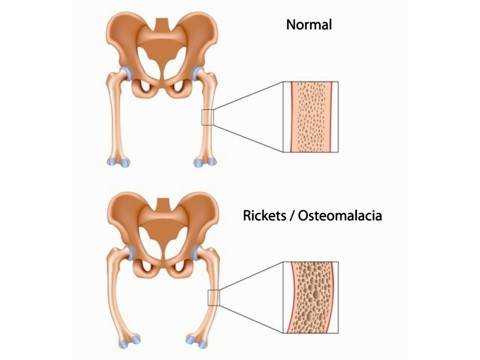
Bow legsCauses: Physiological - As mentioned before, bow legs are normal below 18 months of age. Thereafter as the child continues to grow the bowing begins to improve slowly. By the age of 3 to 4 the deformity usually gets corrected. Blount’s disease - This disease results in bowing of legs due to abnormality of the growth plate of the upper part of shinbone known as tibia. Growth plates are the growing end of the bones. It is diagnosed after the child is 3 to 4 years old. Rickets - Rickets is a group of diseases that occurs due to deficiency of vitamin D. Rickets is characterized by bow legs and other bony deformities. Most commonly rickets occurs in children due to deficient intake of vitamin D. Signs and symptoms: The bony deformity becomes visible when the affected child walks or stands. The uncommon walking pattern of the child is the commonest symptom. Bow legs usually do not cause any pain. However, persistent and severe bow legs cause discomfort to other bony structures like spine and hip. Test and diagnosis: The doctor at first asks questions to the parents regarding the development of the child. This is followed by physical examination of the child. Physical examination often suggests bow legs. If the doctor suspects an underlying disease, necessary laboratory tests are done. The doctor always asks for an x-ray of the affected legs to evaluate the severity and extent of bowing. Treatment: If the bow legs persist after 3 to 4 years or an underlying disease is detected, treatment is undertaken. Medical and non-surgical treatment- In cases of physiological bow legs, no treatment is required. The parents are reassured by the doctor and spontaneous resolution takes place by the age of 2 years. Continuous followup is advised for borderline cases. Children with Blount’s disease need treatment with a brace. Children with rickets need medical management by a specialist doctor. Additionally, they need advice and regular followup by an Orthopedic surgeon. Surgical treatment  - If the bony defects persist in children with bow legs even after medical and nonsurgical treatment, surgery is required to correct the bowing. Two types of surgery is advocated to correct bony deformity of the legs. Guided growth:  Growth of the healthy part of the growth plate is stopped and that of the abnormal part is promoted. This allows straightening of the legs. Tibial osteotomy: The shinbone (tibia) is cut and reshaped to correct the deformity. Then bone is fixed with screws and plate. In both surgeries a cast is applied to promote healing of the bone. Crutches may be required for a few weeks to prevent weight bearing on the limb. Later, physical therapies are advised for complete recovery of range of movements and regular activities. Prevention The parents need to be vigilant about appearance of any bony deformity in legs of their child. The child must be given adequate amount of vitamin D in diet or vitamin D supplementation to prevent development of rickets.
Teach your kid to stand up to bulliesAlmost everyone has heard of the beach bully who goes around kicking sand in the face of the skinny lad. That's the quintessential imagery associated with bullies and it has stayed with us for over 3 decades since the first ads came out. The ads generally endorsed body building products using the classic 'Before' and 'After' construct, i.e. before you got your face sandblasted by the beach bully and after you took that protein shake or muscle builder to get even. Bullying is a phenomenon where a person or group wilfully targets someone with the intention of troubling them over a specific thing. (Bullies generally pick on someone they perceive as physically, mentally, financially, socially or racially inferior.) There is no age-limit for bullies as the bully could be a school going kid with an attitude problem or a fully grown adult, who could indulge in it from sheer force of habit or due to a mental problem. Again there is no age limit for the victim as well. Anybody could really be a target for the bully menace, right from school children, teenagers, disabled or even old people. Well bullying has changed considerably in these times and you also have the e-bully version where insecure bullies go about harassing people, especially teenagers over the internet. Bullies resort to tactics like causing public humiliation or embarrassment to hapless victims or resort to threats or other control-based abusive behaviour. Ok so everyone has undergone bullying from time to time but the question is should you allow it to happen to your teenaged son or daughter? Mind you, here it isn't simply a question of some leg pulling by friends or teachers but some serious malice that could well destroy your teenager's confidence and cause permanent scars on his self-esteem. Yes, if your teenager is being subjected to bullying then teach him how to kick the sand right back in the bully's face. Before we learn how to do that let's see the types of bullying that your kid could be subjected to: Verbal bullying This includes teasing or making caustic remarks directed at someone on a regular basis. The school bully does that, doesn't he? As you would probably remember from your own school days that fat lout who made you quiver with fright as he snatched your lunch box away to feed the dogs. Yes, the very same guy who pulled your sister's pig-tails and called you names which made you go red in the face. You could do nothing but pray he wouldn't notice you somehow. Well so something similar could be happening with your teenager. Verbal bullying need not be done by a school friend. Even a responsible teacher could target someone for deprecatory remarks causing much embarrassment, ridicule andfeelings of inadequacy to a teenager. Sometimes kids look up to their teachers for encouragement and support and those very people could actually damage a child's self-esteem by unjustified criticism and bullying behaviour.Teenage girls could suffer taunts and remarks about certain physical traits and since they are at a delicate age where their bodies are undergoing changes, such verbal abuse can indeed cause long-term depression or personality issues. Physical bullying Physical bullying is where your teenager could be subjected to physical harassment at the hands of the bully. Whether it is a simple case of holding your teenager's hand or unprovoked physical assault, the end result is the same-injuries to the body and mind. The bully may not go as far as inflict any visible scars on the teenager's body but the episodes could certainly cause great fear and trauma to him. Even teenage girls are not spared physical abuse at the hands of bullies. In certain cases, teens suffering from long-term bullying actually took some extreme measures by committing suicide or breaking down completely. Internet bullying Internet bullying is where your teenager is probably most vulnerable. At least school bullying is restricted to school, but here your teenager is at the mercy of just about everyone - from the school bully to the earnest paedophile! Causing embarrassment on public forums, threats of physical or sexual harm is the most common and as a parent you have to take every step possible to not just protect your child but also help him take care of himself or herself. The bully menace The school bully is comparatively easier to deal with than the internet lout! Well, one can't be too sure of that statement either since these days,school kids are known to blow up their own classmates or participate in a heist with adult precision. Always watch out for the classic signs of bullying. If your child appears withdrawn or disturbed after school hours then gently probe and encourage your child to tell it all. If you feel there is enough reason to think your child is being subject to bullying then bring it to the notice of the school immediately as others could have similar complaints. Do not admonish your child or scold him as it could cause him to withdraw in to the shell that the bully provided him in the first place. Parents and elder siblings can be bullies too so remember that. Teach your child to stand up to bullies. The bully is generally an insecure person who uses brute force to feel good about himself, at the cost of others. The school bully generally has his way and is not used to being challenged. Teach your child to look the bully in the eye and register protest. This will go a long way in teaching your child how to fight back and not take any nonsense from others.If the situation worsens, then always keep a track of your teenager's whereabouts especially if it is a girl. Once the bully realizes that he is being tracked he generally lies low or picks on someone else. Internet bullying requires different measures. You can monitor your child's online activities and teach them to never ever share any personal information or photographs online or on forums which are off-limits for children and adolescents. You can complain to the authorities if things get out of hand. If someone repeatedly issues threats to your teenager, either online or in real life, is a cause for real concern and one must take them seriously. If your child does not learn to cope with bullies it could affect him well in to adulthood, where he will feel helpless and easily scared by imposing people or even develop a hatred for authority figures. Bullying can fuel an already weak personality in to gaining an inferiority complex; the flip side is that kids who have been subjected to bullying can repeat the same patterns on their younger siblings or at school. So a bully creates another bully if continued unchecked. Mental problems in children are on the rise, so bullying is also no longer an innocent joke but could be a serious crime. Bullies whether children or grown-ups, suffer from some personality disorder or a serious inferiority complex which makes them compulsive trouble makers and their victims are generally people who cannot hit back or are vulnerable. Take Hitler for instance. Wasn't he just a bully who was unhappy in his own life? Look what he did to millions of innocent people. Wasn't that a bully gone berserk?  
Lost in wonderland? - Absentmindedness!The Daily Telegraph reports that on an average every adult in UK forgets three things per day. Forgetfulness is a human tendency. If this absentmindedness or forgetfulness is limited to forgetting three to five things per day, then it can be left unattended. However, if you or a near one is facing a lot of trouble in your daily life due to this habit or problem, you should immediately have a consultation with your doctor. Mystery behind Absentmindedness According to Maria Jonsdottir, an investigating neuropsychologist from Iceland, absentmindedness is the mental lapses that usually happen in connection with the actions that are routine or well-rehearsed. You can perform these actions without any need to be careful. This includes regular actions such as squeezing out toothpaste or moisturizer from the tube. These action slips are very common and if you observe carefully, you do forget some such regular things every day unknowingly. Psychologists believe that an individual makes such mental lapses around 30 times in every week. On an average, the nervous system of a human brain runs quite efficiently. However, sometimes temporary fault may develop that may make you use incorrect word or slip to your native tongue while conversing. This does not mean however, that something is wrong with your brain. When the team of Jonsdottir surveyed around 200 people, they found out that on an average the slips are 6.4 per week although the number also greatly depends upon the gender, intelligence level, and age. One startling fact that was discovered is that most of the events of forgetfulness occurred before 8 p.m. that means people tend to forget more during the daytime than in the evening. Apart from a momentary lapse in the functioning of brain efficiency, other reasons that can lead to increase in the incidents of forgetfulness are high stress levels, mobile phones, e-mails, and busy lifestyles. Today, people are pressed for time and they have more work at hand than time and that has increased the occurrence of forgetfulness. Types of Absentmindedness A team of neuropsychologists has divided these mental lapses into five categories. The most common are the storage failures in which people cannot recall what they had planned for a particular occasion or they can recall the action, but cannot remember for whom it was meant. Another category is test failures in which people come back home to check whether they have turned the light off and find out that they have already done so. Discrimination failure is another category of absentmindedness wherein you for a moment fail to identify the difference between your things and others'. During the study, a male participant accepted that he picked up the jacket of his female partner thinking it to be his own. Sometimes you put books in the dustbin and the trash on the shelf and laugh at your behavior a moment later when you find out what you have done. This is discrimination failure. Another mix-up includes program assembly failure wherein you put salt in the tea instead of sugar or you just do not keep the right things at the right place. The fifth one is the sub-routine failure wherein you go to the market to buy tea and instead come back home with coffee. The research proves one thing that if you are absentminded, it does not mean that you have a bad memory or can suffer from dementia as is widely publicized in the media. It is perfectly all right to forget or being an absentminded person. Sometimes the incidences of absentmindedness can increase due to fatigue. A good sleep and rest can fix the problem easily.
What is megalomania?Bertrand Russell's quote on megalomania perfectly describes the condition:"The megalomaniac differs from the narcissist by the fact that he wishes to be powerful rather than charming, and seeks to be feared rather than loved. To this type belong many lunatics and most of the great men of history." Megalomania is a delusional bipolar disorder. The sufferer believes he is an all-powerful person and that he is superior to all other people. Megalomania comes from the Greek words megalo which means large or great and mania which means madness. It is a psychopathological disorder that has delusional fantasies of power, exaggerated self esteem and a sense of omnipotence. The sufferer may believe he is God or some famous athlete. Although megalomania is a term used for power hungry people, it is clinically described under the mental disorder of narcissism. Narcissism is self-love. Though self-love is a healthy concept, narcissism is a pathological state where one loves oneself to the extent that he starts despising others. Megalomania is caused by certain phobias and mental conditions associated with emotions and personality. In everyday life, megalomania can be a person's mental way of reacting to frustration, abandonment or some serious loss. In the social world, the term megalomaniac is often synonymous with control freaks, power-drunk army generals, executives and politicians. The treatment of megalomania includes medications. The challenge here is that the person may not believe he has anything wrong with him. He, in fact, believes that he is so great that no harm can come to him, so talking him into getting himself treated is very difficult. Adolf Hitler, the German dictator, was a power-hungry control freak. He believed that he was the supreme commander and that his race was the only race suited to inhabit earth. All other races, especially Jews, were inferior and had to be wiped off the face of the earth. Adolf Hitler was megalomaniac.
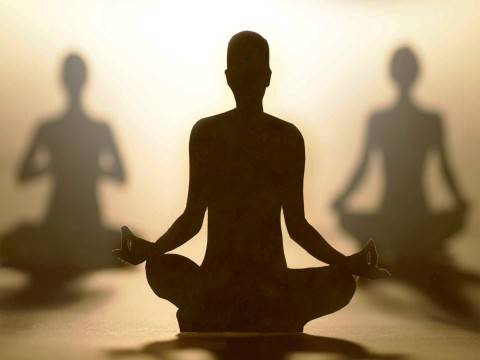
Benefits of meditation: How daily meditation helps you lead a wholesome life Sharper memory: One of the most important cognitive capacities we use daily is our memory. With higher amount of stress on your brain and body due to demands at workplace and home, there is high probability of negative effect on your memory. This can be countered by mindfulness meditation where the focus of attention is a particular physical sensation. This lets you quiet your mind and learn to be attentive solely to the matter at hand, thus allowing your brain to be able to remember more sharply and quickly. Dealing with stress: Stress is the buzzword for anyone who is leading their life in busy cities. Starting from the hurried walk into the office to the pressure of meeting deadlines and reaching home exhausted only to find oneself engrossed in another set of tedious jobs is the condition of daily life for most people. Meditation will allow you to cope with stress in a stronger way by bringing the energies of your body under your control, thus giving you the power to channelize them effectively. Giving up painkillers: Recent medical studies, especially ones conducted in Montreal in 2010, showed how the practice of Zen meditation structures the brain in such a manner that its capacity to sense and deal with pain increases. Primarily practiced by Buddhist monks, Zen is the form of meditation where you focus on your breathing and posture while watching and letting your mind gradually turn quiet. In this way, you can put those pain killers away and increase your innate capacity to deal with pain. Happiness quotient: Prefrontal cortex is the part of brain concerned with positive emotions and feelings. Those who meditate have been seen to have greater activity in this area. Major journals and research institutions focusing on depression and role of meditation in reducing it have found that meditation helps the person to feel in control of their life by subtly changing the working of their brains and thus, resulting in greater capacity to cope with depression and negative feelings. Good for your heart: Two kinds of meditation which are greatly beneficial for smooth working of your heart are Zen and Transcendental meditation. Transcendental meditation, taking after its name, helps you to transcend your worries through attention on chanting. It has been found that meditating daily helps to reduce the chances of stroke and heart attacks by over 40%.
Fair skin - A modern obsession!History of Complexion - Complexion generally refers to the natural color, appearance, and texture of the skin, particularly on the face. Originated from the late Latin term 'complexio', complexion is traditionally referred to the temperament which was determined on the basis of the proportion of qualities of hot, wet, dry, and cold in the human body. It was believed that the body carried these qualities depending on the climate in which the individual lived. Thus, a person living in a cold climate was seen to have 'colder and moister' complexion and so on. The biological facet of complexion mentioned below tells us how the skin adapts its color according to the climate it finds itself in. Moreover, it was also seen to represent the character of the person into different categories like melancholic, choleric, sanguine, and phlegmatic. Complexion was the center which reflected the qualities which make a balanced person. Skin color is determined by the presence of pigment melanin. Located in the outer skin layer called epidermis, it is produced by cells called melanocytes. These cells contain receptors which are photosensitive and which detect the ultraviolet (UV) radiation from sun and other factors. In response to this detection, they give out melanin after exposure. The Biology of Complexion - The complexion of the body ranges from very dark brown of Africa and Aboriginal Australia to pink with yellowish hue of the Northern Europeans. In actuality, there is no skin which is black, yellow, red or white in absolute - it is generally a hue of many colors with one dominating over the other. Our biological actuality is not reflected by the words we use for our complexion these days. Skin color is determined by the presence of pigment melanin. This pigment is under the control of 6 genes. Both complexions of dark and light have melanin. Spatially located in the outer skin layer (called epidermis), it is produced by cells called melanocytes. These cells contain receptors which are photosensitive and which detect the ultraviolet (UV) radiation from sun and other factors. In response to this detection, they give out melanin after exposure. Those in tropical latitudes, where there is highest exposure to sun, have darker skin which contains melanin acting as a protective biological envelope against UV radiation. This protective layer prevents sunburns and other damages including those that could increase the risk of melanoma. The UV radiation reaching the earth increases during summers and reduces in winters. The skin adapts to this change by tanning - tanning indicates that your skin is increasing the size and amount of melanin grains to protect against the UV. Thus, your skin color is essentially determined by genetics and the geography of the place you live in. Biological Fact to Social Conclusion - We generally mold the biological fact of adaptability of our skin into a social meter of beauty. The complexion is a biological wonder of the nature which allows the skin to absorb enough vitamin D, prevent many illnesses like anemia, osteoporosis, and rickets determined by its environment. Thus, to claim that a certain skin color is superior to others is to only deny the reality of biology related to our skin and body, thus falling into the fallacy of unjustifiably jumping from a biological fact to a social conclusion. The health of your skin must be the starting point to declaring its beauty, not a presupposed social standard unrepresentative of the reality of the body. Taking Care of Your Skin - Every skin color is determined by its biological framework placed within the environmental setup. It is essential to take care of your skin to ensure that it is healthy and well taken care of : Make sure you eat a well-balanced and nutritious diet. Stay away from junk and heavily processed food items. Sleep for at least 7-8 hours daily to ensure that your skin gets enough time to recharge its mechanism. Drink loads of water to keep your skin hydrated. Go through the daily care routine: cleanse, tone, moisturize, and exfoliate. Use rose water to remove your make-up and ensure that you do not go to bed with make-up on. Keep dirt and germs away from your skin. The best way is to avoid touching your face with hands when you are out. A clean environment is the fertile ground for a healthy skin. Make sure you wash your pillows, their covers and clean the house regularly to keep away pollutants. Stress is one of the main causes of your skin's health withering. Your skin is the outer reflection of your inner mental state. Work towards mental detoxification to cheer up your skin and body.
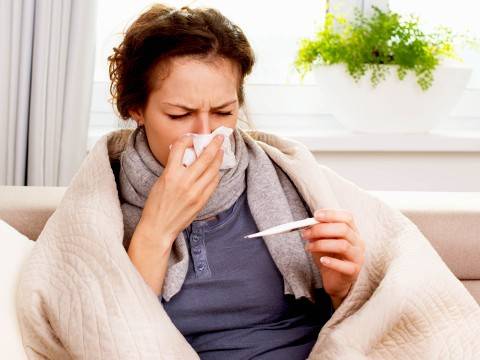
Stay healthy, keep flu at bayKeep the influenza virus away from you by following these simple routines : Wash your hands!Hands are a germ factory. Innumerable things are touched by us through the course of a day and that lends the germs a perfect breeding ground. Hence, it becomes imperative that we clean our hands thoroughly, especially before eating. Always keep a sanitizer handy in case you don have access to water and soap. Even while you wash your hands with soap and water, do not rush with the process. Wash thoroughly at least for 20 seconds. Clean the surfaces!Computer keyboards, tables, pens and pencils, shared stationary are all great places to find the flu virus. Regularly clean these surfaces with an alcohol-based disinfectant that will kill these germs. Exercise!Nothing can be as good as regular physical exercise for maintaining good health. Regular exercising boosts the immunity. This makes you fall ill less often. It also gives you greater resistance against viruses so you will not be affected by them no matter how strong the exposure. Top up on vitamin C!Vitamin C is known to boost your immunity levels. It also increases the resistance against viruses. Eat a lot of citrus fruits like oranges and tomatoes. Amla, that is a rich source of vitamin C, can also be consumed in the form of juice or eaten raw! Chicken soup for the ill-soul!Chicken soup is known to be the most effective against the flu virus. So if you feel you are coming down with a flu fever, rush to the kitchen and fix up some nourishing chicken soup for yourself. Nothing works as effectively as this does. Try poking yourself!The ancient Chinese system of medicine, acupuncture, has been known to treat everything from headaches to nausea to arthritis. Acupuncture experts may prick at particular pressure points with hair like needles to keep flu at bay and to reduce the severity if already infected. Though there is no significant scientific evidence against it, there is absolutely no harm in trying it, if you can tolerate the pain from the needles!. OTC drugs!Over-the-counter medications are available in plenty for flu symptoms. The achy feeling all over the body, the sore throat, and the muscle pain are the worst symptoms of flu. Doctors suggest that you do not over-medicate yourself. Instead of going for multi-drug combinations, doctors advise you go for generic medicines like acetaminophen for fever and a cough suppressant. Garlic pods!These smelly things can be of great use when it comes to prevent a lot of diseases, the flu included. Studies show that people who ate two or three pods of garlic daily had better resistance against the flu virus and fell ill less often. Proactive Probiotics!The strength of your immune system lies in your gut, called gut-associated lymphoid tissue or GALT. Almost 80% of the immunity comes from your gut. To keep the gut healthy, eat a lot of probiotic, pro-GALT foods like yoghurt. Sleep well!Sleep is the most essential component of staying healthy. A well-relaxed body is fitter and stronger and will have better immunity against diseases! Prevention is always the better form of cure. Stay protected and stay healthy.
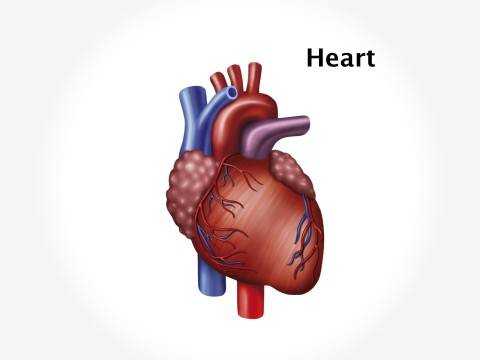
An ounce of prevention is worth a pound of cure!Small mistakes that we keep committing become, over a period of time, serious health problems that are potentially life threatening. Given here is a list of the 10 most common mistakes that we make when it comes to heart health. Ignoring the health check-up: Your last reports said you were fit as a fiddle. So you haven't gone for a check-up since then? Our health becomes the first thing we sideline in today's fast-paced lives. Most of the heart diseases do not show any signs and symptoms in the early stages and when the signs and symptoms come up, too much of damage has already been done. So it becomes very essential to go for regular health check ups. If you are in your twenties it would be advised to get your cholesterol checked every 5 years, blood glucose every 2 years. Beyond 45 years though the frequency of health, check-ups should increase. Body Mass Index is something that you should get checked every time you visit your doctor. Skipping breakfast: Breakfast is the most important part of what you eat the whole day. Most of us tend to skip breakfast due to lack of time, fear of weight gain. But starting your day without breakfast is like driving on reserve fuel. You will start fine, but end up feeling dull and sluggish towards the end of the day. Skipping breakfast has been associated with development of diabetes mellitus and obesity. These two have a strong co-morbidity with cardiovascular diseases. No wonder then it is said, breakfast like a king, lunch like a prince and dinner like a pauper. Too much of sun-blocking: We are people obsessed with fairness and it is understandable that one wouldn't want to get tanned by going out in the sun. Some amount of sunlight exposure is very vital for health. Vitamin D is synthesized by the body from cholesterol with the help of sun rays. Recent studies reveal that people with little or no exposure to sunlight tend to develop arterial plaques that end up in heart attacks, high blood pressure or strokes! Going for the fizz : Aerated drinks are loaded with triglycerides that are a part of the bad cholesterol. They thicken the blood and it becomes difficult for it to flow through the arteries. This leads to several complications. Not watching what you eat: Often we are so caught up in our work that we just grab a quick bite to eat without paying heed to what actually we are eating. Fast foods are extremely unhealthy and wreck havoc onour systems. Missing fruits and fibres: Fibrous food are extremely heart friendly. The fibres help in pushing out the cholesterol out of the body. Beans, oats and barley are all extremely fibre-rich. Fruits are a rich source of vitamins and minerals. They contain potassium that is extremely essential to neutralize the effects of sodium. By doing this they help in regulating the blood pressure. Citrus fruits too have a high amount of potassium in them. Avoiding walking: Walking is the simplest form of exercise the body can get. 10 minutes of brisk walking is extremely helpful for the heart to keep functioning efficiently. Not sleeping well: The body needs 6 to 8 hours of undisturbed sleep for it to reboot and get back its full functioning capacity.  A sound sleep at night reduces the blood pressure and regularizes the heart beats. People compromising on sleep are the ones most prone to suffer from heart attacks and high blood pressure. Not flossing your teeth: Gingivitis is the inflammation of gums. This inflammation hosts large number of germs that leak into the bloodstream and reach the heart causing a number of heart problems. People who floss daily not only have good oral hygiene, they also have a healthy heart. Forgetting the Family: Many heart diseases tend to run in the family. It is very important to know the medical history of your parents and grandparents. The risks of you developing heart diseases are high if someone in your family already has them.
Busting misconceptions about homosexualityIn the past few years, homosexuality has become a subject of public discourse in India. Thanks to gay pride marches and the Delhi High Court's historic ruling decriminalizing same-sex intercourse in 2009, more people today are willing to accept homosexuality as normal. However, there are still a large number of people who are still confused about whether homosexuality is normal. Homosexuals are people who get attracted to people of the same gender. Gay is a term used for both male and female homosexuals, but some prefer the term 'lesbian' when it comes to women homosexuals. Some misinformed people consider homosexuality as a purely decadent western phenomenon which is far from the truth. Homosexuality finds its place in recorded history throughout the world. So is homosexuality abnormal? A few decades ago a gay person would have ended up on a psychiatrist's couch where attempts would have been made to re-orient him/her towards the heterosexuality. However, as the American Psychology Association notes, "No, lesbian, gay, and bisexual orientations are not disorders. Research has found no inherent association between any of these sexual orientations and psychopathology. Both heterosexual behavior and homosexual behavior are normal aspects of human sexuality." Some scientists are trying to find a genetic link to homosexuality. Results so far have not established a definite link. A whole lot of factors could play a role in deciding sexual orientation - genetic, hormonal, developmental, social, and cultural. One cannot safely conclude that being "gay" is in one's genes and is therefore, hereditary. Legalizing gay marriages Same-sex marriage is legally recognized in several jurisdictions within the United States. As of April 2013, nine states—Connecticut, Iowa, Maine, Maryland, Massachusetts, New Hampshire, New York, Vermont, and Washington—as well as the District of Columbia and three Native American tribes[1]—have legalized same-sex marriage, representing 15.7% of the US population.
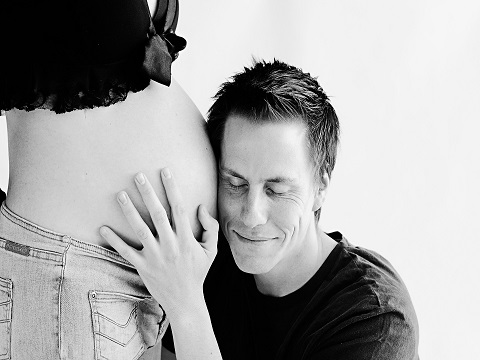
Sex during pregnancy? It's possible!One of the questions that arise when a woman gets pregnant is whether it is safe for the couple to have sex. We'll try to answer the most common questions couples tend to ask. Is sex safe during pregnancy? Sex is considered safe if the pregnancy is normal in all stages. However, even if it is safe, it doesn't mean the woman would want to have it. Desire for sex fluctuates during the various stages of pregnancy and sex becomes plain uncomfortable as the body gets larger. What is not safe? Two types of sexual behaviors are not safe during pregnancy. While having oral sex, the man should not blow air into his partners' vagina. It can lead to air blockage of blood vessels by an air bubble, which is called air embolism, and can be lethal for both mother and baby. The pregnant woman should strictly avoid sex with a partner with unknown sexual history or who may have a Sexually Transmitted Diseases (STD). What are the common risk factors? In case of significant complications with pregnancy, abstinence from sexual intercourse is advised. Common risk factors can be: Threat of miscarriage. One can have pre-term labor or signs indicating the risk of pre-term labor (such as premature contractions). Unexplained vaginal bleeding, discharge, or cramping. Leakage of fluid surrounding the baby, called as amniotic fluid. Placenta previa, a condition in which the placenta (the cord connecting mother to the baby and nourishes the baby) is located low down and covers the opening of the uterus. Cervix incompetency, a condition where cervix is weak and dilates before full term, increasing the risk of miscarriage or premature labor and delivery. Can sex during pregnancy harm the baby? The baby is always protected by the amniotic sac (a bag-like structure that holds the fetus and surrounding fluid) and uterine muscles. A thick mucus plug seals the cervix and protects the baby from infection. The penis does not come into contact with the fetus during sex. So, sex can't harm the baby directly. Can orgasm lead to miscarriage or contractions? The contractions felt by pregnant women during and just after orgasm are totally different from the contractions of labor. Therefore, in cases of normal and low-risk pregnancies, orgasm can't cause contractions and miscarriage, but always check with the doctor and make sure that your pregnancy is in the low-risk category. What are the safe positions for sex during pregnancy? The old standby missionary position for intercourse may not work for you now. Instead, try these options: Spooning: Lie side by side with him behind you. This will not put pressure on your belly, and makes for more shallow penetration. Female on top: There's no pressure on the belly, and the female can control the speed and depth of penetration. Side of the bed: The female lies on the back on the edge of the bed with knees bent and feet on the edge. The male stands facing her. It's like classic missionary, but the male won't be resting his body weight on the pregnant female. However, remember 'normal' is a relative term when it comes to sex during pregnancy. You and your partner need to discuss what feels right for both of you and take advice from the doctor.
FAQS
T&C FAQS