Home
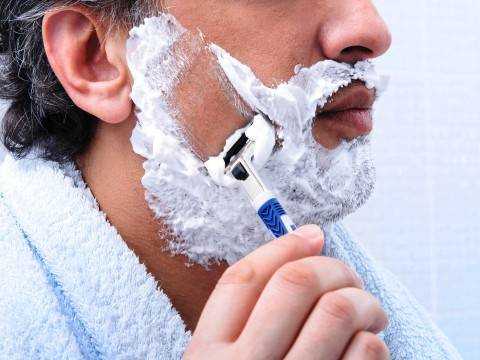
Ways to look handsome!One disclaimer before reading "Looking good is not age/weight/family specific." Now we can start off with understanding what does handsome means. Does it mean wearing good clothes? Or having a good face? Or having a good body? What is it actually? Well, a simple definition could be "being handsome means being confident and having loads of style and poise." It's not dependent on somebody's face or body specifically. So what makes a person handsome? Will his attitude count? Do we need a lot of money to get that look? Let's answer all such questions in the article. Personal care: The first and the foremost cornerstone for getting a perfect look is to look after yourself well. This includes- Hygiene - Personal hygiene is most important. Dental hygiene, managing body odor, cutting your nails on time, removing hair in the underarms, nose, and taking care of overall body hygiene is of utmost importance.Skin care - Taking care of one's skin is no more a girly thing now; men need to do the same as well. Applying moisturizers, lotions that are readily available, tailor-made for men.Hair care - Men do not need to spend a lot of time managing their hair as women do, but that doesn't mean they can get all complacent about them. Try and wash and shampoo your hair at least twice in a week. You could use natural or artificial conditioners in the hair to make it soft. Get a trim every month or else they can become too long to manage. The suave and debonair look, along with the above indicated personal care methods; one important pointer is to take care of one's facial hair. Agreed that the rough and rugged look is good with some clothes and skin colors, but try and avoid it as 'a regular' and get a good shave. You can either keep a clean shaven look or keep a beard which is well trimmed. This will give you an urbane and classy look. Clothes cabana - An important factor for your looks is your clothes as well. One needs to understand that there are particular kinds of clothes which shall look good on them and there is a section which they should never try. Once you understand this thin line, you can do wonders with your clothes. Try to understand which shades look good on you. The bright colors or pastel shades. After this, you need to choose your formal and casual wears as well. Try and understand what kind of clothes make you look good and what are the options you can always try. The must have checklist is given below - A pair of good dark blue jeans. A white shirt. A colored T-shirt. Jacket and waist coat. Dinner jacket or tuxedo (whichever suits you). Pair of black trousers. Sweatshirts. A full pastel shade sweater. Accessorize your look - Along with good clothes you need a few more embellishments:Shoes - Get two different pairs - one leather and the other sports for formal and informal occasions. The shoes should be buffed with shoe wax regularly and you can wash off the dirt on your sports shoes once every couple of weeks.Belts and Tie - A good and well-fitting tie and a sober choice in belts always adds to the look of the "complete man."Watches - A good analog watch is a "must have" on every guy's wrist for that added attraction. Work out regimens - Now workout does not only mean joining a gym or keeping a personal trainer. You need to just keep your body fit, which can be done by jogging, yoga, or even a morning and evening walk. Try to be active, which in turn will help you stay in shape. You can even pick up a sport for that matter. When your body is fit, you will have a relaxed mind and soul too. Eat healthy - Having a hamburger everyday will make you only lethargic and fat and certainly far from handsome. Try to follow a diet regimen which nowhere means you need to have nightmarish boiled vegetables only. You just need to avoid eating outside which means no junk or oily food. This shall not only help you look good, but will let you be young and fit. Try to have more leafy vegetables and fish in your daily diet rather than red meat and spices. Once in a week you can dig into your favorite foods and pig out. Say no to cigarettes and alcohol - Working out or eating healthy and getting the best clothes and accessories will never help you get in good shape until you say no to all the habits which shall prove deadly for you in the future. Try and quit smoking and drinking as they affect your health and stamina in the most adverse ways possible. Along with that they also have a very bad effect on your mental health as they become an addiction and hamper your concentration and thinking abilities as well. Million dollar smile - Wearing good clothes do not have a prerequisite of behaving like a supermodel anywhere. Try to wear a good and sweet smile which shall give you a nice and attractive look at the same time. A straight face might end up making you look unapproachable and arrogant, so remember smiling always to complete your attire and style. Good stance - Wearing all the best outfits and looking a million bucks might go all in vain if you have a bad body posture. Try and walk and sit straight. Having an erect stance always makes you look more confident, attractive, and masculine, so always have that poise in your posture which shall make you look awesome. Wear your confidence and attitude - Last but not the least is this most important pointer and that is - be comfortable and confident with whatever you wear and however you look. Being confident makes you win half your battle, always. So, have that debonair attitude and head to the floor, you will always be the head turner of the show. So what are you waiting for? Start your preparations, as being handsome does not require any occasion!        
Career advice for menGetting a job these days is extremely difficult. What is even more difficult is sticking around long enough at the job. No one is indispensable, and if you don't perform well, there are hundreds more waiting to get the job! Being the bread winner, men have to face this pressure more. Here are some tips that would do you good, if followed: Cracking The Interview: The golden rule here is to be honest. The interviewers do not want to hear what will please them; So, do not try to butter them up. They are also put off by boasting . Therefore, be honest about your views and opinions. Age:wise Attitude- When you are young, and have just entered the company, it is highly advisable to observe and learn as much as you can. Find yourself a professional mentor who can guide you. Try and build on your professional presence. Be active, spend more time with your boss, be helpful to your juniors. The golden advice for all, irrespective of seniority, is to stay clear of office gossip and politics. Keep a check on the attitude: There is no need to be arrogant, and a know-it-all. Be friendly, confident, and genuine. Learn to say no: You need to have a pleasing personality. But, avoid trying to please all. Try and learn the art of saying no firmly. Too much of 'yes' will make people take you for granted, and you will find yourself overloaded with a lot of work. Do not under price yourself: If you feel that you deserve a raise, go ahead and ask for it. Do not be afraid to ask for your worth. Often at interviews, employers cancel out candidates who under price themselves, as it shows that they will probably not perform to the expected levels. Blow your trumpet: With all humility make sure you take what is rightfully yours. If you don't take credit for the work, no one will give it to you. Worse, someone else may take it! Create boundaries: Keep your work at office. Do not bring work home. Often at the outset, to please bosses, one ends up working overtime or worse, working at home. It is important to keep both the parts of your lives separate. Keep fit too: Don't let your job take a toll on your health. Working late, sitting at the same place for hours, can be harmful for the heart. Learn to unwind periodically. Setting goals is easy. What is needed is the determination to follow the rules you have set for yourself. The way to success at work is taking the ladder, one step at a time. There is no elevator here.
Pamper the newborn without forgetting yourselfIf you are a new mom, chances are you are busy 24/7. The baby's complete dependence on you helps you bond with him/her and makes you aware of the responsibility that is now on you. But, your own health is an equally important responsibility. So, you need to give yourself permission to take care, or even pamper yourself from time to time. Here are simple ways for you to look out for yourself. Eat your favorite breakfast: As your day starts, you need fuel to keep your energy levels high. So, grab your hands on healthy and tasty breakfast options like whole grain cereal, skim milk and sliced strawberries or a banana. The combination of lean protein, whole-grain foods, and nutrient-rich fruit allows the brain to form more feel-good chemicals. Don't let stress come near you: We know that a lot of changes in your life have transpired, due to the entry of a baby in your world. The difficulty to cope with the changes may cause stress and depression. Try to avoid stress by asking for your husband's and relatives' support. Take a walk with your baby: Walking with your baby in nearby parks will give you fresh air and it is an excellent form of exercise. Don't be sleep deprived: Having a baby doesn't mean that you have to always sacrifice your sleep. Never miss an opportunity to sleep or take rest. This will keep your energy levels high for the day. Sleep when your baby sleeps. Delegate baby care: Parenting is not your sole responsibility. Ask your husband to lend a hand in taking care of the baby for some time. Not just the husband, if you live in a joint family, you can ask other relatives for help as well. Don't be a multi-tasking person: We know a woman has so many roles to play. But, it doesn't always have to be that way. Being a new mom, you must focus on one activity at a time. You can prioritize your tasks, if you have a lot of things to do. Exercise regularly: Add exercise to your daily routine. Choose the exercise which you love and enjoy, like walking, cycling, yoga, swimming or aerobic dance. Consult a doctor before starting any exercise program.    
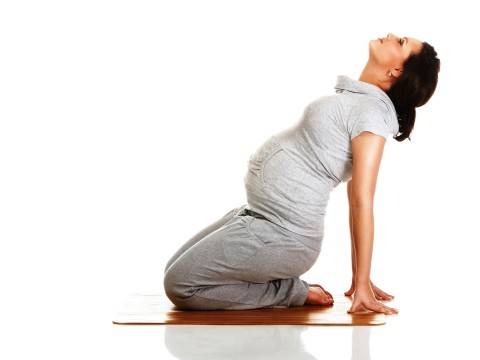
Fitness mantras during pregnancyYou must be wondering how Shilpa Shetty maintained her fitness even after bearing a child. The simple answer is that she never gave up exercising. Exercising during and after pregnancy is the best way to stay in shape and ensure your mental and physical healthiness. It also helps you in preparing for labour pain and delivery, and quick recovery postpartum. However, there are some things you need to keep in mind while exercising during pregnancy: Measure your fitness You need to determine how fit you are. This will help in determining the type and duration of exercising during pregnancy and post pregnancy. Also, before you continue your old exercise routine or begin a new one, you should talk to your doctor about exercising while you're pregnant. Pregnancy is a balancing act After the fourth month of pregnancy, it's likely you will lose balance while you exercise. Though your baby is well protected with amniotic sac, it is better to be safe than sorry. Safe exercises Activities such as swimming, walking, yoga, pilates, and low-impact aerobics are good choices. Pregnancy is not the right time to start any new intensive exercise, but it is safe to continue with most types of exercise if you're used to them. The things you should avoid Avoid exercises where you are likely to lose your balance or could make you fall or slip. Vigorous or extreme activities such as horse riding, skiing, mountain climbing are out of the question. They carry too high a risk of injury to your tummy. Avoid exercises such as: Sit-ups Standing on one leg Separating your legs widely You should also avoid most contact sports, such as football, basketball and so on. Finally, give racket sports a miss if you're not a regular player as they can be tough on your knees and ankles. Check with your doctor Consult the doctor before starting with any new or unusual exercise. Check for any complications or unusual conditions. Also, discuss for any concern such as: Pregnancy-induced high blood pressure Early contractions Vaginal bleeding Premature rupture of your membranes, also known as waters (the fluid in the amniotic sac around the fetus) breaking early The best outfit for exercise Clothes should be comfortable and loose fitting while exercising. Wear a supportive bra which protects the breasts and is also relaxing. If your shoe size has changed because of mild swelling, you may want to buy a new one. Duration of the exercise Exercising three to four times a week is necessary. This reduces stress, fights fatigue, and stabilizes emotions in early pregnancy. Start gradually, may be with only five minutes a day, if you were totally inactive before. Add five minutes each day till you reach 30 minutes. Also keep in mind to avoid exercise on an empty stomach. Eat a snack 30 minutes before exercise. Never over do Listen to your body when it says 'stop'. Over exercising causes overheating. Raising your core temperature too much can affect the baby adversely. Always sip water before, during and after exercising. Listening to your body when something hurts or doesn't feel right - that means stop. Drink a lot of water Try to drink about two glasses of water two hours before you begin exercising. Take a sports bottle of water with you when you exercise and take frequent sips from it. It's important you don't get dehydrated. This may raise your body temperature, which may not be good for you or your baby.  Keeping these points in mind, exercise to stay healthy and fit. We hope you soon give birth to a healthy kid.  
Cranky kids in a diner? dealing with them made a bit easy!This has happened to many a parent. They make a reservation at a fine dining restaurant, perhaps with friends and relatives. But their kid screams, and cries,disturbing the entire restaurant, and spoiling the general mood. For this reason, many parents avoid going out altogether, especially to fancy places. But there are ways in which you can handle the toddler when you are at a restaurant. We will show you how. Carry toys Restaurant may be boring at times for toddlers. That's why they turn peevish and may start playing with forks, spoons or knife. So carry some toys, crayons, notebooks, or even a story book, which will keep them busy and you can have a good time. Order something yummy and healthy for the kid A hungry kid is an angry kid. So, order something which is your kid's favorite and also healthy at the same time. Or you can carry something along with you like fruits breads, cherries or other nutritious treats. Keep responding to what kid says The best way to keep childrenwell behavedis to talk to them and respond whenever the child speaks. Don't avoid them or get too engrossed with other people. They get cranky when they don't get a response from you. Take a round with your kid When the kid becomes difficult to handle, just pick him in your arms and take a mini tour of the restaurant or walk outside. This will distract him and relieve his boredom. Don't tolerate any bad behavior If the bad behavior of the kids is intolerable, then firmly tell them that they need to adopt good manners if they want to visit restaurants again. Disturbing other diners is not acceptable. But it doesn't mean that you punish them.You just have to remove them to a place where they don't bother anyone. Make your outing relaxed and enjoyable Above all, don't forget to have fun and make it an enjoyable evening. Don't get too carried away disciplining the kid. You can afford to be a bit silly and enjoy the time with your child.
10 unhealthy habits in kidsNowadays, parents are too engrossed with their professional lives, and hence are unable to pay enough attention to their kids. Kids may develop unhealthy habits as a result of this neglect. Parents need to take conscious efforts to inculcate good habits in their children. Here is a list of unhealthy habits in kids, which you need to break immediately. Not drinking enough water It is very important for kids to keep their body hydrated in order to keep their skin supple and cool down the body's temperature when it's hot. Water also allows muscles and joints to work better and helps cleaning out toxins from the body through the kidney. Staying hydrated helps keep the memory sharp and the mood stable. Encourage your child to drink water before he/she even feels thirsty. Snacking on junk food Kids relish junk food. Unfortunately, there are endless options when it comes to junk food. This can cause childhood obesity and lowers the energy levels. Junk food cannot meet up the body's requirement for nutrition and vitamins. Hence, children must be encouraged to snack on healthy and tasty food like fruits, whole grain breads, or fruit breads. Missing breakfast School going kids often skip their breakfast in order to reach school in time. Skipping breakfast increases the risk of being overweight. It also leads to a loss of concentration and making bad food choices later in the day. Parents must wake their kids early, so that they have time for a healthy breakfast. Spending too much time sitting Technology has been a boon in some ways. At the same time, it has made us lazy. Watching TV and playing video games seem far more attractive to kids than outdoor games. Kids become less active which leads to various health problems, such as getting obese, becoming lazy, lacking of stamina, losing concentration and good eyesight. Parents should encourage their kids to participate in sports at their school or play various outdoor games with other kids. Not having proper sleep Falling short of sleep should be a big no to kids. Lack of sleep affects the immune system, and also causes loss of concentration, headaches and heart-related problems. Get your kids to sleep around 7-8 hours every night. Overdosing on sugar Kids have particular preference for sweet foods. But added sugar in various desserts and snacks provides a lot of calories and lacks nutritional values. Limit the sweet intake of your child, but don't force them to completely give up on it. Refusing to eat green vegetables Children generally don't like to eat green vegetables. They prefer to have chapati with jam or cheese. But that doesn't fulfill the body's requirement for vitamins and minerals. Try to cook green vegetables in different forms and make it look and taste yummy. Give them various choices of green vegetables cooked in different styles. Nail biting Though nail biting doesn't cause severe health problems, it could result in milder diseases such as diarrhea, cold, viral infections, pin worms, and food poisoning. Keep the nails of your kid clean and try to control their nail biting by explaining to them the ill-effects of nail biting. Not playing outdoor games Not playing outdoors impairs a child's social skills, as well as hampers the development of healthy body. It also causes deficiency of vitamin D. Try to encourage and accompany the kids for playing outdoor games. Eating without washing hands Kids play outside and touch various objects and surfaces, which may have lots of bacteria and germs. When they eat something with the same dirty hands, the bacteria and germs enters their body and may cause food poisoning, viral infections, and stomach aches. Keep a hand sanitizer or good hand wash at home and encourage your child to wash his/her hands before eating anything.
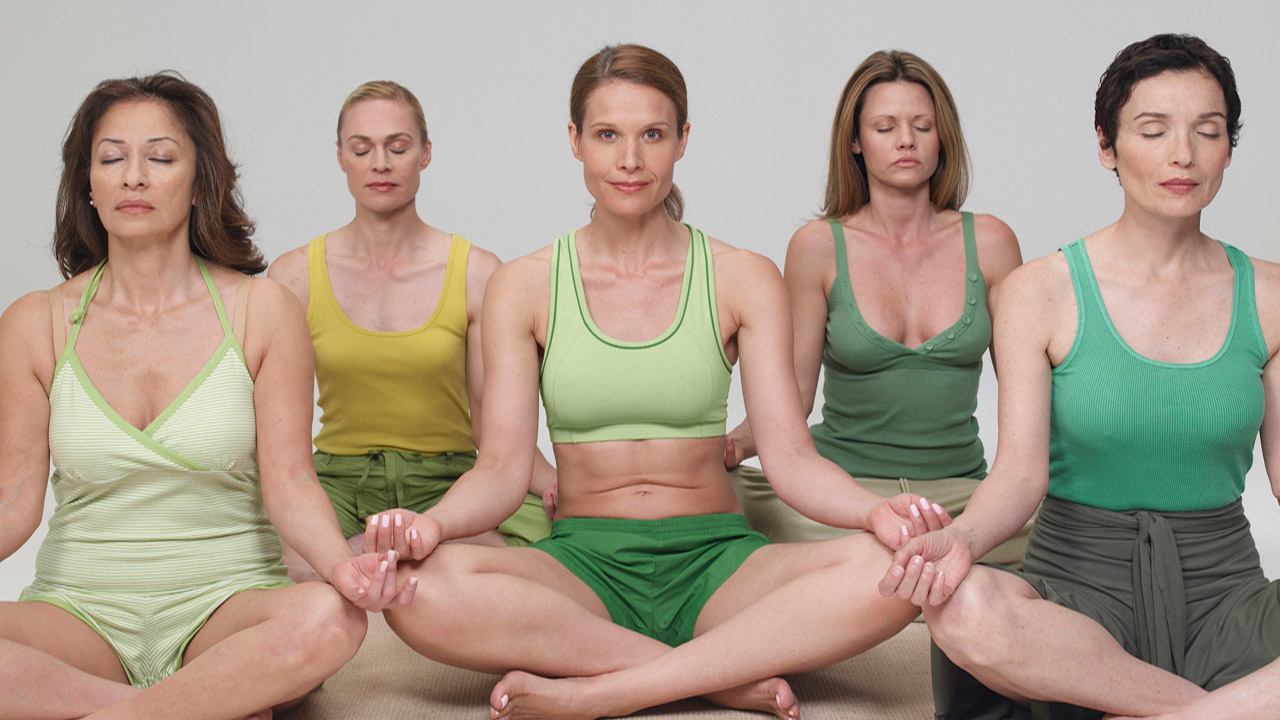
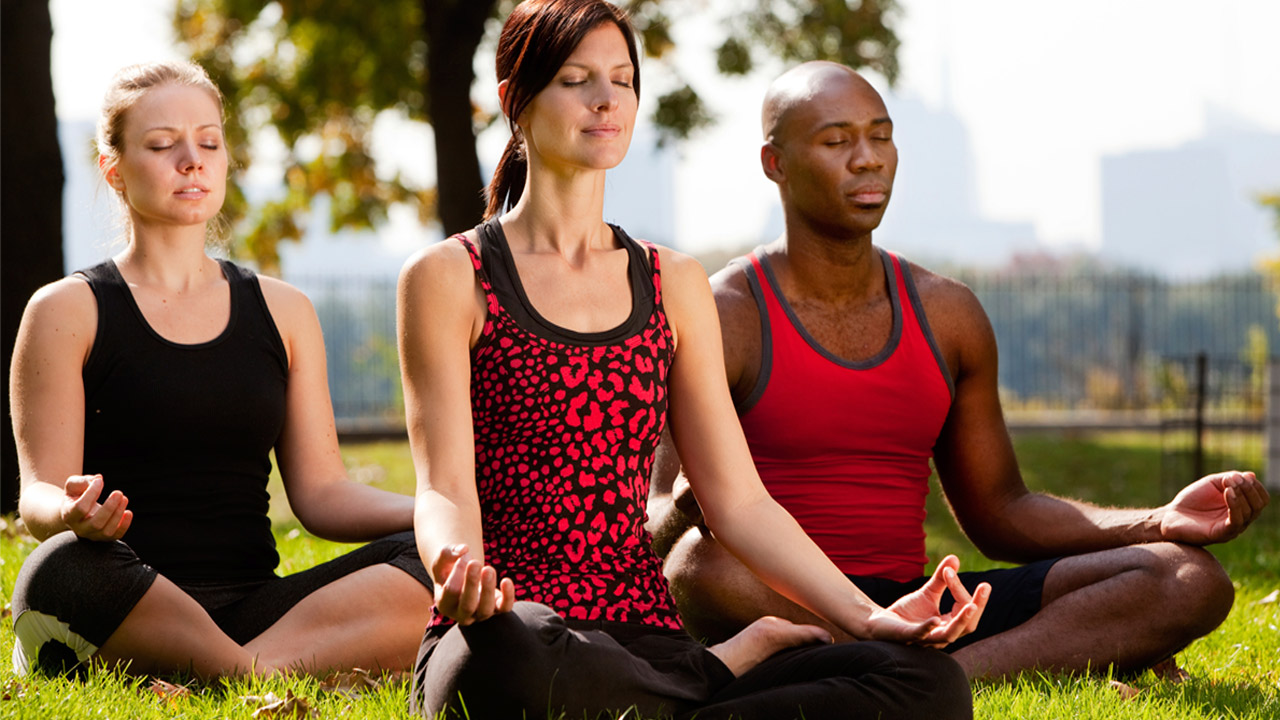
Dealing with obsessive thinking and worriesAn old adage goes - 'Worry is like a rocking chair. It gives you something to do but it doesn't get you anywhere'. This is absolutely true for many of us who have developed the habit of worrying unnecessarily over outcomes and circumstances. Thinking about things and over our course of action is a good thing because you should always think twice before acting. What about obsessive thinking? Is it good for you? Anything in extremity is a bad thing, whether it is your favorite food or your thoughts. Worrying incessantly is a part of obsessive thinking where you cannot let go of negative thoughts and they circulate in your mind continuously. Obsessive thinking is a negative infinite loop, a broken record that is stuck without having anyone to click the stop button. So how should you deal with this obsessive thinking that is sure to spell your doom in the long run? Though psychologists have devised various scientific methods of overcoming obsessive thoughts and worries, here we have listed down some easy to follow rituals that will help you deal with such worries and thoughts. Meditation - Yoga swears by the art of meditation as it is thought to release all negative energy from the mind and soul. Concentrating on your breathing and also absorbing a positive source of energy is the essence of meditation. So whenever you are obsessed about something, sit down, calm your nerves and meditate. Physical activity - Exercising always helps. Engage in physical activity which increases the body's metabolism and requires effort. Indulge in those dance lessons or swimming or maybe cycling and you will divert your mind from those negative thoughts. Indulge in your hobbies - So you thought you don't have time for your hobbies, but your hobbies relax your mind and body. Moreover, a hobby also takes out the creative side in you. So, whether you like to collect coins or stamps, or lean towards arts and crafts, a hobby is sure to occupy your mind and take you away from worries. Socialize - Friends and relatives are your lifeline as they help you in those tough situations. Even if you are mentally not at peace, making social calls on your friends and relatives will take the edge off.  Try to meet people who can empathize with you and help you move out of it. Socializing will give you that much needed break from the vicious cycle of your thoughts. Though a short-term relief, going out for movies or taking a weekend getaway with your near and dear ones or even indulging your wife in shopping, can be helpful. Confide - Talking to someone close who understands you helps you in expressing your troubles. Thinking obsessively, you usually tend to ignore your feelings and emotions. Your mind remains trapped in the net of those obsessive thoughts and your emotional well-being takes a backseat. When you talk to another person, he or she will hear you out and help you relieve the stress that is on your mind. They would understand your state of well-being and support you emotionally. Be mindful - You may find it easy to go back into the same negative thought process. Don't let your mind chatter. Stop your mind by standing up for yourself. Stand in front of the mirror and say, "I am not a victim. I have the power and strength to move ahead" Do this whenever you become aware that you are going back into the same thought process.  This will give you the mental strength needed to come out of it.  Be mindful and aware but don't be too harsh on yourself. Be responsible -Your mind can make you or break you. If you understand this truth you will find it easier to manage your thoughts. Take responsibility of your thoughts good or bad.  The mind can create thoughts to project blame or judgments about others.  When you own your thoughts, you will find it easier to shape them the way you want. Create a higher vision of your life - When you keep a higher vision in your life, you can move ahead easily.  By developing a higher vision, you are asking yourself, who am I?and finally working towards it. You take positive actions and thus there would be more gratitude for what you have and less resentment for things that do not work.   This stops your mind from working unnecessarily. Obsessive worrying is a psychological disorder which in extreme cases has to be dealt with pathologically. Do not let your condition to reach the extreme end of the spectrum. Follow the above mentioned suggestions and try to deal with those thoughts yourself. It may take some time but rest assure, it will be effective in the long run.
Mood disordersMood disorder is a category of mental health problems, and it includes all types of depression and bipolar disorder. The cause of mood disorder is not well known. Endorphins in brain are responsible for positive moods. The neurotransmitters regulate endorphins. Depression and other mood disorders are caused by a chemical imbalance in the brain. Life events such as unwanted changes in life may also contribute to a depressed mood. Mood disorders are inherited. Children, adolescents, or adults who have a parent with a mood disorder have a greater chance of also having a mood disorder. Symptoms: Prolonged feeling of sadness Helpless feeling Low self-esteem Intense guilt Suicidal thoughts Loss of interest in daily activities Difficulty with relationships Disturbed sleep Change in appetite or weight Low energy Inability in concentrating Inability to make decisions Frequent physical complaints (i.e., headache, stomach ache, fatigue) Threats of running away from home Hypersensitivity to failure or rejection Irritability Aggressive behaviour Hostility In mood disorders, these feelings appear more intense than what a person may normally feel from time to time. Treatment Psychotherapy: It is focused on changing the individual's distorted views of themselves and the environment around them, working through difficult relationships, and identifying stress triggers in their environment and how to avoid them. Family therapy: Families play a vital supportive role in any treatment process. Antidepressant medications: Medications in combination with psychotherapy has shown to be very effective in the treatment of depression.
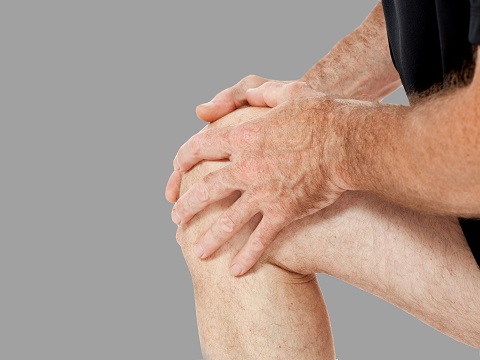
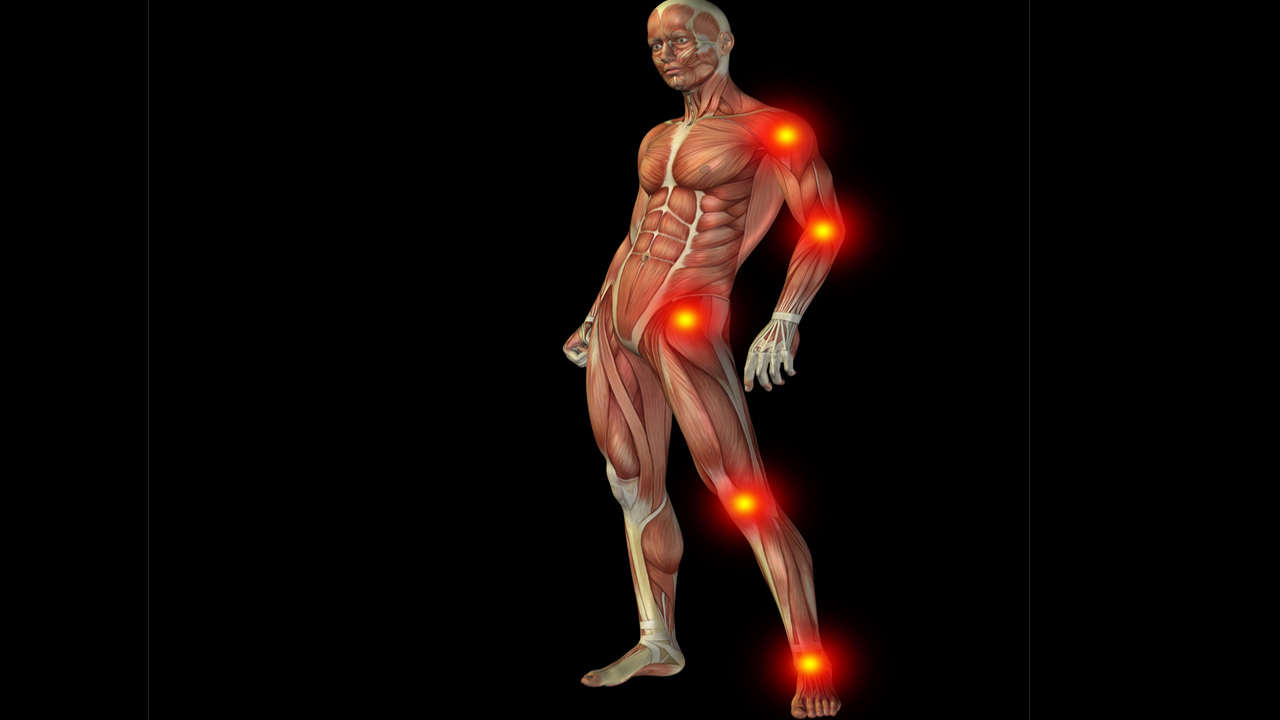
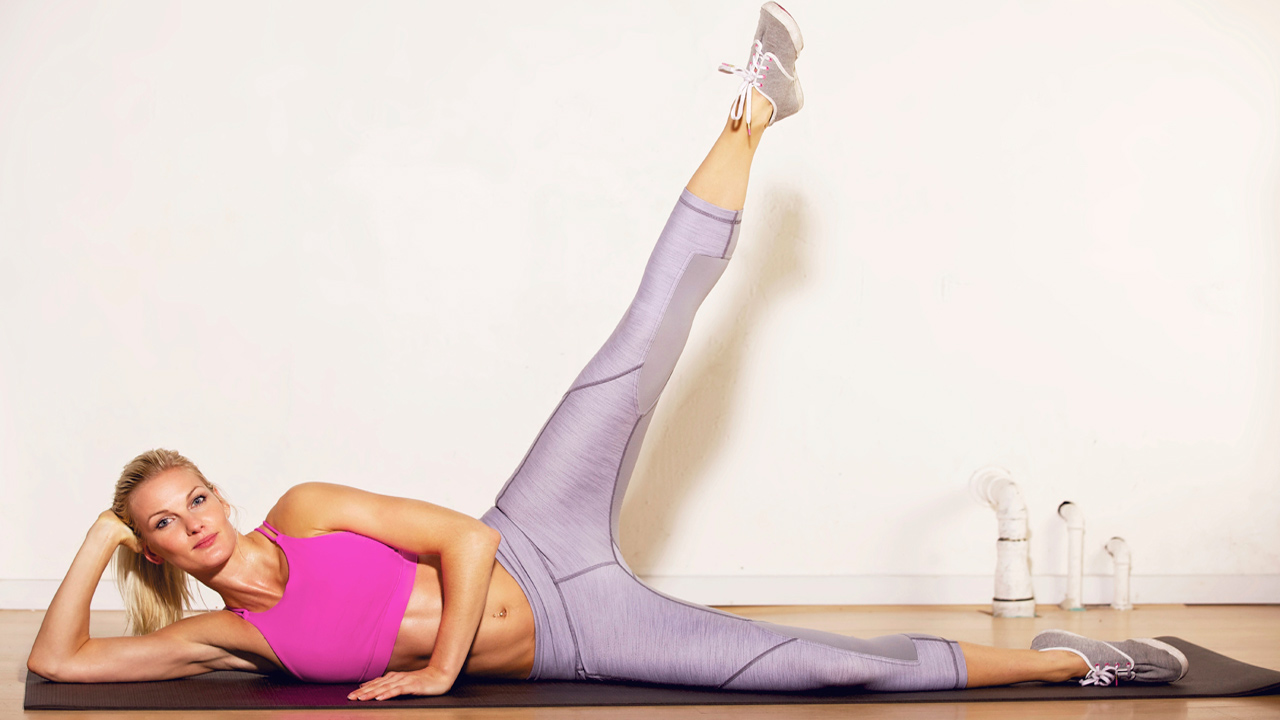
Arthritis friendly workoutsRheumatoid arthritis is more common in women over 60, and is the inflammatory type of arthritis where the synovial fluid functioning is disrupted. The synovial fluid maintains the health of joints, bones, and cartilages. Osteoarthritis is the most commonly occurring type in both men and women, and in this type there is gradual wearing away of the bone cartilages, which, in turn, causes stiffness, and pain in the muscles, joints and tendons. There is a classic catch 22 situation in arthritic patients and that is they avoid exercise or are advised extreme caution while exercising. The pain and soreness which comes from exercising can be extremely discouraging, so some shun exercise altogether. Now, the lack of exercise is going to precipitate the condition further, and could even increase the soreness, and lead to deformity. This is what challenges most arthritic patients. Should someone with arthritis be allowed to exercise? And if yes, then what type of exercise will prove to be most beneficial? Main question is: Are there any arthritis friendly workouts? Doctors now recommend that exercising could actually work wonders for arthritis patients. The right method and type of exercise can help ease the inflammation and soreness of the joints, and build overall health, strength and flexibility of the bones, and joints as well. What would be a good exercise routine? The arthritis foundation recommends routines which exercise the flexibility of the joints, and build muscle mass, for better shock absorption, coupled with physical endurance should be specially designed for arthritics. Regular walking: Walking is a great exercise for arthritics. Walking at a steady pace for about 30 minutes, thrice a week, can help keep the limbs active, and could reduce the swelling at the knees, and hip joints. Warm up is absolutely essential in any work out, and here it is of paramount importance that you go through a warm up routine before you begin your walk. Simple leg raises, hand to toe stretches, and light back bends can be done to warm up the muscles and joints for your walking activity. That will also reduce the possibilities of strain or sprains of the ankles along the way. Choose your exercise route to ensure that you don't walk up a gradient, and put unnecessary pressure on your knees and ligaments. Aquatic Exercises: Exercising in water is perhaps the best possible alternative, as water is absolutely low impact. This is great for arthritic patients to reap the benefits of a swimming pool workout. The easiest for chronic arthritis patients would be to simply walk, or wade in water for about 20-30 minutes. This can help greatly with building strength, and endurance in the extremities. For enhancing co-ordination you can even try walking backwards in water, or simply float and relax the body. Avoid water which is too cold, as that might adversely affect your condition. Stretching and Yoga: All easy stretches for the limbs and joints will be helpful to facilitate ease in movements, and dealing with joint pain. Standing leg raises, shoulder raises, wrist rolls are exercises which can be done quite easily, and can help keep the body supple. Though yoga also enhances flexibility, it goes way beyond just that, and actually aims at harmonizing the life force in the internal and external organs as well. No matter what type of exercise suits you, always remember: Proper warm up exercises are a must for the arthritic patient, as that can help reduce, and eliminate the possibility of injuries while working out. Do not force your body into an exercise regimen, if you are experiencing pain. It is quite ok to take a day off if the joints are sore. Get into an exercise routine slowly as your body might take a little longer to recover from it. Always seek the advice of an expert or a doctor before making any alterations to your regimen.

A quick guide to high blood pressureWhat is blood pressure? Blood pressure is the force or pressure exerted by blood on the walls of arteries while flowing through it. What is normal? A blood pressure value of 120/80 mm Hg is ideally said to be the normal. The upper value (systolic) reads the pressure when the heart beats (squeezes to pump the blood). The lower value (diastolic) computes pressure at rest in between the heartbeats when the heart refills with blood. What is hypertension or high blood pressure? The condition in which the pressure of blood in the arteries is persistently high.More the pressure, harder the heart has to work to pump the blood. The prolonged and too high blood pressure (BP) raises the heart's work persistently and can lead to grave damage to the arteries. This eventually leads to uncontrolled high blood pressure raising the risk of heart disease, stroke, and kidney disease in the long run.A blood pressure above 130/90 mm Hg is said to be high. What are the symptoms of hypertension? Hypertension can go unnoticed without any symptoms and thus remain untreated for years altogether. Thus, it is also called as silent killer sometimes. What causes hypertension? The cause of hypertension is unknown in most of the cases. Sometimes, hypertension occurs secondary to kidney disease or adrenal gland disease. Who are at risk of getting high BP? The risk of developing high blood pressure is more in people above the age of 45, those who have close relatives already suffering from hypertension, and who have history of diabetes, Many people consistently have blood pressure above normal, yet not so high to be called as hypertension (130-140 /80-90). These people are at more risk of developing hypertension. Is salt and blood pressure are related? Sodium content of salt causes water retention thus putting more burden on heart and raising blood pressure. So watch the foods you eat for sodium content and stick to a low-sodium diet. Stress and high blood pressure Stress can increase the blood pressure, but no scientific facts to suggest that it causes hypertension. Stress can lead to addictions, poor diet, lack of sleep which can indirectly contribute to high blood pressure and heart disease. Obesity and hypertension Obesity strains heart and raises the risk. Losing every kilo makes a huge difference. Alcohol  Alcohol can surely raise blood pressure and limiting it mandatory. Pregnancy and hypertension High blood pressure during pregnancy is called as gestational hypertension. It can cause serious complications like preeclampsia. It can harm both the mother and baby. It can compromise oxygen flow to the baby. The blood pressure normalizes after child's birth. Medicines and hypertension Some medicines, like pain killers, birth control pills, steroids, flu medicines etc. can cause the blood pressure to rise. Be careful with the medications. Avoid over-the-counter medications and take doctor's advice before consuming any medicine. "White coat" phenomenon Some people show high blood pressure in doctor's clinic due to nervousness. This is called as white coat phenomenon. These people are at risk of developing high blood pressure. Kids and hypertension Kids who are obese and have a family history are more at risk. How to control high blood pressure? Eat healthy: Eat more fresh fruits, vegetables, whole-grain foods, low-fat dairy products, and nuts. Say no to sweets, saturated fats, and excess salt. Exercise: Regular physical activity lowers blood pressure. Atleast 150 minutes of exercise per week is essential. Activities like brisk walking, swimming, cycling or gardening, all count. Reduce stress: Add yoga, meditation, deep breathing. All have proven to lower the blood pressure and keep it normal. Hypertension is usually a chronic life-long condition. It's very essential to take medications, make lifestyle changes and regularly monitor blood pressure. Keeping it under checkwillreducethe potential riskof heart disease, kidney diseases, and stroke.
The link between oral sex and cancerSymptoms of oral cancer: The common symptoms of oral cancer include: Red and white spots on the tongue or the lining of the mouth, inflammation of the mouth which continues well over two weeks, mouth ulcers which take over three weeks to heal, discomfort and pain during swallowing food, and lastly, sensation that something is stuck in the throat. HPV types and their nature: There are over 100 different types of HPV. Out of these, 15 have been found to cause cancer. These 15 types of HPV are called high-risk HPV. The HPV types which are found in the mouth are sexually communicable and the primary means for its transference is considered to be oral sex. It could also be carried through anal and vaginal sex, causing laryngeal cancer, anal cancer, cervical cancer, tonsil cancer, vulval and vaginal cancer, and penile cancer. Some of the HPV types get passed through skin contact. These cause warts, especially in the genital region. These types of HPV which cause the warts are less likely to escalate and cause cancer. Though there is no determinate answer as to how common the HPV mouth infection is. Advanced studies during the 21st century have put forward the role of HPV16 in new types of cancer. This was done using DNA testing. Through a medical study, it was found that the most vulnerable groups are: People in the age group of 30 to 34 and 60 to 64 years old. People who have had over 20 sexual partners in their lifetime, around 20% suffer from HPV oral infection HPV leads to cancer?: HPV does not directly cause cancer. It stimulates modifications in the cells which it has infected, like those in the mouth or cervix and due to the modifications the cell becomes cancerous. In only 10% of the cases where the patient suffers from HPV infection does cancer develop. The infection generally treats itself and is removed naturally within 2 years by the body. The chances of progression of the HPV infection into cancer is increased by smoking and drinking. Smoking injures the immune surveillance cells. Due to this injury, they are not able to fight the virus and the virus continues to persist over 2 years, leading to cancer. Vaccinations: In the United Kingdom, girls (aged 12 and 13 years old) are vaccinated against HPV. This vaccination protects the women against cervical, vulval, and vaginal cancers. Men and boys also take vaccinations against HPV, though it is not pursued as strongly as in the case of women. This leaves men who have sex with other men at a greater risk of getting oral and anal cancer. Even though the link between oral sex and cancer is not completely proven, what we do know is that oral sex causes many other infections like gonorrhea, herpes, syphilis, and chlamydia. Did you know that a very low percentage of people (only 10%) who are infected with HPV virus develop cancer? In 90% of the cases, the infection is naturally cleared by the body within two years. The natural process is, however, obstructed in those who smoke and drink.    
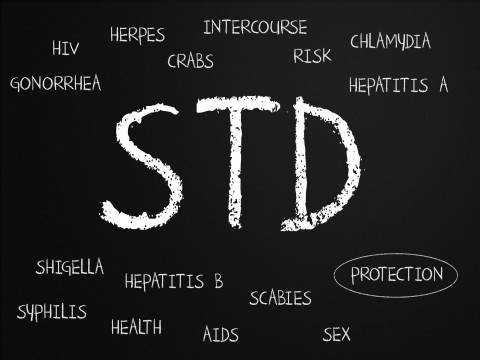
How to talk about STDsThese are dangerous times that we live in. Just the sheer number of people affected by sex related problems, diseases and conditions all over the world is simply terrifying. AIDS, venereal infections like syphilis and gonorrhea, herpes, HPV etc. are rampant and it calls for some responsible sexual behavior. However, that's a utopian world where humans will be monogamous and will behave responsibly. Even single people might get exposed to these diseases through indulging in risky sexual contact. Imagine doling out $750,000, as a woman in the US got from her husband because he gave her herpes. Even if you are not held legally accountable, what about moral responsibility to own up and discuss a possible STD infection with your partner! Take the case of Jack a happily married man for ten years who had casual sex when out of town on an official trip. He showed no obvious symptoms of any infection but in a month, his wife showed signs of herpes and his marriage crumbled as his wife struggled to come to terms with her husband's obvious infidelity and his callous manner in exposing her to a serious sexual infection. Call it ignorance but sometimes a person might engage in sexual intercourse and contract a disease which he might even not be aware of until the symptoms start appearing. (Refer article on Syphilis on www.topdoctorsonline.com) By then, he might have, in all probability, passed it on to his regular sexual partner or spouse. Or perhaps, there is another possibility that the person knows that he has contracted a sexual infection but doesn't know how to break the news to his partner.  If a person is aware of his infection, yet exposes another person knowingly, it is akin to premeditated murder. Yes, it is going to be a difficult thing to tell your partner which might even signal the end of the relationship or cause severe strain on it. So, if you are caught in a situation like this, what would you do? The option would be to visit a sex therapist and confide in him and then take an appointment for both and let the professional break it to the partner. That is of course if you are in a stable relationship. For those who both party to casual sex, the infected person generally won't be that open about his infection and may even choose not to care particularly if the other person is a complete stranger. A report in MedlinePlus news reveals some more shocking statistics: Many people said they occasionally, rarely or never got tested before having sex with casual partners (50 percent) or long-term partners (39 percent). Of the people who did discuss STD testing, very few discussed concurrent sexual partners or when partners' testing occurred in relation to their last sex act. Only half explained what types of STDs their partner had been tested for. These issues are important components of assessing STD risk, the researchers said. About one-third of participants reported telling a partner they didn't have an STD even though they hadn't been tested since their last sexual partner. One U.S. woman was awarded $750,000 in court from her ex-husband because he gave her herpes, and the legal trend is to make people accountable. (http://www.dummies.com/how-to/content/how-to-talk-to-a-partner-about-stds.html) Remember even wearing a condom is not a 100% guarantee that the infection won't pass on to the other person but that's the least that you can do if you don't have the courage to spill the beans about your condition. If you feel that your partner may be indulging in sexual activity with multiple partners and if you feel he might be infected, then you are well within your rights to decline to have sex with him until he/she gets tested. If you notice sores around the genitals do not indulge in oral or anal sex or any kind of sex and insist on a condom always; it could save your life.
FAQS
T&C FAQS