Home
The moody man - Mood swings in menMen, such jokes on a woman's monthly mood swings are passe. Recent research proves that men are equally prone to have mood swings. Have you experienced a myriad of emotions? Angry, irritated, feeling helpless, self-pity, an irrational urge to throw things and cry and be depressed all at the same time? These are signs of mood swings. And the point of interest here is that you don't have to be a woman to experience mood swings. Men face their share of mood swings too! Men undergo hormonal influence too. And like women this causes them too to be irritable and cranky. The difference here is that the hormonal fluctuations are not as severe in men as in women. So the mood change lasts for a lesser time compared to a woman. Men's moods are also affected by psychological and physiological stressors. So a man who has to work against time to meet a deadline will be very irritable. A man who is deprived of sleep will end up snapping at you for no apparent reason. The myth that men don't cry, is something that men take to heart. Men are emotional beings and it is okay to show some of the emotions. The male stereotypical image is such that if a man is expressive of his emotional side, he isn't considered macho enough. Hence men tend to internalize their emotions and feelings. Often this leads to chronic depression. Taming the mood swings. Any form of physical exercise helps keep the mood in balance. This helps in keeping the aggressiveness under check. Sex is also a great way to release the stress and feel better, rather than snapping and using profanities. Another helpful way is to ask yourself 'why'. Whenever you feel that you are doing something irrational or out of character, ask yourself why. The answer you get from yourself will help clear the situation and you will end up handling it in a mature fashion. The irritable male syndrome. This is the male equivalent of the female menopause - The Andropause. It covers the symptoms seen in middle-aged men that occur due to the drop in testosterone levels. Like women, men show mood changes, bouts of irritability, grumpiness, hypersensitivity, anxiety and frustration. The recent research on men having mood swings and the society's acceptance of these findings is very encouraging. It helps stress in the fact that men are emotional too. There is nothing anti-macho about a man crying his heart out at times. It only shows he is human, after all.
Preparing for fatherhoodFrom the time you decide to go for a baby, all the attention is concentrated on the mother-to-be. And this is not without reason, since she is the one that's going to bear the child for the next nine months. But that doesn't mean that the man's role is any less important. It is important for the father-to-be to ready himself for the next phase of his life. Following a healthy lifestyle Fertility is a growing problem. As per statistics more than 45% of infertility issues are related to men. Therefore, eating healthy food, exercising and living the healthy way will boost your chances of getting over these problems. Nutrition has an impact on the sperm production. So scrap the junk food for a while and get on to a healthy lifestyle. Men need to get at least 12 to 15 mg of zinc each day. Even short-term zinc deficiencies can reduce semen volume and testosterone levels, much needed for healthy sperms. Good sources of zinc include baked beans (a one-cup serving has 3.55 mg), nuts, cereals, seafood, and chicken meat (2.38 mg per three ounces). Regular intake of vitamins and calcium is a must to improve male fertility and prevent sperm defects. Natural sources of calcium such as fat-free milk and curd can be consumed. Get atleast 90mg of vitamin C daily. This boosts immunity. More will be needed if you smoke. Folic acid is a fuel for healthy sperms. Dads need 400 micrograms of it and green leafy vegetables are good sources of this nutrient. Dads-to-be can take the liberty to grab the extra cup of mocha. Caffeine may help men by stimulating sperm motility. Quit smoking and drinking The party's over for your partner once you start trying for a baby, but what about you? Same goes for men. Now is the time to stop smoking, and to stop any excessive consumption of alcohol. A man who smokes has a lower sperm count and a misshapen sperm, incapable of creating a child. Heavy or binge drinking can seriously affect ability to produce quality sperm. Exercise Add exercise session to your daily routine if you aren't doing them already. Exercise improves general health, stamina, and sperm quality. Start with walking for 15 minutes and increase it gradually if you have never exercised before. If you are trying for a baby, avoid exercising in tight-fitting briefs. It causes damage to sperms. Frequent sessions in a sauna or hot tub, long bicycle rides, or any such activity that could cause the testicles to become overheated can compromise the health of sperm and should be avoided. Medical examinations It is a good idea for the father-to-be to have a complete check-up to assess if there are any issues that need to be addressed before trying for a baby. Some conditions to watch out for include: Varicocele, a condition of varicose veins on the scrotum, the sac of skin that contains the testicles. It can lead to infertility. The condition is entirely treatable, so talk to your doctor about the options. Conditions like erectile dysfunction, diabetes, and prostatitis can cause infertility. Sexually transmitted infections, which may cause male infertility. Your doctor can help you get tested and treated. Your doctor can refer you to urologist or a male fertility specialist if you need additional testing or treatments. Remember to discuss possible hereditary birth defects with your doctor. Share with her the medical history of yours and your wife's family. Get finances organized Plan a baby budget. You surely want to give the best to your child. Start planning now. Consider expenses like baby food, diapers, toys, doctor visits, clothes, and day care. This will help you in the future. And this is the perfect time as you are just in the planning phase of baby making. Take advantage of this time before the baby arrives to get things in order concerning your job, insurance and budget plan. If you and your spouse discuss and agree on expectations, goals and strategies now, you can avoid arguments on money later. After all, you don't want baby to pick up on any tension. Dump your stress Chilling out can increase your potency. So the 'go for a holiday' advice actually works. Practise regular meditation or any exercise that will help bring down your stress levels. Try reading books on fatherhood or parenting and learn tips and advices well in advance. So gear up and start preparing for the change from being the coolest dude to the coolest dad.It is your responsibility to help your partner in all possible ways and make her feel that you are equally excited and keen for having a baby.
Smell like roses, without the thornsYou bathe regularly and use the best possible deodorants, underarm anti-perspirants, panty perfume but the bad odour just doesn't go away. Pat yourself dry Very often you have a leisurely bath with scented bubbles and what not but when it comes to drying your body thoroughly, well you just pat yourself quickly, for you are in a hurry. The moisture on your body then attracts bacteria with fungi and they cause that embarrassing mouldy kind of stench on your body. So make sure you dab yourself thoroughly dry all over your body. Especially in places like the lower back where it is difficult to reach without some really flexible shoulder joints. Use the archer's swipe (The towel extended between the right hand over the head with  the left hand extended back to form the bottom grip, which looks like an archer reaching for a bow from the quiver). In case you are endowed with love handles and folds of fat then be generous with the patting, as those are the parts most susceptible to host bacteria. Change clothes often If you wear the same set of clothes and lingerie then you are surely going to have an odour which is lingering. So for those ladies who occasionly wear the same set of clothes without washing, the sweat is going to accumulate in there and raise a stink. Remember the Celine Dion song? It's a new day, a new start! Menstruation + Stress = Bad smell There is nothing that you can really do about your periods. Instead, try and be a little more extra careful during those 4 days. You can have an extra jab at the deo bottle or perfume lotion. However stress, nervousness and fear also leave chemical traces which come out along with the sweat. This adds to the bad odour. Humble pie for dessert? What you eat also affects the way you smell. Go easy on the garlic, onion rings and fish for they can make you smell slightly worse than an open sewer. Always rinse your mouth after eating and use a good minty mouthwash if at all you choose to pepper your meal with onion and garlic to ward offthe evil eye. You can add conditions like diabetes to cause a fruity kind of odour. Well in that case make sure you exercise regularly so that the skin sweats out the toxins. In case you are the extra-sweaty types then use medicated soaps or ensure you use steam baths regularly to keep your skin pores open.
Ageing gracefully and happilyEverywhere we look there are constant reminders that we are growing old each passing day. There are creams that tell us that will make our wrinkles vanish and make us look younger. There are hair care products dyes that claim to cover our grey hair so that we can look and feel young. Our doctors tell us about how we have to take care of all our body parts to keep several diseases at bay in the old age! It is a rare and difficult attainment to grow old happily and gracefully. Is there anything good about old age? It doesn't seem so, going by the look of things. Here we give you 5 reasons that will make you look forward to old age! Old age is the happiest time in life: You are constantly living life to the fullest when you are young. Survival is your prime priority. You work hard to keep yourself and your family happy and financially stable. Too many responsibilities bog you down. Old age is the time when there is nothing of this sort. You are retired, free from all responsibilities. You have passed the baton to the younger lot. Now is the time to sit back and enjoy. Now is the time to relax and do the thing you always wanted to do. Imagine living with not a care in the world? That is old age for you. Old age is when the brain functions the best: It is a proven fact now. It was believed that we lose more brain cells as we age. Now it has been proven that our cognitive functions peak between the ages of 48 to 60. Old people make the wisest and toughest decisions quickly. People may call them worldly wise. Have you ever given a thought to how all the judges are old men? And how when someone says the word 'wise' the picture formed is usually of an old man with a beard? No more fashion policing: When you are young, there is a lot of stereotyping involved! Going to a board meeting, wear formals? Going for a lunch meeting, wear something that is suitable keeping in mind the place. Are you at a certain position in life? Dress accordingly! So many restrictions! Old age comes with none of this. You can wear what you please and no one will really mind! Only when you actually get to do it will you realize how much f a relief it is! Relationships improve: According to a 2011 study; married oldies are more satisfied and positive about their marriages than young couples are. Arguments involve less anger, and senior spouses show more positive emotions and affection than middle-aged couples. It's not only marriages, however, that benefit in older age. Seniors also seem to be happier with their other social relationships too. They have a smaller but closer circle of friends and gain more benefits from these close, emotional bonds. Old Age makes you feel better on the whole: You have lived life to its fullest, your kids have now flown the coop and you have seen it all. As you age, you start feeling better about things in general. You look at things more positively and make the fullest of every situation presented to you. You live in the moment and are not worried about future repercussions. Old age is a happy place to be. Look forward to aging positively.
Activities to help your toddler talkWe understand how eager parents are to talk to their kid. They want to hear their soft voice and babble talks. So start teaching them as soon as possible to help them to speak fast and clear. Here are some activities which will help you to teach your kid to talk. The playful ways: The best way of teaching your kid to speak is to, well,play. Most of the learning is done through playing. Be a child with your child. Act playfully foolish --kids enjoy that a lot. And when the kid is happy and in playful mood, they try to talk. Building vocabulary: Use a word in more than one sentence to make them understand the meaning of the word. For example, 'The color of leaves is green' and 'Your father is wearing a green colored shirt.' If the kids hear a word used often in different sentences, it becomes a permanent part of their vocabulary. Give them practical examples: Teach them the names of the things they see around. Or get actual objects and be descriptive to teach them the name of the object and talk about the object's features. Use a toy phone: You must have seen kids trying to talk over phone to their dads or friends. They try to copy you the way you talk over phone. It can be a great way to teach them to speak. Pretend that you are talking to the kid's dad or grandparents, and pass over the phone to the kid and encourage them to chitchat over the phone. Story telling: Kids listen to the stories very carefully. Show them the pictures in the storybook and describe them with the story. Then repeat the same story the next day. Ask your child if she/he remembers what was there in the story by showing them the picture. Help them if they get stuck. Sing together with the child: Music is another amusing way to teach the child to speak. Listen to a song, sing and dance along. Encourage the child to dance and sing with you. Children are great at learning lyrics of a song. Reward the child on completing a task: When you reward the child with his/her favourite toy or snack, they understand the benefit of performing the task. And they take effort to get the reward. Ask your child to recite a poem for you, or speak a certain word or sentence and entice the child by showing him the reward he will get on completing the task.  
Your child is ready for school... but are you?It was still okay. Just 2-3 hours which you could utilize for other things while your child was away briefly. Now you will have to compete along with teachers, textbooks and homework for your child's attention. Well Mother, we know this is going to be difficult for you, but let's see if we can try and make it any easier. Think of school as an extension of the tender loving care that you provided. The only difference is that the TLC will go towards nurturing and developing his/her brain and help it learn important skills which will help gain a balanced development. At this point your child feels bad and completely unsafe in this new hostile world of teachers and uniforms and what not! If you weaken at this point your child will cop on and then will come the emotional blackmail. So explain the importance of school to your child as it will make the transition easier. It is always good for mothers to accompany their children to school but imagine watching mother walk away and all hell can break loose. So if your child's school has a school bus facility you can walk him to the bus stop and then say your goodbyes there. A lump in the throat at the bus stop is preferable any day than a scene at school with a child holding on to mother for dear life. Do not criticize your child's school or assignments given by them as children can catch on quite quickly and that can be reason enough for them not to concentrate on school activities. Always encourage your child to talk about what he did at school and ask him questions about his friends and teachers. This gives the impression that school is as important as home and gradually even you will reconcile yourself to the fact that school is here to stay.
Causes and treatment of sleep talkingIt is usually believed that sleep talking is associated with dreaming, but there is no scientific evidence available to support this hypothesis. In few cases, it may be associated with sleep disorders or any other diseases. Sleep terrors and REM sleep behavior disorder (RBD) are two sleep disorders associated with sleep talking. Sleep terrors are associated with frightening scream, kicking, and thrashing. It is commonly seen in children. Awakening becomes difficult during sleep terror. Patients with RBD utter a sudden loud cry, grunt, shout, or act out their dreams, usually violently. Other causative factors of sleep walking are emotional stress, mental health illnesses, substance abuse, fever, and certain medications. Treatment: Evaluation of the patient Patients with sleep talking should be evaluated by a specialist doctor especially if it is seen in adults or associated with violent actions, screaming, or intense fear. If children with sleep talking have disturbed sleep pattern, they should be evaluated by the pediatrician. The doctor asks questions to the parents, roommates, and bed partners about the nature and the extent of sleep talking. There is no definitive treatment available for sleep talking, although the doctor may test to record the sleep pattern of the patient to identify any sleep disorder. This test is known as polysomnogram. Management Sleep talking usually does not require treatment. Avoidance of stress and plenty of sleep at night may help to decrease sleep talking. However if any sleep disorder is identified by polysomnogram, it is treated accordingly by the doctor. If underlying causes like mental illnesses, substance abuse, or medications are identified, they are also managed accordingly. Mental illnesses like depression should be treated with proper counseling and medications. The patients should refrain from alcohol, heavy meals, fatty meals, etc. The patients are advised to follow regular sleep schedule, get adequate amount of sleep, and practice proper sleep hygiene so that severity and frequency of sleep talking is decreased.
Afraid of the dark? understand your fear and cure it!Scotophobia, more commonly known as Nycotophobia, is a psychological illness, where the patient is afraid of the dark. Children are more prone to this fear, though it does affect quite a few adults as well. The dark often represents insecurity and uncertainty to children, and it symbolizes their entrance into an unknown territory. If the children are alone during their first few encounters with darkness, the absence of parents (who exemplify safety), tends to amplify this crippling fear. While most of us do actually possess this fear in relatively small amounts, as we grow up the fear diminishes. However, there are those of us who might carry this fear of the dark into their adulthood and in such cases, the fear is usually accompanied by quite a few intricate issues. People often tend to externalize a set of conflicting feelings about a certain situation, towards something else. For instance, you might be worried about your children; but your mind may externalize this fear, via your inefficiency at work. This process is called externalization. So, when it comes to the root of your fear of darkness, it is possible that at some point in your past, you experienced something untoward, which through externalization, inculcated this fear of darkness, deep into your psyche. Evolutionary Ties to Darkness: Many scientists have pointed out that this phobia might be linked to the process of evolution. Since predators hunt for their prey at night, we might have inherited this fear of darkness from our ancestors, who believed that darkness was a space where they could be attacked by wild animals. However, recent studies have shown that  Scotophobia begins at approximately the age of two in children, and thus, it cannot be said to be innate to us. In a study done by Ryerson University involving over 90 students, it was found that people who are afraid of the dark, are more likely to be poor sleepers, than those who are not afraid of it. More interestingly, it was discovered that any kind of noise made while the people with this phobia were asleep, frightened them the most.. Symptoms of Scotophobia: The first symptoms of this fear are the resistance to visit dark places and the yearning for company when such situations arise. However, many a times adults who are suffering from this fear, do not reveal it due to the added fear of embarrassment and this, sometimes, results in outbursts of rage when they are forced to go out for an event at night, or to confront the dark under any such circumstances. A person battling this fear may experience panic attacks, sweating and trembling prior to, or while staying in the dark. The blood pressure also rises, accompanied by chest pain and lastly, a difficulty in breathing. Diagnosis of Scotophobia: In children, this fear can be easily verified by their behaviour. However, adults might require further assistance, due to their natural resistance to openly admit to such a fear. Scotophobia can be diagnosed through a comprehensive psychiatric evaluation. Following this, your psychologist would be able to give you an idea of the source of your fear as well. Pursue a course of treatment immediately after the discovery of the phobia, which will ensure a faster and more effective recovery. Treatment of Scotophobia: The process of 'desensitization' is most commonly used to help with such a phobia. In this form of treatment, the patient is slowly exposed to the object of fear, in a situation where she/he will not feel vulnerable. This is done by asking the patient to confront the dark along with another individual who symbolizes safety for him/her. This could be a parent or a friend. Night lights can also be installed to gradually reduce the fear. You may try certain breathing exercises, which will reduce the panic attacks that accompany this fear. Hypnosis has also been said to be very effective in dealing with this phobia. If your psychologist sees fit, you might be also prescribed some medicines; antidepressants are given in some cases. Joining a self-help group is also a good option, in addition to your psychological treatment.  

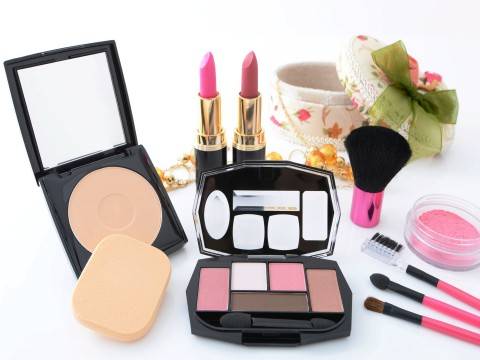
10 Makeup myths bustedMyth 1: You do not need Primers if you have evenly applied foundation and moisturized your skin well. Fact: Primers are basically used to fill your fine lines, reduce the visibility of your pores and keep your foundation looking fresh and radiant, for longer. With age, your skin develops its natural flaws and the use of primers becomes mandatory. For best results, use your primer after moisturizing your facial skin and before applying your foundation. Myth 2: Red Lipstick does not look good on everyone. Fact: Generally, red can look good on everyone. The trick is to find the right shade of red that suits  your particular skin tone. However, to play it safe you may start using red lip colors with blue undertones, as they look good almost on everyone. But remember, learning to apply lipstick the right way, is just as important for the right effect. With just a little patience and practice, you can surely achieve those red hot lips, you've always dreamt of. Myth 3: Foundation should match your cheek, hand, neck or forehead. Fact: Getting the perfect shade of foundation is one of the toughest tasks, while choosing your makeup products. Your facial skin is much lighter than your hands; yet at the same time, it's a tad bit darker on the sides and forehead. Hence, the best way to select a foundation is to check the stripes on your jawline. But, always remember to step out into the natural light while making this crucial decision. Myth 4: You can change the lip-size using lip plumper. Fact: Ok Ladies, a lip plumper will definitely not change the size of your lips. The way they work is that they give your lips a swollen appearance, by stimulating the blood flow and irritating the lips. The main ingredients in a lip plumper are hot pepper, menthol, caffeine and cinnamon which results in the temporary pronounced pout, which soon wears off. Myth 5: Pumping the Mascara eliminates Clumps. Fact: If you pump your mascara tube, you're actually pumping in more air, due to which the mascara solution dries out quickly and allows germs to breed in your mascara. The best way to eliminate clumps is to rotate the brush inside the mascara tube and then wipe it down with a tissue, before application. Myth 6: Never wear an eye shadow matching the color of your eyes. Fact: It is true that if you use contrasting colors, your eyes will pop and look bolder. However, this does not mean that if you have brown eyes, you avoid your favorite brown eye shadow. Myth 7: Choose a concealer that is lighter than the foundation. Fact: Every woman has a different skin tone and depending upon your skin tone, you might need more or less, foundation coverage. So, it is always better to choose a concealer that comes closest to the shade of your foundation. Myth 8: Always choose a foundation that is lighter in color compared to your skin tone. Fact: If you choose a shade of foundation lighter than your skin tone, after a while your face will start showing two different skin shades. Always, test the foundation on your jaw line and if it blends in seamlessly with your skin tone, that's definitely the right shade for you. Myth 9:  Makeup leads to acne. Fact: No research, until date, has conclusively proved that makeup causes acne. Poor hygiene, sleeping with your makeup on, not cleaning your makeup brushes regularly, and using the products beyond their date of expiry is what leads to breakouts on the skin. New products may also cause skin irritation; which is why, it is better to test them on your elbow, before using them directly on your facial skin. Myth 10: Tingling makeup products are perfectly fine. Fact: Makeup products that make your skin tingle are sure to damage your skin and cause injury. It may also lead to bacterial infections and pimples, so you should certainly avoid such products. You should never compromise on the quality of makeup products, or else your skin may have to suffer the side effects.
5 tips to reduce your salt intakeSalt is an inevitable part of our food, but added salt has harmful effects on the body. The list of benefits in reducing sodium/salt intake in our diet runs long, ranging from lower blood pressure, in turn leading to reduced risks of heart disease, obesity, and diseases of the kidney. The daily sodium intake of an individual should not exceed 1500-2300 mg per day (a table spoon of salt approximately), and this needs to be maintained in the salt added to our food, including the processed food and drinks we buy. Sodium, an indispensable component of our diet, is consumed in excess by most of us. Follow the tips, as mentioned below, to curb your daily salt intake. Avoid added salt. Do not add salt to already cooked food while eating. Keep a diary and make a list of foods with salt in them that you eat daily. Do not forget to add pickles, spices, papads, salted biscuits, and salted nuts. All of these are highly loaded with salt. Next time you go shopping read the labels. Choose low-salt options-sauces, crackers, khakhra, instead of papad. Make an attempt to eat less canned and processed foods. Choose fresh fruits and vegetables over processed food. Eat less bread. Each bread slice has about 250 mg of sodium. Do not mistake bread to be healthy. Next time, keep this in mind when you go out to eat pizza. Pizza base is like bread. While cooking food, make it a point to add salt only towards the end in the recipe. This way you will need to add lesser salt. Sodium content of some foods Bread (one slice) - 250mg Cheese pizza: 450 - 1200mg Tomato soup: 350 - 1000mg Potato chips: 100 - 150mg
Adrenaline rush - Feel it inside!Imagine yourself at a great height, either scaling a dangerous cliff-hanger of a rock face or on a bungee jumping platform. Some of us who have had the pleasure of doing high adventure sports like racing or indulging in perilous activities like giving out an acceptance speech for the first time are well aware of that strange feeling in the solar plexus, the clammy hands and intensely thudding heart, and the rush of blood to the head just as you are about to take the plunge! The heart beats faster than ever, breathing goes rampant, the senses seem to become supercharged, and the fear, the joy, and the excitement meddles with the mind. That’s adrenaline rush! So what do you want to do? Fight? Or flight? Either ways, adrenaline does it for you. Speaking medically, the two small adrenal glands on top of the pair of kidneys release a magic chemical that gives the animals way towards the fight-or-flight response to counter certain high-intensity situations, called adrenaline or epinephrine. The chemical entity is a hormone, a neurotransmitter as well as a medicine and is too complex to explain its behavior. However, when it works the heart pumps out the blood to the excited muscles and all the juices surge up inside the body. There is more to this topic than just the physiological mumbo-jumbo. The hormone acts every day in the normal course of life, but not regularly to the extent when it produces side effects such as shakiness, palpitation, high anxiety, and profuse sweating! Thats kept for special situations like physical threat, excitement, bright lights, noise, and really high temperature – in good or bad ways. Let us surf through some of the rewarding and a few of the nasty situations where the jolting juice takes charge of our body! The Good ones: Countering Stress: In extreme stress conditions like accidents or fracture, the body needs to react fast and is at its highest awareness. Adrenaline keeps the muscles up and kicking to help the victim fight with the stress. High Energy Requirement: In majority of sports, more specifically in contact sports like Rugby, Boxing, Mixed Martial Arts, etc., the player needs to be in his full sense and topmost concentration level. The adrenaline rush runs in the background to keep them at their extreme self. The Push Mode: Often the daily chores aren enough to excite us and we tend to search for some adventure. In such pursuit of excitement, there are times when the road is a dead end or there is only one way forward – the impossible or most difficult one! The hormone pumps the brain both ways with fear and with the push to conquer the fear and proceed. Adventure Sports often sounds fun, but at times when running ahead of a raging bull, or hanging off a cliff, or rafting down the rough waters of a cascade – feels like the heart shall come out and scream!! It is the rush of adrenaline that keeps one ahead of the fear and explore the high-energy fun of winning over it. Life Saving Moments: In cases of life-threatening emergencies such as drug overdose, cardiac arrest, or pulmonary failure, where the heart and lungs suddenly cease to function and the body gets into a shock –– the epinephrine shots are considered as a life-saving medication to bring the patients back to life (only to be used judiciously by a qualified medical practitioner). The important medical use of adrenaline is in treatment of acute anaphylaxis and allergies under medical supervision. The Bad Ones: Disorders of the Adrenal: Tumors and cancers of the adrenal gland can cause hyperactivity of this high-performance hormone affecting the normal functioning of the heart and the blood vessels by increasing heart rate and creating anarchy in the body systems. Over-Stressed Adrenaline Rush: The demand-supply mismatch in the present world scenario requires one to perform at his/her epitome of mental and physical strengths. In that constant urge of performance, the brain and the body is stressed out so intensely that the adrenaline surge symptoms are experienced by the individual even in the absence of threatening situations. Sudden sweating of palms, shortness of breath, pounding heartbeats, or chest pains without a justifiable reason can be a result of constant stress.
Flash the pearliesRemember the lines from the song, Words? Smile an everlasting smile, a smile can bring you near to me.  Well, ideally, you wouldn't want your teeth to be yellow when you flash that smile. So for those who have shades of yellow on their teeth, here's how you can go back to white. It's first important to understand what causes yellowing of the teeth. Eating habits: Carbonated drinks dissolve teeth enamel. Tea, coffee and other caffeinated drink stain the teeth yellow.In addition, alcohol and cigarette smoking too can stain teeth. Tobacco chewing especially produces stains that are difficult to remove.Food rich in artificial sweeteners are harmful for teeth. They not only make the teeth yellow but also produce cavities. Chocolates, pastries, ice-creams and all such sugar-rich foods are sticky. They stick to teeth and have corroding effect on tooth enamel and dentin and cause yellow teeth, decay and toothache. Oral hygiene: Poor hygiene of oral cavity leads to stains and caries. Take good care of your teeth. Brush teeth twice. Floss them and use a mouthwash. Ageing: Gradual loss of enamel and wear and tear lead to yellow teeth. Medicines: Medicines like iron tablets, tetracycline too can lead to yellow teeth. Injury: Trauma to teeth can sometimes lead to yellowing. This is common amongst kids. Preventing yellowing of teeth Maintain a good dental hygiene. Brush twice for atleast 3-4 minutes. But be gentle while brushing teeth. Gargle every time after you eat.This removes the leftover food particles and keeps the teeth clean. Avoid use of local powders or corrosive substances. They damage enamel. Fruits like apple, cucumber, and carrot act like cleansing agents and keep teeth clean. Fruits like sweet lime are rich in vitamin C and help to keep gums and teeth healthy.
Sex at 50 for womenAs you age, your reflexes slow down. The passion to love and to be loved is never dying and just because you have grown in age, you should not stop enjoying sex. The body, especially in case of women also undergoes many changes after the menopausal period. Although it may take you more time to become aroused but the desire to have sex is always there. Moreover, with no children and no worry of getting pregnant you can enjoy sex uninterrupted without any tension. Women who continue to remain sexually active after their menopause retain their ability for enjoying normal orgasms. But this does not mean that there is no difference in the enjoyment factor. Several factors can be detrimental in continuing sex activity. However, there are solutions that can help the couple in their fifties still enjoy sex. Better sex can be possible even during the fifties but for this, you should be ready to take some extra efforts and make your body more comfortable for sex. Using lubrication After the menopause, the body of a woman starts producing less female hormone-estrogen. Lower estrogen level leads to physical changes such as less elasticity of vagina, dryness in vagina and so on. Your vagina may also take more time to swell and lubricate; in turn making intercourse painful or uncomfortable. Instead of getting discouraged by such occurrence, you should try to find out a remedy for it. For overcoming the dryness of vagina, you can use different sexual lubricants that are specifically prepared for the older women. You get them in suppositories or gel forms, which you apply liberally to the vaginal area before having sex. There are certain vaginal moisturizers also available in the market that makes vaginal penetration easier by maintaining elasticity and lubrication. Increase the frequency The more often you have sex, the easier it is for you to maintain elasticity and lubrication. So, go for it more often to enjoy it more now. Hormonal therapy treatment If you are suffering from distressing menopausal symptoms like hot flushes, you can opt for hormonal therapy treatment. This will help to relieve the vaginal dryness. Some doctors also suggest local intra-vaginal therapy to avoid discomfort and dryness during penetration. Application of local estrogen into the vagina enhances the blood flow to this area and ensures more sensation and lubrication. Intra-vaginal estrogen treatment This treatment is carried out in three different ways: A small ring of silastic is inserted high inside the vagina and is kept there for three months. This ring release estrogen in right amount to promote optimum vaginal health. A small tablet of estrogen is inserted inside the vagina twice in a week. Conjugated estrogen cream is applied with small applicator twice in a week. So, there are different methods for increasing responsiveness, vaginal lubrication and elasticity that help you enjoy sex better even in your fifties. Overcome awareness about your body The body of women in fifties is saggy and wrinkled. However, if you have a young heart and passion for sex, you should not let the body image spoil your enjoyment. It is your response towards your partner that matters the most as both of you are going to age slowly and get more wrinkles as the age progresses. Like someone said, it's the imperfections and not the perfections that we fall in love with.
Sex after 40Sexual changes in normal aging after 40: Erection takes longer time Require manual stimulation, particularly by partner Erection may subside during foreplay or coitus Decreased frequency of nocturnal erection Pre-ejaculatory fluid decrease or absent Ejaculation less forceful Seminal fluid volume decreases or absent Frequency of desire for sexual release decreases with age. Aged couples learn to cope with their own sexuality. Some are happy with foreplay and self masturbation, others insist on more usually it is the male. Frequency of sexual intercourse between 20-95 years : Sexual intercourse decreases with age as the study shows. Decreased during 5year interval after 34 years Weekly frequency: 30 - 34 years 2.2%; 60 - 64 years 0.7%; 65  - 74 years 0.4%; 75 - 79 years 0.3% Do we need to change this pattern with Viagra? I would say yes - sex can be  joyful till the last days. Nobody needs to be impotent now. Home devices like rubber bands, ribbons are also used to hold the blood back in the penis when the erection is not adequate. Vacuum pump to draw blood into penis with an application of a ring after erection is also found suitable by some. Active intervention by drugs (both allopathy, ayurvedic and unani) have been successfully developed. They may be applied topically (minidoxil), inhaled (amyl nitrate) inserted into the urethral passage, injected into the corpus cavernosa or taken orally (Sildenafil, Tadalafil, etc.). Finally if all fails silastic rods can be implanted in the penis to give permanent erection. The joy of living lasts a life time.
FAQS
T&C FAQS