Home
Aging milestonesChanges in old age depends on attitude as much as person to person. In young old age some changes begin to take place in a person’s appearance. Wrinkles, warts, age spots begin to form on the body. Hair begins to thin or becomes grey and even height lessens because the bone density decreases. While in ‘old‘ old age these changes are already permanent. Men might look distinguished if in good health, but women all look grandmotherly. In ‘young’ old age, cells begin to decay and muscle mass declines and immunity is no longer as strong as it used to be. People lose energy as the age progresses.  ‘Old’ old age brings in a lot of physical decline, profound changes in appearance and motor abilities, as also in sensation. Skin gets less elastic and becomes thin and blood vessels can break under the skin. The senses also begin to become dull. Eye lenses get affected and color perception and reading ability becomes very low. Hearing loss may lead to paranoia and ‘old’ old age people begin to think everyone is plotting against them because they can’t hear properly about what others are saying. Sense of smell also declines, but the taste remains almost intact. In ‘young’ old age, reflexes also slow down and so do the motor abilities. By the time they reach ‘old‘ old age most adults find that their response time has become quite reduced. This can be seen most in driving situations where it is difficult for ‘old‘ old aged adults to operate their vehicles as they have poor spontaneous responses. The ‘young’ old adults do not lose as much of their motor abilities as the ‘old‘ old adults, especially when holding small things like needles and pins. Of course, there are changes in sexuality and there may be a decline in the ability to have sex as men may not have an erection and women become dry due to lack of female hormones. Cognitive decline in 40% to 60% of older adults can be arrested with remedial training. Despite all the changes, most people even in their 70s remain comparatively active if they do not suffer any illness. Mental, physical, and social activity is necessary to maintain the quality of life. Old people begin to withdraw from work and other important roles and allow the younger people to take over. They are a lot happier as is also advised in Vedic literature as vridhashram. While activities are important, disengagement is equally important. Memory loss becomes aggravated and other cognitive abilities begin to decline and there are many ‘old‘ old adults who get Alzheimer’s and lose the ability to look after themselves. Old people also dwell on questions of death and sometimes go through a phase of denial and then anger that they have so little time left. Acceptance of death comes, but after a struggle and the idea of losing the family saddens them. Old people require support in their declining years as they begin to lose their faculties.
Too much of these can be detrimental to healthModeration is the mantra for everything in life. There are a lot of things in our daily life that we do. Excess of these can be detrimental for your health. Let's see how: Television, Laptop, Mobile: That screen is torture for your eyes. Looking at the TV/ laptop/ mobile screen for too long can cause dryness of the eyes. It also makes the mind dull and inactive. Even though you have not done anything much, you feel tired. It is also unhealthy for your social and personal life. Gadgets are meant to add convenience to your life, and not alienate you from real people. These also lead to sedentary lifestyle which further triggers obesity, hypertension, diabetes and other chronic ailments. Travelling: Many of us travel for work, for education. Frequent meetings are a part of work life. Some like to holiday a lot. But too much traveling upsets routine for the body. It changes schedules too often, adds new stressors to an ordinary day. Food options also get limited and sleeping patterns are influenced. If your job demands excessive travel, make sure you consciously put an effort to choose a healthy lifestyle when away from home. Worrying: Worry is unavoidable. Think of a day you did not worry about anything, isn't it difficult? Normal stress is a part of life, but if you are worrying too much, you are weakening your immune system in more ways than one. It makes you weak, susceptible to infections, prone to lifestyle diseases, and also affects your social life and relationships. Vitamin supplements: Supplements are not your daily diet. Have them in moderation and with due consultation from a doctor. Some vitamins get stored in the body when taken in excess quantities. This can result in condition called as hypervitaminosis and various health problems. Exercise: Body is not a mechanical machine that can keep functioning at the click of a switch. Even a machine needs oiling and repairs. If you love to exercise, that's great. But don't do it all day. Too much physical exercise is strain on the body. It can lead to muscle exhaustion, weakness, breakdown and may even damage the kidneys. Sleeping: Sleeping is the rest the body needs but too much of rest means rusting. Oversleeping makes you dull and may even trigger your migraines. It annoys the body clock and may create metabolic disturbances Social Networking: This is not good for your mental health. Those two hundred friends who like and comment are not your world; the one whom you call when you want to cry is your friend. Posting images and sharing updates on social media is fine, but it is more important to talk to those who live with you, who are physically around. Many peer pressures and image issues also arise from excessive social networking and people may tend to live in a 'make believe' world.
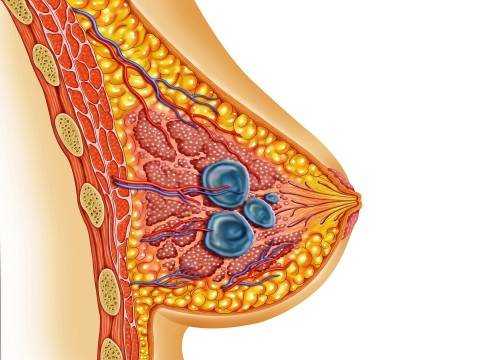
Breast lumps- myths busted!The rise in the occurrence of breast cancer in women, since past decade or so, has made women, especially in the urban areas, very cautious about lumps in their breasts. Whenever there is a small lump in the breast, the first thought that comes to mind, is may be this is cancerous. However, instead of taxing your brain with worries, it is better to take action and consult your caregiver. Here are some of the myths that are regularly associated with breast lumps and the real facts related to the same. Myth: If there is a breast lump, it must be cancerous Statistics reveal that out of 10 cases of breast lumps in women, only 2 are cancerous. More often, these lumps are due to fibroadenoma or cysts. In many women, lumps are formed during the menstrual cycle and they go away after it ends. It is not simply possible to tell exactly what kind of lump it is, just by feeling through hands. However, it is important to detect the composition of the lump and to do so at the initial stages, so that if it is detected cancerous, early diagnosis and treatment can save your life. Myth: If your mammogram is normal, you are safe and the lumps are not cancerous This is not particularly true. To detect the presence of cancerous cells, you need to get more tests done; an ultrasound, an MRI and also a follow up mammogram, to get a second view of the lump. Doctors also suggest a biopsy to be 100 percent sure of the diagnosis. If the lumps persist but there is no detection, your doctor may ask you to keep doing the tests at frequent intervals, to assess the development. Myth: Malignant breast lumps do not cause any pain Although breast cancer patients do not suffer from much pain, this does not mean that if you do not have pain, the lump is non-cancerous. There are different types of breast cancers; and in some types such as the inflammatory breast cancer, the patient can suffer from warmth, tenderness, redness and swelling, followed by pain in the lumps. Myth: If you get a lump while breastfeeding, it is not cancerous It is true that breastfeeding reduces the chances of development of cancerous cells. But there is still a possibility and hence you should not ignore the formation of lumps. It is advisable to immediately get an ultrasound to confirm the condition of the lump. Myth: Lump in young women cannot be cancerous Women can develop breast cancer at any age. Hence, if you have a breast lump at a young age, or even if your teenage daughter has developed a suspicious lump in her breast, you should always get it checked, at the earliest. Most often, cancer develops in the breast when women are past their menopause period. But this, in no way means, that they cannot get it at younger age. Myth: Only a larger lump can be cancerous, not a smaller one Lumps in the breasts can be of all sizes; and the size, does not determine the presence of cancerous cells. According to breast-imaging specialist at New York's Manhattan Diagnostic Radiology, Melissa Scheer MD, you must immediately see a doctor, whenever you feel the presence of even a tiny lump, because, a small lump too may turn out to be aggressively cancerous. Most often, the lump in the breast is non-cancerous; however, it is advisable to consult your caregiver immediately, once you discover the lump for the first time.

Bonding with the babyIt is an immense pleasure to hold a baby in your arms, isn't it? The bonding between amotherand her baby starts within the womb itself. When the baby is born, a few parents bond with the baby within minutes. But for others this may take some time. If the baby is taking time to respond to your affections, don't worry, here are some tips to help you with the bonding. Babies respond to the mother by making sounds, grasping, smiling, or crying. Touching, holding, kissing, cuddling, talking and singing help build a bond with your child. Infants prefer a human face to any other stimuli. So face your child as much as possible. The attention span of a new born baby is quite short. Hang a colorful object on top of the pram, cradle,or cot. Your baby already likes toys of different shapes. Various reflexes develop by the fourth week after birth. These include sucking, grasping, searching for the nipple and blinking. Baby may gaze at you some time. Respond by nodding, smiling, and talking to the baby. Babies are sensitive to their surroundings. They respond to music or the phone ringing by staring at it quietly. They observe toys keenly, spot colours and become happy at times. These are heart warming moments for the parents. Father's care usually builds a protective and secured feeling in a child which he carries for life and prevents building of any unreal fears in him in later life. So dads should care for and make their babies feel secure. You love to touch your bundle of joy, right? Babies love, enjoy, and need it as well. Skin-to-skin touch helps growth and development of the child. Mom's touch soothes the baby when he is irritated. Start reading to your child. It is never too early. It helps the development of reading skills and language. Babies enjoy pictures in the book. Even if baby can't understand words, they love to hear the parents' voices. During the first few months, they understand little of it, but they are thrilled by listening to you. Have a short reading session with your child daily.Dads can try this trick to make the baby sleep. Carry her around while patting her very gently on back.
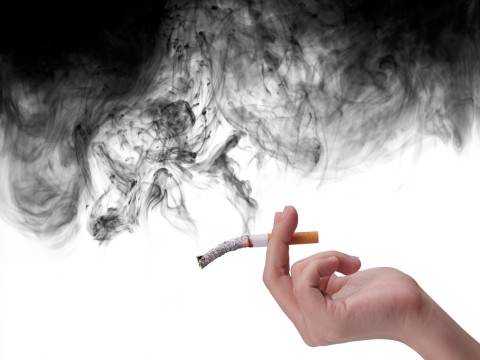
Crossing the smoke screenWhy should someone quit smoking? Smoking is probably the worst sedentary lifestyle habit that we pick up. Quitting smoking changes everything right from the way you feel, taste and smell, your breath smells better and even your cough goes away. Quitting smoking cuts down the risk of cancer, stroke, neuropathy, heart disease and breathing disorders like bronchitis, pneumonia, and emphysema. Not just that, quitting saves money too... just one of the many financial rewards of quitting. Quit Smoking Tips Write down the reasons you want to quit for, and how it will benefit you: for e.g. live longer, feel better, family safety, save money, smell better, find a soul mate easily, etc. You know what's bad about smoking and you know what you'll get by quitting. Read the list daily. Ask for help from your family and friends. Help and support of family and friends without being judgmental helps a lot. You need their support when you become irritable and even irrational while you withdraw from your smoking habit. Set a Deadline. Set a quit date when you will extinguish forever. Prepare a plan. Talk with doctor and take his support and guidance. Exercise. Exercise helps relieve stress and recovers body from damage caused due to cigarettes. Start slow and increase up to 30 to 40 minutes. Begin to breathe. Daily deep breathing for 5-15 minutes will help cleanse the respiratory system and provide more oxygen repairing the damage caused to respiratory system and help cope with withdrawal symptoms. Do not quit abruptly. Cut down on cigarettes gradually. Plan everything about number of cigarettes you will smoke each day till the quit date, reduce the number each day. Buy single cigarette at a time. This helps a great deal to limit smoking. Change brands. This way you won't enjoy smoking as much. Undertake social commitment. Keep your packet of cigarettes with someone else, so that you have to ask for them each time you want to smoke. This way you'll feel guilty about asking and hence smoking; hence lowering the number of times you smoke. Find a mate who is trying to quit. This will boost the morale and keep up the positivity. Try finding a quitting chat room. Learn what triggers desire to smoke - like stress, the end of a meal, arrival at work, entering a bar, etc. Avoid these triggers or if that's impossible, plan alternative ways to deal with the triggers. Now, after you have read this, sit down and write your own list suitable to your personality and way of doing things and create your own plan for quitting.  
Be positive. Here's howAs someone so very rightly said, "We are the sum total of our thoughts". So the more positive thoughts you have, or are capable of thinking, the more positive will be the outcome of your life journey. Here are a few tips to think more positively and empower yourself: Have a daily positive thinking routine. Generally the time when you are just waking up, i.e., the half awake state, is best for you to start feeding positive thoughts about yourself. The mind is more accepting of suggestion at that time. You can just feed your brain with happy and positive thoughts about your situation and what you hope to achieve for yourself and your family. Creative positive visualization is another great method of positive thinking. At a set time, just picture your life in the way you want it to go. This is different from daydreaming. Creative visualization gears you up for action while daydreaming remains just wishful thinking. If you have difficulty in certain areas of your life, say at work or with your relationship, visualize a positive outcome. This will engage your mind in thinking of various action plans to get about that positive result. Positive affirmations are a great way of reminding yourself that all is well. Have patience with yourself as your mind will probably not even believe half the things that you are affirming. That's what affirmations are all about.They are statements that you feed your mind about what you are and what you can achieve. Positive affirmations can help you reprogram your mind to what your heart really desires. Let go. Feel that delicious sense of surrender as you just indulge in mentally letting go of things. As a busy person you probably end up trying to control the outcomes of every situation and feel bad when things don't go the way you expect them to. Remember things can go wrong from time to time. Like you, life is also not perfect, so why expect perfection from others? Learn to let go of that emotional baggage that you are carrying. The weight of the world needn't rest on your shoulders. Collective consciousness is where you should try to tap into. Think of situations where things can go horribly wrong for someone else. Send out a silent prayer for those unfortunate people in this world. Chances are that your prayers just might help some stranger badly in need of a prayer or two. This can only come back to you manifold. Help someone else become a positive person. This can only reaffirm your faith in positive thinking. Positive energy is what everyone naturally seeks and we can for sometime blame our friends or family for being a negative influence on our lives. This line of thinking will get you nowhere. Instead think what's the next best option? Think of how you can convert negative energy or experiences into positive ones. Initially you might meet with resistance, but remember if you are positive then positivity is yours for keeps.
Sleep tight at every good night!A good night's sleep! Oh, what would some of us give for that luxury! Sure, you can blame it on the fast paced world and the things you have to do to keep the competition off your turf, and millions of other reasons to be sleep deprived. Yes, sleeping soundly and regularly is well within our control. Maybe it has eluded you so far and you are caught in a vicious circle of staring at the ceiling for hours on end; so read on to see what simple things you can do to gently drift off in to the arms of nature's greatest restorative- beauty sleep. Do's and don'ts for beauty sleep Fix a regular bed time, so that your brain will adjust to this by sending sleep signals to the body. If your bedtime is completely at the mercy of your activities then even as fatigue sets in the body will refuse to obey. So, even as your body is screaming for rest, the mind does otherwise. This is where good old discipline comes in to play. Take in to consideration the activities which are absolutely necessary to do and note the frequency with which they are likely to interfere with your bedtime before setting a realistic bed time. Initially the mind will refuse to obey, and you are most likely to get up, after tossing and turning in bed, to switch on the computer or whatever it is that you do when you cheat your bedtime. Rest assured, in a couple of days the brain will get used to this sleep routine and prepare you for shut down. Sleeping well also largely depends on how stress free you are. If the mind is in a state of constant excitement or anxiety, sleep will elude you. So when you lie down to sleep you need to fade out and blank everything out- joy and sorrow; expectations and ambitions, all of these out for later access! Tell yourself that tomorrow is another day and what you need today, is a state of neutrality! That's what most Indian philosophers would want you to do anyway. A good eight hours of sleep may depend largely on our minds but external factors can matter too. Sleep comes easily when your mattress is comfortable and not too soft or too hard. Use a pillow that won't give you neck pain, as any discomfort in the neck is likely to throw sleep off gear. Wearing clean night clothes can give you better quality of sleep. That goes for the bed spread as well.  Try this for yourself. Tight and uncomfortable night clothing is not recommended as this will only make you wriggle about for comfort. A cozy blanket and some clean nightclothes make great bedtime mates. Some people have a nightcap to help them sleep better while others still, drink themselves to sleep. Alcohol in large doses can only numb but does not help you sleep and you will only find yourself waking up frequently. Sleeping pills can be habit forming and might have serious side effects in the long run. So try simple remedies like a glass of warm milk or hot chocolate before bedtime to help you sleep better. Avoid stimulants like coffee, tea or nicotine before bedtime as that can keep your nerves all hyper thus making sleep quite difficult to come by. Computers and television are also largely responsible for us staying up late and disrupting our sleep patterns. We often find ourselves mechanically flipping channels or browsing without any real need for it. Try and go offline before bedtime, especially if you want to be able to schedule your sleep time. Television or movies can excite the brain and then you will find it difficult to fall asleep. So about an hour before bedtime switch off the telly or computer and just sit quietly and do some deep breathing exercises. Just sit cross legged for about ten minutes and relax your body. You are now ready for a deep slumber.
21 foods for a healthy heartFollowing is a list of heart-healthy food substances: Garlic: Did you ever think that the commonly available garlic in your kitchen can be heart healthy? It may be smelly for some, but for the heart it is a soothing substance. Garlic is known to control blood pressure, serum triglyceride level & cholesterol level. Carrot: Carrots, though taste sweet, have the ability to control blood sugar levels because of high level of antioxidants in them. So include carrots in your diet, especially in salads. Orange: This juicy fruit has cholesterol-lowering ability because of fibre pectin in it and also helps control blood pressure. Almonds: Though all nuts are believed to be nutritious, almonds are considered to be heart healthy. Almonds are rich in vitamin E, calcium, plant sterols, fibre and antioxidants. Almonds help in lowering LDL cholesterol and reducing risk of diabetes. Walnuts: Walnuts are rich in omega 3 fatty acids, monounsaturated fats which help in lowering cholesterol levels.  Oatmeal: Oats are very healthy & help in lowering the bad LDL cholesterol. You can have one bowl of oatmeal mixed in milk along with nuts as breakfast. Flaxseed: This honey coloured shiny seeds contain substances which are heart healthy, such as lignans, ALA and omega 3 fatty acids. It helps in lowering cholesterol level and controlling diabetes. Tofu: It is a type of soybean protein which can be replaced with paneer. Tofu is rich in fibre and polyunsaturated fats which prevent clogging of arteries.  Barley: The fibre in barley is believed to lower cholesterol and blood glucose levels.  Tuna fish: Tuna fish is rich in omega 3 fatty acids which helps in lowering cholesterol levels.  Salmon: It is very good for heart as it is rich in omega 3, EPA and DHA. It lowers and reduces the risk of inflammation in arteries. It is also believed to maintain the ratio of good cholesterol to bad cholesterol. Red wine: Red wine contains catechins and resveratrol, good for heart health.  Black beans: They are a rich source of magnesium which helps in lowering blood pressure. It also contains folate, antioxidants and fibre which is helpful in controlling blood sugar and cholesterol levels. Fresh herbs: If you are hypertensive and want to control your salt intake then try using fresh herbs as a substitute for salt. It also contains antioxidants which are good for heart. Herbs include rosemary, sage, oregano and thyme. Extra virgin olive oil: This is rich in heart-healthy polyphenols & monounsaturated fats. As it's very costly you can use it as a topping for bread or salad. Sweet potatoes: White potatoes are believed to increase glycemic index so you can replace them with sweet potatoes. It is heart healthy as it has low glycemic index and also contains fibre, vitamin A and lycopene. Low fat yoghurt: You can include this in your breakfast safely as it contains calcium & potassium which helps in lowering blood pressure. Dried cherries: They are rich in anthocyanins and antioxidants which help in neutralizing the action of enzymes which cause plaque formation. In winter you should opt for strawberries, blueberries for a healthy heart. Cayenne chili pepper: Your blood sugar normally increases post a meal. By sprinkling cayenne chili pepper over your food can help preventing insulin level spike post meals. Hot cocoa: Coffee helps in patients with type 2 diabetes. Hot cocoa contains antioxidants helpful for heart. Kosher salt:  This is very beneficial for heart patients as it contains half the amount of sodium as compared to table salt and thus helps in controlling high blood pressure.
10 simple ways to get rid of hiccupsHiccups are simply a sudden involuntary contraction of the diaphragm. Diaphragm is the muscle on which the lungs rest and it is above the stomach. The contractions happen several times within a minute and goes on for several minutes. Every contraction is followed by the sound 'hic'. And hence the name - hiccups. Sometimes hiccups can occur in the most awkward situations - just before an important interview, just as you lie down on the bed to sleep, or even during a meeting. Hiccups in difficult situation can be a big problem. Some simple tricks could help you get rid of them. It helps to know different techniques you can use to stop hiccups, for only one may not always work. Hold your breath: Inhale deep and long, and then hold on to the breath. This may help the diaphragm to relax and hiccups will stop. Drink warm water: Take about ten or more big gulps of water, with quick swallowing. This will help the irritation of diaphragm to go away. Close your ears: Use a thick small roll of cotton or use your fingers to plug your ears and close it. Do this for about 30 seconds. Alternatively, you can also firmly press upon the soft tissue of the ears from behind, next to the ear lobes. This helps to relax a nerve which then relaxes the diaphragm. Take your tongue out: Pull out your tongue, as out as you can and keep it that way for a few seconds. This helps in better breathing, relaxing any spasms that may be causing the hiccups. Breathe with mouth covered: Press both your palms over your mouth to close it and continue breathing only through the nose. This intends to create a discomfort that will cause some distraction for the nerves and the hiccups will stop. Breathe in a paper bag: Breathe deeply into a paper bag. Do not cover your whole face with the paper bag, just the nose and mouth. Hug yourself: Pull your knees up, close to the chest and wrap your arms around. Hug yourself tight for a couple of minutes. The pressure also helps to relax the diaphragm. Have some sugar: Have a spoonful of plain grainy sugar and keep it in the mouth. Swallow slowly. Lemon at your service: Pick a piece of lemon, put it in your mouth, and let it be there. Do not chew; just suck it slowly for a few minutes. This will also help the hiccups go away. Just wait:  Nine out of ten times, the hiccups will go away on their own, after giving you a little trouble, of course. If you are not too uncomfortable with hiccups, be patient and give them a few minutes. Most likely, they will pass off as spontaneously as they had come. "I think hiccup cures were really invented for the amusement of the patient's friends." - Bill Watterson
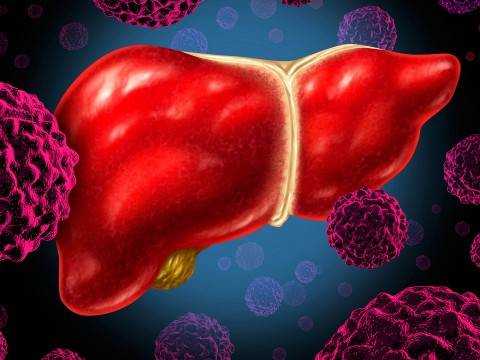
Aids defining cancersIn fact the presence of such aids defining cancers is an indication of advanced AIDS having developed in these patients. However, the reasons for these cancers are unclear. It is possible that since people with AIDS have low immunity, they become more susceptible to these cancers. The double attack of these already complex diseases complicates treatment plans too. Thus, it needs care under experienced doctors who specialize in these diseases. The cancers that define AIDS are: Kaposi's Sarcoma:This is a type of skin cancer. It was usually found usually in people who have received organ transplants. Nowadays it is also most prevalent in homosexual men with HIV/AIDS and is also called epidemic Kaposi's Sarcoma.  It causes lesions to show up in multiple points in the body such as skin, lymph nodes, liver, lungs, spleen and digestive tract. Non-Hodgkin Lymphoma:This is the second most commonly associated cancer with HIV/AIDS. The various sub types of NHL are primary central nervous system lymphoma and primary effusion lymphoma. Approximately 4-10% people with HIV/AIDS develop NHL. Other kinds of cancers are anal cancer, liver cancer, mouth cancer, Hodgkin's lymphoma, testicular cancer, melanoma, throat cancer, colorectal cancer and multiple skin cancers.  Treating Cancer in HIV people: Till anti-HIV medication were not discovered the future for infected people was bleak. They were already sick and their bodies weak even before their cancer treatment were started. Presently the cancer treatment is mixed with anti-HIV drugs. However, depending upon the extent of cancer and the need of AIDS care, variations are made between chemotherapy and other HIV related drugs needed. Treating Kaposi's Sarcoma: Often anti-HIV drugs are enough to treat this cancer. The lesions, which are viral, shrink, as the immune system gets better. Sometimes chemotherapy and radiation may also be needed if the lesions are internal. Treating Non-Hodgkin Lymphoma: AIDS related NHL is fast growing and needs intense chemotherapy treatment. Introduction of highly active anti-retroviral therapy and use of drugs that help the infected body make new blood cells has relieved a major concern for HIV patients where previously due to their low blood cell count, chemotherapy could not be administered to them. But with these advances, acutely monitored chemotherapy treatments can be administered now. Treating Cervical Cancer: In case of women who have a good immune system and invasive cervical cancer can still be treated similarly as non-HIV women. They can even do well in surgeries and other conventional treatments. Discovering Cancer Early: Screening helps discover presence of cancer when no symptoms are evident. However AIDS defining cancers cannot be detected through screening. Thus, close monitoring, regular checkups and a keen lookout for symptoms of these cancers can help discover the ailment if present. Pap tests help discover cervical cancer in women. However, in case of HIV women, these should be undertaken more often. Even as often as 2 tests a year, 6 months apart in the first year of HIV detection. If the tests are clear, they should get Pap tests done regularly once a year henceforth. For other AIDS related cancers, the screening tests are still being devised. Lowering Cancer Risk: HIV ruins the body's immune system making it susceptible to a variety of diseases. Good health practices are a must for those detected with HIV in order to ward off cancer. They should surely not smoke or consume alcohol. Injection drugs and unsafe sexual practices also pose increased threat of cancer. Maintaining balanced diets, physical activity and proper body weight are extremely important and helpful too.
The link between oral sex and cancerSymptoms of oral cancer: The common symptoms of oral cancer include: Red and white spots on the tongue or the lining of the mouth, inflammation of the mouth which continues well over two weeks, mouth ulcers which take over three weeks to heal, discomfort and pain during swallowing food, and lastly, sensation that something is stuck in the throat. HPV types and their nature: There are over 100 different types of HPV. Out of these, 15 have been found to cause cancer. These 15 types of HPV are called high-risk HPV. The HPV types which are found in the mouth are sexually communicable and the primary means for its transference is considered to be oral sex. It could also be carried through anal and vaginal sex, causing laryngeal cancer, anal cancer, cervical cancer, tonsil cancer, vulval and vaginal cancer, and penile cancer. Some of the HPV types get passed through skin contact. These cause warts, especially in the genital region. These types of HPV which cause the warts are less likely to escalate and cause cancer. Though there is no determinate answer as to how common the HPV mouth infection is. Advanced studies during the 21st century have put forward the role of HPV16 in new types of cancer. This was done using DNA testing. Through a medical study, it was found that the most vulnerable groups are: People in the age group of 30 to 34 and 60 to 64 years old. People who have had over 20 sexual partners in their lifetime, around 20% suffer from HPV oral infection HPV leads to cancer?: HPV does not directly cause cancer. It stimulates modifications in the cells which it has infected, like those in the mouth or cervix and due to the modifications the cell becomes cancerous. In only 10% of the cases where the patient suffers from HPV infection does cancer develop. The infection generally treats itself and is removed naturally within 2 years by the body. The chances of progression of the HPV infection into cancer is increased by smoking and drinking. Smoking injures the immune surveillance cells. Due to this injury, they are not able to fight the virus and the virus continues to persist over 2 years, leading to cancer. Vaccinations: In the United Kingdom, girls (aged 12 and 13 years old) are vaccinated against HPV. This vaccination protects the women against cervical, vulval, and vaginal cancers. Men and boys also take vaccinations against HPV, though it is not pursued as strongly as in the case of women. This leaves men who have sex with other men at a greater risk of getting oral and anal cancer. Even though the link between oral sex and cancer is not completely proven, what we do know is that oral sex causes many other infections like gonorrhea, herpes, syphilis, and chlamydia. Did you know that a very low percentage of people (only 10%) who are infected with HPV virus develop cancer? In 90% of the cases, the infection is naturally cleared by the body within two years. The natural process is, however, obstructed in those who smoke and drink.    
What Is slowing down your sex driveBeing sleep deprived can lower the levels of sex hormones in your body. Are you feeling dull lately and wondering what happened to your sex drive? May be, the stressors in your life are also creeping on to your bed. Find out some of causes that could be the reason behind this. Lack of sleep: Hectic work and busy life takes a toll on everybody. The first hit is your sleep - the hours go down, the quality reduces and the effects are insufficient. Sleeping six hours or less can push down the levels of testosterone in the body. Testosterone is the hormone that influences sex drive for both men and women. Though it is primarily a male hormone, it is also present in small quantities in all women and drives their sexual desires. Emotional problems: Stress, tensions, depressions, irritability, anger are negative emotions that lower the sex drive. Try not to bring the work pressures home. Marital problems or relationship issues may be hampering your bond with the spouse. Weight gain: Being overweight makes you lazy, tires you easy and decreases your self-confidence, especially in bed. When someone is not comfortable with his/her body image, it affects their sex drive. The pill: If the wife is on the contraceptive pills. The period of ovulation is the time in a menstrual cycle when there is a surge of testosterone in a woman's body. During this period, she experiences a strong sexual desire. The pills regulate the hormonal activity and reduce the sex drive to some extent. Alcohol: If you are feeling a little tipsy, be prepared to pass out and fall in deep sleep as you hit the bed. No scope for sex drive here. In the long run, increased consumption of alcohol can affect erections and make you generally dull. Diabetes Mellitus: Uncontrolled high blood sugar levels lead to impotence in men and dryness of the vagina in women. It also increases the risk for urinary infections. This results in lowered sex drive. Medicines: Some medicines like the anti-allergic ones and the antidepressants reduce the sex drive. Don't let complications of life affect the intimacy in your relationship.
FAQS
T&C FAQS