Home
Tips to make you feel handsomeYou must have heard that looking good takes a lot of money and hard work. But trust me, it's not true at all. You just need to stay confident, and follow few simple and easy tips to get that perfect look. Let us start off by trying to understand what exactly does handsome mean. Well, a simple definition could be -"being handsome means being confident and having loads of style and poise". It's not dependent on somebody's face, or body specifically. So, what makes a person handsome? Will his attitude count? Do we need a lot of money to get that look?  Let's answer all such questions in the article. Personal care: The first for getting a perfect look is to look after yourself well. This shall include: Hygiene: Personal hygiene is most important. Dental hygiene, managing body odor, cutting your nails on time, removing hair in the underarms, nose, and taking care of overall body hygiene is of utmost importance. Skin care: Like women, men need to take care of their skin as well. Applying moisturizers or lotions is necessary. Hair care: Try and wash and shampoo your hair at least twice in a week. You could use natural or artificial conditioners in the hair to make it soft.  Get a trim every month, or else they can become too long and unmanageable. The suave and debonair look: Along with everything else, one needs to take care of one's facial hair also. Try and avoid the rough and rugged look, and get a good shave for yourself. You can either keep clean shaved look, or maintain a beard which is well trimmed. This will give you an urbane and classy look. Clothes cabana: One needs to understand that there are some clothes which shall look good on them and others not. Try and determine which shades look good on you. After this, you need to choose your formal and casual wears as well. Take risks, as you cannot guess what will look good on you every single time. The must have checklist is given below:  A pair of good dark blue jeans A white shirt A colored T-shirt Jacket and waist coat Dinner jacket or tuxedo (whichever suits you) Pair of black trousers Sweatshirts A Full pastel shade sweater Accessorize your look- You need to pair good clothes with cool embellishments like- Shoes: Get two different pairs-one leather and the other sports- for formal and informal occasions. The shoes should be buffed with shoe wax regularly, and you can wash off the dirt on your sports shoes once a month, at least. Belts and Tie: A good and well fitting tie, and a sober choice in belts always adds to the look of the "complete man". Watches: A good analog watch is a "must have" on every guy's wrist. Work out regimens: Now, work out does not only mean joining a gym, or keeping a personal trainer. You need to just keep your body fit, and that can be done by jogging, yoga, or even daily walks. You can even pick up a sport, for that matter. Eat healthy: Try to follow a diet regimen which, nowhere, means you need to have nightmarish boiled vegetables only. You just need to avoid eating outside . This shall not only help you look good, but will let you remain  young and fit for many years.  Once in a week, though, you can easily dig into your favorite foods. Say no to cigarettes and alcohol: Working out, or eating healthy will never help you get in good shape till you say no to all the bad . Try and quit smoking and drinking, as they affect your health and stamina adversely. Along with that, they also have a very bad effect on your mental health. Million dollar smile: Try to wear a good and sweet smile, as a straight face might end up making you look unapproachable and arrogant. So, remember, smiling always helps to complete your attire, and style. Good stance: Wearing all the best outfits  might go all in vain if you have a bad body posture. Try to walk and sit straight. Having an erect stance always makes you look more confident, attractive, and masculine. Wear your confidence and attitude: Lastly, be comfortable and confident with whatever you wear, and however you look. Being confident makes you win half the battle always. So, what are you waiting for? Start off your preparations, as being handsome does not really require an occasion.
Broad chest, weak lungs - Are men more prone to respiratory diseases?The long-standing, chronic afflictionof the respiratory disease is called as COPD, i.e., Chronic Obstructive Pulmonary Disease. COPD is the obstruction within the lung tissue, causing improper circulation and entrapment of air. This limits the space for air to move in and out, directly affecting the quality of inhalation. A small reminder here may be necessary - breathing is synonymous with life, why? Because that's how we get oxygen, which is vital for the functioning of each and every cell within the body. With COPD, the ability to take in oxygen gets compromised increasingly. Continued cough, sputum, and shortness of breath are the main symptoms. COPD is more common in men. Does it have to do anything with being a male? Not necessarily. No specific link has been established to say that COPD risk is higher for you solely because you are a man. Then, what could it be? A study conducted in 2011 in USA showed that the number of men who smoke is 5% more than the women who do. To understand the reason behind this, let us see the primary causes of this disease. Air pollution, some genetic predispositions, frequent acute infections, exposure to harmful chemicals for a long time (usually occupational) - are some of the main causes, and the number one cause is smoking, owing to almost 80-90% of the cases. Park this thought. Next piece of information is simply revisiting some facts you may already know: #The gender classification ofsmokers - Men are known to smoke more than women all over the world, not only in numbers, but also in quantity. Whether it is a developing country or a developed one, 2011 studies say there are more male smokers everywhere than female smokers. Not only there are more men who smoke, they smoke for longer periods and more number of cigarettes than female smokers. This may vary from country to country, like India has much less women smokers than USA does, but the difference between the two genders holds true everywhere, only the ratios differ. #Occupational exposure to harmful chemicals and gases - These are industries of mining, textile, chemical engineering, welding, etc. The number of men working in such industries is way higher than women. #Air pollution - Men are more exposed to air pollution since they are outdoors more than women. This may not apply to all countries and societies, but is generally true. Now, we can put the pieces together and understand why COPD is more common in men? Yes, they are at a higher risk because of higher exposure to smoking, pollutants and irritants. Cigarette smoking is the leading cause of lung diseases and male smokers outnumber women across the world. You can figure out the math here!
Pregnancy and HIVMothers with higher level of viral load have been found to deliver infected babies. However, no amount of viral load can be safe as infections can occur any time during pregnancy. A high level of precaution is necessary during this phase. Mostly infection occurs during delivery but that's not the only way through which it can spread. HIV-infected mothers should not breast-feed, as virus can transmit through breast milk too. Antiretroviral medications are used to reduce chances of transmission of HIV. Keeping delivery time shorter can reduce the risk of transmission. Most of the times babies born to positive mothers are positive for HIV. Babies infected with HIV will have antibodies made in their system and will continue to test positive. But if babies aren't infected, the mother's antibodies in baby's blood will eventually disappear and babies will test negative after about one to one and half year. HIV positive women should consider possible problems with antiretroviral medications for HIV before getting pregnant. Talk to the doctor about choice, indications, and contraindications of these drugs. There's a risk of missing doses due to nausea and vomiting during early pregnancy, hence giving HIV a chance to develop resistance. Some doctors prefer the practice of stopping or modifying medications during pregnancy to lower the risk of birth defects. Short course of treatments can help eliminate or reduce risk of transmitting HIV to a newborn; but, short treatments increase the risk of resistance to the drugs used too. There is a risk of birth defects due to antiretroviral drugs during the first 3 months of pregnancy. Pregnancy does not worsen mother's HIV disease, but any HIV positive woman planning to get pregnant should discuss treatment options thoroughly and all the pros and cons with her doctor.   
Marrying late in lifeConventionally, the marriage age is determined according to the linear formula of happiness that we have constructed and believe to be true. The formula being: getting married by 24 --> having children by 27 --> working (optional) --> becoming a grandparent (that too, real soon!). However, time and again, men and women wandering in their 40s-50s have woken up from the deep disturbed slumber to realize that maybe- just maybe, they had walked into things too fast. They had been unable to know who they are and to become a self-conscious human being before being ready to fuse their lives with another. The prime point of being single and marrying later in life is not to go on some form of egoistic joy-trip but to be able to know oneself and become ready to be the right person for the other. By marrying late, you give yourself time to experience freely what you like and dislike. You get to explore the world at your own terms- travel whenever you want and involve yourself in festivals and activities that manifest who you are. Marrying early doesn't allow for time to explore one's being, as marriage generally immediately follows the time you finish your studies or begin working. One of the most important aspects of adulthood today is travelling. However, every individual has unique wants of travelling and being a single adult will allow you to experience the world fully. You will also get in touch with yourself, exploring how you would like to live. The decision will arise from a ground of experiences which would clearly tell you what repels and what appeals to you. Such experiences are rarely findable once you begin living with another, as you would have to schedule your days and basically, your routine around the other's life as well. Financially, you have reached a point where you know how to take care and manage finances, allowing you to plan your wedding pragmatically. Marrying at a later point in your life allows you to be clear about when you would like to be a parent. Your experiences also ready you to be a considerate and understanding parent who can guide a child. As you grow older, you tend to become more tolerant and the propensity towards differences turning into unnecessary fights is lowered. As our ways of looking at the world change, every person as an individual has the need to learn to see the world as a home. This feeling of being at home is created only through series of experiences one has to go through as a responsible adult. In the face of inexperience, two individuals coming together often find themselves incapable of being happy with one another. Marrying later allows you to have grown into a wiser person yourself before sharing your life with another.
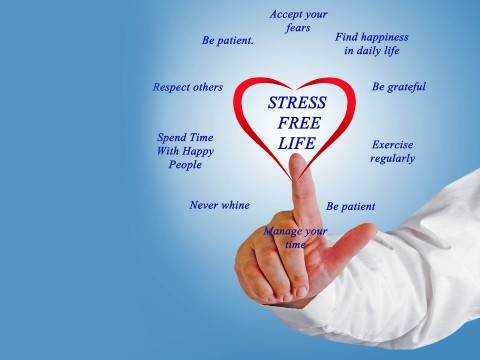
Stress - Even kids cannot escape!Often when we feel overwhelmed with stress, we go back in the past and reflect. We miss our golden days of childhood.We think of those days with fondness, miss the free and carefree times. We feel like becoming kids again. But the truth is that at no age are we free of stress and worries. It is just that with time, we move on to newer situations and every new stressor seems worse than the previous one. Children stress out too, some more than the others. Stressors Simple things like a test in school, a Physical Training class or poem recital could mean a lot of stress for the little ones. The desire to meet the expectations of parents or teachers also creates tremendous pressure on the children. They are eager to do well at all the times and the smallest failures can upset these kids immensely. Peer groups are difficult to manage. In childhood, the social maturity is not sufficiently developed to handle day-to-day conflicts. Trivial fights or comments from classmates and friends can lead to a long-lasting impact on the vulnerable minds. They get easily influenced by their friends. Elder siblings also play a major role. Some act as mentors, some as bullies. Some cause damage unknowingly, some are plain indifferent. Life is full of new things and childhood is a fast-track learning lesson. Every other day, there is something new a child has to do. Meet a new kid, learn a new subject, try to dodge a ball differently or ride a bicycle without side wheels; there is too much to learn. These cause anxiety and may make the child nervous. Performance pressures, technology, precocity, media influences, etc. are some of the other factors that add to the stress in childhood. Signs Watch out for subtle changes in moods and behaviour. With adults, it is easier to identify the stress and hence rectify it. But with children, it is quite a challenge. Most of the children are themselves unaware of the stress they are facing, they don't understand why they are feeling sad or angry or fearful. They are just not at ease. Inordinate crying or screaming is a common sign. Being withdrawn, aloof and quiet is another way by which kids express their tensions. Physical signs can be seen in basic physiological changes - in sleep patterns (oversleeping or inability to sleep), eating habits (not eating or eating too much), frequent aches and pains, especially digestion disturbances and headaches, etc. Managing childhood stress Pay attention to your child. Listen to what he/she is saying, but also try to listen to what he/she is not saying in words, although only in action. Help the kids open up to you, spend quality time with them and talk to them about everything under the sun. Be well connected with their school teachers and parents of their closest friends. If the need be, please don't hesitate to reach out and seek professional help from psychologists and child counsellors. "One of the luckiest things that can happen to you in life is, I think, to have a happy childhood." - Agatha Christie  
Academic pressure in children and young peopleUnderstandably, parents, educators and politicians consider this topic a high priority. Exam preparatory businesses are found in every street and parents are willing to invest huge amounts of money to further their child's education. Another result, though, is childhood and teenage stress and anxiety. Signs of anxiety from too much pressure to succeed at school may show itself in sleep disturbances, erratic/poor eating, low mood, excessive worrying, low confidence levels and fear of failure - all eventually heading towards premature burnout. Younger children may experience nightmares, show bad behaviors or refuse to go to school. Teens may engage in destructive behaviors like drinking or drugs. They may struggle to concentrate or lose interest in their day-to-day activities and hobbies. They may gradually withdraw and isolate themselves. Anxiety and stress maybe linked to queasy tummies, headaches, and flaring up of skin conditions like rashes and eczema. The school and college admissions process has become more difficult than ever before. Competition is fierce. Many apply to a handful of good institutions hoping to get a much-wanted place. The stress does not stop after the exams - the wait for a decision is excruciating. Only a small proportion of eligible candidates succeed. Rejection can feel devastating. Highly capable and hardworking young people who spend many hours studying and preparing for assignments and exams, find the whole experience undermining and frustrating. Increasing external pressure from competitive peers, higher thresholds of parental expectations in a fast-paced world and the increasingly selective, goal-based focus of educational institutions will not feel supportive to a fragile child. Education should lead us from darkness to light. However, high and unrealistic expectations from parents and schools can affect a child's overall development. Whilst there is evidence that the parent's role supports or facilitates the child's achievements, there have also been concerns that a parent with unrealistic expectations can create unnecessary pressure - this worsens stress and fosters performance anxiety in children. Schools may put pressure on parents and the child to ensure that the child is meeting school targets and is not deficient in any area, rather than understanding that every child has a different potential and ability to manage stress. Children may perform better at school and feel more confident about themselves if they are told that failure is a normal part of learning, rather than being pressured to succeed at all costs, according to new research published by the American Psychological Association (2012). Recognizing this key concept and intervening early is vital. Parents and teachers need to communicate better with each other and the child. Understanding the child's strengths and interests but accepting the child's limitations at the same time is important. Supporting the child's efforts and self-esteem is the surest way to motivate them in a healthy manner. A simple conversation at the end of the day about how things are going on and giving positive feedback on the child's efforts go a long way. Where degrees and educational attainments are seen as the passport to financial success, are we losing sight of educating minds and supporting children's emotional, psychological, social and spiritual growth potential?
Expression forbidden! - Human emotionsSome people have a perpetual 'bee in their bonnets'! They maintain a demeanor and a mask which is virtually impenetrable. They are generally highly competent and efficient and occupy high positions of authority. They believe in living life set to a routine, and the worst part is that they expect others to adhere to it as well! God help those who have a boss like that, as their immediate liberty is at stake, and unless they are honing to be perfectionists, life is going to be a series of disasters with Captain Ice around! Nothing wrong with perfectionism per se, but when someone is a hard task master then he could well earn himself the epithet of being "a crashing bore," especially if he doesn't allow others to express themselves properly. Take a more intimate scenario - Mr. Bright Harry meets tepid Sally. The sparks fly only on Harry's side with Sally stonewalling his every effort to get to know her mind, body, and soul. A tough ask for poor Harry, as he is yet to touch first base with Sally. Know what? They have been married 5 years and she seems to be fond of him, yet has never as much admitted it to him. Quite frankly, the two could pass off for siblings rather than 'man and wife.' Why are some people such rotten spoilsports, especially where emotions are concerned?  It may well be a natural mindset for some to have an emotional guard up and emote, or have an emotional connect only with certain types of people. Fair enough and good show, we say! After all one can't be wearing one's emotions on a sleeve or you end up been taken advantage of. That's a mask that most 'tough guys with soft centre' wear anyway. Nowadays with the rules being somewhat relaxed with men been given liberty and allowances to display their gentler feminine emotional side, we find men going over the top with the sheer display of emotional expression. One is at sea wondering which one was worse off-the tough, cynical cop look or the "let me weep my heart out for you" kind of contrived emotion. That apart, it is bad enough for us having to contend with a person who has difficulty with expressing himself properly. We don't mean articulation or even well-developed linguistic ability - we mean being able to be spontaneous and congenial and a little forthcoming and nice to be with sort of an emotional person. So, unless someone has a romantic angle towards this guy (there are weirdoes all over the world, who go asking for it!) or girl, he is going to be feared, hated, despised, unloved, and uninvited by everybody. So why do people behave like they are going to be flogged for even attempting a ghost of a smile or a cheerful greeting to a fellow co-worker? Why do some people find it difficult even to open up on a psychiatrist's couch? The Mask The most common reason for Mr. or Ms. Grumpy is that they have probably been emotionally brutalized in their formative years by an authoritative parent and this has caused them to lock themselves up double quick in a shell and throw away the key. Now, that can be tough and extremely painful. It is a prison of their own making through which nobody can see that once bright-n-chirpy personality frozen, much like the curse of the wicked witch in those fairy tales we read. The person is dying to let his emotions out and let people see who he is, but since very little light escapes out due to the tough mask and veneer, that it is an uphill task. Then the sheer anger at not being understood, subconsciously plays havoc and then he gets to be the more demanding boss at work or that sullen wife or lone stranger staring in to nothingness on the park bench. These are the people that have a series of relationship disasters as their defence mechanisms are too solid to be penetrated. Some people may be naturally distant, and for them the finer and higher emotions probably don't register as much as they do in the average person. These guys are cut out for careers ranging from lighthouse keepers to morgue attendants to hangmen, where being emotional has no place. There are still others who swing the other extreme by showing so much of emotion that it is scary for others to take them on. Their emotional side is so overwhelming and demanding that it is actually a clever subterfuge on their part to drive people away as they subconsciously do not want people to get to know their real side. They generally don a mask of humor and good cheer and are great fun to be with. In reality, they are alone and scared and perhaps hurt emotionally. So, they feel safe to display emotions to masses rather than individuals. These people make good evangelists and rock stars as they can safely display and get an emotional discharge without running the risk of a one-on-one emotional exchange where they are afraid they would be hurt. If you encounter such a person who looks askance at you displaying your emotions, then it is better for you to talk things out and maybe put things in perspective. Of course, this all depends on whether you are emotional enough to maybe give someone a chance by understanding what drives them to do the things they do. Let me assure you the ice will thaw if the intention is genuine and well meant.
Boost your self-esteemSimply believe in yourself. Life need to be made lighter. Pulling yourself down over trivial mistakes and not reaching certain standard definitely does not help.  Your self-esteem affects the way you interpret messages from others. It affects relationships, academic achievement, and living life to the fullest. Thus, recognize your true potential in life and work towards it. Those who have a high self-esteem always have an “I think I can” or “I will” attitude! This makes life much happier for them. Ups and downs in life are inevitable, but this should not bring down your self-esteem. One should work towards maintaining a high self-esteem at all times.  You need to have the power to control your self-esteem. It should not suffer from negative messages from others; in fact, negative messages should be viewed as constructive criticism. There are many ways in which self-esteem can be given a boost. Accept yourself and increase your inner stability so that you will not need validation or attention from other people. Meet new people. Follow examples of successful people. Don’t worry about how others might judge you. Don’t be afraid to try something new. Failures may come your way, but they are the best teachers in life. Make a list of your strengths and weaknesses. Make the most with what you are best at, and strengthen your weaknesses. Focus on the positives and practice positive self-talk for encouragement. Avoid doing things just to “go along with the crowd.” Gather courage to express yourselves and ‘stand out’ from the crowd, as every new encounter is a learning experience. Develop a support system of friends. They will give due emotional back-up. Put into place good healthy habits; ensure the right kind of diet. Controlling the mind is essential for a healthy body. A stress-free mind is healthy and calm, which will incorporate positive thoughts. Give credit where the credit is due. Praise others and accept compliments in good spirit. This builds confidence. Keep criticism to a minimum, as it brings about negativity. Appreciate life. Look your best to feel your best. It is important to be well groomed. Improve your personal living space. Perfect your skills and practice your talents. Reward yourself often. It’s nice to pamper yourself once in a while. Stop comparing yourself to others; this will increase your stress levels unnecessarily. Your self-worth should not be based upon what others think of you, but how you feel about yourself. Communicate with others, colleagues, neighbors, family, and friends. Be social. Do something for someone else – a random act of kindness! They fill up the void and bring about a different level of happiness. It is beneficial to spend some time alone by yourself. Review your mistakes and analyze the experiences in your life. This should be carried out as a self-therapy, and not as a habit. Do not become a loner. Everyone is a unique. No one else is like you in the whole wide world. This makes you special already! Everything starts with you and ends with you. Remember, nobody can insult you without your permission!! A low self-esteem gives rise to health problems like depression, loss of interest in life, and stress. It is not difficult to correct this stage which comes in everyone’s life. Learn to rise above these shortcomings and improve your outlook about yourself. Confidence comes from not always being right, but learning to be wrong. - Peter T. McIntyre.
The age of nutritionAdvantages of Healthy Eating: Increased mental acuteness Resistance to illness and disease Higher energy levels More strong immune system Faster recuperation times Better management of chronic health problems Eating Obstacles for Seniors:  Lifestyle changes: Lifestyle changes can be an eating obstacle. For example single seniors may not know how to cook or may not like eating alone. Activity level: Seniors often cut back on activity for physical and medical reasons. Weight gain can result from the decrease in calories burned. Metabolism: Every year over the age of forty, our metabolism slows down. This means that even if you continue to eat the same amount and kinds of food as when you were younger, you're likely to gain weight because you're burning fewer calories. In addition, you may be less physically active now. Taste and appetite: The senses of taste and smell diminish, so one may be inclined to season one's food more heavily than before even though seniors need less salt than younger people. One may struggle with loss of appetite due to lifestyle, loneliness or a medical condition. Health Issues: Physical ailments and prescription medications, become a daily exercise, and ends up often negatively influencing appetite. Digestion:Due to changes in your digestive system, you generate less saliva and stomach acid as you get older, making it more difficult for your body to process certain vitamins and minerals, such as B12, B6 and folic acid, which are necessary to maintain mental alertness, a keen memory and good circulation. Emotional Factors: Emotional factors such as loneliness and depression can affect your diet. For some, feeling down leads to not eating and in others it may trigger overeating. Specific Nutritional Recommendations for Seniors: Some important guidelines for seniors include Reduce sodium (salt) to prevent high blood pressure, Monitor fat intake in order to maintain healthy cholesterol levels Consume more calcium and vitamin D for bone health Eat more fibre-rich foods to prevent constipation Cut back on sugar and on dry foods Ensure getting recommended amount of important vitamins and minerals Increase water intake, and Perform regular physical activity Eating well as you age is easier than you think: Focus on good carbohydrates. Opt for whole grain nutrition (brown rice, whole wheat bread, rolled oats, barley, and millet), not refined "white" products, such as white bread, white rice, or products made with white flour. To manage weight and maintain optimum health, focus on eating efficiently. This means choosing foods that maximize nutritional value, not calories. Whole, natural, fresh foods such as fruits and vegetables, whole grains, nuts, legumes, healthy sources of protein (poultry, fish, eggs, and tofu) and dairy products that contain calcium constitute efficient eating. Highly processed and refined foods usually contain more calories and fewer nutrients. Raw equals roughage! Aim to eat at least one daily serving of your fruits and vegetables raw. This not only preserves their nutritional value, it's an easy way to eliminate constipation. Steaming is the best way to cook vegetables; it preserves nutrients. Light sauting is next. Bone up on calcium. All dairy products are not created equal. Milk, cheese and yogurt retain their calcium content; cream cheese, cream and butter do not. As part of a healthy senior diet, choose fat-free or low fat dairy products. Choose first-rate fats. Get your "good" fats from oils such as olive oil and sunflower oil, avocados and avocado oil, nuts and seeds. Keep it moist. In addition to drinking enough water each day, aim to consume foods with high water content. Staying properly hydrated flushes toxins from your body, relieves constipation, helps keep your joints flexible and your mind clear. High water content foods include melons, grapes, cucumbers, onions, apples, cabbage, and, of course, soup.

10 bedtime beauty essentials! Here are the beauty essentials you need to take into consideration, before you hit the bed: Baby-soft soles :Before you sleep, apply Vaseline on the sole of your feet. This will adequately moisturize your soles and you can wake up to the great opportunity of wearing those heels you have been dying to try out! Healing the puffy eyes : If you are worried about waking up with puffy and tired eyes (even after 6 to 8 hours of sleep), then put on a little eye cream. You can also keep an extra pillow and make sure you sleep on your back. This will allow the fluids around your eyes to drain easily and reduce the puffiness. Trying out wavy hairstyle : Bedtime is the best time to work on your hairstyle. Before you sleep, shower and fashion your hair into the style you want. Apply a styling cream on your hair gradually, after having air-dried it. Now, decide if you would like to put them up in buns or braids. Stylize them into the pattern and wake up to wavy hair! Let your skin breathe : Those who are suffering from dry skin can apply moisturizer. A humidifier is also a great accessory for help in these cases. You can switch on the humidifier before you go to sleep. This will help your skin to retain its moisture through appropriate hydration. Keep aging at bay :Did you know that sleeping on cotton pillowcases can increase the chances of creases and wrinkles on your skin? Prevent wrinkles by using silk or satin bed clothing. This will also reduce hair breaking. Wake up, miss white smiles: If you want to take off the yellows from your teeth, then brush some baking soda and let them stay for about 8 minutes. Afterwards, thoroughly rinse your mouth. Do not perform this beauty tip more than once a week, it will negatively affect the structure of your enamel. Work on your complexion :During the day, sunlight might disable some face creams from working effectively on your complexion. Make the most use of night and apply a face cream containing retinal and vitamin C. Lengthen your lashes : Eye lashes depth and grace to your eyes. You might feel that working on your lashes will require way too much effort. But, much to your surprise, everything your lashes need is contained in a natural ingredient - castor oil. Consisting of Omega-3 fatty acids, which are highly hydrating, they will avoid your lashes from breaking and also strengthen them. Apply castor oil on your lashes before you sleep and watch them grow thick and healthy within a few weeks! Taking care of your hair : Skim leave-in conditioner through your hair in the evening and let them stay on till the morning. This will let them become soft and shiny. You can also use coconut oil as an alternate conditioner. Readying your nails for polish : Depending on the skin type, the nails of certain people become dry. If you are one of them, it would be best to apply a cuticle cream or oil on them before you sleep to wake up to polish-ready nails.
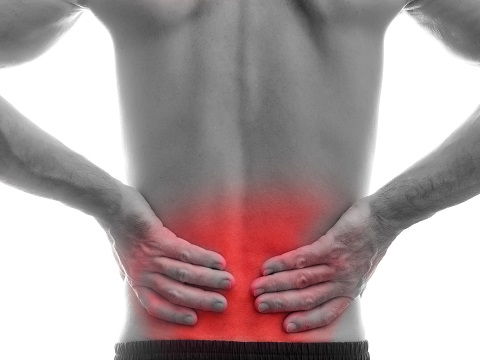
7 Pains you should not ignoreWhen the body cries out in pain, most of the times, you know what is bringing that pain, and you do what will help relieve the pain. For example, a serious workout may cause sore aching muscles, for which you will rest a day or two, or take a painkiller. What does one do to know why a body part is paining? One needs to sit up and take notice! The pain could be anything, from a heart attack, to an aneurysm, and could cost you your life! Pain in the head: Headaches are the most frequent pains that we suffer from. Headache could be due to a migraine, due to staying too long in the sun, due to a cold, or simply due to working too long without a break. However, in case you have a headache, and are not able to pinpoint to an obvious cause, rush to the emergency room. Headaches with no apparent cause may be due to a brain hemorrhage, a tumor in the brain, or an aneurysm in the brain arteries! Get yourself checked as soon as possible, if you keep getting headaches for no apparent reason. Pain in the jaw: This could be due to a caries ridden tooth. But most often it is due to an impending heart attack. The classical left sided chest pain radiating to the left little finger is not always seen in all cases of heart attacks. Pains to the jaw and the back are reported very frequently. Often, people tend to take the pain in the jaw lightly, and brush it off to a tooth problem. This may be potentially life threatening, as you never know the severity of the attack! Tingling, numbness and burning of the feet: Diabetes mellitus is a silent killer. Peripheral neuropathy is often the first complication of diabetes. Tingling numbness, and burning in the feet may be attributed to wearing tight shoes and to keeping your feet suffocated in socks all day long. Dipping your feet in a tub of cold water will give you a good night's sleep. But do not let it go at that. Get your blood sugar levels checked before it is too late! Pain in the calves: Do you get nightly pain in your calves that get better with putting your feet up? This is due to long standing hours at workplace, you may say. True, it is due to that. But, it is not something to be left unattended. Calf pains are due to deep vein thrombosis that occurs when the stagnated blood in the veins starts to form clots. The danger here is that the clot could break off and travel to your lungs causing pulmonary thromboembolism that is fatal! Take a break regularly and put up your feet frequently. Let the blood flow and not stagnate! Pain in the back: Most commonly, back pain is caused due to arthritis, and improper sitting postures. But if you suffer from high blood pressure, and are an alcoholic and smoker too, do not take your back pain lightly. It could be due to a heart attack or an aortic dissection! Pain in the abdomen: You may attribute this pain to gases, over eating or indigestion. While these may be occasional causes, persistent pains need to be checked. It could be anything from a gall stone, to gastric ulcers, to a swollen liver, or maybe even pancreatic cancer! Vague, medically inexplicable pains: When you have a recurrent headache or a stomach ache or a backache and you come out with a 'perfectly healthy' report after visiting all the specialists, it is perhaps time to seek the help of a psychiatrist or a counsellor. Your pains could actually be a symptom of depression. Psychosomatic pains are on the rise. The stresses we face in our lives everyday get pushed to our subconscious, and eventually are pushed up bodily in the form of unexplained aches and pains!
Adrenaline rush - Feel it inside!Imagine yourself at a great height, either scaling a dangerous cliff-hanger of a rock face or on a bungee jumping platform. Some of us who have had the pleasure of doing high adventure sports like racing or indulging in perilous activities like giving out an acceptance speech for the first time are well aware of that strange feeling in the solar plexus, the clammy hands and intensely thudding heart, and the rush of blood to the head just as you are about to take the plunge! The heart beats faster than ever, breathing goes rampant, the senses seem to become supercharged, and the fear, the joy, and the excitement meddles with the mind. That’s adrenaline rush! So what do you want to do? Fight? Or flight? Either ways, adrenaline does it for you. Speaking medically, the two small adrenal glands on top of the pair of kidneys release a magic chemical that gives the animals way towards the fight-or-flight response to counter certain high-intensity situations, called adrenaline or epinephrine. The chemical entity is a hormone, a neurotransmitter as well as a medicine and is too complex to explain its behavior. However, when it works the heart pumps out the blood to the excited muscles and all the juices surge up inside the body. There is more to this topic than just the physiological mumbo-jumbo. The hormone acts every day in the normal course of life, but not regularly to the extent when it produces side effects such as shakiness, palpitation, high anxiety, and profuse sweating! Thats kept for special situations like physical threat, excitement, bright lights, noise, and really high temperature – in good or bad ways. Let us surf through some of the rewarding and a few of the nasty situations where the jolting juice takes charge of our body! The Good ones: Countering Stress: In extreme stress conditions like accidents or fracture, the body needs to react fast and is at its highest awareness. Adrenaline keeps the muscles up and kicking to help the victim fight with the stress. High Energy Requirement: In majority of sports, more specifically in contact sports like Rugby, Boxing, Mixed Martial Arts, etc., the player needs to be in his full sense and topmost concentration level. The adrenaline rush runs in the background to keep them at their extreme self. The Push Mode: Often the daily chores aren enough to excite us and we tend to search for some adventure. In such pursuit of excitement, there are times when the road is a dead end or there is only one way forward – the impossible or most difficult one! The hormone pumps the brain both ways with fear and with the push to conquer the fear and proceed. Adventure Sports often sounds fun, but at times when running ahead of a raging bull, or hanging off a cliff, or rafting down the rough waters of a cascade – feels like the heart shall come out and scream!! It is the rush of adrenaline that keeps one ahead of the fear and explore the high-energy fun of winning over it. Life Saving Moments: In cases of life-threatening emergencies such as drug overdose, cardiac arrest, or pulmonary failure, where the heart and lungs suddenly cease to function and the body gets into a shock –– the epinephrine shots are considered as a life-saving medication to bring the patients back to life (only to be used judiciously by a qualified medical practitioner). The important medical use of adrenaline is in treatment of acute anaphylaxis and allergies under medical supervision. The Bad Ones: Disorders of the Adrenal: Tumors and cancers of the adrenal gland can cause hyperactivity of this high-performance hormone affecting the normal functioning of the heart and the blood vessels by increasing heart rate and creating anarchy in the body systems. Over-Stressed Adrenaline Rush: The demand-supply mismatch in the present world scenario requires one to perform at his/her epitome of mental and physical strengths. In that constant urge of performance, the brain and the body is stressed out so intensely that the adrenaline surge symptoms are experienced by the individual even in the absence of threatening situations. Sudden sweating of palms, shortness of breath, pounding heartbeats, or chest pains without a justifiable reason can be a result of constant stress.
Impact of sexual dissatisfaction on mental healthIn an idyllic world, this may sound all "sugar and spice and everything nice," but in reality the matter of having sex is considered to be a taboo, something that is looked down upon - not just in third world countries, but in some parts of the  developed world as well. Add to that the effects of being sexually dissatisfied, which is also looked down upon and frowned upon. When a couple finally decides to take the plunge, there are the normal worries such as sexual compatibility, satisfaction, frequency, taboos, etc. What if your spouse/partner is dissatisfied? What if he/she doesn't consider it a pleasurable experience? These questions often arise in any relationship and it is only natural, but what happens when these worries often turn into realities? The dissatisfaction takes a toll on your mental health. Yes, your mental health suffers thanks to your sexual dissatisfaction. Every partner has some amount of expectations as far as sex is concerned, and when those expectations are not matched, dissatisfaction begins to set in. Generally speaking, when a person is sexually satisfied, he or she is always in a better frame of mind, but when they are not, their behavior around people goes downhill. Not just that, but their frustration and angst builds up, taking a toll on their mental health and their relationships as well. Many a times when the couple is incompatible, they decide to keep quiet rather than talk about it. This takes a toll on their mental health, which then turns into stress and its build up can lead to depression, or worse. Even the memories of past transgressions and the guilt after can lead to sexual dissatisfaction, which can either make or break any relationship. There are multiple reasons as to why a person is dissatisfied sexually, be it due to sexual dysfunctions, lower stamina, sexual orientation, or so forth! Rather than accepting that there is a problem, people usually turn to drugs, alcohol, or even someone else for dependency, which also causes mental as well as hormonal imbalance. Most people when asked about sexual dissatisfaction shy away than deal with it, as they are ashamed of it and are afraid to talk to about it. However, what they don't realize is that not talking about it will only lead to problems such as depression, anxiety, dependency, and bouts of sudden outburst which can lead to a severed relationship, not just with your spouse or partner, but also with your family and friends. Sexual dissatisfaction is often the primary cause of depression, which, if not treated, can lead to a host of other problems. So if you are suffering from sexual dissatisfaction and are under great amount of mental strain, it is always better to be open about it to your partner or consult a therapist. Prevention is always better than a cure! Talking about it to someone can lead to you releasing your mental strain and the end result will be your personal satisfaction.
Painful intercourseSome of the causes affecting women can be: Going too fast, penetrating from an awkward position. Do not hesitate to tell your partner that it hurts and he needs to slow down or change position in order to make you comfortable and prevent pain. Dry vagina or lack of natural lubrication in the vagina. This dry vagina is caused due to some medications, changes at the menopause. Sometimes just increasing the time of foreplay can help vaginal lubrication. Use water-based lubricant to reduce pain. Failure to fire off. Sometimes failure of the vagina and uterus to respond to sexual arousal can lead to irritation and tenderness. The vagina may be too tight for the intercourse sometimes or the uterus may not be raised so that the penis comes in contact with the cervix during penetration. Using other penetration methods can be helpful to explore the level of arousal before engaging in intercourse. Vaginismus can be the cause of discomfort. Muscles surrounding vagina are sometimes very tight and lead to pain and intercourse to be painful. Woman can examine herself with her fingers to see if vaginal walls are tighter than normal. It can be vaginismus. Normal cause is nervousness or anxiety. It is reversible. Good foreplay before intercourse will help to relax the muscles and help lubricate. Just relaxing before the act can be helpful. Vaginal infection and inflammation due to yeast, herpes, etc. can make intercourse uncomfortable. Fabrics, creams, perfumes may cause irritation in area in some women. Avoid these. First-time sex can be a little painful. Rupture of the hymen can cause discomfort during penetration. Start slowly or begin with forms of penetration other than intercourse. Psychological pain. Sexually traumatic experiences or feelings of guilt associated with sex can make the act painful. Consult a sex therapist or psychiatrist. Discomfort during intercourse is experienced by men too, various causes affecting this outcome for men are: Tight foreskin. During first attempt at intercourse, tight foreskin will make retraction painful. After sometime, the foreskin will become loose and make intercourse comfortable. Any lesion on the penis skin can make intercourse painful. These may result from non-lubricated masturbation or rapid intercourse or STDs. The blisters due to herpes infection can make intercourse extremely painful.
FAQS
T&C FAQS