Home
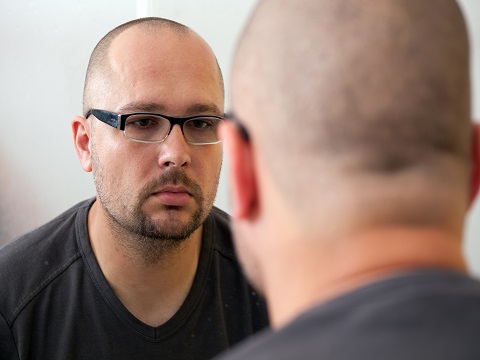
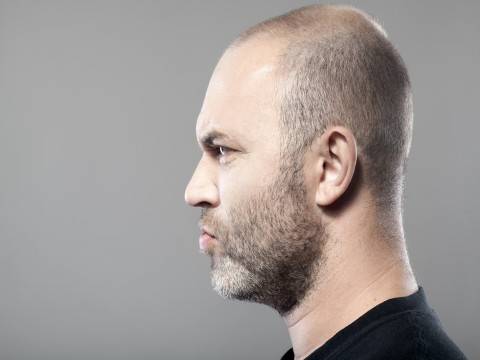
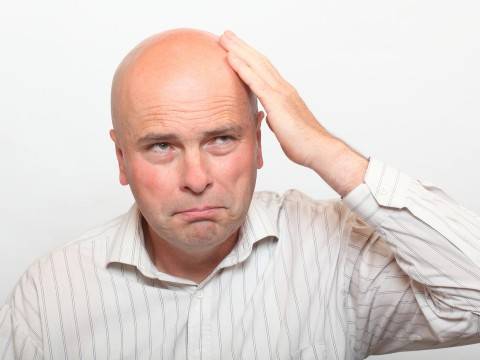
What causes male balding?They say there are 3 types of men: the ones that go bald at the top are thinkers, the ones who go bald at the back are lovers, and the ones who grow bald at both places... only think they are lovers. If pregnancy and menstruation are a female's burden, then baldness is a great inconvenience to men. Some men lose their hair in their youth and thus lose their confidence along with their hair. So what is with baldness and men? Men start having a receding hairline by the time they hit 30, though it could begin in their 20s as well. The most common type of baldness is the mid-frontal type resembling a horseshoe. Earlier it was thought that baldness is caused only by genetic factors, but apparently emotions, lifestyle and diseases also contribute largely to hair loss and baldness. This hair loss can be temporary or permanent. Some medications like anticoagulants, antidepressants, antifungal medicines, chemotherapy etc can cause baldness. Certain diseases like thyroid disease, Crohn's disease, lupus can cause hair loss and baldness. Poor nutrition is an important factor in hair loss. Vitamin and mineral deficiencies along with poor nutrition can pave the path sooner than most other things. Then there are some conditions like Alopecia Areata which cause baldness in patches -- on the head or beard. It is temporary and the hair grow back in about 6 months to 1 year. Corticosteroid injections are used to treat the condition. Air and water pollutants, environmental toxins, conventional styling products have the potential to build up on the scalp. These affect hair cuticle, cause dryness, and weaken the hair causing them to easily break off before their natural lifecycle has ended. If you notice your hairline receding more than usual, then check if you are getting enough nutrition. Exercises like the headstand and handstand send the blood rushing to the scalp and can help with hair growth. Massaging the head with warm oil helps to increase blood circulation as well. Use a shampoo that suits your hair along with a conditioner. Oil your hair overnight at least thrice a week. Keep yourself well hydrated and try vitamin C which can help arrest hair fall. Use a clean comb and ensure that you sun your scalp, as vitamin D is an essential tonic for skin, bones, teeth and even hair.    
Handling post retirement bluesYou have given the best years of your life to your career, and now it's time to say goodbye and get ready for the retired life. It is a phase laden with expectations of all things you were too busy to do while working - spending more time with family, going on that fishing expedition, or going on leisure trips around the world. However, despite the wonderful things to come, retirement can get unusually trying and mentally taxing. After all, how many of us really have the flexibility of mind to take this period as a challenge and be the master of our destinies? Just because you are retired doesn't mean you have to wither away and wait for death to claim you. So, here's what you can do to beat the retirement blues Catching up: This is really a bewildering time, as you have a lot of catching up to do, with a lot of things. Prioritize the things you want to do and proceed confidently. You may want to spend time with children, spouse, friends, etc. Go easy on yourself, as you may not be able to fit in as many things in your schedule all at the same time. Boost your self-esteem: Retirement is particularly trying for those who have occupied important positions in office. Such people are known to throw tantrums, as they feel less wanted than before. So don't ever make the mistake of treating your family like you treated subordinates at work. That was a role that you played then, and without reducing your importance or self-esteem you can now play a different role with your family as a friend, philosopher and guide. In fact, you can use your contacts and keep the old network alive by involving youth in your field of expertise and help them benefit from you. Catch up on exercise: The more physically fit you are the less likely that retirement will be a painful process. Perfect time for you to catch up on the fun times with your spouse to remind you of all the great times you have had all these years. If your spouse is not in the best of health then just being together is such a wonderful experience in the golden years. Financial health: Your peace of mind and self-esteem largely depend on how independent you are financially. You can take up a part time job or think of innovative ways to let your hobbies and interests generate money for you. This should be an enjoyable process by which your self-esteem can really benefit. Support groups: There are informal or formal associations of retired people that do various activities like travelling. Make yourself available to them. Sometimes retired people withdraw into a shell and that only makes things worse. These support groups give a fresh perspective on all things in life.
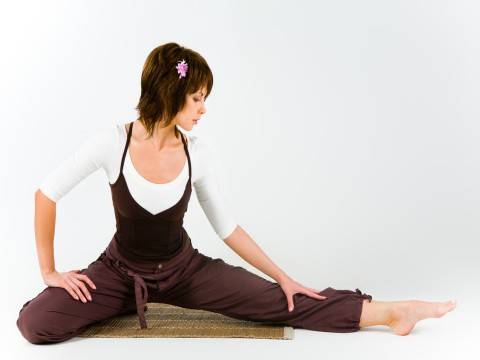
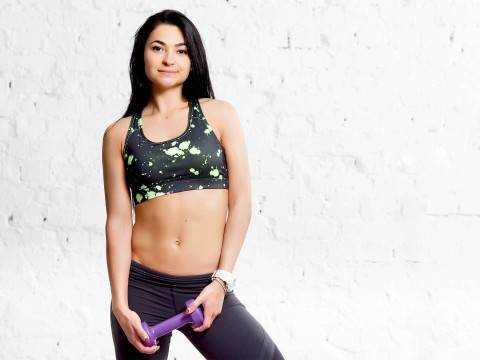
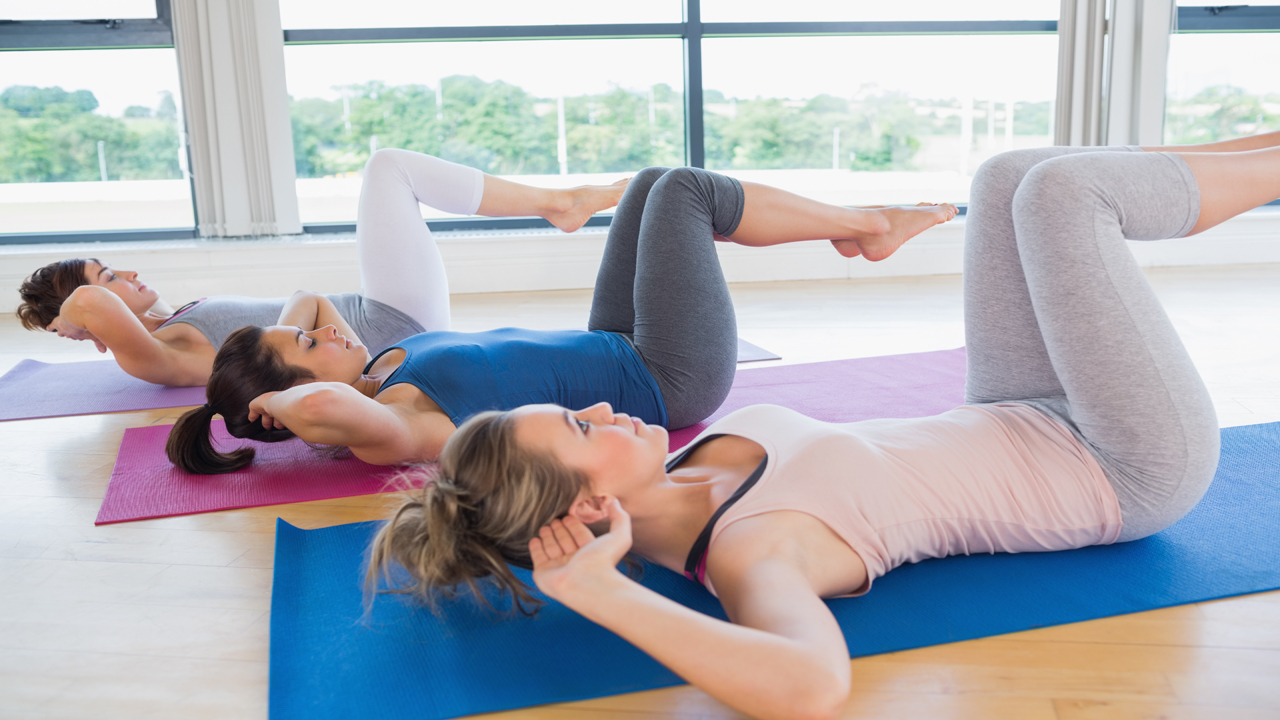
Leg toning exercises for womenFor those women who will leave 'no stone unturned', here are a few great exercises which work superbly on the legs and whole body. For those who have always wanted a great pair of legs, don't change your jeans brand. Just change your brand of exercise. Here are great leg toning exercises that can make your legs attention grabbers. Well-shaped legs are what every woman desires especially as it signifies 'movement', 'mobility' and 'strength'. When we say legs we mainly mean the thighs, the calves and the feet. To get more precise the quadriceps of the thighs the hamstrings and the hip adductors are the prime targets of most exercises. A complete leg work out would also include the 'Tibialis Anteriors' or the shin muscles. Exercising the legs can be quite a frustrating thing especially if the leg muscles don't show any cosmetic improvement. Here is an exercise regimen which will ensure that you will get those attention-grabbing legs along with the strength, flexibility and tone which you have always desired. The stand This is probably the most undermined exercise of them all since it doesn't involve lugging heavy weights around or running for miles or squatting! It is a foundation exercise for the legs.  Choose your favorite spot on the floor and just stand erect with both feet together and toes pointing forward. Hold the hands straight at the elbows and keep the shoulders square. Tuck the chin in and do not bend your knees. Feel the ground under the feet. Now flex your thigh muscles and keep your feet firmly on the ground. Direct your attention towards the back of your thighs and keep your knees taut. Stand firm for about 3-5 minutes initially and gradually extend to five minutes or more. This exercise is simpler than it actually is as it keeps the thighs taut and firm. The entire leg gets a marvelous stretch and any faulty standing or postural habits create unnecessary tension and uneven hip alignment. The standing pose will be your first step towards trim and well-sculpted legs. The One Leg Extension After you perfect the stand, here is another great leg exerciser - The one leg extension Perform a stand as in the previous exercise for about 30 seconds. Once you get your grounding and feel your foundations beneath the feet, take a deep breath. Now flex your thigh muscles and keep the kneecaps taut without feeling any strain. Bend the left leg at the knee and raise it without bending at the right leg. Now catch hold of the big toe with the left hand and hold the pose for a few breaths. You will initially struggle for balance as you have to keep the other leg straight. Now that you have caught the big toe of the flexed leg gradually straighten the leg out without letting go of your grip. This is a challenging pose especially for the hamstrings, the hip flexors and the calves since the leg muscles are going to be a little tight especially around the hips and the hamstrings. With regular practice, the pain will ease and then you can even try and take the toe towards as high as you can with the aid of your left hand. Repeat with other leg following the same sequence. One Legged Squat The one legged squat is a superior exercise to the two legged variety is that it doesn't require many repetitions as it is quite a strenuous exercise even for advanced exercisers. Stand with the back of a chair within easy reach initially. Extend the right leg out first and squat down to your heel with your left. Once you have reached the end of the squat try not to touch extended leg as there comes the difficult part - getting up to standing position without touching the floor with your hands for support. Raise yourself to standing position and repeat with other leg. You can do about 3-4 sets with the same leg or alternate legs using the back of a chair for hand support as you squat deeply. The single legged squat exercises the gluteus, the knees and the entire hip joint and also gives lower back strength. Initially your knees might hurt so don't try this without support of a chair or a partner. Stop in case of intense pain. Step Training If plain jogging doesn't do the trick for shapely legs for you, try using stadium stairs or any gradient which is at 30 degrees and comprises even steps. Your regular apartment stairwell or even a pedestrian over bridge can do the trick. First set only walk up one step at a time. Second set do alternate stairs. For the third set you can sprint up as fast as you can the entire flight of stairs or halt for exactly ten seconds when tired and start again. You have the option of stopping as many times you wish as long as you start again after ten seconds. This can work up quite a sweat and regular step training works out and touches muscle groups that even normal running or squats cannot reach.
Stress - Even kids cannot escape!Often when we feel overwhelmed with stress, we go back in the past and reflect. We miss our golden days of childhood.We think of those days with fondness, miss the free and carefree times. We feel like becoming kids again. But the truth is that at no age are we free of stress and worries. It is just that with time, we move on to newer situations and every new stressor seems worse than the previous one. Children stress out too, some more than the others. Stressors Simple things like a test in school, a Physical Training class or poem recital could mean a lot of stress for the little ones. The desire to meet the expectations of parents or teachers also creates tremendous pressure on the children. They are eager to do well at all the times and the smallest failures can upset these kids immensely. Peer groups are difficult to manage. In childhood, the social maturity is not sufficiently developed to handle day-to-day conflicts. Trivial fights or comments from classmates and friends can lead to a long-lasting impact on the vulnerable minds. They get easily influenced by their friends. Elder siblings also play a major role. Some act as mentors, some as bullies. Some cause damage unknowingly, some are plain indifferent. Life is full of new things and childhood is a fast-track learning lesson. Every other day, there is something new a child has to do. Meet a new kid, learn a new subject, try to dodge a ball differently or ride a bicycle without side wheels; there is too much to learn. These cause anxiety and may make the child nervous. Performance pressures, technology, precocity, media influences, etc. are some of the other factors that add to the stress in childhood. Signs Watch out for subtle changes in moods and behaviour. With adults, it is easier to identify the stress and hence rectify it. But with children, it is quite a challenge. Most of the children are themselves unaware of the stress they are facing, they don't understand why they are feeling sad or angry or fearful. They are just not at ease. Inordinate crying or screaming is a common sign. Being withdrawn, aloof and quiet is another way by which kids express their tensions. Physical signs can be seen in basic physiological changes - in sleep patterns (oversleeping or inability to sleep), eating habits (not eating or eating too much), frequent aches and pains, especially digestion disturbances and headaches, etc. Managing childhood stress Pay attention to your child. Listen to what he/she is saying, but also try to listen to what he/she is not saying in words, although only in action. Help the kids open up to you, spend quality time with them and talk to them about everything under the sun. Be well connected with their school teachers and parents of their closest friends. If the need be, please don't hesitate to reach out and seek professional help from psychologists and child counsellors. "One of the luckiest things that can happen to you in life is, I think, to have a happy childhood." - Agatha Christie  

Your bundle of joy comes with bundles of fascinating facts Blue-eyed wonder: Most babies are born blue-eyed. The melanin pigment that decides the color of the eyes is not developed at the time of birth. So the babies are born with blue/light eyes irrespective of the genetic makeup. By the time the baby is 6-7 months old, the pigments start developing and the baby's eye colour changes as per the genetic makeup of the parents. Marked for life: One in every three infant is born with a birthmark! No tears: That is true! New born babies do not shed any tears. The lacrimal duct and the tear glands are well developed but they produce just enough tears for lubrication. Actual tears start appearing after one month of age. Crawling wonders: New research has found that babies can crawl almost as soon as they are born. When left to themselves, they are quite capable of using their limbs and find their way to food i.e. the mother's breast.And we thought that they are tiny helpless creatures! Temperature sensitivity: Babies are much more sensitive to temperature changes and body heat.Though the baby can't throw off the clothes to cool down, it is smart enough to do other things. When the baby is cold, it will move around more and if it is too hot it may just lie still as if sunbathing. Touch therapy: Touch is the most highly developed sensation in babies, even in premature ones. The touch sensation develops from head to toe with the mouth being the most sensitive. No wonder they tend to put everything in their mouths. Short-sighted: Babies are short sighted at birth. Their vision is set to a limit of 8-to-12 inches. They can see people and objects clearly only if they are within this range. Brain size: The brain grows at such a rate in newborns that by the end of the first year,the brain is double the birth size and half its final size! Palmar Grasp: New born babies have a strong grip, as strong as a monkey's. The grip is so strong that if you dangle them on one hand, they can support their own weight. This probably originated from the primitive survival instinct. This strong grasp reduces after a couple of months. Taste buds: Babies have more than 10,000 taste buds situated all over the tongue and even at the roof and sides. As they grow, these extra taste buds disappear.
Mood disordersMood disorder is a category of mental health problems, and it includes all types of depression and bipolar disorder. The cause of mood disorder is not well known. Endorphins in brain are responsible for positive moods. The neurotransmitters regulate endorphins. Depression and other mood disorders are caused by a chemical imbalance in the brain. Life events such as unwanted changes in life may also contribute to a depressed mood. Mood disorders are inherited. Children, adolescents, or adults who have a parent with a mood disorder have a greater chance of also having a mood disorder. Symptoms: Prolonged feeling of sadness Helpless feeling Low self-esteem Intense guilt Suicidal thoughts Loss of interest in daily activities Difficulty with relationships Disturbed sleep Change in appetite or weight Low energy Inability in concentrating Inability to make decisions Frequent physical complaints (i.e., headache, stomach ache, fatigue) Threats of running away from home Hypersensitivity to failure or rejection Irritability Aggressive behaviour Hostility In mood disorders, these feelings appear more intense than what a person may normally feel from time to time. Treatment Psychotherapy: It is focused on changing the individual's distorted views of themselves and the environment around them, working through difficult relationships, and identifying stress triggers in their environment and how to avoid them. Family therapy: Families play a vital supportive role in any treatment process. Antidepressant medications: Medications in combination with psychotherapy has shown to be very effective in the treatment of depression.
21 foods for a healthy heartFollowing is a list of heart-healthy food substances: Garlic: Did you ever think that the commonly available garlic in your kitchen can be heart healthy? It may be smelly for some, but for the heart it is a soothing substance. Garlic is known to control blood pressure, serum triglyceride level & cholesterol level. Carrot: Carrots, though taste sweet, have the ability to control blood sugar levels because of high level of antioxidants in them. So include carrots in your diet, especially in salads. Orange: This juicy fruit has cholesterol-lowering ability because of fibre pectin in it and also helps control blood pressure. Almonds: Though all nuts are believed to be nutritious, almonds are considered to be heart healthy. Almonds are rich in vitamin E, calcium, plant sterols, fibre and antioxidants. Almonds help in lowering LDL cholesterol and reducing risk of diabetes. Walnuts: Walnuts are rich in omega 3 fatty acids, monounsaturated fats which help in lowering cholesterol levels.  Oatmeal: Oats are very healthy & help in lowering the bad LDL cholesterol. You can have one bowl of oatmeal mixed in milk along with nuts as breakfast. Flaxseed: This honey coloured shiny seeds contain substances which are heart healthy, such as lignans, ALA and omega 3 fatty acids. It helps in lowering cholesterol level and controlling diabetes. Tofu: It is a type of soybean protein which can be replaced with paneer. Tofu is rich in fibre and polyunsaturated fats which prevent clogging of arteries.  Barley: The fibre in barley is believed to lower cholesterol and blood glucose levels.  Tuna fish: Tuna fish is rich in omega 3 fatty acids which helps in lowering cholesterol levels.  Salmon: It is very good for heart as it is rich in omega 3, EPA and DHA. It lowers and reduces the risk of inflammation in arteries. It is also believed to maintain the ratio of good cholesterol to bad cholesterol. Red wine: Red wine contains catechins and resveratrol, good for heart health.  Black beans: They are a rich source of magnesium which helps in lowering blood pressure. It also contains folate, antioxidants and fibre which is helpful in controlling blood sugar and cholesterol levels. Fresh herbs: If you are hypertensive and want to control your salt intake then try using fresh herbs as a substitute for salt. It also contains antioxidants which are good for heart. Herbs include rosemary, sage, oregano and thyme. Extra virgin olive oil: This is rich in heart-healthy polyphenols & monounsaturated fats. As it's very costly you can use it as a topping for bread or salad. Sweet potatoes: White potatoes are believed to increase glycemic index so you can replace them with sweet potatoes. It is heart healthy as it has low glycemic index and also contains fibre, vitamin A and lycopene. Low fat yoghurt: You can include this in your breakfast safely as it contains calcium & potassium which helps in lowering blood pressure. Dried cherries: They are rich in anthocyanins and antioxidants which help in neutralizing the action of enzymes which cause plaque formation. In winter you should opt for strawberries, blueberries for a healthy heart. Cayenne chili pepper: Your blood sugar normally increases post a meal. By sprinkling cayenne chili pepper over your food can help preventing insulin level spike post meals. Hot cocoa: Coffee helps in patients with type 2 diabetes. Hot cocoa contains antioxidants helpful for heart. Kosher salt:  This is very beneficial for heart patients as it contains half the amount of sodium as compared to table salt and thus helps in controlling high blood pressure.
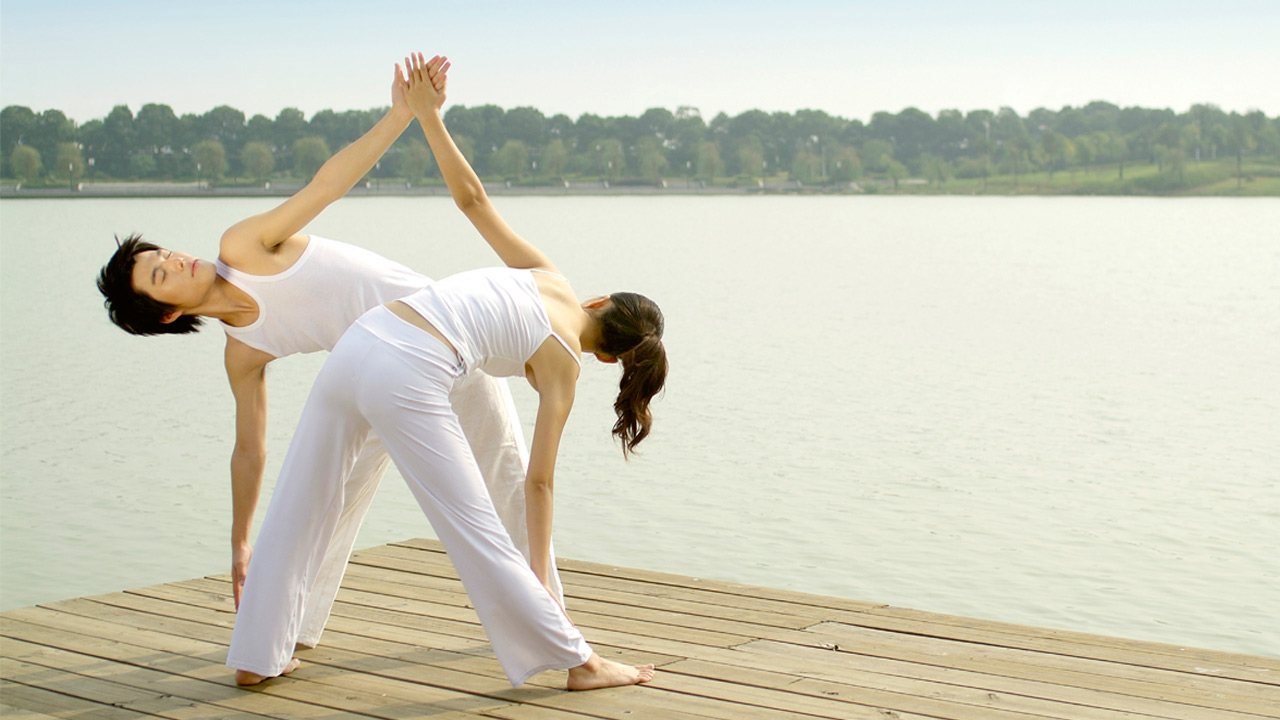
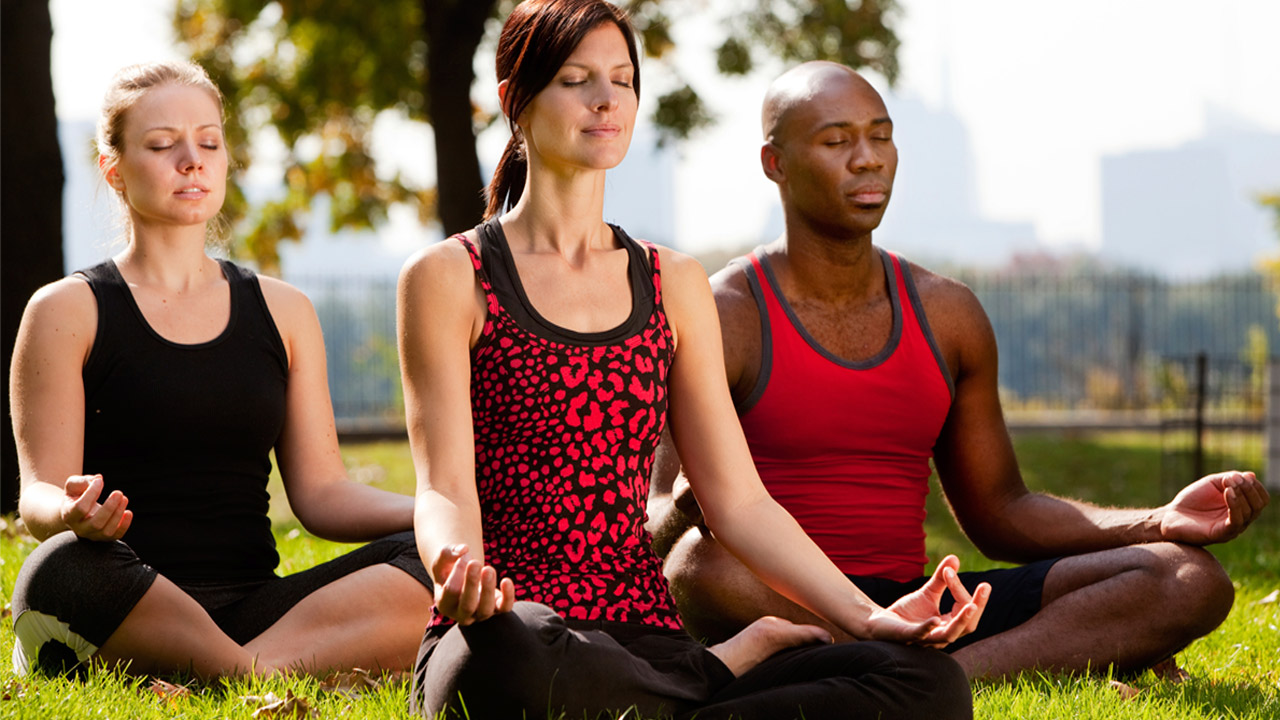
Benefits of meditation: How daily meditation helps you lead a wholesome life Sharper memory: One of the most important cognitive capacities we use daily is our memory. With higher amount of stress on your brain and body due to demands at workplace and home, there is high probability of negative effect on your memory. This can be countered by mindfulness meditation where the focus of attention is a particular physical sensation. This lets you quiet your mind and learn to be attentive solely to the matter at hand, thus allowing your brain to be able to remember more sharply and quickly. Dealing with stress: Stress is the buzzword for anyone who is leading their life in busy cities. Starting from the hurried walk into the office to the pressure of meeting deadlines and reaching home exhausted only to find oneself engrossed in another set of tedious jobs is the condition of daily life for most people. Meditation will allow you to cope with stress in a stronger way by bringing the energies of your body under your control, thus giving you the power to channelize them effectively. Giving up painkillers: Recent medical studies, especially ones conducted in Montreal in 2010, showed how the practice of Zen meditation structures the brain in such a manner that its capacity to sense and deal with pain increases. Primarily practiced by Buddhist monks, Zen is the form of meditation where you focus on your breathing and posture while watching and letting your mind gradually turn quiet. In this way, you can put those pain killers away and increase your innate capacity to deal with pain. Happiness quotient: Prefrontal cortex is the part of brain concerned with positive emotions and feelings. Those who meditate have been seen to have greater activity in this area. Major journals and research institutions focusing on depression and role of meditation in reducing it have found that meditation helps the person to feel in control of their life by subtly changing the working of their brains and thus, resulting in greater capacity to cope with depression and negative feelings. Good for your heart: Two kinds of meditation which are greatly beneficial for smooth working of your heart are Zen and Transcendental meditation. Transcendental meditation, taking after its name, helps you to transcend your worries through attention on chanting. It has been found that meditating daily helps to reduce the chances of stroke and heart attacks by over 40%.
Stay healthy, keep flu at bayKeep the influenza virus away from you by following these simple routines : Wash your hands!Hands are a germ factory. Innumerable things are touched by us through the course of a day and that lends the germs a perfect breeding ground. Hence, it becomes imperative that we clean our hands thoroughly, especially before eating. Always keep a sanitizer handy in case you don have access to water and soap. Even while you wash your hands with soap and water, do not rush with the process. Wash thoroughly at least for 20 seconds. Clean the surfaces!Computer keyboards, tables, pens and pencils, shared stationary are all great places to find the flu virus. Regularly clean these surfaces with an alcohol-based disinfectant that will kill these germs. Exercise!Nothing can be as good as regular physical exercise for maintaining good health. Regular exercising boosts the immunity. This makes you fall ill less often. It also gives you greater resistance against viruses so you will not be affected by them no matter how strong the exposure. Top up on vitamin C!Vitamin C is known to boost your immunity levels. It also increases the resistance against viruses. Eat a lot of citrus fruits like oranges and tomatoes. Amla, that is a rich source of vitamin C, can also be consumed in the form of juice or eaten raw! Chicken soup for the ill-soul!Chicken soup is known to be the most effective against the flu virus. So if you feel you are coming down with a flu fever, rush to the kitchen and fix up some nourishing chicken soup for yourself. Nothing works as effectively as this does. Try poking yourself!The ancient Chinese system of medicine, acupuncture, has been known to treat everything from headaches to nausea to arthritis. Acupuncture experts may prick at particular pressure points with hair like needles to keep flu at bay and to reduce the severity if already infected. Though there is no significant scientific evidence against it, there is absolutely no harm in trying it, if you can tolerate the pain from the needles!. OTC drugs!Over-the-counter medications are available in plenty for flu symptoms. The achy feeling all over the body, the sore throat, and the muscle pain are the worst symptoms of flu. Doctors suggest that you do not over-medicate yourself. Instead of going for multi-drug combinations, doctors advise you go for generic medicines like acetaminophen for fever and a cough suppressant. Garlic pods!These smelly things can be of great use when it comes to prevent a lot of diseases, the flu included. Studies show that people who ate two or three pods of garlic daily had better resistance against the flu virus and fell ill less often. Proactive Probiotics!The strength of your immune system lies in your gut, called gut-associated lymphoid tissue or GALT. Almost 80% of the immunity comes from your gut. To keep the gut healthy, eat a lot of probiotic, pro-GALT foods like yoghurt. Sleep well!Sleep is the most essential component of staying healthy. A well-relaxed body is fitter and stronger and will have better immunity against diseases! Prevention is always the better form of cure. Stay protected and stay healthy.
How to communicate with a patient who has a strokeThe first and the most important thing to communicate with the patient, is to give undivided attention. Give attention to his activities, gestures, his facial expressions through which he may try to communicate so his feelings could be understood. Eye contact is also important but the patient having stroke may look at you square in the eyes but he may not respond to your conversation. While communicating with the patient you should always stand in front and tune out all the other sights and sounds in the room. Maintain full silence around the patient in the room, turn down the volume of the television, radio and ask other people in the room to be silent. You may communicate with the patient by making contact by touching the hand, chin, cheek or areas which are not affected by stroke. As the side which is affected by stroke, does not have any sensations. You may communicate with the patient through his family member by telling the family member to communicate with patient by saying, "Look at my face"; through this we can gain the patient's concentration. You should always speak clearly with the patient in a normal soft volume. Express your ideas in simple terms, form simple sentences, do not use complex words. You may repeat the sentences or an important term again. For example to ask if the patient wants tea, repeat the word 'tea'. More complex thoughts can also be similarly conveyed and repeated. You may also use hand gestures with clarification like doing Hello by waving your hand or through your hand action, you may ask questions like, How are you? Are you ok? What do you want? Through this both caregiver and stroke patient can benefit. You may ask your patient to point out whatever he wants or if he needs anything. And gradually he will develop the habit of pointing the daily items like television, newspaper, remote, eyeglasses radio, drapes an uncomfortable foot, the patient can indicate any pain or headache. Through this communication we can make the patient learn, use mechanical lifts to get in and out of the bed, and with the help of the attendant by demonstrating the patient how to use it. Sometimes when the communication does not work, take a break, give it time and try again, do not get frustrated and reassure the patient that yes, he or she can do it. Good communication with the patient is very important as they cannot speak their basic wants and needs clearly. The patients suffered a stroke also have slurred speech. There is a deviation of the angle of mouth. They are mostly bed ridden and could not carry out the routine activities.
Pulling out - Is it an effective option for contraception?What is the 'Pulling out' method? 'Pulling out', 'Withdrawal' and 'Coitus Interruptus' are all the different names for probably one of the safest methods of contraception. It involves the male partner withdrawing or pulling out his penis just before ejaculation. This ensures that no semen has been ejaculated into the vagina or vulva of the female partner. Since there are no sperms travelling inside, the result is - No Pregnancy! Is this method really effective? Like all methods of contraception, the effectiveness of the pulling out method also depends on how correctly it is done. This method requires a lot of mutual understanding between the partners. The male partner must also exercise great self-control and accuracy in knowing when he will reach the highest point of sexual excitement so he can pull out at the right moment. Statistics have the following things to say Of women whose partners use withdrawal, 4% become pregnant each year if they always do it correctly, and 27% become pregnant each year if they don't always do it correctly. Ejaculating close to the vagina or vulva would mean that the sperms still have a way to travel inside the vagina. At times the pre-ejaculate fluid may also contain a few sperms from the previous ejaculation that may end up causing pregnancy. As a precaution against this, experts suggest the male partner pass urine before the sexual act. Withdrawal method of contraception is the best option for members of religious groups in which using contraceptive devices like pills, condoms or IUDs are a form of sin. Withdrawal method does not protect you from HIV/AIDS and other STDs. What are the advantages and disadvantages of this method? Advantages It is simple, safe and convenient. It is the best method when no other contraceptive method is available. It has no side-effects It does not require a medical prescription. It does not alter the menstrual cycle. It does not affect future fertility. Disadvantages Requires great self-control, experience and trust. Not suitable for men who suffer from premature ejaculation Not suitable for teenagers and sexually inexperienced people. Does not ensure protection from sexually transmitted diseases and HIV/AIDS. Less effective than other methods of birth control. May interfere with sexual pleasure due to nervousness and anticipation of pulling out at the right time. The pull out method is thus one of the safest methods of contraception, provided one has a thorough understanding of one's body, trust in the partner and a huge amount of self-control.
Challenges faced by homosexual parentsThe major challenge in front of gay parents is to face society and protect their children from social prejudice and discrimination. Gay people can never have their own children, and hence, often opt for adoption. But, how can a couple, who is discriminated against by society, provide a healthy upbringing to a child? However, in some cases, gay parents are known to have capably given their child, all the love and care and the basic amenities that they need, for a wholesome and proper development. Sexual Orientation and Parenting In the American society, same sex parenting is more common than in other parts of the world. Even then, children of gay parents have to face many more challenges than the children with heterosexual parents. The U.S. Census report of 2000 has reported that around 22 percent gay couples and 33 percent lesbian couples have around 18 children living with them. The trend of adoption amongst gay people has been increasing over the years, despite the overwhelming challenges. According to a report published in June 2012 by the American Psychological Association, no scientific evidence has proven that sexual orientation can affect parenting effectiveness. This means that both lesbian as well as gay parents can indeed provide a healthy and supportive environment for raising their children. Major Challenges The major difference lies in the treatment that the children of gay parents get in society. They have to face discrimination and prejudice from schools, their peers and even within their own families. Gay or lesbian parents on the other hand, face the dilemma of how to explain to their children why they have two mothers, or two fathers. Many people in society, even those with strong educational backgrounds, are of the opinion that being gay or lesbian, is an illness due to which, they are incapable of being adequate parents. There is also a misconception that lesbian women tend to be less motherly than heterosexual women. But no scientific basis has been found to support these beliefs. Although the medical community does not consider homosexuality as a psychological disorder, society continues to have a biased outlook towards gay parents. Are Gay Parents Better than Heterosexual Parents? As of today, nothing can prove that gay partners are not as good parents as their heterosexual counterparts. Moreover, it has been found that people of the same sex divide their workload of raising the child, and hence, the childcare process is more smooth and satisfying. Some studies have even noted that lesbian or gay parents have superior parenting skills. But, again no scientific evidence has proven these observations, yet.
FAQS
T&C FAQS