Home
Career advice for menGetting a job these days is extremely difficult. What is even more difficult is sticking around long enough at the job. No one is indispensable, and if you don't perform well, there are hundreds more waiting to get the job! Being the bread winner, men have to face this pressure more. Here are some tips that would do you good, if followed: Cracking The Interview: The golden rule here is to be honest. The interviewers do not want to hear what will please them; So, do not try to butter them up. They are also put off by boasting . Therefore, be honest about your views and opinions. Age:wise Attitude- When you are young, and have just entered the company, it is highly advisable to observe and learn as much as you can. Find yourself a professional mentor who can guide you. Try and build on your professional presence. Be active, spend more time with your boss, be helpful to your juniors. The golden advice for all, irrespective of seniority, is to stay clear of office gossip and politics. Keep a check on the attitude: There is no need to be arrogant, and a know-it-all. Be friendly, confident, and genuine. Learn to say no: You need to have a pleasing personality. But, avoid trying to please all. Try and learn the art of saying no firmly. Too much of 'yes' will make people take you for granted, and you will find yourself overloaded with a lot of work. Do not under price yourself: If you feel that you deserve a raise, go ahead and ask for it. Do not be afraid to ask for your worth. Often at interviews, employers cancel out candidates who under price themselves, as it shows that they will probably not perform to the expected levels. Blow your trumpet: With all humility make sure you take what is rightfully yours. If you don't take credit for the work, no one will give it to you. Worse, someone else may take it! Create boundaries: Keep your work at office. Do not bring work home. Often at the outset, to please bosses, one ends up working overtime or worse, working at home. It is important to keep both the parts of your lives separate. Keep fit too: Don't let your job take a toll on your health. Working late, sitting at the same place for hours, can be harmful for the heart. Learn to unwind periodically. Setting goals is easy. What is needed is the determination to follow the rules you have set for yourself. The way to success at work is taking the ladder, one step at a time. There is no elevator here.
Urinary tract infections in menUrinary tract infections are most commonly seen in the bladder in men. The symptoms include: Pain or burning during urination The urge to urinate often Pain in the lower abdomen Urine that is cloudy or foul-smelling Fever with chills and vomiting If the infection has spread to the kidneys, there may be pain in the back in the region of the kidney along with high grade fever, nausea and vomiting. UTI occurs very commonly and is not a medical emergency, but it is advisable to see the doctor immediately to avoid further complications. Elderly people and people suffering from diabetes should report instantly as they are at a higher risk for complications. The main risk is of the infection spreading up and affecting the kidneys. This could result in severe damage to the kidney and in people already suffering from any kidney disease, it could mean even kidney failure. There is also a small chance of the bacteria entering the blood stream and reaching other organs. Risk Factors for developing UTI: Not drinking enough water Holding in urine for long Kidney stones Taking frequent baths These factors may increase your chances of developing UTI A urine test is the only way to diagnose UTI. It not only checks for bacteria in the urine but also for abnormal cells like pus cells and red blood cells. Dipsticks are accurate. Home test kits are also available but they do not boast of 100% accuracy. Stealth or Asymptomatic UTI is the same as UTI, except that the symptoms are not seen. The bacterial infection is revealed in a routine urine test. This is serious and since it affects elderly people and immune-compromised people, needs immediate treatment. UTI is treated symptomatically. Specific antibiotics are prescribed for killing the bacteria. Symptomatic treatment is offered for the fever and pain if present. Along with this you will be recommended to drink plenty of water and fluids and regularly empty your bladder. Men with diabetes need to take special care due to several reasons. Since their immune system is weak, they are prone to infection easily. The high amount of sugar in the blood and urine may encourage the bacteria to flourish. Also, the diabetic neuropathy affects the nerves of the bladder and there may be no proper signals for emptying the bladder fully. All these add up as potential risk factors for UTI. Urinary Tract Infections are easily preventable. Here's how: Drink Plenty of water Empty your bladder at regular intervals Take showers instead of baths Visit the toilet before and after sex Avoid strong smelling soaps and washes to wash the genitals Wash from front to back.
Pamper the newborn without forgetting yourselfIf you are a new mom, chances are you are busy 24/7. The baby's complete dependence on you helps you bond with him/her and makes you aware of the responsibility that is now on you. But, your own health is an equally important responsibility. So, you need to give yourself permission to take care, or even pamper yourself from time to time. Here are simple ways for you to look out for yourself. Eat your favorite breakfast: As your day starts, you need fuel to keep your energy levels high. So, grab your hands on healthy and tasty breakfast options like whole grain cereal, skim milk and sliced strawberries or a banana. The combination of lean protein, whole-grain foods, and nutrient-rich fruit allows the brain to form more feel-good chemicals. Don't let stress come near you: We know that a lot of changes in your life have transpired, due to the entry of a baby in your world. The difficulty to cope with the changes may cause stress and depression. Try to avoid stress by asking for your husband's and relatives' support. Take a walk with your baby: Walking with your baby in nearby parks will give you fresh air and it is an excellent form of exercise. Don't be sleep deprived: Having a baby doesn't mean that you have to always sacrifice your sleep. Never miss an opportunity to sleep or take rest. This will keep your energy levels high for the day. Sleep when your baby sleeps. Delegate baby care: Parenting is not your sole responsibility. Ask your husband to lend a hand in taking care of the baby for some time. Not just the husband, if you live in a joint family, you can ask other relatives for help as well. Don't be a multi-tasking person: We know a woman has so many roles to play. But, it doesn't always have to be that way. Being a new mom, you must focus on one activity at a time. You can prioritize your tasks, if you have a lot of things to do. Exercise regularly: Add exercise to your daily routine. Choose the exercise which you love and enjoy, like walking, cycling, yoga, swimming or aerobic dance. Consult a doctor before starting any exercise program.    
Mother can pass stress patterns to childThe stress patterns in the mother have shown to affect the mental development of children and have been found to play a role in autism and even schizophrenia. "Pressure and stress is the common cold of the psyche." - Andrew Denton There are several studies conducted in this area of research. The results are varied and present a set of multiple issues that children can face if their mothers have been under stress when they were in the womb. In later years, these babies grow into children who have a weak mental state. They cry easily, pick the escape route in conflicts and difficult situations, are anxiety prone and may get easily bullied in social environments. Their social adjustment gets hampered due to emotional weakness. These children are not good at handling weak moments and end up being rubbed off the wrong way, time and again. It pushes them into a vicious cycle. The incapability to tackle socially stressful situations further scares them. They get bullied and become even more vulnerable. What to do? The approach is twofold. Curb the problem in the beginning. Yes, it is natural to be stressed. Pregnancy can be tough, physically as well as mentally. With the modern life, the stressors have increased and there is always so much to do in such little time. Relationships, work, food, health, hormones - there is ample to trouble you. Find a release for the tensions. The one growing inside you needs you to be happy and healthy. Do things that make you happy, keep your happiness at the top priority. Everyone around you needs to understand that. Reader, if you are the husband, parent, sibling or friend of a pregnant lady - support her, understand her and do all you can to make her smile. Do not be the one who reprimands if she is worried, be the one who takes away her worries. Pave way for a baby who is happy and ready to start a new life. Second, do what you can at the given time. The child is already here and is facing emotional adjustment issues - extend your support to him/her. Give the kid the ground to grow strong roots and stand tall, without being disturbed easily by gushes of the wind. While it is difficult to avoid stress, you can always try to handle it better, for the sake of your child.Soon-to-be mothers who go through stressful situations may be passing on the stress patterns to their babies.
High blood pressure in the little onesIf you are asked to paint a picture of a patient of hypertension, how would it look? Leave the details aside, would you paint an old person, a young person or a child? Most likely, you will paint an old person or may be a middle-aged person. But a child, who would think of a child to have high blood pressure! It may be difficult to believe for most but not only is it possible, its incidence is also increasing gradually. In fact, hypertension in kids is becoming quite common. Studies in USA show that up to 5% children and adolescents have hypertension. What is it? High blood pressure in children and adolescents is also called as pediatric hypertension. Pediatric hypertension is defined by the blood pressure recorded on the mercury, in comparison to the given standard range. As a child grows, there is rapid development in all the milestones. For children, there are percentiles defined for all parameters for various age groups. In children, when the blood pressure is above the 90th percentile but below the 95th, it is called prehypertension. When it is above 95th percentile, it is diagnosed as hypertension. There are no distinguishing symptoms of pediatric hypertension, so it may easily be missed. Please make it a practice to get your child's blood pressure checked on routine visits for medical examination. Why does it happen? High blood pressure in children under ten years of age is usually secondary to some other health condition. It could be due to an underlying heart disease, kidney disease, hormonal disorders or genetic abnormalities. This demands treatment of the main problem. Primary hypertension is noted in older children, over 6-10 years of age and adolescents. There is no specific cause identified for this, other than lifestyle, obesity, rich foods and family history. How bad could it get? Children may show a disordered sleep pattern when they have hypertension. They may suffer from sleep apnea, reflected by snoring or abnormal breathing. Besides sleep, the other effects of hypertension are the known ones. In the long run, it could lead to heart disease, stroke or kidney disease. What to do? It is very important to control the blood pressure from a young age. Regular check-ups and monitoring of the BP is needed. Thorough examination is a must to identify whether the hypertension is primary or secondary. Treatment by medicines is recommended in secondary hypertension, where the underlying condition is to be tackled along with the management of blood pressure. In cases of primary hypertension, medication is suggested only in extreme cases. Otherwise, lifestyle management is the key. It is not a healthy option to start anti-hypertensives this early in life. Give your child healthy food, help him/her maintain the ideal body weight and make sure he/she gets enough exercise physically. The sooner we identify the problem, the better are the results with a disciplined lifestyle. The unhealthy lifestyle is creating chaos in all our lives. How long the kids would have escaped? Our lifestyle reflects on our kids. Follow a healthy routine and keep the family healthy!
10 unhealthy habits in kidsNowadays, parents are too engrossed with their professional lives, and hence are unable to pay enough attention to their kids. Kids may develop unhealthy habits as a result of this neglect. Parents need to take conscious efforts to inculcate good habits in their children. Here is a list of unhealthy habits in kids, which you need to break immediately. Not drinking enough water It is very important for kids to keep their body hydrated in order to keep their skin supple and cool down the body's temperature when it's hot. Water also allows muscles and joints to work better and helps cleaning out toxins from the body through the kidney. Staying hydrated helps keep the memory sharp and the mood stable. Encourage your child to drink water before he/she even feels thirsty. Snacking on junk food Kids relish junk food. Unfortunately, there are endless options when it comes to junk food. This can cause childhood obesity and lowers the energy levels. Junk food cannot meet up the body's requirement for nutrition and vitamins. Hence, children must be encouraged to snack on healthy and tasty food like fruits, whole grain breads, or fruit breads. Missing breakfast School going kids often skip their breakfast in order to reach school in time. Skipping breakfast increases the risk of being overweight. It also leads to a loss of concentration and making bad food choices later in the day. Parents must wake their kids early, so that they have time for a healthy breakfast. Spending too much time sitting Technology has been a boon in some ways. At the same time, it has made us lazy. Watching TV and playing video games seem far more attractive to kids than outdoor games. Kids become less active which leads to various health problems, such as getting obese, becoming lazy, lacking of stamina, losing concentration and good eyesight. Parents should encourage their kids to participate in sports at their school or play various outdoor games with other kids. Not having proper sleep Falling short of sleep should be a big no to kids. Lack of sleep affects the immune system, and also causes loss of concentration, headaches and heart-related problems. Get your kids to sleep around 7-8 hours every night. Overdosing on sugar Kids have particular preference for sweet foods. But added sugar in various desserts and snacks provides a lot of calories and lacks nutritional values. Limit the sweet intake of your child, but don't force them to completely give up on it. Refusing to eat green vegetables Children generally don't like to eat green vegetables. They prefer to have chapati with jam or cheese. But that doesn't fulfill the body's requirement for vitamins and minerals. Try to cook green vegetables in different forms and make it look and taste yummy. Give them various choices of green vegetables cooked in different styles. Nail biting Though nail biting doesn't cause severe health problems, it could result in milder diseases such as diarrhea, cold, viral infections, pin worms, and food poisoning. Keep the nails of your kid clean and try to control their nail biting by explaining to them the ill-effects of nail biting. Not playing outdoor games Not playing outdoors impairs a child's social skills, as well as hampers the development of healthy body. It also causes deficiency of vitamin D. Try to encourage and accompany the kids for playing outdoor games. Eating without washing hands Kids play outside and touch various objects and surfaces, which may have lots of bacteria and germs. When they eat something with the same dirty hands, the bacteria and germs enters their body and may cause food poisoning, viral infections, and stomach aches. Keep a hand sanitizer or good hand wash at home and encourage your child to wash his/her hands before eating anything.
How to remember everyone you meet?Now that would be quite a feat, would it not? To be able to recall the name and occupation of every person we ever encountered right down to the minutiae of how, where, and why we were introduced to them to begin with! Sometimes we raise the bar of forgetfulness to the extent of forgetting just who it was who introduced us to "Mr. what's-his-face!" If only there were ways to remember the modest and average people who leave virtually no impression on us, wouldn't that save us great embarrassment? Plus it will help us do away with those sheepish looks when it dawns upon the other person that you haven't the foggiest of notions as to who he is. Stranger: Hi! You remember me? How are you doing, Frankie? Frank: Umm! I am well (this guy's face looks mighty familiar, but for the life of me, I cannot recall ever having cast my eyes on him). Stranger: So, how was your annual bridge completion? Manage to beat the Swiss pairs this time? Frank: Atta boy! Got it! This guy happened to be kibitzing at the weekend bridge club at Aldermere. Whew! Stranger: You gave me quite a start there. You looked right through me and I was quite not pleased at the fact that just last week I happened to congratulate you. Frank: Well Martin, be tough to not remember you, of course I do! Just didn't think of bumping into you here. Martin: Well, I am Walther and I can now see that you don't remember me at all! How many times has the above scenario happened to us? While it is well-nigh impossible to remember every name or face that we come across, it would be  a good habit to at least attempt our 'mental name book' to avoid an occasion for future embarrassment! Now, how in the world does one do that? Simplest way would be to carry a small notebook with a pen to make note of someone that you have just been introduced to, at a meeting or a social do. Our friends often introduce us to people and chances are that if there is no occasion to remember that person, then the brain fades it out of its memory list, as it will only use up space on the brain's 'hard disk.' Human memory might be jogged to remember trivia from 25 years ago in great detail, but ask a simple question - remember what you had for lunch last Tuesday?  - and that would be very difficult to answer, especially if last Tuesday was just an ordinary day with no special reference points around lunchtime to help you remember. Maybe if something momentous had occurred on Tuesday last, like pretty Meg from next door, sharing lunch with you rather unexpectedly, then you can bet your bottom dollar you will remember what you had on the day in question. So create reference points! When you are introduced to someone, first and foremost, reference it with who introduced you and then try and make a reference of at least one unique distinguishing feature in that person. Now you don't really require the eye of a physiognomist, and it would be mighty impolite to stare hard for the "distinguishing feature" coin to drop. So a quick look and you got 'long nose Mary Gomez' all referenced and ready for recall at the next chance meeting. Make the reference phrases funny so that you won't have any problem whatsoever in recalling the name behind the funny phrase when you most require it. Alternatively, try associating a picture with the name if you aren't very good with phrase reminders. These techniques are called mnemonics, which is pronounced ni-mon-nics, and funnily enough the very curious spelling - Mnemonics makes you want to have a picture card memory association for the right pronunciation. A mnemonic for this could be 'knee-moan- knicks". Easy enough, i.e., if you remember the sequence right. You could also try memory exercises with names picked off from the telephone directory at random. Pick an A-lister say - 'Anderson' and then flick through to D and pick 'Dougherty' and so on until you have picked at least 10 names of a different alphabet. Now, try and write down the numbers that you must have undoubtedly memorized until now. You can consider yourself blessed even if you are able to memorize the number of the third person by the time you reach person number 10. This will give you a memory for names and numbers at least. Or, go through any university web sites and look at the photo galleries of past alumni. Give yourself 1 minute to quickly glance at all the names on the page. Then try and recall the name by applying the memory picture association or develop your own technique. With regular practice, you could well be in the employ of the local police to help identify criminals off a line up. If that's too dangerous for you, then at least that will  keep your brain alert and active with this brain gym and help avoid any boo-boos in the future.
Faking illnesses - An illness in itself?In 2008, a 28 years old woman in the US shared some shocking news with her friends. She had been detected with cancer. She posted updates on social networking sites and wrote blogs on her illness. Sympathy poured in from all corners. Some even sent in monetary help to cover her expenses. The saddest part of the incident though was not her cancer; it was the fact that she had faked it! Police investigations revealed her little trick when no evidences or records were found at the hospitals! Apparently, this isn't a unique case;  faking illnesses or malingering is a very common occurrence. All of us have done it at some point in our lives. While we may have done it to escape a school punishment or to take undue advantage of the office 'sick leaves' for personal purposes, it is usually done on a harmless level. But faking illness can be a chronic disorder too and  medical professionals even have a name for it-; Munchausen's Syndrome. People suffering from this syndrome fake illnesses that they don't actually have, to gain sympathy or simply to be the center of attention. Usually gaining sympathy is the main reason why people fake illnesses. It gives them a chance to be in the spotlight. Everyone calls and visits, expresses concern and fusses over them. Lots of love is showered upon them. Another common reason for faking illnesses, is money and at times, the monetary benefits are higher than the emotional ones. No one hesitates to fulfill the last wish of a dying person, however expensive it may be. Often there are mixed motivations and the person faking an illness has many reasons to keep up the pretense of being sick, for as long as possible. Some people really do have a disease — a mental illness known as a factitious disorder. People with this disorder pretend to have an illness, which is usually a terminal one and often go to great lengths to maintain their hoax. Munchausen syndrome by proxy, is another form of faking illness. People with this disorder, fake illnesses of people under their care; and they usually do this, for monetary benefits. Children are the most common victims in this disease. When you tell someone that your child has cancer, you will receive a great amount of sympathy and all the money you want, no questions asked! People with these disorders are extremely cunning. They go to great extents to maintain their lies. They will build grand stories, complain of fake pains and aches, get admitted to hospitals and undergo a battery of tests, numerous times. Interestingly, they never allow and frequently discourage medical professionals, from talking to any of their family members. Since they know they are faking the illness, they will refuse to undergo treatment, for obvious reasons. . If you think a loved one may be exaggerating or faking their health issues, attempt a gentle conversation, voicing your concerns. Avoid anger, judgment or confrontation, while offering support and care and if possible, help them in finding a treatment. Treatment includes empathy, helping in identifying feelings and issues that led to the development of the disorder and finding  alternative healthy ways to deal with those feelings and issues.
Beating the weight loss plateauThere comes a stage when you stop losing any weight in spite of strict exercise and diet regimen. This is called as weight loss plateau. When calorie intake is reduced along with exercise, the energy required is obtained from stored fat which eventually leads to weight loss. This rate of weight loss slows down and eventually stops once body reaches its set point of metabolism. This set point varies from person to person. So what can you do next? Here are some easy ways to get the weighing scale budging: Modify diet pattern: Metabolism slows down with lowering calorie intake. To reset metabolism, you need to have an adequate amount of calories. This can be done by including fruits and vegetables, whole grains, and proteins in diet. More energy is needed to burn proteins than carbohydrates or fats. Eat within half an hour or hour after exercising. Add proteins and carbohydrates to diet. Sip water: Increase total water intake in a day. Drink water before, during and after exercise and throughout the day. Change the workout: Change the exercises you do daily. Muscles get accustomed to a routine workout. Switching exercises and continually challenging helps burn more fat and build lean tissue. Change the type and time or duration of exercise. Try cycling instead of running if you have been doing it for long. Running, swimming, dancing, and Pilates too are good options. Skipping and brisk walking help in burning calories too and break the plateau. In the gym, change the exercise or number of repetitions. If you have been working on machines for long, try weight training or floor exercises. Take rest: Adequate rest is essential for the body to rejuvenate. Muscles, tendons, and ligaments get slight internal and external injuries which can be healed by rest. Proper rest helps repair and regenerate the tissue and makes them strong. Make these changes and get the needle on that weighing scale to budge.
Have that chocolate without any guiltYou may find this hard to believe, but chocolate is actually good for your health. Hold on, before you faint. Let's first get to the crux of the matter. Chocolate can actually be good for you if you eat it in moderate quantities. So what about all the bad effects of chocolate that people always talk about? Let's fume them all one by one:  Chocolate causes dental caries: Dear mummy, dental caries (cavities) are caused due to poor oral hygiene and consumption of foods rich in fermentable carbohydrates. When these carbohydrates are left in the tooth for a long time, they release an acid. This may damage the tooth enamel and cause tooth decay. In fact, chocolate contains tannin which actually prevents cavities from forming. So next time, dear mommies, let your child enjoy a small piece of chocolate. You can also join them in the treat.  Chocolate is loaded with fats and sugar:Yes, chocolate comprises of both saturated and unsaturated fats, but a majority of themare in the form of oleic acid and stearic acid. Now, oleic acid (present in olives) and stearic acid are good to lower the blood cholesterol levels. Also, the fat that is found in chocolate is added later, after the chocolate has been processed. So the higher content of cocoa in any bar ensures that there is less fat in the chocolate. So, what about the sugar?Sugar is bad, but the darker variety of chocolate has less sugar compared to the regular sweet chocolate. Dark means higher cocoa content and hence no room for other fillers likes cocoa butter, sugar, nuts, etc.  Chocolate contains no nutrients: On the contrary, it is rich in antioxidants.What is the work of an antioxidant? They scavenge the body of free radicals, which roam in body and cause ageing and diseases. Antioxidant flushes these free radicals out of your body. So, if you want to stay young, bite on a piece of chocolate once a week. Secondly, diets rich in antioxidants have been proven to lower the incidences of heart attacks, strokes, cardiovascular diseases, hyperlipidemia, and arthritis. Hence, I stand by the bar full of antioxidants;it's actually good for you.  Chocolate contains caffeine: Caffeine content in chocolatesis low as compared to your tea, coffee, or cola drinks. Now, having counted the amazing health benefits of chocolate, it is important to tell you which chocolate is healthy for you. The one which is in its purest form - thebittersweet one, which is high in cocoa content, is the clue to your healthy bar. So next time you crave a dessert, indulge in a small piece of chocolate to satisfy your sweet tooth and forget that guilt.  

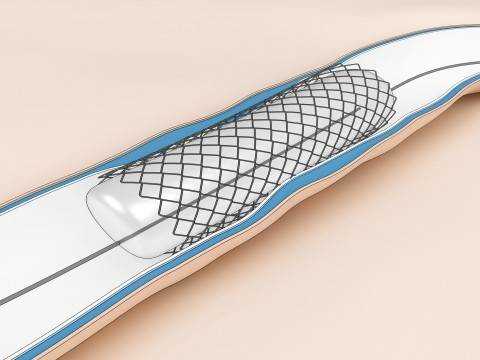
All you need to know about angioplasty!Why would you need coronary angioplasty? The walls of the arteries are being constantly lined with a fatty material called plaque. This plaque increases in certain conditions like atherosclerosis. When the build-up is too high, the artery gets blocked and the subsequent tissue receives very less or no blood, causing it to die. The plaque at times may be dissolved by medicines but if it is too big, medicines prove ineffective. This is manifested outwardly as a heart attack. This is the time when the doctor would recommend the coronary angioplasty as a treatment for you. How is it done? A thin catheter with a deflated tiny balloon at one end is inserted into the affected artery. Once the exact location of plaque build-up is reached, the balloon is inflated causing the plaque to get pushed against the artery wall and creating free space for the blood to flow. A small mesh called a stent may be placed to hold the artery in place. Some stents are coated with medicines that prevent the scar tissue formation following the angioplasty procedure. The procedure may be done as an emergency or it may be planned. If it is a planned procedure: You will have to get hospitalized and stop eating or drinking 6 to 8 hrs before the procedure. Once the procedure is done, the doctor would prefer you staying in the hospital overnight to watch for any adverse events that may happen. What happens after the surgery? The surgery lasts for 1 to 2 hours and you would be allowed to go home the next day. You will be advised not to undergo vigorous and strenuous exercises and to rest adequately. Most people are fit to return to work a week after the surgery.
Winter - When your heart feels the cold too!As per a study in America, 193.6 people of every 10000 people die of a heart disease every year. 53% of the heart attacks occur in the winter months. Heart diseases have a seasonal trend as found by medical research recently. A team of medical researchers recently conducted a survey which saw 10,000 participants between the ages 35 to 80 from around seven European countries. The study was conducted to see if there is any seasonal variation in the presentation of heart diseases. The participants were measured on the parameters of blood pressure, waist circumference, body mass index, blood glucose levels and blood lipid levels. The parameters were later adjusted for sex, age and smoking. The results revealed that the incidence of heart disease shows an upward trend in the winter month [Jan to Feb] as compared to the summer months [June-Aug]. The researchers accept that there is no logical explanation to these findings. A plausible cause being the fact that the eating habits change in winter. One tends to eat more which in turn increases the cholesterol levels leading to heart diseases. Several other theories are being put forth. According to one, during the winter months the body undergoes hormonal imbalance. The day and night variation in the hormone levels, especially that of cortisol varies. This results in a lower threshold for heart attacks. Yet another theory says that the cold temperature tends to constrict the arteries narrowing the blood flow to the heart tissue and this result in a heart attack. On the basis of this study, scientists advise that more attention is to be paid to heart health during the winters.
Painful intercourseSome of the causes affecting women can be: Going too fast, penetrating from an awkward position. Do not hesitate to tell your partner that it hurts and he needs to slow down or change position in order to make you comfortable and prevent pain. Dry vagina or lack of natural lubrication in the vagina. This dry vagina is caused due to some medications, changes at the menopause. Sometimes just increasing the time of foreplay can help vaginal lubrication. Use water-based lubricant to reduce pain. Failure to fire off. Sometimes failure of the vagina and uterus to respond to sexual arousal can lead to irritation and tenderness. The vagina may be too tight for the intercourse sometimes or the uterus may not be raised so that the penis comes in contact with the cervix during penetration. Using other penetration methods can be helpful to explore the level of arousal before engaging in intercourse. Vaginismus can be the cause of discomfort. Muscles surrounding vagina are sometimes very tight and lead to pain and intercourse to be painful. Woman can examine herself with her fingers to see if vaginal walls are tighter than normal. It can be vaginismus. Normal cause is nervousness or anxiety. It is reversible. Good foreplay before intercourse will help to relax the muscles and help lubricate. Just relaxing before the act can be helpful. Vaginal infection and inflammation due to yeast, herpes, etc. can make intercourse uncomfortable. Fabrics, creams, perfumes may cause irritation in area in some women. Avoid these. First-time sex can be a little painful. Rupture of the hymen can cause discomfort during penetration. Start slowly or begin with forms of penetration other than intercourse. Psychological pain. Sexually traumatic experiences or feelings of guilt associated with sex can make the act painful. Consult a sex therapist or psychiatrist. Discomfort during intercourse is experienced by men too, various causes affecting this outcome for men are: Tight foreskin. During first attempt at intercourse, tight foreskin will make retraction painful. After sometime, the foreskin will become loose and make intercourse comfortable. Any lesion on the penis skin can make intercourse painful. These may result from non-lubricated masturbation or rapid intercourse or STDs. The blisters due to herpes infection can make intercourse extremely painful.
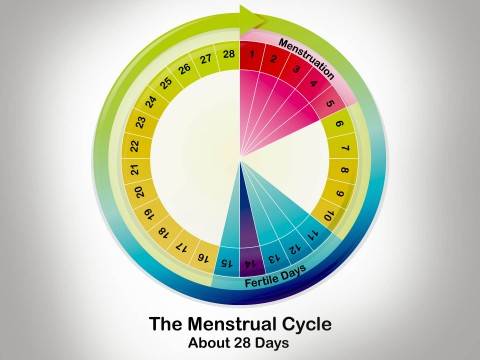
Know your safe period for low-risk sexNot every act of sexual intercourse will result in pregnancy. There are days when your chances of conception are very high and days when the chances are almost nil. Know these days to help you enjoy a rocking sex life! The menstrual cycle starts from the day the bleeding starts and ends about 28 days after that, on an average ovulation occurs around 14th day of the menstrual cycle. The 14th day is the ideal day theoretically. Since every woman's menstrual cycle differs, the day of the ovulation also differs. Hence doctors calculate the fertile period as the 12th day to the 18th day of the menstrual cycle. This is the period when the chances of ovulating and hence getting pregnant are very high. The 1st to the 7th day and the 19th day to the start of the next cycle are the days when the ovulation chances are very less. This means if you make love during these days, there are very less chances of getting pregnant. This is the case with women who have regular period cycles. In case the cycles are irregular, then you would need to do a bit of math for calculating the safe period. For example, if your shortest cycle is of 26 days and the longest cycle has been of 31 days, then- 26-18= 8 and 31-10=21 The 8th day to the 21st day are the fertile days; 1st day to the 7th day and then the 21st day until the day the next cycle starts are the days that are safe to enjoy sex without fear of getting pregnant. Opting to have sex during the 'safe period' isn't fool-proof though. A lot of women have irregular cycles and the cycle length can vary from women to women. That's why the so-called 'safe period' is, in truth, not that safe! And it's better to use condoms or other contraceptive methods like the oral pill to prevent unwanted pregnancies.
FAQS
T&C FAQS