Home
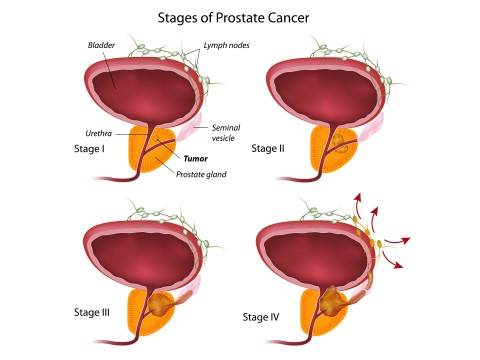
Weight gain and prostate cancerOne of the hormone therapies involves increasing the production of LH-RH. Luteinizing Hormone-Releasing Hormone (LH-RH) is a hormone which is produced by your body. This lessens the production of testosterone. The drug given induces the generation of this hormone. One of the side effects of this therapy is weight gain. Along with this, breast pain, hot flashes, nausea, and growth of male breast tissue might occur. Apart from hormone therapy side effects, the presence of fatigue can also stop a patient from regularly exercising, thus, resulting in gaining weight. However, it is important that this weight gain is averted as the chance of cancer returning is a possibility. You can keep your weight in check by following these tips: Ask your doctor if your hormone therapy can lead to weight gain. If you receive an affirmative answer, then ask for a diet chart to be followed. You can also keep a food and activity journal to get an idea of how your body is reacting to the treatment. Inculcate physical activity in your schedule. This will not only help to reduce fatigue, but also keep at bay the chances of becoming constipated or feeling nauseous. Medical studies have shown that cancer patients must have at least 2-1/2 hours of moderate physical exercise per week. Have about 2.5 cups of fruits and vegetables every day. Also, shift to whole grain food items. You should also consume at least a cup of legumes, for example, beans, to keep up your protein levels. It is best to opt for lean protein snacks like yogurt and chicken. You must stay adequately hydrated during your treatment. Drink about 10 to 12 glasses of water everyday. Do not consume excessive amount of sweetened beverages like coffee and cola. Have a small portion of nut and nut seeds. If you feel distressed due to the therapy, go for a massage. These have been proved to reduce anxiety and stress caused during the treatment of cancer. Most importantly, keep up with your appointments with the doctor and convey the bodily changes that you may notice. Have an optimistic outlook towards the treatment and do not repress any emotional disturbance. Weight gain in men who had been previously healthy often leads to depression regarding weight issues. Being proactive and focusing on keeping your weight under check is the key here. You could also approach a psychologist if you have been feeling low. The LH-RH therapy is also known as Androgen Deprivation Therapy (ADT). This therapy leads to a weight gain of around 9 pounds within a year of starting treatment. You can make sure that your weight is controlled by altering your lifestyle and getting adequate physical exercise everyday.
The post-delivery bluesA baby being born is cause for celebration. Especially in a country like India, where the family ties tend to be close, there is a festive atmosphere at home. However, sometimes the mothers may not share the same enthusiasm. This wave of negative emotions in the middle of what is clearly a happy occasion can be confusing for the new mother. Interestingly these feelings are not abnormal, as many new moms face postpartum depression, which is also called baby blues. It is an emotional reaction that begins a few days after delivery and lasts not more than 2 weeks. What are the symptoms of postpartum depression? Feelings of anger or irritability. Lack of interest in the baby. Lack of appetite and sleep disturbance. Crying and sadness. Irritability or hypersensitivity. Feelings of guilt, shame or hopelessness. Loss of interest, joy or pleasure in the things you used to enjoy. Possible thoughts of harming the baby or yourself. What are the causes of postpartum depression? Postpartum depression can occur due to a combination of factors. Hormonal changes: Changes in the level of hormones can leave you feeling tired, sluggish and depressed. Changes in your blood volume, blood pressure, immune system and metabolism can contribute to fatigue and mood swings. Emotional factors: Feeling overwhelmed with the new arrival in the family, and taking care of the baby day and night, may leave you sleep deprived, overexerted, and anxious. New mothers also feel that they look less attractive after pregnancy. You may feel that people around you are concerned with the baby more than you, and that you are being neglected. All these emotional factors may lead to postpartum depression. Other factors: Issues like breast feeding, financial strain, and relationship troubles can also contribute to postpartum depression. How does one deal with postpartum depression? Take complete rest and sleep for sufficient hours Spend quality time with your husband Go for healthy diet Take morning or evening walk for fresh air Try to follow yoga or other exercises Share your feelings with your husband or friends Do not overexert Join some groups for new moms Go for individual therapy or counsellors Remember, postpartum depression is not an incurable problem. It is just a temporary state of mind, which can be overcome if you are sufficiently aware of the problem.                
Menopause and mental health!Menopause is the period in a woman's life when her man claims she is going crazy. It is also the time when her period is on the decline and hormones are in complete disarray. Depression, insomnia, irritability, mood swings and lack of concentration are few symptoms that the lady has to battle with. These symptoms may begin as early as 4 years before the actual menopause and may continue for several years after that! For women, menopause is a significant turning point in their lives. The dropping levels of oestrogen and the resultant physical and mental symptoms can be like a cycle of events, only adding to their woes! Depression: Depression affects every middle-aged woman. An estimated 20% of women have depression at some point during menopause. The peak period for depression is during the perimenopausal years, when the woman is approaching menopause. The reason for this, say experts, is the fact that most women dread menopause. Even though for some it means an end to years of menstrual cramps, for most others it signifies an end to their womanhood. The very idea is sufficient enough to bring on lots of negative thoughts and depression. Not only this, the reason for depression during perimenopausal and menopausal age is the fluctuating hormones. Research shows that the levels of reproductive hormones, specifically oestrogen are responsible for the mental changes. Changes in the sleep pattern: Insomnia is seen in 40 to 50% of women in the menopausal transition phase. Women who spend sleepless nights are more likely than others to show irritability, crankiness, stress and depressive symptoms. Sleep disturbances during menopause have been linked to the decreasing oestrogen levels. Indeed this claim can be held true as several women respond positively to exogenous hormone therapy. One study claims that sleep changes are linked to the Luteinizing Hormone levels, which also results in increased body temperature. Sleep apnea too occurs in the menopausal transition age. This is due to decreased progesterone level, as progesterone plays an important role in respiration. The weight gain that happens during menopause has also been shown to cause sleep apnea. Panic disorder: Panic disorder is commonly seen during the perimenopause stage. Existing disorder may worsen or new disorder may arise. Panic disorder is usually manifested in women who show several physical symptoms of menopause. The panic attacks are usually associated with negative life events, pre-existing medical diseases and decreased daily functionality. Obsessive compulsive disorder: New onset of OCD, worsening of the existing condition or change in the pattern of symptoms is seen during menopause. OCD changes are also observed during pregnancy and during the menstrual changes, suggesting the impact of hormones on symptoms of OCD. Bipolar disorder: Women with bipolar disorder experience an exacerbation of symptoms during the perimenopausal stage. These women are also the ones that are highly likely to experience severe depression in the menopausal phase. Schizophrenia: Schizophrenia usually manifests itself in young adulthood. The rate of new cases decreases gradually thereafter, in both men and women. In women, however, there is a second peak in the 45-50 years age group. This peak is not observed in men. This suggests that oestrogen may play a significant role in triggering schizophrenia or worsening the pre-existing condition.
Bonding with the babyIt is an immense pleasure to hold a baby in your arms, isn't it? The bonding between amotherand her baby starts within the womb itself. When the baby is born, a few parents bond with the baby within minutes. But for others this may take some time. If the baby is taking time to respond to your affections, don't worry, here are some tips to help you with the bonding. Babies respond to the mother by making sounds, grasping, smiling, or crying. Touching, holding, kissing, cuddling, talking and singing help build a bond with your child. Infants prefer a human face to any other stimuli. So face your child as much as possible. The attention span of a new born baby is quite short. Hang a colorful object on top of the pram, cradle,or cot. Your baby already likes toys of different shapes. Various reflexes develop by the fourth week after birth. These include sucking, grasping, searching for the nipple and blinking. Baby may gaze at you some time. Respond by nodding, smiling, and talking to the baby. Babies are sensitive to their surroundings. They respond to music or the phone ringing by staring at it quietly. They observe toys keenly, spot colours and become happy at times. These are heart warming moments for the parents. Father's care usually builds a protective and secured feeling in a child which he carries for life and prevents building of any unreal fears in him in later life. So dads should care for and make their babies feel secure. You love to touch your bundle of joy, right? Babies love, enjoy, and need it as well. Skin-to-skin touch helps growth and development of the child. Mom's touch soothes the baby when he is irritated. Start reading to your child. It is never too early. It helps the development of reading skills and language. Babies enjoy pictures in the book. Even if baby can't understand words, they love to hear the parents' voices. During the first few months, they understand little of it, but they are thrilled by listening to you. Have a short reading session with your child daily.Dads can try this trick to make the baby sleep. Carry her around while patting her very gently on back.
Stress - Even kids cannot escape!Often when we feel overwhelmed with stress, we go back in the past and reflect. We miss our golden days of childhood.We think of those days with fondness, miss the free and carefree times. We feel like becoming kids again. But the truth is that at no age are we free of stress and worries. It is just that with time, we move on to newer situations and every new stressor seems worse than the previous one. Children stress out too, some more than the others. Stressors Simple things like a test in school, a Physical Training class or poem recital could mean a lot of stress for the little ones. The desire to meet the expectations of parents or teachers also creates tremendous pressure on the children. They are eager to do well at all the times and the smallest failures can upset these kids immensely. Peer groups are difficult to manage. In childhood, the social maturity is not sufficiently developed to handle day-to-day conflicts. Trivial fights or comments from classmates and friends can lead to a long-lasting impact on the vulnerable minds. They get easily influenced by their friends. Elder siblings also play a major role. Some act as mentors, some as bullies. Some cause damage unknowingly, some are plain indifferent. Life is full of new things and childhood is a fast-track learning lesson. Every other day, there is something new a child has to do. Meet a new kid, learn a new subject, try to dodge a ball differently or ride a bicycle without side wheels; there is too much to learn. These cause anxiety and may make the child nervous. Performance pressures, technology, precocity, media influences, etc. are some of the other factors that add to the stress in childhood. Signs Watch out for subtle changes in moods and behaviour. With adults, it is easier to identify the stress and hence rectify it. But with children, it is quite a challenge. Most of the children are themselves unaware of the stress they are facing, they don't understand why they are feeling sad or angry or fearful. They are just not at ease. Inordinate crying or screaming is a common sign. Being withdrawn, aloof and quiet is another way by which kids express their tensions. Physical signs can be seen in basic physiological changes - in sleep patterns (oversleeping or inability to sleep), eating habits (not eating or eating too much), frequent aches and pains, especially digestion disturbances and headaches, etc. Managing childhood stress Pay attention to your child. Listen to what he/she is saying, but also try to listen to what he/she is not saying in words, although only in action. Help the kids open up to you, spend quality time with them and talk to them about everything under the sun. Be well connected with their school teachers and parents of their closest friends. If the need be, please don't hesitate to reach out and seek professional help from psychologists and child counsellors. "One of the luckiest things that can happen to you in life is, I think, to have a happy childhood." - Agatha Christie  
Algophobia: The fear of painAlgophobia is the fear of pain:  an abnormal and consistent feeling that is far beyond what would be considered normal. The term is derived from the Greek words, Algos meaning pain and Phobos meaning fear. Our bodies are designed in a way that when there is a painful stimulus it reacts. How the body reacts to the pain is an individualistic phenomenon. Some people have a very low threshold for pain, and even the slightest pain evokes a huge response in them. Where as others can withstand a good amount of physical pain before their bodies give in. Some people dread even the tiniest amount of pain. They foresee situations that will cause pain in them. The way they react to even the smallest amount of pain is far more than the normal level of acceptance. Such people are said to be suffering from Algophobia. Algophobia is a learned behaviour, say behavioral psychologists. For example you may have heard from several people how hitting your shin on the furniture in the dark is the worst possible pain ever. So you tend to keep a watch and if it is dark, you move around extra-carefully to avoid bumping into the furniture and getting hurt. This would be considered normal, cautious behaviour. But if the same thought keeps buzzing in your head continuously and you go to extreme lengths to avoid that pain, you could be algophobic. Old people are the ones who have excessive fear. The age factor along with fear of death plays a vital role in old people developing this fear. For example an old lady may hear about all the ailments and pains that afflict old age people and may become apprehensive about it. She may develop irrational fears that more often than not, are also imaginary. She may start experiencing the pains even before anything actually happens to her. It may seem unrealistic to a normal person, but for algophobics pain can be a severely dreaded thing. Therefore they will go to great lengths to avoid pain at all levels, including day-to-day activities. They will not go into the dark, handle tools, avoid lifting heavy objects or even avoid playing any type of contact sports. If a task has a scope for injury and pain, they will avoid it! Frequently a pathological complaint of Hyperalgesia occurs along with algophobia. Hyperalgesia is a condition of increased sensitivity to pain due to damage to the peripheral nerves and pain receptors. Pain in such cases may be directly in the damaged tissues or in the surrounding areas. An interesting fact is that hyperalgesia can occur due to long term use of painkillers especially strong ones like opium and its derivatives. Algophobia is treated with behavioural therapy, psychotherapy and anti-anxiety medications. Hypnotherapy also has shown beneficial effects.  
Communicate to strengthen the family tiesA family that talks to each other stays together. Sounds easy? But how often does your family sit down together in the week to spend time with each other? How about breakfasts and dinners? Are you all able to match your meal times or are you catching each other by the end of the coats in the fast paced world that has us spinning us on our heels constantly? As the family members run in and out of the house, like in a hotel, engulfed in their daily routines they slowly start drifting away from each other. Somewhere pushed to the depths of the heart are old connections and affections with the family. Ideal conversations during childhood, encouragements received during tough times, sibling squabbles in adolescence and many a wonderful memories tug at the heart keeping the family from disintegrating altogether. On the contrary, improper communication and bottled feelings singe the heart in such circumstances and lead to the tumbling of the family ecosystem. Understanding how to build effective communication within the family is important as it helps build a stronger, inseparable family. Here are some effective practices: Communicate Frequently:With the limited time that you have with your family, make communication a common and frequent activity.  While traveling in the car, during meal times, replace TV time with talking, talk to your young ones at bedtime. Keep designated time for informal family meetings and encourage conversations among the family members. Keep the cell phones and laptops in the other room when the whole family is sitting together. Communicate Clearly and Directly:Develop an environment where the family members feel okay to communicate clearly and directly. Allow them to express their thoughts and feelings without having to mask and filter them. This is important in a parent-child relationship and sibling-sibling relationship. It also helps build confidence, family intimacy and bonding among the family members. On the other hand, veiled, indirect or vague communication is ineffective and harmful as it increases confusion and communication gaps. Active Listening:Open and free communication flows only when it is received well and the other person's perspective is acknowledged and respected. Active listening is the cornerstone of effective communication. Whether listening to your partner or child, it is necessary to pay attention to not just the words but tell-tale signs in the tone of communication and non-verbal messages too. Nodding of the head, or words of acknowledgment like, "I understand" make the other person feel that what they are saying is valued and received. Asking questions and requesting clarifications for the parts of the message you do not understand is a very important part of active listening. Trust and Honesty:Only when the family members feel that they can trust each other, can they communicate honestly. Trust is the key for strong familial relationships. Trust is propagated through openness and honesty. Understanding the Individual:The way each individual of the family feels and communicates is different. The way you communicate with the different family members should vary accordingly. Especially in case of young children, as their maturity levels are different than the young adults and adults in the family. The unspoken messages:Not everything might be said in words. Learning to read non-verbal communication such as expressions and body language are very important in understanding the entire message being conveyed to you or the parts being held back. Stay Positive:Many complications and problems between family members can be avoided or solved by effective communication. When dealing with undesired or negative situations, it is important that the words and tonality of the communication is positive. Avoid engaging in negative communication like criticism, defensiveness or contempt. Such negative communication patterns discourage communication.Communication is essential to successful family functioning. Taking inventory of how well the family is doing and readjusting course and practices will help improve the family environment and build a happy family that shares openly and honestly with each other.
Aerobics: dancing your way to healthAerobic exercise is any comprehensive activity that makes you breathe hard while exercising your large muscle groups at a standard, even pace. The body uses stored carbohydrates and fats for energy. What is aerobics? Aerobic literally means having or providing oxygen or an activity that takes place only in the presence of oxygen. What is aerobic exercise? Aerobic exercise is any comprehensive activity that makes you breathe hard while exercising your large muscle groups at a standard, even pace. The body burns stored carbohydrates and fats for energy. Thus aerobic exercises help the body to utilize oxygen efficiently with increase in respiration and heart rate. What are the best ways to do aerobic exercises? There are number of ways by which you can exercise aerobically. Some easy and best ways are: walking, running, biking, using stationary bike, using stair stepper, elliptical machines or rowing machines, or joining an aerobic exercise class Benefits of aerobic exercises Fat reduction: Aerobics burns calories and body fats directly while using oxygen to produce energy. So this is the healthiest way to get rid of extra fat.  Strong heart: Aerobic exercises not only use your larger muscle groups like hamstrings, but also strengthen the heart muscles. This improves heart function resulting in improvement of blood and oxygen supply to all body parts, which provides healthy nourishment to body cell and removes toxins. Improves breathing: Exercises improve your lung capacity and function,which improves oxygenation, or competence of respiratory system to deliver oxygen to all body parts. It also improves overall health of the respiratory system. Cholesterol control: LDL cholesterol is bad cholesterol mostly responsible for clogging of arteries and HDL is good cholesterol. Aerobic exercises invariable increase the amount of HDL and lower LDL cholesterol thus preventing fat deposition and plaque formation and maintaining optimal blood supply to heart. Other benefits: Aerobics is the best exercise when it comes to prevention of various diseases like hypertension, diabetes, stroke and arthritis and osteoporosis. It helps to keep mood elevated and cures depression and boosts immunity. Make sure to incorporate some form of aerobic exercise in your daily routine.  
Fair skin - A modern obsession!History of Complexion - Complexion generally refers to the natural color, appearance, and texture of the skin, particularly on the face. Originated from the late Latin term 'complexio', complexion is traditionally referred to the temperament which was determined on the basis of the proportion of qualities of hot, wet, dry, and cold in the human body. It was believed that the body carried these qualities depending on the climate in which the individual lived. Thus, a person living in a cold climate was seen to have 'colder and moister' complexion and so on. The biological facet of complexion mentioned below tells us how the skin adapts its color according to the climate it finds itself in. Moreover, it was also seen to represent the character of the person into different categories like melancholic, choleric, sanguine, and phlegmatic. Complexion was the center which reflected the qualities which make a balanced person. Skin color is determined by the presence of pigment melanin. Located in the outer skin layer called epidermis, it is produced by cells called melanocytes. These cells contain receptors which are photosensitive and which detect the ultraviolet (UV) radiation from sun and other factors. In response to this detection, they give out melanin after exposure. The Biology of Complexion - The complexion of the body ranges from very dark brown of Africa and Aboriginal Australia to pink with yellowish hue of the Northern Europeans. In actuality, there is no skin which is black, yellow, red or white in absolute - it is generally a hue of many colors with one dominating over the other. Our biological actuality is not reflected by the words we use for our complexion these days. Skin color is determined by the presence of pigment melanin. This pigment is under the control of 6 genes. Both complexions of dark and light have melanin. Spatially located in the outer skin layer (called epidermis), it is produced by cells called melanocytes. These cells contain receptors which are photosensitive and which detect the ultraviolet (UV) radiation from sun and other factors. In response to this detection, they give out melanin after exposure. Those in tropical latitudes, where there is highest exposure to sun, have darker skin which contains melanin acting as a protective biological envelope against UV radiation. This protective layer prevents sunburns and other damages including those that could increase the risk of melanoma. The UV radiation reaching the earth increases during summers and reduces in winters. The skin adapts to this change by tanning - tanning indicates that your skin is increasing the size and amount of melanin grains to protect against the UV. Thus, your skin color is essentially determined by genetics and the geography of the place you live in. Biological Fact to Social Conclusion - We generally mold the biological fact of adaptability of our skin into a social meter of beauty. The complexion is a biological wonder of the nature which allows the skin to absorb enough vitamin D, prevent many illnesses like anemia, osteoporosis, and rickets determined by its environment. Thus, to claim that a certain skin color is superior to others is to only deny the reality of biology related to our skin and body, thus falling into the fallacy of unjustifiably jumping from a biological fact to a social conclusion. The health of your skin must be the starting point to declaring its beauty, not a presupposed social standard unrepresentative of the reality of the body. Taking Care of Your Skin - Every skin color is determined by its biological framework placed within the environmental setup. It is essential to take care of your skin to ensure that it is healthy and well taken care of : Make sure you eat a well-balanced and nutritious diet. Stay away from junk and heavily processed food items. Sleep for at least 7-8 hours daily to ensure that your skin gets enough time to recharge its mechanism. Drink loads of water to keep your skin hydrated. Go through the daily care routine: cleanse, tone, moisturize, and exfoliate. Use rose water to remove your make-up and ensure that you do not go to bed with make-up on. Keep dirt and germs away from your skin. The best way is to avoid touching your face with hands when you are out. A clean environment is the fertile ground for a healthy skin. Make sure you wash your pillows, their covers and clean the house regularly to keep away pollutants. Stress is one of the main causes of your skin's health withering. Your skin is the outer reflection of your inner mental state. Work towards mental detoxification to cheer up your skin and body.

Dos and don s during heat crampsHeat cramps can affect people who exercise or work in the heat. It could be due to dehydration, so if you are going to be active in the heat then you need to drink a lot of water even if you are not thirsty. Before going out, find out what the temperature is and do not exercise outdoors in the heat. Heat cramps may not be as serious as heat exhaustion or heat stroke, but the condition needs to be treated with the same urgency. People who are on low-sodium diets may be affected more than others. Heat cramps may seem mild, but they can be the first sign of heat exhaustion, so pay attention and stop all activity, and rest. Here is what you can do and what you should avoid if you suffer from heat cramps: Dos : If you have muscle spasms and the muscles are unable to function properly, then immediately stop all activity. Get inside a room or go into the shade and take some rest. Raise the feet to 12 inches above the body. Gently massage and stretch the muscles. Wet a paper towel or handkerchief and drape it around your face, at the back of your neck and underarms. Drink a clear natural juice or a sports drink to get the electrolyte balance back. Do not go out in the sun again even if the spasms have subsided. If the cramps last more than an hour then go to a doctor. If you are on a low-sodium diet then tell the doctor about it. Don s : Don take any painkillers or fever tablets as they could cause harm. Avoid caffeine, alcohol, and sugary soda drinks. Don rub alcohol on the muscles. Don drink ice cold drinks as they can cause stomach cramping. Don take salt tablets unless the doctor has prescribed them. Don do your full quota of exercises if the heat is getting on to you. Don stop drinking water even if you do not feel thirsty. Don resume any strenuous activity for several hours after a heat cramp. Prevention:Prevention is always better, so it’s a good idea to reduce exercise in the summer, especially when it is extremely hot. If people are working outside, like construction workers, then they must take more breaks, keep their heads covered and sip on water after every 10 minutes to prevent heat cramps. Always plan ahead and get acclimatized if you know you have to do a physical activity in the heat that could cause sweating. If you are an athlete, then do take a mix of sports drink, water, and juices to maintain the electrolyte balance. Always carry water with you if you are playing any sport in the heat. All events must be planned at a time when the heat is bearable and not when it is too hot. Keep a close watch on the person if there are signs of vomiting and nausea along with flushed skin. Rush them to the hospital.
Diabetes paves the way to cancer!Diabetes mellitus is common across the world. So common, that people don't take it seriously. It appears relatively benign on a day-to-day basis. It is just a sugar level that you notice on the outward. Controlling diabetes means a change in the lifestyle. It is easy to pop in some pills to battle a disease. The difficulty lies in making long-term changes in our daily routine. We tend to get lazy and make excuses for not being able to follow a discipline in lifestyle. This happens more so with diabetes because we do not see an apparent damage that is being done by the high blood sugar. Unless the levels go really high or drop very low, there are no major symptoms that affect our activities from morning to evening. What we are unaware of is that the disease is making some serious damage insidiously. It affects multiple organs and processes. These effects cannot be directly noticed but are continuously ongoing. By the time we wake up, a lot of injury has already occurred. Here is some more bad news. A large number of scientists in all countries are working day and night to study the course of diabetes and bring new facts to light.  Recent researches have established a new link - cancer. Yes, diabetes increases the risk for breast cancer and colon (intestinal) cancer. A woman who has diabetes, is at 20 times more risk for developing breast cancer. Breast cancer A peculiar association of diabetes and breast cancer has come in the picture in the last few years. Factors contributing to these are many - sedentary lifestyle, overweight, rich food, etc. Another important contributor is hormonal imbalance due to diabetes. As a result of high sugar and high insulin in the body, twofold changes occur in the hormonal cycles which ultimately lead to excess estrogen circulation in blood. This, in turn, may act as a trigger for breast cancer. Breast cancer is relatively easy to diagnose. When detected in early stages, treatment has shown remarkable affects. Colon cancer Cancer of the intestine is one of the most common cancers worldwide. Scientists are still working on finding the exact cause but a clear relationship between diabetes and colon cancer has been proven. Patients suffering from high blood sugar have a higher risk of developing intestinal cancer than those with normal blood sugar. Colon cancer is often seen to be fatal and rate of recurrence is quite high. Worldwide several researches have shown a strong connection between diabetes mellitus and occurrence of breast and colon cancer. Suggestions If you have normal blood sugar levels, please put in your best effort to maintain the same. If you are at risk for diabetes because of significant medical history, take extra care and precaution to prevent or delay the onset of the disease. This can be done by regular and adequate exercise, along with the balanced food options. If you have been diagnosed with diabetes, work on your lifestyle to keep the sugar levels in control. Regular check-ups and frequent monitoring of blood sugar levels are a must. If you are a diabetic, please go for periodical screening of related health conditions. Specific to the topic at hand, please get regular breast examinations. Physician recommended and supervised mammograms and colonoscopies would be extremely helpful. Eyes wide open? Now, will you pay attention to all the restrictions advised by your doctor? Please do. Get that lifestyle which is recommended. Compromise on your work and cravings; focus on exercise and eating healthy. Diabetes is not a killer if managed effectively. Don't let cancer get a hold on you.
Women and impotence- The facts on sexual dysfunction in womenTraditionally when one hears the word 'impotence', one tends to associate it with the male partner. Female impotence is also a reality. Sexual dysfunction in women might infact be more common in women than in men. Read on to know more The sexual response cycle has four stages- excitement, plateau, orgasm and resolution. A problem arising in any of these phases is called Sexual Dysfunction. It hampers with the pleasures of sexual activity. All in all, a healthy lifestyle is the key to getting rid of several of the causes that may cause sexual dysfunction. Be frank and express your fears to your partner. Talking and establishing a mutual respect and comfort zone helps like nothing else can! Sexual dysfunction affects females as much as it affects men. The causes can be classified as below: Physical causes: Several diseases like diabetes, heart diseases, kidney disorders, liver disorders, neurological disorders, hormonal imbalance, menopause, excessive alcoholism or drug abuse can cause sexual dysfunction. In addition to it, inability to perform or initiate or enjoy sexual activity may happen due to side-effects of certain medications. Past pelvic surgeries are also a cause for sexual dysfunction in women. Psychological causes: The mind has got a definitive effect on the body. Sexual dysfunction is the apt example to explain this. Too much of stress, work pressure, depression are factors that do not allow an individual to perform well in bed. Past sexually traumatic events may also be a cause for sexual dysfunction. Sexual causes: This is the most frequently encountered cause for sexual dysfunction in women. Vaginusmus is the leading cause here. Vaginusmus is a pain that the woman experiences due to the fear of penetration. This causes involuntary contraction of the muscles making it impossible for her to relax. The origins of this fear are due to past painful and traumatic experiences. Dyspareunia is another cause for sexual dysfunction. It is a burning pain that lasts long after the act is over. The severity of the pain is of such a nature that the woman prefers not giving in to the pleasures of sex rather than experiencing pain. Sexual dysfunction is not something to be embarrassed of and certainly not something to be looked upon derogatorily. Sexual dysfunction often leads to frustration and can affect your relations. Speak out and seek help before it is too late. And for the men reading this, be supportive of your partner. She is going through a difficult phase and she needs your love and support along with the right treatment, not your scorn and displeasure. Treatment Options: Sexual dysfunction in women is treatable once the exact cause for the condition is known. Various natural remedies, holistic approaches and psychotherapy have been used with a good measure of success. Additionally, oral medication, hormonal therapy and surgical procedures are also used to treat impotency.
What Is slowing down your sex driveBeing sleep deprived can lower the levels of sex hormones in your body. Are you feeling dull lately and wondering what happened to your sex drive? May be, the stressors in your life are also creeping on to your bed. Find out some of causes that could be the reason behind this. Lack of sleep: Hectic work and busy life takes a toll on everybody. The first hit is your sleep - the hours go down, the quality reduces and the effects are insufficient. Sleeping six hours or less can push down the levels of testosterone in the body. Testosterone is the hormone that influences sex drive for both men and women. Though it is primarily a male hormone, it is also present in small quantities in all women and drives their sexual desires. Emotional problems: Stress, tensions, depressions, irritability, anger are negative emotions that lower the sex drive. Try not to bring the work pressures home. Marital problems or relationship issues may be hampering your bond with the spouse. Weight gain: Being overweight makes you lazy, tires you easy and decreases your self-confidence, especially in bed. When someone is not comfortable with his/her body image, it affects their sex drive. The pill: If the wife is on the contraceptive pills. The period of ovulation is the time in a menstrual cycle when there is a surge of testosterone in a woman's body. During this period, she experiences a strong sexual desire. The pills regulate the hormonal activity and reduce the sex drive to some extent. Alcohol: If you are feeling a little tipsy, be prepared to pass out and fall in deep sleep as you hit the bed. No scope for sex drive here. In the long run, increased consumption of alcohol can affect erections and make you generally dull. Diabetes Mellitus: Uncontrolled high blood sugar levels lead to impotence in men and dryness of the vagina in women. It also increases the risk for urinary infections. This results in lowered sex drive. Medicines: Some medicines like the anti-allergic ones and the antidepressants reduce the sex drive. Don't let complications of life affect the intimacy in your relationship.
FAQS
T&C FAQS