Home
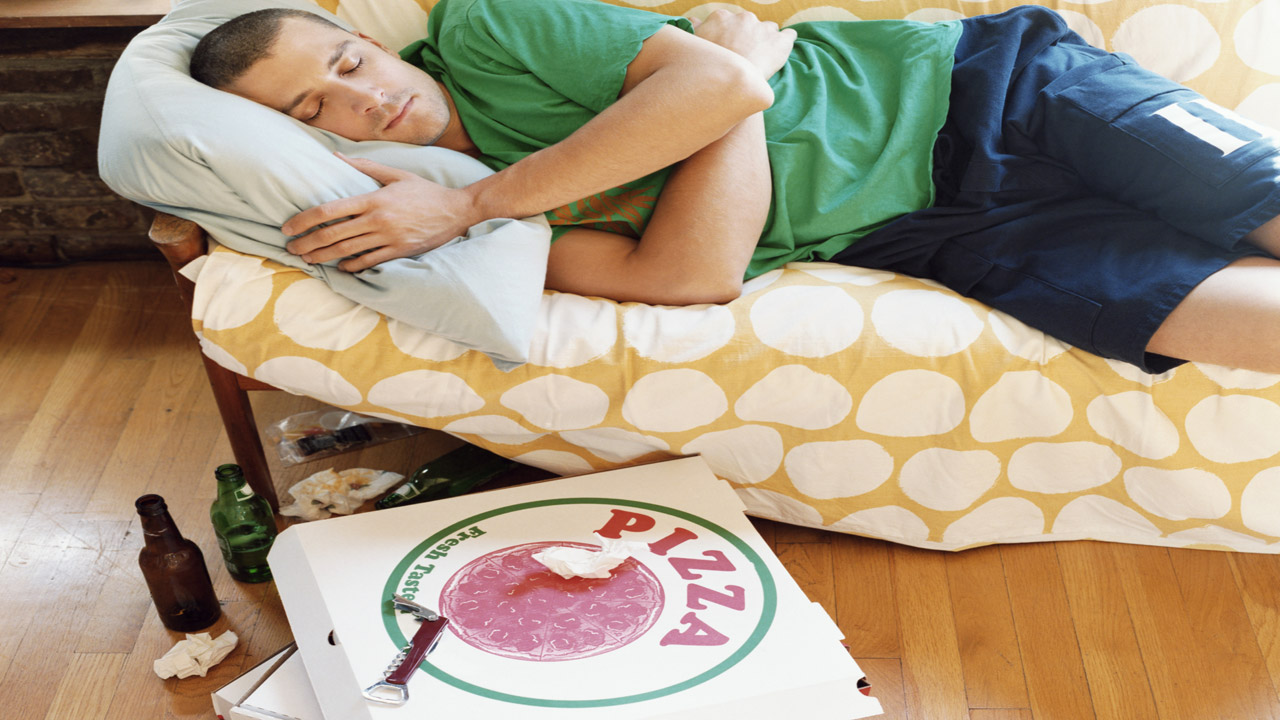
Too much of these can be detrimental to healthModeration is the mantra for everything in life. There are a lot of things in our daily life that we do. Excess of these can be detrimental for your health. Let's see how: Television, Laptop, Mobile: That screen is torture for your eyes. Looking at the TV/ laptop/ mobile screen for too long can cause dryness of the eyes. It also makes the mind dull and inactive. Even though you have not done anything much, you feel tired. It is also unhealthy for your social and personal life. Gadgets are meant to add convenience to your life, and not alienate you from real people. These also lead to sedentary lifestyle which further triggers obesity, hypertension, diabetes and other chronic ailments. Travelling: Many of us travel for work, for education. Frequent meetings are a part of work life. Some like to holiday a lot. But too much traveling upsets routine for the body. It changes schedules too often, adds new stressors to an ordinary day. Food options also get limited and sleeping patterns are influenced. If your job demands excessive travel, make sure you consciously put an effort to choose a healthy lifestyle when away from home. Worrying: Worry is unavoidable. Think of a day you did not worry about anything, isn't it difficult? Normal stress is a part of life, but if you are worrying too much, you are weakening your immune system in more ways than one. It makes you weak, susceptible to infections, prone to lifestyle diseases, and also affects your social life and relationships. Vitamin supplements: Supplements are not your daily diet. Have them in moderation and with due consultation from a doctor. Some vitamins get stored in the body when taken in excess quantities. This can result in condition called as hypervitaminosis and various health problems. Exercise: Body is not a mechanical machine that can keep functioning at the click of a switch. Even a machine needs oiling and repairs. If you love to exercise, that's great. But don't do it all day. Too much physical exercise is strain on the body. It can lead to muscle exhaustion, weakness, breakdown and may even damage the kidneys. Sleeping: Sleeping is the rest the body needs but too much of rest means rusting. Oversleeping makes you dull and may even trigger your migraines. It annoys the body clock and may create metabolic disturbances Social Networking: This is not good for your mental health. Those two hundred friends who like and comment are not your world; the one whom you call when you want to cry is your friend. Posting images and sharing updates on social media is fine, but it is more important to talk to those who live with you, who are physically around. Many peer pressures and image issues also arise from excessive social networking and people may tend to live in a 'make believe' world.
Handling post retirement bluesYou have given the best years of your life to your career, and now it's time to say goodbye and get ready for the retired life. It is a phase laden with expectations of all things you were too busy to do while working - spending more time with family, going on that fishing expedition, or going on leisure trips around the world. However, despite the wonderful things to come, retirement can get unusually trying and mentally taxing. After all, how many of us really have the flexibility of mind to take this period as a challenge and be the master of our destinies? Just because you are retired doesn't mean you have to wither away and wait for death to claim you. So, here's what you can do to beat the retirement blues Catching up: This is really a bewildering time, as you have a lot of catching up to do, with a lot of things. Prioritize the things you want to do and proceed confidently. You may want to spend time with children, spouse, friends, etc. Go easy on yourself, as you may not be able to fit in as many things in your schedule all at the same time. Boost your self-esteem: Retirement is particularly trying for those who have occupied important positions in office. Such people are known to throw tantrums, as they feel less wanted than before. So don't ever make the mistake of treating your family like you treated subordinates at work. That was a role that you played then, and without reducing your importance or self-esteem you can now play a different role with your family as a friend, philosopher and guide. In fact, you can use your contacts and keep the old network alive by involving youth in your field of expertise and help them benefit from you. Catch up on exercise: The more physically fit you are the less likely that retirement will be a painful process. Perfect time for you to catch up on the fun times with your spouse to remind you of all the great times you have had all these years. If your spouse is not in the best of health then just being together is such a wonderful experience in the golden years. Financial health: Your peace of mind and self-esteem largely depend on how independent you are financially. You can take up a part time job or think of innovative ways to let your hobbies and interests generate money for you. This should be an enjoyable process by which your self-esteem can really benefit. Support groups: There are informal or formal associations of retired people that do various activities like travelling. Make yourself available to them. Sometimes retired people withdraw into a shell and that only makes things worse. These support groups give a fresh perspective on all things in life.
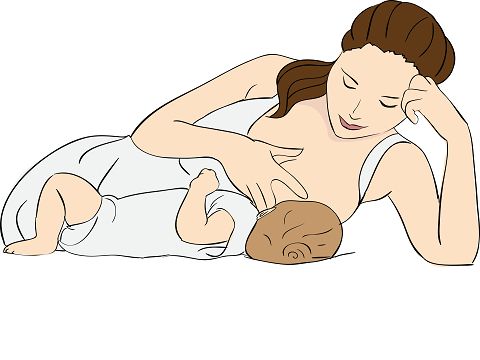
What to eat when you breastfeedAlmost everyone around you will advise you to eat a calorie-rich food that will aid in milk production from your body. But did you know that your body is quite capable of producing enough milk from whatever you eat? Your body has stocked up on all the fats during your pregnancy days itself. You don't really need the extra calorie rich food just to produce milk for your baby. However, how much calories you need cannot be predetermined. Let your body determine your needs. Eat as often as you want, as often as you feel hungry, but remember to eat foods that will give your body the nutrients and not just satiate the hunger. Opt for whole grains, pulses, fresh fruits, legumes, fresh vegetables and nuts. Choose natural drinks like buttermilk, coconut water, and fresh juices. Remember that the foods that you choose must nourish your body with proteins, calcium, and iron other than carbohydrates. Dried fruits and nuts like cashews and almonds and walnuts are the traditional foods given to new moms to enhance breast milk confinement. They are a very rich source of calories and definitely improve the quality and quantity of milk. However, keep a bottle of water or some juice nearby when you breastfeed. The body releases oxytocin when you breastfeed and it makes you thirsty. So, have some refreshing drink before you breastfeed. Most new moms are advised to drink lots of water as it aids in breast milk production. However, breast milk production doesn't really need extra water. It is best to avoid alcohol when you are breastfeeding. The amount of alcohol in blood and breast milk reaches its highest level about 30 minutes after you have a drink and it lowers down only after about four hours. Drinking alcohol is not advised when you breastfeed, however, if you feel like having alcohol, do so after you feed your child. Also, wait for a minimum of four hours before you feed next. Ghee is another item that new moms are encouraged to consume for milk production. However, if you are eating a balanced diet there is no real necessity to eat too much of ghee. Avoid aerated drinks, tea, and coffee while you are breastfeeding. Similarly, junk food and foods that are not cooked at home are best avoided. These types of foods fill you up, but provide no real nourishment. Herbal teas are considered safe drinks during breast feeding. However, consult your doctor before you consume any herbal medicines. Do not forget to take your prescribed supplements of iron, folic acid, and calcium regularly during breastfeeding. Your body also needs more amounts of vitamin C, vitamin B12, zinc, and vitamin A. These, you may obtain by eating foods that are rich in them or your doctor might prescribe supplements. Weight gained during pregnancy may be a concern now and you may want to lose it to regain your pre-pregnancy shape. Remember to lose weight gradually with the help of a balanced diet and moderate exercise. Do not starve yourself. Also heavy exercising may release toxins into the bloodstream and breast milk. Keep in mind that you will gain your original weight back only after your baby has completely weaned off breast milk and has started eating solid foods. Breastfeeding is the best option for your baby. It gives your baby everything that it needs and keeps it free of all diseases. Do not shy away from breast milk, do it the right way! Your body is quite capable of producing breast milk from the well-balanced diet that you eat and there is no real need for a calorie-rich food that new moms are fed.
Honeymoon cystitisHoneymoon cystitis is a term for urinary tract infections that occur commonly during early marriage. Sexual intercourse is the primary reason for developing this infection. The infection occurs when the E. coli bacteria that are normally present in the bowel are introduced into the urethra. This may happen through sexual intercourse, inserting unclean fingers or objects into the vagina. Women who wash their private parts from the back to front also have an increased chance of developing infection. Symptoms of honeymoon cystitis may include a burning or painful sensation during urination, the urge to urinate frequently, cloudy urine, blood-tinged urine, and/or pain above the pubic bone. Any of these is enough o play a spoilsport and dampen your honeymoon mood! Symptoms of honeymoon cystitis generally emerge within a day or two after bacteria are introduced into the urethra. A physician can confirm the diagnosis of infection through a simple urine test. The treatment usually involves antibiotics and pain-killers. What care should you take to avoid honeymoon cystitis from recurring? Use water based lubricant during sexual intercourse Urinate before and immediately after intercourse to flush out the bacteria from the urethra. Drink plenty of water to keep the urine normal Avoid coffee, tea and aerated drinks See a gynaecologist or a urologist if the problem recurs.  Urinary tract infections are extremely common in women and are the leading cause for visits to the doctor.
10 unhealthy habits in kidsNowadays, parents are too engrossed with their professional lives, and hence are unable to pay enough attention to their kids. Kids may develop unhealthy habits as a result of this neglect. Parents need to take conscious efforts to inculcate good habits in their children. Here is a list of unhealthy habits in kids, which you need to break immediately. Not drinking enough water It is very important for kids to keep their body hydrated in order to keep their skin supple and cool down the body's temperature when it's hot. Water also allows muscles and joints to work better and helps cleaning out toxins from the body through the kidney. Staying hydrated helps keep the memory sharp and the mood stable. Encourage your child to drink water before he/she even feels thirsty. Snacking on junk food Kids relish junk food. Unfortunately, there are endless options when it comes to junk food. This can cause childhood obesity and lowers the energy levels. Junk food cannot meet up the body's requirement for nutrition and vitamins. Hence, children must be encouraged to snack on healthy and tasty food like fruits, whole grain breads, or fruit breads. Missing breakfast School going kids often skip their breakfast in order to reach school in time. Skipping breakfast increases the risk of being overweight. It also leads to a loss of concentration and making bad food choices later in the day. Parents must wake their kids early, so that they have time for a healthy breakfast. Spending too much time sitting Technology has been a boon in some ways. At the same time, it has made us lazy. Watching TV and playing video games seem far more attractive to kids than outdoor games. Kids become less active which leads to various health problems, such as getting obese, becoming lazy, lacking of stamina, losing concentration and good eyesight. Parents should encourage their kids to participate in sports at their school or play various outdoor games with other kids. Not having proper sleep Falling short of sleep should be a big no to kids. Lack of sleep affects the immune system, and also causes loss of concentration, headaches and heart-related problems. Get your kids to sleep around 7-8 hours every night. Overdosing on sugar Kids have particular preference for sweet foods. But added sugar in various desserts and snacks provides a lot of calories and lacks nutritional values. Limit the sweet intake of your child, but don't force them to completely give up on it. Refusing to eat green vegetables Children generally don't like to eat green vegetables. They prefer to have chapati with jam or cheese. But that doesn't fulfill the body's requirement for vitamins and minerals. Try to cook green vegetables in different forms and make it look and taste yummy. Give them various choices of green vegetables cooked in different styles. Nail biting Though nail biting doesn't cause severe health problems, it could result in milder diseases such as diarrhea, cold, viral infections, pin worms, and food poisoning. Keep the nails of your kid clean and try to control their nail biting by explaining to them the ill-effects of nail biting. Not playing outdoor games Not playing outdoors impairs a child's social skills, as well as hampers the development of healthy body. It also causes deficiency of vitamin D. Try to encourage and accompany the kids for playing outdoor games. Eating without washing hands Kids play outside and touch various objects and surfaces, which may have lots of bacteria and germs. When they eat something with the same dirty hands, the bacteria and germs enters their body and may cause food poisoning, viral infections, and stomach aches. Keep a hand sanitizer or good hand wash at home and encourage your child to wash his/her hands before eating anything.
Healing yourself after a broken relationshipThere is no singular formula to get over a relationship. Moreover, you cannot 'get over' a relationship like you get over a broken phone. Every relationship is like a grown tree. When it breaks, you have to let it molder into the Earth - the time period between the breaking of the relationship and your comeback as 'you' is the time for transformation - this is your time to understand yourself, your relationship with others, and reach out to the world. Did you know the over 50% of people undergoing breakup tend to resort to emotional eating to rescue themselves from sadness and rush in the comfort hormones? Keep an eye on what you eat to trace the emotional signs you are disguising. Keep a tab on your diet and pamper your body with care. Here are seven basic stages through which you can consciously walk to recover through your broken relationship. Such a process is not linear and you could be undergoing various stages at the same time or in a different order. However, make sure you go through each stage. Missing any stage could result in residual and subconscious anger or denial. Stage 1: Let it outDon't be afraid to accept that you are heartbroken, that you feel like a mess and just wish that your ex-partner was around again. Accepting your emotional state is the first step to being able to unravel yourself out of it. Stage 2: Pondering over the causeThe initial stage post-breakup is primarily spent trying to distract oneself from the absence of the ex-partner by busying oneself with other activities. However, the nagging question 'why did our relationship not work? why did it have to be this way?' lingers, ready to barge in at the very instance you have your moment of peace. The first thing to understand during a breakup is that there is a distinction between analysing and understanding on one hand and obsessing on the other. Try to go through the stages in your relationship which you intuitively trace as being of significance to the break-up. However, remember not to be biased towards yourself and to weigh your responsibility towards the breakup as much as you do your ex-partner's. Stage 3: Taking a hard look at the relationship and learningYou might have had other relationships before where you did not feel the kind of intimacy you felt with this particular person. However, if you feel that you are up to a large part responsible for the break up, then look for the pattern of behavior or thinking which was causing such a breakup. Taking a hard look at your relationship will help you to recognize your mistakes and learn readying yourself to become a more sensitive person with greater understanding of human emotions. Stage 4: Reaching out to the WorldWhile you are working yourself through reasons for breakup and your role in it, don't step back from reaching out to people. Communication is the basic balm that will heal the wound of a broken relationship. Your inner communication with yourself is one dimension of it while talking things out with your friends and close ones is another important dimension. During a conversation about the breakup, don't simply blame your ex-partner completely to blind yourself towards healing. Be honest to yourself and attempt to talk to those friends who can help you through the hard time with care. If you love animals and nature, then reach out to the wild. Take time off from your usual routine and follow your interests. Stage 5: The Bigger Picture of the Break-up Having pondered over the reasons particular to your past relationship, understand that the fundamental reason for any relationship to break up is that the two people involved in it have different ways of looking at the world. Remember that differences do not imply a hierarchy. Differences are essential to human nature. This will help you to forgive your ex-partner, catalysing your redemption from the land of anger and despair. The world is a beautiful place full of diverse kinds of people. Do not let your breakup make you give up on humanity. Stage 6: Letting yourself freeNow is the time to have a relationship with yourself. Explore your interests and dip yourself in them. It is not a crime to be happy with yourself. However, do not use these activities to escape the pain. Let your activities be your company in pain - slowly the pain will fade and you will reconcile with the reality of your broken relationship. Join hobbies which will help you have some time for yourself: pottery, nature watching, animal care, voluntary work. Remember that your identity does not depend on the opinion of your ex-partner: you create who you are. Most importantly, take care of your body - we tend to mess up our body cycles during a breakup. Stage 7: Giving yourself time to become complete before starting off with another relationshipDo not rush into a relationship before you have completely healed from the past relationship. There is a high tendency to try to fill the gap of the absence by moving onto the next most intimate person you know. Give yourself time to recover and answer the following questions before entering into a relationship again: What kind of relationship do you want to have? How would you like to spend your day with her/him? (Remember that a whole day is a series of small activities that you will share with your love - don't focus just on the big stuff like finance, house, and others, emphasis on shared interests). What future do you expect from a relationship? These are the three basic questions. Be free to add on the relevant questions according to your needs and answer them honestly before writing a new chapter into your life. Having pondered over the reasons particular to your past relationship, understand that the fundamental reason for any relationship to break up is that the two people involved in it have different ways of looking at the world. Remember that differences do not imply a hierarchy. Differences are essential to human nature. This will help you to forgive your ex-partner, catalyzing your redemption from the land of anger and despair.
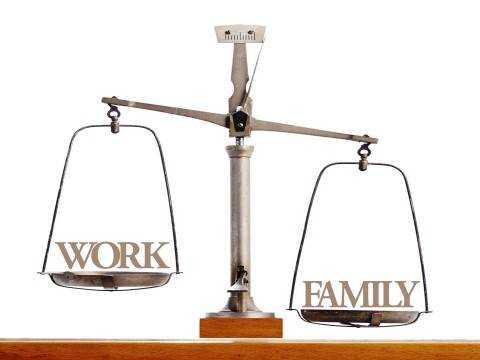
Balancing marriage and work: The top 5 tricksFor women juggling between home and work is very difficult. Yet, the number of women choosing to go out and work, while managing their homes, has increased over the years. This is because a successful career helps a woman establish her identity in society, gain respect and do justice to her inherent qualities, passions and dreams. So, a successful working woman, is a happy woman and statistics show that such women also keep their kids and spouses happy. More stable marriages During the seventies, when women started entering the workforce in large numbers, there was an instant rise in the divorce rates. However, over the past decade, the divorce rates among working couples have actually declined. Today, men have extensively adjusted to the idea of having a working woman, as a partner. In many countries, men actually share the domestic chores and devote time to childcare, so that their women can successfully handle both, work and home. However, the main responsibility of the home and the kids is still primarily, in the hands of the women. Here are the six keys to manage your work and marriage successfully: Find the right job You can ease out the stress of managing the work and home front, if you make the right decisions. Studies indicate that couples having access to less demanding work, have better sex and better relationships and hence, are less likely to be stressed out. However, in case the working hours are long, the situation can become the opposite. Hence, it is important to find an exciting job, over which you can still have control, especially when you have small kids at home. Adjust the working hours Most women have to leave their careers halfway because their husbands work for long hours and there is no one available to care for the kids. If the wife too is good at work then, the couple should take up jobs that provide an opportunity for both of them to work, since doing this will keep both of them satisfied. There is a possibility that the husband, or the wife, may lose a bit on the income in this adjustment, but ultimately it increases the chances of having a happier marriage. The negative impact of leaving work If a career-oriented woman leaves her job due to family demands, it can shake the very base of the marriage, while also leaving her, depressed. Also taking a break, means you have to catch up very fast when you want to restart your career, which in reality, is quite difficult. In these situations, there is also a huge wage gap, between what you used to get before your break, and what you are getting after, that can lead to depression. Working moms help fortify the relationships between kids and their fathers When the father spends time babysitting the children, a closer bond develops between the kids and the father, which is usually not possible in families where the dad goes to work, full time. Studies show that children raised with equal devotion from both father and mother, have higher goals and aspirations and are even more empathetic. Feel less guilty A working woman usually feels guilty because she cannot spend as much time with her children, compared to the dedicated housewives. However, if the husband shares the duties related to bringing up the children both parents can be happy while playing their parts well for their kids. A woman with a successful career is positive and confident about everything she does, which ultimately makes her family happier.

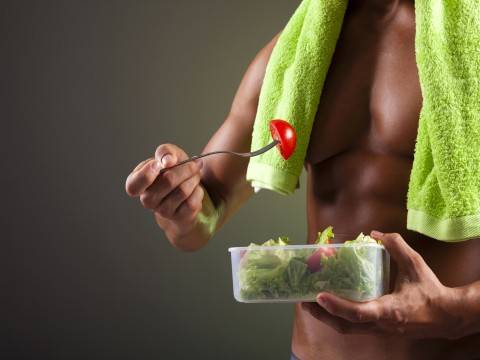
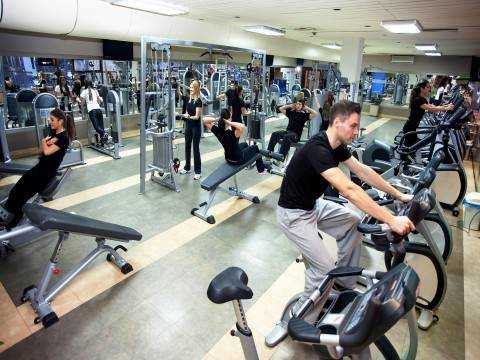
Muscle build up dietYou may think that you need fatty foods to bulk up, but this is not true. Fatty foods will do just that make you fat. Lean meats, fruits and vegetables will actually build muscle. Take a balanced diet of vegetables and lean meats to achieve your muscle building goals. Changing your diet to build muscle will help with your overall health. Eating food that helps build muscle will ensure that you are not wasting all that hard work you are doing in the gym. Workout utilizes considerable energy. Food is the only way to replace this energy. So what happens if you fail to eat the right type of food to build muscle mass? It will take longer to build muscle, and it may even prevent muscle building altogether once you reach a certain point. Is protein important or not? You bet it is. Protein provides the building blocks to build that muscle. What types of protein are best? Chicken, eggs, steak (with the fat cut off), fish, cheese (especially cottage cheese), and nuts are all great sources of protein. Finding out how much protein to eat when you are interested in building muscle fast is actually not difficult. First, you will need to find out your lean body mass weight in kilos, and then you simply multiply that figure by 2.75 to determine your daily protein requirement. Calculating your lean body mass uses some complex formulae, so ask a professional at the gym if you do not already have this figure. Carbohydrates, in moderation, are also essential when finding foods that build muscle. Do not eat too much, though, unless you choose high fibre carbohydrates, and then you can indulge in much larger amounts. High fibre carbs include rice, potatoes, oatmeal and bananas. Reducing fat in your diet is of course necessary to build bigger muscle on a body that appears lean and has a low body fat ratio. If you are focusing on what foods build muscle mass, you also need to bear in mind that it pays to reduce fat as well. Although proteins are essential, it is really important to select proteins that are low in fat, or that you can cut the fat off. So eat your chicken without the skin, and go for lean steaks rather than more fatty cuts of meat. Opting for cottage cheese or other reduced fat cheeses, and low fat milk also helps reduce your fat intake. You may argue that drinking has no effect on what to eat to build muscle. But you would be wrong. Hydration is critical to general health and wellbeing. Two litres of water a day is what most experts recommend for maintaining optimal health. To drink that amount, you need to drink up to 12 glasses of water a day, which is quite a lot. So start early in the day, and space your water consumption out throughout the day. Foods that build muscle are great and an essential component of your bodybuilding program. But do not be lulled into a false sense of security and think you can slow down on your workouts. Both bodybuilding exercises and bodybuilding diets are required to get a body to die for as quickly as you possibly can. Even if you are working on improving your physique slowly, you should combine a bodybuilding diet with bodybuilding workouts for best results. Sample Diet: 7:00am: Breakfast: 4 eggs + toast or oatmeal + milk with protein powder mixed in (a lot). 9:30am: Snack: 1 Meal replacement supplement + milk. 12:00: Lunch: Tuna sandwich (1 whole can) + green apple. 3:00pm: Snack:  2 Meal replacement supplement + milk. 5:30pm: Workout: Have water (or carb drink if you want), within 30 mins of end of workout (on workout days only) Meal replacement supplement + milk. (If you are going to have Creatine - put it in this Meal replacement supplement at the end of your workout). 8:30pm: Dinner: A chicken breast (aprox 8 oz + some rice or other starch carb + if you want also eat some veggies) Before Bed:  Meal replacement supplement + milk.
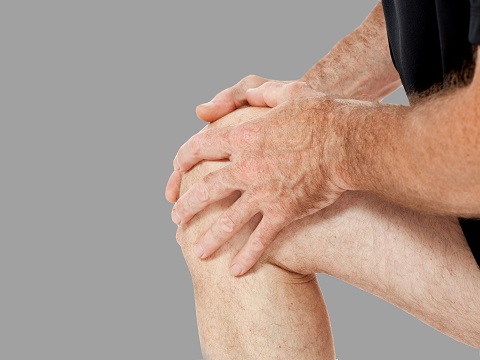
Arthritis friendly workoutsRheumatoid arthritis is more common in women over 60, and is the inflammatory type of arthritis where the synovial fluid functioning is disrupted. The synovial fluid maintains the health of joints, bones, and cartilages. Osteoarthritis is the most commonly occurring type in both men and women, and in this type there is gradual wearing away of the bone cartilages, which, in turn, causes stiffness, and pain in the muscles, joints and tendons. There is a classic catch 22 situation in arthritic patients and that is they avoid exercise or are advised extreme caution while exercising. The pain and soreness which comes from exercising can be extremely discouraging, so some shun exercise altogether. Now, the lack of exercise is going to precipitate the condition further, and could even increase the soreness, and lead to deformity. This is what challenges most arthritic patients. Should someone with arthritis be allowed to exercise? And if yes, then what type of exercise will prove to be most beneficial? Main question is: Are there any arthritis friendly workouts? Doctors now recommend that exercising could actually work wonders for arthritis patients. The right method and type of exercise can help ease the inflammation and soreness of the joints, and build overall health, strength and flexibility of the bones, and joints as well. What would be a good exercise routine? The arthritis foundation recommends routines which exercise the flexibility of the joints, and build muscle mass, for better shock absorption, coupled with physical endurance should be specially designed for arthritics. Regular walking: Walking is a great exercise for arthritics. Walking at a steady pace for about 30 minutes, thrice a week, can help keep the limbs active, and could reduce the swelling at the knees, and hip joints. Warm up is absolutely essential in any work out, and here it is of paramount importance that you go through a warm up routine before you begin your walk. Simple leg raises, hand to toe stretches, and light back bends can be done to warm up the muscles and joints for your walking activity. That will also reduce the possibilities of strain or sprains of the ankles along the way. Choose your exercise route to ensure that you don't walk up a gradient, and put unnecessary pressure on your knees and ligaments. Aquatic Exercises: Exercising in water is perhaps the best possible alternative, as water is absolutely low impact. This is great for arthritic patients to reap the benefits of a swimming pool workout. The easiest for chronic arthritis patients would be to simply walk, or wade in water for about 20-30 minutes. This can help greatly with building strength, and endurance in the extremities. For enhancing co-ordination you can even try walking backwards in water, or simply float and relax the body. Avoid water which is too cold, as that might adversely affect your condition. Stretching and Yoga: All easy stretches for the limbs and joints will be helpful to facilitate ease in movements, and dealing with joint pain. Standing leg raises, shoulder raises, wrist rolls are exercises which can be done quite easily, and can help keep the body supple. Though yoga also enhances flexibility, it goes way beyond just that, and actually aims at harmonizing the life force in the internal and external organs as well. No matter what type of exercise suits you, always remember: Proper warm up exercises are a must for the arthritic patient, as that can help reduce, and eliminate the possibility of injuries while working out. Do not force your body into an exercise regimen, if you are experiencing pain. It is quite ok to take a day off if the joints are sore. Get into an exercise routine slowly as your body might take a little longer to recover from it. Always seek the advice of an expert or a doctor before making any alterations to your regimen.
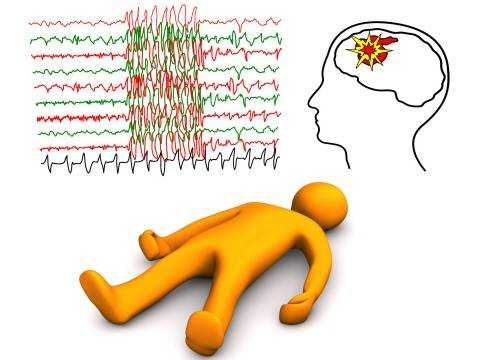
How to communicate with a patient who has a strokeThe first and the most important thing to communicate with the patient, is to give undivided attention. Give attention to his activities, gestures, his facial expressions through which he may try to communicate so his feelings could be understood. Eye contact is also important but the patient having stroke may look at you square in the eyes but he may not respond to your conversation. While communicating with the patient you should always stand in front and tune out all the other sights and sounds in the room. Maintain full silence around the patient in the room, turn down the volume of the television, radio and ask other people in the room to be silent. You may communicate with the patient by making contact by touching the hand, chin, cheek or areas which are not affected by stroke. As the side which is affected by stroke, does not have any sensations. You may communicate with the patient through his family member by telling the family member to communicate with patient by saying, "Look at my face"; through this we can gain the patient's concentration. You should always speak clearly with the patient in a normal soft volume. Express your ideas in simple terms, form simple sentences, do not use complex words. You may repeat the sentences or an important term again. For example to ask if the patient wants tea, repeat the word 'tea'. More complex thoughts can also be similarly conveyed and repeated. You may also use hand gestures with clarification like doing Hello by waving your hand or through your hand action, you may ask questions like, How are you? Are you ok? What do you want? Through this both caregiver and stroke patient can benefit. You may ask your patient to point out whatever he wants or if he needs anything. And gradually he will develop the habit of pointing the daily items like television, newspaper, remote, eyeglasses radio, drapes an uncomfortable foot, the patient can indicate any pain or headache. Through this communication we can make the patient learn, use mechanical lifts to get in and out of the bed, and with the help of the attendant by demonstrating the patient how to use it. Sometimes when the communication does not work, take a break, give it time and try again, do not get frustrated and reassure the patient that yes, he or she can do it. Good communication with the patient is very important as they cannot speak their basic wants and needs clearly. The patients suffered a stroke also have slurred speech. There is a deviation of the angle of mouth. They are mostly bed ridden and could not carry out the routine activities.
The link between oral sex and cancerSymptoms of oral cancer: The common symptoms of oral cancer include: Red and white spots on the tongue or the lining of the mouth, inflammation of the mouth which continues well over two weeks, mouth ulcers which take over three weeks to heal, discomfort and pain during swallowing food, and lastly, sensation that something is stuck in the throat. HPV types and their nature: There are over 100 different types of HPV. Out of these, 15 have been found to cause cancer. These 15 types of HPV are called high-risk HPV. The HPV types which are found in the mouth are sexually communicable and the primary means for its transference is considered to be oral sex. It could also be carried through anal and vaginal sex, causing laryngeal cancer, anal cancer, cervical cancer, tonsil cancer, vulval and vaginal cancer, and penile cancer. Some of the HPV types get passed through skin contact. These cause warts, especially in the genital region. These types of HPV which cause the warts are less likely to escalate and cause cancer. Though there is no determinate answer as to how common the HPV mouth infection is. Advanced studies during the 21st century have put forward the role of HPV16 in new types of cancer. This was done using DNA testing. Through a medical study, it was found that the most vulnerable groups are: People in the age group of 30 to 34 and 60 to 64 years old. People who have had over 20 sexual partners in their lifetime, around 20% suffer from HPV oral infection HPV leads to cancer?: HPV does not directly cause cancer. It stimulates modifications in the cells which it has infected, like those in the mouth or cervix and due to the modifications the cell becomes cancerous. In only 10% of the cases where the patient suffers from HPV infection does cancer develop. The infection generally treats itself and is removed naturally within 2 years by the body. The chances of progression of the HPV infection into cancer is increased by smoking and drinking. Smoking injures the immune surveillance cells. Due to this injury, they are not able to fight the virus and the virus continues to persist over 2 years, leading to cancer. Vaccinations: In the United Kingdom, girls (aged 12 and 13 years old) are vaccinated against HPV. This vaccination protects the women against cervical, vulval, and vaginal cancers. Men and boys also take vaccinations against HPV, though it is not pursued as strongly as in the case of women. This leaves men who have sex with other men at a greater risk of getting oral and anal cancer. Even though the link between oral sex and cancer is not completely proven, what we do know is that oral sex causes many other infections like gonorrhea, herpes, syphilis, and chlamydia. Did you know that a very low percentage of people (only 10%) who are infected with HPV virus develop cancer? In 90% of the cases, the infection is naturally cleared by the body within two years. The natural process is, however, obstructed in those who smoke and drink.    
Are long hours of work bad for your sex life?As researchers in 'Occupational Health' indicate that working more than 8 hours a day could seriously shorten your life span by inviting all sorts of ailments like heart disease, sleep deprivation, chronic fatigue syndrome among others, it could very well mean sounding the death knell on your love life! So how does work affect play? The stress that goes with long work hours could certainly lower sex drive leading to feelings of frustration and inadequacy amongst partners. 'Erectile dysfunction' and lack of sexual desire are now on the increase amongst men with high pressure jobs and fancy designations. This in turn adds more strain on the relationship as partners naturally feel spurned due to the general lack of intimacy and sex. There is also the added danger of extra marital affairs as hours away from home can increase the chances of one night stands or casual sex thereby increasing the risk of STDs and sexual guilt which can only spell doom on the home front. So if you are a busy person this is what you can do to keep your bed from crumbling: Take a break now and again from work to call your spouse or partner. This can indicate that though you are busy he/she is foremost on your mind. Do not sacrifice your weekly offs as this is the time that your body, mind and spirit need all the healing that they could possibly get at the hands of your mate. Try and involve your mate as much as possible on what is happening at the work place. This way your contribution at your work place can be appreciated and can lessen the grouse, somewhat, like you are never available and similar other complaints. Preferably keep time for making love. These moments of intimacy are really what makes life worth living and should be given as much prominence as your promotions and annual appraisal. Do not miss out on your meals and exercise routine that ensure that despite hectic work pressures, you can still summon up enough energy to make love. Try a relationship counsellor to help you fine tune your work schedule to your home life.  
FAQS
T&C FAQS