Home
Is male menopause a reality?As opposed to the sudden drop in ovulation and hormonal levels in women, menopause in men is a gradual process. The consequences in men aren't that clear. The health risks, though, are significant and it is important to recognize the symptoms of male menopause early on. Read along to know more. A testosterone level of 300-1200 ng/dL is considered normal in a healthy male. As one ages, the testosterone levels too drop gradually. After 30 years of age, the levels drop by 1% per year. By the time a man crosses 50 years of age, he is in menopause. Look out for the following signs to know if your testosterone levels are dropping : Low Libido : A low sex drive or decrease in inclination to have sex is the first sign of decreasing testosterone levels. Erectile Dysfunction : Testosterone is responsible for releasing nitric oxide that leads to erection. As the levels of testosterone decrease with age, getting an erection and maintaining it for longer periods of time may become difficult. Low Semen Level : The normal amount of semen ejaculated each time varies between 0.1 and 10 mL. This normal level is due to the efficient functioning of the testes, seminal vesicles, and prostate, all of which work under the influence of testosterone. As you age, the testosterone levels drop and the amount of semen ejaculated also drops. Orgasm Troubles : As you age, having an orgasm every time may be a bit difficult due to the dropping testosterone levels. Mood Swings : This happens in men as much as in women! The interesting thing here is that the man who suffers from it is the last one to note it and acknowledge. So, if you find yourself snapping and getting irritated at the smallest of things, get your testosterone levels checked. Depression : When you feel dull and demotivated at all times, and even doing the slightest of activity seems like a chore, it means that your testosterone levels have dropped to a significantly low level. Abdominal Fat : This is again an early sign of decreasing testosterone level. Belly fat is a sign of advancing age. Low testosterone levels are a sign of advancing age. Not all men who have low testosterone levels may show symptoms. In such cases, there is no need for any kind of treatment. Low testosterone may also be due to some other conditions like thyroid disease, excessive alcohol use, sleep apnea, etc. After 30 years of age, the levels of testosterone drop by 1% per year. By the time a man crosses 50 years of age he is in menopause. Identifying and eliminating these causes will restore the testosterone levels to normal. However, if no cause can be attributed to the low testosterone levels, it is a clear indication of normal aging and 'menopause.' As with women, men too have the option of hormone replacement therapy. However, this treatment is controversial. In some men, the testosterone replacement may relive several symptoms, but the risks far outweigh the benefits. An increased chance of heart attack, prostate cancer, and other health problems are associated with testosterone replacement therapy. Herbal supplements for problems associated with decreasing testosterone levels are generally considered safe, but they too have no proven health benefits and are known to increase the risks for prostate cancer. Male menopause isn't as dramatic and abrupt as the menopause in women, but it is a reality. It happens gradually over a period of several years.
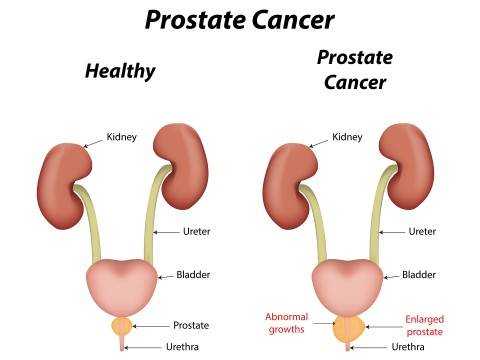
Weight gain and prostate cancerOne of the hormone therapies involves increasing the production of LH-RH. Luteinizing Hormone-Releasing Hormone (LH-RH) is a hormone which is produced by your body. This lessens the production of testosterone. The drug given induces the generation of this hormone. One of the side effects of this therapy is weight gain. Along with this, breast pain, hot flashes, nausea, and growth of male breast tissue might occur. Apart from hormone therapy side effects, the presence of fatigue can also stop a patient from regularly exercising, thus, resulting in gaining weight. However, it is important that this weight gain is averted as the chance of cancer returning is a possibility. You can keep your weight in check by following these tips: Ask your doctor if your hormone therapy can lead to weight gain. If you receive an affirmative answer, then ask for a diet chart to be followed. You can also keep a food and activity journal to get an idea of how your body is reacting to the treatment. Inculcate physical activity in your schedule. This will not only help to reduce fatigue, but also keep at bay the chances of becoming constipated or feeling nauseous. Medical studies have shown that cancer patients must have at least 2-1/2 hours of moderate physical exercise per week. Have about 2.5 cups of fruits and vegetables every day. Also, shift to whole grain food items. You should also consume at least a cup of legumes, for example, beans, to keep up your protein levels. It is best to opt for lean protein snacks like yogurt and chicken. You must stay adequately hydrated during your treatment. Drink about 10 to 12 glasses of water everyday. Do not consume excessive amount of sweetened beverages like coffee and cola. Have a small portion of nut and nut seeds. If you feel distressed due to the therapy, go for a massage. These have been proved to reduce anxiety and stress caused during the treatment of cancer. Most importantly, keep up with your appointments with the doctor and convey the bodily changes that you may notice. Have an optimistic outlook towards the treatment and do not repress any emotional disturbance. Weight gain in men who had been previously healthy often leads to depression regarding weight issues. Being proactive and focusing on keeping your weight under check is the key here. You could also approach a psychologist if you have been feeling low. The LH-RH therapy is also known as Androgen Deprivation Therapy (ADT). This therapy leads to a weight gain of around 9 pounds within a year of starting treatment. You can make sure that your weight is controlled by altering your lifestyle and getting adequate physical exercise everyday.
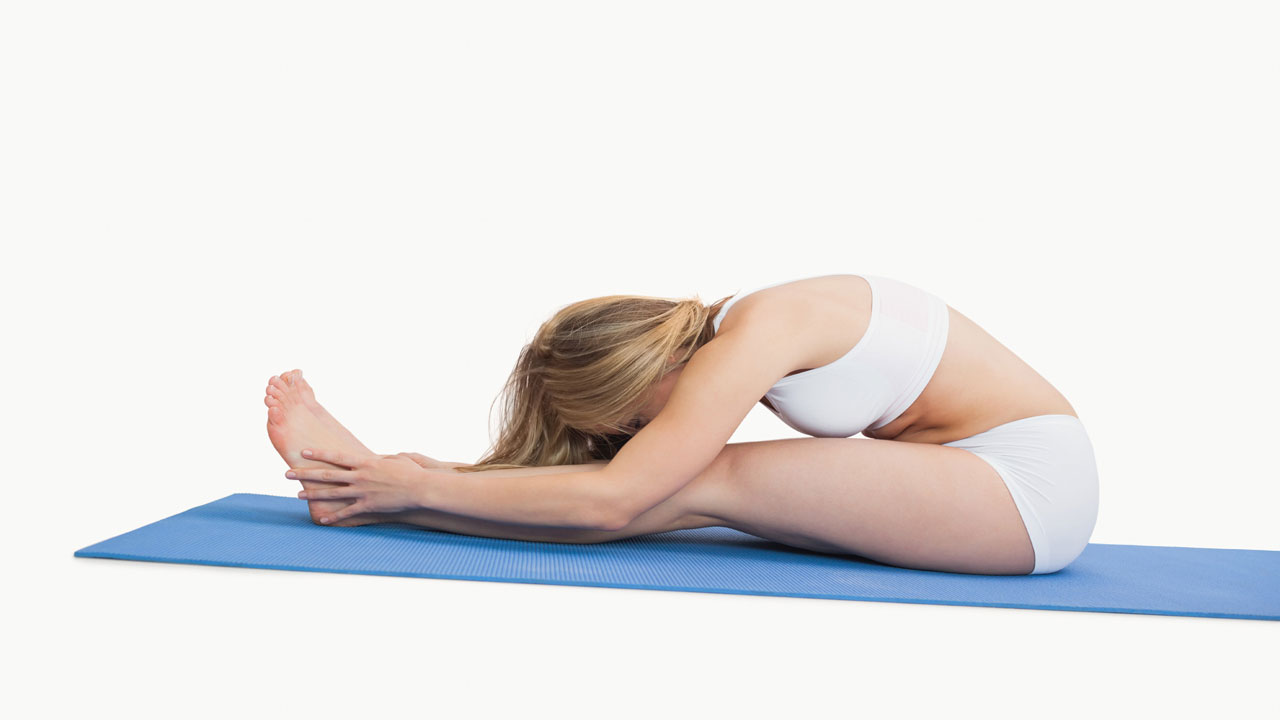
Inspiring fitness goals for womenBeing fit comes with the benefit of enhanced mood and lowered hormonal rages. Coupled with right proportion of sleep, hydration, and a job you love, you will be nearing towards a perfect body. Goal 1: WorkOut Your Body to A Song! Make a playlist of all the songs you love and choose to execute your regime through it. Goal 2: "Be Yourself" Challenge Holistically develop your body by acknowledging what you love to do. Choose a sport that you love and join a group. If you love animals, then walk your dog which will let you lose weight and enjoy the company of pets. If painting or photography interests you, then trekking along landscapes of beauty should be your weekend getaway. Goal 3: Become the Hourglass with 1-Month Workout Regime Evaluate your body type and create a month-long regime to gradually progress towards animpeccable body shape and continue it beyond the initial 1 month. Start with small steps and do not go in for crash diets. Choose healthier snacks. Add a bit ofsleep to your daily dose in case you tend to sleep less. Begin with 15minutes of workout containing exercises recommended by your trainer to suit your body. Goal 4: Be the Health-Smart Mom! Lose the extra pounds you brought on during pregnancy and set a role model for your children. Go to the park with your children and play games with them. Pick up sports that you all can share and do together! Goal 5: The Yoga Guru Pick up yoga and start from the first step. Did you know that the initiation of anyone into the system of Yoga occurs through stage of Yama? Yama refers to the ethical principles that will guide your life while you move towards taking control of your life. The five Yamasin yoga are non-violence, truthfulness, non-stealing, celibacy, and non-possessiveness. They form the ground for your body to start on a healthy path. Move yourself towards following these principles and pick up the following asanas (body-postures) to lose weight: setu band (the bridge pose), bhekasana, dhanurasana, shalabhasana, chakki chalan, nauka chalan, and sarvangasana. A healthy lifestyle is the framework for any fitness goal. Do not go for unrealistic or transient goals. Start by making preparatory changes in your lifestyle: Lower your junk food intake, sleep adequately, drink at least two liters of water daily and hydrate your body sufficiently. Goal 6: Going Back to Nature Plan a trekking trip to your dream destination and walk your fat away. Bring back home a healthier body and a more peaceful mind. Goal 7: Master Your Body Make a journal of all activities you do in a day. The intention is to become aware of your habits that might be hurting your body unknowingly. Trace habits like binging on a snack while watching TV, sitting in a bad posture while on the desk and reading a book at a dimly lit place may be few pointers. This is a long-term challenge (4 months) to bring your body under your control through self-awareness. Goal 8: Green Regime Go for a diet which involves vegetables, fruits, and grains. Detoxify your body by being off junk food for at least two months. Goal 9: Bony to Healthy Increase your weight to become the inspiration for underweight people and guide them towards a healthy body. Goal 10: Run for the World Join marathons and runs for different social causes. Commonly known as 'Run for a Cause,' be the torchbearer to a certain cause by joining organizations that work on the same and initiating a run or marathon. This will not only prepare your body and move it towards healthy living; you will also be doing your part for the others.
Importance of breastfeedingBreastfeeding is a natural act and that is why it is also one of the most beneficial acts for a baby. Breastfeeding provides essential nourishment and is the best food for the baby's stomach to digest. No matter how many infant formulas enriched with vitamins and minerals you provide to your baby, it can never replicate mother's milk. As for the mother, there is nothing more joyous than providing your baby with the best start that it can get in the long journey of life. The bond that the mother and the baby share through breastfeeding is one of the most special bonds. For the first six months, breastfeeding your baby is recommended for all mothers whether they are working or at home. Most working mothers are given leave, whether paid or unpaid, so they must ensure they provide their babies with regular breast milk. Breast milk protects the child against diarrhea, respiratory infections, pneumonia, ear infections, and helps to reduce chronic constipation and colic that the babies are prone to. Research also points to the fact that breastfed babies are immunized and protected against allergies, asthma, sudden death, diabetes, and obesity. They remain much healthier than those babies who are formula fed. In India, only 41% mothers begin early breastfeeding even though it has so many benefits. Mothers who exclusively breastfeed their babies help them to survive better. They also gift them with better brain development and these babies are likely to perform well intellectually. No matter which economic section of society the mother comes from, she can provide her baby with the best start in life by breastfeeding it and make sure that the child develops to its full potential. Breastfeeding is natural, simple, and cost-effective way to ensure your baby is healthy and continues to develop healthily. Since the breastfeeding campaign began on a large scale, child mortality has decreased. Immediate breastfeeding within one hour of birth has helped to significantly reduce sudden baby deaths. The colostrum, the first thick yellow breast milk is what protects babies from many diseases as it is filled with goodness. Lack of nutrition or malnutrition is another aspect that leads to infant deaths. Breastfeeding can significantly lower infant deaths from malnutrition as the mother's milk is one of the most nutritious foods provided by nature for the baby's healthy growth. A mother has the full ability to provide adequate nutrition for the baby, therefore breastfeeding needs to be encouraged fully. Employers need to create an appropriate space within their premises and should encourage new mothers to breastfeed their child. Breastfeeding also has a number of benefits for the mother. It helps to burn calories and the mother can return to her former pre-pregnancy state. Breastfeeding helps mothers to reduce their risk of breast, uterine, and ovarian cancer;high blood pressure;diabetes; and heart diseases. So for the first six months, mothers must make sure to breastfeed their baby and do not substitute it with baby food products.
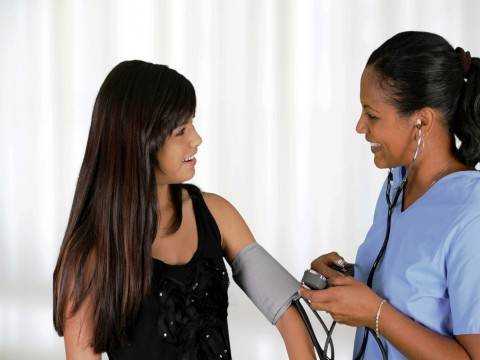
High blood pressure in the little onesIf you are asked to paint a picture of a patient of hypertension, how would it look? Leave the details aside, would you paint an old person, a young person or a child? Most likely, you will paint an old person or may be a middle-aged person. But a child, who would think of a child to have high blood pressure! It may be difficult to believe for most but not only is it possible, its incidence is also increasing gradually. In fact, hypertension in kids is becoming quite common. Studies in USA show that up to 5% children and adolescents have hypertension. What is it? High blood pressure in children and adolescents is also called as pediatric hypertension. Pediatric hypertension is defined by the blood pressure recorded on the mercury, in comparison to the given standard range. As a child grows, there is rapid development in all the milestones. For children, there are percentiles defined for all parameters for various age groups. In children, when the blood pressure is above the 90th percentile but below the 95th, it is called prehypertension. When it is above 95th percentile, it is diagnosed as hypertension. There are no distinguishing symptoms of pediatric hypertension, so it may easily be missed. Please make it a practice to get your child's blood pressure checked on routine visits for medical examination. Why does it happen? High blood pressure in children under ten years of age is usually secondary to some other health condition. It could be due to an underlying heart disease, kidney disease, hormonal disorders or genetic abnormalities. This demands treatment of the main problem. Primary hypertension is noted in older children, over 6-10 years of age and adolescents. There is no specific cause identified for this, other than lifestyle, obesity, rich foods and family history. How bad could it get? Children may show a disordered sleep pattern when they have hypertension. They may suffer from sleep apnea, reflected by snoring or abnormal breathing. Besides sleep, the other effects of hypertension are the known ones. In the long run, it could lead to heart disease, stroke or kidney disease. What to do? It is very important to control the blood pressure from a young age. Regular check-ups and monitoring of the BP is needed. Thorough examination is a must to identify whether the hypertension is primary or secondary. Treatment by medicines is recommended in secondary hypertension, where the underlying condition is to be tackled along with the management of blood pressure. In cases of primary hypertension, medication is suggested only in extreme cases. Otherwise, lifestyle management is the key. It is not a healthy option to start anti-hypertensives this early in life. Give your child healthy food, help him/her maintain the ideal body weight and make sure he/she gets enough exercise physically. The sooner we identify the problem, the better are the results with a disciplined lifestyle. The unhealthy lifestyle is creating chaos in all our lives. How long the kids would have escaped? Our lifestyle reflects on our kids. Follow a healthy routine and keep the family healthy!
Tips and tricks to deal with my toddler's tantrumsWhen your child is having a tantrum, it may usually be for something that it wants and cannot have. Throwing a tantrum is a child's way of getting what it wants. Conversely, giving in to the child's demands may be the easy way out for the parents too. But always remember that giving in is not right. The child may get habituated to this and it may prove quite a nuisance to you too. Learn to say no, gently but firmly. Giving an acceptable reason for your 'no' and also an option at the same time works wonders. All said and done, children are not that easy to handle. If your child doesn't fall in line and is adamant, let it pass the phase. Screaming out the rage, throwing away things may help the child. When the anger subsides, looking at the destruction and the obvious uselessness of it may help the child realize his efforts were futile. But be careful that the child doesn't get physically hurt in this process. For some kids, a gentle hug helps soothe the anger pent up. Tantrums in public places can be extremely embarrassing. In such situations, do not argue or scold your child or order him to hush up. It will only end up making the child more adamant. Wait till the storm subsides. Take him out to a quieter place and talk gently but firmly. One thing to remember here is to never let the child know of your embarrassment and concern that you are in a public place. Children are very smart and may end up using this to work things in their favour. It is not easy being a toddler and it is definitely not easy being a toddler's parent either. By the time your toddler is old enough to go school he will have overcome this stage.  
Boost your mood after a long day at workUp before the sun rise, rush to get ready, say hurried goodbyes to the family and crawl like a tortoise through traffic to get to work. Go through a long day of meetings, calls, deadlines, reviews, and then crawl back again through traffic at a snail's pace. Does this sound like a day out of your life? Then surely, weekends go by faster for you than you can say lickety-split, leaving with no time for yourself, your family or your hobbies. Social life is definitely a far cry from possible. This rigorous schedule eventually catches up with the mind and body and lethargy sets in, discouraging any sort of activity that breaks the monotony of day-to-day life. Is there no escape from this? Yes, there is. At the end of the day, when your mind is tired, you do not feel like taking anything more than you already have on your plate. Only the warmth of your bed allures you. However, if you were feeling fresh and enthusiastic, surely, you'd be ready to do a lot more - move mountains or at least drive to meet friends, anyway. An energetic life full of happy times with families without the constant desire of solitude after a long day's work is what you seek, then try these mood boosters to uplift your mood and get your feet tapping right away! The Aroma of Good Mood:Scents play a great role in the way we feel. They have the power to turn the mood around completely. Light a few scented candles or set up an oil diffuse of your favorite oil and you will feel lighter and De-stressed soon enough. You can also mix a few drops of rosemary and bergamot to create an energizing and refreshing infusion. Walk it Off:Most of us work in functional buildings in temperature-controlled environments. The lack of windows makes natural light and ventilation scarce and aids the buildup of gloom and tiredness. A good way to turn the mood around is to walk it off. A short walk around the block or in the building compound can bring you back in touch with nature. If you are lucky to be living in a green community, you have the added benefit of watching the trees and bird life in them. The exercise also helps release hormones in the body that uplift your mood immediately. A Good Deed Begets Good Mood:Giving is the greatest joy! So perform a good deed - if you see someone who needs help on the way back from work, stop for a few moments and help them. Or simply help your spouse, children, parents or neighbor out. And voila! You will find yourself feeling a lot better than how you did when you entered the house. Clear the Clutter:Organizing things and creating neat, clean spaces is a great mood booster. As you clean the clutter, you will find the clutter of thoughts in your head also clearing. Neat, well-kept spaces invite good vibes and energies, which again makes you feel better in turn. Petting a Furry Friend:Petting a dog for even 15 minutes releases the feel good, happy hormones. It does wonders for the stress level too. So the next time your furry friend comes rushing to the door, to welcome you back home, take time to give it some love. The Human Touch:We spend 10-12 hours a day away from our family and familiar touch. The human touch releases uplifting hormones such as serotonin and reduces heart rate and blood pressure making you relaxed. So when you get home, remember; a nice warm hug to your spouse or children will make you both feel better.Remember you work to live and not the other way. So when you get home from a long, tiring day, just boost your mood so you can thoroughly enjoy life with your family!
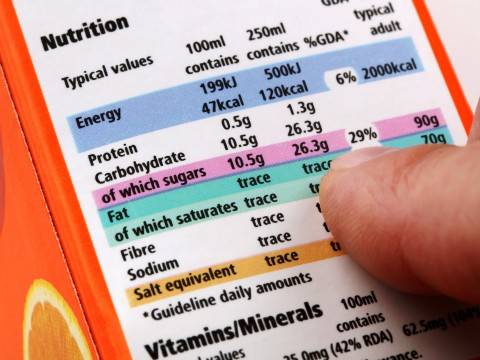
Sweetie, I am addicted to you!Research shows sugar can be more addictive than heroin. What was the last thing you ate or drank before reading this? Bread? Banana? Chocolate? Cake? Fries? Wafers? Doughnut? Biscuits? Soda? Juice? Wine? Vodka? Coffee? Tea? They are all sugars ultimately. Some taste sweet, some don't. The first thing we taste as babies is milk. It is naturally sweet. From that young age, we learn that sugar is what we like and what we want. You may be a sugar addict, if: You need 'something sweet' after every meal. You cannot have tea or coffee without that second pinch of sugar. Dessert is a must every time you eat out. You go hunting to the refrigerator looking for cake leftovers. A little bite of that chocolate bar is all you need to be happy. You are the one who finishes off the last piece of laddu in the house. You want ketchup with everything - fries, noodles, pizza, burger, samosa, kachori. You want all the above listed items because you just read their names. When out in the hot sun, water is not sufficient for you, you want flavored sweetened chilled drinks. A mocktail or a soda drink makes your dinner complete. And many more such things. So, you see, almost all of us are sugar addicts. Studies show every person in countries like, USA, UK and Australia, may be a sugar addict. The reasons behind the sugar addiction are manifold. First, beyond doubt sugar tastes awesome. Taste factor cannot be debated with. But do you know, the taste is conditioned? Cravings are not always and entirely natural. They are a result of what you give the body and teach your taste buds. Second, businesses heavily exploit this weakness for sugar. Wherever you go there is unimaginable variety of sugar products. A café, a restaurant, a general store, a superstore, a street cart - they all have several options for you to indulge in. How much can one resist and how much can on filter the menu! Third, sugar creates instant gratification. That does work for it and that does add to our trouble. A sad day at work and some chocolate perks you up. Feeling dull and bored, let's go out for an ice cream. This happens too often. Why sugar isn't that sweet? We feel what harm can little sweet do, being happy is more important. However, sugar is worse than many other food vices. As an experiment, check the contents of everything in your kitchen and count how many of them have sugar, in any amounts. Try skipping everything that has sugar in it for the next three days. You will be shocked. The options to eat cut down to several degrees if you skip sugar. The problem with sugar is it makes you want more. A bit does not satisfy you. Sugar increases the desire for sugar - immediate and long term, likewise. The moment you have a bite of something sweet, you cannot stop there, you need to eat another bite, and another, and another. In the long run, your taste buds are getting deeply conditioned for sugar cravings. Your body learns that every time the mind is feeling low, it should ask for sugar. That is how it has been taught to feel better. You are entering a vicious cycle when you entertain these cravings. Sugar is often defamed as a white poison. It is not an exaggeration. Sugar has no nutritive value, apart from generating energy in the body. It simply increases the risk of numerous health complications. Sugar is a known culprit for diabetes mellitus, obesity, heart disease, hormonal imbalance, sexual dysfunctions, and others. Sugar addiction is the most common addiction of all. It is difficult to leave sugar completely out, but one can always cut the portions. How to beat that addiction? Time for some action? All this information must be making you want to cut down on your sugar intake. Hold on. Alcohol, smoking, drugs - they are understood and accepted as addictions. So, there are support groups, people around us will motivate and help us to de-addict. Getting rid of our sugar addiction is even tougher. It will require tremendous amount of will power and determination. Are you ready for the challenge? Let us see some simple ways to de-addict from sugars: Drink less Cut down on all the artificially sweetened drinks - colas, orange, iced teas, flavored canned drinks, sodas. They have zero health benefit. The only reason why you have them is because of the taste factor. Remember the taste is momentary. Once inside the body, these drinks are creating havoc for your system. One spoon less - Tea or coffee? What do you need to start your day? Whatever it is, try reducing the sugar portions. If you take two spoons, try one. If you take one spoon, try half. It will be difficult in the beginning but eventually you will get used to it and you will even like it. Have whole fruits instead of juices. Anything drinkable in the cans contains sugar. Say no to cans. Eat less Give the ketchup bottles some rest. Decide your weekly chocolate quota. Don't let the moods overpower your decision. Bakery items are loaded with sugar, forget they exist. Turn a blind eye to that shelf when you go grocery shopping. A fan of breakfast cereal? Check the packets for sugar content. The ones that are flavoured have more sugar. Pick the plain ones. You can add your own choice of fruit and dry fruits for nutrition. Desserts should be a onetime thing, only when the occasion calls for it. You don't need them daily. Let the sweetness be in your words, not on your plate.

10 bedtime beauty essentials! Here are the beauty essentials you need to take into consideration, before you hit the bed: Baby-soft soles :Before you sleep, apply Vaseline on the sole of your feet. This will adequately moisturize your soles and you can wake up to the great opportunity of wearing those heels you have been dying to try out! Healing the puffy eyes : If you are worried about waking up with puffy and tired eyes (even after 6 to 8 hours of sleep), then put on a little eye cream. You can also keep an extra pillow and make sure you sleep on your back. This will allow the fluids around your eyes to drain easily and reduce the puffiness. Trying out wavy hairstyle : Bedtime is the best time to work on your hairstyle. Before you sleep, shower and fashion your hair into the style you want. Apply a styling cream on your hair gradually, after having air-dried it. Now, decide if you would like to put them up in buns or braids. Stylize them into the pattern and wake up to wavy hair! Let your skin breathe : Those who are suffering from dry skin can apply moisturizer. A humidifier is also a great accessory for help in these cases. You can switch on the humidifier before you go to sleep. This will help your skin to retain its moisture through appropriate hydration. Keep aging at bay :Did you know that sleeping on cotton pillowcases can increase the chances of creases and wrinkles on your skin? Prevent wrinkles by using silk or satin bed clothing. This will also reduce hair breaking. Wake up, miss white smiles: If you want to take off the yellows from your teeth, then brush some baking soda and let them stay for about 8 minutes. Afterwards, thoroughly rinse your mouth. Do not perform this beauty tip more than once a week, it will negatively affect the structure of your enamel. Work on your complexion :During the day, sunlight might disable some face creams from working effectively on your complexion. Make the most use of night and apply a face cream containing retinal and vitamin C. Lengthen your lashes : Eye lashes depth and grace to your eyes. You might feel that working on your lashes will require way too much effort. But, much to your surprise, everything your lashes need is contained in a natural ingredient - castor oil. Consisting of Omega-3 fatty acids, which are highly hydrating, they will avoid your lashes from breaking and also strengthen them. Apply castor oil on your lashes before you sleep and watch them grow thick and healthy within a few weeks! Taking care of your hair : Skim leave-in conditioner through your hair in the evening and let them stay on till the morning. This will let them become soft and shiny. You can also use coconut oil as an alternate conditioner. Readying your nails for polish : Depending on the skin type, the nails of certain people become dry. If you are one of them, it would be best to apply a cuticle cream or oil on them before you sleep to wake up to polish-ready nails.
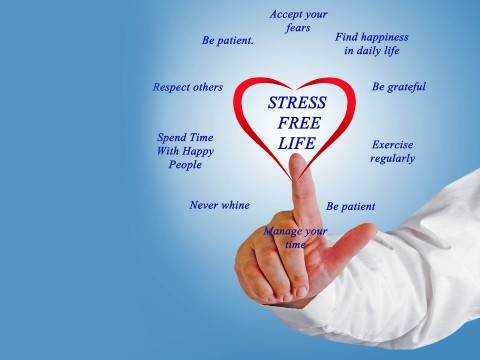
Diet to help manage stressYou cannot avoid stress, as it has now become an integral part of modern lifestyle. Children are worried about their exams and performances in the cultural events, teenagers are stressed out about their looks and body shape, adults take stress owing to competition at work, and so on. One thing is sure that you cannot stay away from stress. So, how can you avoid the side effects caused due to stress? You can include certain foods in your diet that help manage your level of stress. Researchers are already on to it, studying the effects of various foods on the stress levels. It is always better to choose from the organically harvested nuts, veggies, fruits, and fish for better health benefits. Nori Sushi nori is a type of seaweed that is rich in magnesium that contains anxiety-fighting properties. Magnesium is also known for stress reducing abilities. Apart from this, it also carries other essential health nutrients that are necessary for the overall development of health. Vitamin C Foods Cantaloupe is composed of vitamin C that is a renowned stress buster. Another great stress busting food is orange. When you are under stress, adrenal glands in your body start producing cortisol that lowers your immune system's capacity. This leads to breaking down of muscle tissue. Vitamin C in oranges have the ability to return the high blood pressure to normal level. Moreover, when you are stressed there are chances of this vitamin getting used up and hence the need to increase your intake of vitamin C rich foods. Another popular vitamin C enriched food is blueberries that are also packed with lots of antioxidants which relieve stress. Almonds Almond is a treasure trove of essential nutrients such as vitamin E, B2, zinc, and magnesium. Although they are high in fat, they provide your body with all these essential nutrients. You can easily have a handful of almonds every day and still feel less guilty about.  Apart from the fat, energy, and the essential nutrients, almonds give the brain and its memory a shot in the arm. Broccoli Broccoli is rich in vitamin B and folic acid, both proven stress busters that helps in giving you relief from panic, anxiety, stress, and depression. Bananas Bananas contain one of the most important amino acids - tryptophan that gets transformed into serotonin which is a stress-busting hormone that is known to induce a feeling of well being. This makes you happier and gives you relief from stress. Banana is also rich in potassium. Potassium regulates the heart due to which the blood pressure can be kept under control. That is why many health experts recommend inclusion of a potassium-rich diet, as it normalizes your heart rate and help you calm down in stressful situations. This makes banana an essential food addition to your diet. Chocolate The dark chocolates are bitter and give you a feeling of satiation despite the little amount you devour. Due to this feeling, you eat less, but you still enjoy the flavor of the chocolate, much more than the milk chocolate varieties. When you are under stress, most of your body organs are vulnerable to damage. The antioxidants polyphenols that are present in the dark chocolate slow down the damage and also contribute in its repair. Studies have also revealed that 40 grams of dark chocolate per day helps reduce stress-causing hormones such as catecholamine and cortisol. Increasing the intake of stress busting foods in your daily diet can help control diabetes and hypertension.
MigraineA Severely painful persistent headache can put anyone in distress. Migraine symptoms vary from person to person. Some people get intimation before the pain begins. It can be sparkling flashes of light, blind spots, or distortions. Some others experience tingling or "pins-and-needles" sensation in hands or face. This is called an aura. The headache begins within 30 minutes of seeing an aura and may last for 4 to 72 hours. Extreme sensitivity to light, noise, smells, nausea and vomiting, loss of appetite and fatigue, numbness, tingling, or weakness are all-common in migraine. There is no permanent solution to migraines. People suffer for years together and keep on taking painkillers for a long time. Pain killer helps only if taken right at the beginning of the headache. Keep a watch on things that trigger the migraine and try to avoid them. Make some lifestyle changes that can help prevent migraines to some extent. Taking good sleep. Lack of sleep can cause migraine. Appropriate hours of sleep as a routine will help to prevent the attacks. Regular meals at fixed time help to prevent migraines in people who get headaches due to hunger or not eating on time. Regular exercises help to rejuvenate the body and prevent migraines along with many other diseases. Stress is another important cause for migraines. Avoid stress. Learning to manage it will keep migraine at bay. Caffeine triggers migraine in many. Avoid caffeine. Reduce it if quitting is not possible. Limiting alcohol will again be very beneficial as alcohol and hangovers can be the cause. Meditation and relaxation therapies may also help prevent migraine headaches.  
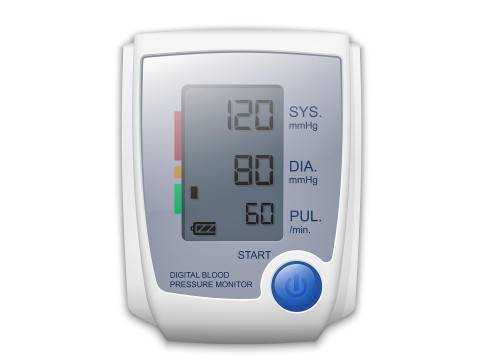
Advantage of the average - Automated continuous blood pressure monitoring technologyAlthough mercury sphygmomanometers (though a deadline is set for them to be phased out due to environmental concerns) are still considered the gold standards, the Aneroid and Digital counterparts represent the future of blood pressure monitoring. The need of long-term blood pressure monitoring arises with disorders and health conditions that demand more attention from the medical teams. Experts say that the fluctuations in BP in conditions like cardiovascular diseases, pregnancy, etc., if tracked at regular intervals, can reduce 22% of risks due to delay and no treatment. This necessity pushed the invention of invasive arterial blood pressure to be used during surgical procedures and further a continuous noninvasive arterial pressure measurement (CNAP) system. There have been multiple researches to overcome some of the roadblocks in measuring the arterial blood pressure in the noninvasive and external approach. Among these developments, the need for measurement of mean blood pressure was felt and the 24-hour BP variation in the patient was taken into account. The 24-hour model eliminates the errors in readings taken during clinic visits due to factors such as fluctuations as a result of white coat fear or after-effects of some stress or exertion. Trendsetting New-age Technology : In 2004, the medical world received the BpTRU non-invasive automatic blood pressure monitoring device. BpTRU devices proved to be a superior and more precise alternative when compared to other manual BP assessment techniques and even other 24-hour ABPM alternatives. The automated oscillometric devices precision and accuracy of assessed BP and heart rate is earmarked with a unique automatic technique - the device records 6 consecutive BP readings of the patient, discards the earliest, and the rest of the five values are put to average function and instantly the resultant mean BP reading flashes on the screen. Compatible with guidelines of American National Standard/Association for the Advancement of Medical Instrumentation (ANSI/AAMI EC13:2002) this is a time-saving, portable, and user-friendly device. A compact and automatic wrist cuff BP monitor, the smart blood pressure monitor that can be synchronized with with Apple’s iOS devices and a Bluetooth connectable and Android compatible blood pressure monitor marks the revolution of CNAP in modern times.
Painful intercourseSome of the causes affecting women can be: Going too fast, penetrating from an awkward position. Do not hesitate to tell your partner that it hurts and he needs to slow down or change position in order to make you comfortable and prevent pain. Dry vagina or lack of natural lubrication in the vagina. This dry vagina is caused due to some medications, changes at the menopause. Sometimes just increasing the time of foreplay can help vaginal lubrication. Use water-based lubricant to reduce pain. Failure to fire off. Sometimes failure of the vagina and uterus to respond to sexual arousal can lead to irritation and tenderness. The vagina may be too tight for the intercourse sometimes or the uterus may not be raised so that the penis comes in contact with the cervix during penetration. Using other penetration methods can be helpful to explore the level of arousal before engaging in intercourse. Vaginismus can be the cause of discomfort. Muscles surrounding vagina are sometimes very tight and lead to pain and intercourse to be painful. Woman can examine herself with her fingers to see if vaginal walls are tighter than normal. It can be vaginismus. Normal cause is nervousness or anxiety. It is reversible. Good foreplay before intercourse will help to relax the muscles and help lubricate. Just relaxing before the act can be helpful. Vaginal infection and inflammation due to yeast, herpes, etc. can make intercourse uncomfortable. Fabrics, creams, perfumes may cause irritation in area in some women. Avoid these. First-time sex can be a little painful. Rupture of the hymen can cause discomfort during penetration. Start slowly or begin with forms of penetration other than intercourse. Psychological pain. Sexually traumatic experiences or feelings of guilt associated with sex can make the act painful. Consult a sex therapist or psychiatrist. Discomfort during intercourse is experienced by men too, various causes affecting this outcome for men are: Tight foreskin. During first attempt at intercourse, tight foreskin will make retraction painful. After sometime, the foreskin will become loose and make intercourse comfortable. Any lesion on the penis skin can make intercourse painful. These may result from non-lubricated masturbation or rapid intercourse or STDs. The blisters due to herpes infection can make intercourse extremely painful.
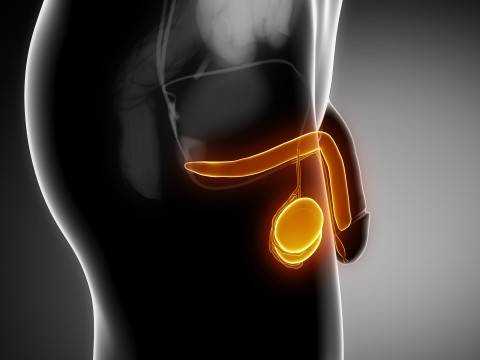
What, how, and why of the sex muscle answeredWhat the Penis is made up of? The penis is made up of several parts. The head: This is also called as the 'glans'. The glans is coated with soft pinkish tissue called the mucosa. The protective covering of the glans is called the foreskin. The foreskin is retractable. In circumcised men, it is the foreskin that is removed. The shaft: The shaft or the body of the penis has two surfaces. The dorsal part i.e. the upper part of an erect penis and the ventral part i.e. the lower part that faces backwards in a flaccid penis. The root: This is the attached part of the penis. Corpus cavernosum: This is the tissue that lines the shaft on two sides on the dorsal side. During sexual excitement, this corpus cavernosum fills with blood that results in the stiff erect penis. Corpus spongiosum: This is the tissue layer running in between the two layers of corpus cavernosum on the ventral side of the shaft. The urethra: This is a narrow tube that runs through the corpus spongiosum. The urethra's main function is to excrete the urine out of the body. How the Penis does what it is supposed to do? Urination: The process of expelling urine is a coordinated act involving the bladder muscles, the central and the somatic nervous systems. The urethra present in the penis serves as a tube for the urine to pass out. Erection: A erect penis is required for the successful insertion into the vagina. During the height of sexual excitement, there occurs dilatation or enlargement of the blood vessels in the corpus cavernosum causing a rush of blood into it. This elongates the penis and makes it hard and stiff. Erection angles: The way a normal penis points when erect is called the erection angle. The penis is either pointing straight to the front or it may be facing up or down to the feet. An upward angle is most common. A study published in 'Journal of Sex and Marital Therapy', shows the erectile angles in standing males from 20 to 69 age groups in the following table In the table, zero degrees is pointing straight up against the abdomen, 90 degrees is horizontal and pointing straight forward, while 180 degrees would be pointing straight down to the feet. Angles from vertically upwards: 0-3 - 5% of male 30-60 - 30% of males 60-85 - 31% of males 85-95 - 10% of males 95-125 - 20% of males 120-180 - 5% of males Ejaculation: Ejaculation is when the semen is pushed out of the penis. During the sexual act, the process of ejaculation forms the culmination with the male achieving an orgasm immediately after. At times, there is ejaculation of semen spontaneously during sleep, called Wet Dreams. Normal Variations- When you have what others don't (and it is completely normal to have them)! Curvatures: While most penises are straight, it is not abnormal to have a curved penis. Curvatures up to 30 degrees are considered normal and no medical attention is advised. Over 45 degrees may need you to get yourself checked for certain diseases, though. Phimosis: This is the inability to retract the fore-skin fully. It is harmless and occurs in about 8% of boys. The British Medical Association suggests that no medical treatment may be required till 19years of age. Pearly Penile Papules: These are small pale bumps that are found around the tip of the penis. They are very common in men aged 20 to 40 years and may be mistaken for warts. Unlike warts though, they are completely harmless and require no treatment. The human penis has one of the most advanced designs through eons of natural selection for high sperm competition. Disorders of the Penis: When you have what others don't (and it is not normal to have them)! Paraphimosis: This is the inability to retract the foreskin. It may be extremely painful when retracted. This condition occurs when there is leftover fluid accumulated n the foreskin due to some previous surgery. Peyronie's Disease: This is a condition where the penis is extremely curved. It is caused due to a scar tissue running through the shaft of the penis. There is an option of surgical correction. Herpetic Eruptions: This can happen when there is unprotected intercourse with an infected partner. It shows as painful ulcers and eruptions on the head and shaft of the penis. Absence of sensations and erection: This is a condition where one is not able to feel any kind of sensation in the penis and a total lack of erection. This occurs secondary to diabetes mellitus and also as an after-effect of past falls on the back or injuries to the groin area. Erectile Dysfunction: This is a condition that happens due to psychological stress, performance anxiety, natural ageing and diabetes mellitus. It is expressed as an inability to get aroused or inability to maintain the erection for a time enough for proper sexual activity. Priapism: This is a serious condition requiring immediate medical attention. Here the erect penis fails to return to its flaccid state and as a result may lead to potentially serious conditions like a thrombosis or gangrenous state. Severe cases may require amputation too. The causative mechanisms are not well-known but involve complex neurological and vascular factors. The condition is associated with drugs like sildenafil, commonly known as Viagra. Pudendal Nerve Entrapment: Too tight pants and underwear, arrow hard bicycle seats, accidents can lead to this condition. The symptoms include loss of sensation and ability to achieve orgasm along with pain in the penis during sitting. Infections: Common infections of the penis include balanitis, urethritis, syphilis and gonorrhea. Theya re characterized by burning, itching and foul discharge. Lasting longer in bed is every man's desire. How do you go about it is very important. Follow the right diet and exercises along with lifestyle changes to achieve the desired effect in bed. Stay away from medications that claim to make you last long. Ref: Sparling J (1997). "Penile erections: shape, angle, and length". Journal of Sex & Marital Therapy 23 (3): 195-207
FAQS
T&C FAQS