Home
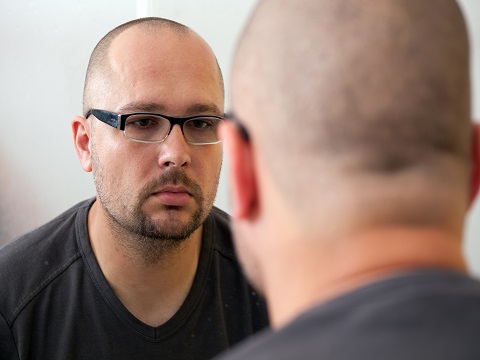
What causes male balding?They say there are 3 types of men: the ones that go bald at the top are thinkers, the ones who go bald at the back are lovers, and the ones who grow bald at both places... only think they are lovers. If pregnancy and menstruation are a female's burden, then baldness is a great inconvenience to men. Some men lose their hair in their youth and thus lose their confidence along with their hair. So what is with baldness and men? Men start having a receding hairline by the time they hit 30, though it could begin in their 20s as well. The most common type of baldness is the mid-frontal type resembling a horseshoe. Earlier it was thought that baldness is caused only by genetic factors, but apparently emotions, lifestyle and diseases also contribute largely to hair loss and baldness. This hair loss can be temporary or permanent. Some medications like anticoagulants, antidepressants, antifungal medicines, chemotherapy etc can cause baldness. Certain diseases like thyroid disease, Crohn's disease, lupus can cause hair loss and baldness. Poor nutrition is an important factor in hair loss. Vitamin and mineral deficiencies along with poor nutrition can pave the path sooner than most other things. Then there are some conditions like Alopecia Areata which cause baldness in patches -- on the head or beard. It is temporary and the hair grow back in about 6 months to 1 year. Corticosteroid injections are used to treat the condition. Air and water pollutants, environmental toxins, conventional styling products have the potential to build up on the scalp. These affect hair cuticle, cause dryness, and weaken the hair causing them to easily break off before their natural lifecycle has ended. If you notice your hairline receding more than usual, then check if you are getting enough nutrition. Exercises like the headstand and handstand send the blood rushing to the scalp and can help with hair growth. Massaging the head with warm oil helps to increase blood circulation as well. Use a shampoo that suits your hair along with a conditioner. Oil your hair overnight at least thrice a week. Keep yourself well hydrated and try vitamin C which can help arrest hair fall. Use a clean comb and ensure that you sun your scalp, as vitamin D is an essential tonic for skin, bones, teeth and even hair.    
Ways to look handsome!One disclaimer before reading "Looking good is not age/weight/family specific." Now we can start off with understanding what does handsome means. Does it mean wearing good clothes? Or having a good face? Or having a good body? What is it actually? Well, a simple definition could be "being handsome means being confident and having loads of style and poise." It's not dependent on somebody's face or body specifically. So what makes a person handsome? Will his attitude count? Do we need a lot of money to get that look? Let's answer all such questions in the article. Personal care: The first and the foremost cornerstone for getting a perfect look is to look after yourself well. This includes- Hygiene - Personal hygiene is most important. Dental hygiene, managing body odor, cutting your nails on time, removing hair in the underarms, nose, and taking care of overall body hygiene is of utmost importance.Skin care - Taking care of one's skin is no more a girly thing now; men need to do the same as well. Applying moisturizers, lotions that are readily available, tailor-made for men.Hair care - Men do not need to spend a lot of time managing their hair as women do, but that doesn't mean they can get all complacent about them. Try and wash and shampoo your hair at least twice in a week. You could use natural or artificial conditioners in the hair to make it soft. Get a trim every month or else they can become too long to manage. The suave and debonair look, along with the above indicated personal care methods; one important pointer is to take care of one's facial hair. Agreed that the rough and rugged look is good with some clothes and skin colors, but try and avoid it as 'a regular' and get a good shave. You can either keep a clean shaven look or keep a beard which is well trimmed. This will give you an urbane and classy look. Clothes cabana - An important factor for your looks is your clothes as well. One needs to understand that there are particular kinds of clothes which shall look good on them and there is a section which they should never try. Once you understand this thin line, you can do wonders with your clothes. Try to understand which shades look good on you. The bright colors or pastel shades. After this, you need to choose your formal and casual wears as well. Try and understand what kind of clothes make you look good and what are the options you can always try. The must have checklist is given below - A pair of good dark blue jeans. A white shirt. A colored T-shirt. Jacket and waist coat. Dinner jacket or tuxedo (whichever suits you). Pair of black trousers. Sweatshirts. A full pastel shade sweater. Accessorize your look - Along with good clothes you need a few more embellishments:Shoes - Get two different pairs - one leather and the other sports for formal and informal occasions. The shoes should be buffed with shoe wax regularly and you can wash off the dirt on your sports shoes once every couple of weeks.Belts and Tie - A good and well-fitting tie and a sober choice in belts always adds to the look of the "complete man."Watches - A good analog watch is a "must have" on every guy's wrist for that added attraction. Work out regimens - Now workout does not only mean joining a gym or keeping a personal trainer. You need to just keep your body fit, which can be done by jogging, yoga, or even a morning and evening walk. Try to be active, which in turn will help you stay in shape. You can even pick up a sport for that matter. When your body is fit, you will have a relaxed mind and soul too. Eat healthy - Having a hamburger everyday will make you only lethargic and fat and certainly far from handsome. Try to follow a diet regimen which nowhere means you need to have nightmarish boiled vegetables only. You just need to avoid eating outside which means no junk or oily food. This shall not only help you look good, but will let you be young and fit. Try to have more leafy vegetables and fish in your daily diet rather than red meat and spices. Once in a week you can dig into your favorite foods and pig out. Say no to cigarettes and alcohol - Working out or eating healthy and getting the best clothes and accessories will never help you get in good shape until you say no to all the habits which shall prove deadly for you in the future. Try and quit smoking and drinking as they affect your health and stamina in the most adverse ways possible. Along with that they also have a very bad effect on your mental health as they become an addiction and hamper your concentration and thinking abilities as well. Million dollar smile - Wearing good clothes do not have a prerequisite of behaving like a supermodel anywhere. Try to wear a good and sweet smile which shall give you a nice and attractive look at the same time. A straight face might end up making you look unapproachable and arrogant, so remember smiling always to complete your attire and style. Good stance - Wearing all the best outfits and looking a million bucks might go all in vain if you have a bad body posture. Try and walk and sit straight. Having an erect stance always makes you look more confident, attractive, and masculine, so always have that poise in your posture which shall make you look awesome. Wear your confidence and attitude - Last but not the least is this most important pointer and that is - be comfortable and confident with whatever you wear and however you look. Being confident makes you win half your battle, always. So, have that debonair attitude and head to the floor, you will always be the head turner of the show. So what are you waiting for? Start your preparations, as being handsome does not require any occasion!        
Infertility at workplaceSince infertility among the younger age is increasing, it is important that a couple decides an early suitable date to attempt conception. Time and again it has been found that infrequency of intercourse is the cause of delayed pregnancy. It is advisable that the woman has a thorough examination by the gynecologists to identify the ovulation dates and for the man to have a thorough spermatic fluid check.  If both are normal then they could wait for a suitable date later. Should there be a problem the quicker it is attended to better. Also, early in the marriage they should start a fund which could be utilized for matters related to conception. For the male, the main treatment covers his personal sex life and a detailed examination of his spermatic fluid. It is the female who has to undergo many detailed tests and possibly surgeries which are expensive. It is often seen that not only the procedures for both take a toll on their personal and intimate relationship but also severely affect their finances which may come to a point that it does not allow them to complete the treatment as for e.g. the woman undergoing IVF may costs several lakhs of rupees. The treatment of infertility has improved greatly, but interferes severely with the work schedule. Working couples particularly women may have a hard time keeping to their schedules. Depending on their infertility diagnosis, many workplace challenges exist including the need to take time off to undergo tests and other appointments. It is difficult to balance the medical and surgical procedures with daily life and work. This is a difficult issue for many people as they fear their employer may discriminate against them for taking time off from work. Sadly in India there are very few employers who include medical benefits and cost of treatment for infertility. Suggestions have been given on stress dealing with infertility treatment and work. Here are few pitfalls to avoid: Do Your Homework: Review your organization's HR policies so you understand the amount of leave you have and other policies that pertain to your situation. You may be able to arrange for flex time or work from home on the days of your appointments, so that you do not actually miss any work. Be Honest:  Go to supervisor and let her or him know that you will be using your leave time and will give as much notice as possible. Honesty is the best policy. Remember people are inherently curious about the disease of infertility. If you feel the questions are invasive and make you feel uncomfortable, remember you do not have to answer the questions. You can respond nicely and let them know that you appreciate their concern but you are not ready to answer any questions. Your co-workers are asking question because it is human nature to be curious. In conclusion, not everyone needs to know what is happening with your reproductive health. At work place should medical help be available do take advantage of it.  This treatment has nothing to do with your performance at work. Go to work feeling confident that you will be able to perform your job and handle your workload during this time.
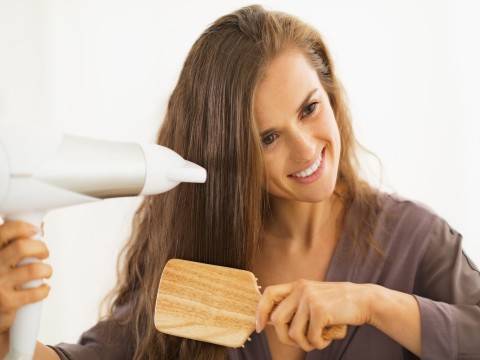
Hair straightening do's and don'tsWhat's in a hair? Well when someone thought of this quote, he or she certainly did not foresee the future because in today's world hair is everything. For a woman and a caterpillar at least! Let's just talk about women! Hair not only covers your scalp, but also protects it.  Hair is known to be something that enhances the beauty of a woman, as there is nothing like the feel of smooth and silky hair caressing the shoulders. Women all over the world dream to have beautiful, strong, silky, and preferably, long straight hair. Why straight hair? Let's find out, women are born with all kinds of hair, curly, wavy, long, and short but according to some women there is nothing that beats having a straight hair and there are women in this world who could go to any length achieving that straight hair they always desired. One of those ways is straightening, a styling technique used since the 1980's, which involves the flattening as well as straightening of hair, to give it a smooth, streamlined, and a sleek look. Straightening can be of two types, temporary or permanent. Temporary straightening can be achieved by a straightening iron or relaxers and generally lasts up to the first wash. Permanent hair straightening generally requires the use of Lye and other chemicals (more commonly known as creamy crack) with the help of a hot comb, hot iron, and relaxers. Permanent straightening, with proper care, can easily last up to a year. According to documentary "Good Hair" by actor Chris Brown, African American women are known for their profound use of "creamy crack" to get that perfect straight hair they long for. They are also the women who make the cosmetic companies rich, thanks to their profound use of hair straightening and hair care related products. African American women also account for the highest amount of money spent on hair care and hair care related products. Coming in a close second are the women from Central and South East Asia. These women are also known to go to extremes to get that perfect straight hair look, which is generally shown in TV Commercials endorsed by celebrities. Now that we are aware of the statistics, it is time that we look into the do's and don'ts of hair straightening. Straightening your hair once in a while may sound like a good idea, but it is extremely essential that we understand that extreme care is required here. Hence it is always better to know the do's and don'ts before we decide to break the bank (straightening ain't cheap) for straightening treatments. Do's : Make sure your diets consist of plenty of healthy foods, water. Also doing regular exercise is advised. Always use a shampoo and conditioner that best suits you. Remember to ask your stylist about the kind of products that suit you. Always go for hair spa treatment once a month since your hair needs that extra nourishing. Don'ts : Do not wet your hair at least for three days after the treatment. Do not tuck your hair behind your ear. Avoid twisting your wet hair with a towel. Avoid extreme scrubbing of your hair while shampooing. Straightening even once can cause excessive damage, hence do not do it repeatedly. Straightening your hair once in a while is okay, but doing it continually is ill advised as it can have a lot of negative consequences. Straightening also comes with certain side effects such as heavy chemical reaction, dizziness, permanent hair damage, dryness, skin irritation, itchiness, and severe chemical burns. Hence, it's always better to have a professional do it at a salon rather than doing it yourself. Hair straightening, though done by the same method all around the world, requires different types of hair care products as the hair type is mostly related to your race and ethnicity and your geographical location.
Your bundle of joy comes with bundles of fascinating facts Blue-eyed wonder: Most babies are born blue-eyed. The melanin pigment that decides the color of the eyes is not developed at the time of birth. So the babies are born with blue/light eyes irrespective of the genetic makeup. By the time the baby is 6-7 months old, the pigments start developing and the baby's eye colour changes as per the genetic makeup of the parents. Marked for life: One in every three infant is born with a birthmark! No tears: That is true! New born babies do not shed any tears. The lacrimal duct and the tear glands are well developed but they produce just enough tears for lubrication. Actual tears start appearing after one month of age. Crawling wonders: New research has found that babies can crawl almost as soon as they are born. When left to themselves, they are quite capable of using their limbs and find their way to food i.e. the mother's breast.And we thought that they are tiny helpless creatures! Temperature sensitivity: Babies are much more sensitive to temperature changes and body heat.Though the baby can't throw off the clothes to cool down, it is smart enough to do other things. When the baby is cold, it will move around more and if it is too hot it may just lie still as if sunbathing. Touch therapy: Touch is the most highly developed sensation in babies, even in premature ones. The touch sensation develops from head to toe with the mouth being the most sensitive. No wonder they tend to put everything in their mouths. Short-sighted: Babies are short sighted at birth. Their vision is set to a limit of 8-to-12 inches. They can see people and objects clearly only if they are within this range. Brain size: The brain grows at such a rate in newborns that by the end of the first year,the brain is double the birth size and half its final size! Palmar Grasp: New born babies have a strong grip, as strong as a monkey's. The grip is so strong that if you dangle them on one hand, they can support their own weight. This probably originated from the primitive survival instinct. This strong grasp reduces after a couple of months. Taste buds: Babies have more than 10,000 taste buds situated all over the tongue and even at the roof and sides. As they grow, these extra taste buds disappear.
Is circumcision a healthy ritual?Religious rituals and practices have been carried out since ancient times. Circumcision is a religious ritual that involves surgical removal of the prepuce of the human penis. Prepuce is the foreskin of the penis and during the procedure; the person performing the ritual opens, inspects and separates it from the glans. The process is painful and hence local or topical anesthesia is used to reduce physiological stress and pain. Circumcision is performed for religious as well as personal reasons and many times recommended medically for prophylactic or therapeutic reasons as well. Today's medical science makes use of this treatment for treating chronic urinary tract infections, refractory balanoposthitis and pathological phimosis. Circumcision is performed as ritual in many parts of the world. However, it is also recommended medically as protection against HIV infection. Circumcision-Is it Legal and Ethical? In the world over, the ritual or practice of circumcision is carried out on all types of people from neonatal stage to adulthood. While no significant risks have been noticed due to the practice of this ritual, rather some modest health benefits have come to the fore. The World Health Organization has recommended circumcision for male infants in parts of Africa where the children are more vulnerable to urinary tract infections. However, no other medical organization in the world has supported or banned the procedure. Over past few years, legal and ethical questions have been making rounds and many believe that consent should be taken before carrying out neonatal circumcision. HIV and Circumcision Benefits A Cochrane meta-analysis conducted in 2009 on sexually active African men have revealed that the ritual of circumcision reduces the risk rate of HIV infection by 38 to 66 percent among heterosexual men in a period of 24 months. That is why WHO has recommended circumcision in sub-Saharan African areas having high rates of HIV infection as a part of the comprehensive HIV program. Moreover, this process is more cost-effective as compared to other treatments and preventive measures recommended for HIV. Circumcision reduces the risk rate of HSV-2 infections and oncogenic HPV prevalence along with the risk of penile cancer and UTIs. Until now, there have been no concluding reports on the protective effects circumcision offers against other types of sexually transmitted infections. Circumcision is also recommended medically to children suffering from pathological phimosis and refractory balanoposthitis. Contraindications The literature worldwide review conducted in 2010 reveals that around 1.5 percent of the newborns face median complication when the process of circumcision is performed by trained medical providers. Only 6 percent children face severe complications with the common complications being infection, bleeding or removal of too little or too much of foreskin. However, the process does not cause any negative impact on the sexual functioning of an individual. Contraindications due to circumcision are also cited in infants having genital structure abnormalities right from the birth such as misplaced urethral opening, ambiguous genitalia or chordae. In such cases, the foreskin may require reconstruction through surgery.  It is contraindicated in premature babies and clinically unstable infants and it should also be avoided in children with family history of hemophilia (bleeding disorders). In such patients, it is important that the blood should be checked for its coagulation properties before attempting the procedure.
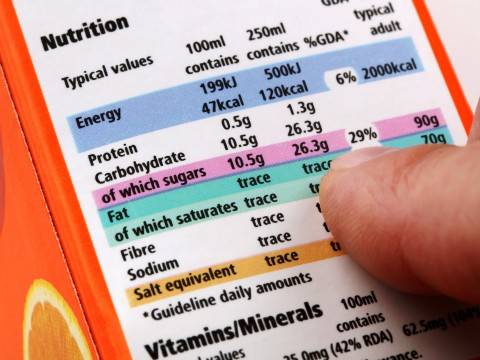
Sweetie, I am addicted to you!Research shows sugar can be more addictive than heroin. What was the last thing you ate or drank before reading this? Bread? Banana? Chocolate? Cake? Fries? Wafers? Doughnut? Biscuits? Soda? Juice? Wine? Vodka? Coffee? Tea? They are all sugars ultimately. Some taste sweet, some don't. The first thing we taste as babies is milk. It is naturally sweet. From that young age, we learn that sugar is what we like and what we want. You may be a sugar addict, if: You need 'something sweet' after every meal. You cannot have tea or coffee without that second pinch of sugar. Dessert is a must every time you eat out. You go hunting to the refrigerator looking for cake leftovers. A little bite of that chocolate bar is all you need to be happy. You are the one who finishes off the last piece of laddu in the house. You want ketchup with everything - fries, noodles, pizza, burger, samosa, kachori. You want all the above listed items because you just read their names. When out in the hot sun, water is not sufficient for you, you want flavored sweetened chilled drinks. A mocktail or a soda drink makes your dinner complete. And many more such things. So, you see, almost all of us are sugar addicts. Studies show every person in countries like, USA, UK and Australia, may be a sugar addict. The reasons behind the sugar addiction are manifold. First, beyond doubt sugar tastes awesome. Taste factor cannot be debated with. But do you know, the taste is conditioned? Cravings are not always and entirely natural. They are a result of what you give the body and teach your taste buds. Second, businesses heavily exploit this weakness for sugar. Wherever you go there is unimaginable variety of sugar products. A café, a restaurant, a general store, a superstore, a street cart - they all have several options for you to indulge in. How much can one resist and how much can on filter the menu! Third, sugar creates instant gratification. That does work for it and that does add to our trouble. A sad day at work and some chocolate perks you up. Feeling dull and bored, let's go out for an ice cream. This happens too often. Why sugar isn't that sweet? We feel what harm can little sweet do, being happy is more important. However, sugar is worse than many other food vices. As an experiment, check the contents of everything in your kitchen and count how many of them have sugar, in any amounts. Try skipping everything that has sugar in it for the next three days. You will be shocked. The options to eat cut down to several degrees if you skip sugar. The problem with sugar is it makes you want more. A bit does not satisfy you. Sugar increases the desire for sugar - immediate and long term, likewise. The moment you have a bite of something sweet, you cannot stop there, you need to eat another bite, and another, and another. In the long run, your taste buds are getting deeply conditioned for sugar cravings. Your body learns that every time the mind is feeling low, it should ask for sugar. That is how it has been taught to feel better. You are entering a vicious cycle when you entertain these cravings. Sugar is often defamed as a white poison. It is not an exaggeration. Sugar has no nutritive value, apart from generating energy in the body. It simply increases the risk of numerous health complications. Sugar is a known culprit for diabetes mellitus, obesity, heart disease, hormonal imbalance, sexual dysfunctions, and others. Sugar addiction is the most common addiction of all. It is difficult to leave sugar completely out, but one can always cut the portions. How to beat that addiction? Time for some action? All this information must be making you want to cut down on your sugar intake. Hold on. Alcohol, smoking, drugs - they are understood and accepted as addictions. So, there are support groups, people around us will motivate and help us to de-addict. Getting rid of our sugar addiction is even tougher. It will require tremendous amount of will power and determination. Are you ready for the challenge? Let us see some simple ways to de-addict from sugars: Drink less Cut down on all the artificially sweetened drinks - colas, orange, iced teas, flavored canned drinks, sodas. They have zero health benefit. The only reason why you have them is because of the taste factor. Remember the taste is momentary. Once inside the body, these drinks are creating havoc for your system. One spoon less - Tea or coffee? What do you need to start your day? Whatever it is, try reducing the sugar portions. If you take two spoons, try one. If you take one spoon, try half. It will be difficult in the beginning but eventually you will get used to it and you will even like it. Have whole fruits instead of juices. Anything drinkable in the cans contains sugar. Say no to cans. Eat less Give the ketchup bottles some rest. Decide your weekly chocolate quota. Don't let the moods overpower your decision. Bakery items are loaded with sugar, forget they exist. Turn a blind eye to that shelf when you go grocery shopping. A fan of breakfast cereal? Check the packets for sugar content. The ones that are flavoured have more sugar. Pick the plain ones. You can add your own choice of fruit and dry fruits for nutrition. Desserts should be a onetime thing, only when the occasion calls for it. You don't need them daily. Let the sweetness be in your words, not on your plate.

Communicate to strengthen the family tiesA family that talks to each other stays together. Sounds easy? But how often does your family sit down together in the week to spend time with each other? How about breakfasts and dinners? Are you all able to match your meal times or are you catching each other by the end of the coats in the fast paced world that has us spinning us on our heels constantly? As the family members run in and out of the house, like in a hotel, engulfed in their daily routines they slowly start drifting away from each other. Somewhere pushed to the depths of the heart are old connections and affections with the family. Ideal conversations during childhood, encouragements received during tough times, sibling squabbles in adolescence and many a wonderful memories tug at the heart keeping the family from disintegrating altogether. On the contrary, improper communication and bottled feelings singe the heart in such circumstances and lead to the tumbling of the family ecosystem. Understanding how to build effective communication within the family is important as it helps build a stronger, inseparable family. Here are some effective practices: Communicate Frequently:With the limited time that you have with your family, make communication a common and frequent activity.  While traveling in the car, during meal times, replace TV time with talking, talk to your young ones at bedtime. Keep designated time for informal family meetings and encourage conversations among the family members. Keep the cell phones and laptops in the other room when the whole family is sitting together. Communicate Clearly and Directly:Develop an environment where the family members feel okay to communicate clearly and directly. Allow them to express their thoughts and feelings without having to mask and filter them. This is important in a parent-child relationship and sibling-sibling relationship. It also helps build confidence, family intimacy and bonding among the family members. On the other hand, veiled, indirect or vague communication is ineffective and harmful as it increases confusion and communication gaps. Active Listening:Open and free communication flows only when it is received well and the other person's perspective is acknowledged and respected. Active listening is the cornerstone of effective communication. Whether listening to your partner or child, it is necessary to pay attention to not just the words but tell-tale signs in the tone of communication and non-verbal messages too. Nodding of the head, or words of acknowledgment like, "I understand" make the other person feel that what they are saying is valued and received. Asking questions and requesting clarifications for the parts of the message you do not understand is a very important part of active listening. Trust and Honesty:Only when the family members feel that they can trust each other, can they communicate honestly. Trust is the key for strong familial relationships. Trust is propagated through openness and honesty. Understanding the Individual:The way each individual of the family feels and communicates is different. The way you communicate with the different family members should vary accordingly. Especially in case of young children, as their maturity levels are different than the young adults and adults in the family. The unspoken messages:Not everything might be said in words. Learning to read non-verbal communication such as expressions and body language are very important in understanding the entire message being conveyed to you or the parts being held back. Stay Positive:Many complications and problems between family members can be avoided or solved by effective communication. When dealing with undesired or negative situations, it is important that the words and tonality of the communication is positive. Avoid engaging in negative communication like criticism, defensiveness or contempt. Such negative communication patterns discourage communication.Communication is essential to successful family functioning. Taking inventory of how well the family is doing and readjusting course and practices will help improve the family environment and build a happy family that shares openly and honestly with each other.
21 foods for a healthy heartFollowing is a list of heart-healthy food substances: Garlic: Did you ever think that the commonly available garlic in your kitchen can be heart healthy? It may be smelly for some, but for the heart it is a soothing substance. Garlic is known to control blood pressure, serum triglyceride level & cholesterol level. Carrot: Carrots, though taste sweet, have the ability to control blood sugar levels because of high level of antioxidants in them. So include carrots in your diet, especially in salads. Orange: This juicy fruit has cholesterol-lowering ability because of fibre pectin in it and also helps control blood pressure. Almonds: Though all nuts are believed to be nutritious, almonds are considered to be heart healthy. Almonds are rich in vitamin E, calcium, plant sterols, fibre and antioxidants. Almonds help in lowering LDL cholesterol and reducing risk of diabetes. Walnuts: Walnuts are rich in omega 3 fatty acids, monounsaturated fats which help in lowering cholesterol levels.  Oatmeal: Oats are very healthy & help in lowering the bad LDL cholesterol. You can have one bowl of oatmeal mixed in milk along with nuts as breakfast. Flaxseed: This honey coloured shiny seeds contain substances which are heart healthy, such as lignans, ALA and omega 3 fatty acids. It helps in lowering cholesterol level and controlling diabetes. Tofu: It is a type of soybean protein which can be replaced with paneer. Tofu is rich in fibre and polyunsaturated fats which prevent clogging of arteries.  Barley: The fibre in barley is believed to lower cholesterol and blood glucose levels.  Tuna fish: Tuna fish is rich in omega 3 fatty acids which helps in lowering cholesterol levels.  Salmon: It is very good for heart as it is rich in omega 3, EPA and DHA. It lowers and reduces the risk of inflammation in arteries. It is also believed to maintain the ratio of good cholesterol to bad cholesterol. Red wine: Red wine contains catechins and resveratrol, good for heart health.  Black beans: They are a rich source of magnesium which helps in lowering blood pressure. It also contains folate, antioxidants and fibre which is helpful in controlling blood sugar and cholesterol levels. Fresh herbs: If you are hypertensive and want to control your salt intake then try using fresh herbs as a substitute for salt. It also contains antioxidants which are good for heart. Herbs include rosemary, sage, oregano and thyme. Extra virgin olive oil: This is rich in heart-healthy polyphenols & monounsaturated fats. As it's very costly you can use it as a topping for bread or salad. Sweet potatoes: White potatoes are believed to increase glycemic index so you can replace them with sweet potatoes. It is heart healthy as it has low glycemic index and also contains fibre, vitamin A and lycopene. Low fat yoghurt: You can include this in your breakfast safely as it contains calcium & potassium which helps in lowering blood pressure. Dried cherries: They are rich in anthocyanins and antioxidants which help in neutralizing the action of enzymes which cause plaque formation. In winter you should opt for strawberries, blueberries for a healthy heart. Cayenne chili pepper: Your blood sugar normally increases post a meal. By sprinkling cayenne chili pepper over your food can help preventing insulin level spike post meals. Hot cocoa: Coffee helps in patients with type 2 diabetes. Hot cocoa contains antioxidants helpful for heart. Kosher salt:  This is very beneficial for heart patients as it contains half the amount of sodium as compared to table salt and thus helps in controlling high blood pressure.
Have that chocolate without any guiltYou may find this hard to believe, but chocolate is actually good for your health. Hold on, before you faint. Let's first get to the crux of the matter. Chocolate can actually be good for you if you eat it in moderate quantities. So what about all the bad effects of chocolate that people always talk about? Let's fume them all one by one:  Chocolate causes dental caries: Dear mummy, dental caries (cavities) are caused due to poor oral hygiene and consumption of foods rich in fermentable carbohydrates. When these carbohydrates are left in the tooth for a long time, they release an acid. This may damage the tooth enamel and cause tooth decay. In fact, chocolate contains tannin which actually prevents cavities from forming. So next time, dear mommies, let your child enjoy a small piece of chocolate. You can also join them in the treat.  Chocolate is loaded with fats and sugar:Yes, chocolate comprises of both saturated and unsaturated fats, but a majority of themare in the form of oleic acid and stearic acid. Now, oleic acid (present in olives) and stearic acid are good to lower the blood cholesterol levels. Also, the fat that is found in chocolate is added later, after the chocolate has been processed. So the higher content of cocoa in any bar ensures that there is less fat in the chocolate. So, what about the sugar?Sugar is bad, but the darker variety of chocolate has less sugar compared to the regular sweet chocolate. Dark means higher cocoa content and hence no room for other fillers likes cocoa butter, sugar, nuts, etc.  Chocolate contains no nutrients: On the contrary, it is rich in antioxidants.What is the work of an antioxidant? They scavenge the body of free radicals, which roam in body and cause ageing and diseases. Antioxidant flushes these free radicals out of your body. So, if you want to stay young, bite on a piece of chocolate once a week. Secondly, diets rich in antioxidants have been proven to lower the incidences of heart attacks, strokes, cardiovascular diseases, hyperlipidemia, and arthritis. Hence, I stand by the bar full of antioxidants;it's actually good for you.  Chocolate contains caffeine: Caffeine content in chocolatesis low as compared to your tea, coffee, or cola drinks. Now, having counted the amazing health benefits of chocolate, it is important to tell you which chocolate is healthy for you. The one which is in its purest form - thebittersweet one, which is high in cocoa content, is the clue to your healthy bar. So next time you crave a dessert, indulge in a small piece of chocolate to satisfy your sweet tooth and forget that guilt.  
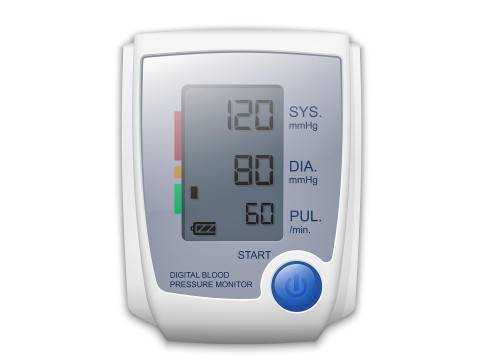
Advantage of the average - Automated continuous blood pressure monitoring technologyAlthough mercury sphygmomanometers (though a deadline is set for them to be phased out due to environmental concerns) are still considered the gold standards, the Aneroid and Digital counterparts represent the future of blood pressure monitoring. The need of long-term blood pressure monitoring arises with disorders and health conditions that demand more attention from the medical teams. Experts say that the fluctuations in BP in conditions like cardiovascular diseases, pregnancy, etc., if tracked at regular intervals, can reduce 22% of risks due to delay and no treatment. This necessity pushed the invention of invasive arterial blood pressure to be used during surgical procedures and further a continuous noninvasive arterial pressure measurement (CNAP) system. There have been multiple researches to overcome some of the roadblocks in measuring the arterial blood pressure in the noninvasive and external approach. Among these developments, the need for measurement of mean blood pressure was felt and the 24-hour BP variation in the patient was taken into account. The 24-hour model eliminates the errors in readings taken during clinic visits due to factors such as fluctuations as a result of white coat fear or after-effects of some stress or exertion. Trendsetting New-age Technology : In 2004, the medical world received the BpTRU non-invasive automatic blood pressure monitoring device. BpTRU devices proved to be a superior and more precise alternative when compared to other manual BP assessment techniques and even other 24-hour ABPM alternatives. The automated oscillometric devices precision and accuracy of assessed BP and heart rate is earmarked with a unique automatic technique - the device records 6 consecutive BP readings of the patient, discards the earliest, and the rest of the five values are put to average function and instantly the resultant mean BP reading flashes on the screen. Compatible with guidelines of American National Standard/Association for the Advancement of Medical Instrumentation (ANSI/AAMI EC13:2002) this is a time-saving, portable, and user-friendly device. A compact and automatic wrist cuff BP monitor, the smart blood pressure monitor that can be synchronized with with Apple’s iOS devices and a Bluetooth connectable and Android compatible blood pressure monitor marks the revolution of CNAP in modern times.
A guide to earwax impactionBiologically, the earwax which builds up over time moves through the ear canal from movement caused by chewing or other jaw motions. It is also extricated through the inside-out motion of the skin of the ear canal - it reaches the outer ear and peels away. The cerumen is produced in the outer regions of the ear and not in the inner recesses. Earwax impaction refers to the condition where the ear wax builds up to such an extent or in such a manner that it causes discomfort to the entire body. In many cases, earwax impaction occurs when patients use cotton swabs or safety pins to clean their ears, only causing the wax to drop deeper into the ears. The main symptoms of earwax impaction include difficulty in hearing, faintness, ache in the ear, foul smell in the ear region, ringing or sound in the ear (also known as tinnitus), a sensation of fullness in the ear, and lastly, discharge from the affected ear. The most vulnerable groups for this condition include those who use hearing aids or ear plugs, elderly people, and those who insert cotton swabs or other items into their ears, as well as those who have an odd ear shape which could negatively affect the discharge of the earwax and those suffering from development incapacities. Did you know that one of the most common methods used by people to clear excessive earwax is ear candling where a candle (in shape of a cone) is placed inside the ear canal and set alight to warm up and remove the wax? This is one of the most dangerous methods causing burns, worsened blocks, and damaged eardrums; this should be clearly avoided. The diagnosis of this condition can be done by an ear specialist using an instrument called otoscope. Earwax impaction is treated in many ways. While at home, you could try to clean the outer region of the ear by wiping with a cloth, the physician could irrigate or syringe the ear to wash out the ear canal with saline. This procedure is generally done once the wax has been softened by the use of cerumenolytic solutions aimed at dissolving the wax like mineral oil, peroxide-based ear drops, and hydrogen peroxide. Physicians also use special instruments to remove the built-up earwax like forceps, cerumen spoon, and suction tool. The best way to prevent cerumen impaction is by not inserting anything into the ears to clean it up. Cotton swabs should only be used in the outer part of the ear. In case you feel that the buildup is regular, then you can fix an annual appointment with your physician for cerumen removal.
Female circumcision - Health EffectsThe procedure is carried out by either snipping off a piece of the clitoris or removal of all external genitalia for non-medical reasons. The procedure is carried out outside hospitals and the environment may not be effectively clean and could lead to infection. The painful procedure causes a lot of fear and distress. Some countries have begun to use healthcare personnel to cut the genitals, which reduces pain, bleeding and infection but it does not mean that it is acceptable by the United Nations. Even though the United Nation has termed female circumcision as a violation of human rights, there are millions of girls suffer because it is a requirement for girls so that they remain pure. It is supposed to lower female libido so that they do not indulge in any kind of sexual activity before marriage. Immediate complicationsGirls are likely to suffer severe pain besides the fear that accompanies such a procedure. It can cause them more pain when they try to urinate. If there is severe bleeding, it can lead to haemorrhage. The tissues that form the genitals are severely damaged and healing may not take place immediately and sores can form leading to more pain. Girls can retain urine for fear of the pain. There is always a chance of contracting tetanus or other bacterial infections like sepsis which lead to formation of pus. Besides cutting, procedures can include pricking, piercing, incising, scraping, and cauterizing the genital area. Long term health problemsBesides the immediate problems, female circumcision can lead to long term effects including infertility. The girls can be subjected to urinary tract infections and bladder infections that can recur again and again. Sometimes cysts may also form. There are chances that there could be increased risk of problems during childbirth which could in extreme cases result in the death of the newborn baby. According to UN estimates more than 125 million girls and women are living with female circumcision. Women may be subjected to continuous surgeries especially in those cases where the vagina has been stitched to make it narrow as part of the circumcision process. Once the girls are married, the vagina is unstitched to have sexual intercourse. During childbirth, the vagina may need to be cut again to deliver the child and then stitched up again. This is a continuous problem and women should be spared from this pain and trauma.
Sex during pregnancy? It's possible!One of the questions that arise when a woman gets pregnant is whether it is safe for the couple to have sex. We'll try to answer the most common questions couples tend to ask. Is sex safe during pregnancy? Sex is considered safe if the pregnancy is normal in all stages. However, even if it is safe, it doesn't mean the woman would want to have it. Desire for sex fluctuates during the various stages of pregnancy and sex becomes plain uncomfortable as the body gets larger. What is not safe? Two types of sexual behaviors are not safe during pregnancy. While having oral sex, the man should not blow air into his partners' vagina. It can lead to air blockage of blood vessels by an air bubble, which is called air embolism, and can be lethal for both mother and baby. The pregnant woman should strictly avoid sex with a partner with unknown sexual history or who may have a Sexually Transmitted Diseases (STD). What are the common risk factors? In case of significant complications with pregnancy, abstinence from sexual intercourse is advised. Common risk factors can be: Threat of miscarriage. One can have pre-term labor or signs indicating the risk of pre-term labor (such as premature contractions). Unexplained vaginal bleeding, discharge, or cramping. Leakage of fluid surrounding the baby, called as amniotic fluid. Placenta previa, a condition in which the placenta (the cord connecting mother to the baby and nourishes the baby) is located low down and covers the opening of the uterus. Cervix incompetency, a condition where cervix is weak and dilates before full term, increasing the risk of miscarriage or premature labor and delivery. Can sex during pregnancy harm the baby? The baby is always protected by the amniotic sac (a bag-like structure that holds the fetus and surrounding fluid) and uterine muscles. A thick mucus plug seals the cervix and protects the baby from infection. The penis does not come into contact with the fetus during sex. So, sex can't harm the baby directly. Can orgasm lead to miscarriage or contractions? The contractions felt by pregnant women during and just after orgasm are totally different from the contractions of labor. Therefore, in cases of normal and low-risk pregnancies, orgasm can't cause contractions and miscarriage, but always check with the doctor and make sure that your pregnancy is in the low-risk category. What are the safe positions for sex during pregnancy? The old standby missionary position for intercourse may not work for you now. Instead, try these options: Spooning: Lie side by side with him behind you. This will not put pressure on your belly, and makes for more shallow penetration. Female on top: There's no pressure on the belly, and the female can control the speed and depth of penetration. Side of the bed: The female lies on the back on the edge of the bed with knees bent and feet on the edge. The male stands facing her. It's like classic missionary, but the male won't be resting his body weight on the pregnant female. However, remember 'normal' is a relative term when it comes to sex during pregnancy. You and your partner need to discuss what feels right for both of you and take advice from the doctor.
FAQS
T&C FAQS