Home
Is male menopause a reality?As opposed to the sudden drop in ovulation and hormonal levels in women, menopause in men is a gradual process. The consequences in men aren't that clear. The health risks, though, are significant and it is important to recognize the symptoms of male menopause early on. Read along to know more. A testosterone level of 300-1200 ng/dL is considered normal in a healthy male. As one ages, the testosterone levels too drop gradually. After 30 years of age, the levels drop by 1% per year. By the time a man crosses 50 years of age, he is in menopause. Look out for the following signs to know if your testosterone levels are dropping : Low Libido : A low sex drive or decrease in inclination to have sex is the first sign of decreasing testosterone levels. Erectile Dysfunction : Testosterone is responsible for releasing nitric oxide that leads to erection. As the levels of testosterone decrease with age, getting an erection and maintaining it for longer periods of time may become difficult. Low Semen Level : The normal amount of semen ejaculated each time varies between 0.1 and 10 mL. This normal level is due to the efficient functioning of the testes, seminal vesicles, and prostate, all of which work under the influence of testosterone. As you age, the testosterone levels drop and the amount of semen ejaculated also drops. Orgasm Troubles : As you age, having an orgasm every time may be a bit difficult due to the dropping testosterone levels. Mood Swings : This happens in men as much as in women! The interesting thing here is that the man who suffers from it is the last one to note it and acknowledge. So, if you find yourself snapping and getting irritated at the smallest of things, get your testosterone levels checked. Depression : When you feel dull and demotivated at all times, and even doing the slightest of activity seems like a chore, it means that your testosterone levels have dropped to a significantly low level. Abdominal Fat : This is again an early sign of decreasing testosterone level. Belly fat is a sign of advancing age. Low testosterone levels are a sign of advancing age. Not all men who have low testosterone levels may show symptoms. In such cases, there is no need for any kind of treatment. Low testosterone may also be due to some other conditions like thyroid disease, excessive alcohol use, sleep apnea, etc. After 30 years of age, the levels of testosterone drop by 1% per year. By the time a man crosses 50 years of age he is in menopause. Identifying and eliminating these causes will restore the testosterone levels to normal. However, if no cause can be attributed to the low testosterone levels, it is a clear indication of normal aging and 'menopause.' As with women, men too have the option of hormone replacement therapy. However, this treatment is controversial. In some men, the testosterone replacement may relive several symptoms, but the risks far outweigh the benefits. An increased chance of heart attack, prostate cancer, and other health problems are associated with testosterone replacement therapy. Herbal supplements for problems associated with decreasing testosterone levels are generally considered safe, but they too have no proven health benefits and are known to increase the risks for prostate cancer. Male menopause isn't as dramatic and abrupt as the menopause in women, but it is a reality. It happens gradually over a period of several years.
10 pregnancy risk factors that every pregnant woman should be aware ofFollowing are the possible risk factors for pregnant women: Hypertension: Blood pressure rises during pregnancy due to changes in osmotic level. Persistent high blood pressure leads to a condition called as pre-eclampsia. It retards the growth of the baby in the womb and can even result into death of foetus. It can lead to convulsions in mother. Exposure to medicines and drugs: Self medication is a strict NO NO during pregnancy. Certain drugs have harmful effect on the growth and development of baby. Take gynaecologist's opinion and ask a doctor before taking any medication.  Smoking: Smoking retards the growth of foetus (baby in womb). Moms who indulge in smoking give birth to babies with a very low birth weight. It also increases chances of miscarriage. Mother's weight: It is important to make sure that there is a steady weight gain during pregnancy. A weight gain of 11 kilograms is expected over a period of 9 months. Watch for a steady weight gain for a healthy pregnancy sake. Anaemia: There is an increase in blood volume during pregnancy. This can cause the iron levels to drop down resulting in anaemia. Haemorrhoids add further to the iron loss. Iron and folic acid are therefore prescribed. Haemorrhoids: Haemorrhoids are common during pregnancy and after pregnancy due to constipation which is because of hormone induced reduced motility of intestine. The pressure of gravid uterus on intestine may also cause it. Increased consumption of green leafy vegetables and laxative would relieve it. Alcohol: Drinking can cause a harmful effect on the growth and nourishment of child. Child may be born with a serious medical problem. Sexual intercourse: It's strictly not advised during last trimester. Radiation exposure: Exposure to radiotherapy or chemicals in the surrounding should be avoided. Bleeding per vagina: Consult your gynaecologist soon, if you have problem of bleeding per vagina. It could be a sign of abortion.  
Mother can pass stress patterns to childThe stress patterns in the mother have shown to affect the mental development of children and have been found to play a role in autism and even schizophrenia. "Pressure and stress is the common cold of the psyche." - Andrew Denton There are several studies conducted in this area of research. The results are varied and present a set of multiple issues that children can face if their mothers have been under stress when they were in the womb. In later years, these babies grow into children who have a weak mental state. They cry easily, pick the escape route in conflicts and difficult situations, are anxiety prone and may get easily bullied in social environments. Their social adjustment gets hampered due to emotional weakness. These children are not good at handling weak moments and end up being rubbed off the wrong way, time and again. It pushes them into a vicious cycle. The incapability to tackle socially stressful situations further scares them. They get bullied and become even more vulnerable. What to do? The approach is twofold. Curb the problem in the beginning. Yes, it is natural to be stressed. Pregnancy can be tough, physically as well as mentally. With the modern life, the stressors have increased and there is always so much to do in such little time. Relationships, work, food, health, hormones - there is ample to trouble you. Find a release for the tensions. The one growing inside you needs you to be happy and healthy. Do things that make you happy, keep your happiness at the top priority. Everyone around you needs to understand that. Reader, if you are the husband, parent, sibling or friend of a pregnant lady - support her, understand her and do all you can to make her smile. Do not be the one who reprimands if she is worried, be the one who takes away her worries. Pave way for a baby who is happy and ready to start a new life. Second, do what you can at the given time. The child is already here and is facing emotional adjustment issues - extend your support to him/her. Give the kid the ground to grow strong roots and stand tall, without being disturbed easily by gushes of the wind. While it is difficult to avoid stress, you can always try to handle it better, for the sake of your child.Soon-to-be mothers who go through stressful situations may be passing on the stress patterns to their babies.
Obesity is not just an adult problemWith fast food chains multiplying in the country faster than you can say Maharaja Mac, there is an urgent need to monitor our diet. While most of the nutritional advice is directed at adults, kids too are exposed to the dangers of empty calories. Childhood obesity is on the rise across the world including India. How does obesity affect children? And what can parents do to ensure this doesn't happen? We will try to answer some of your questions. What are the causes of obesity in children? Lack of physical activity: Nowadays, children spend more time sitting at home - doing their homework, watching TV, and playing games on PC, console tablets or smartphones. Play time on the ground outside has shrunk. As a result, they don't get enough exercise. Unhealthy food choices: Our busy lifestyles leave us with little time to plan for or prepare every meal. The alternative is to go for quick-to-cook food like Maggi. Food ordered from outside too is invariably unhealthy. While having it once in  few days is not a problem, making it a way of life leads to problems. Overweight parents: The eating pattern and lifestyle of parents has a big influence on a child's health and weight. Obesity can be hereditary. Lifestyle and environment: When parents are unable to pay much attention on their children due to their busy schedules. As a result children rely more on ready-to-eat food or junk food. Genetic factors:  For some kids, genetic factors may be the reason behind obesity. A rare genetic disorder called as Prader-Willi syndrome causes severe weight gain in kids. What health problems can obesity cause among children? Type-2 diabetes Eating disorders like bulimia or binge eating (excessive eating or drinking) Problems with foot structure Liver problems Respiratory disorders - breathlessness during exercise Difficulty in breathing while sleeping causing snoring or poor sleep What can parents do to prevent or control obesity in children? Parents must make kids understand the ill-effects of eating junk food. They must limit their snacking on junk foods. Encourage the kids to participate in physical activities and outdoor games. Make exercising a routine for the children. Join them during exercising to make it a fun time for the family. Set an example for your kids by following a healthy diet and eating habits yourself. Limit TV time and playing videogames. Parents must include whole grains, fruits and vegetables in the diet of their children. Limit fats intake to not more than 25%-30% of total calories. Make sure to go through the nutritional label while purchasing any processed food.  
Cleanliness - A clean body, clean mindPhysical Benefits: Killing of Germs: Disinfecting your living area allows negligible scope for breeding and spreading of germs and bacteria. Though not visible to your eyes, many of these can cause severe illnesses. Prevention of Food Contamination: Clean cooking utensils and counter tops allow for low risk for contamination of food. The parts of the utensils which have come in contact with fish, raw meat, or eggs are recommended to be washed with hot water and soap. Make sure you wash your hands to avoid spreading of any bacteria in your house.  Keeps Illnesses and Allergies at Bay: Many allergies could be caused due to dirty mattresses, carpets, sheets, walls, and furniture. In order to keep away mold, dust mites, cobwebs, and mildew, make sure you dust, mop, and vacuum the house on a regular basis. The sheets should be washed at least once a week with hot water and detergent. Floors and walls, wardrobes, and refrigerator should be cleaned using disinfectant sprays up to 2 to 3 times per month. Thoroughly clean your carpet and upholstery at regular intervals. Psychological Benefits: Association of Non-Cleanliness with Moral Lapse: In a review by Current Directions in Psychological Science, it has been found that physical cleanliness does not only physically benefit a being, it also results in weighing the person on a moral radar. When we perceive a physical contamination, we respond in the same way as we would in case of an act of moral disobedience. This response includes repulsion and disgust accompanied by their behavioural components like scowling and frowning. Sense of Accomplishment: Those who clean their house and living space have been found to have a consequent sense of accomplishment that adds to the way one feels about oneself. Clarity and Organization of Thoughts: It has been discovered that those living in a clean and neat environment tend to have a greater capacity to think than those who live in a messy and unclean atmosphere. Proactive Sanitation Teaching for Children: Start with your own home. A child emulates its parents, and if the parents practice cleanliness as part of their lives, children would notice and follow suit. Children tend to connect who they are with their home environment and as they grow up they ensure that such a cleanliness of their world around is maintained.  towards their immediate surroundings, thus ensuring that they do not contribute towards pollution and environmental degradation, at least on an individual level.
Causes and treatment of sleep talkingIt is usually believed that sleep talking is associated with dreaming, but there is no scientific evidence available to support this hypothesis. In few cases, it may be associated with sleep disorders or any other diseases. Sleep terrors and REM sleep behavior disorder (RBD) are two sleep disorders associated with sleep talking. Sleep terrors are associated with frightening scream, kicking, and thrashing. It is commonly seen in children. Awakening becomes difficult during sleep terror. Patients with RBD utter a sudden loud cry, grunt, shout, or act out their dreams, usually violently. Other causative factors of sleep walking are emotional stress, mental health illnesses, substance abuse, fever, and certain medications. Treatment: Evaluation of the patient Patients with sleep talking should be evaluated by a specialist doctor especially if it is seen in adults or associated with violent actions, screaming, or intense fear. If children with sleep talking have disturbed sleep pattern, they should be evaluated by the pediatrician. The doctor asks questions to the parents, roommates, and bed partners about the nature and the extent of sleep talking. There is no definitive treatment available for sleep talking, although the doctor may test to record the sleep pattern of the patient to identify any sleep disorder. This test is known as polysomnogram. Management Sleep talking usually does not require treatment. Avoidance of stress and plenty of sleep at night may help to decrease sleep talking. However if any sleep disorder is identified by polysomnogram, it is treated accordingly by the doctor. If underlying causes like mental illnesses, substance abuse, or medications are identified, they are also managed accordingly. Mental illnesses like depression should be treated with proper counseling and medications. The patients should refrain from alcohol, heavy meals, fatty meals, etc. The patients are advised to follow regular sleep schedule, get adequate amount of sleep, and practice proper sleep hygiene so that severity and frequency of sleep talking is decreased.
4 super foods to keep you healthy this winterWinter is here. It is time for lazy mornings and blanket hideouts. It is also the time when the markets are lined up with a variety of fresh fruits and vegetables, all juicy, healthy and colorful. Discover four such super foods for the cold winter evenings. Citrus fruits: Oranges, sweet lime, lemons; bring them all and have them all. Bright yellow or orange, they are like the bright sunny mornings which you need after a cold night. Rich in vitamin C, antioxidants, flavonoids and several other nutrients, citrus fruits are the perfect measure for your daily dose. Peel it off and chew it up, or slice it off and lick it on, or squeeze it strong and drink it down - choose the way you like. Citrus fruits help in taking care of your cholesterol, as well. Potatoes: Potatoes are the victims of most diet plans. It is loaded with carbohydrates, we should not eat potato, and so on and so forth. Potato is not that bad actually. In fact, its nutritional value may come as a surprise to many. The content of vitamins B6, C and folate is high in potatoes. Potatoes are rich in essential minerals like potassium, zinc and magnesium. The starch content may be significant, but so is the fiber content. They are known to protect against colon cancer. What are you waiting for? Have some potatoes, will you? Make sure there is no guilt. Kidney Beans: Kidney bean is our favorite Indian 'Rajma'. They are a rich source of carbohydrates and proteins, are known to lower the cholesterol levels and reduce the risk of heart disease. They are particularly known for helping to replenish the iron stores of your body. It can be the food of choice even if you have diabetes, as it is almost fat-free and doesn't send a sudden rush of glucose in the blood. When combined with rice, kidney beans make a very healthy meal. So, is it rajma-chawal (kidney beans with rice) for dinner today? Green leaves: Yes, yes, you are bored of reading and listening to the benefits of green leafy vegetables. But, we have to remind you, for the advantages are too many to be ignored. They are the greenest, freshest and leafiest in the winters. Even if you are not a fan, you will feel like picking up a bunch from the grocery store. Spinach (palak), fenugreek (methi), cabbage (gobhi) are the ones that we can commonly find. Others to look for are lettuce, mustard greens, etc. The green leaves are a rich source of a variety of vitamins, mineral, fiber and water content. They are suitable for all ages and can be easily digested. Entertain that potato lying in your kitchen, cook up a dish with the green leafy ones. Alternatively, you could try it in the form of salads, soups, juices, flour fillings, and any other creative ideas that you chefs have.  

5 Mistakes yoga beginners makeYoga is a science that has been developed by the ancient Indian sages after a lot of research and study. That is why yoga is difficult to master immediately and one needs a lot of practice to achieve every posture or asana in the perfect manner. So, it is very important to learn the yogic techniques from an expert and one must avoid performing yoga on your own, at least in the initial stages to ensure that you do not suffer from any physical injuries by wrongly straining or stretching your muscles during practice. Yoga can benefit you only if you perform the asanas according to right techniques. Hence, you should try to avoid mistakes right from the beginning. Here are the five most common mistakes people make while performing yoga as beginners: Learning How to Breath Inhalation and exhalation, some say is the most important process that you need to control while performing yoga. While trying to achieve certain asanas, you have to hold your breath for a while and because of this, your muscle fibers are deprived of oxygen for that time. And one needs to do this while holding one's body in that particular posture. With less strength in your muscles, there are chances that you may fall down or get injured. Hence, as a beginner, when you do not have proper control over your breath, it is best to inhale in short breaths, instead of going for the full belly breaths. Just as you slowly inhale, remember to exhale slowly as well, so that the rhythm of the yogic posture is not disturbed. Do not push Yourself Too Hard Most of the contemporary exercises are based on the principle of 'more pain, more gain'. These exercises tell you to stretch more and push harder to get the best results from your workout routine. However, in the case of yoga, the opposite holds true. If you push yourself beyond your limits to attain a particular posture in yoga, you might actually end up straining and injuring your muscles instead. . So, when you are doing yoga come what may, do not push yourself beyond your natural limits. Do Not Compare Some people are naturally gifted with super-flexibility, while the rest of us may not achieve it despite practicing yoga for years together. Each of us has a different type of body and hence, you should not try to compete with those who are highly flexible, especially, if you are trying yoga for the first time or after a long time. You must give your body some time to loosen up its rigidness and become flexible enough. Trying to compare your body's abilities with others and forcefully pushing yourself to perform postures, just to match up, will hurt you eventually. Where to Place the Mat? The best place to put the mat is at the back of your yoga class, especially if you are new to yoga. If you keep your mat at the front, you will become more conscious and will never be able to concentrate on the asana. Instead, if you are at the back, you will always have the front row to follow, just in case you miss the instructions by the instructor. Go easy on the Food! Yoga postures can be intense and if you go into class with a full belly, you will, most definitely find it difficult and uncomfortable to perform the asanas. The key is to eat about an hour before and almost half the size of your usual portion; so that you can perform the asanas comfortably and get the exact fuel necessary for performing them.
Stinky feet? Learn why!Most of us have experienced a bad smelly foot at least once in our lives. We all have that one friend or relative who has such smelly feet that he can clear off a room as soon as he kicks off his shoes! With more than 250,000 sweat glands in each foot, the feet are the most highly sweating parts of the body. What causes this bad smell? The feet contain thousands of sweat glands. During warm days or when you wear socks and tight shoes, the sweating increases in due proportion. The resulting sweat does not find an outlet and starts accumulating in the spaces available and this warm and moist area breeds bacteria. The bacteria start feasting on your sweat and dead skin. They digest their food and release the waste products. These waste products are toxic organic acids that cause the feet to smell so bad. About 10 to 15% of people suffer from this horribly bad smell. Why? This is because their feet are extra sweaty and become a home ground for certain bacteria called as Micrococcus sedantarius. Along with stinky organic acids, the bacteria produce volatile sulphur compounds. Sulphur compounds are powerful and extremely awful smelling almost like a dirty rotten egg. Teenage years also see extra amounts of sweating on the feet. Medical conditions like Hyperhidrosis can also make your feet sweat more. If you are suffering from a fungal infection of the foot, then rest assured that your feet will smell horrible. Smelly feet can be an embarrassing problem. It puts everyone in a spot. Hence, foot hygiene is important to avoid smelly feet. Always wash and dry your feet well every morning. Dab some antiperspirant powder on your feet and between the toes to soak the perspiration. Never wear the same shoes for more than 2 days in a row. Wear a fresh pair of socks daily. Keep your feet exposed to fresh air. Avoid tight-fitting shoes. Use an antibacterial soap to wash your feet if you have smelly feet. Visit your doctor if simple home measures do not prove very effective. Excessive sweating is often considered the cause for foot odor. This is not true. Sweating in itself is harmless; it is the bacteria that grow there that are responsible for the awful odor.
Diabetes paves the way to cancer!Diabetes mellitus is common across the world. So common, that people don't take it seriously. It appears relatively benign on a day-to-day basis. It is just a sugar level that you notice on the outward. Controlling diabetes means a change in the lifestyle. It is easy to pop in some pills to battle a disease. The difficulty lies in making long-term changes in our daily routine. We tend to get lazy and make excuses for not being able to follow a discipline in lifestyle. This happens more so with diabetes because we do not see an apparent damage that is being done by the high blood sugar. Unless the levels go really high or drop very low, there are no major symptoms that affect our activities from morning to evening. What we are unaware of is that the disease is making some serious damage insidiously. It affects multiple organs and processes. These effects cannot be directly noticed but are continuously ongoing. By the time we wake up, a lot of injury has already occurred. Here is some more bad news. A large number of scientists in all countries are working day and night to study the course of diabetes and bring new facts to light.  Recent researches have established a new link - cancer. Yes, diabetes increases the risk for breast cancer and colon (intestinal) cancer. A woman who has diabetes, is at 20 times more risk for developing breast cancer. Breast cancer A peculiar association of diabetes and breast cancer has come in the picture in the last few years. Factors contributing to these are many - sedentary lifestyle, overweight, rich food, etc. Another important contributor is hormonal imbalance due to diabetes. As a result of high sugar and high insulin in the body, twofold changes occur in the hormonal cycles which ultimately lead to excess estrogen circulation in blood. This, in turn, may act as a trigger for breast cancer. Breast cancer is relatively easy to diagnose. When detected in early stages, treatment has shown remarkable affects. Colon cancer Cancer of the intestine is one of the most common cancers worldwide. Scientists are still working on finding the exact cause but a clear relationship between diabetes and colon cancer has been proven. Patients suffering from high blood sugar have a higher risk of developing intestinal cancer than those with normal blood sugar. Colon cancer is often seen to be fatal and rate of recurrence is quite high. Worldwide several researches have shown a strong connection between diabetes mellitus and occurrence of breast and colon cancer. Suggestions If you have normal blood sugar levels, please put in your best effort to maintain the same. If you are at risk for diabetes because of significant medical history, take extra care and precaution to prevent or delay the onset of the disease. This can be done by regular and adequate exercise, along with the balanced food options. If you have been diagnosed with diabetes, work on your lifestyle to keep the sugar levels in control. Regular check-ups and frequent monitoring of blood sugar levels are a must. If you are a diabetic, please go for periodical screening of related health conditions. Specific to the topic at hand, please get regular breast examinations. Physician recommended and supervised mammograms and colonoscopies would be extremely helpful. Eyes wide open? Now, will you pay attention to all the restrictions advised by your doctor? Please do. Get that lifestyle which is recommended. Compromise on your work and cravings; focus on exercise and eating healthy. Diabetes is not a killer if managed effectively. Don't let cancer get a hold on you.
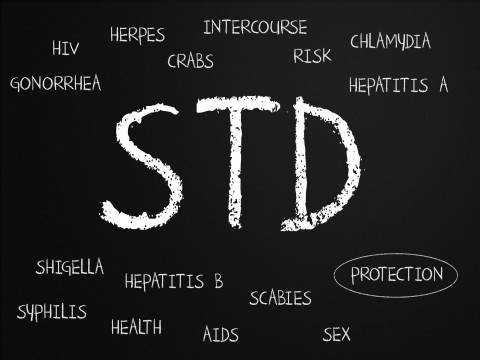
How to talk about STDsThese are dangerous times that we live in. Just the sheer number of people affected by sex related problems, diseases and conditions all over the world is simply terrifying. AIDS, venereal infections like syphilis and gonorrhea, herpes, HPV etc. are rampant and it calls for some responsible sexual behavior. However, that's a utopian world where humans will be monogamous and will behave responsibly. Even single people might get exposed to these diseases through indulging in risky sexual contact. Imagine doling out $750,000, as a woman in the US got from her husband because he gave her herpes. Even if you are not held legally accountable, what about moral responsibility to own up and discuss a possible STD infection with your partner! Take the case of Jack a happily married man for ten years who had casual sex when out of town on an official trip. He showed no obvious symptoms of any infection but in a month, his wife showed signs of herpes and his marriage crumbled as his wife struggled to come to terms with her husband's obvious infidelity and his callous manner in exposing her to a serious sexual infection. Call it ignorance but sometimes a person might engage in sexual intercourse and contract a disease which he might even not be aware of until the symptoms start appearing. (Refer article on Syphilis on www.topdoctorsonline.com) By then, he might have, in all probability, passed it on to his regular sexual partner or spouse. Or perhaps, there is another possibility that the person knows that he has contracted a sexual infection but doesn't know how to break the news to his partner.  If a person is aware of his infection, yet exposes another person knowingly, it is akin to premeditated murder. Yes, it is going to be a difficult thing to tell your partner which might even signal the end of the relationship or cause severe strain on it. So, if you are caught in a situation like this, what would you do? The option would be to visit a sex therapist and confide in him and then take an appointment for both and let the professional break it to the partner. That is of course if you are in a stable relationship. For those who both party to casual sex, the infected person generally won't be that open about his infection and may even choose not to care particularly if the other person is a complete stranger. A report in MedlinePlus news reveals some more shocking statistics: Many people said they occasionally, rarely or never got tested before having sex with casual partners (50 percent) or long-term partners (39 percent). Of the people who did discuss STD testing, very few discussed concurrent sexual partners or when partners' testing occurred in relation to their last sex act. Only half explained what types of STDs their partner had been tested for. These issues are important components of assessing STD risk, the researchers said. About one-third of participants reported telling a partner they didn't have an STD even though they hadn't been tested since their last sexual partner. One U.S. woman was awarded $750,000 in court from her ex-husband because he gave her herpes, and the legal trend is to make people accountable. (http://www.dummies.com/how-to/content/how-to-talk-to-a-partner-about-stds.html) Remember even wearing a condom is not a 100% guarantee that the infection won't pass on to the other person but that's the least that you can do if you don't have the courage to spill the beans about your condition. If you feel that your partner may be indulging in sexual activity with multiple partners and if you feel he might be infected, then you are well within your rights to decline to have sex with him until he/she gets tested. If you notice sores around the genitals do not indulge in oral or anal sex or any kind of sex and insist on a condom always; it could save your life.
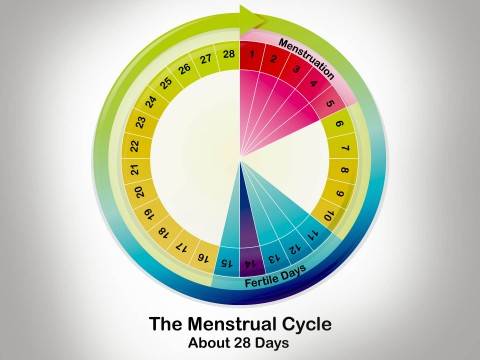
Know your safe period for low-risk sexNot every act of sexual intercourse will result in pregnancy. There are days when your chances of conception are very high and days when the chances are almost nil. Know these days to help you enjoy a rocking sex life! The menstrual cycle starts from the day the bleeding starts and ends about 28 days after that, on an average ovulation occurs around 14th day of the menstrual cycle. The 14th day is the ideal day theoretically. Since every woman's menstrual cycle differs, the day of the ovulation also differs. Hence doctors calculate the fertile period as the 12th day to the 18th day of the menstrual cycle. This is the period when the chances of ovulating and hence getting pregnant are very high. The 1st to the 7th day and the 19th day to the start of the next cycle are the days when the ovulation chances are very less. This means if you make love during these days, there are very less chances of getting pregnant. This is the case with women who have regular period cycles. In case the cycles are irregular, then you would need to do a bit of math for calculating the safe period. For example, if your shortest cycle is of 26 days and the longest cycle has been of 31 days, then- 26-18= 8 and 31-10=21 The 8th day to the 21st day are the fertile days; 1st day to the 7th day and then the 21st day until the day the next cycle starts are the days that are safe to enjoy sex without fear of getting pregnant. Opting to have sex during the 'safe period' isn't fool-proof though. A lot of women have irregular cycles and the cycle length can vary from women to women. That's why the so-called 'safe period' is, in truth, not that safe! And it's better to use condoms or other contraceptive methods like the oral pill to prevent unwanted pregnancies.
FAQS
T&C FAQS