Home
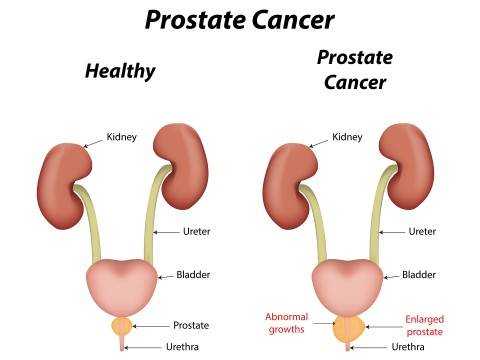
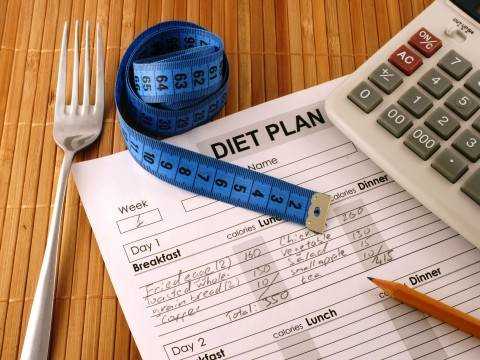
Weight gain and prostate cancerOne of the hormone therapies involves increasing the production of LH-RH. Luteinizing Hormone-Releasing Hormone (LH-RH) is a hormone which is produced by your body. This lessens the production of testosterone. The drug given induces the generation of this hormone. One of the side effects of this therapy is weight gain. Along with this, breast pain, hot flashes, nausea, and growth of male breast tissue might occur. Apart from hormone therapy side effects, the presence of fatigue can also stop a patient from regularly exercising, thus, resulting in gaining weight. However, it is important that this weight gain is averted as the chance of cancer returning is a possibility. You can keep your weight in check by following these tips: Ask your doctor if your hormone therapy can lead to weight gain. If you receive an affirmative answer, then ask for a diet chart to be followed. You can also keep a food and activity journal to get an idea of how your body is reacting to the treatment. Inculcate physical activity in your schedule. This will not only help to reduce fatigue, but also keep at bay the chances of becoming constipated or feeling nauseous. Medical studies have shown that cancer patients must have at least 2-1/2 hours of moderate physical exercise per week. Have about 2.5 cups of fruits and vegetables every day. Also, shift to whole grain food items. You should also consume at least a cup of legumes, for example, beans, to keep up your protein levels. It is best to opt for lean protein snacks like yogurt and chicken. You must stay adequately hydrated during your treatment. Drink about 10 to 12 glasses of water everyday. Do not consume excessive amount of sweetened beverages like coffee and cola. Have a small portion of nut and nut seeds. If you feel distressed due to the therapy, go for a massage. These have been proved to reduce anxiety and stress caused during the treatment of cancer. Most importantly, keep up with your appointments with the doctor and convey the bodily changes that you may notice. Have an optimistic outlook towards the treatment and do not repress any emotional disturbance. Weight gain in men who had been previously healthy often leads to depression regarding weight issues. Being proactive and focusing on keeping your weight under check is the key here. You could also approach a psychologist if you have been feeling low. The LH-RH therapy is also known as Androgen Deprivation Therapy (ADT). This therapy leads to a weight gain of around 9 pounds within a year of starting treatment. You can make sure that your weight is controlled by altering your lifestyle and getting adequate physical exercise everyday.
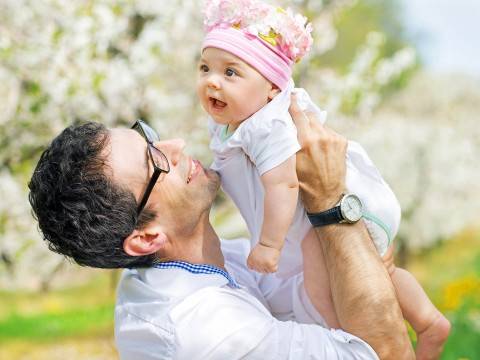
Tips for the new fatherWhen a baby is born, all the attention is on the mother and the baby. And rightfully so, since the two need all the care in the world. However, the role of the father is very important even at this stage. The new dad has lot of responsibilities on his hand - he has to take care of both mom and the baby without getting annoyed or irritated. Here's how to do your best as husband and dad: Playing an active role in your child's life is vital for his emotional, physical, and cognitive development. Hold your baby as often as possible. By directly caring for your infant, you will learn about the baby's needs, how he communicates, and what comforts him best. Be prepared to feel left out at times. Your wife utilizes most of her energy and attention on the new baby. Be extra supportive and patient. Delivering a baby can be traumatic. Hormones ebb and flow. If there is ever a time to understand and care for your wife, this is it. Dads need to be more supportive and helpful. Share tasks like changing diapers, help around in the house by doing some household work like laundry. Talk to other new fathers about your experience and theirs. Most new parents experience a loss of sexual intimacy. Abstinence during pregnancy, pain, perineal tear, and breastfeeding can inhibit a woman's desire to have sex. Men can feel betrayed if rejected physically and mentally. It is important to talk about your feelings. Choose ways like cuddling, kissing, and holding hands to be physically intimate. One of main roles of a father is that of a protector. There are many ways you need to do this. Safety is one: child-proof your home. Dads now need to take care of driving, diet, and risk taking. Your baby needs you for a long time. Being healthy and happy dad is one of the greatest gifts you can give your kid. Dads need to provide financial protection to the new child. So get a life insurance, car insurance, an emergency fund, and a will. Try your best to spend as much time as possible with your new baby. While work may be your passion, it won't be long before children grown and no longer want to spend time with you. Take advantage of these years. Give the tiny tot gentle hugs. Dads shouldn't be afraid to show affection. Babies need physical contact, and not just from their moms. Snuggle with them, hug them, and kiss them. Read a baby-book to your child. Babies do understand. Sing him a gentle song or play a very soft music. Find out what makes your baby happy. Be good to the mom. Dads should be good and loving to mother of their new baby. Give her some time alone and babysit while she goes out, show affection to her, and give her little surprises. Because when the mom is happy, the baby is happy and the dad will be happy too.  
10 pregnancy risk factors that every pregnant woman should be aware ofFollowing are the possible risk factors for pregnant women: Hypertension: Blood pressure rises during pregnancy due to changes in osmotic level. Persistent high blood pressure leads to a condition called as pre-eclampsia. It retards the growth of the baby in the womb and can even result into death of foetus. It can lead to convulsions in mother. Exposure to medicines and drugs: Self medication is a strict NO NO during pregnancy. Certain drugs have harmful effect on the growth and development of baby. Take gynaecologist's opinion and ask a doctor before taking any medication.  Smoking: Smoking retards the growth of foetus (baby in womb). Moms who indulge in smoking give birth to babies with a very low birth weight. It also increases chances of miscarriage. Mother's weight: It is important to make sure that there is a steady weight gain during pregnancy. A weight gain of 11 kilograms is expected over a period of 9 months. Watch for a steady weight gain for a healthy pregnancy sake. Anaemia: There is an increase in blood volume during pregnancy. This can cause the iron levels to drop down resulting in anaemia. Haemorrhoids add further to the iron loss. Iron and folic acid are therefore prescribed. Haemorrhoids: Haemorrhoids are common during pregnancy and after pregnancy due to constipation which is because of hormone induced reduced motility of intestine. The pressure of gravid uterus on intestine may also cause it. Increased consumption of green leafy vegetables and laxative would relieve it. Alcohol: Drinking can cause a harmful effect on the growth and nourishment of child. Child may be born with a serious medical problem. Sexual intercourse: It's strictly not advised during last trimester. Radiation exposure: Exposure to radiotherapy or chemicals in the surrounding should be avoided. Bleeding per vagina: Consult your gynaecologist soon, if you have problem of bleeding per vagina. It could be a sign of abortion.  
Menopause and mental health!Menopause is the period in a woman's life when her man claims she is going crazy. It is also the time when her period is on the decline and hormones are in complete disarray. Depression, insomnia, irritability, mood swings and lack of concentration are few symptoms that the lady has to battle with. These symptoms may begin as early as 4 years before the actual menopause and may continue for several years after that! For women, menopause is a significant turning point in their lives. The dropping levels of oestrogen and the resultant physical and mental symptoms can be like a cycle of events, only adding to their woes! Depression: Depression affects every middle-aged woman. An estimated 20% of women have depression at some point during menopause. The peak period for depression is during the perimenopausal years, when the woman is approaching menopause. The reason for this, say experts, is the fact that most women dread menopause. Even though for some it means an end to years of menstrual cramps, for most others it signifies an end to their womanhood. The very idea is sufficient enough to bring on lots of negative thoughts and depression. Not only this, the reason for depression during perimenopausal and menopausal age is the fluctuating hormones. Research shows that the levels of reproductive hormones, specifically oestrogen are responsible for the mental changes. Changes in the sleep pattern: Insomnia is seen in 40 to 50% of women in the menopausal transition phase. Women who spend sleepless nights are more likely than others to show irritability, crankiness, stress and depressive symptoms. Sleep disturbances during menopause have been linked to the decreasing oestrogen levels. Indeed this claim can be held true as several women respond positively to exogenous hormone therapy. One study claims that sleep changes are linked to the Luteinizing Hormone levels, which also results in increased body temperature. Sleep apnea too occurs in the menopausal transition age. This is due to decreased progesterone level, as progesterone plays an important role in respiration. The weight gain that happens during menopause has also been shown to cause sleep apnea. Panic disorder: Panic disorder is commonly seen during the perimenopause stage. Existing disorder may worsen or new disorder may arise. Panic disorder is usually manifested in women who show several physical symptoms of menopause. The panic attacks are usually associated with negative life events, pre-existing medical diseases and decreased daily functionality. Obsessive compulsive disorder: New onset of OCD, worsening of the existing condition or change in the pattern of symptoms is seen during menopause. OCD changes are also observed during pregnancy and during the menstrual changes, suggesting the impact of hormones on symptoms of OCD. Bipolar disorder: Women with bipolar disorder experience an exacerbation of symptoms during the perimenopausal stage. These women are also the ones that are highly likely to experience severe depression in the menopausal phase. Schizophrenia: Schizophrenia usually manifests itself in young adulthood. The rate of new cases decreases gradually thereafter, in both men and women. In women, however, there is a second peak in the 45-50 years age group. This peak is not observed in men. This suggests that oestrogen may play a significant role in triggering schizophrenia or worsening the pre-existing condition.
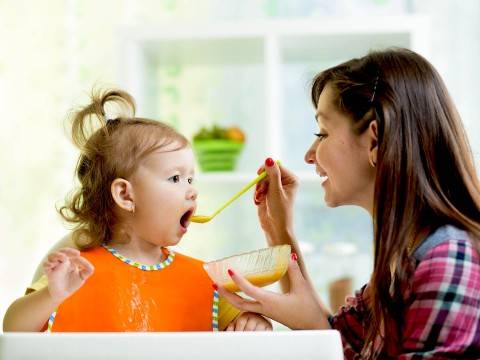
Pediatric diet formula food vs traditional foodAccording to the World Health Organisation, it is unnecessary to give your baby rice cereals at the age of four months as breast milk can provide all the nourishment a baby needs in the first year. No other solid food is required. Breast milk has all the nutrients like fats, protein, cholesterol, carbohydrates, vitamins and minerals which are required in the first year of life. According to most studies,formula foods are not the healthiest option to begin solid foods on. Doctors prefer that babies be given boiled vegetables and mashed fruits like bananas and not formula cereals that contain simple carbohydrates. It is not a good idea to give babies processed and refined foods that are found in all formula foods. Formula foods do have nutrients, but they are not as easy to absorb as nutrients from foods prepared at home. You can also ensure quality in food that is prepared at home. Formula foods cannot imitate the natural taste of foods. Babies like to choose foods according to taste just like the adults and you can give them a wide variety of choices like offering them different fruits and vegetables rather than the similar tasting formula. You will be surprised to know that mother's milk has the taste of the foods she eats and so babies develop taste for a variety and may like the insipid taste of formula. Another reason why formula foods may not work that well is that they contain cereals. However, the enzymes that are required to digest carbohydrates are not fully developed in babies until they are more almost three years old. Cereals and breads are very difficult for babies to digest. Undigested grains can throw off the balance of bacteria in the gut and this is the reason for a lot of digestive issues once they are grown up. Solids should not be introduced until six months of age, as studies now reveal that if solid foods are given early on then it increases the likelihood of allergies, especially of those foods introduced. Babies produce only few enzymes and digestive juices that are mainly required to digest protein and fats. This is because mother's milk has 50 to 60% healthy fat which is a must for the babies' mental and physical growth. Most baby infant nutritionists feel that formula feed is not a complete food. Babies will get deficiency,such as iron, as it is difficult to absorb them from formula foods. The debate continues as many feel that the marketing gimmicks are what selling these foods and not the nutritional value they provide to babies. A note of caution, excessive amount of juices are harmful for babies as these can lead to obesity.
Bonding with the babyIt is an immense pleasure to hold a baby in your arms, isn't it? The bonding between amotherand her baby starts within the womb itself. When the baby is born, a few parents bond with the baby within minutes. But for others this may take some time. If the baby is taking time to respond to your affections, don't worry, here are some tips to help you with the bonding. Babies respond to the mother by making sounds, grasping, smiling, or crying. Touching, holding, kissing, cuddling, talking and singing help build a bond with your child. Infants prefer a human face to any other stimuli. So face your child as much as possible. The attention span of a new born baby is quite short. Hang a colorful object on top of the pram, cradle,or cot. Your baby already likes toys of different shapes. Various reflexes develop by the fourth week after birth. These include sucking, grasping, searching for the nipple and blinking. Baby may gaze at you some time. Respond by nodding, smiling, and talking to the baby. Babies are sensitive to their surroundings. They respond to music or the phone ringing by staring at it quietly. They observe toys keenly, spot colours and become happy at times. These are heart warming moments for the parents. Father's care usually builds a protective and secured feeling in a child which he carries for life and prevents building of any unreal fears in him in later life. So dads should care for and make their babies feel secure. You love to touch your bundle of joy, right? Babies love, enjoy, and need it as well. Skin-to-skin touch helps growth and development of the child. Mom's touch soothes the baby when he is irritated. Start reading to your child. It is never too early. It helps the development of reading skills and language. Babies enjoy pictures in the book. Even if baby can't understand words, they love to hear the parents' voices. During the first few months, they understand little of it, but they are thrilled by listening to you. Have a short reading session with your child daily.Dads can try this trick to make the baby sleep. Carry her around while patting her very gently on back.
Anxious about anxiety?Anxiety disorder is a term that almost everyone has heard and experienced in some form or the other. It is a generic term used to describe different forms of a mental disorder wherein those afflicted show typical characteristics of great apprehension, fear and trepidation. The symptoms, of course, vary depending on the severity of the affliction. So you can have 'anxious moments' when you narrowly escape an accident while driving - that's temporary and natural, while some others might have chronic anxiety which might need medical aid. Types of anxiety disorders Generalized anxiety disorder: There is no specific reason for the symptoms of anxiety i.e. restlessness, apprehension, worry, and panic. Thus the term general anxiety disorder (GAD) is any irrational worry which is disproportionate to the source of anxiety. GAD is a state of perpetual irrational and persistent fear which absorbs a person's time or can disrupt his normal functioning. The symptoms of GAD are light headedness, sweating, difficulty breathing, nausea, and numbness. Phobias: Phobias are an irrational morbid fear for certain things or objects. The list of phobias is exhausting as it is anything that a human being is capable of being afraid of. Thus you have arachnophobia which is the fear of spiders, homophobia, which is the fear of homosexual people orxenophobia,the fear of foreigners. Phobias can completely paralyze and terrorize a person and is a form of anxiety disorder. Obsessive compulsive disorder: This is the classic loop where a person is afraid of certain situations arising constantly and thus takes precautionary measures to ensure that it won't. Only thing is that this turns in to a compulsive ritual which can throw her in a loop. Thus a person can be said to have OCD if she persistently checks to see if the gas valve is off as she has a fear that she will set fire to her home. It is a particularly distressful anxiety disorder. Post-traumatic stress disorder: This is anxiety arising out of a traumatic incident which the person undergoes. It could be a horrific accident or an extremely brutal incident which the person has witnessed. The trauma is revisited again and again in the mind and manifests as anxiety. This disorder is based on real events that the person has experienced or undergone and can take a long time to heal. Panic disorder: This is characterized by panic attacks or episodes where great terror or discomfort is experienced. It is a very unsettling experience as the patient feels he is about to go unhinged or something dangerous or embarrassing is going to happen to him. Thus the sensation or feelings of panic build up and reach a crescendo resulting in a panic attack. Sometimes in a panic attack, the patient's reality and perceptions are distorted and blurred and can thus put him in danger. According to the National Institute of Mental Health there could be a number of reasons for anxiety disorders. They vary from early childhood environment to lifestyle causes, heredity and even environment.    
Faking illnesses - An illness in itself?In 2008, a 28 years old woman in the US shared some shocking news with her friends. She had been detected with cancer. She posted updates on social networking sites and wrote blogs on her illness. Sympathy poured in from all corners. Some even sent in monetary help to cover her expenses. The saddest part of the incident though was not her cancer; it was the fact that she had faked it! Police investigations revealed her little trick when no evidences or records were found at the hospitals! Apparently, this isn't a unique case;  faking illnesses or malingering is a very common occurrence. All of us have done it at some point in our lives. While we may have done it to escape a school punishment or to take undue advantage of the office 'sick leaves' for personal purposes, it is usually done on a harmless level. But faking illness can be a chronic disorder too and  medical professionals even have a name for it-; Munchausen's Syndrome. People suffering from this syndrome fake illnesses that they don't actually have, to gain sympathy or simply to be the center of attention. Usually gaining sympathy is the main reason why people fake illnesses. It gives them a chance to be in the spotlight. Everyone calls and visits, expresses concern and fusses over them. Lots of love is showered upon them. Another common reason for faking illnesses, is money and at times, the monetary benefits are higher than the emotional ones. No one hesitates to fulfill the last wish of a dying person, however expensive it may be. Often there are mixed motivations and the person faking an illness has many reasons to keep up the pretense of being sick, for as long as possible. Some people really do have a disease — a mental illness known as a factitious disorder. People with this disorder pretend to have an illness, which is usually a terminal one and often go to great lengths to maintain their hoax. Munchausen syndrome by proxy, is another form of faking illness. People with this disorder, fake illnesses of people under their care; and they usually do this, for monetary benefits. Children are the most common victims in this disease. When you tell someone that your child has cancer, you will receive a great amount of sympathy and all the money you want, no questions asked! People with these disorders are extremely cunning. They go to great extents to maintain their lies. They will build grand stories, complain of fake pains and aches, get admitted to hospitals and undergo a battery of tests, numerous times. Interestingly, they never allow and frequently discourage medical professionals, from talking to any of their family members. Since they know they are faking the illness, they will refuse to undergo treatment, for obvious reasons. . If you think a loved one may be exaggerating or faking their health issues, attempt a gentle conversation, voicing your concerns. Avoid anger, judgment or confrontation, while offering support and care and if possible, help them in finding a treatment. Treatment includes empathy, helping in identifying feelings and issues that led to the development of the disorder and finding  alternative healthy ways to deal with those feelings and issues.
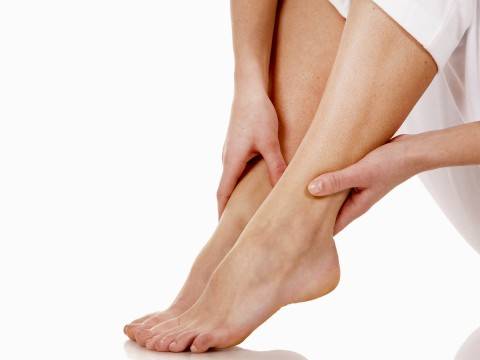
High heels can walk you to the hospital bedHigh heels make a fashion statement which makes us look tall, elegant and good but they cause injuries on a regular basis. High heel shoes have been luxury item once upon a time; today high heels have made themselves a part of every girl's life thanks to supermodels and stars. You will not find any health warning on shoes but they ought to, as they seriously put you at a high risk of numerous health problems. How are high heels and low back painrelated? High heels significantly affect your natural posture and your spine. The natural arch of spine becomes acute when walking in high heels. This poses high risk to the spine getting injured. This not only wears  and tears intervertebral cushions called discs but cause injury to the nerves too.  High heels put strain on muscles of lower back causing pain after a long day of wearing high heels. Nerve trapping, nerve pain and radiculopathy can result from wearing high heels for a long period. This is exhibited     as tingling, numbnessand pain. Arthritis, nerve pain, hammer toes, ingrown toenails and bunions are all common problems due to high heels. Calf muscle shortens and tightens after prolonged use. Jogging, playing, running with high-heeled shoes can tear and rupture calf muscles. What can you do to prevent damage? Firstly ensure your body is in top shape before you start. There is a much less chance of developing low back pain if you are strong and fit. So do activities like swimming, pilates, circuit class, box-exercise and whatever else thatmakes you feel good. Focus on activities that make the abdominal area strong includingyour deep core muscles. Secondly a regular regime of stretching will prevent a lot of problems occurring. Either get involved in a yoga class or make sure you do 10-15 minutes of stretching every day. Stretch your back, your calves and hamstrings especially. Thirdly get sports massage at leastonce-a-month. This will loosen the tightened structures, realign the spine and lengthen the hamstrings, calves and Achillestendon
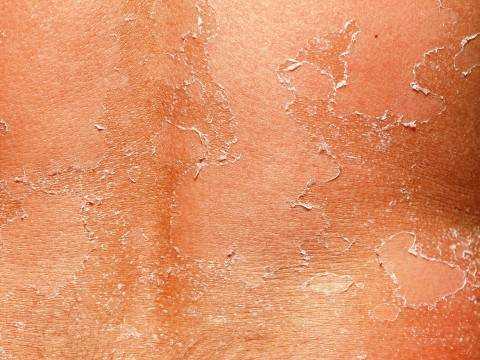
Fair skin - A modern obsession!History of Complexion - Complexion generally refers to the natural color, appearance, and texture of the skin, particularly on the face. Originated from the late Latin term 'complexio', complexion is traditionally referred to the temperament which was determined on the basis of the proportion of qualities of hot, wet, dry, and cold in the human body. It was believed that the body carried these qualities depending on the climate in which the individual lived. Thus, a person living in a cold climate was seen to have 'colder and moister' complexion and so on. The biological facet of complexion mentioned below tells us how the skin adapts its color according to the climate it finds itself in. Moreover, it was also seen to represent the character of the person into different categories like melancholic, choleric, sanguine, and phlegmatic. Complexion was the center which reflected the qualities which make a balanced person. Skin color is determined by the presence of pigment melanin. Located in the outer skin layer called epidermis, it is produced by cells called melanocytes. These cells contain receptors which are photosensitive and which detect the ultraviolet (UV) radiation from sun and other factors. In response to this detection, they give out melanin after exposure. The Biology of Complexion - The complexion of the body ranges from very dark brown of Africa and Aboriginal Australia to pink with yellowish hue of the Northern Europeans. In actuality, there is no skin which is black, yellow, red or white in absolute - it is generally a hue of many colors with one dominating over the other. Our biological actuality is not reflected by the words we use for our complexion these days. Skin color is determined by the presence of pigment melanin. This pigment is under the control of 6 genes. Both complexions of dark and light have melanin. Spatially located in the outer skin layer (called epidermis), it is produced by cells called melanocytes. These cells contain receptors which are photosensitive and which detect the ultraviolet (UV) radiation from sun and other factors. In response to this detection, they give out melanin after exposure. Those in tropical latitudes, where there is highest exposure to sun, have darker skin which contains melanin acting as a protective biological envelope against UV radiation. This protective layer prevents sunburns and other damages including those that could increase the risk of melanoma. The UV radiation reaching the earth increases during summers and reduces in winters. The skin adapts to this change by tanning - tanning indicates that your skin is increasing the size and amount of melanin grains to protect against the UV. Thus, your skin color is essentially determined by genetics and the geography of the place you live in. Biological Fact to Social Conclusion - We generally mold the biological fact of adaptability of our skin into a social meter of beauty. The complexion is a biological wonder of the nature which allows the skin to absorb enough vitamin D, prevent many illnesses like anemia, osteoporosis, and rickets determined by its environment. Thus, to claim that a certain skin color is superior to others is to only deny the reality of biology related to our skin and body, thus falling into the fallacy of unjustifiably jumping from a biological fact to a social conclusion. The health of your skin must be the starting point to declaring its beauty, not a presupposed social standard unrepresentative of the reality of the body. Taking Care of Your Skin - Every skin color is determined by its biological framework placed within the environmental setup. It is essential to take care of your skin to ensure that it is healthy and well taken care of : Make sure you eat a well-balanced and nutritious diet. Stay away from junk and heavily processed food items. Sleep for at least 7-8 hours daily to ensure that your skin gets enough time to recharge its mechanism. Drink loads of water to keep your skin hydrated. Go through the daily care routine: cleanse, tone, moisturize, and exfoliate. Use rose water to remove your make-up and ensure that you do not go to bed with make-up on. Keep dirt and germs away from your skin. The best way is to avoid touching your face with hands when you are out. A clean environment is the fertile ground for a healthy skin. Make sure you wash your pillows, their covers and clean the house regularly to keep away pollutants. Stress is one of the main causes of your skin's health withering. Your skin is the outer reflection of your inner mental state. Work towards mental detoxification to cheer up your skin and body.
Diabetes paves the way to cancer!Diabetes mellitus is common across the world. So common, that people don't take it seriously. It appears relatively benign on a day-to-day basis. It is just a sugar level that you notice on the outward. Controlling diabetes means a change in the lifestyle. It is easy to pop in some pills to battle a disease. The difficulty lies in making long-term changes in our daily routine. We tend to get lazy and make excuses for not being able to follow a discipline in lifestyle. This happens more so with diabetes because we do not see an apparent damage that is being done by the high blood sugar. Unless the levels go really high or drop very low, there are no major symptoms that affect our activities from morning to evening. What we are unaware of is that the disease is making some serious damage insidiously. It affects multiple organs and processes. These effects cannot be directly noticed but are continuously ongoing. By the time we wake up, a lot of injury has already occurred. Here is some more bad news. A large number of scientists in all countries are working day and night to study the course of diabetes and bring new facts to light.  Recent researches have established a new link - cancer. Yes, diabetes increases the risk for breast cancer and colon (intestinal) cancer. A woman who has diabetes, is at 20 times more risk for developing breast cancer. Breast cancer A peculiar association of diabetes and breast cancer has come in the picture in the last few years. Factors contributing to these are many - sedentary lifestyle, overweight, rich food, etc. Another important contributor is hormonal imbalance due to diabetes. As a result of high sugar and high insulin in the body, twofold changes occur in the hormonal cycles which ultimately lead to excess estrogen circulation in blood. This, in turn, may act as a trigger for breast cancer. Breast cancer is relatively easy to diagnose. When detected in early stages, treatment has shown remarkable affects. Colon cancer Cancer of the intestine is one of the most common cancers worldwide. Scientists are still working on finding the exact cause but a clear relationship between diabetes and colon cancer has been proven. Patients suffering from high blood sugar have a higher risk of developing intestinal cancer than those with normal blood sugar. Colon cancer is often seen to be fatal and rate of recurrence is quite high. Worldwide several researches have shown a strong connection between diabetes mellitus and occurrence of breast and colon cancer. Suggestions If you have normal blood sugar levels, please put in your best effort to maintain the same. If you are at risk for diabetes because of significant medical history, take extra care and precaution to prevent or delay the onset of the disease. This can be done by regular and adequate exercise, along with the balanced food options. If you have been diagnosed with diabetes, work on your lifestyle to keep the sugar levels in control. Regular check-ups and frequent monitoring of blood sugar levels are a must. If you are a diabetic, please go for periodical screening of related health conditions. Specific to the topic at hand, please get regular breast examinations. Physician recommended and supervised mammograms and colonoscopies would be extremely helpful. Eyes wide open? Now, will you pay attention to all the restrictions advised by your doctor? Please do. Get that lifestyle which is recommended. Compromise on your work and cravings; focus on exercise and eating healthy. Diabetes is not a killer if managed effectively. Don't let cancer get a hold on you.
How to communicate with a patient who has a strokeThe first and the most important thing to communicate with the patient, is to give undivided attention. Give attention to his activities, gestures, his facial expressions through which he may try to communicate so his feelings could be understood. Eye contact is also important but the patient having stroke may look at you square in the eyes but he may not respond to your conversation. While communicating with the patient you should always stand in front and tune out all the other sights and sounds in the room. Maintain full silence around the patient in the room, turn down the volume of the television, radio and ask other people in the room to be silent. You may communicate with the patient by making contact by touching the hand, chin, cheek or areas which are not affected by stroke. As the side which is affected by stroke, does not have any sensations. You may communicate with the patient through his family member by telling the family member to communicate with patient by saying, "Look at my face"; through this we can gain the patient's concentration. You should always speak clearly with the patient in a normal soft volume. Express your ideas in simple terms, form simple sentences, do not use complex words. You may repeat the sentences or an important term again. For example to ask if the patient wants tea, repeat the word 'tea'. More complex thoughts can also be similarly conveyed and repeated. You may also use hand gestures with clarification like doing Hello by waving your hand or through your hand action, you may ask questions like, How are you? Are you ok? What do you want? Through this both caregiver and stroke patient can benefit. You may ask your patient to point out whatever he wants or if he needs anything. And gradually he will develop the habit of pointing the daily items like television, newspaper, remote, eyeglasses radio, drapes an uncomfortable foot, the patient can indicate any pain or headache. Through this communication we can make the patient learn, use mechanical lifts to get in and out of the bed, and with the help of the attendant by demonstrating the patient how to use it. Sometimes when the communication does not work, take a break, give it time and try again, do not get frustrated and reassure the patient that yes, he or she can do it. Good communication with the patient is very important as they cannot speak their basic wants and needs clearly. The patients suffered a stroke also have slurred speech. There is a deviation of the angle of mouth. They are mostly bed ridden and could not carry out the routine activities.
Importance of sex educationOur society is beset with a lot of myths about Human Sexuality and hence the family relationships are affected adversely. A man is considered (mistakenly) as a man only when he performs effectively in bed. In other words a man hangs his self-esteem on his male organ. Hence whenever there is a problem in performing sex, he becomes frustrated and depressed. In order to cover up his inadequacy he may blame his wife for his problems. This attitude will adversely affect the martial relationship, leading to unhappiness in nonsexual aspects of marriage. He may become violent when the wife retaliates. Marital break down, even if not ending in legal separation will be a very messy affair. Sexual behavior is determined by information or knowledge one has on hand and the parameters of comfort zone. Unfortunately we are dealing with a behavior that is besmirched with myths and misconceptions, and a breeding ground for stigmas and taboos, which leads to unhealthy sex life. These barriers have to be broken; otherwise healthy sexual and family life cannot be achieved. It is guesstimated that one in every three couples have some sexual problem or other and they do not know how and where to seek help. The media gives them anonymity and guides them in proper direction. The three main enemies of sexual satisfaction are guilt, anxiety and fear. All these stem from ignorance. Due to the stigmatization sex education is not available. Hence the streets have become not only the libraries for knowledge on sex but also the laboratories. When one of the dimensions (recreation) becomes problematic it impacts the health of the other two dimensions (procreation and relation). Magazine columns endeavor to dispel sexual ignorance and empower people with scientific knowledge. The aim is twofold: First, to inform in simple language, the scientific aspects of sexual problems and clarify myths surrounding sexuality; Second, to help people become comfortable with their own sexual life and elaborate on various treatment options available. People will thus be empowered to take responsibility for their own health and happiness. Have an open mind. All dimensions of human life are important. To consider one as unimportant and attach a stigma will hamper the development of the full potential of an individual. Understanding sexuality will enrich our lives and relationships.
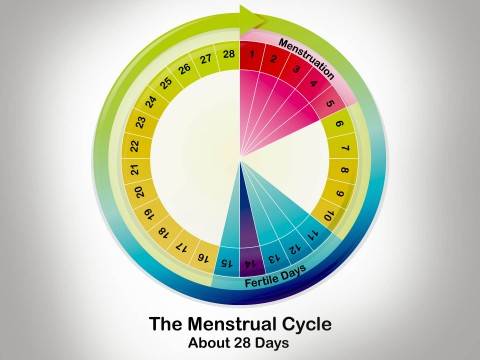
Know your safe period for low-risk sexNot every act of sexual intercourse will result in pregnancy. There are days when your chances of conception are very high and days when the chances are almost nil. Know these days to help you enjoy a rocking sex life! The menstrual cycle starts from the day the bleeding starts and ends about 28 days after that, on an average ovulation occurs around 14th day of the menstrual cycle. The 14th day is the ideal day theoretically. Since every woman's menstrual cycle differs, the day of the ovulation also differs. Hence doctors calculate the fertile period as the 12th day to the 18th day of the menstrual cycle. This is the period when the chances of ovulating and hence getting pregnant are very high. The 1st to the 7th day and the 19th day to the start of the next cycle are the days when the ovulation chances are very less. This means if you make love during these days, there are very less chances of getting pregnant. This is the case with women who have regular period cycles. In case the cycles are irregular, then you would need to do a bit of math for calculating the safe period. For example, if your shortest cycle is of 26 days and the longest cycle has been of 31 days, then- 26-18= 8 and 31-10=21 The 8th day to the 21st day are the fertile days; 1st day to the 7th day and then the 21st day until the day the next cycle starts are the days that are safe to enjoy sex without fear of getting pregnant. Opting to have sex during the 'safe period' isn't fool-proof though. A lot of women have irregular cycles and the cycle length can vary from women to women. That's why the so-called 'safe period' is, in truth, not that safe! And it's better to use condoms or other contraceptive methods like the oral pill to prevent unwanted pregnancies.
FAQS
T&C FAQS