Home
Aging milestonesChanges in old age depends on attitude as much as person to person. In young old age some changes begin to take place in a person’s appearance. Wrinkles, warts, age spots begin to form on the body. Hair begins to thin or becomes grey and even height lessens because the bone density decreases. While in ‘old‘ old age these changes are already permanent. Men might look distinguished if in good health, but women all look grandmotherly. In ‘young’ old age, cells begin to decay and muscle mass declines and immunity is no longer as strong as it used to be. People lose energy as the age progresses.  ‘Old’ old age brings in a lot of physical decline, profound changes in appearance and motor abilities, as also in sensation. Skin gets less elastic and becomes thin and blood vessels can break under the skin. The senses also begin to become dull. Eye lenses get affected and color perception and reading ability becomes very low. Hearing loss may lead to paranoia and ‘old’ old age people begin to think everyone is plotting against them because they can’t hear properly about what others are saying. Sense of smell also declines, but the taste remains almost intact. In ‘young’ old age, reflexes also slow down and so do the motor abilities. By the time they reach ‘old‘ old age most adults find that their response time has become quite reduced. This can be seen most in driving situations where it is difficult for ‘old‘ old aged adults to operate their vehicles as they have poor spontaneous responses. The ‘young’ old adults do not lose as much of their motor abilities as the ‘old‘ old adults, especially when holding small things like needles and pins. Of course, there are changes in sexuality and there may be a decline in the ability to have sex as men may not have an erection and women become dry due to lack of female hormones. Cognitive decline in 40% to 60% of older adults can be arrested with remedial training. Despite all the changes, most people even in their 70s remain comparatively active if they do not suffer any illness. Mental, physical, and social activity is necessary to maintain the quality of life. Old people begin to withdraw from work and other important roles and allow the younger people to take over. They are a lot happier as is also advised in Vedic literature as vridhashram. While activities are important, disengagement is equally important. Memory loss becomes aggravated and other cognitive abilities begin to decline and there are many ‘old‘ old adults who get Alzheimer’s and lose the ability to look after themselves. Old people also dwell on questions of death and sometimes go through a phase of denial and then anger that they have so little time left. Acceptance of death comes, but after a struggle and the idea of losing the family saddens them. Old people require support in their declining years as they begin to lose their faculties.
Health check up checklist for men Prostate Cancer - Prostate cancer is the lesser known killer in men. It is a slow growing cancer, but at times, its symptoms can be aggressive as well. Detecting prostate cancer at its onset can help in treating it effectively. Tests include a digital rectal exam and a blood test for Prostate Specific Antigens (PSA). Testicular Cancer - This uncommon cancer can affect any male between the ages 21 to 55. A physical exam during yearly medical checkups is recommended for all men. Men having a higher risk, with family history, should speak to their doctors regarding additional tests for screening. Self-examination through regular gentle palpation of the testicles to notice any change in shape or size, presence of lumps is also suggested by doctors. Colorectal Cancer - This is the second most common cancer in men. Men over 50 and younger, if they have a familial risk, are suggested to get a screening colonoscopy done to detect this cancer. It usually starts as a polyp that grows and invades the nearby areas to develop into a full-blown cancer. The polyps, if detected early, can be removed and cancer prevented. A CT scan or a double barium enema can also help in detecting polyps. High Blood Pressure - With the kind of lifestyle men lead today, almost every other man is bound to have BP issues. Regularly checking the BP is essential as it helps detect high BP which may lead to a variety of other problems including stroke and heart attacks. The sooner the detection, the sooner the measures for control. Cholesterol Levels - Bad eating habits, sedentary lifestyle, and mental stress can all lead to lots of cholesterol roaming around in your arteries. This will eventually clog the arteries and cause diseases like high blood pressure and atherosclerosis which can be life-threatening. Get your total cholesterol, LDL, VLDL, HDL, and triglyceride levels checked regularly and initiate timely interventions to bring them under control. HIV - This is the most commonly spreading STD among men. Due to its chronic nature, HIV is often detected accidentally when it may be too late. Regular tests for HIV detection are essential if one is physically active with multiple partners. Be safe though and use a condom. Glaucoma - It is extremely common and is one of the leading causes of blindness. Glaucoma has no cure, but it can be controlled well with timely detection. Screening tests should be undertaken by men under 40 years at an interval of 2 to 3 years after 35. A yearly test is recommended for older men.
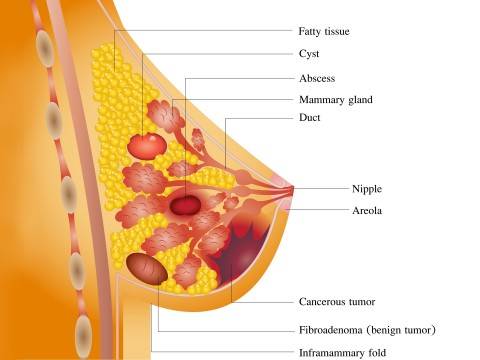
Mammary duct ectasiaSigns and Symptoms In most of the cases, female patients do not have any symptom. In few cases, women may present with nipple discharge, tenderness or inflammation of the surrounding region. In some cases, there may be a lump over the breast or the nipple may get inverted. Causes Exact cause of mammary duct ectasia is unknown. But few possible cause or risk factors have been proposed by the doctors : Increasing age - Probability of developing mammary duct ectasia increases with age. With ageing, the breast changes its nature. Glandular tissue is replaced by fatty tissue. This change may lead to duct ectasia. Smoking- Milk ducts are widened due to smoking. This increases risk of inflammation which may lead to duct Ectasia. Inverted nipple - Inverted nipple obstructs the milk duct. It may lead to inflammation followed by duct ectasia. Complications Complications of duct ectasia may be may be of varying severity. They are usually minor, but sometimes become serious. Localized discomfort- Discomfort occurs due to pain and swelling around the nipple. Nipple discharge - Ectasia is frequently associated with discharge of thick and sticky fluid from nipple. Infection- Bacterial infection may develop due to stagnation of fluid in the milk duct. If it is neglected, it may lead to localized collection of pus known as abscess. Abscess requires surgical treatment. Abscess is drained surgically. Diagnosis The doctor usually diagnoses duct ectasia by clinical examination. However, few investigations may be required. Mammography- X-ray of the breast tissue is known as mammography. It helps the doctor to evaluate the breast tissue. Ultrasound- Ultrasound enables the doctor to evaluate milk ducts beneath the nipple. Treatment Duct ectasia is usually relieved by treatment. Following are the treatment options : Medications: The doctor prescribes antibiotic therapy for 10 to 14 days. It may be accompanied by mild painkillers like ibuprofen, etc. for initial few days till the remission of the disease sets in. Most of the cases are usually relieved by medications. Surgery: If duct ectasia is not controlled with medications then the doctor chooses to remove the duct ectasia surgically. Surgery is required very rarely.  Self care measures Following self-care measures often provides relief to the patients. These remedies can be adopted at home. The patient may wear a breast pad or support bra. The patient may apply warm compression to the affected region. The patient must stop smoking. The patient may be advised to sleep on the opposite side of the affected breast. Female patients should be educated regarding mammary duct ectasia so that they can detect possible symptoms of duct ectasia themselves. This will help to prevent possible complications of mammary duct ectasia and early diagnosis will provide early cure.
Perfect partners in crime - Midlife crisis and dementiaThe responses we have to common stressful events in our daily lives have a lasting impact on our brain structure. The effects of a stressful event last a very long time, though apparently we seem to have recovered from it. Researchers say that the stress hormones keep circulating in our body long after the stress has passed. According to a recent Swedish research study, our response to common life events may trigger long-lasting physiological changes in the brain. These interestingly shocking findings come from the Prospective Population Study of Women in Gothenburg, a long term study on 800 women that lasted for almost forty years. The women who were a part of this study were all born before 1930, and underwent regular neuropsychiatric tests. The study started in 1968 assessed women for any baseline stressors like workplace problems, widowhood, alcoholism and illness in the family. Women who had serious issues at the start of the study had a 21% higher risk of developing Alzheimer's Disease and 15% higher risk of developing dementia later on in life. Interestingly, having to take care of a mentally ill family member like a sibling or mother, was found to be a major cause for development of dementia later on in life. The findings of this study show that accumulated stress from common life events has severe physiological and psychological consequences. These physiological consequences include adverse effects on the central nervous, cardiovascular and endocrine and immune systems. There have been several studies that state that the effects of stressful events like earthquakes, cyclones and floods can have a lasting impact on life and often shape the person's personality. What makes this study interesting is its finding that daily stressors accumulated over a period of time and often left unresolved, have a lasting impact that shows up in later stages of life!
16 myths about baby careA new mother experiences a range of emotions. Chief among these is fear, which is a result of the love and attachment that she feels for the baby. In such situations, mothers often tend to believe myths that make no logical or medical sense. Myth 1: If I don't breastfeed my baby immediately after the birth, I won't be able to bond with him adequately. Fact: Although the first few hours of a baby's life are important for both mother and child, sometimes due to unavoidable circumstances, the baby is kept away from the mother. For instance, in cases of cesarean delivery, the new born babies need immediate medical attention, and hence are kept away from the mothers.  However, the love and care you show the child over the years will more than make up for the loss of attachment with the baby during its first few hours. Myth 2: Pinching the baby's nose will make it pointed. Fact: Pinching the nose will only hurt the baby. It will not make the nose pointed. It is possible for a baby to be born with a flat or tilted nose if it gets pressed during delivery. But this is temporary and the nose becomes normal as the nasal bridge develops completely. Myth 3: Mothers should not use yellow clothes and yellow food while breastfeeding as it causes jaundice in the newborn.  Fact: The color of the mother's clothes can't affect the baby's health. There isn't any evidence to show the relationship between yellow food, clothes and jaundice. Myth 4: Umbilical cord stump should be cleaned with alcohol swab every time after changing diaper.  Fact: Alcohol may delay the healing. It is recommended to keep stump clean and dry till it falls off. Myth 5: Some babies can be allergic to mother's milk.  Fact: No. A baby is never allergic to mother's milk. Myth 6: Baby should be wrapped up tightly. This helps to straighten the hands and feet.  Fact: A child's limbs develop faster when they are free to move and not wrapped. Myth 7: Holding the baby all the time will spoil him. Fact: Babies cry to express pain, anger, irritability, hunger, sleep everything. Holding or picking him up to comfort won't make him a spoiled child. Myth 8: Do not take your newborn baby outside. Always keep him in the house.  Fact: Fresh air is good for the baby too. Just avoid heat, crowds and unhygienic places. Myth 9: Vaccines cause autism. Do not vaccinate the baby.  Fact: It is a rumor. Immunization is very important to protect the baby against a number of diseases. Myth 10: Babies do not spit up if they are breastfed.  Fact: It is normal for the babies to burp, spit up, and drool. Do not worry about it if the baby is gaining weight normally. Myth 11: Sleeping on the head causes flat head.  Fact: It is advised medically that all babies should sleep on the back to prevent sudden infant death syndrome. Alternate the head position daily as flat head can be caused only if baby sleeps in same position daily for long time. It is an occasional occurrence.  Myth 12: Putting few drops of oil in baby's ears will keep it clean.  Fact: Do not put oil in the baby's ears. It can hurt the tiny eardrums leading to pain, soreness, and even hearing loss. Oil can cause ear infection too. Myth 13: Use crib bumpers to protect head of your baby. Fact: They are not advisable. The baby's head can get wedged against a bumper causing strangulation or suffocation. Bumpers are dangerous. Myth 14: Stop mother's milk if baby fed only on breast milk has loose motions.  Fact: Passing 5-6 loose motions is normal in a baby. Continue to breastfeed. Do not stop it. Myth 15: Attention span is very short in babies.  Fact: Babies, in fact, have excellent attention spans and have interest in the all things around them. This is why babies learn things so quickly.  Myth 16: Wrap up the baby in blanket if he has fever. Sweating will bring the fever down.  Fact: The fever will rise if you wrap the baby in a blanket. Try to keep the child cool and sponge him with cold/warm water to bring down the fever with the doctor's advice.    
Avoiding nappy rash - A few words of adviceNappy rash is a skin condition that takes its name from the nappy in which a baby is wrapped. It is a reddish rash, or tender skin around the buttocks and inner thighs of babies, which occurs due to prolonged wetness from either urine, or stools, or both. Nappy rash may be in the form of an unusually tender bottom on a child, or an inflammation around the genitals, and inner thighs, or folds of the skin. It generally occurs in really small babies, less than a year old. Most times, nappy rash is not a very serious condition, provided care is taken. No matter what type of nappy you use, whether promising complete dryness, or absorbent nappies, your baby is likely to develop 'nappy rash' at least once. The rash can make the baby feel uncomfortable, and cranky as a result. Steps to avoid nappy rash: Always ensure that your baby's bottom remains dry by changing nappies at regular intervals. Use a mild medicated baby soap which will help in keeping the skin around the inner thighs and buttocks soft. Give your baby some nappy free hours. You will be the best judge to know when she is likely to have comparatively dry spells, which can allow the skin and parts below the waist some breathing space. Regular bathing should take care of most rash related problems. Use an emollient, or medicated soap for bathing. Sometimes, nappy rash is a result of a thrush or yeast infection. The baby's resistance at these times is low so that it allows the yeast to thrive in the form of ugly red patches. Always show a medic to rule out the possibility of bacterial infections. Anti-fungal creams should also take care of normal nappy rashes.    
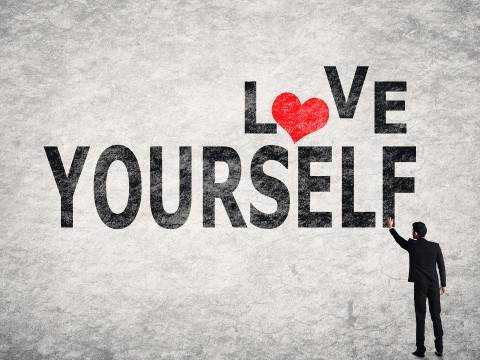
Accepting your flawsThere are basically two kinds of 'flaws,' one that is physical and the other that is in your personality. A physical 'flaw' like being too short, fat, or darkis never a person's fault. Thus accepting what you are can only boost your self-esteem and confidence. Despite these 'shortcomings,' it is your character and your achievements that stand out in the long run and not the way you look. The first step in creating a better life is accepting if you are wrong! Personality traits and habits are mostly visible to others but not to you. These are those faults that can cause bitterness in relationships or cause problems at work or in our social interactions. Some people lose their temper easily, some are lazy, and some are rude, while some are either introverts or extroverts. If you have flaws that can cause problems for others then the best thing you can do is to change those negative traits in yourself. Character flaws might be natural, but they can affect others negatively. The first thing in making improvements is to analyze yourself. What are you so angry about ? Is it really some other person's fault or that you have had a bad day at the office? Give it a thought and once you find the answers, you will feel relieved. Accept your physical flaws and love yourself for what you are, as this is the key to lasting happiness. Major flaws like alcoholism, splurging money, borrowing money, or addictions are what one should be willing to overcome. If you accept you have any of these major flaws and need help to overcome them, then you need to seek help. There are professionals who can help out, provided you are a willing party to the process. Improvement will come only if you are willing to change. Remember that flaws are easy to acknowledge and to change;the only thing required is the desire within you to do so.
Boost your self-esteemSimply believe in yourself. Life need to be made lighter. Pulling yourself down over trivial mistakes and not reaching certain standard definitely does not help.  Your self-esteem affects the way you interpret messages from others. It affects relationships, academic achievement, and living life to the fullest. Thus, recognize your true potential in life and work towards it. Those who have a high self-esteem always have an “I think I can” or “I will” attitude! This makes life much happier for them. Ups and downs in life are inevitable, but this should not bring down your self-esteem. One should work towards maintaining a high self-esteem at all times.  You need to have the power to control your self-esteem. It should not suffer from negative messages from others; in fact, negative messages should be viewed as constructive criticism. There are many ways in which self-esteem can be given a boost. Accept yourself and increase your inner stability so that you will not need validation or attention from other people. Meet new people. Follow examples of successful people. Don’t worry about how others might judge you. Don’t be afraid to try something new. Failures may come your way, but they are the best teachers in life. Make a list of your strengths and weaknesses. Make the most with what you are best at, and strengthen your weaknesses. Focus on the positives and practice positive self-talk for encouragement. Avoid doing things just to “go along with the crowd.” Gather courage to express yourselves and ‘stand out’ from the crowd, as every new encounter is a learning experience. Develop a support system of friends. They will give due emotional back-up. Put into place good healthy habits; ensure the right kind of diet. Controlling the mind is essential for a healthy body. A stress-free mind is healthy and calm, which will incorporate positive thoughts. Give credit where the credit is due. Praise others and accept compliments in good spirit. This builds confidence. Keep criticism to a minimum, as it brings about negativity. Appreciate life. Look your best to feel your best. It is important to be well groomed. Improve your personal living space. Perfect your skills and practice your talents. Reward yourself often. It’s nice to pamper yourself once in a while. Stop comparing yourself to others; this will increase your stress levels unnecessarily. Your self-worth should not be based upon what others think of you, but how you feel about yourself. Communicate with others, colleagues, neighbors, family, and friends. Be social. Do something for someone else – a random act of kindness! They fill up the void and bring about a different level of happiness. It is beneficial to spend some time alone by yourself. Review your mistakes and analyze the experiences in your life. This should be carried out as a self-therapy, and not as a habit. Do not become a loner. Everyone is a unique. No one else is like you in the whole wide world. This makes you special already! Everything starts with you and ends with you. Remember, nobody can insult you without your permission!! A low self-esteem gives rise to health problems like depression, loss of interest in life, and stress. It is not difficult to correct this stage which comes in everyone’s life. Learn to rise above these shortcomings and improve your outlook about yourself. Confidence comes from not always being right, but learning to be wrong. - Peter T. McIntyre.
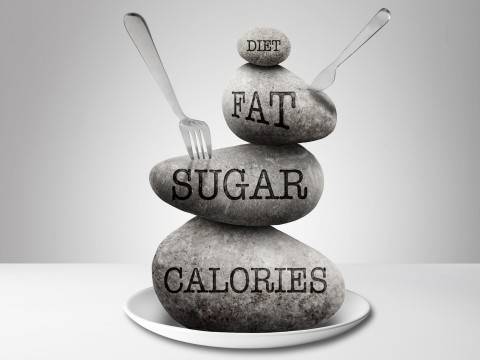
Good and bad calories-How do they affect weight loss?Not all calories are bad calories. Surprisingly very few people are aware that good calories are quintessential for burning fat and can rather help you in losing weight. So, it's very important to know how to differentiate between good calories and the bad ones. What is a Calorie? In scientific terms, one calorie equals to one unit of energy. When the term calorie is being used in relation to nutrition, it means consumption of energy through what you drink and eat and use of energy for carrying physical activity. Many people think that in nutritional terminology, calories are only associated with drink and food; but the truth of the matter is that everything has energy is calories. For example, since coal provides you energy it contains calories. 7,004,684,512 calories are equal to energy produced by 1-ton of coal. Coming back to weight loss, 100 calories of fiber and protein is not similar to 100 calories of a cake. This is because there are good and bad calories and much like us humans all calories are not equal. Calories are the measuring units of energy that are produced by the food once it reaches your body. This energy works on the law of physics and hence less energy intake leads to weight loss and vice versa. Varying types of Calories Different types of food provide varying calories or energy amount to the body. The analysis of a tightly scrutinized weight loss experiment has revealed that when people of two different groups were fed the same measure of calories albeit from varying food sources, the weight loss was almost similar. However, the effects of weight loss were variable; like uncontrolled emotions, cravings, hunger and more. This happened for the same reason that some calories are good and some calories are bad. Good and bad calories Sugar is a powerhouse of energy. But if you keep on eating only sugar all day long it will be suicidal. This is because; the calories present in the sugar are devoid of any nutrients and your body cannot function without the right balance of different minerals, nutrients and vitamins. Most food not only carry calories but they also constitute a complex mixture of additives, fiber and nutrients. These mixtures of varying components directly affect the leptin hormone that controls the hunger trigger in your body. These hormones tell the body to either burn the fat or store it. The process of weight loss is made complicated by the fact that biologically our body is programmed to protect the fat stores so that they can be utilized during starvation. So, the question remain, which calories should you eat to lose weight but still keep on getting the required amount of energy? Eating lean protein, healthy fats and unrefined and unprocessed carbohydrates such as fruits, beans and vegetables are the best for losing weight. Calories with more nutrients are the best The foods that do not store fat and make us eat again and again, are the ones you should eat as good calorie food. Choosing them is simple. These are the same food that humans used to eat before processed food was invented. For example; avoid using the processed whole grains and switch over to brown rice instead of the polished white rice. Also, stone-ground whole wheat, oats or quinoa bread is much better than the white bread. Replace the processed carbohydrates from your platter with whole grains and vegetables to lose weight, control hypertension and blood sugar. Use fats derived from plant sources such as olive oil or nut oil. Eat lean protein more such as chicken and fish.
Diabetes paves the way to cancer!Diabetes mellitus is common across the world. So common, that people don't take it seriously. It appears relatively benign on a day-to-day basis. It is just a sugar level that you notice on the outward. Controlling diabetes means a change in the lifestyle. It is easy to pop in some pills to battle a disease. The difficulty lies in making long-term changes in our daily routine. We tend to get lazy and make excuses for not being able to follow a discipline in lifestyle. This happens more so with diabetes because we do not see an apparent damage that is being done by the high blood sugar. Unless the levels go really high or drop very low, there are no major symptoms that affect our activities from morning to evening. What we are unaware of is that the disease is making some serious damage insidiously. It affects multiple organs and processes. These effects cannot be directly noticed but are continuously ongoing. By the time we wake up, a lot of injury has already occurred. Here is some more bad news. A large number of scientists in all countries are working day and night to study the course of diabetes and bring new facts to light.  Recent researches have established a new link - cancer. Yes, diabetes increases the risk for breast cancer and colon (intestinal) cancer. A woman who has diabetes, is at 20 times more risk for developing breast cancer. Breast cancer A peculiar association of diabetes and breast cancer has come in the picture in the last few years. Factors contributing to these are many - sedentary lifestyle, overweight, rich food, etc. Another important contributor is hormonal imbalance due to diabetes. As a result of high sugar and high insulin in the body, twofold changes occur in the hormonal cycles which ultimately lead to excess estrogen circulation in blood. This, in turn, may act as a trigger for breast cancer. Breast cancer is relatively easy to diagnose. When detected in early stages, treatment has shown remarkable affects. Colon cancer Cancer of the intestine is one of the most common cancers worldwide. Scientists are still working on finding the exact cause but a clear relationship between diabetes and colon cancer has been proven. Patients suffering from high blood sugar have a higher risk of developing intestinal cancer than those with normal blood sugar. Colon cancer is often seen to be fatal and rate of recurrence is quite high. Worldwide several researches have shown a strong connection between diabetes mellitus and occurrence of breast and colon cancer. Suggestions If you have normal blood sugar levels, please put in your best effort to maintain the same. If you are at risk for diabetes because of significant medical history, take extra care and precaution to prevent or delay the onset of the disease. This can be done by regular and adequate exercise, along with the balanced food options. If you have been diagnosed with diabetes, work on your lifestyle to keep the sugar levels in control. Regular check-ups and frequent monitoring of blood sugar levels are a must. If you are a diabetic, please go for periodical screening of related health conditions. Specific to the topic at hand, please get regular breast examinations. Physician recommended and supervised mammograms and colonoscopies would be extremely helpful. Eyes wide open? Now, will you pay attention to all the restrictions advised by your doctor? Please do. Get that lifestyle which is recommended. Compromise on your work and cravings; focus on exercise and eating healthy. Diabetes is not a killer if managed effectively. Don't let cancer get a hold on you.
Hypertension and Vitamin DVitamin D is one of the essential vitamins that are required for strong and healthy bones. The body synthesizes it in the skin from cholesterol when there is adequate exposure to sunlight. Over the past decade, vitamin D has been intriguing medical researchers the world over. Several studies were conducted and interesting results found. One of them being that vitamin D may be implicated in influencing blood pressure levels. As per studies conducted, it was found that low levels of vitamin D lead to high blood pressure levels. People living in high altitudes where sunlight is at a minimum level were found to be hypertensive. Also, the winter season showed an increase in hypertension cases which was again attributed to the low sunlight levels. What exactly does vitamin D do to affect the blood pressure? Renin is an enzyme secreted by the kidneys that constricts the blood vessels and increases the blood pressure. Vitamin D acts by inhibiting this renin. Insulin resistance causes high blood pressure, which is why hypertension often has co-morbidity with diabetes mellitus. Vitamin D helps in improving the body's sensitivity to insulin. Calcium deposits on the arterial walls harden them and make them lose their elasticity leading to an increase in the pressure of blood flowing through them. Vitamin D helps the body to better absorb and metabolize the calcium. The role of vitamin D in strengthening bones is very clear. Though the studies have shown that people having deficiency in vitamin D tend to develop hypertension, the role of vitamin D in this case is still not very clear. Also, whether vitamin D supplements help in lowering blood pressure levels is still to be found out! But all said and done, the research findings cannot be ignored. Moreover, a morning walk is beneficial in many other ways as well! So, get up early, put on your walking shoes and say Hello to the sun! Vitamin D alone will not help you control your BP. You need to keep taking the medications along with the other dietary and life-style changes! An early morning walk is a blessing for the whole day!
Adrenaline rush - Feel it inside!Imagine yourself at a great height, either scaling a dangerous cliff-hanger of a rock face or on a bungee jumping platform. Some of us who have had the pleasure of doing high adventure sports like racing or indulging in perilous activities like giving out an acceptance speech for the first time are well aware of that strange feeling in the solar plexus, the clammy hands and intensely thudding heart, and the rush of blood to the head just as you are about to take the plunge! The heart beats faster than ever, breathing goes rampant, the senses seem to become supercharged, and the fear, the joy, and the excitement meddles with the mind. That’s adrenaline rush! So what do you want to do? Fight? Or flight? Either ways, adrenaline does it for you. Speaking medically, the two small adrenal glands on top of the pair of kidneys release a magic chemical that gives the animals way towards the fight-or-flight response to counter certain high-intensity situations, called adrenaline or epinephrine. The chemical entity is a hormone, a neurotransmitter as well as a medicine and is too complex to explain its behavior. However, when it works the heart pumps out the blood to the excited muscles and all the juices surge up inside the body. There is more to this topic than just the physiological mumbo-jumbo. The hormone acts every day in the normal course of life, but not regularly to the extent when it produces side effects such as shakiness, palpitation, high anxiety, and profuse sweating! Thats kept for special situations like physical threat, excitement, bright lights, noise, and really high temperature – in good or bad ways. Let us surf through some of the rewarding and a few of the nasty situations where the jolting juice takes charge of our body! The Good ones: Countering Stress: In extreme stress conditions like accidents or fracture, the body needs to react fast and is at its highest awareness. Adrenaline keeps the muscles up and kicking to help the victim fight with the stress. High Energy Requirement: In majority of sports, more specifically in contact sports like Rugby, Boxing, Mixed Martial Arts, etc., the player needs to be in his full sense and topmost concentration level. The adrenaline rush runs in the background to keep them at their extreme self. The Push Mode: Often the daily chores aren enough to excite us and we tend to search for some adventure. In such pursuit of excitement, there are times when the road is a dead end or there is only one way forward – the impossible or most difficult one! The hormone pumps the brain both ways with fear and with the push to conquer the fear and proceed. Adventure Sports often sounds fun, but at times when running ahead of a raging bull, or hanging off a cliff, or rafting down the rough waters of a cascade – feels like the heart shall come out and scream!! It is the rush of adrenaline that keeps one ahead of the fear and explore the high-energy fun of winning over it. Life Saving Moments: In cases of life-threatening emergencies such as drug overdose, cardiac arrest, or pulmonary failure, where the heart and lungs suddenly cease to function and the body gets into a shock –– the epinephrine shots are considered as a life-saving medication to bring the patients back to life (only to be used judiciously by a qualified medical practitioner). The important medical use of adrenaline is in treatment of acute anaphylaxis and allergies under medical supervision. The Bad Ones: Disorders of the Adrenal: Tumors and cancers of the adrenal gland can cause hyperactivity of this high-performance hormone affecting the normal functioning of the heart and the blood vessels by increasing heart rate and creating anarchy in the body systems. Over-Stressed Adrenaline Rush: The demand-supply mismatch in the present world scenario requires one to perform at his/her epitome of mental and physical strengths. In that constant urge of performance, the brain and the body is stressed out so intensely that the adrenaline surge symptoms are experienced by the individual even in the absence of threatening situations. Sudden sweating of palms, shortness of breath, pounding heartbeats, or chest pains without a justifiable reason can be a result of constant stress.

FAQS
T&C FAQS