Home
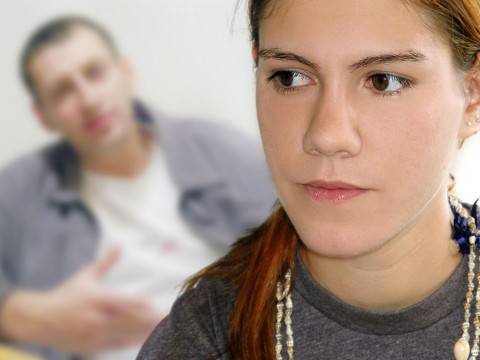
The moody man - Mood swings in menMen, such jokes on a woman's monthly mood swings are passe. Recent research proves that men are equally prone to have mood swings. Have you experienced a myriad of emotions? Angry, irritated, feeling helpless, self-pity, an irrational urge to throw things and cry and be depressed all at the same time? These are signs of mood swings. And the point of interest here is that you don't have to be a woman to experience mood swings. Men face their share of mood swings too! Men undergo hormonal influence too. And like women this causes them too to be irritable and cranky. The difference here is that the hormonal fluctuations are not as severe in men as in women. So the mood change lasts for a lesser time compared to a woman. Men's moods are also affected by psychological and physiological stressors. So a man who has to work against time to meet a deadline will be very irritable. A man who is deprived of sleep will end up snapping at you for no apparent reason. The myth that men don't cry, is something that men take to heart. Men are emotional beings and it is okay to show some of the emotions. The male stereotypical image is such that if a man is expressive of his emotional side, he isn't considered macho enough. Hence men tend to internalize their emotions and feelings. Often this leads to chronic depression. Taming the mood swings. Any form of physical exercise helps keep the mood in balance. This helps in keeping the aggressiveness under check. Sex is also a great way to release the stress and feel better, rather than snapping and using profanities. Another helpful way is to ask yourself 'why'. Whenever you feel that you are doing something irrational or out of character, ask yourself why. The answer you get from yourself will help clear the situation and you will end up handling it in a mature fashion. The irritable male syndrome. This is the male equivalent of the female menopause - The Andropause. It covers the symptoms seen in middle-aged men that occur due to the drop in testosterone levels. Like women, men show mood changes, bouts of irritability, grumpiness, hypersensitivity, anxiety and frustration. The recent research on men having mood swings and the society's acceptance of these findings is very encouraging. It helps stress in the fact that men are emotional too. There is nothing anti-macho about a man crying his heart out at times. It only shows he is human, after all.
Urinary tract infections in menUrinary tract infections are most commonly seen in the bladder in men. The symptoms include: Pain or burning during urination The urge to urinate often Pain in the lower abdomen Urine that is cloudy or foul-smelling Fever with chills and vomiting If the infection has spread to the kidneys, there may be pain in the back in the region of the kidney along with high grade fever, nausea and vomiting. UTI occurs very commonly and is not a medical emergency, but it is advisable to see the doctor immediately to avoid further complications. Elderly people and people suffering from diabetes should report instantly as they are at a higher risk for complications. The main risk is of the infection spreading up and affecting the kidneys. This could result in severe damage to the kidney and in people already suffering from any kidney disease, it could mean even kidney failure. There is also a small chance of the bacteria entering the blood stream and reaching other organs. Risk Factors for developing UTI: Not drinking enough water Holding in urine for long Kidney stones Taking frequent baths These factors may increase your chances of developing UTI A urine test is the only way to diagnose UTI. It not only checks for bacteria in the urine but also for abnormal cells like pus cells and red blood cells. Dipsticks are accurate. Home test kits are also available but they do not boast of 100% accuracy. Stealth or Asymptomatic UTI is the same as UTI, except that the symptoms are not seen. The bacterial infection is revealed in a routine urine test. This is serious and since it affects elderly people and immune-compromised people, needs immediate treatment. UTI is treated symptomatically. Specific antibiotics are prescribed for killing the bacteria. Symptomatic treatment is offered for the fever and pain if present. Along with this you will be recommended to drink plenty of water and fluids and regularly empty your bladder. Men with diabetes need to take special care due to several reasons. Since their immune system is weak, they are prone to infection easily. The high amount of sugar in the blood and urine may encourage the bacteria to flourish. Also, the diabetic neuropathy affects the nerves of the bladder and there may be no proper signals for emptying the bladder fully. All these add up as potential risk factors for UTI. Urinary Tract Infections are easily preventable. Here's how: Drink Plenty of water Empty your bladder at regular intervals Take showers instead of baths Visit the toilet before and after sex Avoid strong smelling soaps and washes to wash the genitals Wash from front to back.
Hair straightening do's and don'tsWhat's in a hair? Well when someone thought of this quote, he or she certainly did not foresee the future because in today's world hair is everything. For a woman and a caterpillar at least! Let's just talk about women! Hair not only covers your scalp, but also protects it.  Hair is known to be something that enhances the beauty of a woman, as there is nothing like the feel of smooth and silky hair caressing the shoulders. Women all over the world dream to have beautiful, strong, silky, and preferably, long straight hair. Why straight hair? Let's find out, women are born with all kinds of hair, curly, wavy, long, and short but according to some women there is nothing that beats having a straight hair and there are women in this world who could go to any length achieving that straight hair they always desired. One of those ways is straightening, a styling technique used since the 1980's, which involves the flattening as well as straightening of hair, to give it a smooth, streamlined, and a sleek look. Straightening can be of two types, temporary or permanent. Temporary straightening can be achieved by a straightening iron or relaxers and generally lasts up to the first wash. Permanent hair straightening generally requires the use of Lye and other chemicals (more commonly known as creamy crack) with the help of a hot comb, hot iron, and relaxers. Permanent straightening, with proper care, can easily last up to a year. According to documentary "Good Hair" by actor Chris Brown, African American women are known for their profound use of "creamy crack" to get that perfect straight hair they long for. They are also the women who make the cosmetic companies rich, thanks to their profound use of hair straightening and hair care related products. African American women also account for the highest amount of money spent on hair care and hair care related products. Coming in a close second are the women from Central and South East Asia. These women are also known to go to extremes to get that perfect straight hair look, which is generally shown in TV Commercials endorsed by celebrities. Now that we are aware of the statistics, it is time that we look into the do's and don'ts of hair straightening. Straightening your hair once in a while may sound like a good idea, but it is extremely essential that we understand that extreme care is required here. Hence it is always better to know the do's and don'ts before we decide to break the bank (straightening ain't cheap) for straightening treatments. Do's : Make sure your diets consist of plenty of healthy foods, water. Also doing regular exercise is advised. Always use a shampoo and conditioner that best suits you. Remember to ask your stylist about the kind of products that suit you. Always go for hair spa treatment once a month since your hair needs that extra nourishing. Don'ts : Do not wet your hair at least for three days after the treatment. Do not tuck your hair behind your ear. Avoid twisting your wet hair with a towel. Avoid extreme scrubbing of your hair while shampooing. Straightening even once can cause excessive damage, hence do not do it repeatedly. Straightening your hair once in a while is okay, but doing it continually is ill advised as it can have a lot of negative consequences. Straightening also comes with certain side effects such as heavy chemical reaction, dizziness, permanent hair damage, dryness, skin irritation, itchiness, and severe chemical burns. Hence, it's always better to have a professional do it at a salon rather than doing it yourself. Hair straightening, though done by the same method all around the world, requires different types of hair care products as the hair type is mostly related to your race and ethnicity and your geographical location.

Honeymoon cystitisHoneymoon cystitis is a term for urinary tract infections that occur commonly during early marriage. Sexual intercourse is the primary reason for developing this infection. The infection occurs when the E. coli bacteria that are normally present in the bowel are introduced into the urethra. This may happen through sexual intercourse, inserting unclean fingers or objects into the vagina. Women who wash their private parts from the back to front also have an increased chance of developing infection. Symptoms of honeymoon cystitis may include a burning or painful sensation during urination, the urge to urinate frequently, cloudy urine, blood-tinged urine, and/or pain above the pubic bone. Any of these is enough o play a spoilsport and dampen your honeymoon mood! Symptoms of honeymoon cystitis generally emerge within a day or two after bacteria are introduced into the urethra. A physician can confirm the diagnosis of infection through a simple urine test. The treatment usually involves antibiotics and pain-killers. What care should you take to avoid honeymoon cystitis from recurring? Use water based lubricant during sexual intercourse Urinate before and immediately after intercourse to flush out the bacteria from the urethra. Drink plenty of water to keep the urine normal Avoid coffee, tea and aerated drinks See a gynaecologist or a urologist if the problem recurs.  Urinary tract infections are extremely common in women and are the leading cause for visits to the doctor.
Dehydration: Prevention and curePlaying outside is great for the child's physical as well mental development. But if your child has spent the entire day outside and comes back with fever, diarrhea, or vomiting, and is sweating a lot, then watch out for the signs of dehydration. What is dehydration? Dehydration means abnormal loss of water from the body, especially from illness or physical exertion. Under normal conditions we all lose some body water through sweat, urine, and tears. Kids lose large amount of water and salt from body during fever, diarrhoea, vomiting, or long hours of physical activity or exercise without any water intake. How do I know it is dehydration? If your child has any of the fever, diarrhoea, vomiting or is sweating a lot on hot days then watch for these signs: Sunken eyes Dry or sticky mouth Dark urine or lack of urine output Tiredness, lethargy, irritability or fatigue How can I prevent dehydration? The best way to prevent dehydration is to ensure the child drinks plenty of fluids when they are sick or physically active. Get your kid in the habit of drinking enough water before he/she even feels thirsty.If it is very hot, explain to the kids the benefits of drinking water frequently. If possible, avoid going out in the sun. Give your kids a well-balanced meal to be sure that they are getting all the adequate nutrients. What if my kid gets dehydrated? If the kid is below 1 year, care should be taken to breast feed the baby often. If the dehydration is due to vomiting, feed small amounts frequently for it to absorb in between the vomiting episodes. Give a spoonful of ORS solution every 10 minutes to replace the lost fluids. For kids above 1 year, start with plain water initially when the kid complains of thirst. Later the kids may need drinks containing sugar and electrolytes. Also, the child should be made to rest at home in a cool environment until the lost fluid has been replaced. Once the child is rehydrated, resume to normal routine and diet.
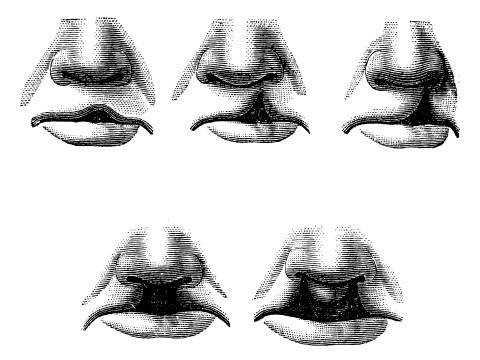
A correctable disfigurement of face: Cleft lip and palateThe Times of India reports that "With an incidence of 7 per 1000 children, cleft lip and palate deformity is one of the most common deformities among Indian children." The number of infants born every year with cleft lip and cleft palate in India is 28,600. This means 78 affected infants are born every day or 3 infants with clefts are born every hour. Cleft lip and palate develop early in pregnancy where lack of adequate amounts of tissues lead to two parts of the face failing to join adequately at the middle. A cleft lip or hare lip (as it is commonly called) refers to separation of the two sides of the upper lip. There appears a narrow opening or gap over the skin of the upper lip. This separation may sometimes extend beyond the base of the nose and may involve the upper gum and/or the bones of the upper jaw. A cleft palate refers to the gap between the two edges of the roof of the mouth, causing it to remain open at birth. The bony front portion of the roof of the mouth or the hard palate may be involved alone, or along with the soft palate or the soft back portion of the roof of the mouth. Since lip and the palate develop separately, it is possible to have a cleft lip without a cleft palate or vice versa. Causes of developing cleft lip and cleft palate: The exact cause of cleft lip and palate is unknown. Some research, however, suggests that these clefts are caused by a combination of genetic and environmental factors. The risk of such clefts thus can be reduced by adopting a healthy lifestyle during pregnancy. This includes avoidance of smoking, alcohol and having a healthy diet to avoid excessive weight gain during pregnancy. Cleft lip and palate can occur alone with no other problems or defects. This is called non-syndromic clefts. They may also occur as part of other birth defects and then may be called part of a syndrome. Cleft lip and palate may occur on one side (unilateral) or may occur on both sides (bilateral). Unilateral cleft lip and palate is more common than bilateral cleft lip and palate. Left-sided cleft lip and palate is twice as common as right-sided cleft lip and palate. The reason for this is unclear. A cleft lip or combined cleft lip and palate are seen more commonly in male babies. Cleft palate alone is more common in female babies. The face of the baby usually develops around 5th and 9th weeks of pregnancy thus this defect may arise early in pregnancy. Treatment of cleft lip and palate: Cleft lip and palate is usually corrected using cosmetic or plastic surgery. Results are usually very good. After treatment, most children have a normal appearance. To prevent and correct associated speech problems and dental problems, treatment is also sought from speech and language therapists, as well as dental surgeons (orthodontic specialists). Excellent results may be seen if the specialists work in tandem.
Dealing with obsessive thinking and worriesAn old adage goes - 'Worry is like a rocking chair. It gives you something to do but it doesn't get you anywhere'. This is absolutely true for many of us who have developed the habit of worrying unnecessarily over outcomes and circumstances. Thinking about things and over our course of action is a good thing because you should always think twice before acting. What about obsessive thinking? Is it good for you? Anything in extremity is a bad thing, whether it is your favorite food or your thoughts. Worrying incessantly is a part of obsessive thinking where you cannot let go of negative thoughts and they circulate in your mind continuously. Obsessive thinking is a negative infinite loop, a broken record that is stuck without having anyone to click the stop button. So how should you deal with this obsessive thinking that is sure to spell your doom in the long run? Though psychologists have devised various scientific methods of overcoming obsessive thoughts and worries, here we have listed down some easy to follow rituals that will help you deal with such worries and thoughts. Meditation - Yoga swears by the art of meditation as it is thought to release all negative energy from the mind and soul. Concentrating on your breathing and also absorbing a positive source of energy is the essence of meditation. So whenever you are obsessed about something, sit down, calm your nerves and meditate. Physical activity - Exercising always helps. Engage in physical activity which increases the body's metabolism and requires effort. Indulge in those dance lessons or swimming or maybe cycling and you will divert your mind from those negative thoughts. Indulge in your hobbies - So you thought you don't have time for your hobbies, but your hobbies relax your mind and body. Moreover, a hobby also takes out the creative side in you. So, whether you like to collect coins or stamps, or lean towards arts and crafts, a hobby is sure to occupy your mind and take you away from worries. Socialize - Friends and relatives are your lifeline as they help you in those tough situations. Even if you are mentally not at peace, making social calls on your friends and relatives will take the edge off.  Try to meet people who can empathize with you and help you move out of it. Socializing will give you that much needed break from the vicious cycle of your thoughts. Though a short-term relief, going out for movies or taking a weekend getaway with your near and dear ones or even indulging your wife in shopping, can be helpful. Confide - Talking to someone close who understands you helps you in expressing your troubles. Thinking obsessively, you usually tend to ignore your feelings and emotions. Your mind remains trapped in the net of those obsessive thoughts and your emotional well-being takes a backseat. When you talk to another person, he or she will hear you out and help you relieve the stress that is on your mind. They would understand your state of well-being and support you emotionally. Be mindful - You may find it easy to go back into the same negative thought process. Don't let your mind chatter. Stop your mind by standing up for yourself. Stand in front of the mirror and say, "I am not a victim. I have the power and strength to move ahead" Do this whenever you become aware that you are going back into the same thought process.  This will give you the mental strength needed to come out of it.  Be mindful and aware but don't be too harsh on yourself. Be responsible -Your mind can make you or break you. If you understand this truth you will find it easier to manage your thoughts. Take responsibility of your thoughts good or bad.  The mind can create thoughts to project blame or judgments about others.  When you own your thoughts, you will find it easier to shape them the way you want. Create a higher vision of your life - When you keep a higher vision in your life, you can move ahead easily.  By developing a higher vision, you are asking yourself, who am I?and finally working towards it. You take positive actions and thus there would be more gratitude for what you have and less resentment for things that do not work.   This stops your mind from working unnecessarily. Obsessive worrying is a psychological disorder which in extreme cases has to be dealt with pathologically. Do not let your condition to reach the extreme end of the spectrum. Follow the above mentioned suggestions and try to deal with those thoughts yourself. It may take some time but rest assure, it will be effective in the long run.
How to remember everyone you meet?Now that would be quite a feat, would it not? To be able to recall the name and occupation of every person we ever encountered right down to the minutiae of how, where, and why we were introduced to them to begin with! Sometimes we raise the bar of forgetfulness to the extent of forgetting just who it was who introduced us to "Mr. what's-his-face!" If only there were ways to remember the modest and average people who leave virtually no impression on us, wouldn't that save us great embarrassment? Plus it will help us do away with those sheepish looks when it dawns upon the other person that you haven't the foggiest of notions as to who he is. Stranger: Hi! You remember me? How are you doing, Frankie? Frank: Umm! I am well (this guy's face looks mighty familiar, but for the life of me, I cannot recall ever having cast my eyes on him). Stranger: So, how was your annual bridge completion? Manage to beat the Swiss pairs this time? Frank: Atta boy! Got it! This guy happened to be kibitzing at the weekend bridge club at Aldermere. Whew! Stranger: You gave me quite a start there. You looked right through me and I was quite not pleased at the fact that just last week I happened to congratulate you. Frank: Well Martin, be tough to not remember you, of course I do! Just didn't think of bumping into you here. Martin: Well, I am Walther and I can now see that you don't remember me at all! How many times has the above scenario happened to us? While it is well-nigh impossible to remember every name or face that we come across, it would be  a good habit to at least attempt our 'mental name book' to avoid an occasion for future embarrassment! Now, how in the world does one do that? Simplest way would be to carry a small notebook with a pen to make note of someone that you have just been introduced to, at a meeting or a social do. Our friends often introduce us to people and chances are that if there is no occasion to remember that person, then the brain fades it out of its memory list, as it will only use up space on the brain's 'hard disk.' Human memory might be jogged to remember trivia from 25 years ago in great detail, but ask a simple question - remember what you had for lunch last Tuesday?  - and that would be very difficult to answer, especially if last Tuesday was just an ordinary day with no special reference points around lunchtime to help you remember. Maybe if something momentous had occurred on Tuesday last, like pretty Meg from next door, sharing lunch with you rather unexpectedly, then you can bet your bottom dollar you will remember what you had on the day in question. So create reference points! When you are introduced to someone, first and foremost, reference it with who introduced you and then try and make a reference of at least one unique distinguishing feature in that person. Now you don't really require the eye of a physiognomist, and it would be mighty impolite to stare hard for the "distinguishing feature" coin to drop. So a quick look and you got 'long nose Mary Gomez' all referenced and ready for recall at the next chance meeting. Make the reference phrases funny so that you won't have any problem whatsoever in recalling the name behind the funny phrase when you most require it. Alternatively, try associating a picture with the name if you aren't very good with phrase reminders. These techniques are called mnemonics, which is pronounced ni-mon-nics, and funnily enough the very curious spelling - Mnemonics makes you want to have a picture card memory association for the right pronunciation. A mnemonic for this could be 'knee-moan- knicks". Easy enough, i.e., if you remember the sequence right. You could also try memory exercises with names picked off from the telephone directory at random. Pick an A-lister say - 'Anderson' and then flick through to D and pick 'Dougherty' and so on until you have picked at least 10 names of a different alphabet. Now, try and write down the numbers that you must have undoubtedly memorized until now. You can consider yourself blessed even if you are able to memorize the number of the third person by the time you reach person number 10. This will give you a memory for names and numbers at least. Or, go through any university web sites and look at the photo galleries of past alumni. Give yourself 1 minute to quickly glance at all the names on the page. Then try and recall the name by applying the memory picture association or develop your own technique. With regular practice, you could well be in the employ of the local police to help identify criminals off a line up. If that's too dangerous for you, then at least that will  keep your brain alert and active with this brain gym and help avoid any boo-boos in the future.
21 foods for a healthy heartFollowing is a list of heart-healthy food substances: Garlic: Did you ever think that the commonly available garlic in your kitchen can be heart healthy? It may be smelly for some, but for the heart it is a soothing substance. Garlic is known to control blood pressure, serum triglyceride level & cholesterol level. Carrot: Carrots, though taste sweet, have the ability to control blood sugar levels because of high level of antioxidants in them. So include carrots in your diet, especially in salads. Orange: This juicy fruit has cholesterol-lowering ability because of fibre pectin in it and also helps control blood pressure. Almonds: Though all nuts are believed to be nutritious, almonds are considered to be heart healthy. Almonds are rich in vitamin E, calcium, plant sterols, fibre and antioxidants. Almonds help in lowering LDL cholesterol and reducing risk of diabetes. Walnuts: Walnuts are rich in omega 3 fatty acids, monounsaturated fats which help in lowering cholesterol levels.  Oatmeal: Oats are very healthy & help in lowering the bad LDL cholesterol. You can have one bowl of oatmeal mixed in milk along with nuts as breakfast. Flaxseed: This honey coloured shiny seeds contain substances which are heart healthy, such as lignans, ALA and omega 3 fatty acids. It helps in lowering cholesterol level and controlling diabetes. Tofu: It is a type of soybean protein which can be replaced with paneer. Tofu is rich in fibre and polyunsaturated fats which prevent clogging of arteries.  Barley: The fibre in barley is believed to lower cholesterol and blood glucose levels.  Tuna fish: Tuna fish is rich in omega 3 fatty acids which helps in lowering cholesterol levels.  Salmon: It is very good for heart as it is rich in omega 3, EPA and DHA. It lowers and reduces the risk of inflammation in arteries. It is also believed to maintain the ratio of good cholesterol to bad cholesterol. Red wine: Red wine contains catechins and resveratrol, good for heart health.  Black beans: They are a rich source of magnesium which helps in lowering blood pressure. It also contains folate, antioxidants and fibre which is helpful in controlling blood sugar and cholesterol levels. Fresh herbs: If you are hypertensive and want to control your salt intake then try using fresh herbs as a substitute for salt. It also contains antioxidants which are good for heart. Herbs include rosemary, sage, oregano and thyme. Extra virgin olive oil: This is rich in heart-healthy polyphenols & monounsaturated fats. As it's very costly you can use it as a topping for bread or salad. Sweet potatoes: White potatoes are believed to increase glycemic index so you can replace them with sweet potatoes. It is heart healthy as it has low glycemic index and also contains fibre, vitamin A and lycopene. Low fat yoghurt: You can include this in your breakfast safely as it contains calcium & potassium which helps in lowering blood pressure. Dried cherries: They are rich in anthocyanins and antioxidants which help in neutralizing the action of enzymes which cause plaque formation. In winter you should opt for strawberries, blueberries for a healthy heart. Cayenne chili pepper: Your blood sugar normally increases post a meal. By sprinkling cayenne chili pepper over your food can help preventing insulin level spike post meals. Hot cocoa: Coffee helps in patients with type 2 diabetes. Hot cocoa contains antioxidants helpful for heart. Kosher salt:  This is very beneficial for heart patients as it contains half the amount of sodium as compared to table salt and thus helps in controlling high blood pressure.
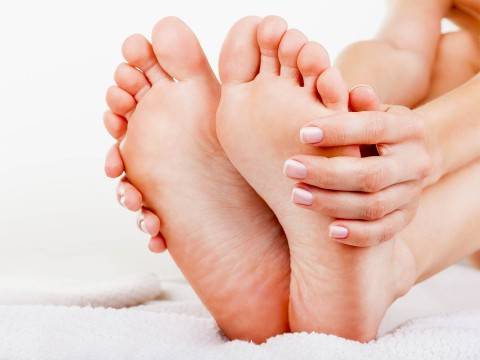
10 bedtime beauty essentials! Here are the beauty essentials you need to take into consideration, before you hit the bed: Baby-soft soles :Before you sleep, apply Vaseline on the sole of your feet. This will adequately moisturize your soles and you can wake up to the great opportunity of wearing those heels you have been dying to try out! Healing the puffy eyes : If you are worried about waking up with puffy and tired eyes (even after 6 to 8 hours of sleep), then put on a little eye cream. You can also keep an extra pillow and make sure you sleep on your back. This will allow the fluids around your eyes to drain easily and reduce the puffiness. Trying out wavy hairstyle : Bedtime is the best time to work on your hairstyle. Before you sleep, shower and fashion your hair into the style you want. Apply a styling cream on your hair gradually, after having air-dried it. Now, decide if you would like to put them up in buns or braids. Stylize them into the pattern and wake up to wavy hair! Let your skin breathe : Those who are suffering from dry skin can apply moisturizer. A humidifier is also a great accessory for help in these cases. You can switch on the humidifier before you go to sleep. This will help your skin to retain its moisture through appropriate hydration. Keep aging at bay :Did you know that sleeping on cotton pillowcases can increase the chances of creases and wrinkles on your skin? Prevent wrinkles by using silk or satin bed clothing. This will also reduce hair breaking. Wake up, miss white smiles: If you want to take off the yellows from your teeth, then brush some baking soda and let them stay for about 8 minutes. Afterwards, thoroughly rinse your mouth. Do not perform this beauty tip more than once a week, it will negatively affect the structure of your enamel. Work on your complexion :During the day, sunlight might disable some face creams from working effectively on your complexion. Make the most use of night and apply a face cream containing retinal and vitamin C. Lengthen your lashes : Eye lashes depth and grace to your eyes. You might feel that working on your lashes will require way too much effort. But, much to your surprise, everything your lashes need is contained in a natural ingredient - castor oil. Consisting of Omega-3 fatty acids, which are highly hydrating, they will avoid your lashes from breaking and also strengthen them. Apply castor oil on your lashes before you sleep and watch them grow thick and healthy within a few weeks! Taking care of your hair : Skim leave-in conditioner through your hair in the evening and let them stay on till the morning. This will let them become soft and shiny. You can also use coconut oil as an alternate conditioner. Readying your nails for polish : Depending on the skin type, the nails of certain people become dry. If you are one of them, it would be best to apply a cuticle cream or oil on them before you sleep to wake up to polish-ready nails.
Aids defining cancersIn fact the presence of such aids defining cancers is an indication of advanced AIDS having developed in these patients. However, the reasons for these cancers are unclear. It is possible that since people with AIDS have low immunity, they become more susceptible to these cancers. The double attack of these already complex diseases complicates treatment plans too. Thus, it needs care under experienced doctors who specialize in these diseases. The cancers that define AIDS are: Kaposi's Sarcoma:This is a type of skin cancer. It was usually found usually in people who have received organ transplants. Nowadays it is also most prevalent in homosexual men with HIV/AIDS and is also called epidemic Kaposi's Sarcoma.  It causes lesions to show up in multiple points in the body such as skin, lymph nodes, liver, lungs, spleen and digestive tract. Non-Hodgkin Lymphoma:This is the second most commonly associated cancer with HIV/AIDS. The various sub types of NHL are primary central nervous system lymphoma and primary effusion lymphoma. Approximately 4-10% people with HIV/AIDS develop NHL. Other kinds of cancers are anal cancer, liver cancer, mouth cancer, Hodgkin's lymphoma, testicular cancer, melanoma, throat cancer, colorectal cancer and multiple skin cancers.  Treating Cancer in HIV people: Till anti-HIV medication were not discovered the future for infected people was bleak. They were already sick and their bodies weak even before their cancer treatment were started. Presently the cancer treatment is mixed with anti-HIV drugs. However, depending upon the extent of cancer and the need of AIDS care, variations are made between chemotherapy and other HIV related drugs needed. Treating Kaposi's Sarcoma: Often anti-HIV drugs are enough to treat this cancer. The lesions, which are viral, shrink, as the immune system gets better. Sometimes chemotherapy and radiation may also be needed if the lesions are internal. Treating Non-Hodgkin Lymphoma: AIDS related NHL is fast growing and needs intense chemotherapy treatment. Introduction of highly active anti-retroviral therapy and use of drugs that help the infected body make new blood cells has relieved a major concern for HIV patients where previously due to their low blood cell count, chemotherapy could not be administered to them. But with these advances, acutely monitored chemotherapy treatments can be administered now. Treating Cervical Cancer: In case of women who have a good immune system and invasive cervical cancer can still be treated similarly as non-HIV women. They can even do well in surgeries and other conventional treatments. Discovering Cancer Early: Screening helps discover presence of cancer when no symptoms are evident. However AIDS defining cancers cannot be detected through screening. Thus, close monitoring, regular checkups and a keen lookout for symptoms of these cancers can help discover the ailment if present. Pap tests help discover cervical cancer in women. However, in case of HIV women, these should be undertaken more often. Even as often as 2 tests a year, 6 months apart in the first year of HIV detection. If the tests are clear, they should get Pap tests done regularly once a year henceforth. For other AIDS related cancers, the screening tests are still being devised. Lowering Cancer Risk: HIV ruins the body's immune system making it susceptible to a variety of diseases. Good health practices are a must for those detected with HIV in order to ward off cancer. They should surely not smoke or consume alcohol. Injection drugs and unsafe sexual practices also pose increased threat of cancer. Maintaining balanced diets, physical activity and proper body weight are extremely important and helpful too.
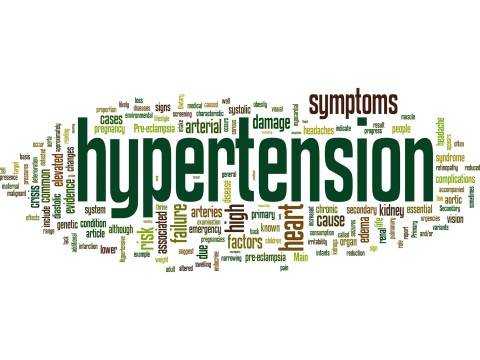
A quick guide to high blood pressureWhat is blood pressure? Blood pressure is the force or pressure exerted by blood on the walls of arteries while flowing through it. What is normal? A blood pressure value of 120/80 mm Hg is ideally said to be the normal. The upper value (systolic) reads the pressure when the heart beats (squeezes to pump the blood). The lower value (diastolic) computes pressure at rest in between the heartbeats when the heart refills with blood. What is hypertension or high blood pressure? The condition in which the pressure of blood in the arteries is persistently high.More the pressure, harder the heart has to work to pump the blood. The prolonged and too high blood pressure (BP) raises the heart's work persistently and can lead to grave damage to the arteries. This eventually leads to uncontrolled high blood pressure raising the risk of heart disease, stroke, and kidney disease in the long run.A blood pressure above 130/90 mm Hg is said to be high. What are the symptoms of hypertension? Hypertension can go unnoticed without any symptoms and thus remain untreated for years altogether. Thus, it is also called as silent killer sometimes. What causes hypertension? The cause of hypertension is unknown in most of the cases. Sometimes, hypertension occurs secondary to kidney disease or adrenal gland disease. Who are at risk of getting high BP? The risk of developing high blood pressure is more in people above the age of 45, those who have close relatives already suffering from hypertension, and who have history of diabetes, Many people consistently have blood pressure above normal, yet not so high to be called as hypertension (130-140 /80-90). These people are at more risk of developing hypertension. Is salt and blood pressure are related? Sodium content of salt causes water retention thus putting more burden on heart and raising blood pressure. So watch the foods you eat for sodium content and stick to a low-sodium diet. Stress and high blood pressure Stress can increase the blood pressure, but no scientific facts to suggest that it causes hypertension. Stress can lead to addictions, poor diet, lack of sleep which can indirectly contribute to high blood pressure and heart disease. Obesity and hypertension Obesity strains heart and raises the risk. Losing every kilo makes a huge difference. Alcohol  Alcohol can surely raise blood pressure and limiting it mandatory. Pregnancy and hypertension High blood pressure during pregnancy is called as gestational hypertension. It can cause serious complications like preeclampsia. It can harm both the mother and baby. It can compromise oxygen flow to the baby. The blood pressure normalizes after child's birth. Medicines and hypertension Some medicines, like pain killers, birth control pills, steroids, flu medicines etc. can cause the blood pressure to rise. Be careful with the medications. Avoid over-the-counter medications and take doctor's advice before consuming any medicine. "White coat" phenomenon Some people show high blood pressure in doctor's clinic due to nervousness. This is called as white coat phenomenon. These people are at risk of developing high blood pressure. Kids and hypertension Kids who are obese and have a family history are more at risk. How to control high blood pressure? Eat healthy: Eat more fresh fruits, vegetables, whole-grain foods, low-fat dairy products, and nuts. Say no to sweets, saturated fats, and excess salt. Exercise: Regular physical activity lowers blood pressure. Atleast 150 minutes of exercise per week is essential. Activities like brisk walking, swimming, cycling or gardening, all count. Reduce stress: Add yoga, meditation, deep breathing. All have proven to lower the blood pressure and keep it normal. Hypertension is usually a chronic life-long condition. It's very essential to take medications, make lifestyle changes and regularly monitor blood pressure. Keeping it under checkwillreducethe potential riskof heart disease, kidney diseases, and stroke.
The earlier yearsSexual concerns experienced during the drastic body changes and feelings of adolescence are often carried into adulthood. Sexual desires are powerful and frequently go beyond the earlier popular forms of sexual expression - kissing, hugging and petting without being aware of the consequences. Anxiety the commonest case of erectile dysfunction is compounded by the present life style - get-togethers, parties, with alcohol and drugs, visits to sex workers or massage parlours which offer other sexual services leading to unplanned, unprotected sex. Consequently seen are unwanted pregnancy, abortions, drug addiction, sexually transmitted diseases, anxiety and depression leading sometimes to suicide. Males seem to have more concerns then females. A common concern is nocturnal emission (night fall, Swapana Dosh) of semen and length of penis. Nocturnal emission of spermatic fluid is falsely believed to weaken a person. Really all that's happening is that excess of sperms is being thrown out to make place for the new ones. The length of the penis troubles many. Young people fall prey to advertisements that claim to lengthen it. The fact of the matter is that a penis an erection of 2.5 wide (10cms) is enough for a sexual intercourse for a person who knows the art to satisfy a partner. Ignorance about masturbation is widely prevalent among males of all ages leading to guilt, anxiety, depression and at times to suicide. Older men erroneously think their cause of erectile dysfunction or premature ejaculation is masturbation. Masturbation is a highly pleasurable act in males. It does not harm the body or exhaust the sperms. In fact it is a safe way to satisfy. Females also masturbate but the percentage to men is much less. They also seem more comfortable with the activity. Masturbation has gone through years of superstition fear of ill effects, considered as a unhealthy practice and considered sin by some religions. Fifty or more years ago doctors and activities thought it caused harm to the body. It is said that corn flakes, the popular breakfast cereal was specifically formulated by Mr. Keleog to help a person not to masturbate. Today thinking has changed. It is now thought that it is an activity that does not cause any harm to the body. It does not finish all the vital sperms over the years so that it will not hinder having children in future. Its wide misuse is common. Persons use it indiscriminatingly when they cannot sleep, when they are tense for e.g. before an examination, some do it more than four to six times a day, which only indicates their immaturity. When done to satisfy a natural sexual urge it is a healthy activity. It keeps the person safe from infection and is said to teach the person skill for sexual intercourse. Technology has helped in many ways but sometimes it creates problems. A person hooked on to porno sites to arouse his desire is found to cause a loss of self confidence conflict with the partner sexual intimacy and intercourse. Before marriage or a partnership both male and female have concerns. Females if they have a previous partner but are getting married to another worry about the husband finding out of their loss of virginity, others worry about the size of their breasts, excessive hair on body or excessive fear of pain at intercourse. Men worry about whether their penis is long enough whether their long standing masturbation will hinder intercourse or prevent them of being a father. The absent hymen a false notion for virginity can be congenitally absent, split by exercise like swimming, cycling etc. or most commonly by masturbation. The hymen therefore is no proof of virginity. Learning to do with what they have making full use of their points and feeling comfortable and proud of their bodies help a lot to overcome the concern. Adopting a safe sex policy is best achieved by masturbation; avoiding sex with an unknown person and multiple partners; during intercourse with sex workers not using condoms every time and being careful of oral sex. Satisfying each other by caressing, hugging, kissing etc. with clothes on is safe; without clothes extra vaginal sex by mutual masturbation is safe with a trusted partner and finally not so safe is vaginal intercourse unless done with a condom correctly worn.
Painful intercourseSome of the causes affecting women can be: Going too fast, penetrating from an awkward position. Do not hesitate to tell your partner that it hurts and he needs to slow down or change position in order to make you comfortable and prevent pain. Dry vagina or lack of natural lubrication in the vagina. This dry vagina is caused due to some medications, changes at the menopause. Sometimes just increasing the time of foreplay can help vaginal lubrication. Use water-based lubricant to reduce pain. Failure to fire off. Sometimes failure of the vagina and uterus to respond to sexual arousal can lead to irritation and tenderness. The vagina may be too tight for the intercourse sometimes or the uterus may not be raised so that the penis comes in contact with the cervix during penetration. Using other penetration methods can be helpful to explore the level of arousal before engaging in intercourse. Vaginismus can be the cause of discomfort. Muscles surrounding vagina are sometimes very tight and lead to pain and intercourse to be painful. Woman can examine herself with her fingers to see if vaginal walls are tighter than normal. It can be vaginismus. Normal cause is nervousness or anxiety. It is reversible. Good foreplay before intercourse will help to relax the muscles and help lubricate. Just relaxing before the act can be helpful. Vaginal infection and inflammation due to yeast, herpes, etc. can make intercourse uncomfortable. Fabrics, creams, perfumes may cause irritation in area in some women. Avoid these. First-time sex can be a little painful. Rupture of the hymen can cause discomfort during penetration. Start slowly or begin with forms of penetration other than intercourse. Psychological pain. Sexually traumatic experiences or feelings of guilt associated with sex can make the act painful. Consult a sex therapist or psychiatrist. Discomfort during intercourse is experienced by men too, various causes affecting this outcome for men are: Tight foreskin. During first attempt at intercourse, tight foreskin will make retraction painful. After sometime, the foreskin will become loose and make intercourse comfortable. Any lesion on the penis skin can make intercourse painful. These may result from non-lubricated masturbation or rapid intercourse or STDs. The blisters due to herpes infection can make intercourse extremely painful.
FAQS
T&C FAQS