Home
Self grooming tips for men Get rid of unnecessary body hair:Hair on your ears, back, underarms, or uni-brows does not appeal at all. If you have them, then try and get a hair removing gel or wax away gently. Nose hairs can be trimmed from time to time, so that it's not visible. Hair in the underarms can either be waxed, or removed by using a razor. Hair on the back can also be removed through proper waxing. Shave properly:Keep a beard if it suits you, but do trim it regularly. If you do not want a beard, but just a moustache, then that requires customary trims as well. Try and keep yourself clean shaven, if you can't easily manage the styles mentioned above. Avoid bad breath:Bad breath can really get you into trouble, especially during office presentations, client meetings, or even at a date with your girlfriend. Use mouth washes to avoid this problem, and floss after every meal. Mouth fresheners can also come handy, so maintain a regular stock at all times. Brush regularly:Maintain a brush and floss routine twice a day to avoid awkward situations. Cut and clean your nails:Long nails look great on girls, but they are a big turn off in guys. Men need to keep their nails small and trimmed always. Use nail clippers to cut them properly, and cleaners to keep them clean. Take care of your skin:Buy a good sun care and moisturising lotion, and use it always, after a face wash and shower. This shall give you a nice glowing skin. Exercise regularly:A good body can attract everybody's attention. Eat healthy food and exercise regularly to be active and healthy. Get rid of body odour:Instead of colognes, try using deodorants and talcum powders to get rid of body odour. For underarms, always keep a roll-on with you, and apply it regularly. If the issue persists, then consult a doctor for help. Wear well fitting clothes:Wearing unfit or loose clothes will make you look older than you are. Hence, wear clothes which fit you the best. Correct your posture:While standing, walking, and even sitting, keep a straight back. This shall give u a better posture. You will look more pleasing and charming. Grooming is not just a thing for women. It is all about looking after yourself. So, read on to know some self grooming tips for men These were a few tips which can help you look after yourself better, and also give you that much needed edge over others. So, try them out right away!
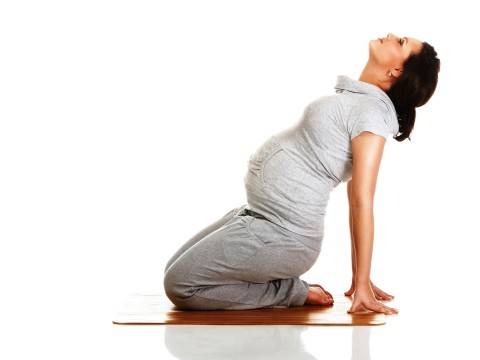
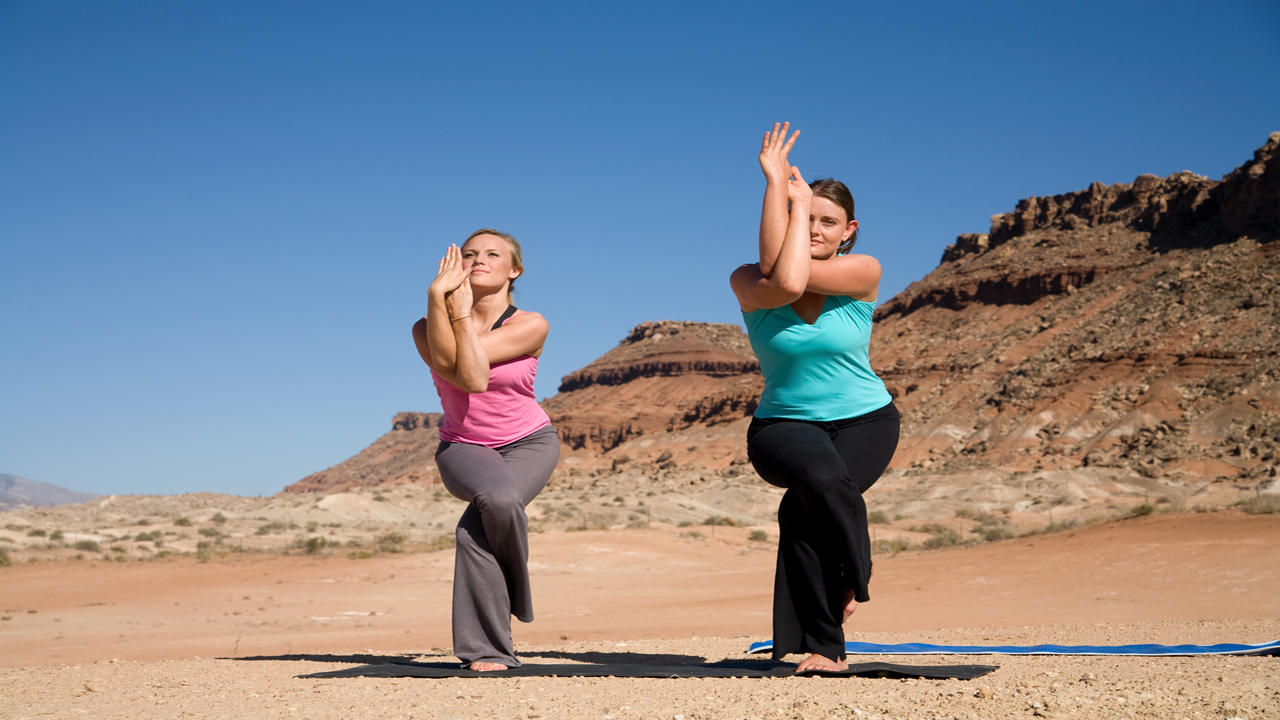
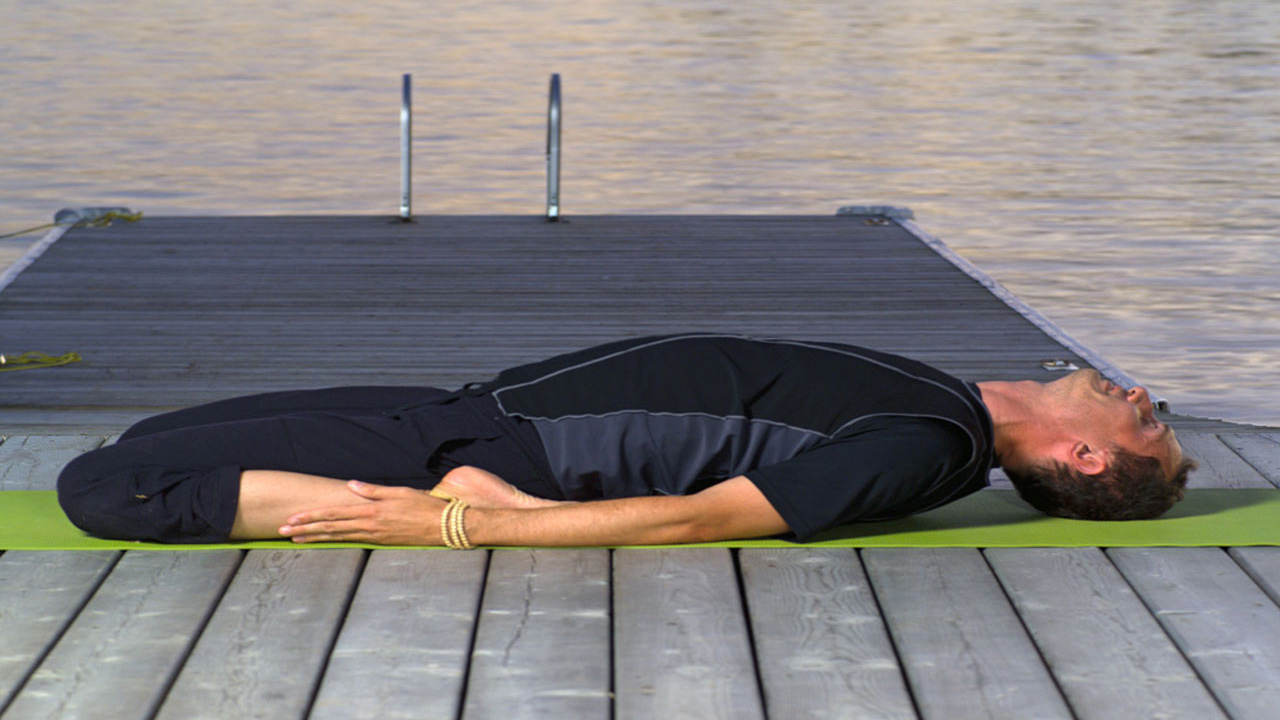
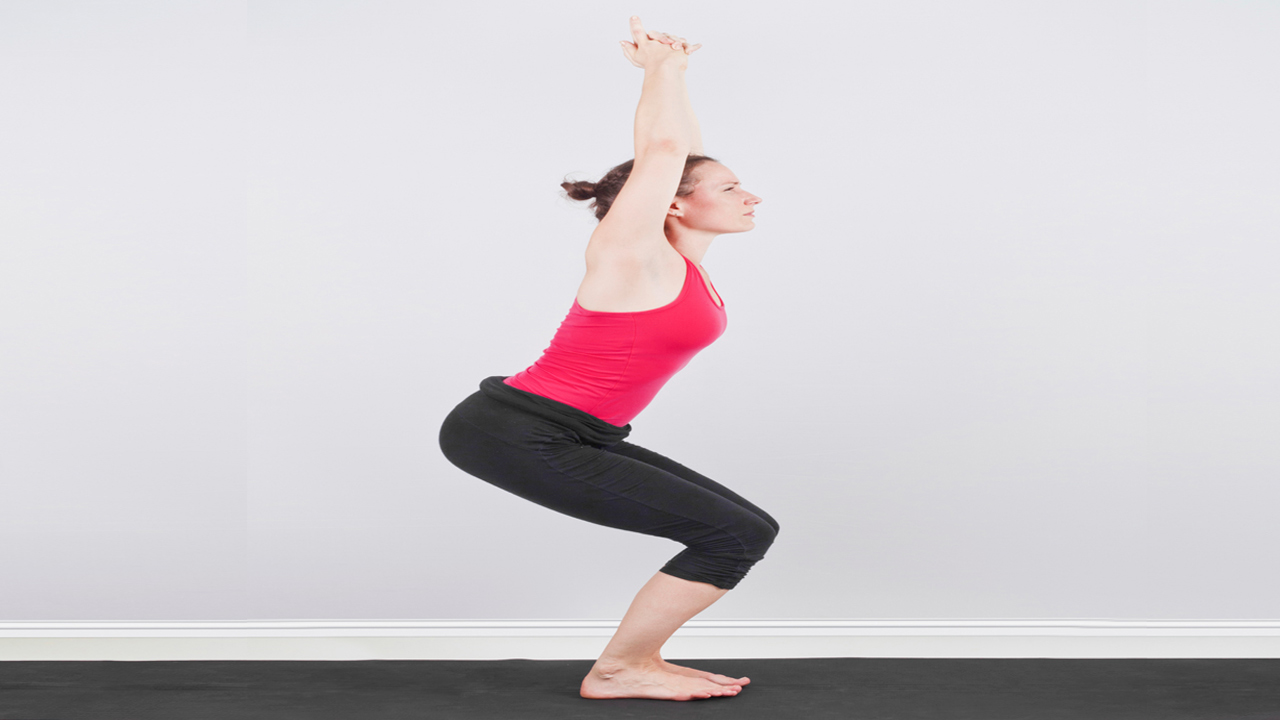
Yoga to strengthen women's lifeEveryone expects from a women for all their necessities. The husband needs to go to office and she has to prepare for this, the son or daughter needs to go to school, tiffin needs to be packed, and the in-laws need her attention for the morning tea and breakfast. Along with this she has to rush to office on time. Then while returning, she has buy vegetables and other things for household, then go home and cook, and sleep late after all the chores are done. For such a multi-tasking working-women, the time available is very less to replenish the energy she uses to do such work. Multitasking leads to stress and tension and causes headaches, stiff neck, tight shoulders, poor posture, shortness of breath, clenched teeth and fatigue. What is the solution for this? The only solution is YOGA.  We all know that yoga has many positive effects on ones well-being; it brings about both physiological and psychological benefits. It is beneficial for body, mind, and spirit. It needs only 10 minutes. Yoga helps to relieve your stress and tension. Yoga in Sanskrit means 'YOG' that is to join or unite. It is the union of mind, body, spirit, and breath with our surroundings and our universe. One should start yoga gradually with a comfortable speed and limits. Breathing exercises are excellent way to reduce stress and tension. It can be done along with asanas. For this you have to sit comfortably with relaxed shoulders and with your chin level at the floor. Inhale through the nose expanding your abdomen, rib cage, then expand your chest, then begin to exhale by contracting your abdomen, ribs and then lastly relax your chest. Now continue to breath in this fashion, this improves the quality and quantity of oxygen that enters our body and helps to relieve the shortness of breath and relieves the tension. The yoga mudra is helpful to relieve the stress, for this sit down crossed legged on the mat and keep the back straight, then take the arms behind your back and hold the left wrist with the right hand. Then by exhaling, bend forward to touch your left knee, while doing this focus on the feeling of surrendering to God, which protects you all the time, then while inhaling come back to the normal position and repeat this on the right side. Then finally, complete this pose by touching the forehead to the ground in front in the centre, while doing this exhale, then when you feel like inhaling come back to the normal position. This posture increases the energy and stimulates your respiration, improves your digestion calms your nerves. But this should be avoided by pregnant women, hernia patients, and patients with retinal disorder. The shavasana also helps you to relax your body before you get to work. In this you have to lie down on your back on the mat. Keep your arms a foot away from your body and your feet separated two feet apart.  Then close your eyes and focus on your breathing and feel free of thoughts and tension. Breathe normally and focus on your body parts, toes, legs, abdomen, head and finally the scalp and try to relax each muscle group. It improves your breathing, concentration, gives inner peace. You should avoid this if you are suffering from low blood pressure.  
Mother can pass stress patterns to childThe stress patterns in the mother have shown to affect the mental development of children and have been found to play a role in autism and even schizophrenia. "Pressure and stress is the common cold of the psyche." - Andrew Denton There are several studies conducted in this area of research. The results are varied and present a set of multiple issues that children can face if their mothers have been under stress when they were in the womb. In later years, these babies grow into children who have a weak mental state. They cry easily, pick the escape route in conflicts and difficult situations, are anxiety prone and may get easily bullied in social environments. Their social adjustment gets hampered due to emotional weakness. These children are not good at handling weak moments and end up being rubbed off the wrong way, time and again. It pushes them into a vicious cycle. The incapability to tackle socially stressful situations further scares them. They get bullied and become even more vulnerable. What to do? The approach is twofold. Curb the problem in the beginning. Yes, it is natural to be stressed. Pregnancy can be tough, physically as well as mentally. With the modern life, the stressors have increased and there is always so much to do in such little time. Relationships, work, food, health, hormones - there is ample to trouble you. Find a release for the tensions. The one growing inside you needs you to be happy and healthy. Do things that make you happy, keep your happiness at the top priority. Everyone around you needs to understand that. Reader, if you are the husband, parent, sibling or friend of a pregnant lady - support her, understand her and do all you can to make her smile. Do not be the one who reprimands if she is worried, be the one who takes away her worries. Pave way for a baby who is happy and ready to start a new life. Second, do what you can at the given time. The child is already here and is facing emotional adjustment issues - extend your support to him/her. Give the kid the ground to grow strong roots and stand tall, without being disturbed easily by gushes of the wind. While it is difficult to avoid stress, you can always try to handle it better, for the sake of your child.Soon-to-be mothers who go through stressful situations may be passing on the stress patterns to their babies.
Get the couch potato out to playKids in the modern day are increasingly getting lazier and unfit. Watching TV, playing games on consoles and smartphones, and spending time on social networks is eating into time which would otherwise be spent playing outdoors.The lack of exercise comes with a host of problems, which can affect kids in childhood or later on in life. Therefore, parents must encourage kids to exercise by being an example. However, do keep in mind that there is nothing that will bore a kid than treadmills or lifting weights. Playing sports is often the better way to go. Give aerobics a try Aerobic exercises can help kids to stay fit and also can be fun at the same time. The common perception is that aerobics involve dancing a set pattern. However, aerobics is any exercise that increases your oxygen intake. Outdoor activities can include basketball, cycling, soccer, swimming, tennis, walking or running Along with aerobics, children should also do stretching exercises, which help in improving flexibility, allowing muscles and joints to bend and move easily through their full range of motion. Getting your kids excited It is important, however, to communicate with your child the need to exercise. You could encourage them to take part in outdoor games at school as well as in the locality where you stay. You should regulate the number of hours your kid can spend in front of the TV or PC. This way she will look for means to play outside the house. You can also play with them yourself. It will be fun for the both of you, as well as helps you bond with your child. Exercising for at least an hour a day is ideal, and it broken down into chunks of 15 minutes at a time.  
Teach your kid to stand up to bulliesAlmost everyone has heard of the beach bully who goes around kicking sand in the face of the skinny lad. That's the quintessential imagery associated with bullies and it has stayed with us for over 3 decades since the first ads came out. The ads generally endorsed body building products using the classic 'Before' and 'After' construct, i.e. before you got your face sandblasted by the beach bully and after you took that protein shake or muscle builder to get even. Bullying is a phenomenon where a person or group wilfully targets someone with the intention of troubling them over a specific thing. (Bullies generally pick on someone they perceive as physically, mentally, financially, socially or racially inferior.) There is no age-limit for bullies as the bully could be a school going kid with an attitude problem or a fully grown adult, who could indulge in it from sheer force of habit or due to a mental problem. Again there is no age limit for the victim as well. Anybody could really be a target for the bully menace, right from school children, teenagers, disabled or even old people. Well bullying has changed considerably in these times and you also have the e-bully version where insecure bullies go about harassing people, especially teenagers over the internet. Bullies resort to tactics like causing public humiliation or embarrassment to hapless victims or resort to threats or other control-based abusive behaviour. Ok so everyone has undergone bullying from time to time but the question is should you allow it to happen to your teenaged son or daughter? Mind you, here it isn't simply a question of some leg pulling by friends or teachers but some serious malice that could well destroy your teenager's confidence and cause permanent scars on his self-esteem. Yes, if your teenager is being subjected to bullying then teach him how to kick the sand right back in the bully's face. Before we learn how to do that let's see the types of bullying that your kid could be subjected to: Verbal bullying This includes teasing or making caustic remarks directed at someone on a regular basis. The school bully does that, doesn't he? As you would probably remember from your own school days that fat lout who made you quiver with fright as he snatched your lunch box away to feed the dogs. Yes, the very same guy who pulled your sister's pig-tails and called you names which made you go red in the face. You could do nothing but pray he wouldn't notice you somehow. Well so something similar could be happening with your teenager. Verbal bullying need not be done by a school friend. Even a responsible teacher could target someone for deprecatory remarks causing much embarrassment, ridicule andfeelings of inadequacy to a teenager. Sometimes kids look up to their teachers for encouragement and support and those very people could actually damage a child's self-esteem by unjustified criticism and bullying behaviour.Teenage girls could suffer taunts and remarks about certain physical traits and since they are at a delicate age where their bodies are undergoing changes, such verbal abuse can indeed cause long-term depression or personality issues. Physical bullying Physical bullying is where your teenager could be subjected to physical harassment at the hands of the bully. Whether it is a simple case of holding your teenager's hand or unprovoked physical assault, the end result is the same-injuries to the body and mind. The bully may not go as far as inflict any visible scars on the teenager's body but the episodes could certainly cause great fear and trauma to him. Even teenage girls are not spared physical abuse at the hands of bullies. In certain cases, teens suffering from long-term bullying actually took some extreme measures by committing suicide or breaking down completely. Internet bullying Internet bullying is where your teenager is probably most vulnerable. At least school bullying is restricted to school, but here your teenager is at the mercy of just about everyone - from the school bully to the earnest paedophile! Causing embarrassment on public forums, threats of physical or sexual harm is the most common and as a parent you have to take every step possible to not just protect your child but also help him take care of himself or herself. The bully menace The school bully is comparatively easier to deal with than the internet lout! Well, one can't be too sure of that statement either since these days,school kids are known to blow up their own classmates or participate in a heist with adult precision. Always watch out for the classic signs of bullying. If your child appears withdrawn or disturbed after school hours then gently probe and encourage your child to tell it all. If you feel there is enough reason to think your child is being subject to bullying then bring it to the notice of the school immediately as others could have similar complaints. Do not admonish your child or scold him as it could cause him to withdraw in to the shell that the bully provided him in the first place. Parents and elder siblings can be bullies too so remember that. Teach your child to stand up to bullies. The bully is generally an insecure person who uses brute force to feel good about himself, at the cost of others. The school bully generally has his way and is not used to being challenged. Teach your child to look the bully in the eye and register protest. This will go a long way in teaching your child how to fight back and not take any nonsense from others.If the situation worsens, then always keep a track of your teenager's whereabouts especially if it is a girl. Once the bully realizes that he is being tracked he generally lies low or picks on someone else. Internet bullying requires different measures. You can monitor your child's online activities and teach them to never ever share any personal information or photographs online or on forums which are off-limits for children and adolescents. You can complain to the authorities if things get out of hand. If someone repeatedly issues threats to your teenager, either online or in real life, is a cause for real concern and one must take them seriously. If your child does not learn to cope with bullies it could affect him well in to adulthood, where he will feel helpless and easily scared by imposing people or even develop a hatred for authority figures. Bullying can fuel an already weak personality in to gaining an inferiority complex; the flip side is that kids who have been subjected to bullying can repeat the same patterns on their younger siblings or at school. So a bully creates another bully if continued unchecked. Mental problems in children are on the rise, so bullying is also no longer an innocent joke but could be a serious crime. Bullies whether children or grown-ups, suffer from some personality disorder or a serious inferiority complex which makes them compulsive trouble makers and their victims are generally people who cannot hit back or are vulnerable. Take Hitler for instance. Wasn't he just a bully who was unhappy in his own life? Look what he did to millions of innocent people. Wasn't that a bully gone berserk?  
Crave for non-food substances to put in your mouth? Go ahead take your pica!We all have strong cravings in some form or the other, especially for food. Just thinking of a chocolate cake or ice cream can set the mouth watering and the hand creeping to open the refrigerator. However, some people have an unusual craving and it is to consume non-food items. Everyone knows that children are known to eat chalk, dirt or lick walls but at times, even adults have this unusual craving for non-food items. This condition is termed as 'Pica'. One can understand a child popping something into its mouth as it's discriminatory skills are not developed, but what about fully grown adults who have this habit? Is it a mental ailment? One can't really call it a full blown mental condition as it occurs commonly in pregnant women. The cravings are as strong as any other food craving and sometimes these people go out of the way to satiate their cravings. So, right from paint thinner, to chalk to ink, ice, plaster, paint, linoleum to plastic bits can form the obsession or craving. Pica is a combination of psychological and biochemical processes and is generally a deficiency which sets about these intense cravings.  When pica strikes pregnant women, then it could be a cause for much concern and the doctor should be kept informed. While it is easier to indulge a pregnant woman's ice cream cravings if she also develops a thing for iron fillings on top of her ice cream, then obviously it can be a rather dangerous thing to do. Ice and chalk are comparatively harmless and other than affecting the teeth and the taste, do nothing much else, but what about turpentine and toxic materials? They can definitely interfere with the body's digestive processes and can even spread harmful toxins in the body to cause blood poisoning, intestinal infections, bowel blockages and lead poisoning or arsenic poisoning.  If you have such strong non-food cravings then before you give in to them talk about it to a medical practitioner. It could well be an iron deficiency or perhaps even anemia which is attracting you to chew pencils up or making you pop dirt in your mouth. If you are pregnant then certainly the doctor will need to address the underlying issue and ensure that the pica goes away before you deliver. Wouldn't want you chewing up the baby's soother now would we?
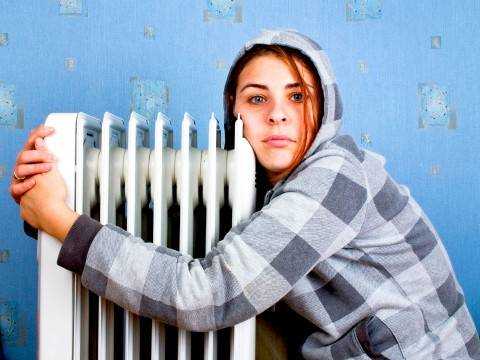
CryophobiaCold or hot can be a very subjective term as every person's tolerance for either heat or cold can vary. When some of us react in an extreme manner to all things cold, then it could be a case of cryophobia - the fear of catching cold or the fear of cold weather. Derived from the Greek "kryos" + phobos gives us cryophobia, which is a mental aberration where the mind develops a nagging and persistent fear of all things cold - be it cold weather, ice-cream, or maybe even a cold shoulder! Jokes apart, a person suffering from this condition could really experience 'hot weather' in his relationships as he will completely avoid any contact with anything cold. If the weather is a bit nippy then that's a veritable disaster for Mr. 'Avoid De Cold' as he will do everything in his power to stay indoors, for instance - turn on the central heating and wrap himself up until the mercury rises to an agreeable level. Though it is decidedly different from your run-of-the mill phobias, cryophobia could be of various types. There are some who are only afraid of cold in the 'weather' sense and are otherwise cool about touching cold objects or even having an ice-cream. While there are some who would probably break out into, if you will excuse the term, 'cold sweat,' even while watching floating icebergs on a Nat-Geo documentary. So, the sensation of cold is quite subjective, and hence the various strains of cryophobia. Generally, this fear would manifest quite logically for those who have occasioned to be trapped under ice accidently or maybe those who have suffered frost bite from exposure to cold weather during a skiing holiday. Under such circumstances, avoidance, though irrational, could be perfectly logical. If you monitor weather reports constantly and experience discomfort even in moderate climates, then you should get yourself checked for cryophobia, as chances are that soon you will be restricting yourself indoors and cutting yourself off from the rest of the world. Some people might just overcome fear or anxiety by wearing an extra layer of the woolens or turning up the central heating. For deep seated fears, it may require long-term counseling or medication. Some people might just have this morbid fear of developing pneumonia from a common cold and hence may take elaborate measures to avoid going out during cold days. This too can be quite normal since most of us don't want to call a day off from work due to a nasty cold. But despite adequate protection if you are still afraid of venturing out to work or are avoiding social contact just because of an irrational fear of catching cold when the weather outside is made for the beach and you are in the middle of summer! Then the catchphrase is - You have cryophobia!
When the grey matters!Greying of hair happens to all of us at some point in life. Some may get it early and other fortunate ones may get it when they are 50. Premature greying and hair fall is a common problem faced by 70% of females in India these days. What are the causes of greying of hair and what can be done if your hair starts to go grey early? What are the probable causes of grey hair and hair fall? Deficiency of nutrients in diet. Excessive stress. Dandruff. Diseases like thyroid disorders, anemia, and vitiligo. Side effects of certain medication. Hair problems are seen more in women who smoke or drink. Childbirth and menopause are the periods of life when most of the women invariably have hair loss. Hereditary pattern of premature greying. Today's beauty procedures like coloring, bleaching, dyeing, perming, and straightening cause hair problems at a young age. Environmental pollution. Treatment and prevention Have a balanced diet. Ensure proper nutrients reach your body in every meal. If you are anemic, treat it with proper medication. This can be an underlying cause. Have a good sleep. Avoid tension and stress. Apply oil regularly and massage. Drink lots of water. Avoid exposure to chemicals. What can be done to hide the grey hair? Apply amla oil to your hair to make it healthy. Apply henna, lemon juice, fenugreek seeds paste, made in an iron container, on your hair to give them a color and reduce greying. Boil gooseberry pieces in coconut oil. When they turn black apply it on the hair. If you have 45-50% grey hair then you can use a permanent hair color.
10 bedtime beauty essentials! Here are the beauty essentials you need to take into consideration, before you hit the bed: Baby-soft soles :Before you sleep, apply Vaseline on the sole of your feet. This will adequately moisturize your soles and you can wake up to the great opportunity of wearing those heels you have been dying to try out! Healing the puffy eyes : If you are worried about waking up with puffy and tired eyes (even after 6 to 8 hours of sleep), then put on a little eye cream. You can also keep an extra pillow and make sure you sleep on your back. This will allow the fluids around your eyes to drain easily and reduce the puffiness. Trying out wavy hairstyle : Bedtime is the best time to work on your hairstyle. Before you sleep, shower and fashion your hair into the style you want. Apply a styling cream on your hair gradually, after having air-dried it. Now, decide if you would like to put them up in buns or braids. Stylize them into the pattern and wake up to wavy hair! Let your skin breathe : Those who are suffering from dry skin can apply moisturizer. A humidifier is also a great accessory for help in these cases. You can switch on the humidifier before you go to sleep. This will help your skin to retain its moisture through appropriate hydration. Keep aging at bay :Did you know that sleeping on cotton pillowcases can increase the chances of creases and wrinkles on your skin? Prevent wrinkles by using silk or satin bed clothing. This will also reduce hair breaking. Wake up, miss white smiles: If you want to take off the yellows from your teeth, then brush some baking soda and let them stay for about 8 minutes. Afterwards, thoroughly rinse your mouth. Do not perform this beauty tip more than once a week, it will negatively affect the structure of your enamel. Work on your complexion :During the day, sunlight might disable some face creams from working effectively on your complexion. Make the most use of night and apply a face cream containing retinal and vitamin C. Lengthen your lashes : Eye lashes depth and grace to your eyes. You might feel that working on your lashes will require way too much effort. But, much to your surprise, everything your lashes need is contained in a natural ingredient - castor oil. Consisting of Omega-3 fatty acids, which are highly hydrating, they will avoid your lashes from breaking and also strengthen them. Apply castor oil on your lashes before you sleep and watch them grow thick and healthy within a few weeks! Taking care of your hair : Skim leave-in conditioner through your hair in the evening and let them stay on till the morning. This will let them become soft and shiny. You can also use coconut oil as an alternate conditioner. Readying your nails for polish : Depending on the skin type, the nails of certain people become dry. If you are one of them, it would be best to apply a cuticle cream or oil on them before you sleep to wake up to polish-ready nails.
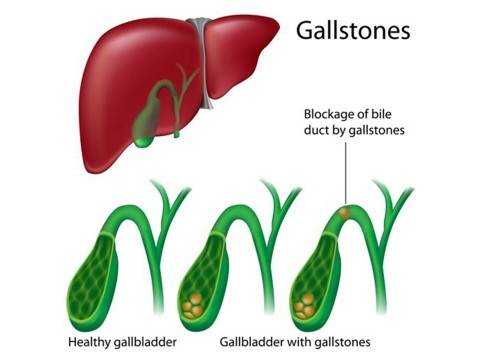
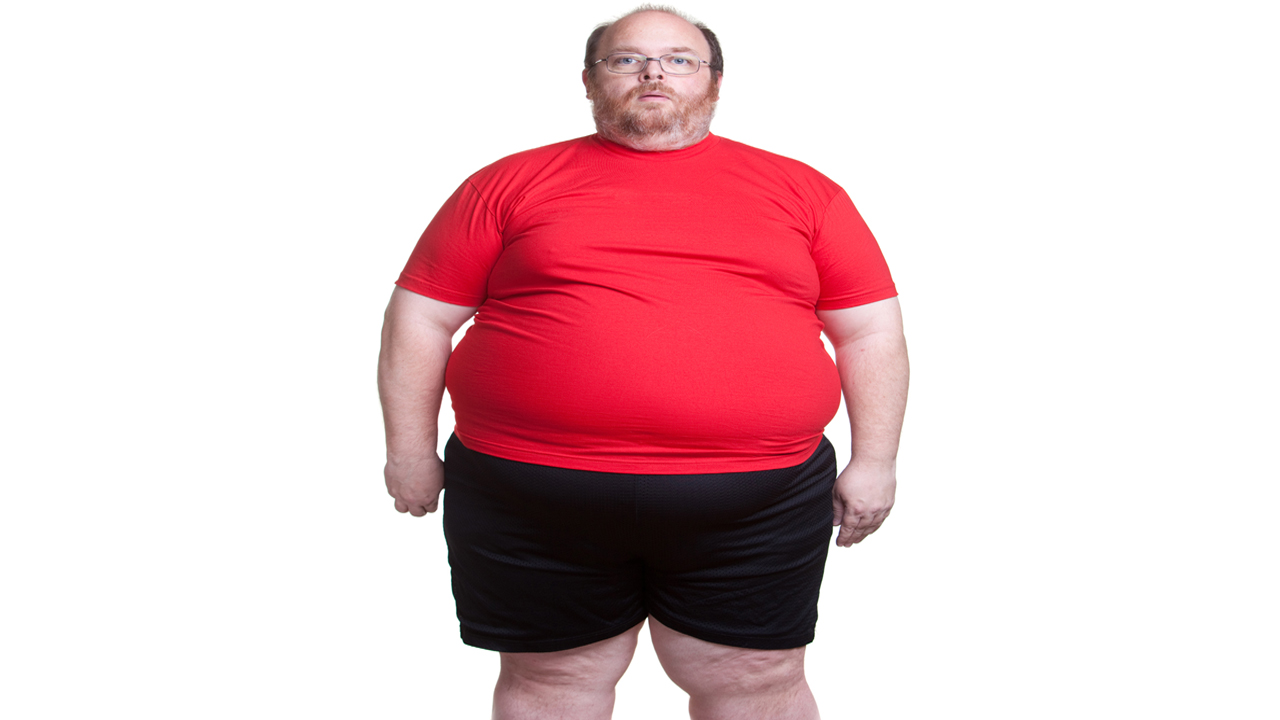
Bile block - Understanding gallbladder problemsRavi was a young intern working the night shifts in a government hospital when he was asked to examine a patient who had just been brought in. The patient was a 45-year-old, a fat man, who was complaining of pain in the right side of the abdomen along with nausea and vomiting. On inquiry it was revealed that he had eaten a very heavy fat-laden dinner. Remembering what his surgery professor had taught him about cholelithiaisis, Ravi immediately guessed what the diagnosis could be. He, however, sent the patient for a blood test and an abdominal scan. The reports confirmed Ravi’s suspicions- cholelithiasis, gallstones. The gallbladder is a tiny pear shaped organ that lies just below the liver. It is responsible for storing the bile that is produced by the liver for digesting food. It ensures the smooth outflow of the bile from the bile ducts. When the bile components aggregate in the gallbladder, they build up to form gallstones, similar to kidney stones. The gallstones are usually small enough to pass on to the intestines and be eliminated without causing too much trouble. At times, these stones may be big enough to block the outflow of the bile and give rise to a variety of symptoms depending on the size of the stone and severity of the block. The symptoms include -  Intermittent colic. A bloated sensation with constant nausea. Inability to tolerate fats. Vomiting.  Fever with chills if the stone becomes infected. Gall stones though found in both sexes, is more common in females. The risk factors for developing gallstones include - Diabetes. Organ transplant. Diseases like hemolytic anemia, sickle cell anemia. Liver cirrhosis. Failure of the gallbladder to empty properly, e.g., during pregnancy. Rapid weight and nutrition loss due to any reason. Gallstones are confirmed by a blood test to check the liver function and by an abdominal scan. Medications to dissolve the stones, and surgery in case of large stones that do not dissolve with medications, are the treatment options.
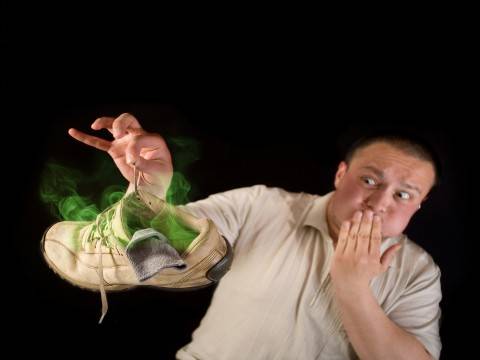
Stinky feet? Learn why!Most of us have experienced a bad smelly foot at least once in our lives. We all have that one friend or relative who has such smelly feet that he can clear off a room as soon as he kicks off his shoes! With more than 250,000 sweat glands in each foot, the feet are the most highly sweating parts of the body. What causes this bad smell? The feet contain thousands of sweat glands. During warm days or when you wear socks and tight shoes, the sweating increases in due proportion. The resulting sweat does not find an outlet and starts accumulating in the spaces available and this warm and moist area breeds bacteria. The bacteria start feasting on your sweat and dead skin. They digest their food and release the waste products. These waste products are toxic organic acids that cause the feet to smell so bad. About 10 to 15% of people suffer from this horribly bad smell. Why? This is because their feet are extra sweaty and become a home ground for certain bacteria called as Micrococcus sedantarius. Along with stinky organic acids, the bacteria produce volatile sulphur compounds. Sulphur compounds are powerful and extremely awful smelling almost like a dirty rotten egg. Teenage years also see extra amounts of sweating on the feet. Medical conditions like Hyperhidrosis can also make your feet sweat more. If you are suffering from a fungal infection of the foot, then rest assured that your feet will smell horrible. Smelly feet can be an embarrassing problem. It puts everyone in a spot. Hence, foot hygiene is important to avoid smelly feet. Always wash and dry your feet well every morning. Dab some antiperspirant powder on your feet and between the toes to soak the perspiration. Never wear the same shoes for more than 2 days in a row. Wear a fresh pair of socks daily. Keep your feet exposed to fresh air. Avoid tight-fitting shoes. Use an antibacterial soap to wash your feet if you have smelly feet. Visit your doctor if simple home measures do not prove very effective. Excessive sweating is often considered the cause for foot odor. This is not true. Sweating in itself is harmless; it is the bacteria that grow there that are responsible for the awful odor.
Is sex linked to self esteem?Man is a curious creature, full of quirks and contradictions. Sexual intercourse, something that most people consider an intimate and private experience, is spoken about in hushed tones and often, with some discomfort. We don't reveal or talk about our sexual desires, as readily we discuss our salary packages or food habits. This is quite ironic seeing how sex is an important gauge for a person's self esteem and also an indicator of his/her social desirability. The very thing that we do under covers, we somehow choose to "keep under cover". The Link between Sex and Self Esteem: Self esteem is an important factor that determines the mental & physical well-being of an individual. All of us have a craving to be understood, liked and appreciated; and these form the equivalent of our basic needs on the inverted pyramid- Food, clothing and shelter. For a human being to flourish and prosper, consumable food, without the mental food of appreciation, is not enough; and sexual intercourse or an intimacy with the opposite sex, is one way of validating that need. Sex therefore, ceases to be just a physical need instilled by nature for the perpetuation of the species, but goes into the larger emotional cum psychological dimension of self actualization and realization. Though some of us might be embarrassed to broach the topic of 'whether or not we are getting enough', the truth is that every human seeks to achieve his sexual potential, even while he or she might, not be aware of it. Most of us have the ability to get the foods matching our taste preferences onto our plates, but with sex, this could be a little difficult, since sex, is a complex subject with a lot of social, moral and religious links. The truth is evident in the number of marriages (the very cornerstones of civil society) that fail on the basis of sexual compatibility, either by setting unrealistic sexual expectations or by not owning up to, or even identifying, one's sexual needs. This has repercussions on the psyche and self-esteem of a person, and this is especially true in the case of men in particular, as they may feel completely inferior for not being able to attract a sexual partner matching his desires. In some people, this also leads to a case of self-loathing, for having sexual needs which a partner doesn't understand, or much worse, needs which are considered taboo and sinful (Homosexuality, Anal Sex, Group Sex, Fetishes, etc.) These complex emotions can wreak  havoc on a person's self-esteem, by creating severe internal conflicts and serious self-doubts. Now socially, sex can either liberate a person, or hold him prisoner. At times, the unfulfilled needs may get repressed and banished to the shadows, only to be played out later, in the form of sexual adventurism and crime. Just one look at the sexual crimes in our society today, and we can clearly understand just how healthy our collective self esteem is! The very society that frowns upon prostitution, is actually responsible for creating it, though everybody would like to pretend otherwise. The crux of the matter is that "sex" and "self esteem" are closely related; and one should not shy away from addressing any issues one might face regarding one's sexuality. Physical love is necessary for the survival of a relationship and one needs to make time and efforts to successfully create one's own sexual space. The positive effects of a good sex life can be seen in an increased work productivity, fewer illnesses and an increase in one's overall efficiency. Some people are haunted by sexual guilt and confusion and when they keep it all locked up, they suffer from unexplained physical pains and feel 'down in the dumps' mentally. Another problem with appreciation from the opposite sex, is the addiction to  external validation. Some people feel utterly worthless until they receive positive feedback about their looks or abilities on a regular basis. This can be downright devastating, as in these cases, there is a great dependence on external factors for one to feel good. While no one denies the "feel good factor" of sexual appreciation, it is up to each one of us, to decide just how much of control one must be giving to external factors, to determine our personal self-esteem. The appreciation may be theirs, but the esteem is entirely of the self and only the self can decide how much of appreciation and sex is enough.

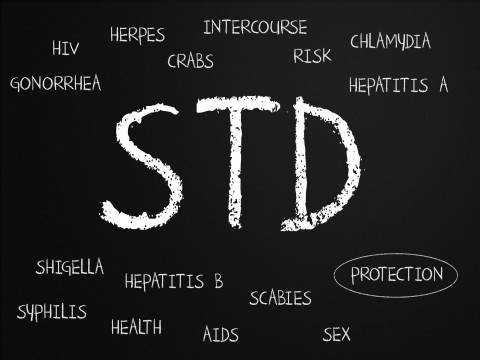
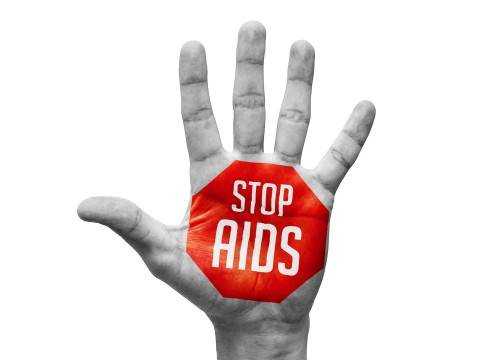
How to talk about STDsThese are dangerous times that we live in. Just the sheer number of people affected by sex related problems, diseases and conditions all over the world is simply terrifying. AIDS, venereal infections like syphilis and gonorrhea, herpes, HPV etc. are rampant and it calls for some responsible sexual behavior. However, that's a utopian world where humans will be monogamous and will behave responsibly. Even single people might get exposed to these diseases through indulging in risky sexual contact. Imagine doling out $750,000, as a woman in the US got from her husband because he gave her herpes. Even if you are not held legally accountable, what about moral responsibility to own up and discuss a possible STD infection with your partner! Take the case of Jack a happily married man for ten years who had casual sex when out of town on an official trip. He showed no obvious symptoms of any infection but in a month, his wife showed signs of herpes and his marriage crumbled as his wife struggled to come to terms with her husband's obvious infidelity and his callous manner in exposing her to a serious sexual infection. Call it ignorance but sometimes a person might engage in sexual intercourse and contract a disease which he might even not be aware of until the symptoms start appearing. (Refer article on Syphilis on www.topdoctorsonline.com) By then, he might have, in all probability, passed it on to his regular sexual partner or spouse. Or perhaps, there is another possibility that the person knows that he has contracted a sexual infection but doesn't know how to break the news to his partner.  If a person is aware of his infection, yet exposes another person knowingly, it is akin to premeditated murder. Yes, it is going to be a difficult thing to tell your partner which might even signal the end of the relationship or cause severe strain on it. So, if you are caught in a situation like this, what would you do? The option would be to visit a sex therapist and confide in him and then take an appointment for both and let the professional break it to the partner. That is of course if you are in a stable relationship. For those who both party to casual sex, the infected person generally won't be that open about his infection and may even choose not to care particularly if the other person is a complete stranger. A report in MedlinePlus news reveals some more shocking statistics: Many people said they occasionally, rarely or never got tested before having sex with casual partners (50 percent) or long-term partners (39 percent). Of the people who did discuss STD testing, very few discussed concurrent sexual partners or when partners' testing occurred in relation to their last sex act. Only half explained what types of STDs their partner had been tested for. These issues are important components of assessing STD risk, the researchers said. About one-third of participants reported telling a partner they didn't have an STD even though they hadn't been tested since their last sexual partner. One U.S. woman was awarded $750,000 in court from her ex-husband because he gave her herpes, and the legal trend is to make people accountable. (http://www.dummies.com/how-to/content/how-to-talk-to-a-partner-about-stds.html) Remember even wearing a condom is not a 100% guarantee that the infection won't pass on to the other person but that's the least that you can do if you don't have the courage to spill the beans about your condition. If you feel that your partner may be indulging in sexual activity with multiple partners and if you feel he might be infected, then you are well within your rights to decline to have sex with him until he/she gets tested. If you notice sores around the genitals do not indulge in oral or anal sex or any kind of sex and insist on a condom always; it could save your life.
FAQS
T&C FAQS